When the Soul Is Cast Down

-Reading Anxiety and Depression Through the Textures of Scripture

The repeated cry of Psalms 42–43, “Why are you cast down, O my soul?” is not merely a poetic flourish. It is a theological diagnosis of the disoriented human person before God. The psalmist does not present emotional suffering as an embarrassment to faith, nor does he resolve anguish by suppressing it beneath religious language. Instead, he speaks directly to his own nephesh, the whole embodied self, and names the interior collapse that has overtaken him. This refrain, repeated three times in Psalm 42:5, Psalm 42:11, and Psalm 43:5, becomes the interpretive spine of the text. The soul is not serenely contemplating God from a place of spiritual stability. The soul is bowed low, restless, thirsty, displaced, remembering, grieving, hoping, and arguing itself back toward God.

This matters because contemporary Christian communities often lack a sufficiently biblical grammar for anxiety and depression. Some accounts over-spiritualize emotional suffering, reducing depression to unbelief or anxiety to disobedience. Other accounts over-materialize it, speaking only in clinical or neurological categories while neglecting the covenantal, communal, and theological dimensions of human anguish. Scripture refuses both reductions. The biblical witness understands the human person as an integrated unity of body, breath, desire, memory, relational belonging, and covenant vocation. In Hebraic thought, one does not “have” a soul as an inner religious compartment; one is a living nephesh before God.¹

Depression often lives in the past, in what has happened, what has been lost, what cannot be undone, and what remains unresolved. Anxiety often lives in the future, in what may happen, what cannot be controlled, and what the mind attempts to master before it arrives.

This distinction is pastorally useful, but it must remain humble rather than totalizing. Some depression arises from grief, exhaustion, trauma, postpartum realities, neurological conditions, or causes that cannot be named. Some anxiety is not future-oriented in any obvious way but emerges from trauma, panic, or bodily dysregulation. Scripture gives us categories without giving us simplistic formulas. The thesis of this article is that Psalms 42–43 provide a biblical grammar for the cast-down soul, one that can hold together lament, embodied suffering, covenant memory, divine presence, and communal healing. Anxiety and depression are not treated in Scripture primarily as abstract psychological states, nor are they flattened into moral failures. They are textured realities of creaturely life before God. They are experiences of the whole person under weight. They require not only truth but presence, not only exhortation but care, not only prayer but often sleep, food, confession, companionship, counsel, and embodied mercy.

The Hebrew refrain at the center of Psalms 42–43 begins with the question mah-tištôḥăḥî napšî, “Why are you cast down, O my soul?” The verb šāḥaḥ carries the sense of being bowed down, brought low, bent over, or collapsed beneath pressure.² This is not the language of mild discouragement. It is bodily language. The psalmist experiences sorrow as weight. The soul is pressed downward. The inner life has taken a posture. In Hebrew anthropology, emotional realities are regularly described in bodily terms because the human person is not divided into modern compartments of “mental,” “physical,” and “spiritual.” Bones waste away under guilt. The heart melts under fear. The throat dries in lament. The eyes fail from weeping. The body becomes the theater of the soul’s distress.

The second term that must be handled carefully is nephesh. English readers often hear “soul” through later dualistic assumptions, as though the psalmist were addressing an immaterial part of himself distinct from the body. But nephesh in the Hebrew Bible most often refers to the whole living person, the self as animated, desiring, vulnerable, embodied life.³ The nephesh thirsts for God in Psalm 42:2, but elsewhere it hungers, faints, blesses, longs, sins, and dies. The psalmist is therefore not speaking to a detachable spiritual essence. He is confronting his whole self before God.

The second half of the refrain asks, “Why are you in turmoil within me?” The Hebrew verb hāmâ evokes roaring, agitation, growling, commotion, or deep internal disturbance.⁴ The image is almost acoustic. The soul is noisy within him. This is significant because anxiety and depression often do not feel like quiet sadness. They can feel like inner turbulence. The mind roars. Memory roars. Fear roars. The future roars. The psalmist’s interior world is not simply heavy; it is unsettled (a return to chaos waters.) This helps explain the emotional architecture of Psalm 42. The psalm begins, “As a deer pants for streams of water, so pants my soul for you, O God.” This image is often domesticated into devotional sweetness, but the Hebrew picture is more desperate. The deer is not enjoying a quiet stream. It is panting because it lacks water (the satire of feelings of being hunted). The psalmist’s longing for God arises from deprivation. He is spiritually thirsty, but not in a sentimental way. His tears have become his food “day and night” while others ask, “Where is your God?” The wound is not only emotional but theological. His suffering is intensified by the apparent absence of the God whose presence he seeks.

The geographical references in Psalm 42:6 deepen the sense of displacement: “from the land of Jordan and of Hermon, from Mount Mizar.” The psalmist remembers God from a place away from Zion. In an Ancient Near Eastern world, temple geography mattered profoundly. Temples were understood as sacred centers, meeting points of heaven and earth, places where divine presence was enthroned and ordered worship sustained the world.⁵ Israel’s temple theology must not be collapsed into pagan sacred-space ideology, yet the broader cultural context helps us feel the weight of the psalmist’s loss. Distance from the sanctuary is not merely inconvenience. It is disorientation.

This is why memory becomes both gift and wound in Psalm 42:4: “These things I remember, as I pour out my soul.” Memory in lament is not neutral recollection. It is the painful act of bringing the past into speech before God. The psalmist remembers leading the procession to the house of God with glad shouts and songs of praise. That memory intensifies his present grief. Here we begin to see why depression often lives in the past. The past can become a sacred ache. It may be filled with regret, loss, trauma, longing, or even holy nostalgia for a time when God felt nearer than He does now.

Depression often lives in the past. This is not a clinical definition, but it is frequently a pastoral reality. The depressed soul often carries what has already happened: what one did, what was done to one, what was lost, what cannot be repaired, what cannot be relived, what remains unresolved. Scripture names this in multiple registers. Sometimes depression is tied to guilt, as in Psalm 32. Sometimes it is tied to grief, as in Hannah and Naomi. Sometimes it is exhaustion after spiritual conflict, as in Elijah. Sometimes it is unexplained suffering, as in Job.

Psalm 32 gives one of the most embodied depictions of hidden guilt in Scripture. David says, “When I kept silent, my bones wasted away through my groaning all day long” (Ps 32:3). The language is not merely metaphorical ornamentation. In Hebrew thought, concealed sin distorts the whole person. Silence becomes bodily decay. The past, when unconfessed, colonizes the present. David’s healing begins not by self-punishment but by disclosure: “I acknowledged my sin to you.” The movement is from concealment to confession, from compression to speech, from hiddenness to relational repair.

Yet Scripture carefully refuses to make all depression about guilt. Elijah’s collapse in 1 Kings 19 comes after Mount Carmel, after prophetic victory, after courage, after fire from heaven. He is not portrayed primarily as rebellious but as exhausted, afraid, isolated, and depleted. Under the broom tree, he asks that he might die: “It is enough; now, O LORD, take away my life” (1 Kgs 19:4). God’s first response is not a lecture. It is food and sleep. Before Elijah receives theological correction, he receives embodied mercy. This is a crucial biblical counseling insight. Sometimes the most spiritual thing a collapsing person can do is eat, sleep, and receive care.

The lie Elijah believes is also central: “I, even I only, am left” (1 Kgs 19:10). Depression often lies about aloneness. It narrows the field of vision until the sufferer can no longer perceive the hidden remnant of grace. God’s answer is not merely doctrinal. It is relational and communal: there are seven thousand who have not bowed the knee to Baal. Elijah’s despair is not mocked, but neither is its interpretation of reality allowed to stand unchallenged. The cast-down soul may be telling the truth about pain while lying about isolation.

Hannah’s grief in 1 Samuel 1 adds another texture. She is “bitter of soul” and prays to the LORD while weeping bitterly. Her anguish is tied to barrenness, shame, rivalry, and social vulnerability. The text does not reduce her sorrow to unbelief. In fact, her grief becomes the very place of prayer. Hannah pours out her nephesh before the Lord. She does not bypass sorrow; she brings sorrow into covenant speech. Her prayer becomes a model of holy disclosure. – DO NOT MISS THIS!

Job presses the matter further. Job’s suffering is neither explained by personal sin nor resolved through easy theological accounting. He curses the day of his birth, laments existence, protests God’s silence, and refuses the shallow counsel of friends who insist suffering must have a simple moral cause. Job is perhaps Scripture’s strongest protest against reductionistic counseling. His friends speak many true things wrongly because they speak without discernment, without compassion, and without reverence for the mystery of suffering. Their theology cannot make room for unexplained pain.

If depression often lives in what has already happened, anxiety often lives in what has not yet happened. Anxiety attempts to inhabit the future before grace is given for it. It asks the creature to carry omniscience, sovereignty, and control. This is why Jesus’ teaching in Matthew 6 is so psychologically and theologically incisive. “Which of you by being anxious can add a single hour to his span of life?” (Matt 6:27). Jesus is not merely scolding worry. He is exposing its futility. Anxiety promises control but cannot deliver it. It borrows suffering from tomorrow and spends it today.

The Greek verb often translated “be anxious” is merimnaō, related to the idea of being divided or pulled in different directions.⁶ This does not mean every experience of anxiety is sinful, nor does it mean bodily panic can be reduced to conscious distrust. But the term does capture the interior fragmentation of worry. Anxiety divides attention. It scatters the self across imagined futures. It makes the soul live in many possible tomorrows at once, none of which have yet been entrusted to God in the present.

Luke 10:41 gives a particularly tender example. Jesus tells Martha, “Martha, Martha, you are anxious and troubled about many things.” The doubled name is not harsh rebuke but relational address. Jesus sees her agitation, names it, and redirects her. Martha’s anxiety is not treated as a reason for rejection. It becomes an invitation into reordering. Her problem is not that she serves; her problem is that her service has become fragmented by worry.

First Peter 5:7 also belongs here: “casting all your anxieties on him, because he cares for you.” The participle “casting” evokes active transfer. Anxiety is not merely analyzed; it is thrown upon God. Yet the reason given is not raw divine power but divine care. The text does not say, “Cast your anxieties upon him because he is in control,” though that is true. It says, “because he cares for you.” Biblical trust is not surrender to an abstract sovereignty but entrustment to covenant love.

Shame says, “You are the problem,” while conviction says, “There is a problem, and there is a way through.” This distinction deserves theological development. Shame attacks identity. Conviction addresses reality. Shame isolates. Conviction summons. Shame collapses the self inward. Conviction opens the self toward repentance, repair, and restoration.

II Corinthians 7:10 is essential: “Godly grief produces repentance leading to salvation without regret, whereas worldly grief produces death.” Paul does not deny grief. He distinguishes between griefs. There is a sorrow that leads toward God and a sorrow that curves inward toward destruction. Judas and Peter embody this contrast. Both fail Jesus grievously. Both experience sorrow. But Judas carries his failure into isolation and death, while Peter is restored through encounter, confession, and commission. The difference is not that Peter’s sin was minor. The difference is where the sorrow went.

Romans 8:1 must therefore stand near any Christian theology of emotional suffering: “There is therefore now no condemnation for those who are in Christ Jesus.” This is not sentimental reassurance. It is forensic, covenantal, and pastoral. Condemnation has been answered in Christ. The suffering believer may still experience conviction, grief, remorse, and discipline, but condemnation is no longer the voice of God. Any pastoral approach that intensifies shame in the name of holiness has failed to distinguish accusation from the Spirit’s restorative work.

To Gethsemane. In Matthew 26:38, Jesus says, “My soul is very sorrowful, even to death.” The Greek phrase perilypos estin hē psychē mou heōs thanatou expresses an extremity of sorrow that surrounds and overwhelms. Jesus does not merely observe human anguish from above; He enters it. The language echoes the psalmic tradition of the afflicted soul and places Christ within Israel’s grammar of lament. This matters christologically and pastorally. Jesus’ sorrow does not indicate failure of faith. In Gethsemane, perfect trust and overwhelming distress coexist. He prays, He grieves, He seeks companionship, He sweats under the weight of what lies before Him, and He entrusts Himself to the Father. Therefore, the suffering believer is not less like Jesus because sorrow is present. In certain moments, sorrow may be one of the places where communion with the suffering Christ becomes most deeply known.

The first “not good” in Scripture is not sin but solitude: “It is not good that the man should be alone” (Gen 2:18). This must be taken seriously in any biblical theology of emotional suffering. Human beings are not created for isolated self-management. The modern Western ideal of the autonomous self is foreign to the biblical imagination. We are formed in relation, wounded in relation, and often healed in relation. Galatians 6:2 commands believers to “bear one another’s burdens, and so fulfill the law of Christ.” James 5:16 connects confession, prayer, and healing: “Confess your sins to one another and pray for one another, that you may be healed.” These texts do not replace Christ with community; they show how Christ ministers through His body. The church becomes a burden-bearing people because the Messiah has borne the weight of the world.

We all still have one foot in the world. Professional counseling, medical care, and at times medication need not be viewed as threats to faith. The brain is an organ. The nervous system is part of embodied creatureliness. If Hebrew anthropology refuses to divide the person into isolated compartments, then Christian care must also refuse false divisions. Prayer and therapy are not enemies. Pastoral care and medical wisdom are not competitors. The cast-down soul often needs Scripture, presence, confession, nourishment, sleep, community, and professional help. This is not a failure of spirituality. It is an acknowledgment that human beings are dust, breath, body, and beloved. It is utilizing all of God’s provisional care.

The repeated refrain of Psalms 42–43 never asks us to pretend the darkness is not real. “Why are you cast down, O my soul?” is not the language of denial. It is the language of honesty. Scripture gives us permission to tell the truth about our interior world without shame. The psalmist does not hide his tears, his exhaustion, his confusion, or his questions. He brings them into the presence of God. Perhaps this is one of the first acts of healing for the cast-down soul: to stop pretending and begin speaking honestly before the Lord.

If you find yourself struggling beneath the weight of depression, hear this clearly: you are not weak, forgotten, broken beyond repair, or spiritually defective. You are human. You stand in the long company of saints who knew what it meant to walk through deep waters. Elijah sat beneath the broom tree and wanted to give up. Hannah wept bitterly before the Lord. David confessed nights where tears became food. Job sat in ash heaps asking questions no one could answer. Martha spun beneath the weight of anxiety. Even Jesus Himself entered Gethsemane sorrowful unto death. The presence of emotional struggle is not evidence that God has abandoned you. In many ways, it may be evidence that you are standing in profoundly biblical territory.

The enemy often speaks in extremes. Depression whispers that nothing will ever change. Anxiety whispers that disaster waits around every corner. Shame whispers that you are alone, misunderstood, and somehow uniquely damaged. Yet Scripture repeatedly confronts those lies with covenant truth. Elijah thought he alone remained, yet God revealed an unseen remnant. David thought silence could protect him, yet healing only came when what was hidden came into the light. Peter thought failure had defined him forever, yet resurrection breakfast with Jesus rewrote his story. The cast-down soul rarely sees clearly in the middle of the valley. This is why we need the voice of God, the presence of community, and the reminder that feelings are real but not always final. The psalmist does something deeply practical in the midst of his anguish: he speaks back to his soul. “Hope in God, for I shall again praise Him.” Notice the honesty and the expectation held together. He does not say, I feel hopeful right now. He says, I shall again praise Him. This is not denial; it is defiant trust. Biblical hope is not pretending the night is short. It is believing morning is still coming.

For some, the Spirit-led advance in this season may be deeply practical. Perhaps victory looks like finally telling someone the truth instead of carrying the burden alone. Perhaps it means texting a trusted friend, counselor, pastor, or spouse and saying, “I am not doing well.” Perhaps it means receiving professional help without shame. Perhaps it means sleeping, eating, resting, or allowing yourself to stop carrying what God never asked you to hold. Elijah got food before theology. Sometimes healing begins with very ordinary obedience.

For others, the Spirit may be inviting you into practices of holy resistance. When anxiety begins spinning tomorrow’s fears, return to what is actually in front of you today. Name the fear specifically and hand it to God aloud if necessary. When depression pulls you backward into regret, remember that the cross remains the only mechanism in the universe powerful enough to redeem the past. You do not have to carry a burden that Jesus already won victory over. Where shame says, “You are finished,” the Gospel says, “There is still resurrection.”

There are moments when spiritual warfare looks less like dramatic victory and more like quiet perseverance. Getting out of bed becomes warfare. Showing up to church becomes warfare. Answering the text, taking the walk, saying the prayer, opening the Bible, making the counseling appointment, receiving communion, asking for prayer, choosing not to isolate—these things are not small. They are holy acts of resistance. The Kingdom of God often advances one faithful step at a time.

And if today all you have is six words, let them be the prayer of the weary soul: “Search me, O God, and know.” When language fails, the Spirit intercedes (Rom. 8:26). When strength fades, a bruised reed He will not break, and a smoldering wick He will not extinguish (Isa. 42:3). The Shepherd does not despise struggling sheep. He moves toward them.

The dark night may be real, but so is the dawn. The past is not beyond redemption. The future is not outside His care. And even here, in this moment, with a soul perhaps still trembling and weary, Christ remains near. The cast-down soul is not abandoned. Hope may feel distant, but it is not absent. Hold on. Speak to your soul. Let others carry the burden with you. And trust that the God who met Elijah under the tree, Hannah in her tears, David in the cave, Peter after failure, and Jesus in Gethsemane is still meeting His people today.

Endnotes

  1. John H. Walton, Ancient Near Eastern Thought and the Old Testament: Introducing the Conceptual World of the Hebrew Bible, 2nd ed. (Grand Rapids: Baker Academic, 2018), 209.
  2. Ludwig Koehler and Walter Baumgartner, The Hebrew and Aramaic Lexicon of the Old Testament, trans. M. E. J. Richardson (Leiden: Brill, 2001), 1458.
  3. Hans Walter Wolff, Anthropology of the Old Testament, trans. Margaret Kohl (Philadelphia: Fortress, 1974), 10.
  4. Francis Brown, S. R. Driver, and Charles A. Briggs, The Brown-Driver-Briggs Hebrew and English Lexicon (Peabody, MA: Hendrickson, 1996), 242.
  5. John H. Walton, Ancient Near Eastern Thought and the Old Testament, 118.
  6. Frederick W. Danker, ed., A Greek-English Lexicon of the New Testament and Other Early Christian Literature, 3rd ed. (Chicago: University of Chicago Press, 2000), 632.
  7. Walter Brueggemann, The Message of the Psalms: A Theological Commentary (Minneapolis: Augsburg, 1984), 57.
  8. Walter Brueggemann, The Psalms and the Life of Faith, ed. Patrick D. Miller (Minneapolis: Fortress, 1995), 102.
  9. John Goldingay, Psalms, Volume 2: Psalms 42–89 (Grand Rapids: Baker Academic, 2007), 29.
  10. James L. Mays, Psalms (Louisville: John Knox, 1994), 177.
  11. J. Clinton McCann Jr., “The Book of Psalms,” in The New Interpreter’s Bible, vol. 4 (Nashville: Abingdon, 1996), 812.
  12. Claus Westermann, Praise and Lament in the Psalms, trans. Keith R. Crim and Richard N. Soulen (Atlanta: John Knox, 1981), 169.
  13. Patrick D. Miller, They Cried to the Lord: The Form and Theology of Biblical Prayer (Minneapolis: Fortress, 1994), 65.
  14. John Goldingay, Old Testament Theology, Volume 2: Israel’s Faith (Downers Grove, IL: IVP Academic, 2006), 601.
  15. Tremper Longman III, How to Read the Psalms (Downers Grove, IL: InterVarsity, 1988), 26.
  16. Ellen F. Davis, Getting Involved with God: Rediscovering the Old Testament (Lanham, MD: Cowley, 2001), 12.
  17. Terence E. Fretheim, The Suffering of God: An Old Testament Perspective (Philadelphia: Fortress, 1984), 149.
  18. Abraham J. Heschel, The Prophets (New York: Harper & Row, 1962), 16.
  19. Michael J. Gorman, Cruciformity: Paul’s Narrative Spirituality of the Cross (Grand Rapids: Eerdmans, 2001), 75.
  20. N. T. Wright, Jesus and the Victory of God (Minneapolis: Fortress, 1996), 599.
  21. Scot McKnight, The King Jesus Gospel (Grand Rapids: Zondervan, 2011), 46.
  22. Dietrich Bonhoeffer, Life Together, trans. John W. Doberstein (New York: Harper & Row, 1954), 112.
  23. Curt Thompson, The Soul of Shame: Retelling the Stories We Believe About Ourselves (Downers Grove, IL: IVP, 2015), 23.
  24. Andrew Root, The Promise of Despair: The Way of the Cross as the Way of the Church (Nashville: Abingdon, 2010), 41.

Taming the Tongue

This is a followup article to my good friend Paul’s at Cross and Cornerstone…

Great article! READ HERE: Taming the Tongue

Few things have fractured churches, damaged families, divided friendships, and undermined kingdom community more profoundly than the misuse of words. Entire relationships can be unraveled by a sentence. Trust built over years may collapse through gossip whispered in moments. Communities formed in covenant can suddenly become strained under the subtle poison of criticism, slander, accusation, or careless speech. Scripture consistently presents the tongue not as a secondary issue of spiritual maturity but as a central diagnostic of discipleship itself. The biblical witness repeatedly suggests that what exits the mouth often reveals realities deeply embedded within the heart.

We live in an age saturated with speech. Through social media, podcasts, texting, digital communities, and twenty-four-hour outrage cycles, humanity speaks more than any generation in history. Yet increased communication has not necessarily produced increased wisdom. If anything, the digital age has amplified what the apostle James warned against nearly two thousand years ago: the destructive power of an untamed tongue. Many believers have learned how to articulate theological positions, defend doctrinal tribes, and speak confidently about spiritual matters while simultaneously neglecting the deeper kingdom ethic of speech rooted in humility, gentleness, covenant faithfulness, and wisdom from above.

For the biblical writers, speech was never merely descriptive. Words were formative and relational not transactional. They shaped reality, cultivated covenant, reinforced identity, and carried spiritual consequence. This reality becomes even more striking when viewed through an Ancient Near Eastern and Hebraic lens. Within the world of the Hebrew Bible, speech was not considered cheap, casual, or disposable. Words possessed power because they flowed from the character and intentions of the speaker. A promise spoken established covenant. A blessing spoken carried generational implications. A curse uttered represented rupture and judgment. Speech was deeply connected to moral responsibility and communal flourishing.¹

This framework helps us understand why James devotes such serious attention to the tongue. James 3 is not simply moral advice about avoiding profanity or trying harder to “be nice.” Rather, James draws deeply from Jewish wisdom traditions, Proverbs, covenant ethics, and the teachings of Jesus to articulate something far more profound: the tongue functions as a spiritual barometer of kingdom maturity. One may profess theological orthodoxy, participate in worship gatherings, or possess extensive biblical knowledge, yet an untamed mouth exposes a heart still undergoing formation. James therefore confronts believers with uncomfortable honesty: maturity is inseparable from speech.

To appreciate the gravity of James’s warning, we must first understand the ancient worldview surrounding speech. In many Ancient Near Eastern cultures, spoken words were perceived as powerful extensions of authority and identity. While Israel’s worldview remained distinct from surrounding nations, the broader cultural context nevertheless recognized language as carrying performative force. Kings issued decrees that established legal realities. Priests invoked blessings believed to mediate divine favor. Oaths created binding obligations, and public declarations could reshape communal standing.²

The Hebrew Scriptures amplify this understanding through the doctrine of creation itself. The opening chapter of Genesis repeatedly emphasizes that God creates through speech: “And God said…” (Gen 1:3). Creation emerges not through violence, chaos, or divine combat—as was common in neighboring ANE myths—but through ordered, intentional divine utterance. God speaks, and reality responds. Walter Brueggemann notes that in Israel’s imagination, Yahweh’s speech is never empty rhetoric but effective action that creates and sustains covenantal order.³ Words, therefore, participate in the movement from chaos to flourishing.

This theological backdrop matters profoundly. Humanity, created in the imago Dei, reflects the Creator’s nature. If God creates through speech, human beings likewise participate in either creative or destructive realities through their own words. Speech can cultivate peace or sow chaos. It can encourage covenant faithfulness or fracture communal trust. Proverbs recognizes this tension repeatedly: “Death and life are in the power of the tongue” (Prov 18:21). Such language is not poetic exaggeration. It reflects a worldview in which speech possesses formative force.

Hebrew itself reveals the interconnectedness of speech and action. The Hebrew word dābār (דָּבָר) may be translated as “word,” “matter,” “thing,” or “event.”⁴ Unlike modern Western distinctions separating speech from action, biblical Hebrew often understands spoken words as events that produce consequence. What is spoken enters reality.

A careless word does not simply disappear into abstraction. It enters relationships, communities, and spiritual environments carrying tangible effects.

This perspective should already challenge modern assumptions. Contemporary culture often minimizes speech under the banner of emotional reaction or personal authenticity: I was angry. I was venting. I was simply being honest. Yet biblical theology repeatedly frames speech as moral responsibility. Honesty devoid of wisdom becomes brutality. Truth without gentleness becomes violence. Correction absent humility often deteriorates into self-righteousness. James inherits this Hebraic imagination. He understands speech not as incidental but central to covenant living. The tongue, though physically small, possesses disproportionate influence because it reveals and shapes spiritual reality simultaneously.

Perhaps one of the most illuminating Jewish concepts for understanding James 3 is the Hebrew phrase lashon hara (לָשׁוֹן הָרַע), literally meaning “evil tongue” or “evil speech.” While the precise phrase emerges later within rabbinic tradition, its theological foundations are deeply rooted in Scripture.⁵ At its core, lashon hara refers to speech that harms another person—even when the information spoken may technically be true. This distinction is vital. Biblical ethics does not merely condemn falsehood; it also challenges destructive truth-telling detached from love, restoration, or covenant responsibility. One may speak factual words and still participate in sin if those words unnecessarily shame, divide, humiliate, or fracture relationships. The issue is not only factual accuracy but covenantal purpose. The story of Miriam in Numbers 12 offers a striking example. Miriam and Aaron criticize Moses, ostensibly raising concerns about leadership and marriage. Yet Yahweh interprets their speech as rebellion against covenant order. Miriam is subsequently struck with leprosy, signaling the seriousness of destructive speech within the covenant community.⁶ Jewish interpreters later understood this narrative as foundational to teachings regarding slander, gossip, and careless criticism. Similarly, Psalm 34 exhorts believers: “Keep your tongue from evil and your lips from speaking deceit” (Ps 34:13). Proverbs consistently warns against gossip (nirgan), slander, quarrelsome speech, and reckless words that pierce “like a sword” (Prov 12:18). Wisdom literature understands language as either healing balm or corrosive poison.

Importantly, biblical warnings concerning speech frequently emerge within covenant settings. The greatest damage rarely comes from enemies outside the community but from harmful speech among brothers and sisters walking together. Communities built upon trust are uniquely vulnerable to the wounds of words. Churches fracture. Friendships dissolve. Ministry teams splinter. Entire spiritual environments become shaped by cynicism, suspicion, or unresolved offense. James recognizes this danger. He writes not to pagan outsiders but to believers scattered among the nations. His concern centers upon the moral integrity of kingdom communities struggling to embody the ethics of Jesus in a fractured world.

James’s treatment of the tongue reaches its theological climax in James 3:1–12, a passage deeply saturated with Hebraic wisdom categories. Far too often, modern readers approach James as though he were merely offering practical self-help advice for Christian living. Yet James reads far more like Israel’s wisdom literature than contemporary moral instruction. Scholars frequently describe the epistle as “New Testament Proverbs” because of its emphasis upon embodied righteousness, covenant integrity, and ethical maturity.⁷ James is not interested in abstract theology detached from daily practice. Faithfulness must become visible.

He begins with a sobering warning directed toward teachers: “Not many of you should become teachers, my brothers, because you know that we will receive a stricter judgment” (Jas 3:1). This opening is hardly accidental. Teachers operate primarily through speech. They shape imaginations, frame theological realities, influence discipleship, and direct communities. Consequently, the misuse of words becomes especially dangerous when carried by positions of spiritual authority. Craig Blomberg observes that James recognizes how destructive speech often increases proportionally with influence.⁸ Leadership magnifies consequences.

This warning should strike contemporary ministry culture with unusual force. Churches often emphasize charisma, gifted communication, or platform influence while neglecting deeper questions regarding speech ethics. One may preach eloquently while simultaneously damaging people through sarcasm, divisiveness, unnecessary criticism, or relational manipulation. James refuses to separate giftedness from character. The mature teacher is recognizable not simply by doctrinal precision but by disciplined speech rooted in wisdom.

James continues: “If anyone does not stumble in what he says, he is mature” (Jas 3:2). The Greek term teleios (τέλειος) carries the idea of completeness, maturity, or wholeness rather than sinless perfection.⁹ James’s argument is striking: spiritual maturity becomes visible through the disciplining of speech. One cannot meaningfully claim formation into the image of Christ while consistently leaving relational destruction in the wake of one’s words. The apostle then unfolds a series of vivid metaphors. First comes the horse’s bit. Though small, it directs an animal of immense strength (Jas 3:3). Then comes the ship’s rudder, tiny in comparison to the vessel yet decisive in direction (3:4). James’s logic becomes unmistakable: small things often govern large outcomes. The tongue may seem insignificant, yet it steers relationships, ministries, reputations, marriages, churches, and communities. Perhaps his strongest imagery arrives in verse 5: “How great a forest is set ablaze by such a small fire!” James compares the tongue to wildfire, capable of devastating destruction disproportionate to its size. Anyone who has watched division spread through a congregation understands precisely what James means. A whispered accusation. A careless comment after church. A cynical text thread. A private offense left unchecked. Before long, suspicion spreads like fire through dry brush.

Within an Ancient Near Eastern context, fire imagery carried particular emotional weight. Wildfires threatened crops, livelihoods, and survival itself. Fire symbolized devastation beyond human control. James therefore does not exaggerate. Speech untethered from wisdom becomes spiritually combustible. He intensifies the metaphor further, describing the tongue as “set on fire by Gehenna” (Jas 3:6). Gehenna (γέεννα) evokes the Valley of Hinnom outside Jerusalem, associated with judgment, corruption, and idolatrous rebellion.¹⁰ James’s point is profoundly unsettling: destructive speech may become aligned not with the kingdom of God but with forces opposed to divine flourishing. Words participate in spiritual realities. This helps explain why Scripture speaks so seriously about gossip, slander, and divisive language. Such behavior is not merely personality conflict. It reflects deeper spiritual formation—or deformity. Speech either aligns with the kingdom of heaven or with the chaos opposed to it.

James then introduces one of the most convicting contradictions in all of Scripture: “With it we bless our Lord and Father, and with it we curse people who are made in God’s likeness” (Jas 3:9). Here the covenant problem emerges fully. Humanity bears the divine image (imago Dei).

To curse another image-bearer while worshiping God exposes spiritual incoherence. Worship disconnected from relational integrity becomes hypocrisy.

The Greek term James uses for “curse,” katara (κατάρα), evokes condemnation, denunciation, and destructive speech.¹¹ James is not speaking merely of profanity but of language that tears down, humiliates, or spiritually diminishes another person. This includes gossip masked as concern, theological arrogance disguised as conviction, and criticism baptized as discernment. How often do churches unknowingly sanctify this behavior? Believers sometimes share damaging information under the pretense of prayer. Others justify harshness in the name of “speaking truth.” Yet kingdom truth divorced from kingdom love quickly ceases to resemble Jesus.

James concludes his argument with an image rooted in creation itself: a spring cannot simultaneously produce fresh and bitter water, nor can a fig tree bear olives (Jas 3:11–12). Nature reveals consistency. Fruit corresponds to root. Speech, therefore, functions diagnostically. The mouth reveals what the heart contains. Jesus Himself teaches precisely this principle: “Out of the abundance of the heart the mouth speaks” (Matt 12:34). Speech is rarely accidental. Under pressure, fatigue, frustration, disappointment, or conflict, the tongue often reveals hidden interior realities we would otherwise prefer to conceal.¹² This does not mean believers never fail in speech. James himself acknowledges universal stumbling. Rather, maturity involves repentance, submission, and increasing awareness that sanctification includes language. Following Jesus requires discipleship of the mouth.

Jesus consistently frames speech as revelatory. In Luke 6:45 He declares, “The good person out of the good treasure of his heart produces good… for out of the abundance of the heart his mouth speaks.” Here speech becomes diagnostic rather than merely behavioral. The problem is not simply loose words but disordered affections. This perspective prevents superficial moralism. Taming the tongue cannot be reduced to behavior modification. One may temporarily restrain words externally while internally cultivating bitterness, envy, resentment, or pride. Eventually, what remains hidden emerges through speech. Jesus therefore addresses roots rather than symptoms.

The Sermon on the Mount intensifies this ethic. Jesus warns against contemptuous speech, equating verbal hostility with deeper heart-level violence (Matt 5:21–22). Kingdom righteousness concerns not only physical action but interior posture. Discipleship transforms speech because discipleship transforms desire. In a culture of outrage, instant reaction, and digital confrontation, Jesus’s words feel especially countercultural. Social media has created unprecedented opportunities for what Scripture consistently warns against: impulsive criticism, public humiliation, tribal hostility, and self-righteous performance. The digital world often rewards sharpness rather than wisdom, reaction rather than discernment, certainty rather than humility. Yet the disciple of Jesus is called into a different imagination.

Paul exhorts believers in Ephesus: “Let no corrupting talk come out of your mouths, but only such as is good for building up” (Eph 4:29). The Greek term translated “corrupting” (sapros) refers to rotten or decaying matter.¹³ Speech may either nourish communal life or introduce decay. Words matter because communities are formed through language.

Perhaps one of the greatest spiritual challenges facing the modern church is not theological illiteracy but undisciplined speech. We inhabit a moment where outrage masquerades as conviction, harshness is rewarded as courage, and public criticism often receives greater affirmation than quiet faithfulness. Entire ministries have become platforms of perpetual reaction. Communities fracture not always because of major doctrinal failures but because careless words slowly erode trust. The church has not remained immune to this reality. Gossip often hides beneath the language of concern. Slander becomes baptized under the guise of discernment. “I’m just being honest” has become a convenient justification for words never filtered through wisdom, gentleness, or covenant loyalty. Yet honesty absent love frequently becomes brutality, and conviction detached from humility often deteriorates into spiritual arrogance.

This is where the Jewish notion of lashon hara remains remarkably relevant. Evil speech is not simply malicious lying; it includes words that unnecessarily damage another image-bearer, fracture covenant trust, or cultivate division within community. The issue is not merely whether something is factually true, but whether it is spiritually fruitful. Scripture repeatedly presses believers to ask deeper questions: Does this build up? Does this restore? Does this move toward healing? Does this reflect the character of Christ?

To be clear, biblical wisdom does not demand silence in the face of sin, injustice, or necessary correction. Jesus confronted hypocrisy. Paul rebuked error. The prophets spoke boldly against corruption. Yet kingdom correction always differs from fleshly reaction. The goal remains restoration rather than humiliation, healing rather than destruction, reconciliation rather than self-vindication. Even truth can become weaponized when wielded without love.

This distinction matters profoundly in covenant communities. Families, friendships, churches, ministry teams, and discipleship circles all depend upon trust. Once speech becomes corrosive, communities slowly become shaped by suspicion, fear, and fragmentation. A single critical voice can influence entire environments. One divisive conversation can redirect relational dynamics for months or years. James understood this reality well. Small fires spread quickly. It is relatively easy to worship together, serve together, or study Scripture together during seasons of encouragement. The deeper test of discipleship emerges when disappointment enters the room, when misunderstandings occur, when leadership feels imperfect, or when relational friction surfaces. What exits our mouths in those moments reveals much about the condition of our hearts.

The mature disciple learns that spiritual formation includes restraint. Proverbs repeatedly associates wisdom with slowness of speech: “When words are many, transgression is not lacking, but whoever restrains his lips is prudent” (Prov 10:19).¹⁴ Silence, at times, becomes spiritual maturity. Not every offense requires response. Not every opinion requires articulation. Not every irritation deserves audience. Likewise, kingdom speech involves intentional encouragement. The New Testament repeatedly frames language positively rather than merely prohibitively. Believers are called to “encourage one another and build one another up” (1 Thess 5:11). The Greek term parakaleō (παρακαλέω) carries ideas of exhortation, comfort, strengthening, and coming alongside.¹⁵ Kingdom speech strengthens weary souls. It restores dignity. It calls out identity. It reminds people who they are in Christ.

One of the tragedies of modern discipleship is how easily criticism multiplies while encouragement remains scarce. We often assume people know they are valued. We presume gratitude is obvious. Yet Scripture continually models blessing as spoken reality. Fathers blessed children. Leaders blessed communities. Jesus blessed disciples. Paul regularly opened letters with affirmation before correction. Kingdom speech names grace before addressing failure. In many ways, the tongue becomes one of the clearest indicators of sanctification. Spiritual maturity is not merely doctrinal precision, charismatic gifting, or ministry effectiveness. According to James, maturity reveals itself through disciplined words flowing from transformed hearts. A believer may possess impressive biblical knowledge and yet remain profoundly immature if speech consistently produces division, cynicism, or destruction.

Perhaps James understood something we desperately need to recover in our generation: the battle of the tongue is never merely about behavior modification. This is not simply about trying harder, being nicer, or learning to avoid saying things we later regret. The deeper issue is discipleship. The tongue reveals allegiance. It exposes formation. It often uncovers what kingdom our hearts are quietly trusting when pressure rises. Scripture consistently presents the mouth as far more than a communication tool. Our words become instruments of agreement. They reveal what we are partnering with internally long before anything manifests externally. Proverbs reminds us that “death and life are in the power of the tongue” (Prov 18:21). Notice, Scripture does not suggest that the tongue itself possesses magical power, as though Christians merely need better motivational slogans or positive confession techniques. Rather, the biblical vision is deeper and more covenantal. Words carry influence because they reveal where trust, fear, hope, and allegiance reside.

This is why Genesis begins with divine speech: “And God said…” Yahweh speaks order into chaos. Creation itself emerges through intentional, life-giving word. Humanity, bearing the divine image, likewise participates in either building or breaking through speech. Our words create atmospheres. They shape relationships. They reinforce faith or deepen fear. They strengthen covenant or slowly erode trust. Jesus understood this clearly when He said, “Out of the abundance of the heart the mouth speaks” (Matt 12:34). Eventually what fills the heart finds expression through the lips. Fear eventually talks. Cynicism eventually talks. Unforgiveness eventually talks. Bitterness talks. Anxiety talks. But so do hope, peace, trust, faith, gentleness, and encouragement. Our mouths often reveal realities within us that we ourselves have not yet fully acknowledged.

This is why the enemy so often works at the level of exhaustion, disappointment, discouragement, and offense. Spiritually tired people frequently begin speaking beneath their identity. (Hurt people, hurt people.) We start narrating our lives through fear rather than promise, frustration rather than faithfulness, accusation rather than grace. We rehearse despair until it feels normal. We repeatedly speak hopelessness until it becomes expectation. Israel’s wilderness journey offers a sobering picture. Their downfall was not merely the existence of giants in the land but their persistent verbal partnership with fear and unbelief. Murmuring in Scripture is rarely portrayed as innocent frustration. It often reflects a deeper distrust in God’s provision, leadership, or character. The wilderness became as much a battle of speech as a battle of circumstances. The same dynamic exists for us today. The enemy rarely begins by changing behavior; he often begins by shaping agreement. Eden itself reminds us of this reality. “Did God really say…?” The first fracture began with distorted trust in God’s word, and shortly thereafter human speech itself changed. Before the fall there was confidence, openness, authority, and relational alignment. After the fall came blame, fear, hiding, and distortion. Speech revealed the fracture before anything else.

This is why spiritual maturity is deeply connected to governing the tongue. Not because God desires robotic disciples who never wrestle honestly, lament deeply, or feel emotion. Scripture gives us Psalms of grief, confusion, and even holy protest. Yet biblical lament always moves honestly toward God rather than away from Him. David models this repeatedly. Betrayed, exhausted, hunted, and discouraged, he nevertheless declares, “I will bless the Lord at all times” (Ps 34:1). That was not denial. It was trust. It was spiritual resistance against allowing pain to become the loudest narrator in his life. The warfare of the mouth is ultimately the warfare of agreement. Every day we are invited to consider: What story will shape our speech? Will our mouths continually reinforce fear, accusation, offense, and hopelessness? Or will they increasingly come into alignment with the character, promises, and goodness of God?

This does not mean pretending circumstances are easy. It does not mean suppressing grief or avoiding honest struggle. Rather, it means refusing to let pain write our theology. It means learning, slowly and imperfectly, to speak in ways that reflect trust even when life feels uncertain. Because eventually our words reveal something profound: the kingdom we truly believe carries the highest authority. May we become people whose mouths increasingly release blessing instead of bitterness, healing instead of harm, courage instead of fear, and hope instead of despair. May our speech reflect the way of Jesus, and may our covenant communities become marked by words that strengthen, restore, and call one another deeper into the life of the kingdom.

Notes

  1. John H. Walton, Ancient Near Eastern Thought and the Old Testament (Grand Rapids: Baker Academic, 2018), 87
  2. Victor H. Matthews and Don C. Benjamin, Social World of Ancient Israel (Peabody, MA: Hendrickson, 1993), 44
  3. Walter Brueggemann, Theology of the Old Testament (Minneapolis: Fortress, 1997), 122
  4. Willem A. VanGemeren, ed., New International Dictionary of Old Testament Theology and Exegesis, vol. 1 (Grand Rapids: Zondervan, 1997), 907
  5. Joseph Telushkin, Words That Hurt, Words That Heal (New York: William Morrow, 1996), 43
  6. Dennis T. Olson, Numbers (Louisville: Westminster John Knox, 1996), 75
  7. Scot McKnight, The Letter of James, NICNT (Grand Rapids: Eerdmans, 2011), 31
  8. Craig L. Blomberg and Mariam J. Kamell, James, ZECNT (Grand Rapids: Zondervan, 2008), 153
  9. Douglas J. Moo, The Letter of James, PNTC (Grand Rapids: Eerdmans, 2000), 148
  10. Craig S. Keener, The IVP Bible Background Commentary: New Testament (Downers Grove, IL: IVP, 2014), 721
  11. Ceslas Spicq, Theological Lexicon of the New Testament, vol. 2 (Peabody, MA: Hendrickson, 1994), 270
  12. Darrell L. Bock, Luke 1:1–9:50, BECNT (Grand Rapids: Baker Academic, 1994), 648
  13. Peter T. O’Brien, The Letter to the Ephesians (Grand Rapids: Eerdmans, 1999), 345
  14. Tremper Longman III, Proverbs (Grand Rapids: Baker Academic, 2006), 241
  15. Ben Witherington III, New Testament Theology and Ethics (Downers Grove, IL: IVP Academic, 2011), 553

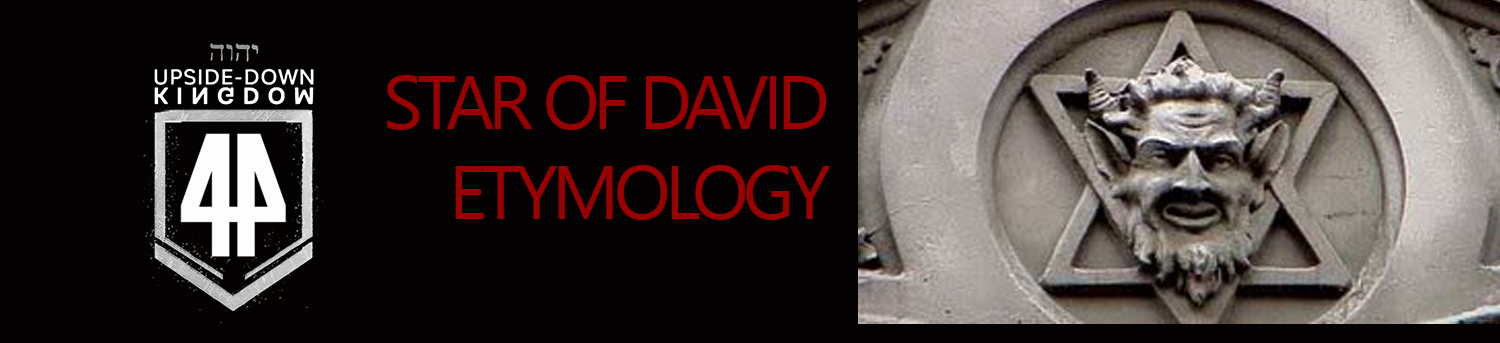
STAR OF DAVID/REMPHAN

The Magen David or Star of David  (מָגֵן דָּוִד, lit. ’Shield of David‘) is a symbol generally recognized as representing both Jewish identity and Judaism.1 It may surprise you to learn that it has no Biblical roots. The earliest the hexagram can be found in a religious context is in the Leningrad Codex, a manuscript of the Hebrew Bible from 11th-century Cairo.2 It became representative of Zionism after it was chosen as the central symbol for a Jewish national flag at the First Zionist Congress in 1897.3 By the end of World War I, it was an internationally accepted symbol for the Jewish people, used on the gravestones of fallen Jewish soldiers. 4 Today, the star is the central symbol on the national flag of the State of Israel.

Unlike the menorah, the Lion of Judah, the shofar and the lulav, the hexagram was not originally a uniquely Jewish symbol.5 There are some early signs of the symbol,  in Israel, there is a stone bearing a hexagram from the arch of the 3rd–4th century Khirbet Shura synagogue in Galilee.6 It also appears on a temple on Bar Kokhba Revolt coinage which dates from 135 CE.7 You can also find a hexagram on the ancient synagogue at Capernaum.8

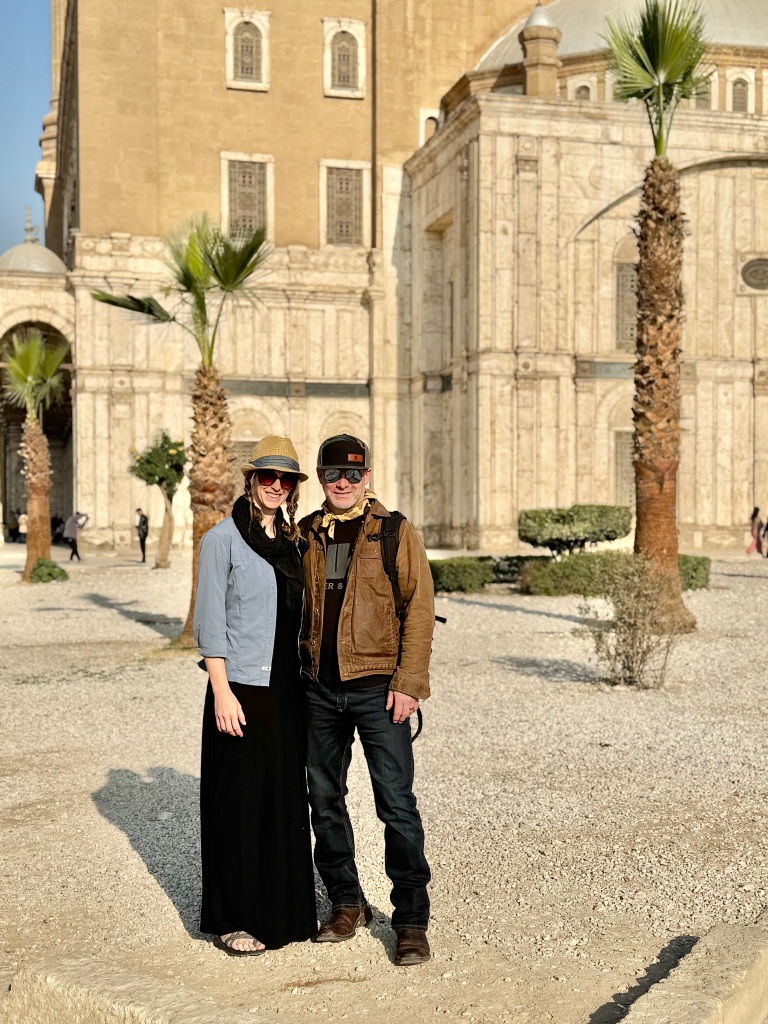
A hexagram has been noted on a Jewish tombstone in Italy and another arguably in Egypt 9 (that I viewed in person earlier this year), which both may date as early as the third century.10 The Jews of Apulia were noted for their scholarship in Kabbalah, which doesn’t sit well in most traditional and Messianic Jewish circles.11

Medieval Kabbalistic grimoires show hexagrams among the tables of segulot, but without identifying them as “Shield of David”.12


In the New Testament, Stephen condemns Jewish idolatry in Acts 7:3: “Ye took up the tabernacle of Moloch, and the star of your god Remphan, figures which ye made to worship them: and I will carry you away beyond Babylon.” Stephen is quoting word-for-word from Septuagint version of Amos 5:26-27.

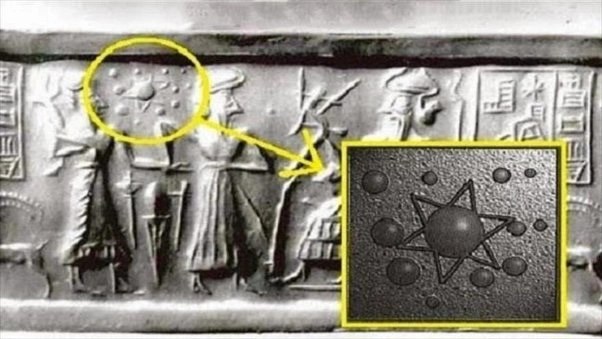
According to some Biblical scholars, the name refers to the Hebrew Kiyyun or Chiun (Hebrew: כִּיּוּן), However, the words “Kiyyun” (“Chiun”) and “Remphan” are each hapax legomena,13 and the text is unclear as to whether they are common or proper nouns and could be a reference to the planet Saturn (which was also connected to Remphan.) The Masoretic Text reads Kiyyun (Chiun), while the Septuagint renders that name as Rephan. Acts 7:42 quotes the Greek form, showing how the prophetic word moved into the early church. Comparative linguistics links Kiyyun to the Assyrian Kayvân, a name for planet saturn. Ancient peoples called planets “wandering stars” and often built cults around a star god. In more modern history you will recognize these terms from Zoroastrianism.14 

To be clear the Bible just mentions a star, not 5 or 6 points or anything else. The context is about rebellion to the Lord, but a large part of this discussion would have involved symbols of idolatry which is Exodus 20:3-4 language. Furthermore, as I alluded to earlier, there are some Hebrew issues in the text that you may need to be work through. The Hebrew Kiyyun to the Assyrian Kayvân / Chuin or Kewan, was rendered in the Septuagint, as Ῥαιφάν [Raiphan]. Some try to argue that there was no ancient god named Remphan, but I don’t see merit in that argument.

Others may say that the reference is the Star of Ninurta, which has eight points, not six points.15 But the truth of the matter is there are plenty of stars to be found in ancient culture and they didn’t seem to differentiate between 5,6,7 or 8 points; they all held the similar celestial imagery. For instance, I will remind you that in John’s vision of Revelation, Jesus has seven stars in his right hand. Jesus reveals the mystery: “The seven stars are the angels of the seven churches” (Rev 1:20). Thus, there are seven stars or seven angels (messengers) to God’s redeemed people. In this sense it is important to point out that star imagery itself should not necessarily be condemned, it can be viewed in scripture in both positive and negative light. Jesus is called the Morning Star in Revelation 22:26 but Satan is also referenced with a similar term in Isaiah 14:12.

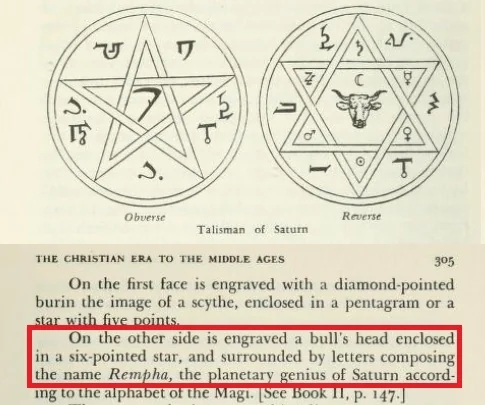
Moloch, Chiun and Remphan are all associated with the star god, Saturn, whose symbol is most commonly viewed as a six pointed star formed by two triangles, but sometimes as an 8 sided star. Saturn was the supreme god of the Chaldeans. Mo, Chiun, Rephan, or Remphan, and Remphis, all are likely the same with the Serapis of the Egyptians, and the calf of the Israelites; and which idolatry was introduced on account of Joseph, who interpreted the dream of Pharaoh’s kine, and provided for the Egyptians in the years of plenty against the years of famine, and was worshipped under the ox with a bushel on his head.

There is also may be a D32 nephalim connection. Giants, with the Hebrews, were called “Rephaim”; and so Mo, who is here meant, is called “Rephan”, and with an epenthesis “Remphan”, because of his gigantic form; which some have concluded from the massy crown on his head, which, with the precious stones, weighed a talent of gold, which David took from thence, 2 Samuel 12:30 for not the then reigning king of the Ammonites, but Molech, or Milchom, their idol, is meant: this is generally thought to be the same with Chiun in Amos; but it does not stand in a place to answer to that; besides, that should not be left untranslated, it not being a proper name of an idol, but signifies a type or form; and the whole may be rendered thus, “but ye have borne the tabernacle of your king, and the type, or form of your images, the star of your god”; which version agrees with Stephens’s, who, from the Septuagint, adds the name of this their king, and their god Rephan, or Remphan.16 Early Hebrew writing easily could have interpreted Rephaim as Rephan. We see these slight textual subtleties all over early ancient transcripts.17 Rephan, very well could point directly to a connection with fallen spiritual beings revered in the ancient world as gods in a Genesis 6 context.

The Seal of Solomon or Ring of Solomon (חותם שלמה, Ḥotam Shlomo) is the legendary signet ring attributed to king Solomon in medieval mystical traditions, from which it developed in parallel within Jewish mysticism, Islamic mysticism and Western occultism. This story comes from the ancient non-canonical writing sometimes referred to as the “Testament of Solomon.” It is often depicted in the shape of either a hexagram or a pentagram. In mystic Jewish lore, the ring is variously described as having given Solomon the power to command the supernatural, including shedim and jinn, and also the ability to speak with animals. Most scholars would say that this is the predecessor to the Star of David.18

While several Biblical passages emphasize Solomon’s supernatural endowment of wisdom, they do not mention him receiving a ring to control demons. Instead, Scripture highlights Solomon’s extensive knowledge of natural phenomena (1 Kings 4:33) and the building of the Temple in Jerusalem (1 Kings 6). No biblical text describes him subjugating evil spirits via an object or talisman. The extra-biblical work called the “Testament of Solomon” is thought to have been compiled between the 1st and 5th centuries AD (well after the Old Testament period). This document is categorized by scholars as pseudepigraphical, meaning it circulates under Solomon’s name but is not recognized as authentic Scripture. In this story, Solomon purportedly receives a ring from an angel, which bears the name or seal of God and grants him authority over demons, enabling him to command them to assist in building the Temple.19

A legend of a magic ring with which the possessor could command demons was already current in the 1st century Josephus as well as the Tractate Gittin (fol. 68) of the Talmud which also has a story involving Solomon, Asmodeus, and a ring with the divine name engraved: Solomon gives the ring and a chain to one Benaiahu son of Jehoiada to catch the demon Ashmedai, to obtain the demon’s help to build the temple; Ashmedai later tricks Solomon into giving him the ring and swallows it.20

There is also a subtle connection by symbolism to the Magi. The Magi are popularly referred to as wise men and kings. The word magi is used in the original Greek text of the Gospel of Matthew. Magi will later be seen in the etymology of the English term magic. Daniel 2:48 will connect with the same words when describing “Elymas the sorcerer” in Acts 13:6–11. Biblically all of these things fall under divination. The image to the right became part of the Alphabet of the Magi much later in history.

Scripture consistently condemns divination. Deuteronomy 18:10-11 states, “Let no one be found among you…who practices divination, conjury, interprets omens, or sorcery.” This prohibition underscores that seeking information from sources other than God is forbidden. The Israelites were called to be distinct from other nations, which frequently turned to occult rituals for guidance.

Leviticus 19:26 also prohibits divination, reinforcing that God’s people must avoid methods used by pagan cultures. King Manasseh’s downfall exemplifies the tragic consequences of defying these commands: “He sacrificed his sons in the fire in the Valley of Hinnom, practiced sorcery, divination, and witchcraft…” (2 Chronicles 33:6). Through such narratives, the Bible highlights the spiritual dangers and moral corruption that accompany attempts to manipulate or predict the future by occult means.

Some may not like this analogy, but of late, it was a popular “western world” analogy to this conversation so I will mention it. You might consider the question, “Is the star of David rooted in idolatry and divination which was/is rival to Yahweh?” There is certainly an argument for that view. But many symbols both in and out of the Bible can go both ways. Foundationally, evil has always sought to take what is good and turn it to be a symbol of Evil. The Bible doesn’t really give us the whole story here, as that isn’t it’s primary intention. At least with the “taking back of the Rainbow”, there is a clear mention in the Bible. The roots of the rainbow representing something good and of God is not arguable. But with the 6-sided star we don’t necessarily have that. To most people if something has occult type of roots or even some strain of a negative connotation, we aren’t going to use the same symbol for our entity of good intention. When people and organizations do things like this it raises red flags, but it doesn’t make it wrong per se.

A good example is the Starbucks logo. The way it is used most recently seems simple. But when you dig into the history you scratch your head wondering why would a corporate coffee company “go there.” You have probably heard this, but most Christians would call the Starbucks logo downright “DEMONIC.” The image in the center of the Starbucks logo is not a mermaid. She’s actually a mythological Siren, a female creature that lured mariners to destruction by her sex appeal. Since coffee beans typically traveled overseas on large container ships, the founders decided to use a “seductive siren” logo that would lure coffee lovers to its stores. The original Starbucks logo was X rated, a bare-breasted, female Siren with two serpentine tails spread apart (a legs spread open sense.)

In an article published by Revealing Truth, it was claimed that the Starbucks logo also has sinister roots. By turning the original Starbucks logo upside down, you can see the image of satan. In 2014, Starbucks got into trouble after its employees were drawing satanic pentagrams and the number “666” in the foam of coffee.  

However, it is quite possible you visit Starbucks every day and look at the logo and can’t see anything evil in it anymore, and care very little about its dark history. As a Christian should you not support the organization because of its roots? I am not sure we should hold the organizations themselves and the people that represent them accountable for choices they specifically didn’t make. Isn’t that a Biblical theme? God isn’t judging you for the actions of others, just you. (I realize there are views within reformed theology that might see this differently.) There is an argument along these same lines with MONSTER energy Drink. I won’t get into that here. If you drink Monster or Starbucks, you shouldn’t have an issue with the Star of David, if you don’t – well than you might have an issue with the Star of David; but they are all slightly different to this analogy.

I do believe there is a perspective of seeing the good in things despite their dark past. Isn’t that the restorative nature of scripture? You can choose to let ancient bygones be bygones and see the beauty and peace that the star of David a new meaning and we can see it for what it has come to represent. Shouldn’t we all be hopeful that a dark symbol could find There may even be an element of interpretation not specifically declared in the Bible but theologically deduced. The Star of David and the pomegranate are deeply intertwined in Jewish tradition. The pomegranate is one of the seven species mentioned in Deuteronomy 8:8, symbolizing God’s blessings and the good deeds of the people. It is also associated with the Temple and High Priestly garments and is used during the Feasts of Shavuot and Sukkot.21 The pomegranate’s six petals form the Star of David, and its significance extends to kingship and the Messiah Those who see the Star of David as Biblical, see the pomegranate’s deep red color and the presence of seeds that symbolize blood pointing to Jesus. Together, these symbols can be seen as representative to the holiness of God, the good deeds of the people, and point towards Jesus.

  1. Jacob Newman; Gabriel Sivan; Avner Tomaschoff (1980). Judaism A–Z. World Zionist Organization. p. 116. ↩︎
  2.  Kittel, Rud; Alt, A; Eissfeldt, Otto; Kahle, Paul; Weil, Gerard E; Schenker, Adrian (1977). Biblia Hebraica StuttgartensiaISBN 9783438052186.
     (in Foreword by Gérard E. Weil). ↩︎
  3. “The Flag and the Emblem” (MFA). “The Star of David became the emblem of Zionist Jews everywhere. Non-Jews regarded it as representing not only the Zionist current in Judaism, but Jewry as a whole.” ↩︎
  4. Reuveni (2017). p. 43. ↩︎
  5. “The Flag and the Emblem” (MFA). “Unlike the menora (candelabrum), the Lion of Judah, the shofar (ram’s horn) and the lulav (palm frond), the Star of David was never a uniquely Jewish symbol.” ↩︎
  6. Star of David – Wikipedia ↩︎
  7. Plaut, W. Gunther (1991). The Magen David: How the six-pointed Star became an emblem for the Jewish People. Washington, D.C.: B’nai B’rith Books. pp. 26, 61–62. ISBN 0-910250-17-0. ↩︎
  8. “King Solomon-s Seal”, with credits Archived October 16, 2013, at the Wayback Machine Israeli Ministry of Foreign Affairs ↩︎
  9. The Egyptian officials accused the delegation of German archaeologists that has been working on the site’s reconstruction of engraving the Stars of David into the Shrine’s stone.  The engravings are found on a 3rd century B.C, temple located in Elephantine Island in Aswan. ↩︎
  10. Herbert M. Adler, JQR, vol. 14:111. Cited in “Magen David”Jewish Encyclopedia, retrieved May 28, 2010. ↩︎
  11. www.markfoster.net Archived July 22, 2011, at the Wayback Machine ↩︎
  12. Rabbi Blumenkrantz, “The Seder”, The Laws of Pesach: A Digest 2010: Chap. 9. See also: Archived March 17, 2016, at the Wayback Machine, retrieved May 28, 2010. ↩︎
  13. Horne, Thomas Hartwell. An Introduction to the Critical Study and Knowledge of the Holy Scriptures. Vol. 2. pp. 410ff. ↩︎
  14. “An Etymological Dictionary of Astronomy and Astrophysics – 1”dictionary.obspm.fr. Retrieved 2023-05-21. ↩︎
  15. Amar Annus, The God Ninurta in the Mythology and Royal Ideology of Ancient Mesopotamia, State Archives of Assyria Studies, Volume XIV Helsinki 2002. Pg. 104 ↩︎
  16. Gill’s Exposition of the Entire Bible ↩︎
  17. “Scholars seek Hebrew Bible’s original text – but was there one?”Jewish Telegraphic Agency. ↩︎
  18. Protectorat de la République Française au Maroc – Bulletin Officiel – (see page 838), 29th of November 1915, archived in July 2021 ↩︎
  19. https://biblehub.com/q/how_does_solomon_use_his_magic_ring.htm ↩︎
  20. JosephusAntiquitates Judaicae. ↩︎
  21. https://theancientbridge.com/2016/06/pomegranates-the-star-of-david-and-shavuot-aka-pentecost/ ↩︎

NATURAL ORDER

I want to talk about what is meant by God’s order, but before I do that, I want to guide you through a brief exegetical teaching through the text. When you hear the word order in relation to a biblical sense we have been conditioned to think about creation, law, hierarchy in the church and marriage, and perhaps even church discipline. Although it encompasses those things, I find it unfortunate that we start there, and therefore I feel we might need some deconstruction to get to good.

As I begin to read this in Hebrew the first thing that I notice in contrast to most English translations is the phrase “My prayer” is not found in the text. It isn’t a bad translation as I get the context leans that way but in Hebrew the verse better reads, “I will order toward you” which emphasizes a slightly different posture. Interesting the word prayer isn’t really there, perhaps a NT implication or even insertion. Prayer in the OT was a bit different than the way we understand it today. It was communal and far less personal (unless God appeared to you in a bush and orally spoke directly to you), after Jesus ascends to the throne and sends the Spirit to dwell in us and intercede, the biblical concept of prayer takes on a different form than what it had been considered over the last 2000 years or more. The way people thought of “prayer” in the OT may or may not be accurate. Are we just reading what they thought prayer was supposed to be perhaps based on what they knew of their former deities? Is this something that they got a bit off track with and Jesus sought to adjust or shed new light on? Perhaps, but perhaps not. Maybe our prayer should take a cue from the OT notions. When we read this verse in Hebrew form, we see that David isn’t talking about ritualistic prayer, or is he? He isn’t necessarily folding his hands and closing his eyes – but he is sort of. He is making a statement that if his life is in alignment with what is of God – TOV (creation order language), then he expects God to acknowledge and “DO THINGS” on his behalf. This may tie into the never-ending OT grappling over whether God was retributive or not, but it certainly had the trajectory of demonstrating the idea of devotion in connection to intimacy with the Lord. This connection over the years will then be attributed to the conjecture of relationship with the father in prayer. Some prayer is communal and some is personal.

Different people interact with God differently and perhaps in different seasons. Some say they don’t hear God and others act like God never stops screaming in their ear. How can the voice of God differ from person to person? Is it based on the posture of the heart, covenant faithfulness, gifting, seasons, understanding, choice, some sort of prejudice, or something completely different that is higher than our understanding? I believe that God is just that dynamic. I don’t know why He communicates differently to people and what it might be based on; I don’t always have the eyes of God. I believe Him to be Sovereign and know significantly more than we do in a much more complex grid. I am convinced that there are many things that influence this covenant relationship at a cosmic level. It is far bigger than simply me, and to think of my relationship with God (the creator of the universe) as doating on my every thought seems like a selfish notion. Does that view minimize a personal relationship or exemplify it?

God’s order is described in everything naturally defined by Yahweh and described generally as what is good (TOV). This is creation, the waters, the counting of the ark, the building of the temple, the pieces of firewood set in order for a sacrificial fire, showbread set out in two rows of six cakes on the gold table (Lev 24:8); seven altars set up by the pagan mantic Balaam (Num 23:4); stalks of flax arranged by Rahab for hiding the spies (Josh 2:6); a table prepared for dining (Ps 23:5; Isa 21:5); words produced for speaking (Job 32:14); a legal case developed for presentation (Job 13:18); etc. In II Sam 23:5 David exults in the covenant granted him by Yahweh, “for he has made with me an everlasting covenant, / ordered (ʿărûkâ) in all things and secure.[1] We see God’s order in many ways, but the common thread that binds seems to be that it is given as a framework for our devotion to Him. This intimate devotion that is often described as reading or memorizing scripture, devotional repetition, standards of practice and living, and so much more are all described as what it means to be defined as SET APART. That we are defined and claimed as part of God’s order not the chaos of the world.

What defines this? Covenant. Covenant is the secure, accessible, and recognizable attribute of everything good that God offers to us. It is the basis of all of our interaction with the LORD. Without covenant we are detached or separated from the creator and his ways. When David chooses every morning to be in order, he is making a statement about the balance of life and the posture of the heart. The Hebrew term בְּרִית bĕriyth for “covenant” is from a root with the sense of “cutting”, because pacts or covenants were made by passing between cut pieces of flesh of an animal sacrifice.[2] It meant something deep.

The New Covenant is a biblical interpretation originally derived from a phrase in the Book of Jeremiah and often thought of as an eschatological world to come related to the biblical concept of the Kingdom of God. Generally, Christians believe that the New Covenant was instituted at the Last Supper as part of the Eucharist, which in the Gospel of John includes the New Commandment.[3] A connection between the Blood of Christ and the New Covenant is portrayed with the saying: “this cup that is poured out for you is the new covenant in my blood”. Jesus is therefore the mediator of this New Covenant, and that his blood, shed is the required blood of the covenant. This is true looking back in both testaments and can be seen in all of the biblical covenants of the bible.

In the Christian context, this New Covenant is associated with the word ‘testament‘ in the sense of a ‘will left after the death of a person (Latin testamentum),[4] the original Greek word used in Scripture being diatheke (διαθήκη) which in the Greek context meant ‘will (left after death)’ but is also a word play having a dual meaning of ‘covenant, alliance’.[5] This notion implies a reinterpreted view of the Old Testament covenant as possessing characteristics of a ‘will left after death’ placing the old covenant, brit (בְּרִית) into a new application of understanding as revealed by the death, resurrection, ascension, and throning of CHRIST THE KING, JESUS. All things will forever connect at the covenants and be defined by the atoning accomplishments that transform into a covenant of eternity.

Order today might be better understood as a continually evolving algorithm based on the posture of your covenant faithfulness which, as I have described, is defined by many facets of devotion. Some may hear the audible voice of God more clearly while others simply see Him in every image. The revelation of God to us isn’t in a form of hierarchy. One form of transcendence doesn’t trump another. Who are we to judge anyway. But I do know that most of Christianity seems to be off course here. Rather than coming to the LORD as the cosmic wish granting genie in a bottle, let’s get back to biblical roots and think more covenantal and devotional based on the order that God modeled for us.

[1] Harris, R. L., Archer, G. L., Jr., & Waltke, B. K. (Eds.). (1999). Theological Wordbook of the Old Testament (electronic ed., p. 696). Chicago: Moody Press.

[2] Strong’s Concordance (1890).

[3] “Comparison of the two covenants mediated by Moses and the two covenants mediated by Jesus”. 25 September 2022. Archived from the original on 2022-09-28. Retrieved 2023-01-29.

[4]“testamentum: Latin Word Study Tool”. http://www.perseus.tufts.edu. Retrieved 2020-08-12.

[5] G1242 – diathēkē – Strong’s Greek Lexicon (KJV)”. Blue Letter Bible. Retrieved 2020-08-12.

King David and Donald Trump? Maybe more than you realize, but that’s not good for anyone!

If you haven’t read this article on King David, Start here.

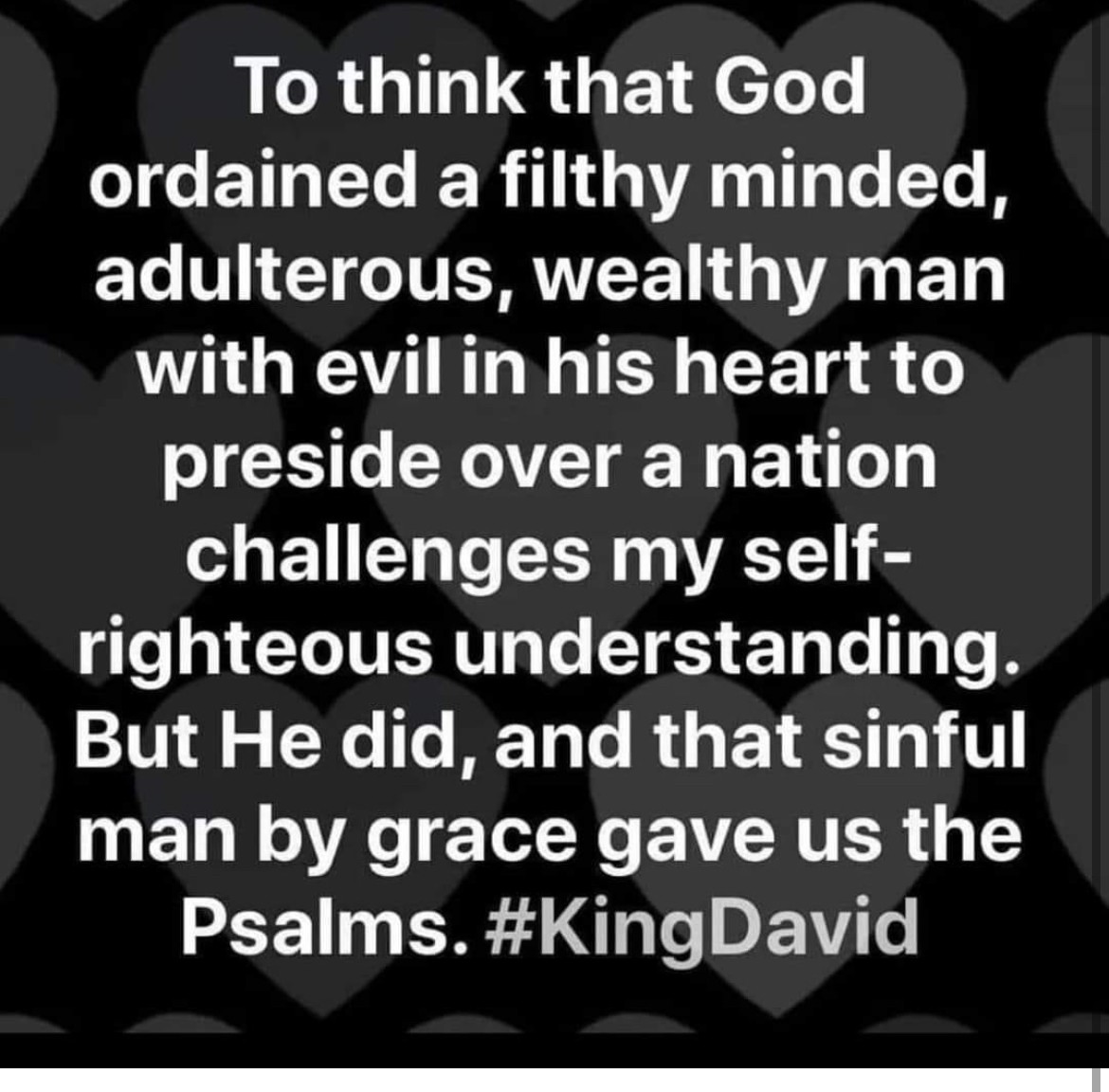
There is a lot about this popular 2024 post-election MEME that doesn’t sit well with me.

To be clear, I do think David had a heart postured after the Lord in his youth before he became king. I LOVE young David and the writings of his heart. They are some of my favorite parts of the Bible and have motivated me to be more holy than likely any other texts in the Bible. I do believe he was one that God intended to use to return all of Israel and eventually the world to be reconciled back to Yahweh. David seemed to have a heart postured towards the Lord in his early days, but the power, the lust, the flesh and the pride of life not only led him way, but likely all of Israel away from the LORD. David was “chosen” by God to be His tool to bring redemption back but accomplished the opposite.

As I have made the statement previously, I do not feel that a faithful reading of the Hebrew in 1 Sam 13:14 says that “David had a heart after God’s own heart” per the usual interpretation. John Walton convinced me that the expression doesn’t describe the inclination of the king but describes the sovereign choice of God. The claim is not that David pursues the heart of God as a spiritually mature person rather than pursuing his own ends; instead, David is the man that God has pursued with his own criteria in mind rather than Saul, who was someone who met the criteria of the people. It is a statement about God’s sovereignty, not about David’s spirituality or piety. John Walton has alluded then that it is therefore not something that we can aspire to in our own lives, and I would agree. Eventually David becomes the very image of Israel, fallen and completely idolatrous. To most theologians he is the Biblical archetype of the one who was intended by God to bring Israel back to Yahweh yet accomplished the exact opposite and led Israel away from God towards utter sinfulness and idolatry giving weight to the powers and principalities that had overtaken the rest of the ancient world at that time.

David, when confronted with sin does sometimes seem authentically repentant (Psalm 51; 2 Sam 12:13-20), but then often continues to go on sinning. That isn’t the fruit of a truly repentant heart. In most cases if someone committed murder and said they repented but then goes on to do it again, I think we would come to the conclusion they didn’t genuinely repent when they said they did. Which seems actually worse; to put on a show of repentance (in the name of the LORD) but not really have a heart of repentance. It’s just an act.

Scholars debate whether David’s destructive actions represent justice or unnecessary power mongerering. Did he feel “commissioned by God” in his somewhat empirical pursuit that started with Canaan or did this become a push for personal power and fame? Some argue David was playing the part of God’s hand of retributive justice, others criticize David for excessive continual violence opposite to that which God had sanctioned. Either way, much of it seemed contrary to God’s ways. Some try to justify the actions saying it was simply the culture, but I don’t see that theologically, as it seemed quite contrary to the character of God and what He had given them in the law. It seems David was doing what David wanted, not what Yahweh wanted. David’s kingship paints a picture of a powerful warlord who engaged in much bloodshed to establish and maintain control of the kingdom of Israel.

  • Goliath 1 Samuel 17:49-51
  • Goliaths Brothers. David chose five smooth stones because Goliath had four brothers based on 2 Samuel 21:15–22. That passage lists four very large Philistines who were related to Goliath in some way: Ishbi-benob, Saph, Goliath, and an unnamed giant with six fingers on each hand and six toes on each foot. “These four were born to the giant in Gath, and they fell by the hand of David and by the hand of his servants” (2 Samuel 21:22).
  • When David heard the news about Saul and Jonathan’s deaths from an Amalekite messenger, he had the man executed (2 Samuel 1:1-16).
  • Baanah and Rechab presented Ish-Bosheth’s head to David hoping for a reward. However, David ordered them killed.
  • After becoming king, David executed seven of Saul’s sons. (2 Samuel 21:1-14)

There are some tell tale signs of David’s movement away from God, this will surprise many, but David had served as a mercenary soldier for the Philistine king of Gath (see 1 Samuel 27:2-4), it took seven years of fighting for David (who had been anointed King of Judah) to defeat Saul’s son Ishbosheth and establish the United Monarchy of Israel and Judah in c.1004 BC (see 2 Samuel 2:8-11, 3:1-39 & 4:1-12). David quickly consolidated his position by capturing the Canaanite city of Jebus (Jerusalem) and establishes his new capital there, the City of David (2 Samuel 5:6-10). Having agreed on an alliance with the Phoenician king of Tyre (see 2 Samuel 5:11), David was able to turn against his former patrons, the Philistines, and defeat them in the Valley of Rephaim (see 2 Samuel 5:17-2). Over the next few years, David succeeded in completely subjugating the Philistines and taking control of the southern coastal plain cities of Gaza, Gath, Ashkelon, Ashdod and Ekron (see 2 Samuel 8:1). Any red flags yet?

As I mention earlier, David’s son, Solomon, seemed to follow closely in David’s ways (or be used by him) and was able to complete the downfall of the Philistines by negotiating a dynastic marriage with the Egyptian pharaoh Haremheb’s daughter in c.970BC (see 1 Kings 3:1) and taking on the role of Egypt’s former ally. By building a chariot city at Gezer to defend the trading route from Egypt to Syria and Mesopotamia he was able to secure the support and protection of Egypt – one of the ‘superpowers’ of his day (see 1 Kings 10.26-27). Any other red flags?

Meanwhile, David had turned his attention to the northern frontier, and in an amazing series of military campaigns beyond the River Jordan, succeeded in defeating the people of Moab, the Arameans of Damascus, the Syrian King of Zobah, and the Edomites in the Valley of Salt (near the Dead Sea) (2 Samuel 8:1-14). In just under thirty years, David had succeeded in transforming a small kingdom in the central highlands of Judaea into a major empire stretching from the border of Egypt to the lowlands of Mesopotamia. In the process did he trade God’s kingdom for a personal pursuit of power and fame?

As you can see, this is a lot of bloodshed. 30 years of continual bloodshed. There is a good deal of deceit and lies between rulers and intermarriage. Idolatry was rampant. He named a city after himself and countless other things that seem to point back qualities that are rival to Yahweh, not in alignment with God but rather self serving initiatives.

Well into this bloodbath we read the story of Bathsheba in 2 Sam 11:1-27 during the siege of Rabbah (Amman) in c.997BC. I have made the statement a few times that I wouldn’t leave my kids alone in the same room with the “David of latter life” and this story is one of the reasons why. By 2 Samuel 5 God seems to still be with him, but within a few short chapters (2 Samuel 12) the LORD was not pleased with David because of his sin and neglect for God’s holiness and sends the prophet Nathan to confront him. You may have never considered the whole “Bathsheba problem.” As we examine the details, we see that it is actually sexual abuse of power, in other words, rape. Neither the text nor the context supports the conclusion that it was an affair between two consenting adults. People who think Bathsheba seduced David by bathing outside his window may not realize the Hebrew verb rachats, used for Bathsheba’s action here (2 Samuel 11:2), literally means “wash” which is how it is translated elsewhere in this narrative (2 Sam. 11:8; 12:20). There is no reason to assume that Bathsheba was naked, or that she was aware that the king, who should have been with his army, would have been watching from his rooftop like a peeping Tom (2 Sam. 11:1-2). This “kingly” act was common in other cultures where evil ran rampant. It was a fatal sign that David was leading Israel to be more like the fallen pagan-evil nations around them than the “set apart under Yahweh nation” that was called to be holy unto the LORD. It was detestable to the LORD at many different levels.

David’s rape-adultery and murder is described biblically as “despising the word of God by doing what is evil,” and “total contempt for the Lord,” (2 Samuel 12:7-9). David’s rape-adultery, murder, and abuse of power was not rewarded by God with more power. It actually resulted in many consequences such as division and violence in his family and those he was leading. Also, it resulted in a child dying, and his denial to build the temple. God is no longer with him.

The consequences of David’s sin are lasting and far-reaching. From Rape and incest with Amnon and Tamar, to the murder of Amnon by Absalom for the rape of his sister, the war among the Israelites leading to David fleeing Jerusalem in shame for fear of his life from his own son. We watch the downward spiral as eventually David is part of an illegitimate census that seemingly stirs the anger of the Lord against the Israelites and seventy thousand Israelites die from a pestilence allowed (and perhaps caused) by the LORD. David was a violent man in a violent world, a polygamist, an adulterer, and a murderer. There just isn’t any way to avoid seeing that if we read and believe the Bible. The progression in David’s sin reveals a callousing of his heart.

It has always seemed strange to me that the mainstream church doesn’t want to read the text as it is both plainly and deeply read here. It is as if they are covering him up and putting him on a pedestal. This is in part why the modern evangelical church has trust issues. Doing this seems so contrary to the character of God – attempting to cover up continued evil acts and promote David into something that God approves of. That isn’t the intention of the text nor a faithful rendering of it.

As in the wilderness the cloud signified the Spirit of the Lord coming and going, we see that after Israel went on a bloodthirsty empirical pursuit led by King David, the spirit of the LORD is no longer with them which Nathan warned. One way to see this is to harmonize the Psalms. A theologically daunting task is to figure out when David wrote the Psalms. When you do this and carefully read them, I will challenge you to discover that after the encounter with Bathsheba the Lord was no longer with him, or perhaps looking onto him with favor. There are times we read from David’s perspective of crying out to the Lord, but it comes from a sort of tone of a drunk alcoholic asking why their friends have left them, which is likely exactly what it is. David wrote 73 of the 150 Psalms in the Bible, and carefully studying the ones he wrote and the dating of them will help you see what I propose in terms of his downward spiral taking Israel down with him in terms of a spiritual nation.

After the death of Absolom if you harmonize the scriptural narrative (2 Samuel, 1 Kings, and 1 Chronicles) with the Psalms this is what we find. Remember a great part of theology is in determining the narrative. What are the voices? What is simply the story given for our interpretation and where is God in it. What do we read as being the thoughts of the characters involved, verses how God may have viewed the ongoings. That is as much for our interpretation as the red letters are, but the red letters are decisively clearer. Too many people read the entire Bible as a “thus saith the Lord” statement rather than understanding the literary narrative as it is presented. Not understanding the voices in the text has led many towards poor theology. It is vital for literary scholarship to apply literary criticism and textures of interpretative law to the narratives of the Bible for faithful reading.

2Sam 21 Famine and Gibeonites → Ps 29, 65
Last war with Philistines → Ps 36
2Sam 22 Song of deliverance → Ps 18, 144
2Sam 24 David dedicates Temple → Ps 30, 33, 131 (32)
1Kings 1 Solomon anointed King → Ps 47
1Chr 28 David‘s address → Ps 145
Concerning building Temple → Ps 104, 133, 86
1Chr 29 David‘s Thanksgiving Prayer → Ps 72
2Sam 23 David‘s last words → Ps 37 (138)

If you care to dive in deeper, Don Stewart and Blue Letter Bible have a rather deep post on this here. As I don’t agree with BLB on several topics, I do respect their mission and believe they are doing good things. I think what they have given us here is a worthy tool.

Again, I will challenge you to read the narrative. Where is God in it? He isn’t there any longer. The spirit has left the encampment.

We are not called to celebrate or try to “be like David” or even celebrate those who act like him, we are called to be like Jesus. And yes, Jesus works through fallen people but usually the ones on the road to transparent sanctification, not the ones that continue to live in sin. David’s story is a man who started out well and did not end well. He still carried a warring and vengeful spirit into the grave. From His kingship to death, we have a person that possibly had a chance to do more for God than any other person yet failed miserably accomplishing the near opposite leading Israel into idolatry that would give way to a return to slavery in exile. On his death bed he asked Solomon to kill Shimei, who confronted David on his bloodshed and abuse of power. (1 King 2:9, 2 Sam 16:8).

However, this isn’t all negative. I like the way the Bible project frame’s the early life of David. Jesus saw his role as Israel’s messiah was to patiently wait for God to exalt him as king, just like David waited. He anticipated persecution from his own people would come, just as it did for David. The stories about David provided the template of Jesus’ messianic vocation, and they epitomized the upside-down value system of God’s kingdom that Jesus was always talking about. It’s a kingdom where the poor and persecuted are the most exalted, and the powerless are God’s chosen ones (go and re-read the famous beatitudes in Matthew 5:1-7 and think about them in light of the story of David). When Jesus read the stories of David, it wasn’t to learn interesting facts about Israel’s history. Like the prophets, Jesus read His Bible as a prophetic history that was pointing towards the future hope of the messianic Kingdom of God. These stories about David were designed to foster that very hope, in Jesus’ day, and in our own.

Dr. Will Ryan and Dr. Matt Mouzakis.

The Posture of the Heart – With John Walton

I have come to cringe when people say things like, God is only concerned about your heart. Or perhaps using the semi-excusive example of David having a “heart after God” all the while being a murderer and adulterer (which clearly doesn’t match up with the character of God). I likely wouldn’t let my kids hang out with him. Clearly so many scriptures continue to share how important it is to have a heart for God, and I would fully agree, even though I view complete devotion as so much more than just the motives of the heart.

  1. Matthew 6:21: “For where your treasure is, there your heart will be also.”
  2. Proverbs 3:5: “Trust in the LORD with all your heart and lean not on your own understanding.”
  3. Proverbs 4:23: “Above all else, guard your heart, for everything you do flows from it.”
  4. Romans 12:2: “Do not conform to the pattern of this world but be transformed by the renewing of your mind.” (a quick word study of “nous” will link the heart and mind)
  5. Proverbs 23:26: “My son, give me your heart and let your eyes delight in my ways.”
  6. Psalms 51:10: “Create in me a pure heart, O God, and renew a steadfast spirit within me.”
  7. Psalms 73:26: “My flesh and my heart may fail, but God is the strength of my heart and my portion forever.”
  8. Philippians 4:7: “And the peace of God, which transcends all understanding, will guard your hearts and your minds in Christ Jesus.”

John Walton has been a good friend and lifelong mentor to me that started back when I was a freshman at Moody Bible Institute in 1993, and I asked for his thoughts on the subject as I continue to wrestle through them. We went back and forth working through some things that have influenced my opinion in this conversation. I will indicate his words in our private conversation using quotation and suggest articles for further study.

To start with, I might even suggest, as I allude to in nearly every article, that we might need to rethink a few things according to a better hermeneutic towards the exegesis of the text rather than popular opinion or tradition. John recently wrote a book entitled Wisdom for Faithful Reading that I would suggest starting with. John suggests that the popular text for David having a heart after God’s heart is usually misinterpreted. In 1 Sam 13:14 the expression used there is used elsewhere in the OT (as well as often in the ANE) not to describe the inclinations of the king (one who pursues knowledge and relationship with the God), but to describe the sovereign choice of the deity (who for his own reasons has chosen the king to rule). So, the claim is not that David pursues the heart of God as a spiritually mature person rather than pursuing his own ends; instead, David is the man that God has pursued with his own criteria in mind rather than Saul, who was someone who met the criteria of the people. It is a statement about God’s sovereignty, not about David’s spirituality or piety. It is therefore not something that we can aspire to in our own lives. He has written an excellent article on this topic here.

It was interesting that in the Old Testament a great amount of wealth was used to construct the temple and tabernacle (it is somewhat ambiguous as to whether this was God’s asking or solely the doing of the people in an effort to worship God similar to the way the rest of the world honored and appeased the gods). This wealth has no value to God, but the gold meant something to them. The gracious donation or perhaps giving it up was possibly viewed as an outward sign of the internal heart. John would say that “We honor God with our extravagance in giving that which is of value to us. God does not need what we give.” (But seems to be honored by the giving through a pure and undefiled heart.)

John continues, “we can also see a similar picture of this heart in giving when Jesus responded to Judas’ expressed concern for the poor in the context of Jesus’ feet being anointed. Yes, the money could have gone to the poor, but expressing the worthiness of Jesus through the extravagant expenditure with no return was considered not only legitimate, but commendable.”

Today I often wonder whether God smiles at megachurch budgets and building campaigns that resemble much of the world in the name of Jesus. The scripture would suggest that the answers might lie in the motive of the heart rather than on the extravagance of the expenditure. “God smiled on the extravagance of the woman who anointed his feet with oil, and, since he called for great extravagance in the Tabernacle and Temple, I assume he smiled on those projects, but only to the degree that they were carried out with his honor in mind, not their own.” We could also take into account the widow’s mite or the widow’s offering as presented in the Synoptic Gospels (Mark 12:41–44, Luke 21:1–4) Jesus clearly “smiled on” her and commended her sacrifice—an issue of the heart and extravagant even in its lack of relative worth.

Often it seems that what might at one time be a pure motive becomes defiled and abhorrent to the Lord. Some might say that the golden calf was fashioned as an emblem animal or medium to God or possibly a pedestal for the Lord to be invited to come down and dwell amongst the Israelites. However, God is still displeased as John explains that this was a violation of the second commandment. In a similar way the Tower of Babel may have started out as an invitation for God to dwell with the people (which seems to be God’s desire – tabernacling with His people); but then becomes defiled also by the disobedience of the hearts. (Read more about Babel from John’s account.)

John would share that the medium is the message, but motives can corrupt the medium (heart). Yet, any given medium may be used well or badly by different people at different times. Jesus gives an example as he criticizes how the temple is being used (casting out moneychangers) revealing their impure motives yet affirming the value of the temple when rightly perceived (as His father’s house.)

Often, I wonder about the progression to which we allow the defiling of our heart’s original pure intentions. Some things have the original intent of honoring the Lord but quickly become an extravagance that only serves our own egos or only seeks to oblige God.

Spending in the name of God is hard to figure out sometimes. I have so many questions for God, was the church ever intended to be the religious bank it has become? (Acts seems to suggest people directly giving to the needs of the body not the church acting as the collection agency, but there are several passages that may speak otherwise.) What does He think of a modern church budget that is 50% or even 95% salaries and mortgage? Why isn’t the church caring for widows, the poor, and the broken? (Our “evil” government seems to do this much better than the global church.) We are told to not have judgmental hearts, but to test these things by the spirit and know them by their fruit. One of my good friends leads a church in a lower income area and runs out of seats every Sunday, has leaky roofs over kid’s heads, and can hardly pay the measly mortgage every month while the megachurch the next town over is spending 75K on new LED screens and smoke machines every other year with a tech budget that is 10x more than the net worth of my friend’s entire organization. What would God say?

Sometimes it is hard to see whether the extravagance happening around us in the name of the Lord is an outward sign of a great heart, or an idolatrous tower. Sorry, no “answers” today… just a rambling of my heart!

More on my good friend John Walton.