
Apocalyptic Anxiety, Prophetic Imagination, and Faithful Christian Eschatology
Introduction: Living Faithfully in an Age of Apocalyptic Noise
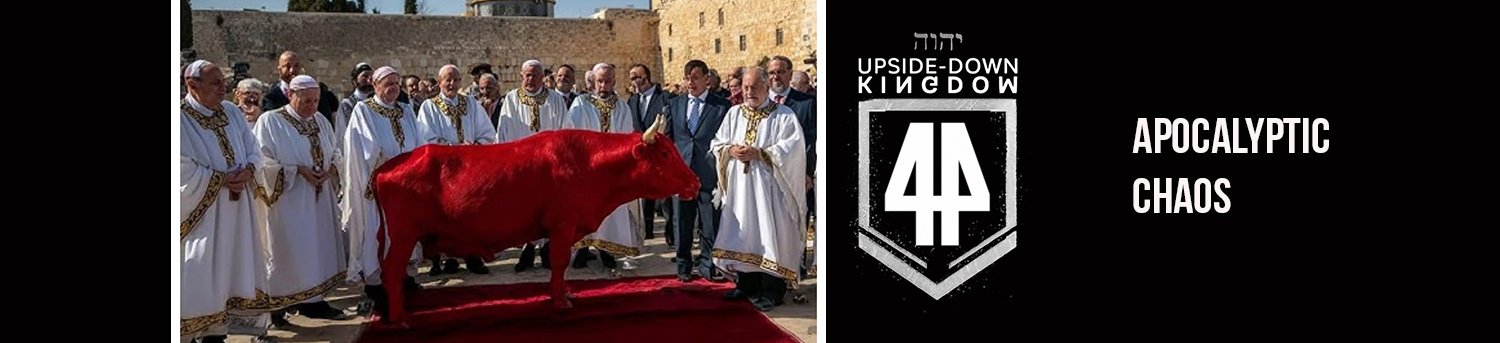
In every generation, the people of God have wrestled with headlines, celestial events, wars, and rumors of wars. In our moment, images of blood-red moons, renewed interest in the red heifer ritual, Purim framed through geopolitical conflict, and even portrayals of a militarized Jesus circulate rapidly across Christian media. These phenomena are frequently interpreted as decisive indicators that “we are in the last days.”
As followers of Christ committed to careful biblical theology, we must ask: What is faithful eschatological attentiveness, and what drifts toward speculation? How do we distinguish biblical prophecy from patterns that more closely resemble divination? And how do we guard against subtly weaponizing Jesus in the service of national or ideological agendas?
This essay proposes that much contemporary apocalyptic rhetoric conflates symbolic prophetic language with predictive sign-reading, misapplies temple typology, and risks distorting the cruciform nature of Christ’s kingship. I ask you to consider a better theology, one that is deeply rooted, Christ-centered eschatology that cultivates hope without hysteria.
Cosmic Imagery and the Language of Blood Moons
The phrase “the moon will be turned to blood” appears in Joel 2:31 and is echoed in Acts 2:20 and Revelation 6:12.¹ Yet within prophetic and apocalyptic literature, such imagery functions symbolically to describe covenantal upheaval and divine intervention, not necessarily astronomical forecasting.²
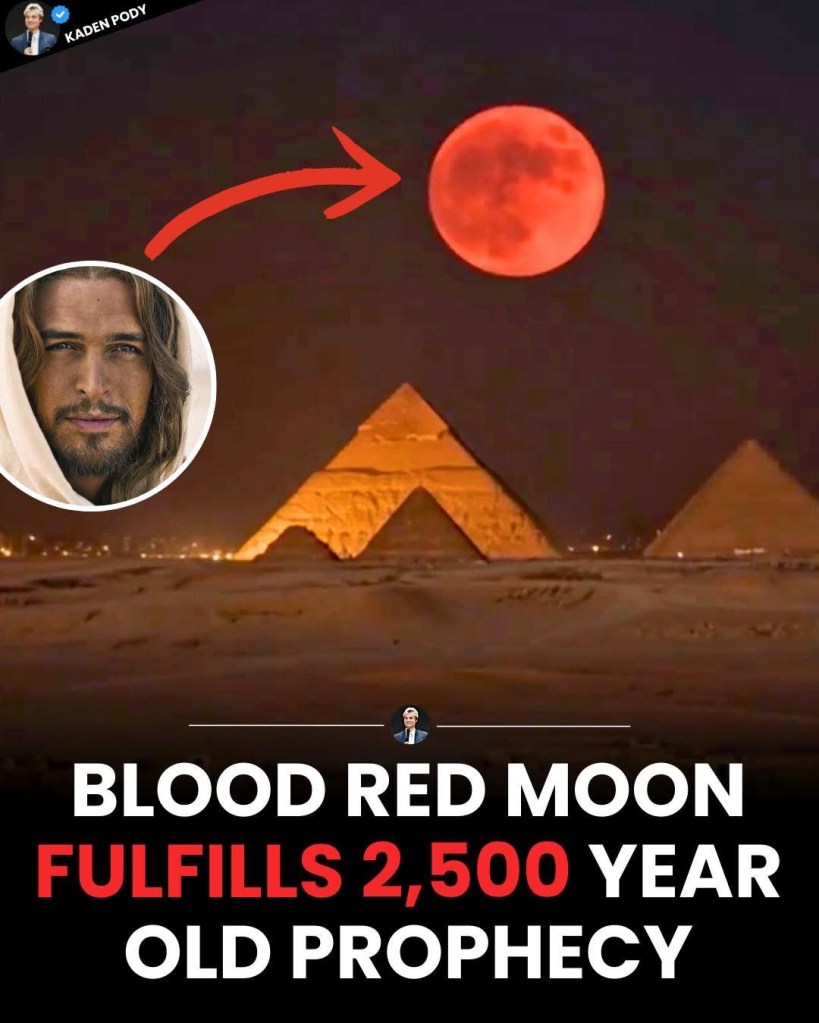
When Peter cites Joel at Pentecost (Acts 2:16–21), he interprets the prophecy as fulfilled in the outpouring of the Spirit.³ The early church did not await literal lunar phenomena; they recognized that the decisive turning point in redemptive history had already occurred in Christ’s death, resurrection, and exaltation.⁴
Scholars such as John Walton remind us that in the Ancient Near East, celestial events were commonly interpreted as omens.⁵ Israel’s Torah, however, explicitly forbids divinatory practices tied to signs and portents (Deut 18:10–14).⁶ When modern Christians assign predictive significance to eclipses in ways that mirror ancient omen-reading, the hermeneutical posture begins to resemble the very practices Scripture warns against.⁷
Apocalyptic imagery unveils theological realities—it does not invite astrological decoding.
Red Heifers, Temple Expectation, and the Finality of Christ
The red heifer ritual of Numbers 19 concerns purification under the Mosaic covenant.⁸ Contemporary movements anticipating a Third Temple sometimes treat the reintroduction of this ritual as a necessary eschatological trigger.⁹
Yet the New Testament consistently reinterprets temple theology christologically. Jesus declares himself the true temple (John 2:19–21).¹⁰ Paul extends temple identity to the gathered people of God (1 Cor 3:16).¹¹ The epistle to the Hebrews insists that Christ’s priestly work is once-for-all and surpasses the sacrificial system (Heb 9–10).¹²
To frame renewed animal sacrifice as a prophetic necessity risks implying insufficiency in Christ’s atoning work.¹³ As Steve Gregg has argued in his engagement with Revelation’s various interpretive frameworks, much apocalyptic expectation misunderstands the covenantal transition already accomplished in the first century.¹⁴
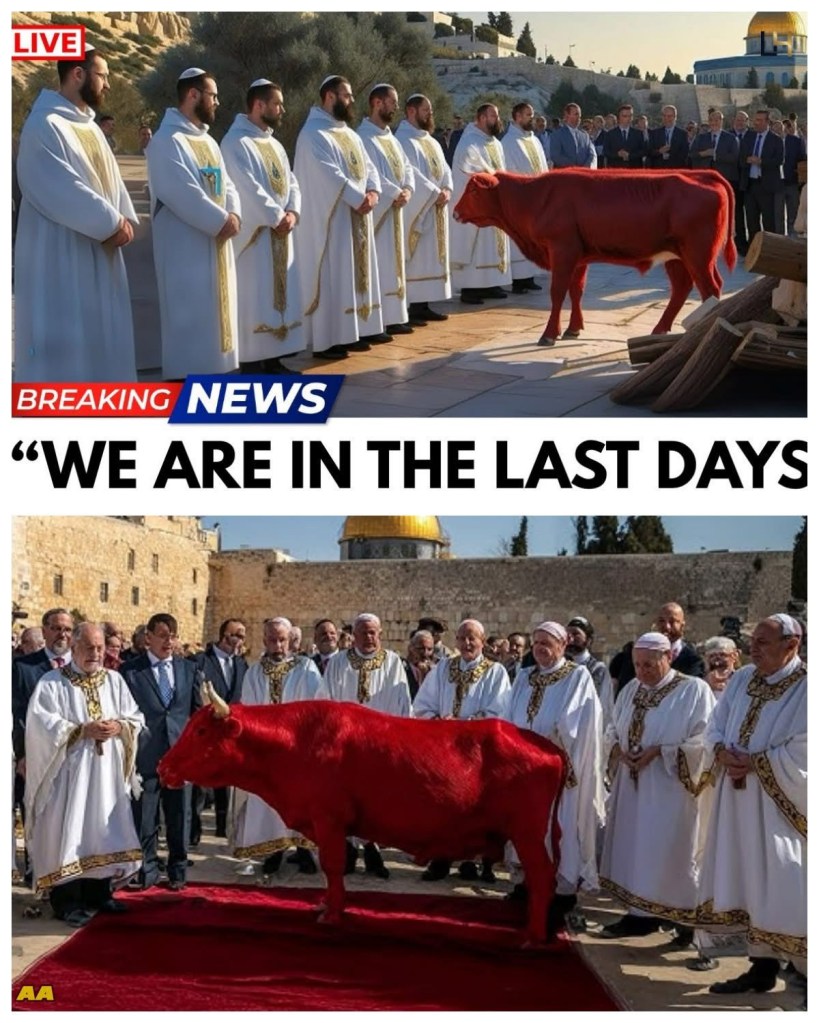
Looking for a rebuilding of the Temple is a slap in the face to Jesus; it is essentially saying you don’t believe He was enough.
The trajectory of Scripture moves from shadow to substance—not from substance back to shadow.
Purim, Empire, and the Danger of Weaponizing Jesus
The book of Esther recounts Jewish survival within imperial Persia and culminates in the celebration of Purim (Esth 9).¹⁵ It is a narrative of providence and covenant preservation—not a blueprint for Christian militarization.
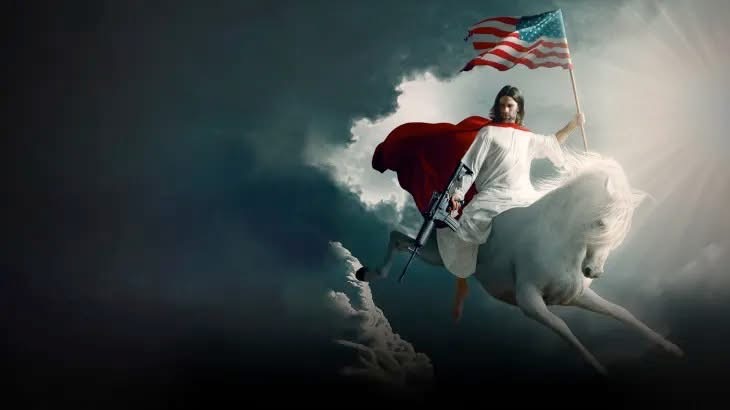
Revelation 19 portrays Christ as a rider on a white horse, yet the sword proceeds from his mouth—symbolizing the power of his word.¹⁶ Earlier, Revelation presents the conquering Messiah as the slain Lamb (Rev 5:6).¹⁷ The Lamb’s victory comes through self-giving sacrifice.
Shane J. Wood argues that Revelation functions as an unveiling of how empire masquerades as ultimate power while the Lamb redefines kingship through suffering love.¹⁸ The book calls believers to faithful witness, not violent triumphalism.¹⁹
When Jesus is draped in national symbolism or framed primarily as a military figure aligned with geopolitical agendas, the church risks conflating the kingdom of God with earthly power structures—precisely the confusion Revelation critiques.²⁰
The Lamb conquers not by coercion, but by cruciform allegiance.
Prophecy and Divination: A Crucial Distinction
Biblical prophecy is covenant proclamation rooted in God’s revealed purposes.²¹ Divination, by contrast, seeks hidden knowledge through decoding signs, omens, or speculative patterns.²²
Jeremiah warns against prophets who speak “visions of their own minds” (Jer 23:16).²³ Ezekiel rebukes those who practice “lying divination” (Ezek 13:6–9).²⁴ Jesus himself cautions his disciples against alarmism: “See that you are not alarmed” (Matt 24:6).²⁵
The apostolic exhortation is vigilance without panic (1 Thess 5:1–8).²⁶ When Christian rhetoric becomes dominated by chronological speculation tied to celestial events or ritual developments, it begins to mirror the divinatory impulse Scripture explicitly forbids.²⁷
True prophecy deepens faithfulness. Divination fuels anxiety.
Eschatology as Unveiling: Living in the Already and Not Yet
Christian eschatology has long been described as “already and not yet.”²⁸ Christ has decisively inaugurated the kingdom, yet its fullness awaits consummation.
Wood’s “thin veil” metaphor captures apocalyptic literature’s purpose: heaven’s perspective breaks into earthly history, revealing who truly reigns.²⁹ Revelation is not primarily a timetable but a theological unveiling of allegiance, empire, and worship.³⁰
Thus, blood moons need not provoke fear. Red heifers need not signal regression. Wars and rumors of wars do not require sacralized nationalism. The church’s vocation remains steadfast: faithful witness shaped by the Lamb.³¹
Peter reminds believers that they are a holy nation—not defined by geopolitical boundaries, but by covenant identity in Christ (1 Pet 2:9–12).³²
Our eschatological posture is hopeful watchfulness grounded in the finished work of Jesus.
Conclusion: Hope Without Hysteria
The final word of Revelation is not dread but invitation: “The Spirit and the Bride say, ‘Come’” (Rev 22:17).³³
Apocalyptic texts unveil hope, not panic. They expose empire, not empower it. They center the Lamb, not lunar cycles.
To remain faithful in an age of apocalyptic noise is not to disengage from current events, but to interpret them through the crucified and risen Christ. We do not decode eclipses; we embody the kingdom. We do not weaponize Jesus; we witness to him.
In a world prone to sensationalism, the church’s steadiness becomes its testimony.

Footnotes
- Joel 2:31; Acts 2:20; Rev 6:12.
- G. K. Beale, The Book of Revelation.
- Acts 2:16–21.
- Richard Bauckham, The Theology of the Book of Revelation.
- John H. Walton, Ancient Near Eastern Thought and the Old Testament.
- Deut 18:10–14.
- Michael S. Heiser, The Unseen Realm.
- Num 19.
- Randall Price, The Temple and Bible Prophecy.
- John 2:19–21.
- 1 Cor 3:16.
- Heb 9–10.
- David Peterson, Hebrews and Perfection.
- Steve Gregg, Revelation: Four Views.
- Esth 9.
- Rev 19:15.
- Rev 5:6.
- Shane J. Wood, Thinning the Veil.
- Rev 12:11.
- Rev 13; Bauckham.
- Walter Brueggemann, The Prophetic Imagination.
- Deut 18:10–14.
- Jer 23:16.
- Ezek 13:6–9.
- Matt 24:6.
- 1 Thess 5:1–8.
- Heiser, The Unseen Realm.
- George Eldon Ladd, The Presence of the Future.
- Wood, Thinning the Veil.
- Eugene H. Peterson, Reversed Thunder.
- Rev 12:11.
- 1 Pet 2:9–12.
- Rev 22:17.
Bibliography
Bauckham, Richard. The Theology of the Book of Revelation. Cambridge: Cambridge University Press.
Beale, G. K. The Book of Revelation. New International Greek Testament Commentary. Grand Rapids: Eerdmans.
Brueggemann, Walter. The Prophetic Imagination. 2nd ed. Minneapolis: Fortress Press.
Gregg, Steve. Revelation: Four Views. Nashville: Thomas Nelson.
Heiser, Michael S. The Unseen Realm: Recovering the Supernatural Worldview of the Bible. Bellingham, WA: Lexham Press.
Ladd, George Eldon. The Presence of the Future. Grand Rapids: Eerdmans.
Peterson, David. Hebrews and Perfection. Cambridge: Cambridge University Press.
Peterson, Eugene H. Reversed Thunder: The Revelation of John and the Praying Imagination. San Francisco: HarperCollins.
Price, Randall. The Temple and Bible Prophecy. Eugene, OR: Harvest House.
Walton, John H. Ancient Near Eastern Thought and the Old Testament. Grand Rapids: Baker Academic.
Wood, Shane J. Thinning the Veil: Revelation and the Kingdom of Heaven. Cincinnati: Standard Publishing.



 EXPEDITION 44