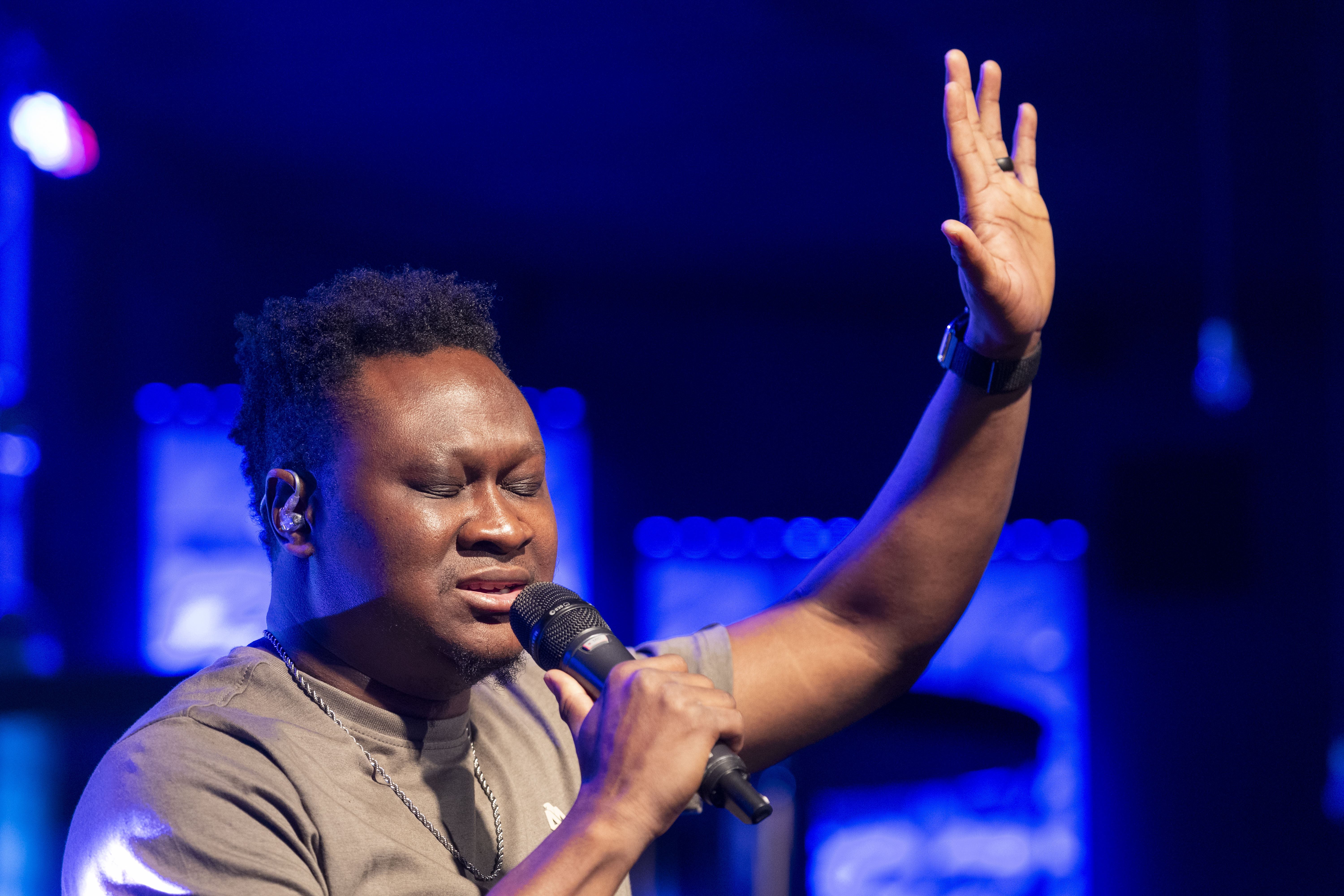
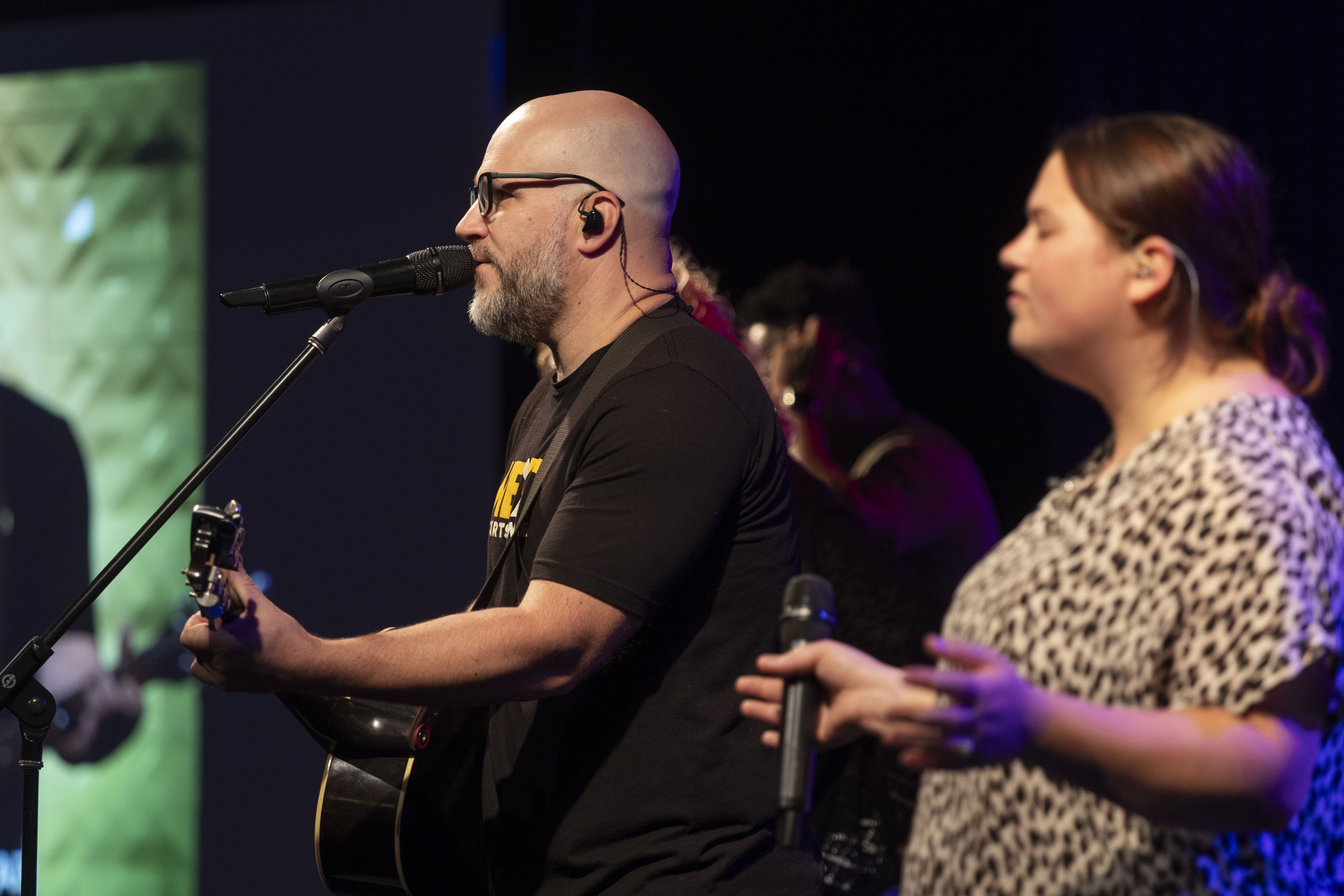
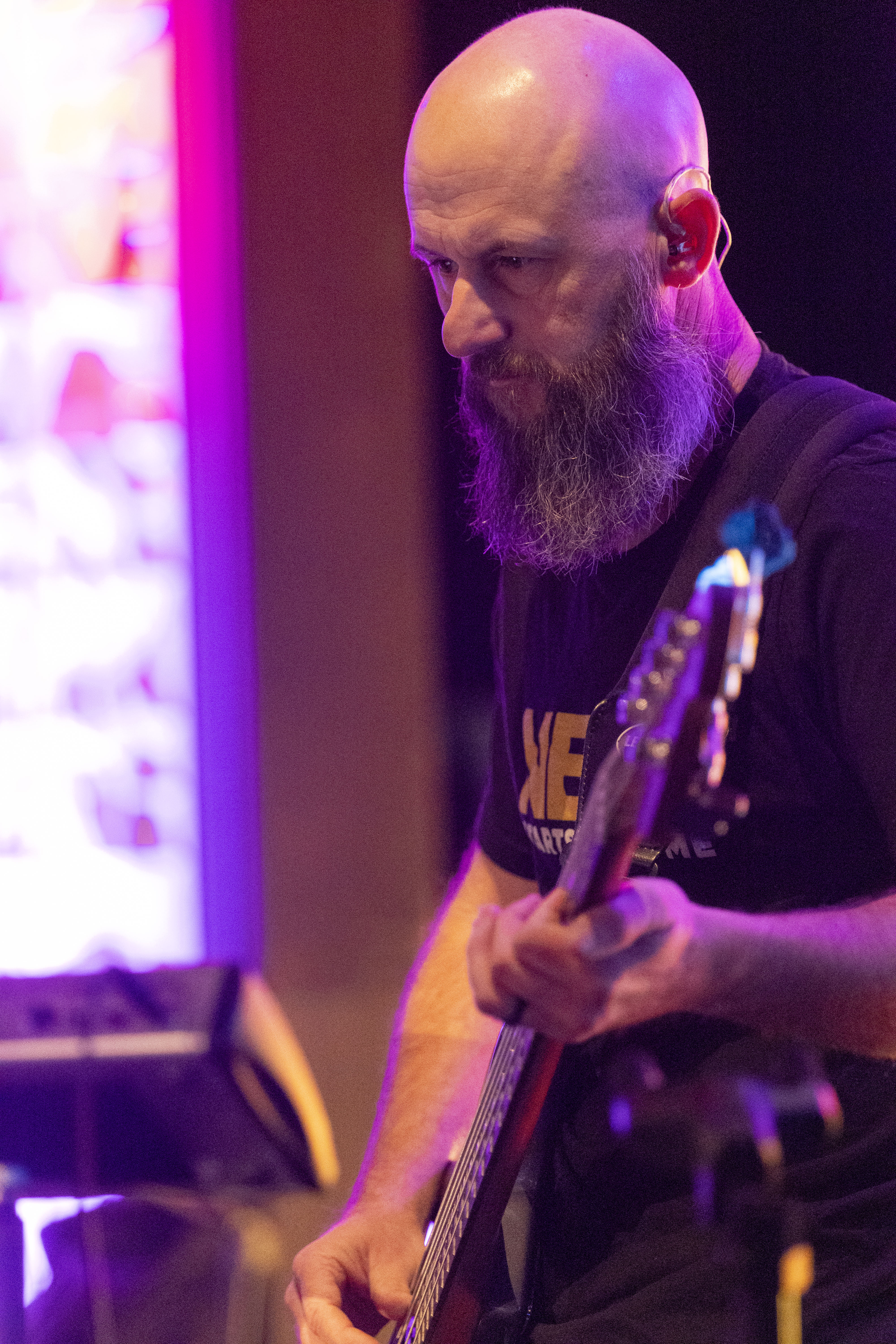
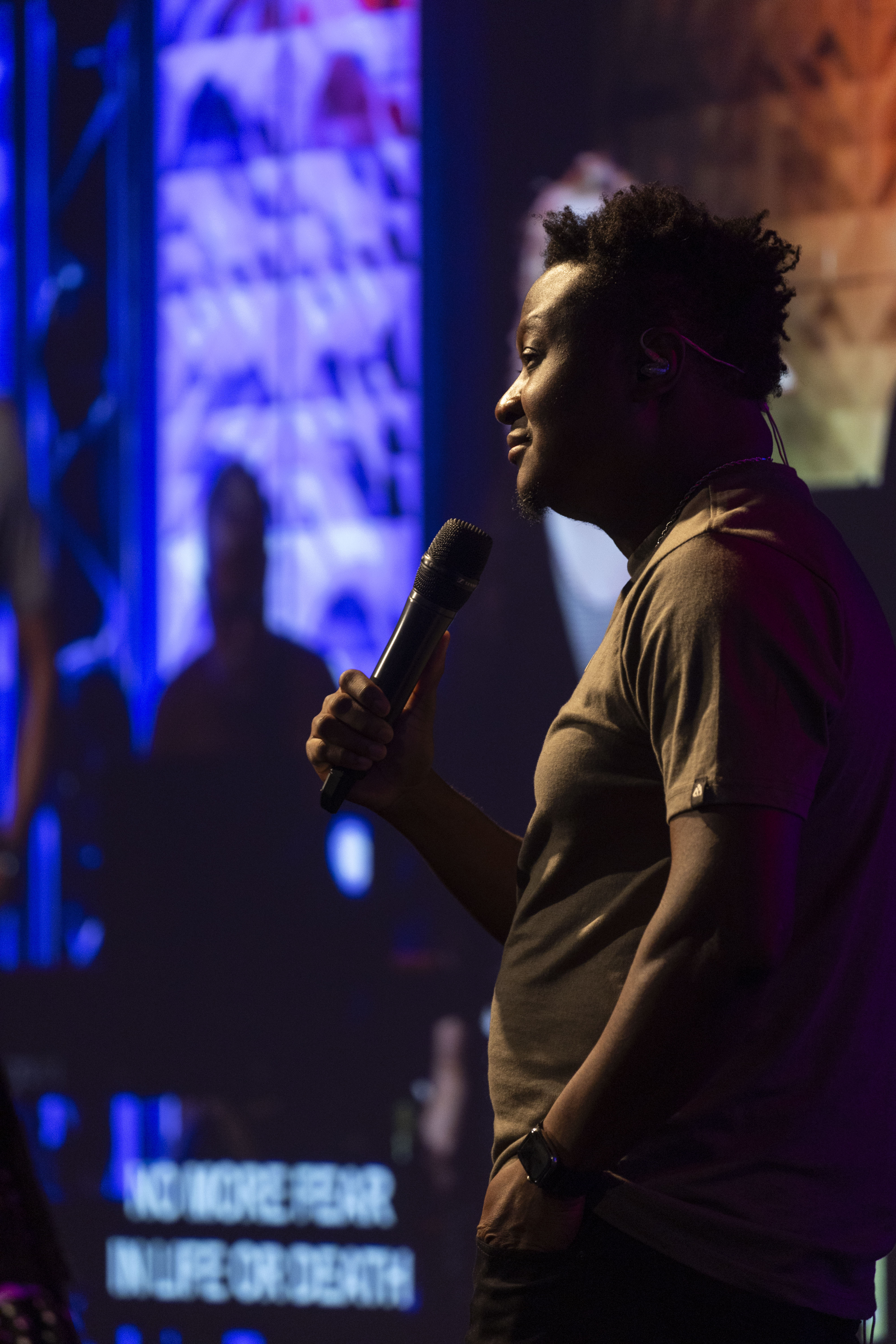
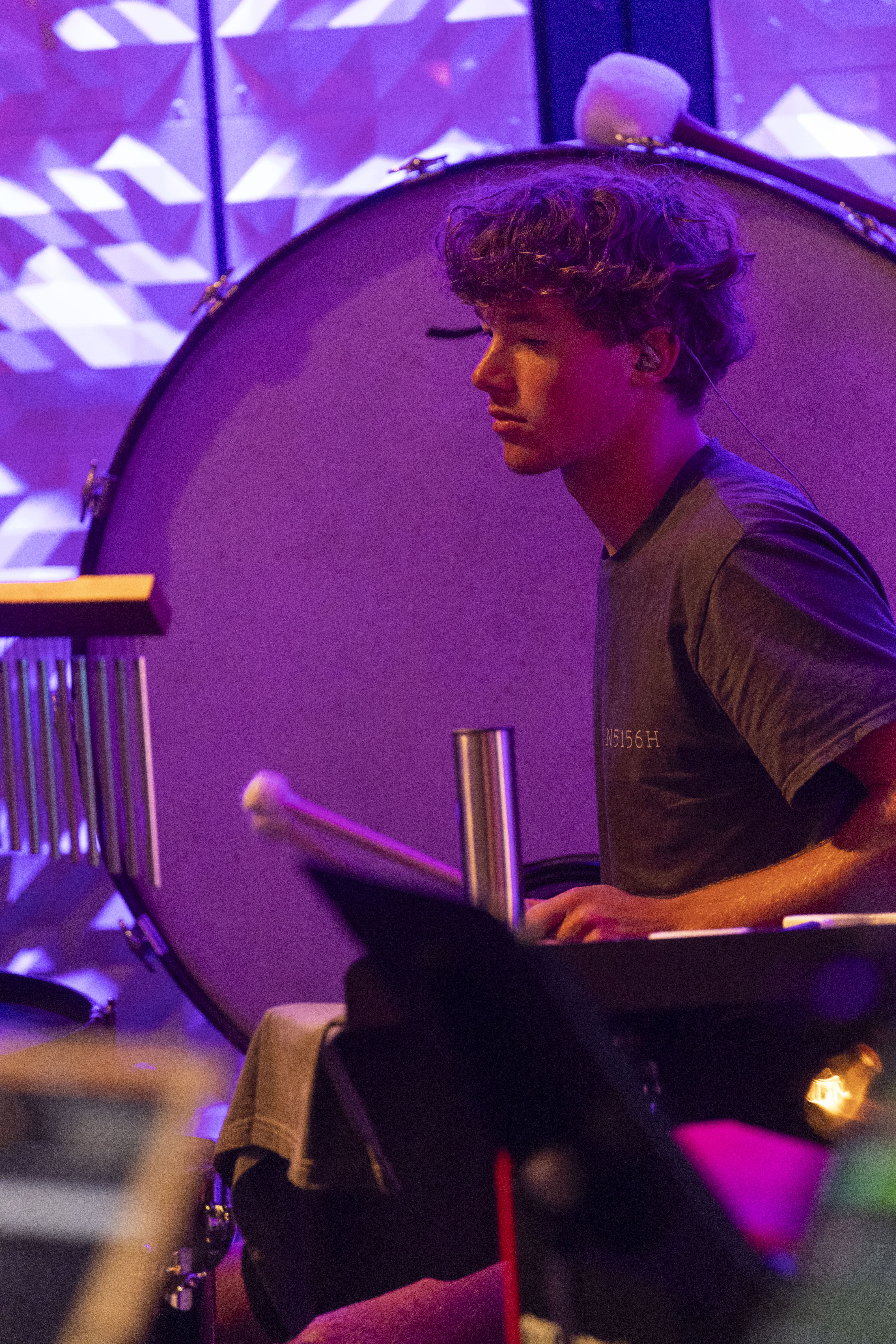
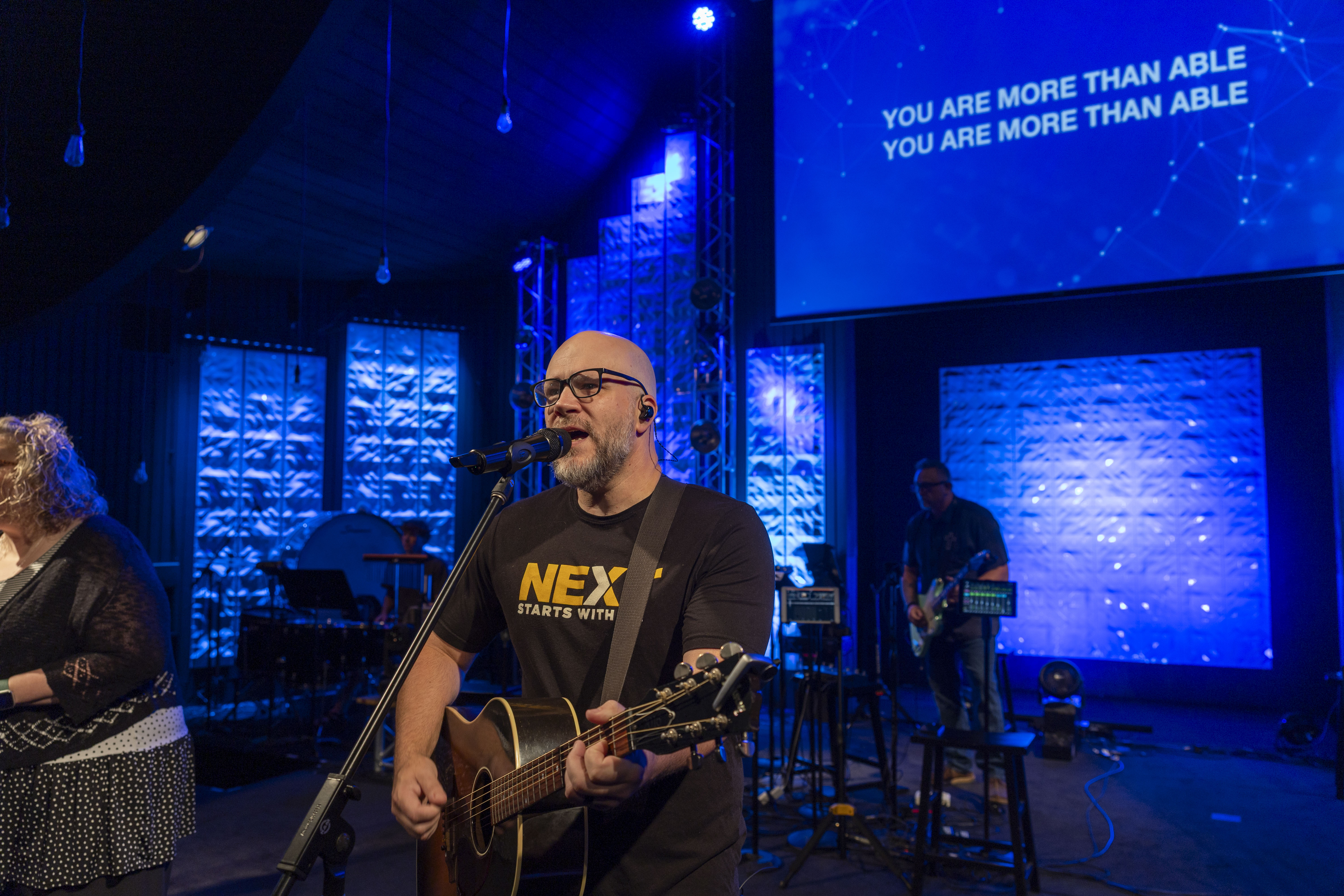
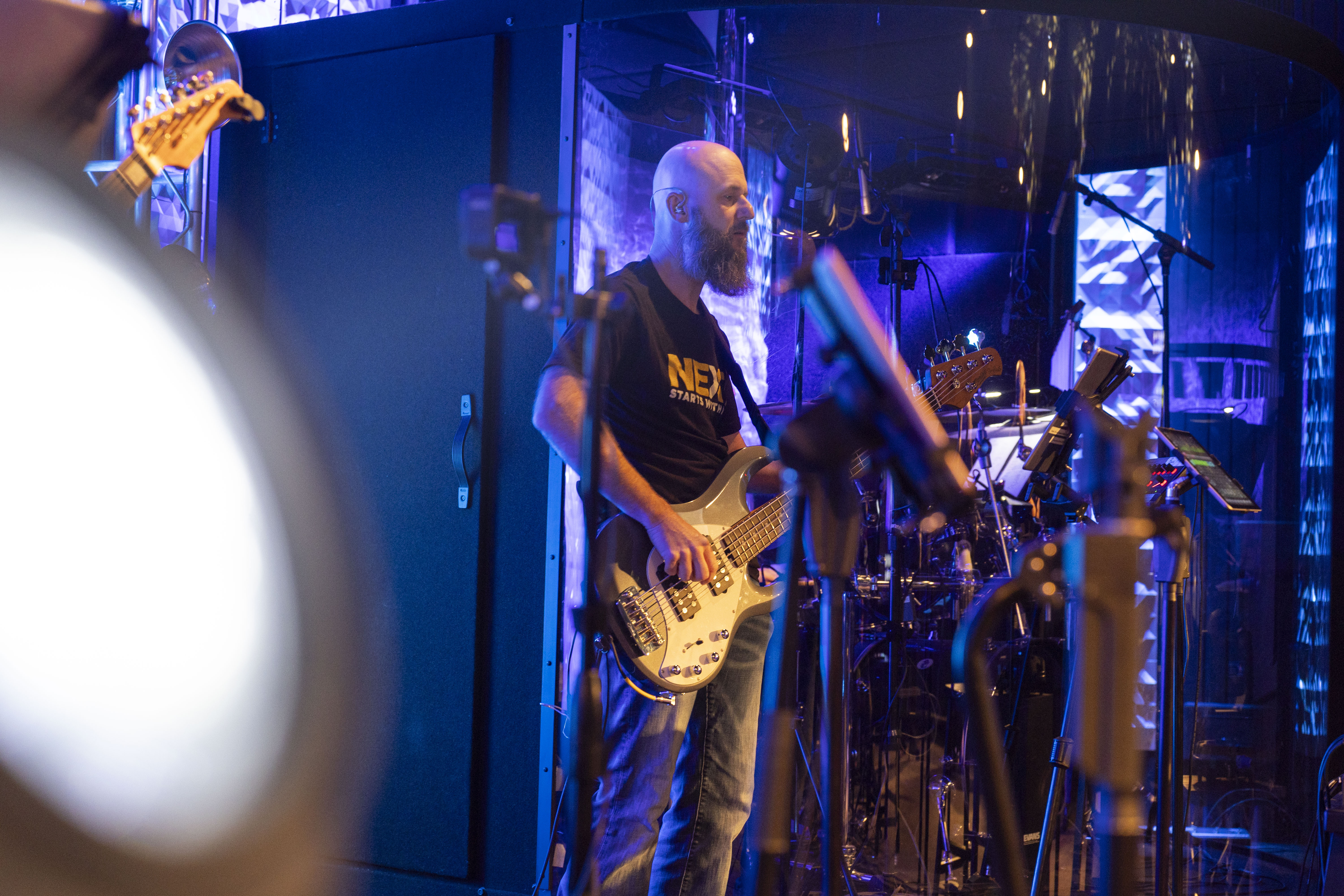
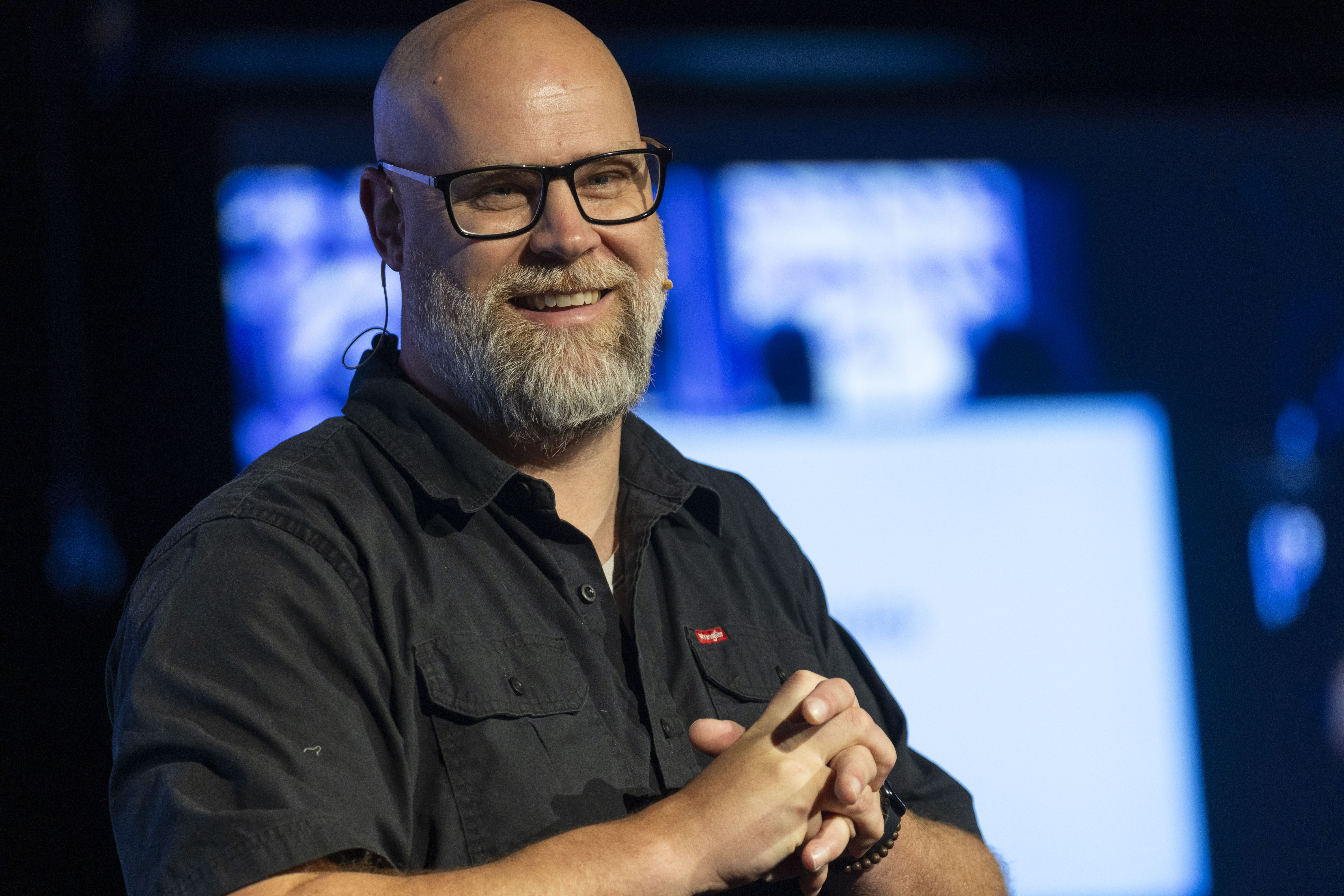
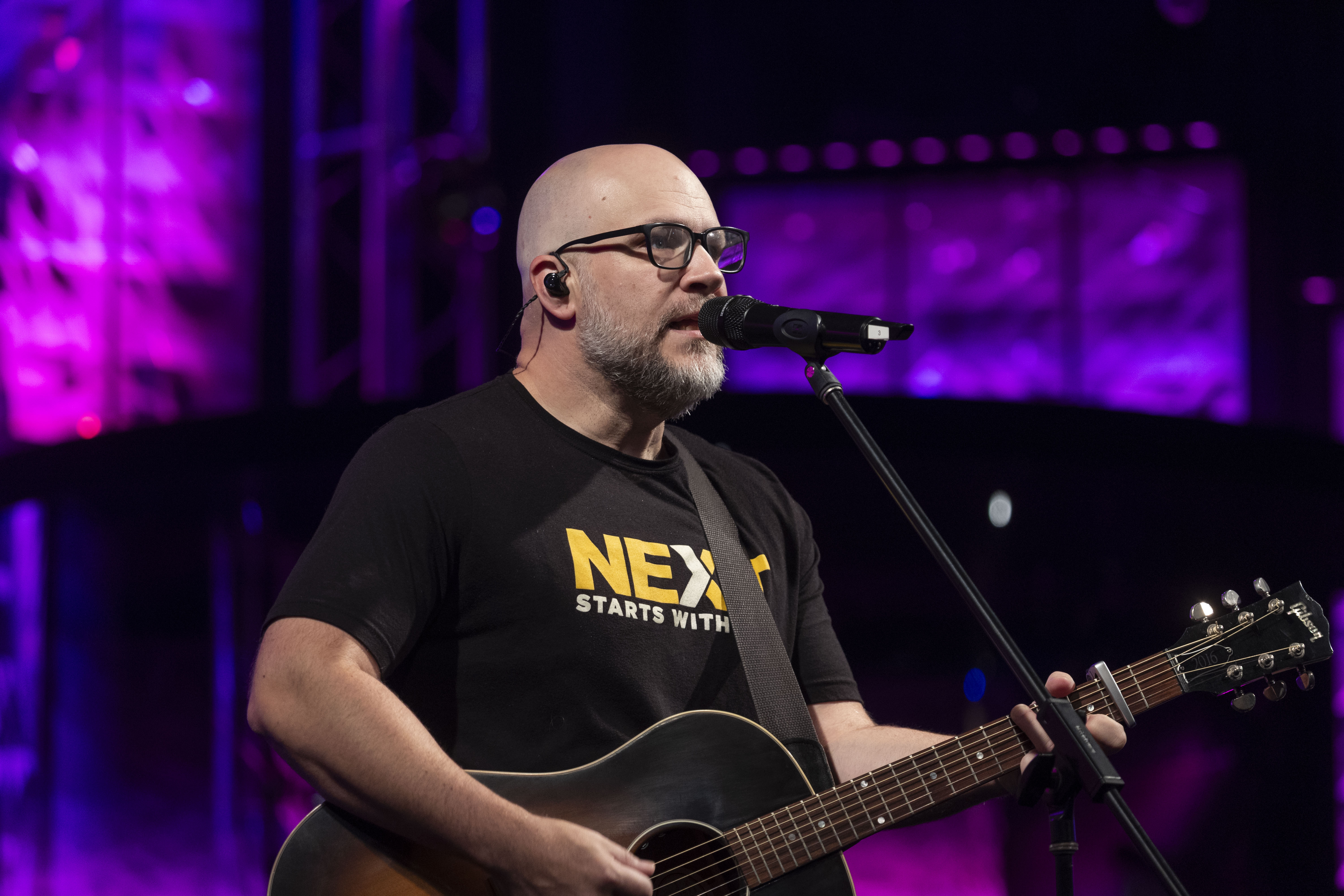
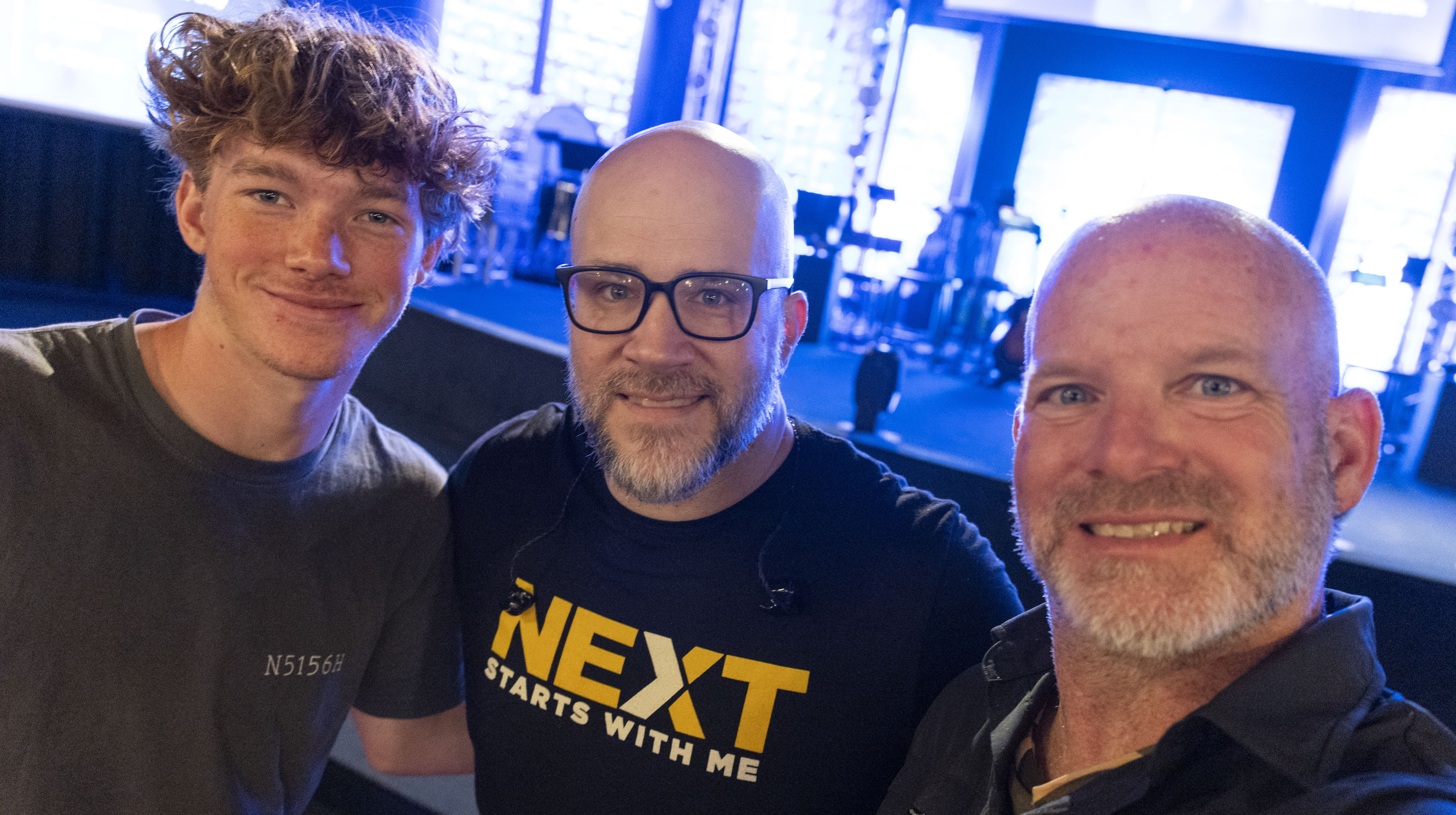
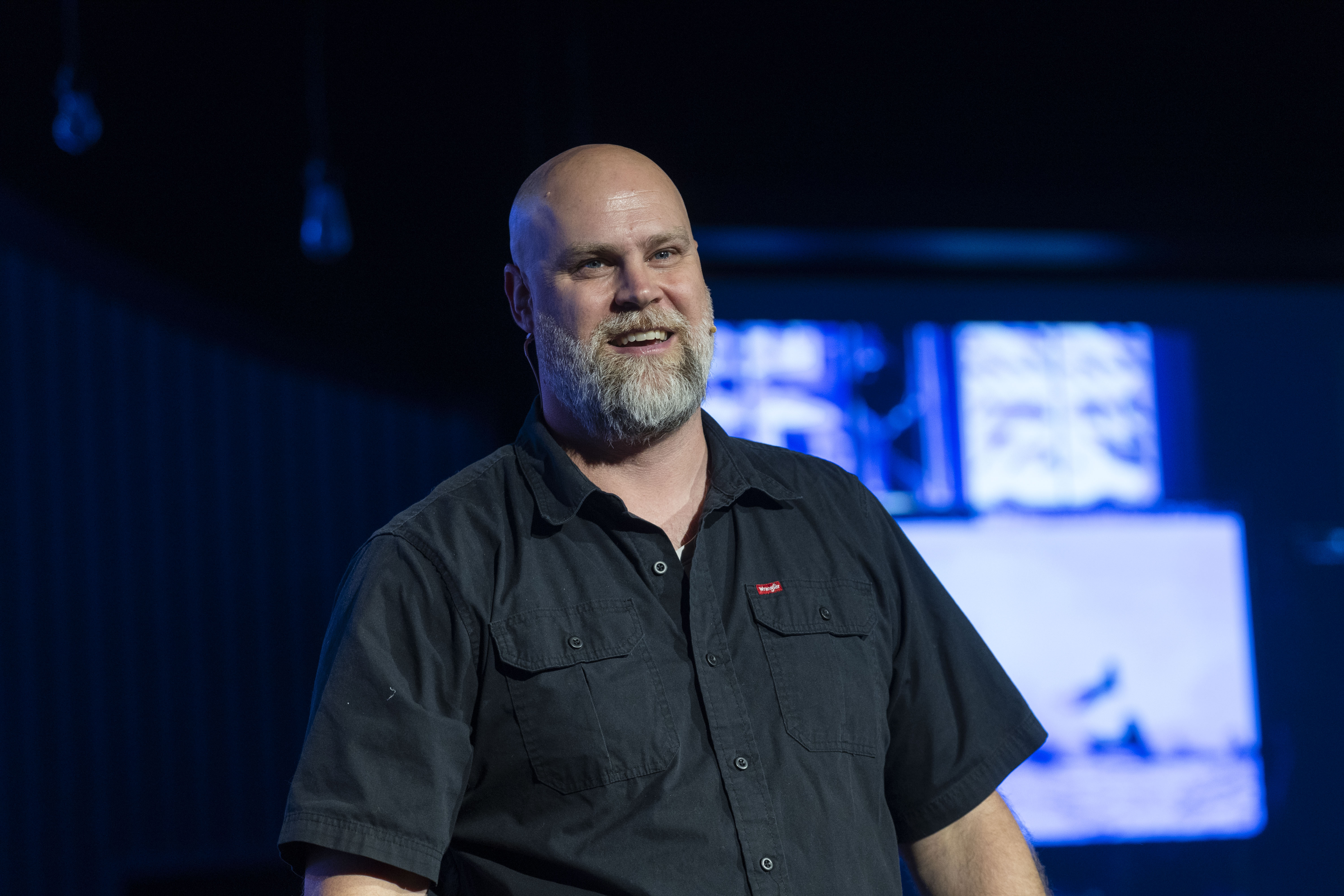
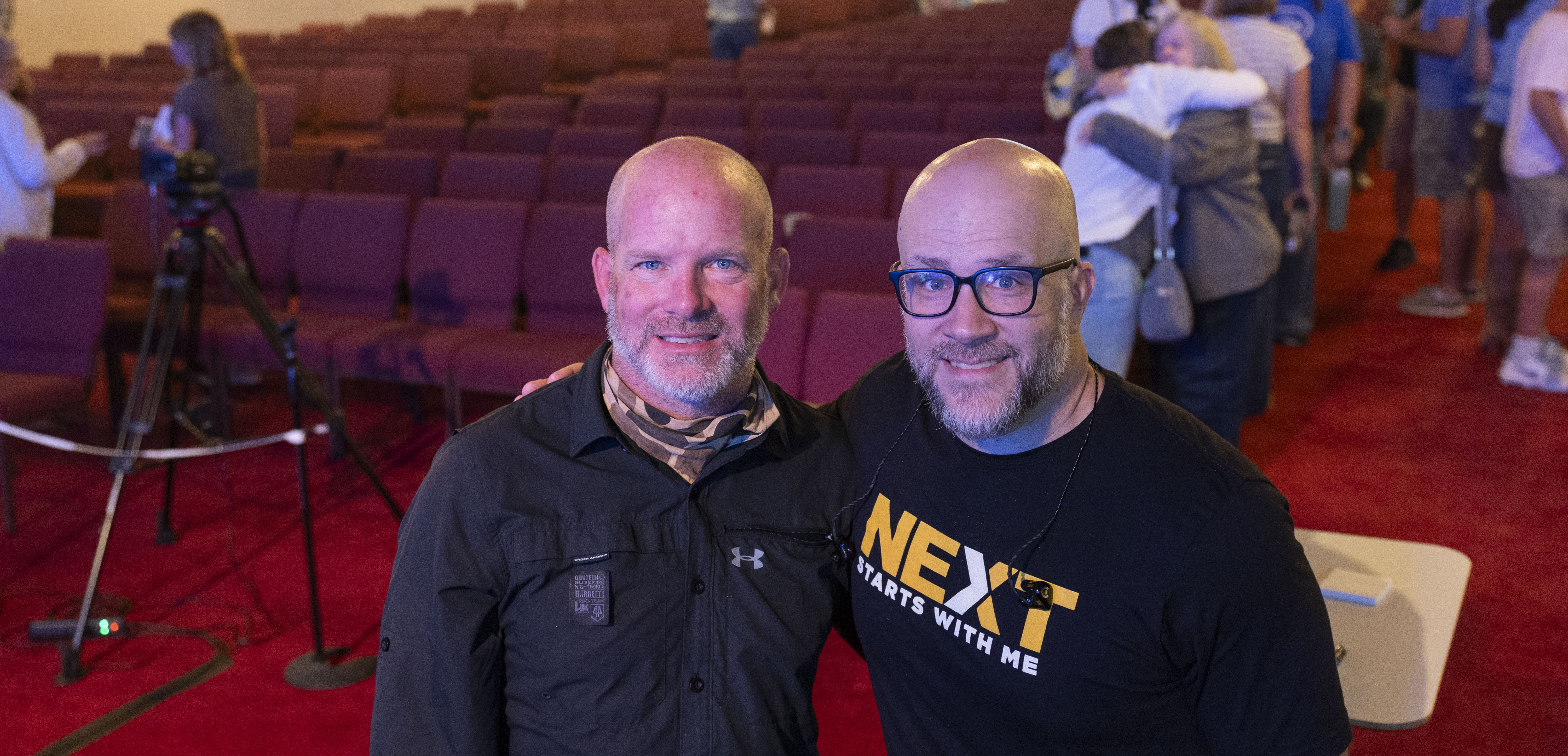
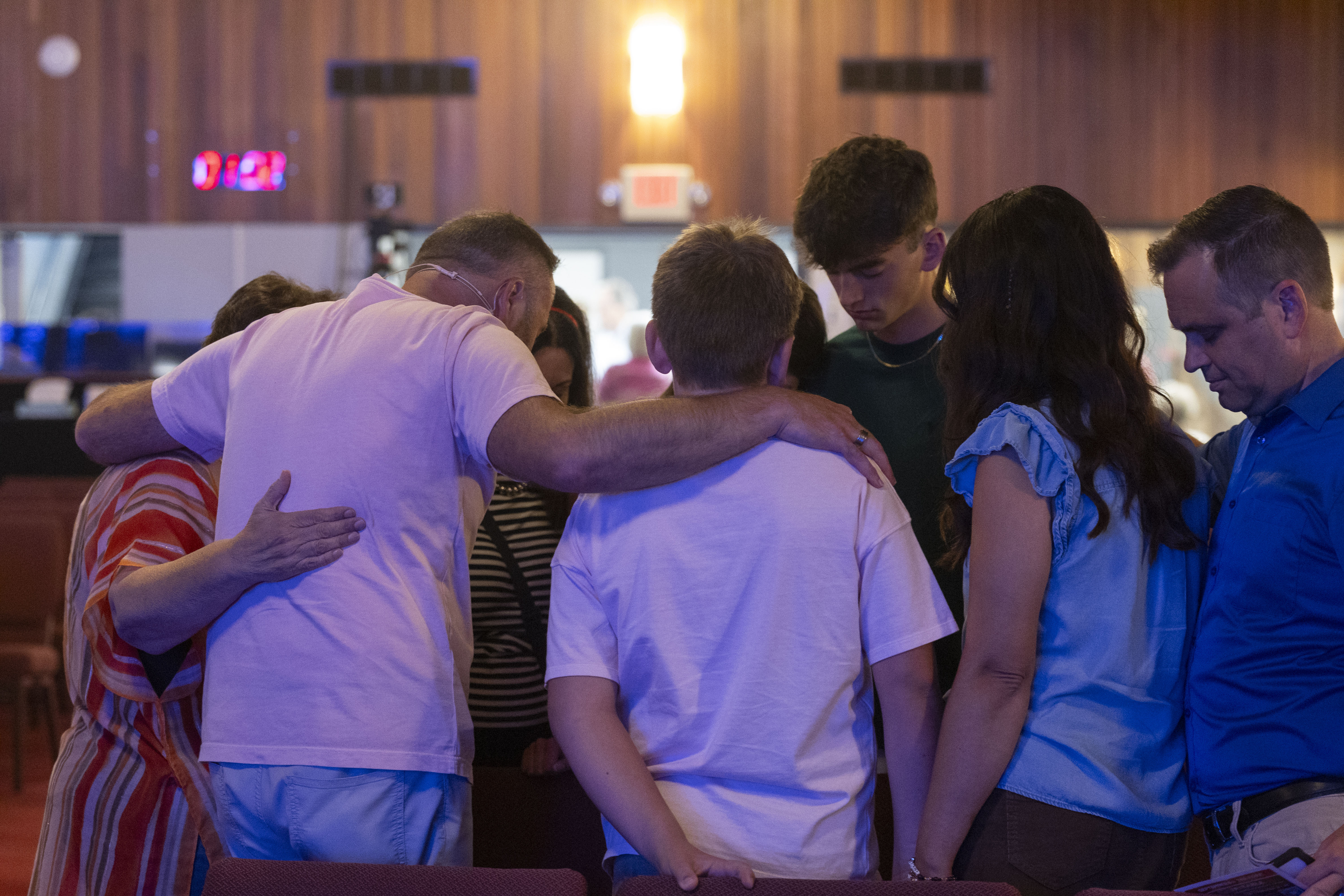
I was deeply grateful to spend this morning at The Point in Seymour, Indiana. Matt did an incredible job preparing our hearts and minds for the morning, and Pastor Jon Gibson brought a timely and challenging message about something that sits near the center of genuine discipleship: God does not simply want to modify our behavior; he wants to transform the way we think.
Paul writes:
“You were taught… to be renewed in the spirit of your minds, and to put on the new self, created after the likeness of God.” (Eph 4:22–24)
There is something much deeper happening here than positive thinking or simply replacing bad thoughts with good ones. The Greek word Paul uses for “renewed,” ananeoō (ἀνανεόω), carries the sense of being made new or “divinely” renewed again. Even more striking is Paul’s phrase tō pneumati tou noos hymōn—“in the spirit of your mind.”¹ The transformation Christ brings reaches beneath outward behavior into the interior place from which our perceptions, desires, judgments, and actions emerge. Paul places this within the larger biblical movement of old humanity becoming new humanity. Ephesians 4 speaks of taking off the palaios anthrōpos, the “old person,” and putting on the kainos anthrōpos, the “new person.” This is almost clothing language: one identity is stripped away and another is put on. But Paul’s imagery reaches even deeper. The “new person” is created according to God (Eph 4:24). That language echoes Genesis. Humanity was created in the image and likeness of God; now, in Christ, humanity is being recreated toward what it was always intended to become. That makes transformation much more than “How can I become a better version of myself?”
The gospel asks a more radical question: What if Jesus intends to make me into someone new?
This is where Jon’s message connected beautifully with Paul’s words in 1 Corinthians 2.
Paul contrasts the wisdom of the present age with the wisdom revealed through the Spirit. God’s wisdom cannot finally be reached merely through human intelligence, education, cultural assumptions, or inherited ways of seeing the world. The Spirit searches even “the depths of God” (1 Cor 2:10), and Paul concludes the chapter with an extraordinary declaration:
“But we have the mind of Christ.” (1 Cor 2:16)
The Greek is noun Christou—νοῦν Χριστοῦ.
The nous is more than the modern idea of the brain. It involves understanding, perception, judgment, disposition—the internal framework through which we interpret reality.² Paul is saying that through the Spirit we are learning to perceive reality through Christ. That is spiritual transformation.
The Hebrew Scriptures anticipate something similar. Biblical wisdom—ḥokmâ (חָכְמָה)—was never merely knowing information. Wisdom was knowing how to live faithfully within God’s world. “The fear of YHWH is the beginning of wisdom” (Prov 9:10). Wisdom begins when our perception of reality becomes reordered around God. Paul takes that ancient wisdom tradition and centers it upon Jesus. Christ becomes “the wisdom of God” (1 Cor 1:24). So encountering Christ necessarily challenges the ways we have learned to think without Christ. And perhaps that is where Jon’s message should stay with us beyond Sunday morning.
Before asking, “What do I need to do differently?”, perhaps we should ask: “What is keeping me from thinking like Jesus?”
Maybe it is fear.
Maybe pride.
Maybe resentment.
Maybe the need to control everything.
Maybe an old wound through which we interpret every new relationship.
Maybe success, money, sexuality, politics, reputation, addiction, insecurity, bitterness, or simply an identity we constructed long before we learned who we are in Christ.
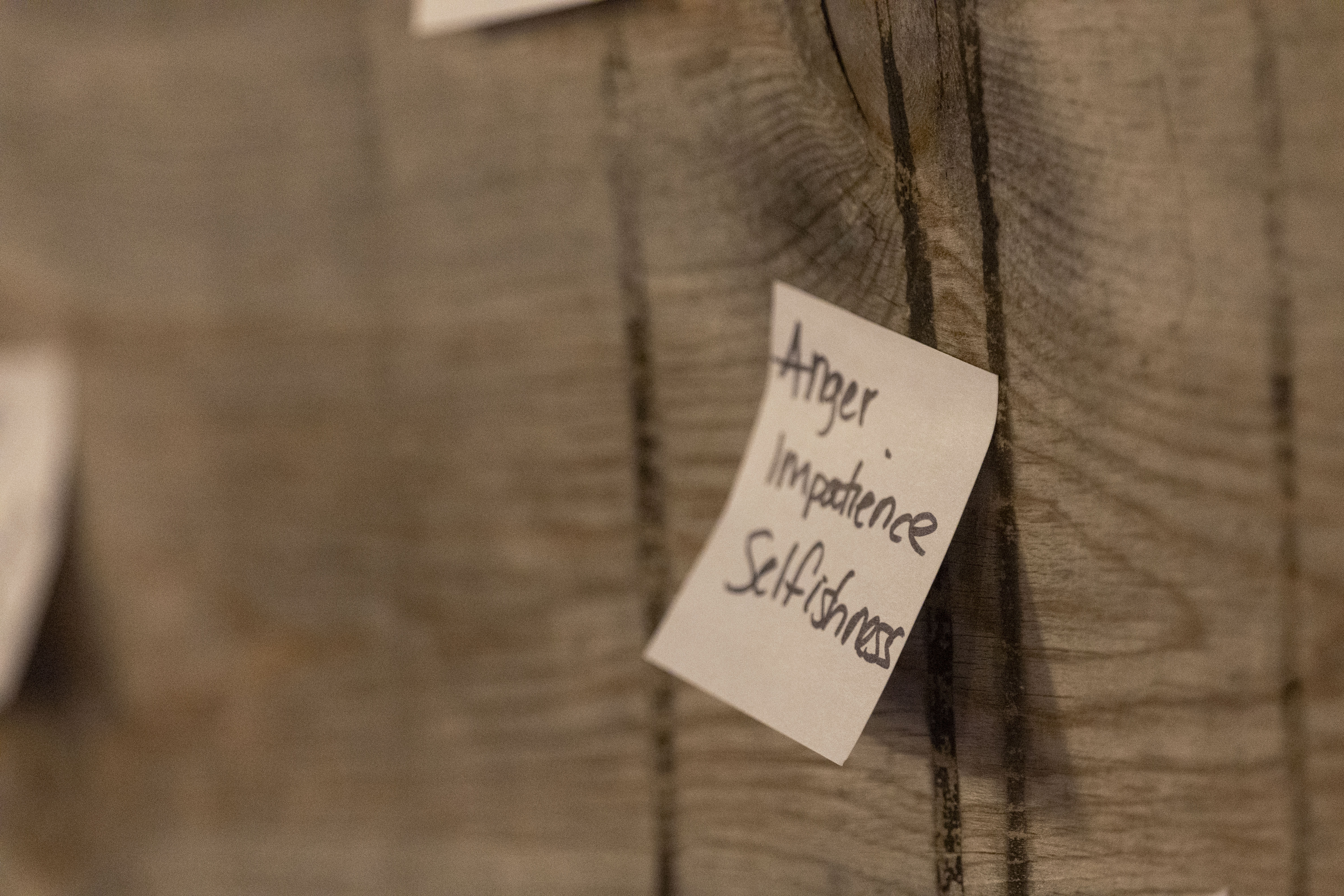
Whatever it is, name it.
There is tremendous spiritual significance in identifying the thing that continues shaping our minds. We cannot easily surrender what we refuse to acknowledge.
Paul’s imagery in Ephesians is wonderfully practical: take it off.
Not because God is waiting for us to fix ourselves, but because Christ has already invited us into another way of being human.
Take off the old.
Be renewed in the mind.
Put on the new.
And increasingly discover what Paul could astonishingly say was already becoming a spiritual reality among God’s people:
“We have the mind of Christ.”
The invitation from this morning is therefore much larger than gaining a few new ideas. It is an invitation to encounter Jesus so completely that his Spirit begins reshaping the very way we see ourselves, other people, our circumstances, and ultimately God himself.
So perhaps the challenge for this week is simple:
What is one thing shaping your mind that needs to be surrendered to Christ?
Identify it. Name it. Bring it before Jesus. Give it up.
Then ask the Spirit to teach you to see that same place through the mind of Christ.
Because following Jesus isn’t merely about changing what we do.
It is allowing Christ to transform the place from which everything we do begins.
I’m thankful for Pastor Jon Gibson’s faithful challenge this morning and for the people at The Point who welcomed us so warmly. May we not simply hear the invitation to transformation, but encounter Christ deeply enough that our minds, desires, identities, and lives are continually made new in him.
Notes
- Frederick William Danker, ed., A Greek-English Lexicon of the New Testament and Other Early Christian Literature, 3rd ed. (Chicago: University of Chicago Press, 2000), s.v. “ἀνανεόω”; cf. Eph 4:23.
- Danker, Greek-English Lexicon, s.v. “νοῦς.” See also Rom 12:2, where Paul similarly connects transformation (metamorphoō) with the “renewal of the mind.”
- On biblical wisdom as embodied skill and faithful orientation rather than merely intellectual knowledge, see Michael V. Fox, Proverbs 1–9: A New Translation with Introduction and Commentary, AB 18A (New York: Doubleday, 2000), 31–43.
- See also Rom 12:1–2; Col 3:9–10; Phil 2:5; 1 Cor 1:18–31; 2 Cor 5:17.