
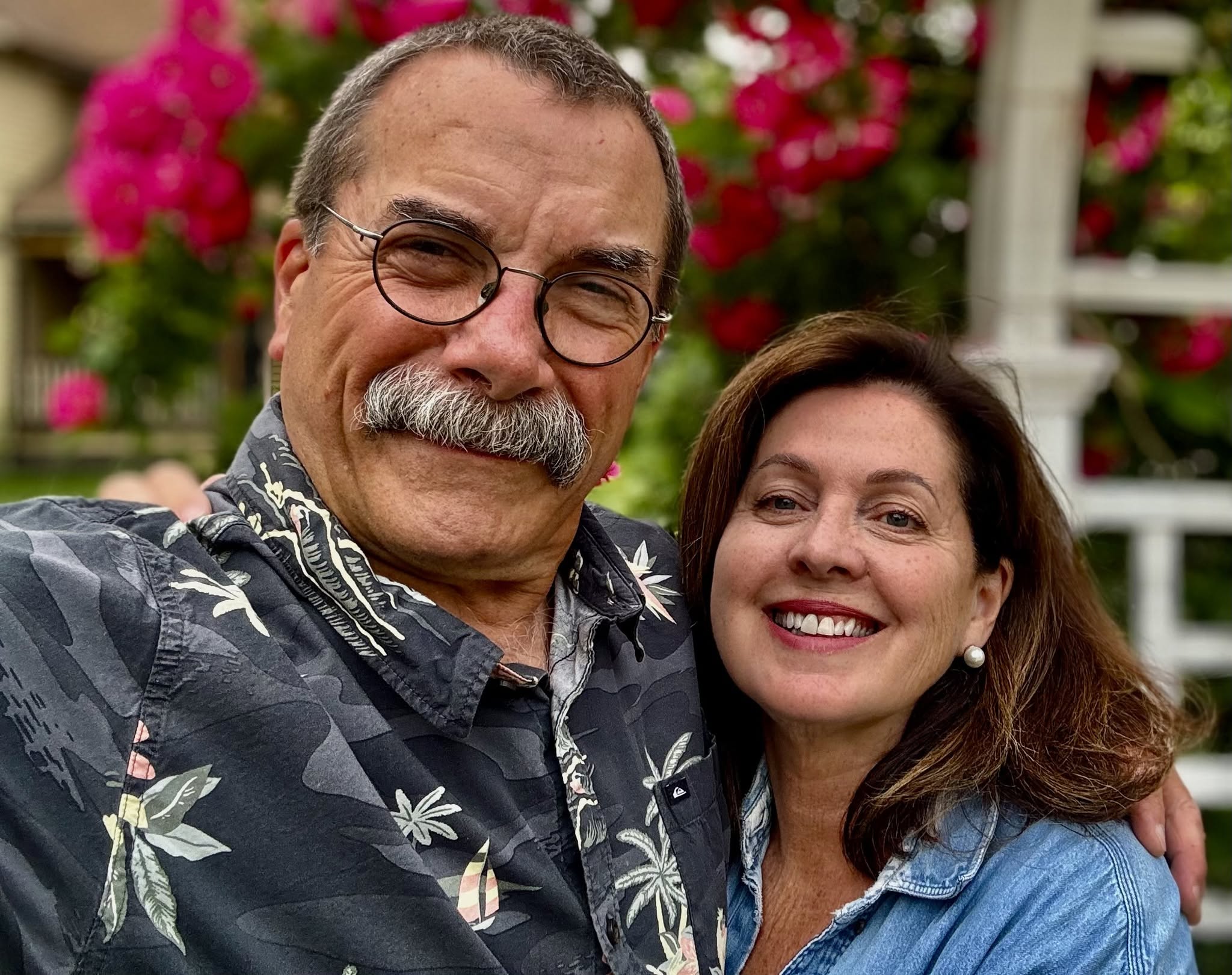
There’s something extraordinary about gathering to remember a man like Paul Turnbaugh. Over these past several weeks, as I’ve reflected on his life and visited with so many people who loved him, I’ve come to recognize something remarkable about my friend Paul.
Everybody thought Paul was the greatest guy in the world.
And almost everybody seemed to believe they were one of his best friends.
I’ve been thinking about that. How does one man manage to have a hundred best friends? But that was Paul. He possessed an extraordinary capacity to love people, to take an interest in their lives, and to make them feel genuinely important. He was about as true-blue, all-American a man as I’ve ever known. He loved his family, his friends, his country, the outdoors, and above all, his Lord Jesus Christ.
Paul was an artist, a musician, a photographer, a hunter, a fisherman, a teacher, a mentor, a thinker, and a wonderful friend. He loved life. And if I could summarize something about him in just a few words, I would say that Paul had a remarkable gift for being fully alive.
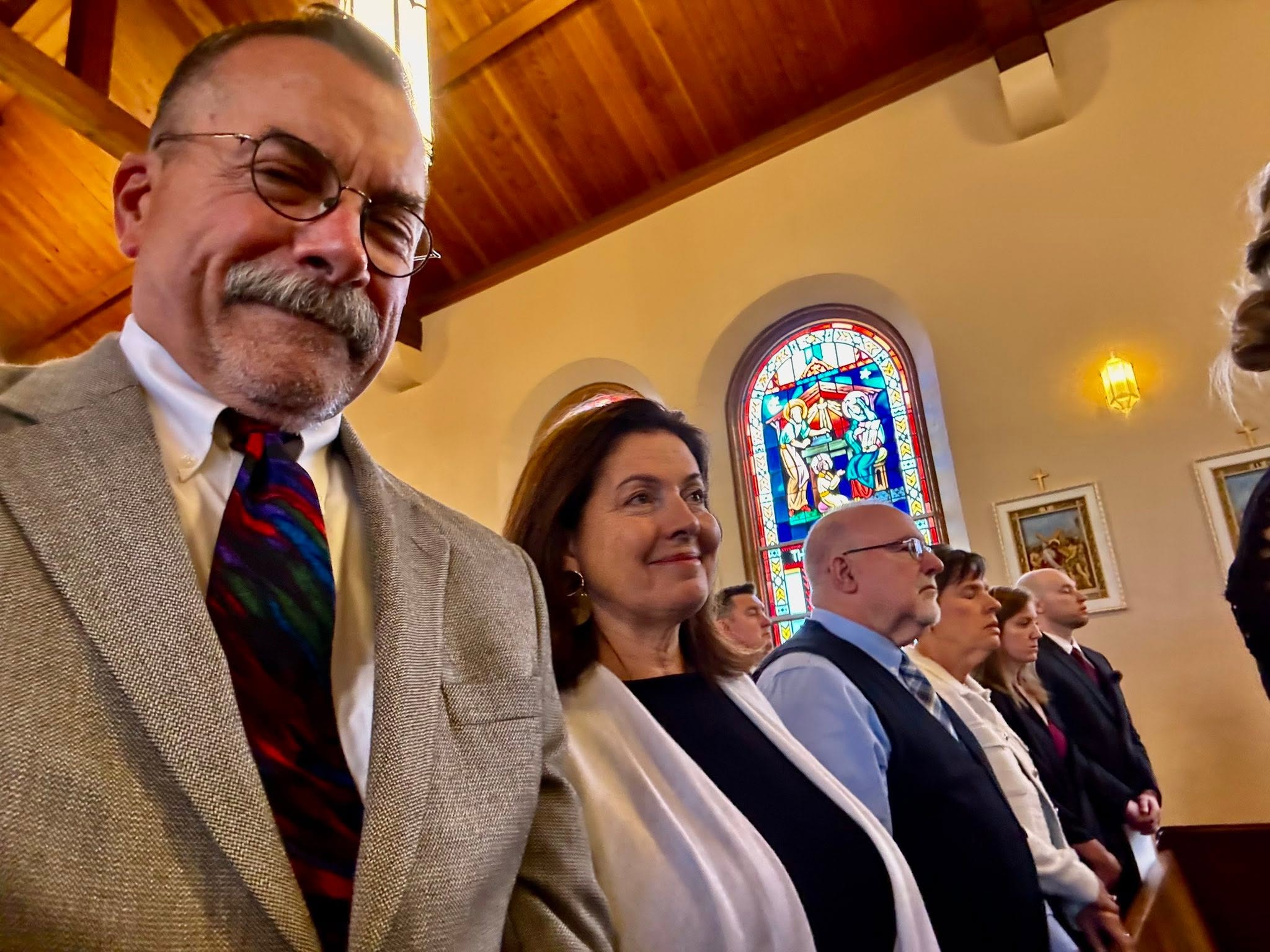
This morning, we gathered at St. Francis, and the priest reminded us that we are presently in what the Church calls Ordinary Time. In the Christian liturgical calendar, Ordinary Time is represented by the color green, a color that reminds us of life, growth, and the ongoing work of God in the world.¹
As I sat there thinking about Paul, I couldn’t help but smile.
Ordinary Time. Green. Life. Growth. Creation.
I thought, how wonderfully appropriate for Paul Turnbaugh.
Because Paul had an extraordinary love for the ordinary things of life.
For Paul, there really wasn’t such a thing as an ordinary day. There were ordinary routines, certainly, but he approached them with an enthusiasm that made each day feel like a new adventure.
Paul could look at the same birds every single day and somehow be just as excited about them as he had been the day before.
Some of you may remember Paul’s fascination with the sandhill cranes, particularly one young crane he affectionately named Egbert.
Paul became captivated by this little bird. He would photograph him, follow his development, and document his life with the kind of enthusiasm you might expect from someone witnessing a once-in-a-lifetime event. Except Paul could experience that same excitement again tomorrow, and the day after that, and the day after that.
I can just imagine him heading out with his camera, ready to capture another chapter in Egbert’s life.
And it wasn’t just the cranes.
There were the turkeys. The deer. The birds along the roadside. Thérèse laughed as she remembered Paul wanting to stop and photograph the turkeys yet again. She would remind him that they had just photographed them yesterday, and that they were, after all, standing in the middle of a road!
But Paul couldn’t help himself. There was something beautiful to see, and he didn’t want to miss it.
And then there were the crows.
Apparently, Paul developed a special relationship with the neighborhood crows. He started feeding them, eventually settling on peanuts, and before long he was making crow noises to call them into the yard. Whenever he heard them nearby, he would excitedly announce their arrival and head outside.
And he would tell Thérèse how beautiful they were. Crows!
Most of us look at a crow and see a black bird. But Paul would point out the extraordinary colors hidden in those feathers, the purples and other iridescent shades that become visible when the sunlight catches them just right.
He was seeing things the rest of us didn’t even notice.
And Thérèse said something that I thought was profoundly beautiful. She said that because of Paul, she will never look at turkeys, cranes, or even crows quite the same way again.
That’s what happened when you spent time with Paul. He changed the way you saw the world.
I love that.
Psalm 19 tells us that the heavens declare the glory of God and the skies proclaim the work of his hands. The psalmist describes creation as a continual witness to its Creator, declaring his glory without ever needing to speak a word.²
Paul seemed to understand that instinctively.
He spent his life photographing a creation that was already proclaiming the majesty of the Lord. And in sharing those images, he invited the rest of us to stop long enough to appreciate it.
There is something deeply Christian about that kind of attentiveness. We live in a world where it’s easy to become so occupied with responsibilities, worries, and schedules that we overlook the simple gifts God has placed all around us.
But Paul didn’t need extraordinary circumstances to experience joy. He recognized the extraordinary goodness of God in ordinary life. and in ordinary time.
And that brings me to a passage of Scripture that I think describes Paul remarkably well.
In Romans 12, the apostle Paul gives a beautiful description of what a life devoted to Christ ought to look like. He speaks of sincere love, affection for one another, generosity, hospitality, and faithfulness.
And in verse 11, he writes:
“Never be lacking in zeal, but keep your spiritual fervor, serving the Lord.”
The Greek word translated fervent is zeontes (ζέοντες), pronounced ZEH-on-tess.
It’s a wonderful word that comes from the Greek verb zeō, which means to boil or to be hot. Figuratively, it describes someone burning with enthusiasm, zeal, and devotion.³ Calmly overflowing. Somewhat calculated but consistent and persevering, almost never stopping -overflowing.
I can’t think of a better description of Paul. He was fervent in spirit.
Look at the surrounding verses. Love sincerely. Honor one another. Practice hospitality. Rejoice with those who rejoice. Weep with those who weep.
In other words, our devotion to the Lord becomes visible in the way we love and serve others.
And this is where I think Paul’s life offers such a beautiful testimony.
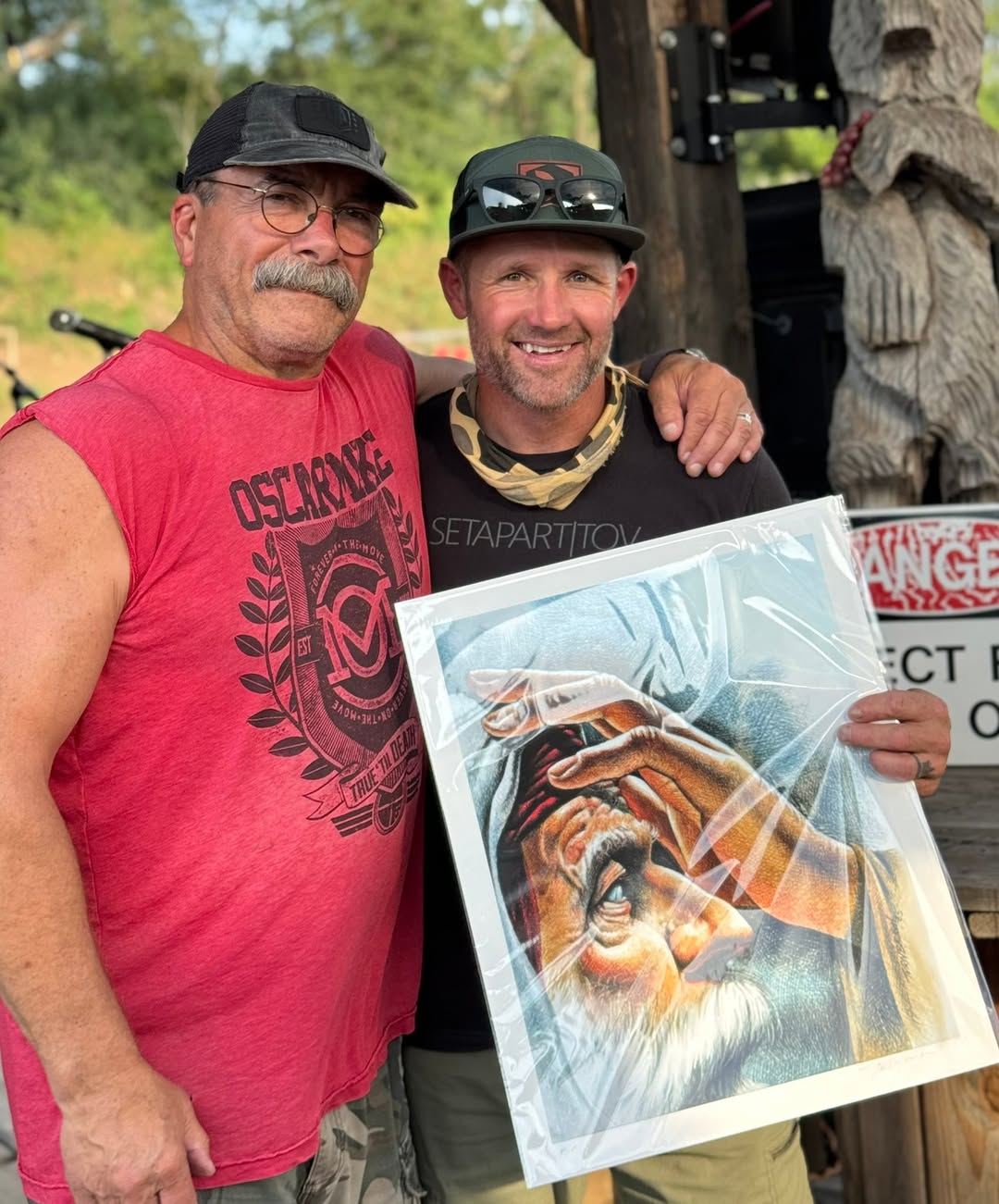
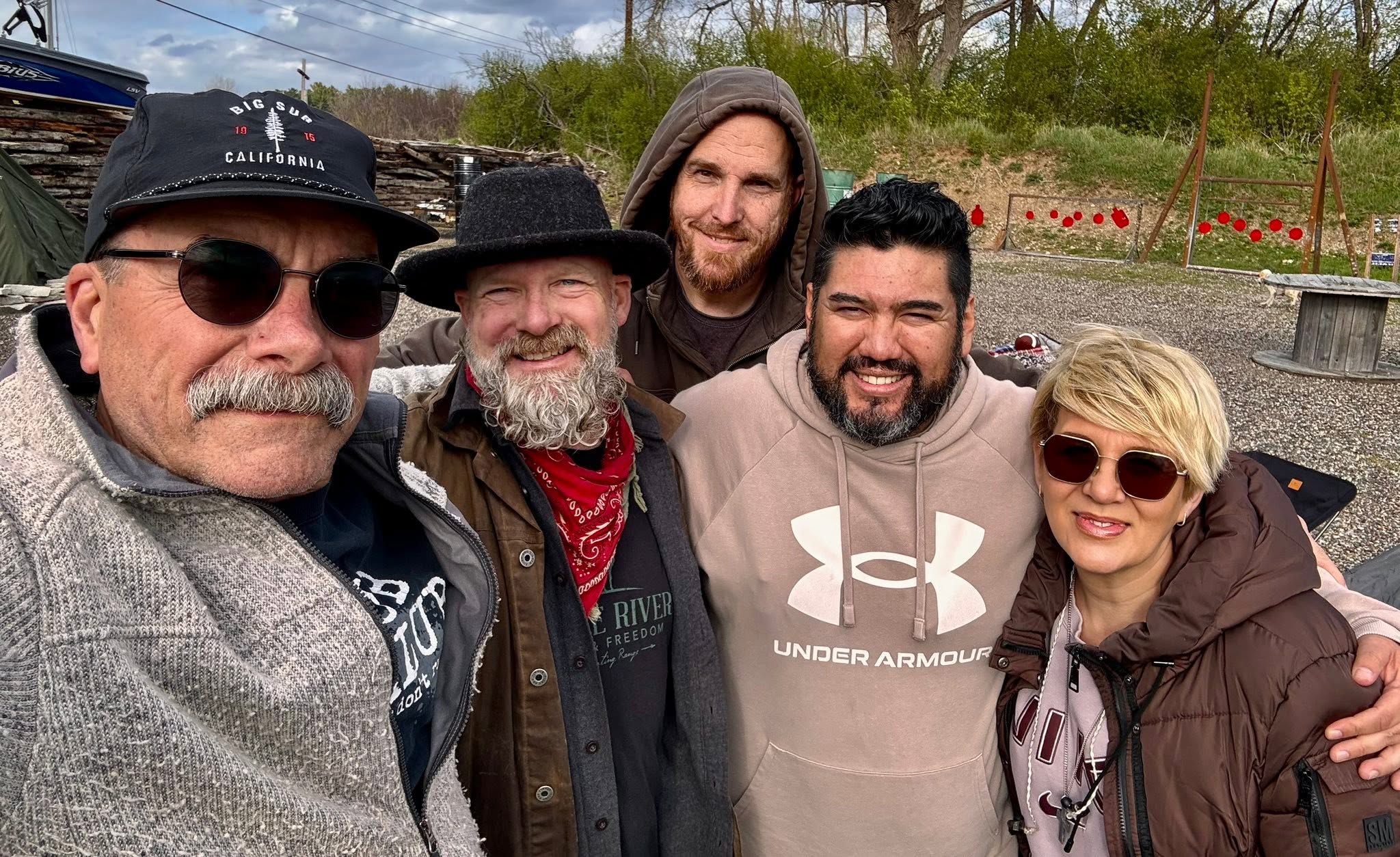
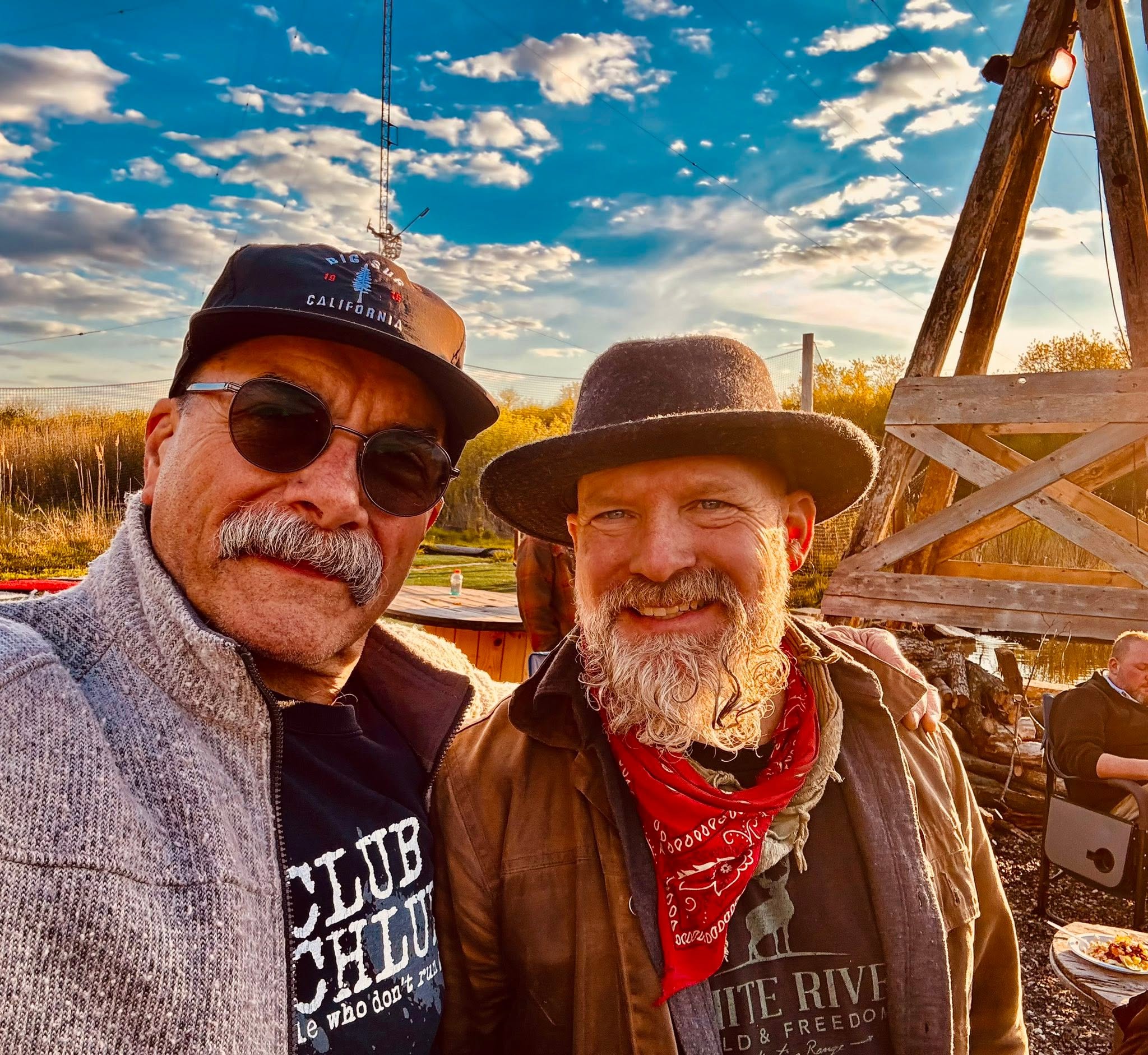
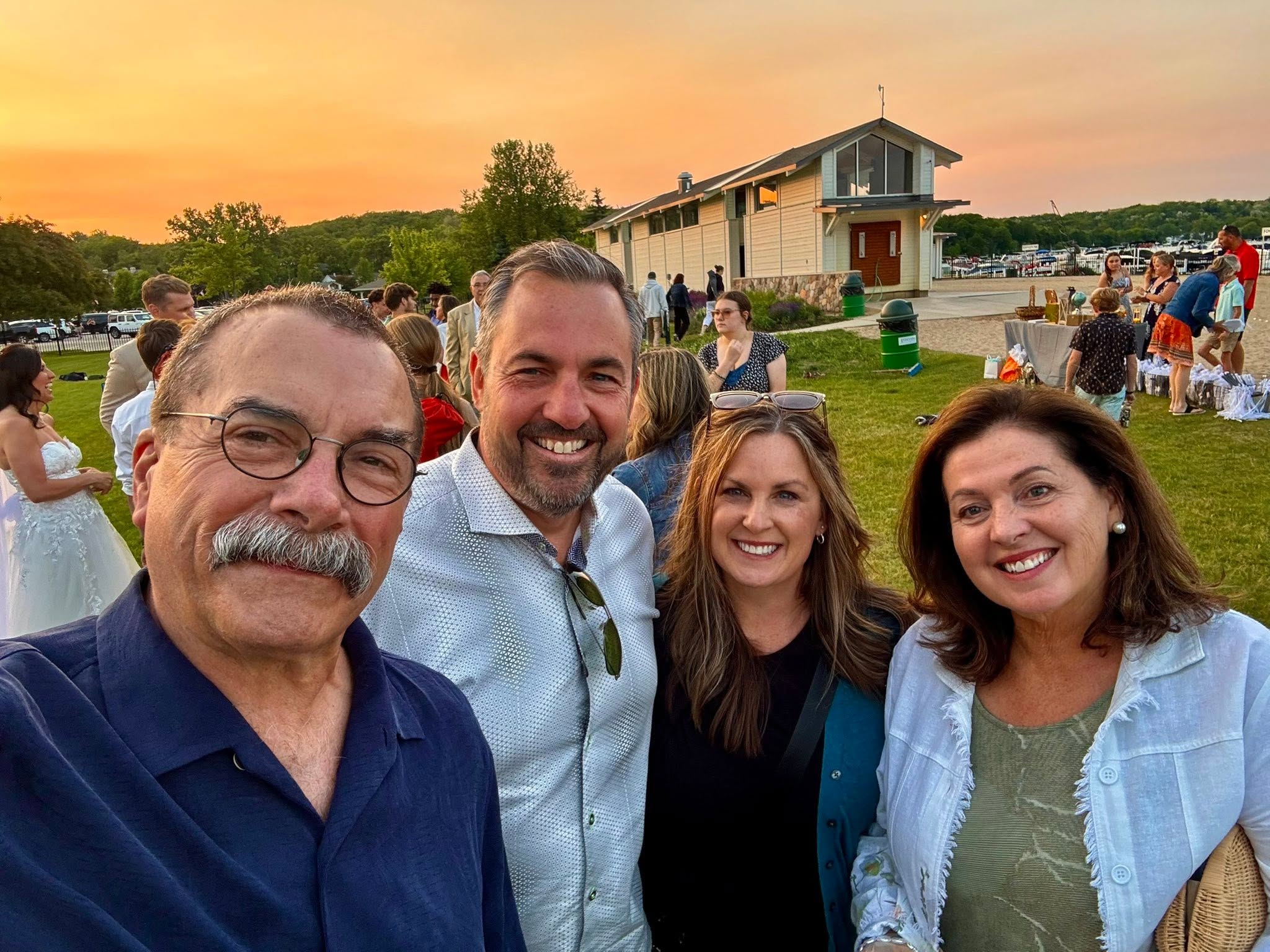
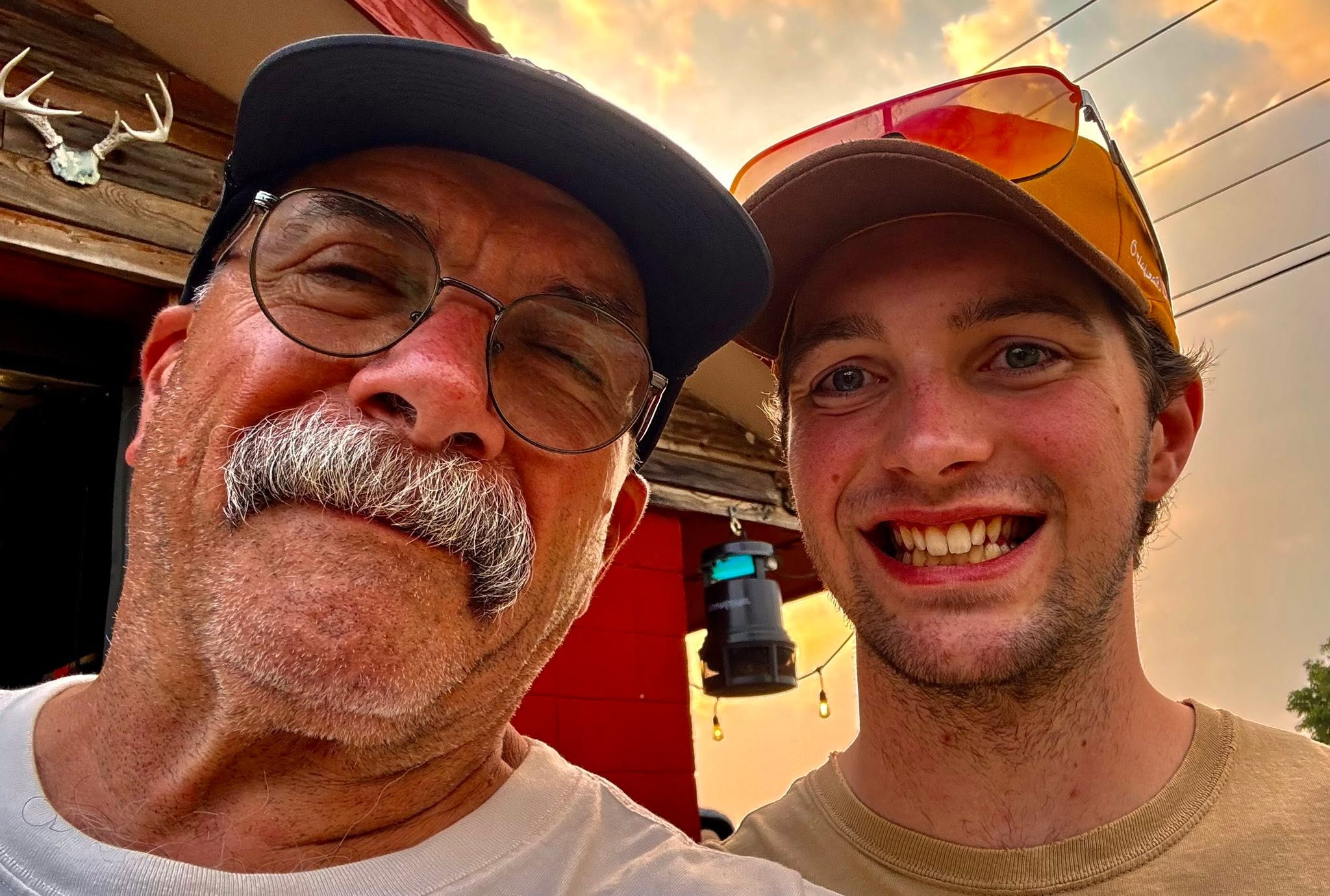
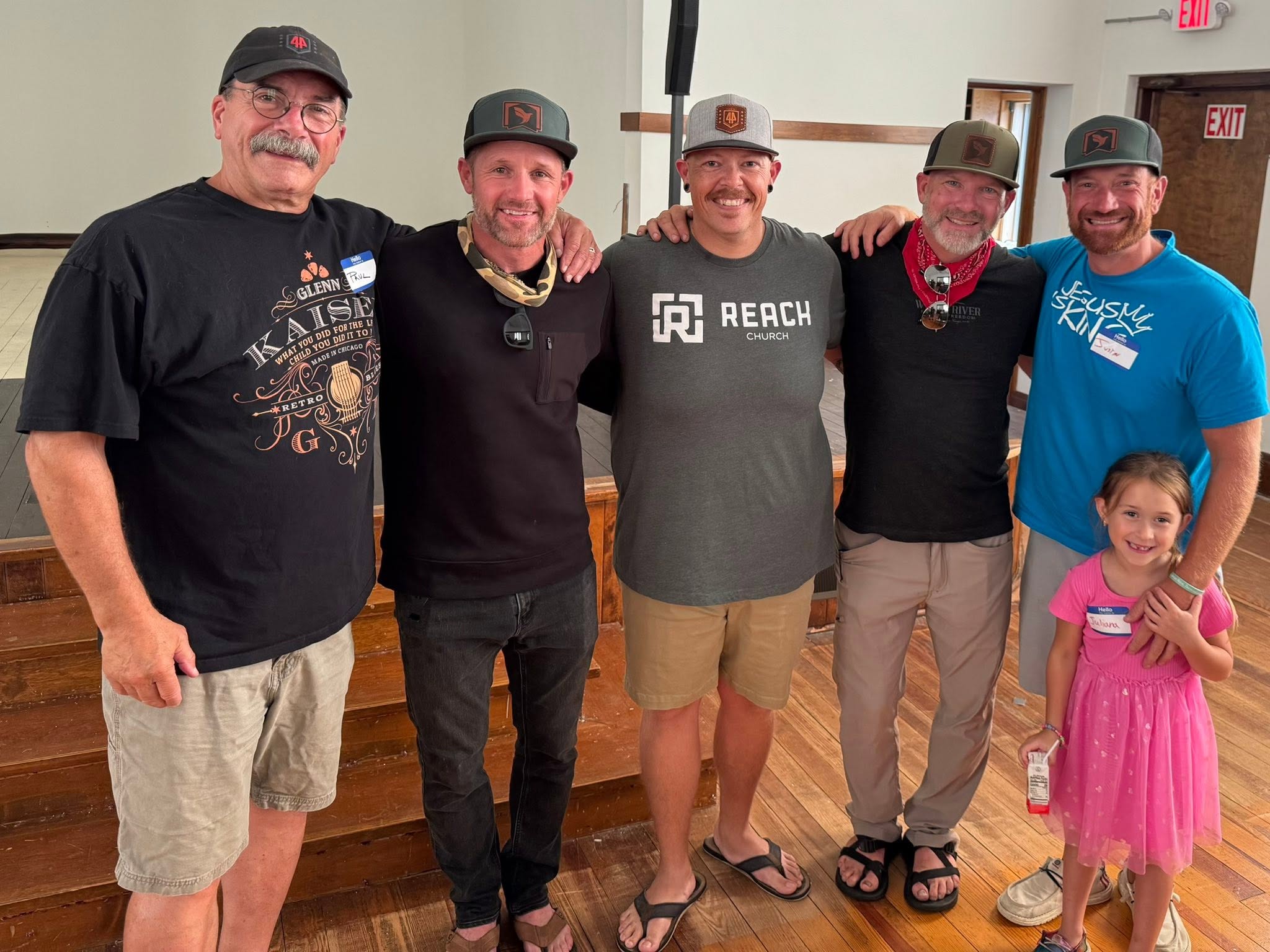
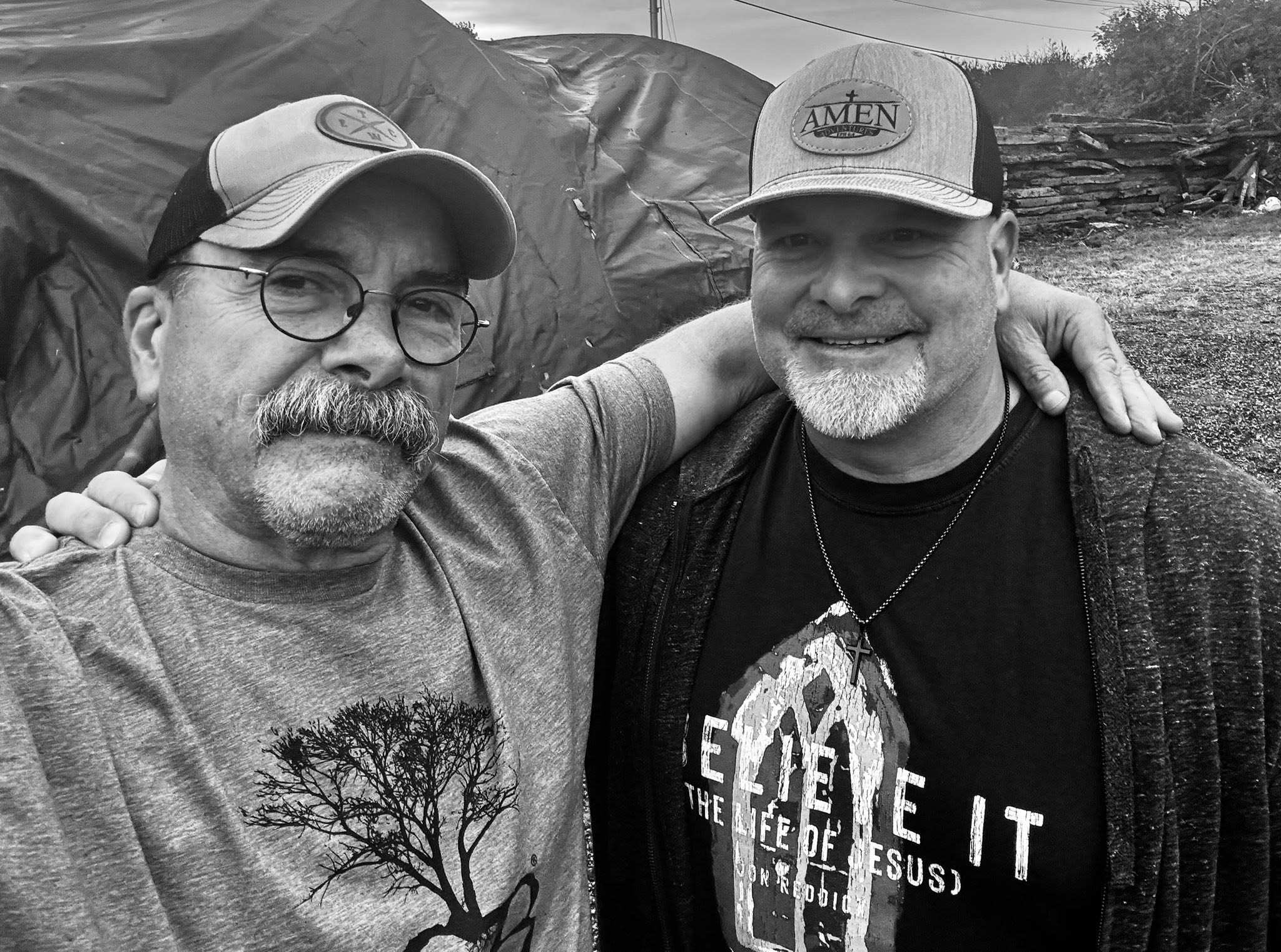
He didn’t simply love God’s creation. He loved the people God had placed within it. At our TOV community Paul Loved to be the photographer. And he treated everyone as if they were the most important person of the night. Come over here stand next to this person, Lets get this truck in the background put your arms around each other, oh you have a great smile, WOW look at this- Check out the light in the sky… LOOK at this photo! People were so captivated by his presence.
Paul could find common ground with almost anybody.
Even when someone was a little different, awkward, or perhaps not the easiest person to connect with, Paul would find something interesting about them. He would ask questions. He would engage them in conversation. He would take time to listen.
He had a way of removing the awkwardness from a conversation and making people feel completely comfortable being themselves.
I think that’s one of the reasons so many people considered Paul their best friend.
He wasn’t looking for reasons to avoid people. He was always finding reasons to love them. I was his pastor, but he shepherded me in this area.
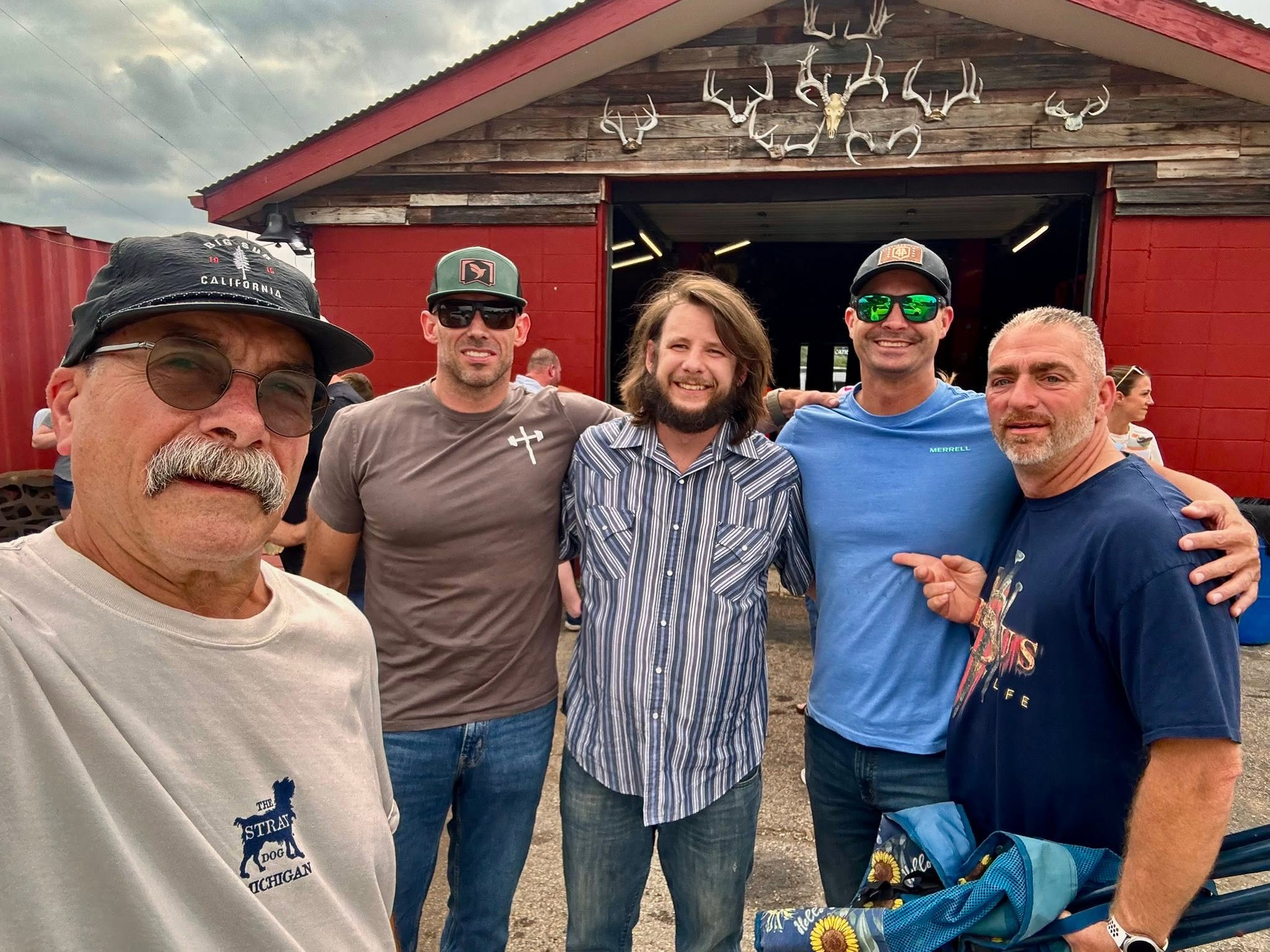
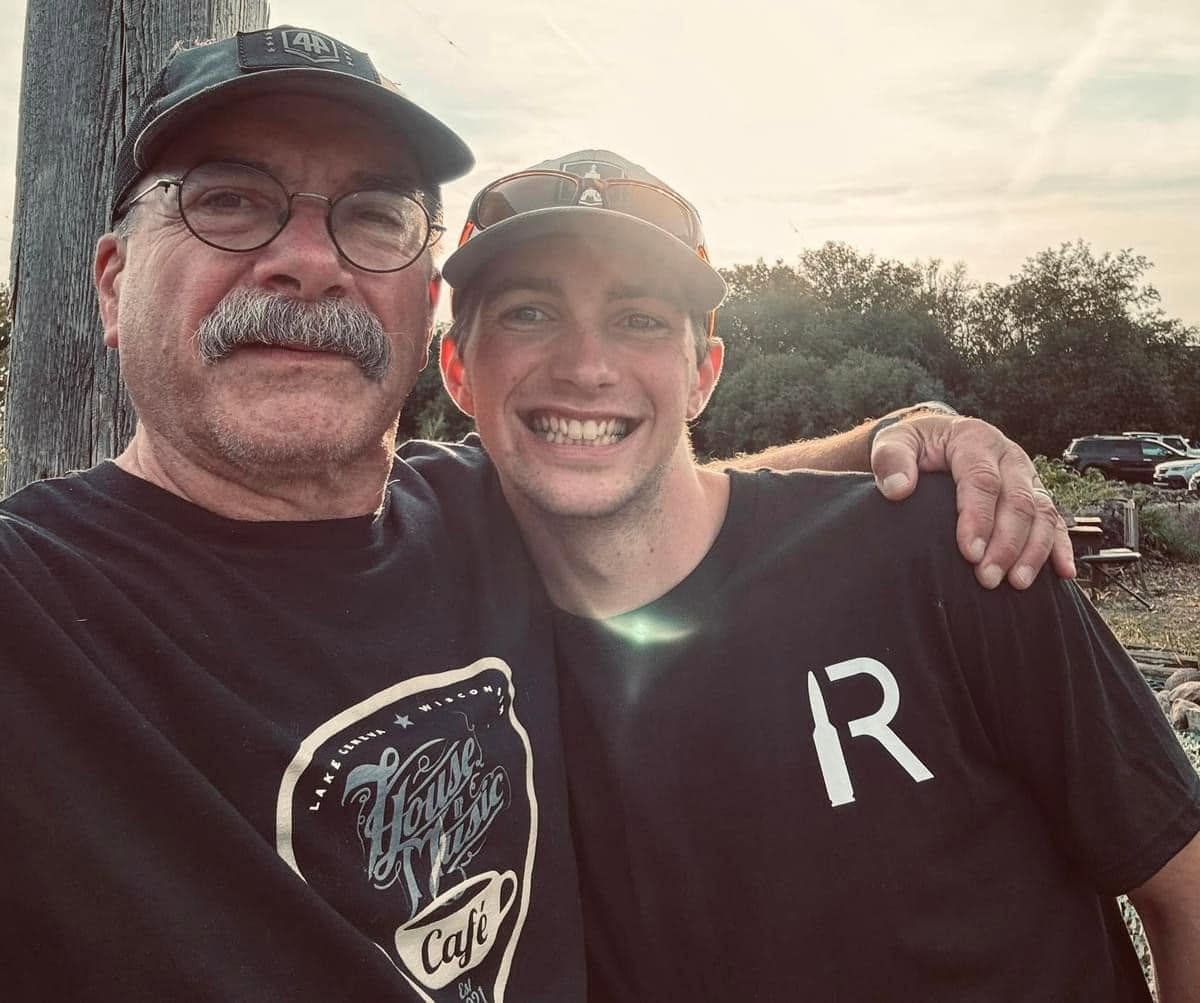
I am also a wedding photographer and Paul would often shoot with me. The first time He shot a wedding with me I found him in a barn surrounded by groomsmen, laughing and talking with everyone. There he’d be, sitting on a pool table, right in the middle of the conversation, having the time of his life.
“Paul, aren’t we supposed to be taking pictures?” But Paul was enjoying the people and the joy of the occasion.
That was Paul.
He never seemed too busy to enjoy someone else’s happiness.
And I think that reflects something beautiful about the heart of Christ. Jesus had an extraordinary way of seeing people whom others overlooked. He made time for those who were often pushed aside, and he treated them with dignity, patience, and genuine compassion.
I saw something of that same spirit in my friend.
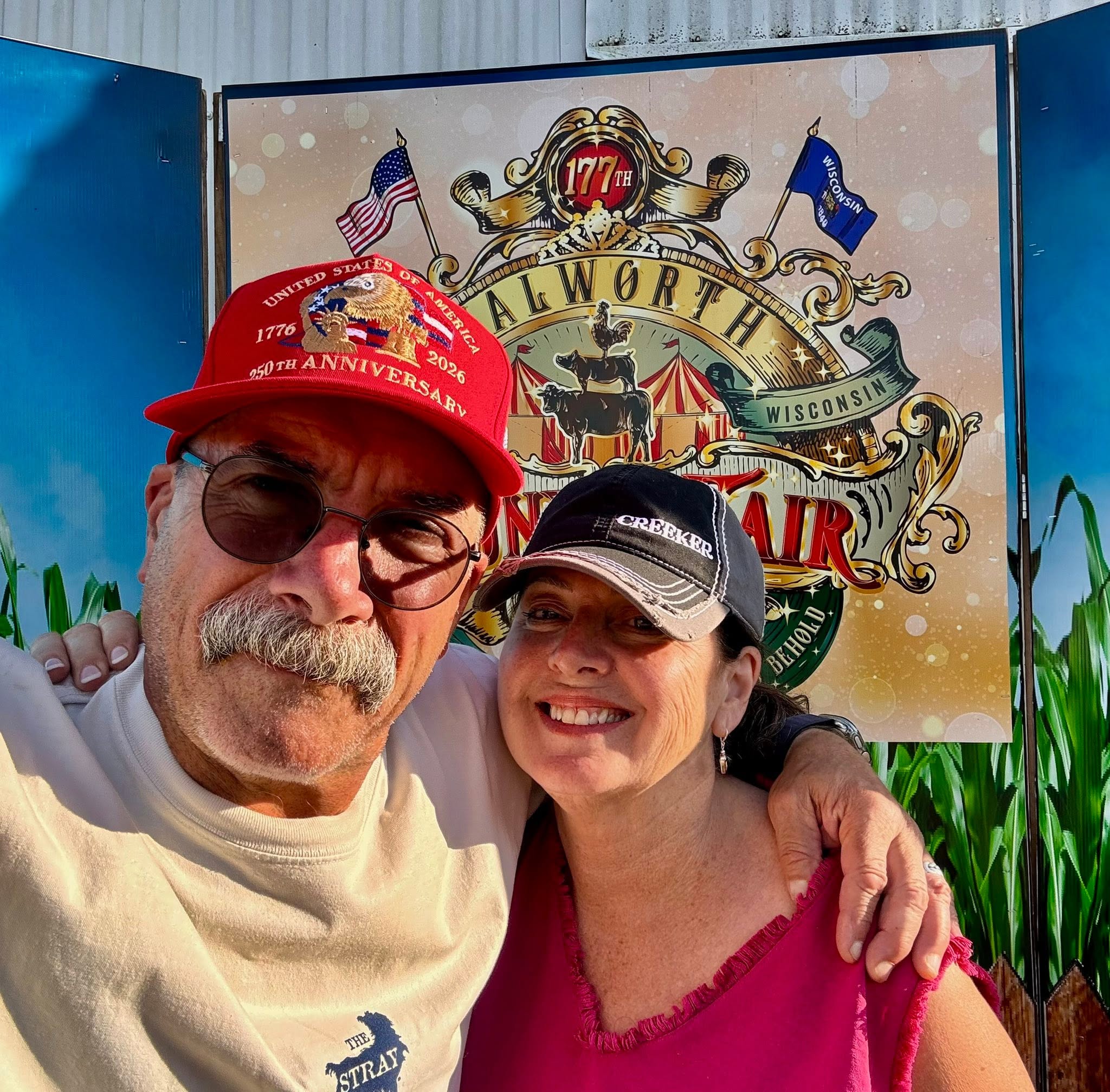
Of course, one of the most beautiful expressions of Paul’s love was his relationship with Thérèse.
Over the years, when I’ve spoken about marriage within our TOV community, I’ve often pointed to Paul and Thérèse as a wonderful example of covenant love.
They genuinely delighted in each other.
The smiles, the laughter, the morning coffee, their walks together, the drives through the countryside, and their endless conversations about life, creation, and the Lord.
They weren’t simply committed to one another. They thoroughly enjoyed being together.
And there is something deeply meaningful about that.
So much of marriage is discussed in terms of commitment, responsibility, and perseverance. Those things certainly matter. But Paul and Thérèse also demonstrated the beauty of friendship within marriage, the kind of relationship where two people continue discovering reasons to be thankful for one another.
Thérèse, your life together has been a beautiful testimony to so many of us.
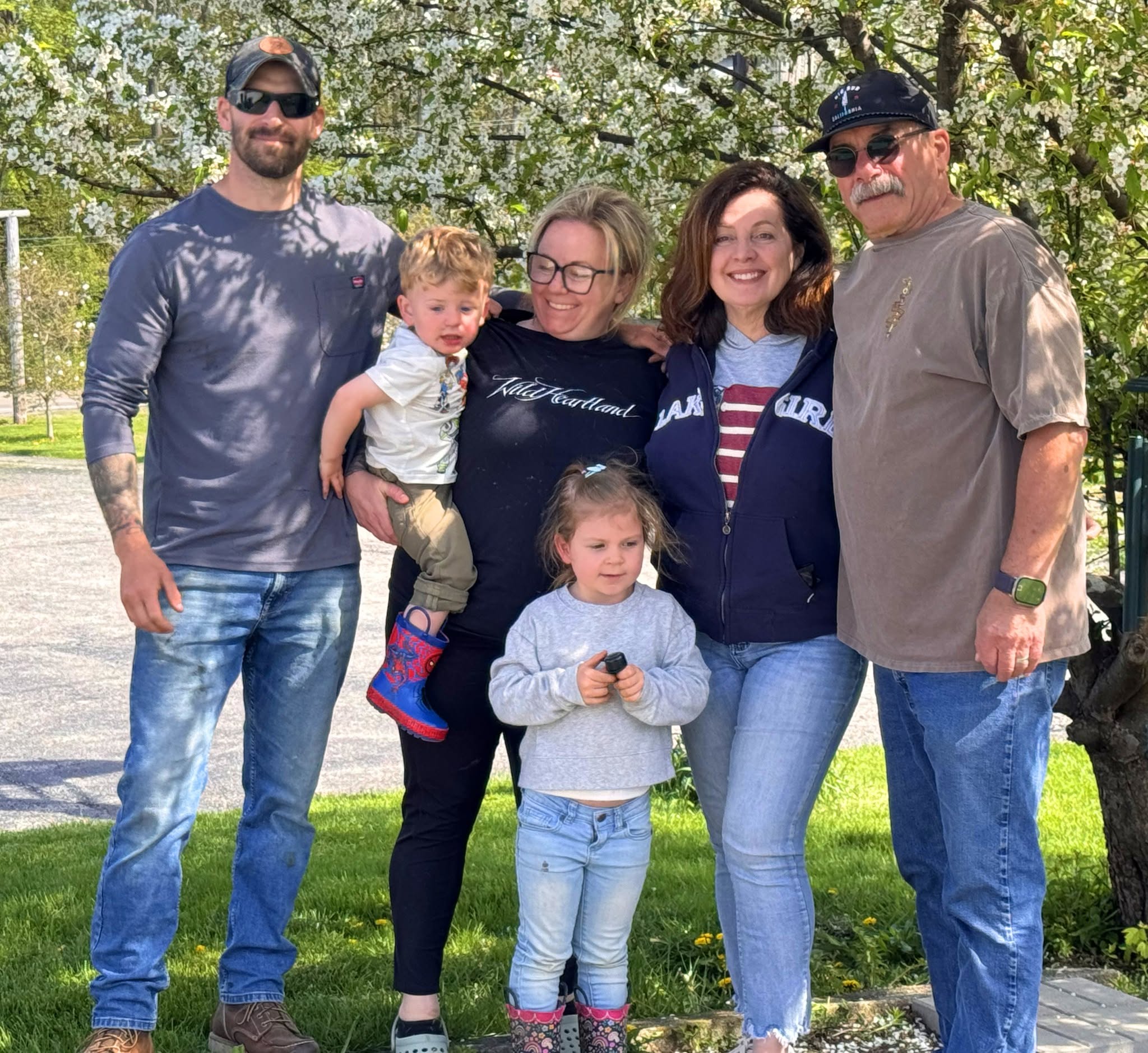
And Paul’s love for Elliott, Rachel, Trinity, Marie, and Max was equally evident. His family meant the world to him. You couldn’t spend much time talking with Paul before he began telling you about the people he loved. His family wasn’t simply one part of his life. They were at the very heart of it.
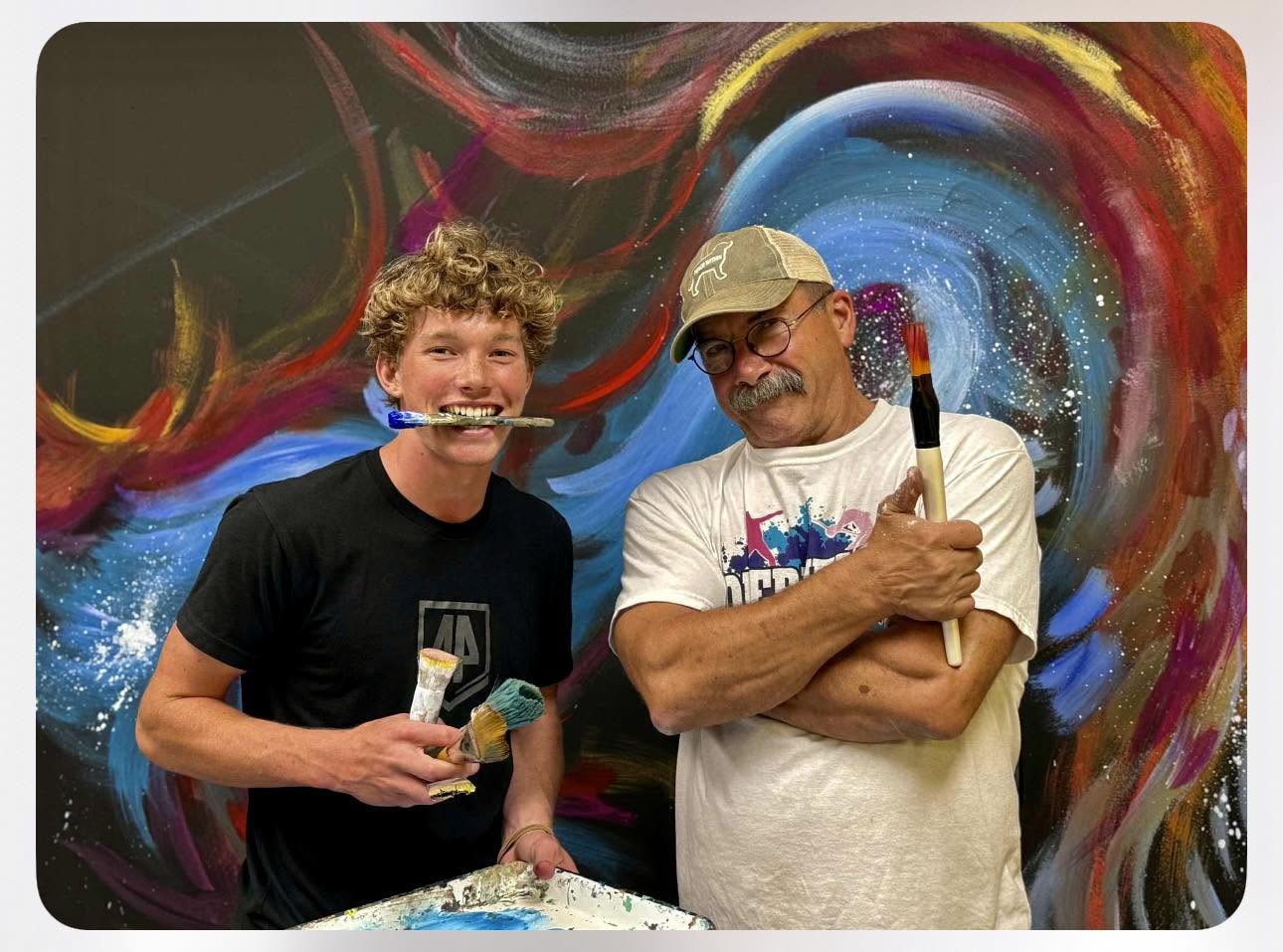
Paul also left a remarkable impression on so many young people.
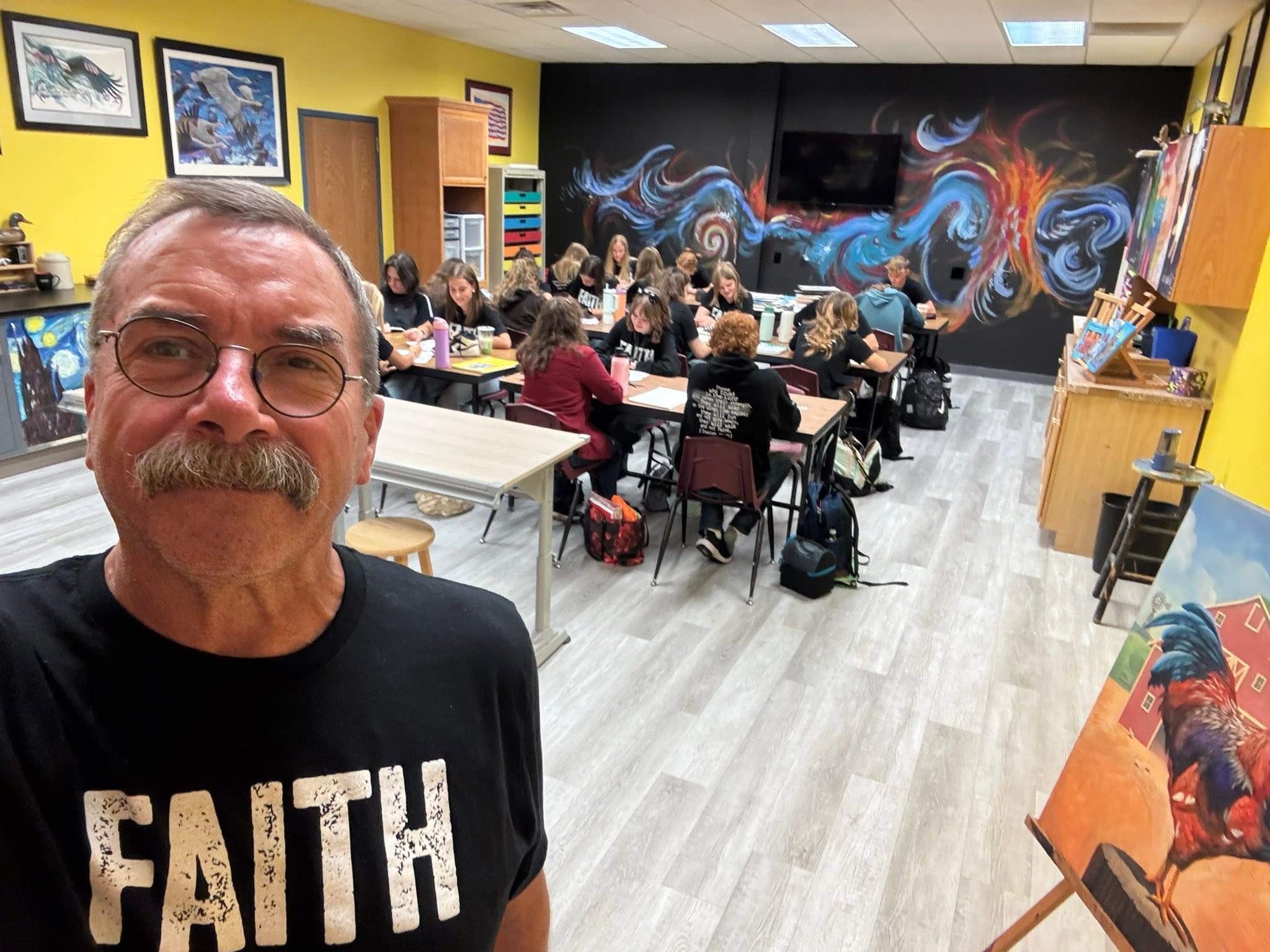
He was an extraordinarily gifted artist who spent more than forty years as a professional illustrator. He contributed to hundreds of books and taught art at Judson College and Faith Christian School.
But beyond his professional accomplishments, I think one of his greatest gifts was the way he encouraged creativity in others.
He helped young people recognize that the gifts God had placed within them were meaningful and worth developing.
The opening chapters of Genesis introduce God as Creator, and humanity is subsequently described as bearing his image. Our capacity to create, cultivate, imagine, and bring beauty into the world reflects something of the Creator whose image we bear.⁴
Paul understood this. He used his gifts to celebrate God’s creation and inspire others to do the same.
I think particularly about the students at Faith Christian School, many of whom will carry something of Paul’s influence for the rest of their lives.
And on a very personal level, I think about my own children, especially my son Will, who shares Paul’s love for art.
As a father, I’ve spent a great deal of time thinking about the kind of men I hope my boys become. And as I reflect on Paul’s life, I realize how much of what I desire for them was embodied in my friend.
I hope they grow to appreciate life the way he did. To love their families, cultivate meaningful friendships, develop their gifts, and serve the Lord with genuine enthusiasm.
I hope they learn to see beauty where others might overlook it.
And I hope they learn to love people the way Paul did.
When you find yourself hoping that your children grow up to resemble one of your friends, that says an extraordinary amount about the character of that friend.
Paul was that kind of man.
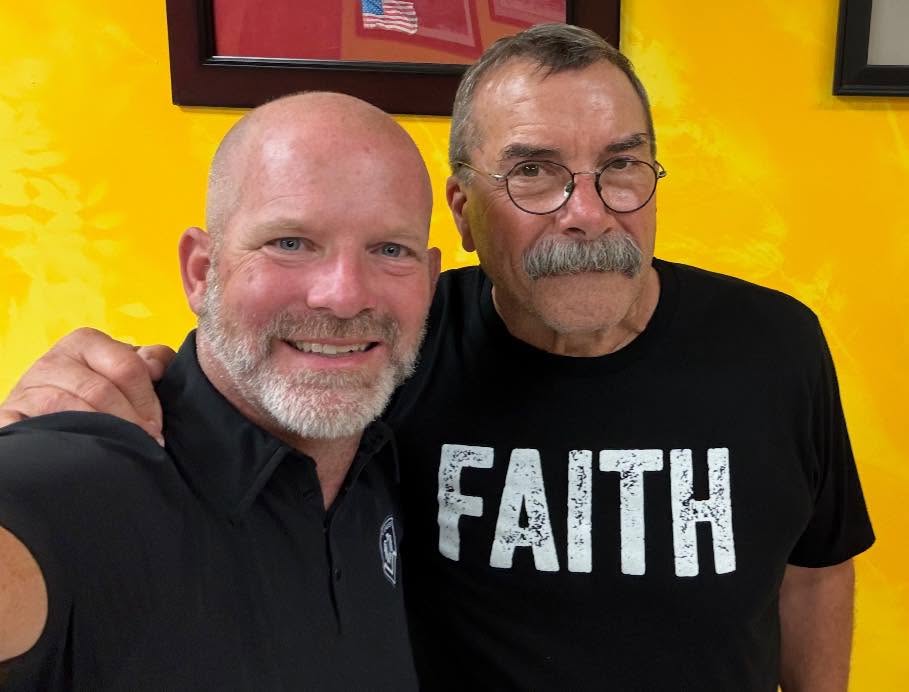
I’m also deeply grateful for the friendship we shared.
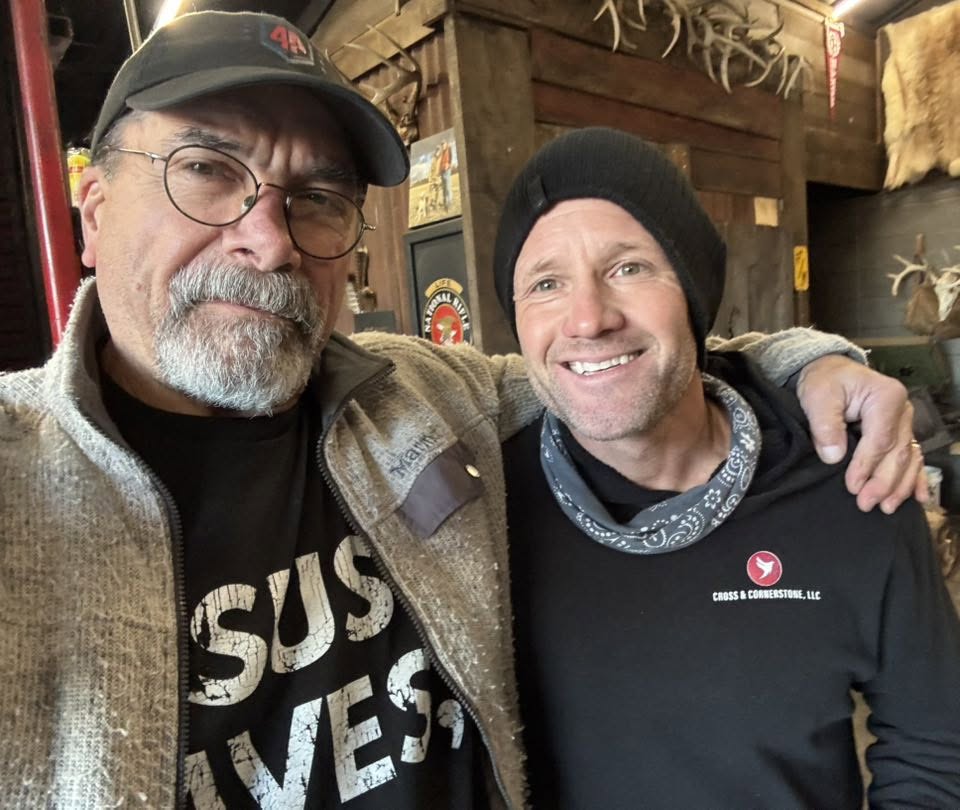
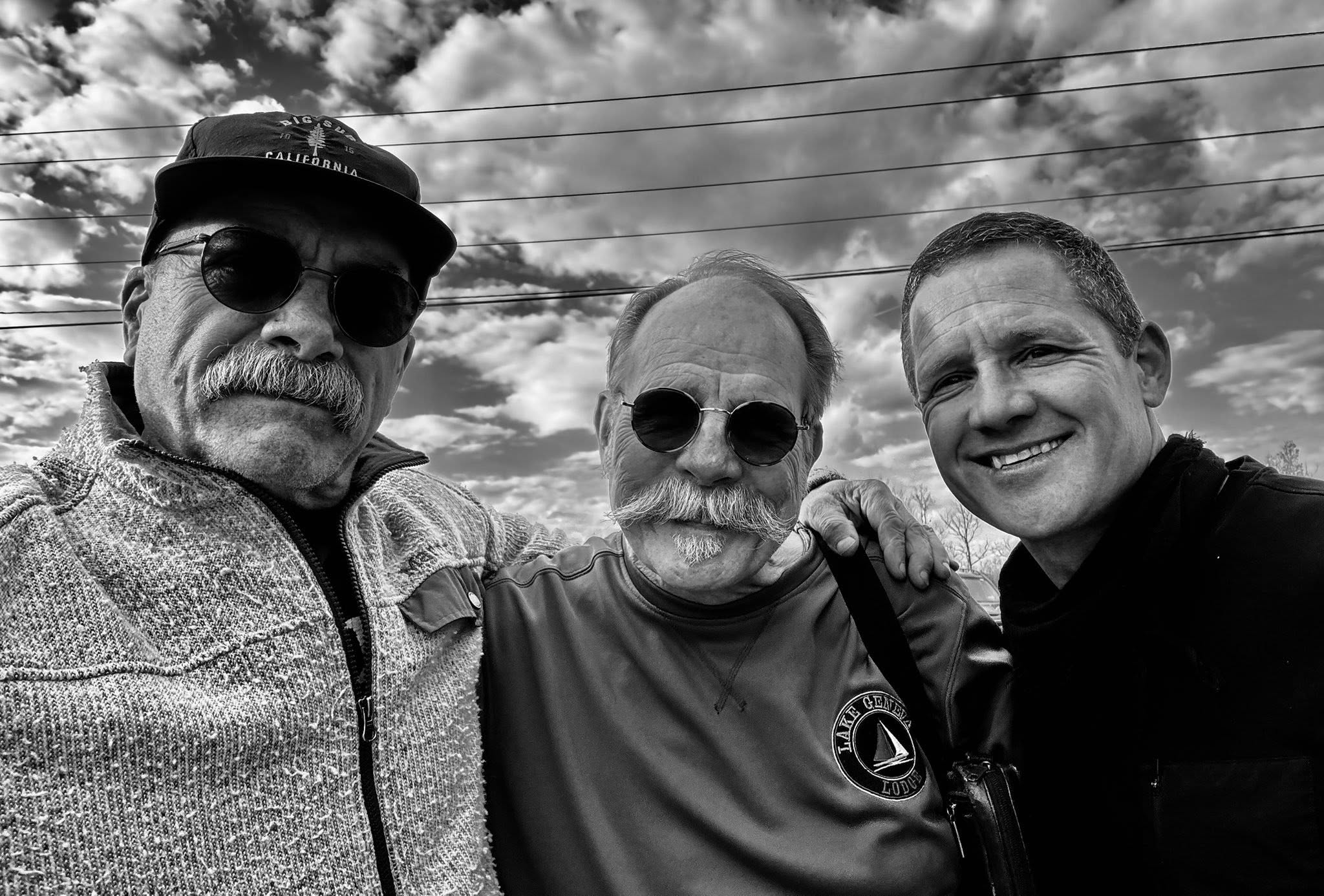
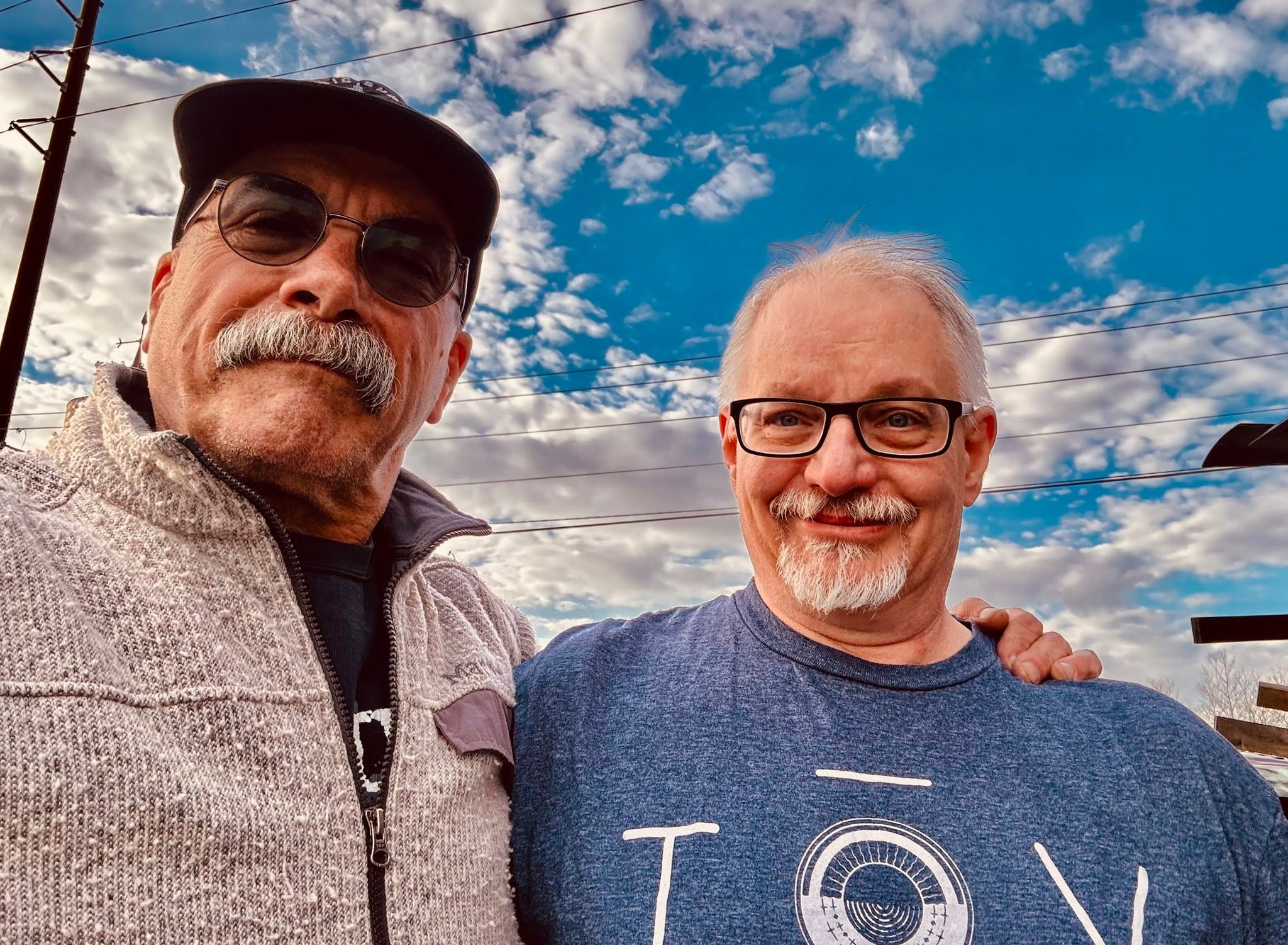
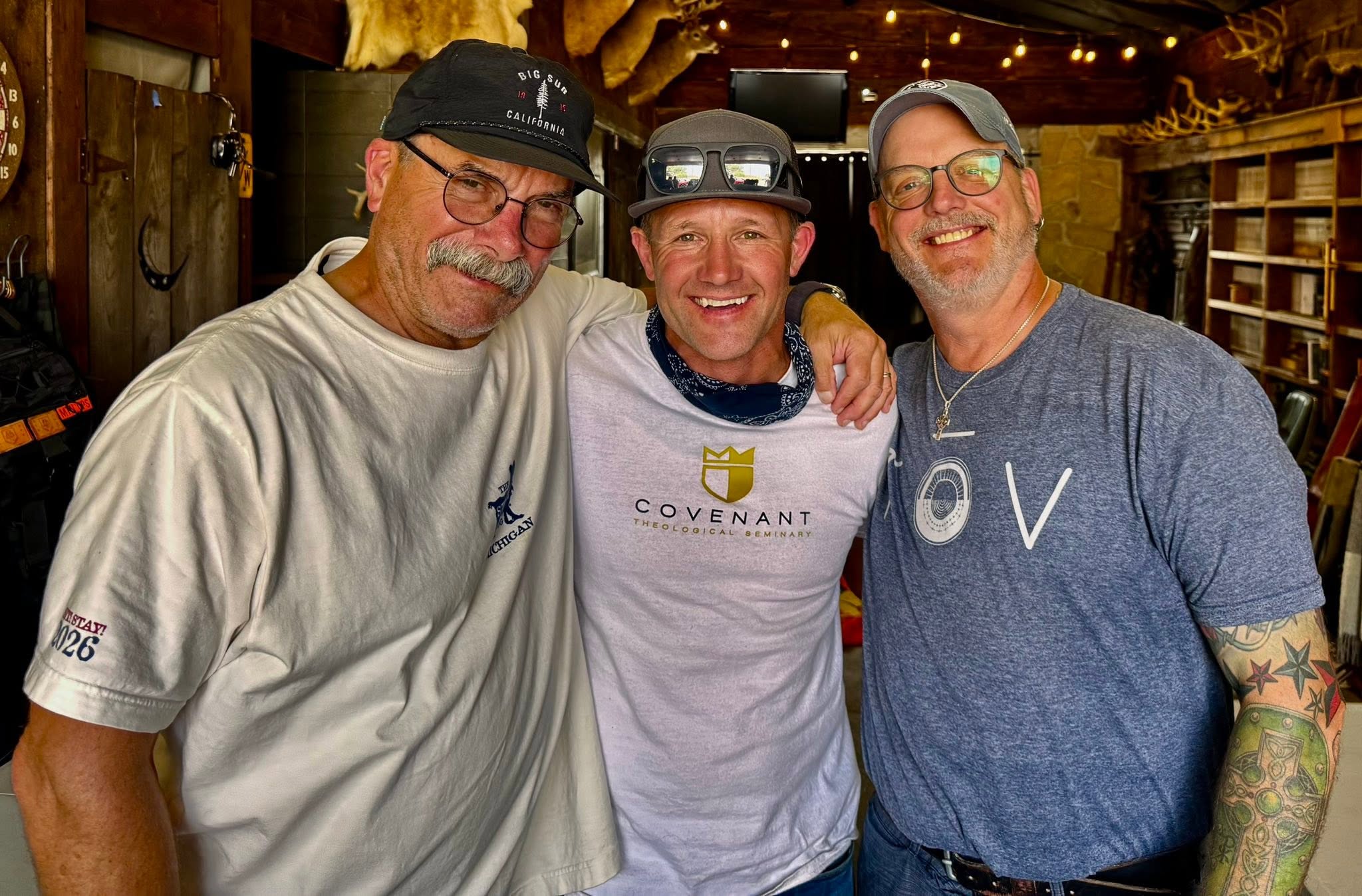
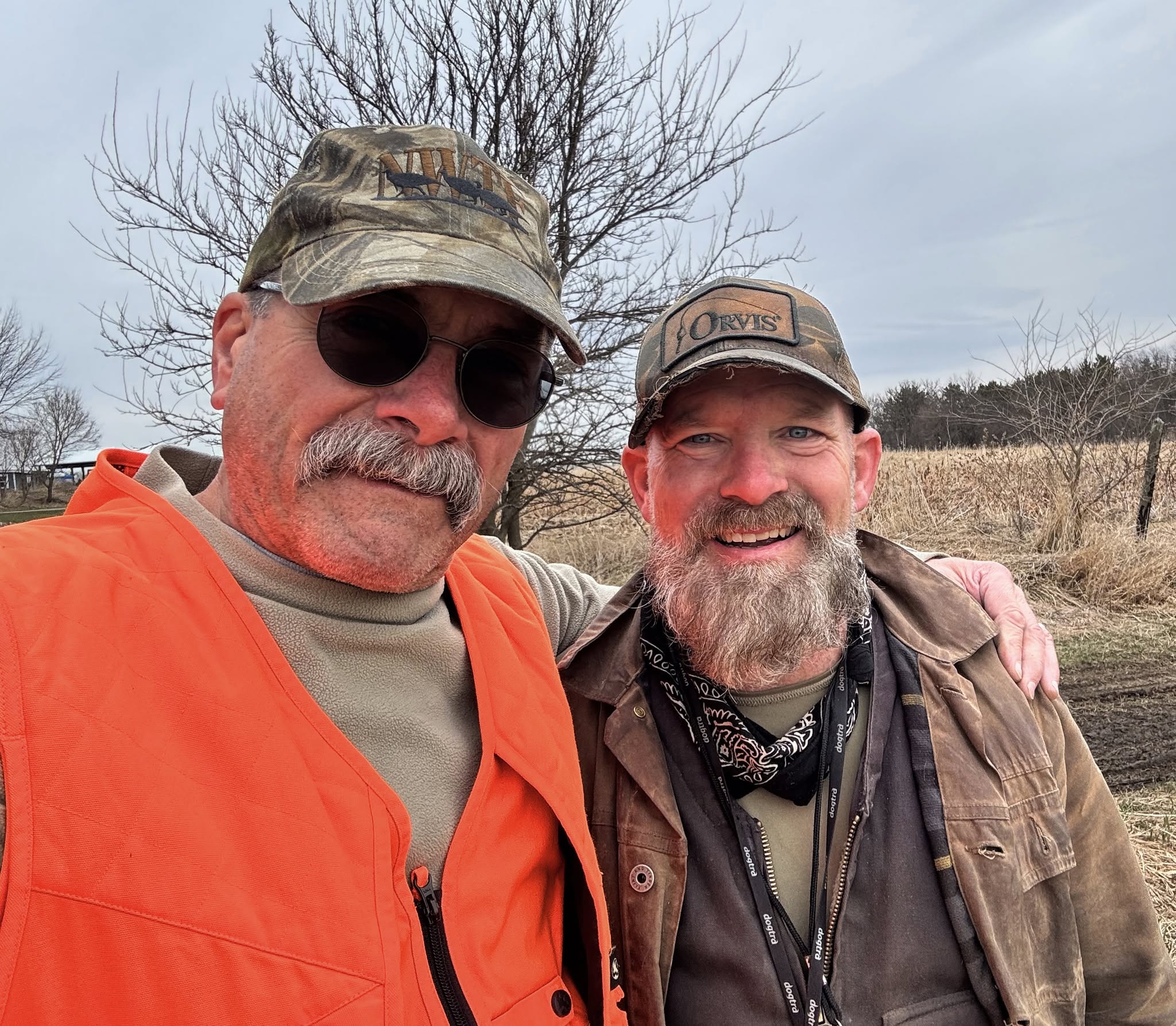
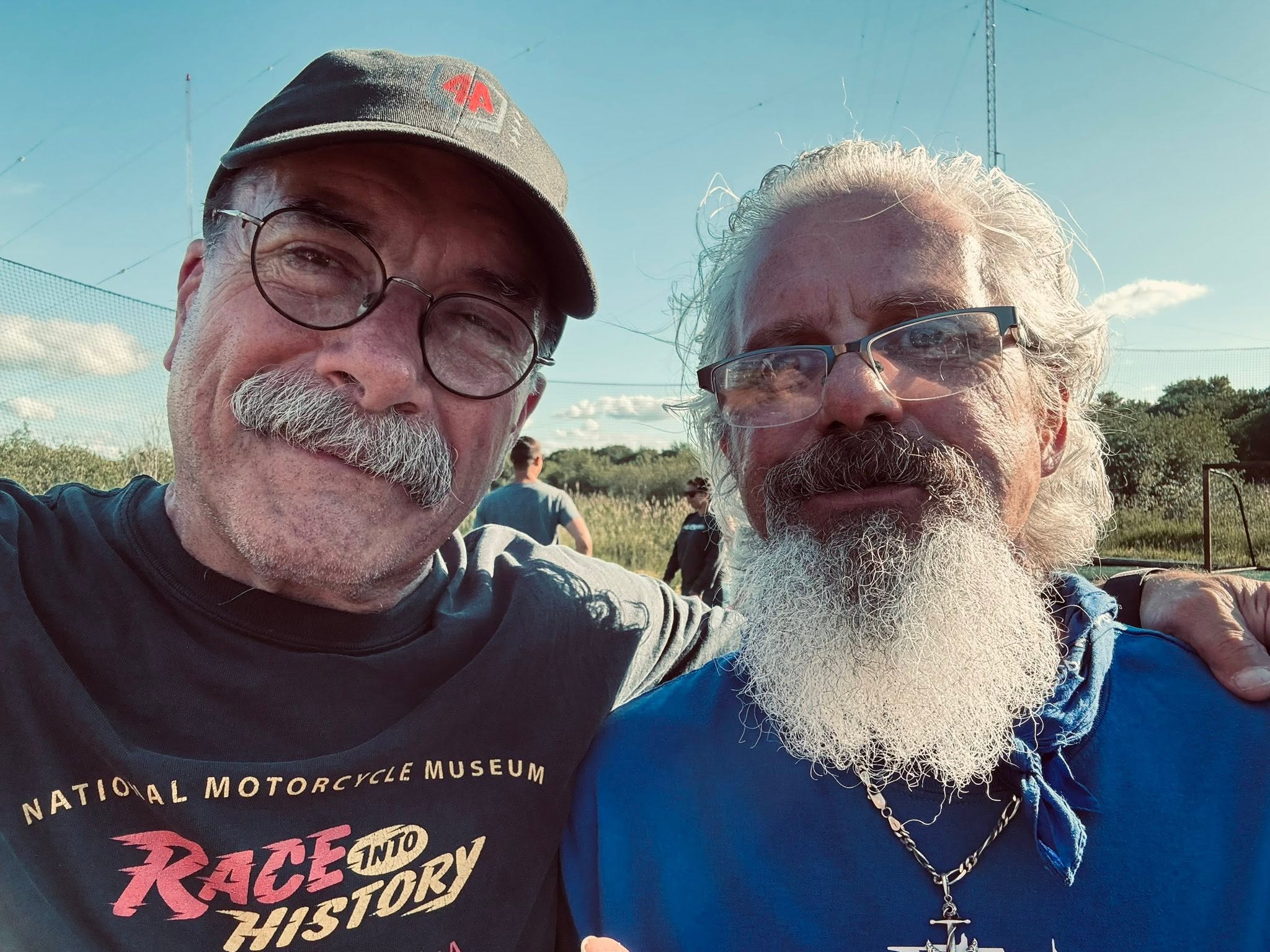
The hunting excursions, the early mornings outdoors, the countless conversations about theology and life, the men’s Bible studies, and the hours we spent wandering around with our cameras trying to capture something extraordinary.
Paul had so many interests, and somehow we seemed to share an awful lot of them.
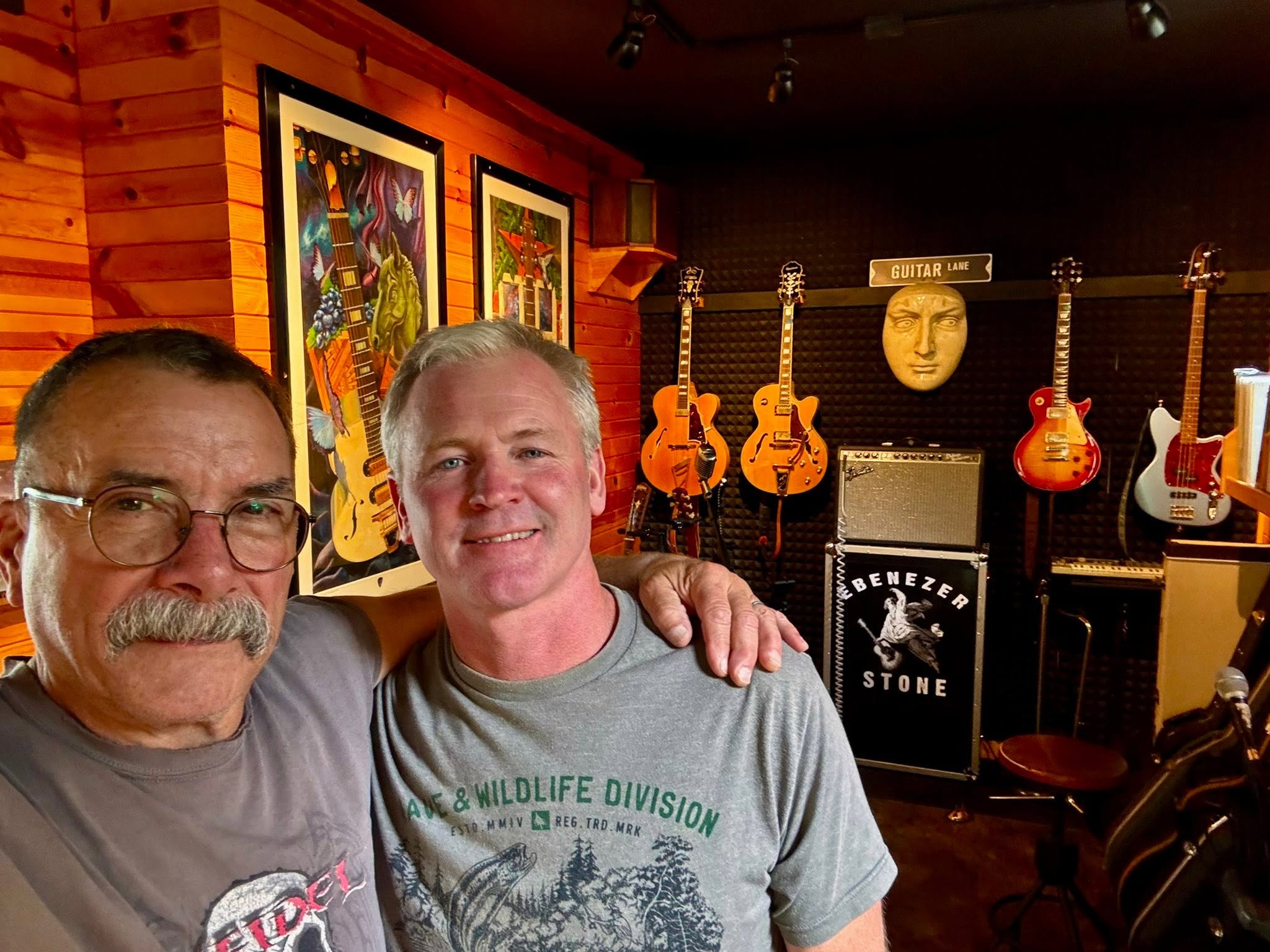
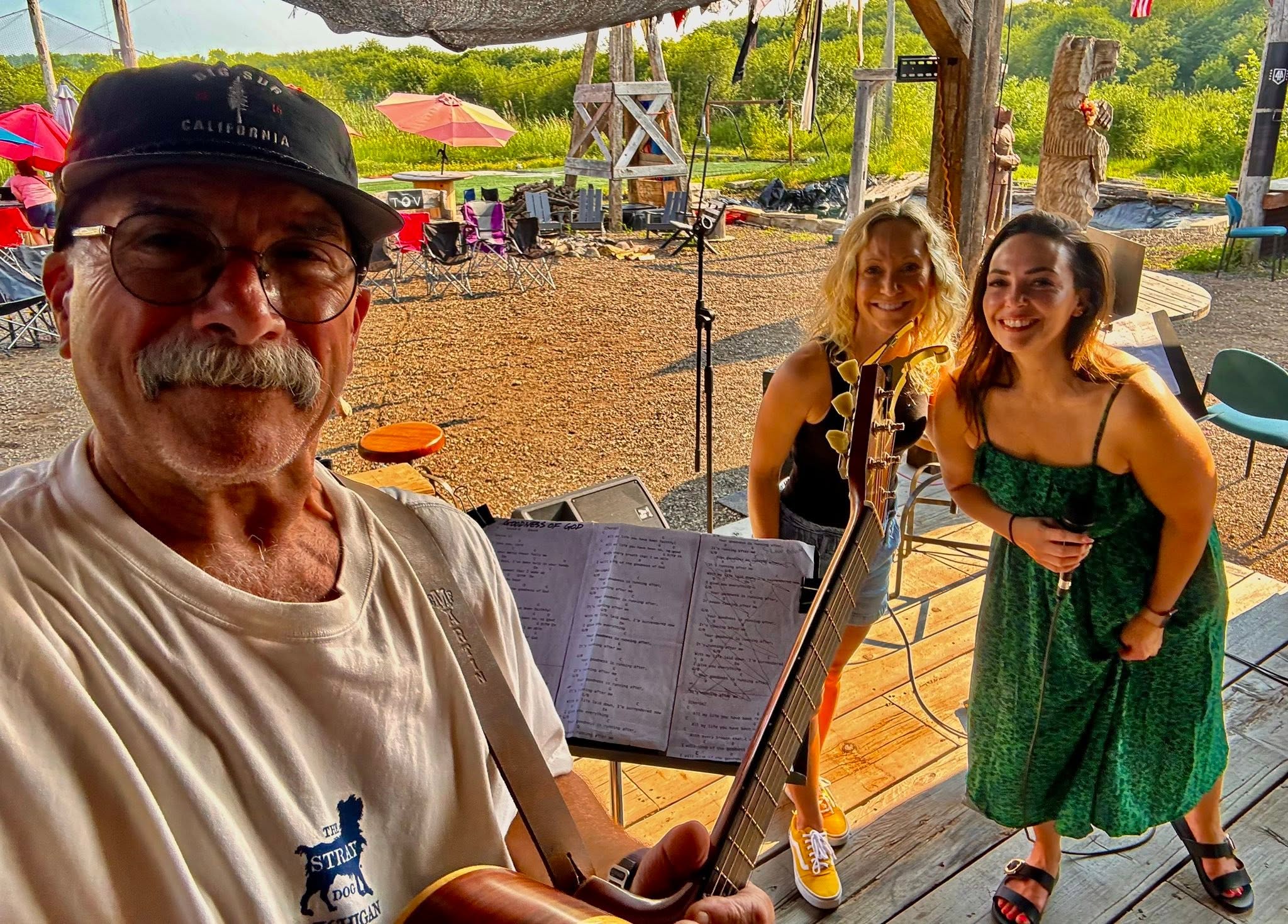
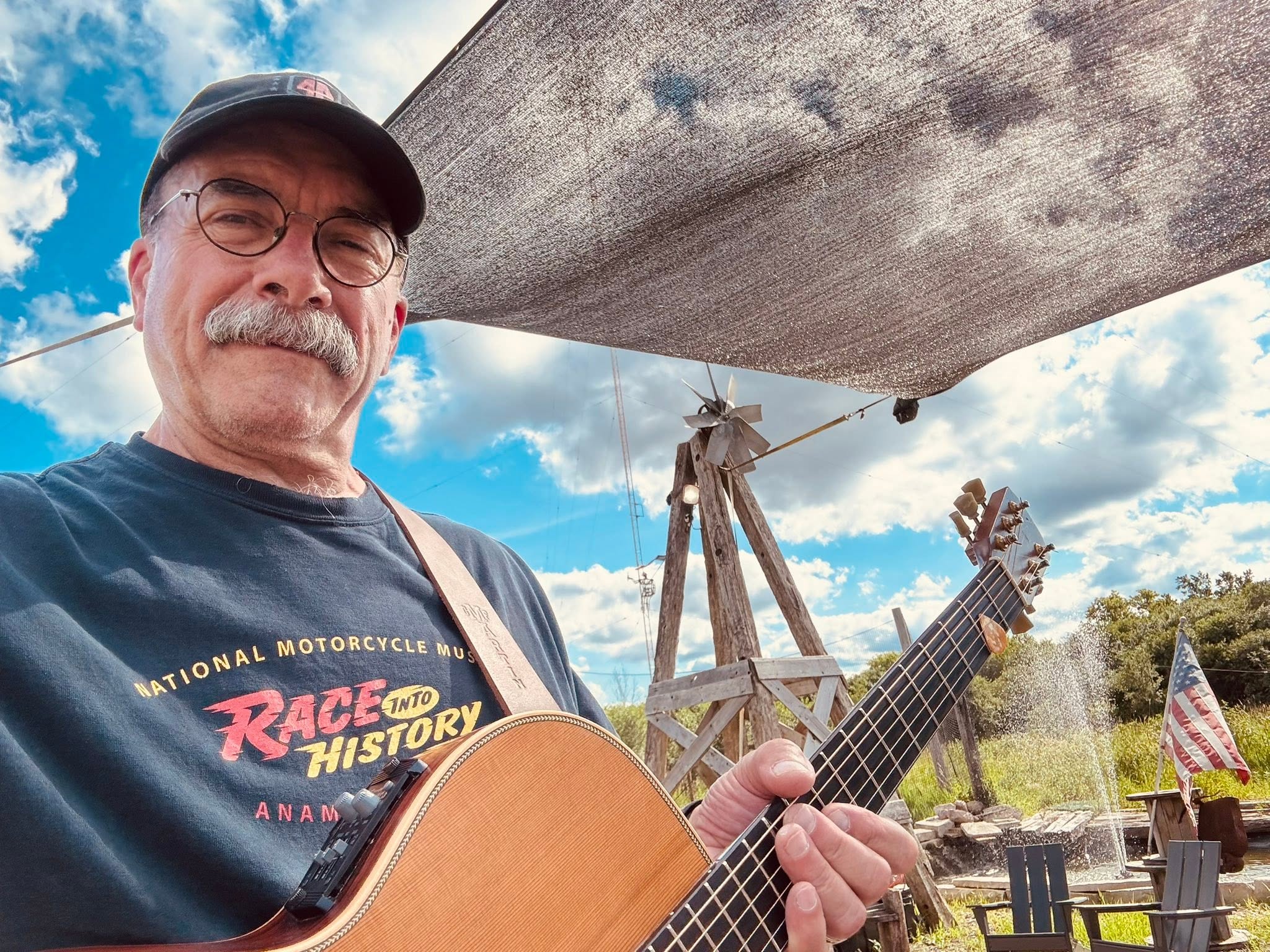
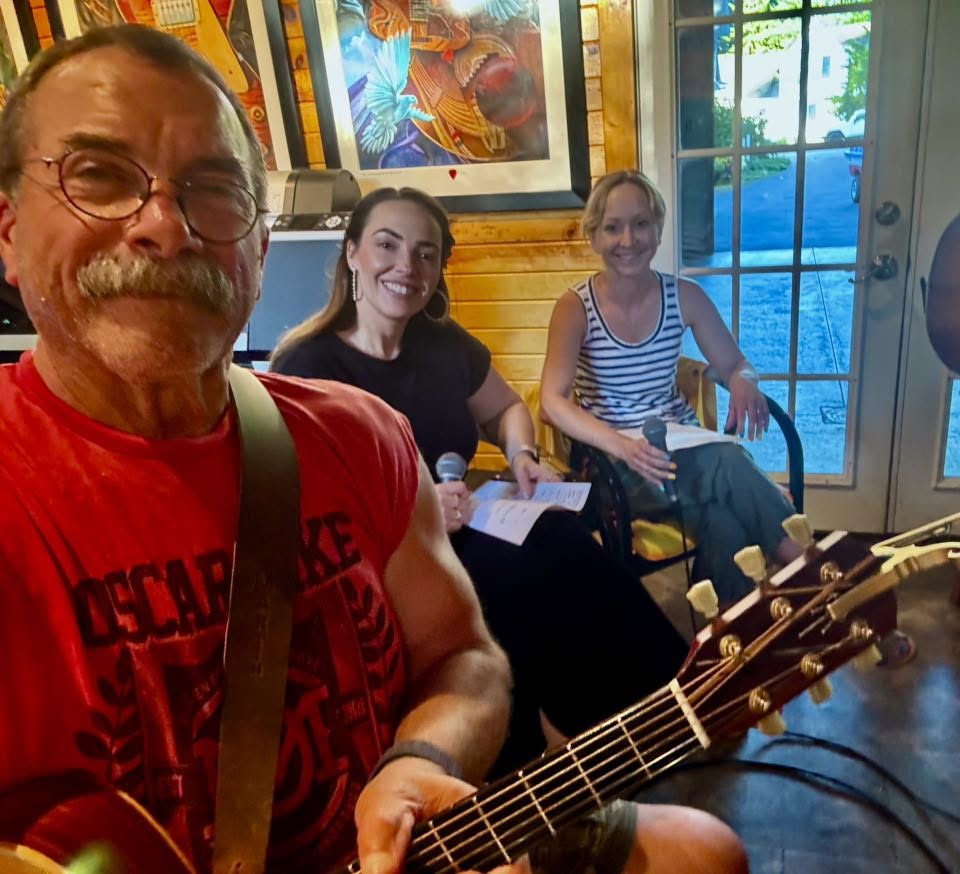
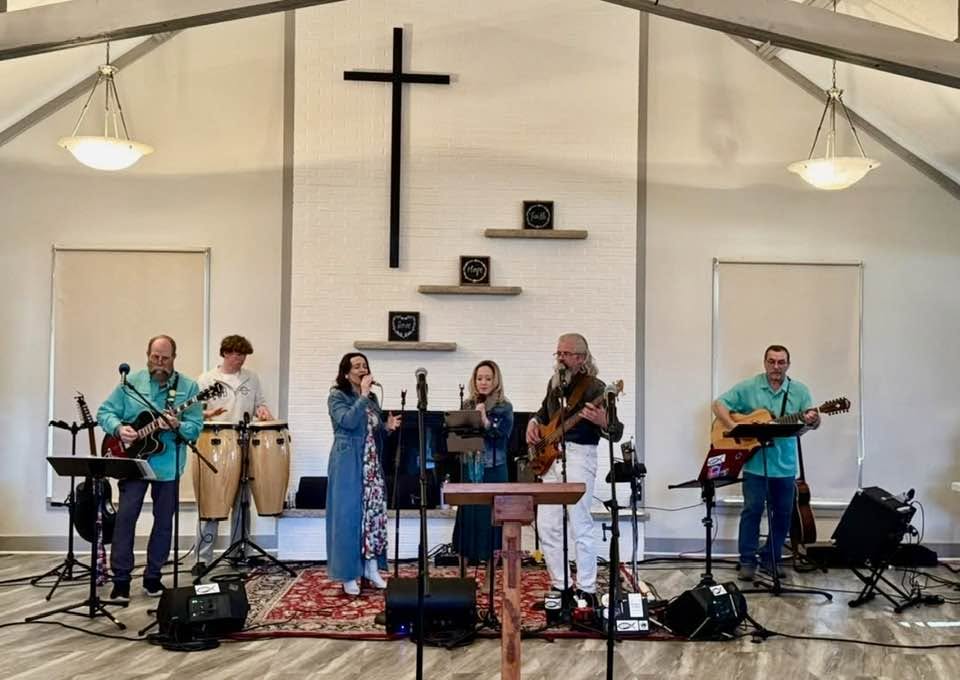
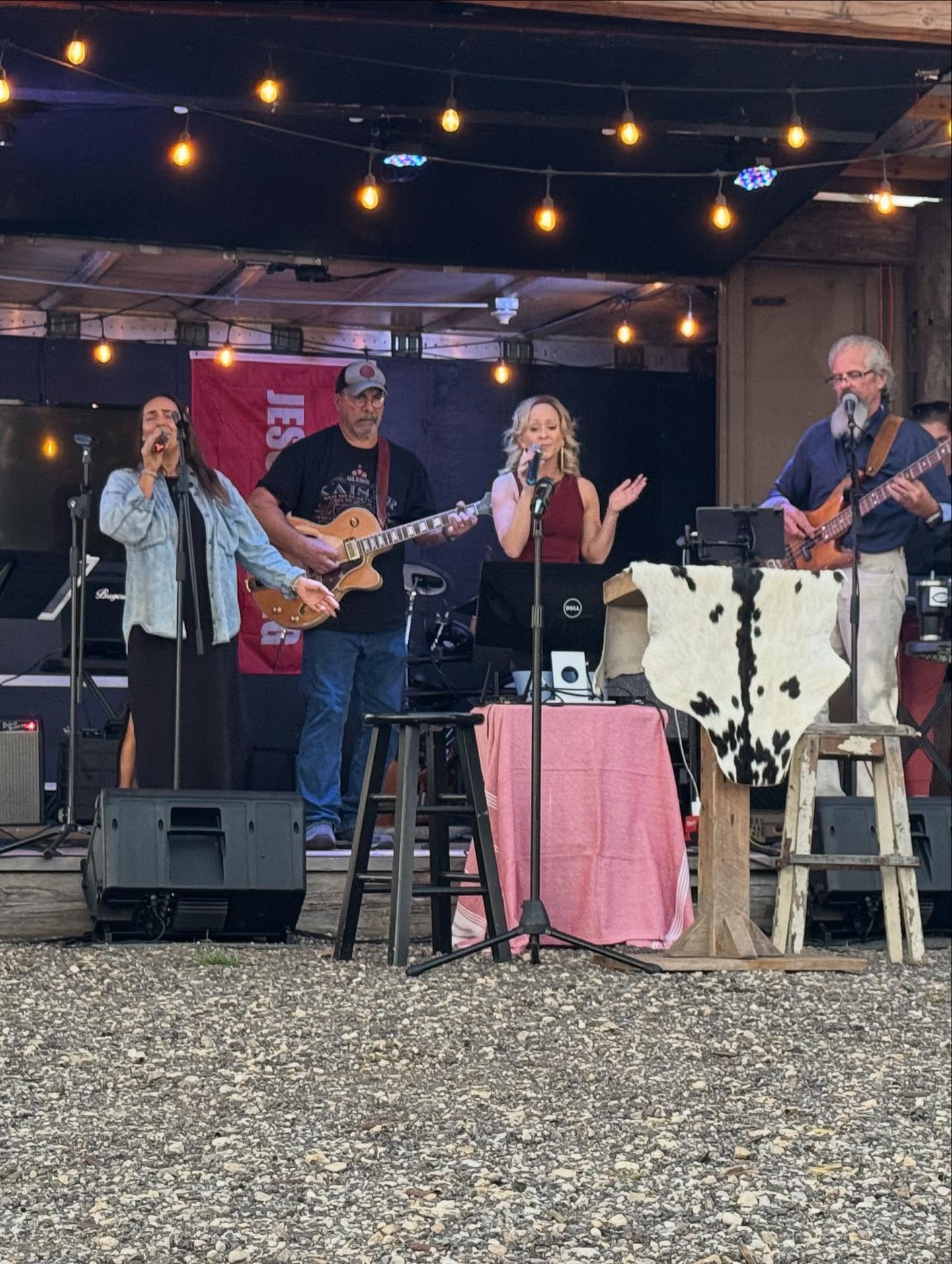
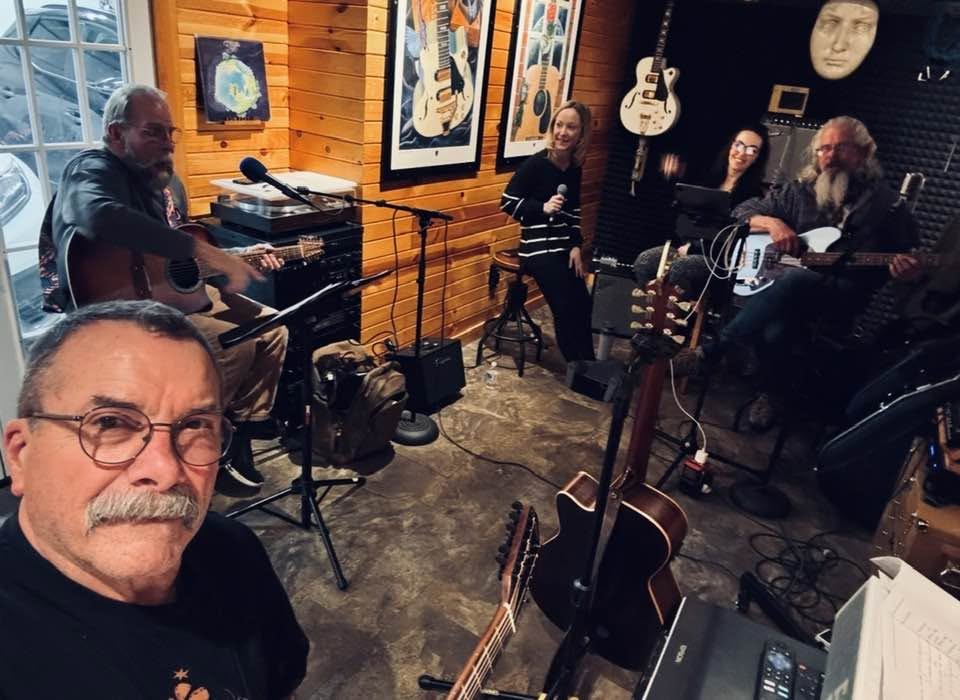
His love of music was another important part of his life. Through Tribe 519, Ebenezer Stone, and the many opportunities he had to worship with others, Paul expressed his devotion to the Lord with the same enthusiasm he brought to everything else. I think his practice times in His studio with the Band were some of the greatest and most cherished days of his life.
He loved Christ.
And that love permeated the way he lived.
One of the things I appreciated most about my conversations with Thérèse was her description of their final morning together.
It was, in so many ways, an ordinary morning.
They had their coffee. They talked. They enjoyed being together. They went for a walk.
There was no indication that it would be the last day they shared in this life.
And yet, as Thérèse reflected on that morning, she said something that has stayed with me.
Paul didn’t know it was his last day.
But he lived that day with the same enthusiasm and gratitude that had characterized all the others.
He didn’t suddenly decide to appreciate life because he knew time was running out.
He had already made a practice of appreciating life.
Every day was a new opportunity to enjoy the people he loved and the beauty God had created.
And isn’t that something?
We often hear people say that we should live every day as though it might be our last. But I think Paul’s example teaches us something a little deeper.
We should live every day as though it is a gift from the Lord, because it is.
Not with anxiety about what tomorrow might bring, but with gratitude for what God has entrusted to us today.
Jesus reminds us in Matthew 6 not to become consumed with tomorrow’s worries. And the book of James reminds us that we do not know what tomorrow will bring (Jas 4:13–15).
That uncertainty is part of our humanity. It doesn’t mean we should live in fear. It means we ought to live faithfully, gratefully, and attentively in the time we have been given.
Paul did that so beautifully.
And this brings me back to that reflection from St. Francis this morning.
Ordinary Time.
Green.
Life. Growth. Hope.
In the Christian calendar, Ordinary Time is not a season when nothing significant is happening. It’s a season of learning to follow Christ in the ongoing rhythms of daily life. A season of growing in faithfulness, love, and maturity.
Paul’s life was a beautiful illustration of that.
His greatest testimony wasn’t found only in the extraordinary accomplishments of his professional career, although those were considerable.
It was found in the ordinary faithfulness of his life.
In loving his wife.
In cherishing his family.
In encouraging a student.
In befriending someone others might overlook.
In lifting his voice in worship.
In photographing a sunrise.
In finding delight in a sandhill crane named Egbert.
Or in noticing the remarkable colors hidden in the feathers of a crow.
Paul didn’t have to wait for some great spiritual occasion to experience the goodness of God.
He found opportunities to love and serve the Lord in the ordinary moments of every day.
And perhaps that’s one of the most important lessons his life leaves with us.
The Christian life is not simply about preparing for eternity. It is about learning to live faithfully before the Lord here and now, allowing his love to shape the way we see creation, treat other people, and steward the gifts we’ve been given.
Of course, today there is also genuine sorrow.
We miss Paul.
I miss my friend.
I miss the conversations, the laughter, the hunting adventures, the music, and the countless memories I thought we still had time to make.
And for Thérèse and the family, that absence is felt in ways deeper than words can express.
But Christian hope never asks us to pretend that grief is insignificant.
When Jesus stood before the tomb of Lazarus, his friend, he wept. He entered into the sorrow of those who loved Lazarus, even as he proclaimed himself the resurrection and the life.
And because of the resurrection of Jesus Christ, we believe that death does not have the final word.
The apostle Paul describes the hope of resurrection in 1 Corinthians 15, while Revelation 21 gives us that magnificent picture of God’s ultimate renewal of creation, when death and mourning will be no more.⁵
Our hope is rooted in the faithfulness of God, who has promised to make all things new.
And I find that especially meaningful as we remember a man who loved God’s creation so deeply.
A man who delighted in the beauty of this world and whose faith was anchored in the Lord who created it.
As I reflect on Paul’s legacy, I realize that his life has left me wanting to live differently.
I want to notice more sunrises.
I want to be more patient with people.
I want to be more generous with encouragement.
I want to take more time with my family and friends.
I want to see more beauty in the ordinary things I might otherwise overlook.
And perhaps that’s the greatest gift Paul leaves us.
His influence doesn’t end with his passing. It continues in the people whose lives he touched and whose perspectives he helped change.
Thérèse said that she will never look at a crane, a turkey, or a crow quite the same way again.
And I think all of us who knew Paul could say something similar.
Because when you spent time with Paul, you came away seeing life a little differently.
I began today by wondering how one man could have a hundred best friends.
I think I understand it a little better now.
Paul simply loved people. And he loved them with the same extraordinary enthusiasm with which he embraced the rest of God’s creation.
He lived richly.
He loved deeply.
He gave generously.
And he followed the Lord with genuine fervency.
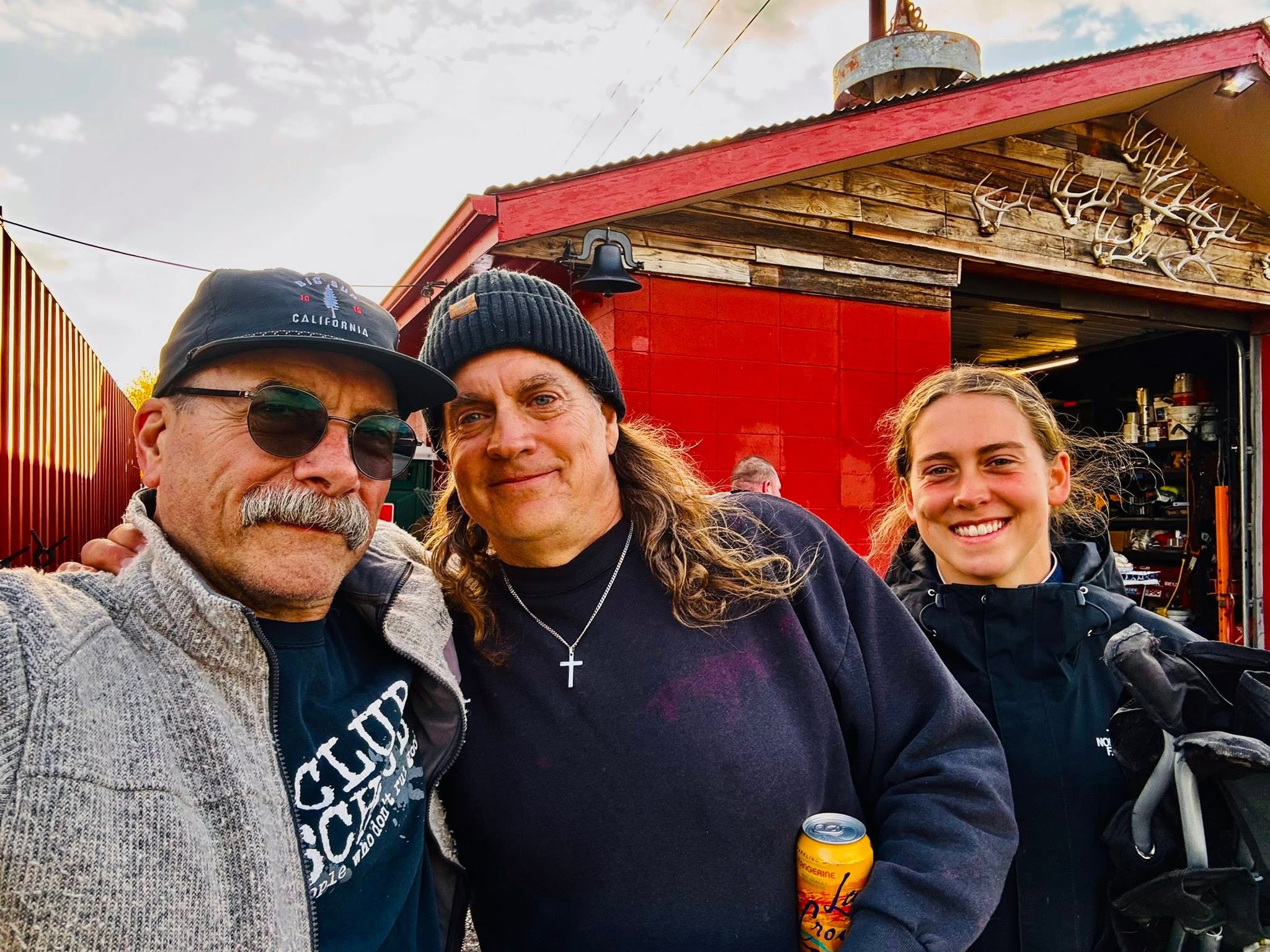
My dear friend, thank you for the hunts, the photographs, the music, the conversations, and the years of extraordinary friendship. Thank you for loving my family and investing in my children. Thank you for the joy you brought to our TOV community and for the example you set for so many of us.
Thank you for reminding us that the glory of God can be found in the most ordinary moments of life, if only we will take the time to see it.
And thank you for demonstrating what it means to be fervent in spirit, faithful in love, and fully alive in Christ.
I will miss you tremendously, my brother.
But I suspect that every time I see a sandhill crane, hear a crow, or pause to appreciate a beautiful sunrise, I’ll be reminded of you.
And I’ll smile.
Because somewhere along the way, you taught me to see those things differently.
Until we meet again, my friend.




































Endnotes
- United States Conference of Catholic Bishops, “Ordinary Time,” USCCB, https://www.usccb.org/prayer-worship/liturgical-year/ordinary-time. Ordinary Time emphasizes growth in Christian discipleship and the continuing life of Christ in the Church. Green is its designated liturgical color.
- Ps 19:1–4; cf. Ps 104:1–24. The heavens are portrayed as a continual witness to God’s glory, offering testimony through the created order without spoken words.
- Rom 12:11. Greek ζέοντες (zeontes), from ζέω (zeō), “to boil” or “to be fervent.” See Walter Bauer, Frederick W. Danker, William F. Arndt, and F. Wilbur Gingrich, A Greek-English Lexicon of the New Testament and Other Early Christian Literature, 3rd ed. (Chicago: University of Chicago Press, 2000), 426. See also Acts 18:25. The immediate context of Rom 12:9–21 connects spiritual fervency with sincere love, hospitality, generosity, and mutual devotion.
- Gen 1:26–28; 2:15; Exod 31:1–5. The biblical theme of humanity as the image of God includes the vocation to cultivate and steward creation. Bezalel’s Spirit-enabled craftsmanship provides a particularly meaningful example of artistic skill employed in service to God.
- John 11:25–35; 1 Cor 15:20–28, 42–58; Rom 8:18–25; Rev 21:1–5. Christian hope is grounded in the resurrection of Christ, the promised resurrection of the dead, and God’s ultimate renewal of creation.

