The question of whether Adam and Eve spoke Hebrew in the Eden narrative has persisted within both popular and academic discussions of early Genesis. While the biblical text depicts the first humans engaging in meaningful, structured speech, it does not explicitly identify the linguistic form of that speech. This study examines the question from a philological, literary, and theological perspective, arguing that while Hebrew wordplay in Genesis is theologically significant, it does not necessitate the conclusion that Hebrew was the primordial human language.
The Genesis narrative presents humanity as linguistically capable from the outset. In Genesis 2:19–20, Adam exercises dominion through naming the animals. Naming in the Ancient Near Eastern context is not merely descriptive but also ontological, reflecting authority and classification.
Genesis 11:1 later affirms that “the whole earth had one language and the same words,” indicating a primordial linguistic unity prior to the Babel event (Genesis 11:7–9). However, the text remains silent regarding the identity of this language.
One of the most common proposals is that Hebrew was the original language of humanity. This argument is typically grounded in the semantic transparency of key names in Genesis: Adam is connected to ground, and Eve to life. These connections create compelling literary and theological wordplay within the Hebrew text. However, the Book of Genesis was composed and transmitted in Hebrew, making it methodologically plausible that the inspired author employed Hebrew lexical connections to communicate theological truths to a Hebrew-speaking audience.
Alternative models include the possibility of a lost proto-human language, a unique Edenic language, or narrative accommodation where the Genesis author presents primordial events through the linguistic and conceptual framework of Hebrew.
The biblical text affirms that Adam and Eve used meaningful language, early humanity shared a unified language, and the specific identity of that language is not disclosed. The Hebrew hypothesis remains a reasonable inference but not an exegetical conclusion.
Discussion Questions
To what extent should Hebrew wordplay in Genesis be understood as literary theology rather than historical linguistic evidence?
How does the concept of naming in Genesis 2 reflect Ancient Near Eastern understandings of authority and ontology?
What hermeneutical risks arise when later linguistic forms are retrojected into primeval history?
How does Genesis 11 (Babel) inform our understanding of linguistic diversity in relation to divine sovereignty?
In what ways does the presence of language in Eden contribute to a doctrine of the image of God?
Bibliography
Alter, Robert. Genesis: Translation and Commentary. W.W. Norton, 1996.
Barr, James. The Semantics of Biblical Language. Oxford University Press, 1961.
Cassuto, Umberto. A Commentary on the Book of Genesis. Magnes Press, 1961.
Hamilton, Victor P. The Book of Genesis: Chapters 1–17. Eerdmans, 1990.
Heiser, Michael S. The Unseen Realm. Lexham Press, 2015.
Kidner, Derek. Genesis: An Introduction and Commentary. IVP, 1967.
Sailhamer, John H. The Pentateuch as Narrative. Zondervan, 1992.
Walton, John H. The Lost World of Genesis One. IVP Academic, 2009.
Wenham, Gordon J. Genesis 1–15. Word Biblical Commentary, 1987.
Every February 14 many Christians and non-Christians alike pause to celebrate love—often through candy, flowers, heart-shaped cards, and candlelight dinners. But beneath the commercial veneer lies a rich tapestry of history, cultural adaptation, and theological meaning that invites careful reflection for the church—one rooted not simply in sentiment, but in Scripture and the long witness of Christian faith.
1. The Historical Palimpsest of Valentine’s Day
Some scholars would identify at least three such figures known in martyrologies, with one tradition holding that a Roman priest named Valentine in the third century defied an imperial edict against Christian marriage to marry couples in secret—a testament to his defense of Christian marriage and pastoral courage.
By the fifth and sixth centuries, February 14 was established in the liturgical calendar as the feast of St. Valentine, though the medieval church did not associate this date with romantic love until much later. In time, festivals of courtly love and poetic traditions such as Chaucer’s Parliament of Fowls would fold romantic symbolism into the date long after its ecclesiastical origins ended.
It is essential sociologically to recognize that Valentine’s Day—as celebrated today—is a layered cultural artifact: part hagiographic remembrance, part medieval romance, part commercialized modern ritual. None of these layers originate in biblical revelation, yet all reflect ways humans seek to articulate love within their cultural context.
2. Scripture and the Semantics of Love
Most people are aware that the Bible does not mention Valentine’s Day; nowhere is it regarded as a holy day per se. Its absence places the observance in the category of Christian freedom described in Romans 14:5–6, where Paul writes that believers may regard certain days differently, and whether one observes them or not, it should be “in honor of the Lord.”
What Scripture does offer is a rich, nuanced theology of love. In biblical Greek there are multiple terms for love—agapé (self-giving, covenantal love), philia (brotherly affection), eros (romantic desire, depicted especially in Song of Songs), and storge (familial love). While eros itself does not appear in the New Testament theological lexicon, the Song of Songs—a book of the Hebrew Bible—celebrates sensual and relational love within the covenant of marriage.
The apostle Paul’s famous discourse in 1 Corinthians 13 reframes love as a moral and spiritual virtue defined not by transient feeling but by patient covenantal commitment, self-giving service, and endurance. Jesus Himself states the core of the law: to love God with all one’s heart and to love one’s neighbor as oneself (Mark 12:30–31).
This emphasis locates the core of biblical discourse not in romantic expression alone, but in covenantal fidelity, sacrificial love, and the self-giving love revealed supremely in Christ’s death and resurrection.
3. Early Church and the Appropriation of Culture
From a socio-rhetorical perspective, the early church was adept at incarnating its message within existing cultural frameworks without compromising its core message. The apostle Paul became “all things to all people” to win some to Christ (1 Corinthians 9:22).
Christian appropriation of certain dates or customs has always been contested. The church’s decision to commemorate saints and martyrs on specific feast days was not intended to canonize secular customs, but to sanctify memory in ways that pointed beyond worldly spectacle to Christ’s kingship and the communion of saints.
In this light, Valentine’s Day can serve as a cultural locus for Christians to articulate biblical love — not simply by embracing its commercial trappings uncritically, nor by rejecting all contact with culture out of fear of syncretism, but by discerning how Christ’s love reshapes human practices. As Paul counsels, “Test everything; hold fast to what is good.” (1 Thessalonians 5:21)
4. Theological Reframing: Love as Witness
Rather than delegating Valentine’s Day to either celebration or avoidance, Christians can use the occasion as an invitation to reflect on biblical love as witness—not only within marriage, but within the body of Christ and the broader world.
A socio-rhetorical reading invites us to see Valentine’s Day less as an externally mandated Christian feast and more as a rhetorical opportunity—a moment when society’s focus on love can be redirected toward the love that God enacts in Christ. Such love is measured not by roses and chocolates, but by the sacrificial gift of Christ and the mutual love of believers that testifies to His presence (John 13:35).
Conclusion: Love in Context
Valentine’s Day is not inherently Christian because it emerged from early church commemoration or medieval romantic tradition. Nor is it inherently pagan because of its layered history. It is imperatively a moment for Christians to practice discernment, to ask how the gospel reframes the season of love, and to embody sacrificial, covenantal love in ways that reflect God’s love for the world.
As we remember St. Valentine—a figure united by courage and fidelity to Christ—and reflect on the biblical narrative of love from Genesis to Revelation, may our practice of love be shaped by agapé above all else, rooted in Scripture and enacted in service.
Discussion Questions
How does an awareness of the historical development of Valentine’s Day influence (or not) how we celebrate love as Christians?
In what ways does the biblical concept of agapé challenge modern expressions of romantic love?
How can Christians use cultural observances like Valentine’s Day as platforms for gospel witness without syncretizing their faith?
What does Song of Songs teach us about the place of romantic love within God’s broader design for relationships?
How might Paul’s teaching in Romans 14 apply to disagreements within the church over celebrating Valentine’s Day?
Bibliography
Armstrong Institute. “Valentine’s Day—in the Hebrew Bible?” (ArmstrongInstitute.org)
BibleInspire.com. “Valentine’s Day Biblical Meaning: What Christians Need to Know.”
“Valentine’s Day.” Wikipedia (overview of historical development).
Song of Songs. Wikipedia (literary and canonical context).
Covenant Intimacy: Cultivating Oneness in Marriage
Marriage in the biblical sense is not merely a social contract or a partnership; it is a sacred covenant—a divinely instituted bond that mirrors God’s covenant love with His people. The Hebrew term berith (בְּרִית) denotes a solemn, binding agreement, marked not only by promises but by loyalty, faithfulness, and mutual self-giving. In the New Testament, this covenantal reality is deepened through Christ, who embodies sacrificial love (agape, ἀγάπη) that calls spouses to serve one another in humility and grace (Ephesians 5:21–33).
At the heart of covenant intimacy is oneness. Genesis 2:24 provides the foundational paradigm: “Therefore a man shall leave his father and his mother and hold fast to his wife, and they shall become one flesh” (yada’, יָדַע). This “knowing” is both relational and sexual, reflecting the full depth of emotional, spiritual, and physical unity. The Hebrew concept carries intentionality: to truly know is to commit, to enter into the mystery of the other in trust and vulnerability.
1. Emotional and Spiritual Intimacy: Grounded in Discipleship
Intimacy begins in the soul. Couples are called to cultivate mutual transparency, confession, and encouragement, echoing the pastoral model of discipleship. Paul’s admonition in Ephesians 4:32—“Be kind to one another, tenderhearted, forgiving one another, as God in Christ forgave you”—offers a template for relational healing.
Practical Steps:
Regular Spiritual Check-ins: Set aside time weekly to share personal spiritual victories, struggles, and prayers. This mirrors the Jewish practice of hevruta, spiritual partnership, applied to marriage.
Scripture Sharing: Read passages together that emphasize covenant faithfulness, such as Hosea 2:19–20 or Song of Solomon 2:16. Discuss what it means to love sacrificially in the context of God’s covenant.
Example: A husband and wife may take a Psalm each week, reflecting on God’s steadfast love (chesed, חֶסֶד), and share how it encourages them to act faithfully toward one another.
2. Physical Intimacy as Covenant Expression
Sexual intimacy in marriage is not a mere physical act but a profound covenantal sign. Paul’s instruction in 1 Corinthians 7:3–5 emphasizes mutual authority over one another’s bodies, highlighting consent, desire, and attentive love. The Greek word soma (σῶμα) underscores the body as integral to relational unity, not separate from spiritual or emotional connection.
Practical Steps:
Intentional Touch and Affection: Beyond sexual encounters, daily gestures of touch—holding hands, gentle hugs, and affirming kisses—strengthen the sense of oneness.
Sexual Rhythm and Communication: Like cultivating agape, sexual intimacy benefits from intentionality, listening, and mutual understanding rather than routine or obligation.
Example: A couple may schedule regular “covenant nights” where the focus is on emotional closeness first, leading into physical intimacy, emphasizing the full scope of knowing (yada’) one another.
3. Reconciliation and Covenant Repair
Covenantal intimacy is tested in conflict and broken trust. The Hebrew Scriptures often illustrate covenant repair through rituals of atonement, dialogue, and restoration (e.g., Numbers 5:5–10). In a marriage, bitterness or resentment acts as a barrier to oneness. Forgiveness is the vessel through which intimacy is restored.
Practical Steps:
Transparent Apologies: Use “I statements” to express hurt without blame. Example: “I felt distant when…”
Counseling as Shepherding: Pastoral or Christian counseling can provide structured guidance in rebuilding trust.
Example: After a major disagreement, a couple may intentionally pray together, verbally affirming mutual commitment to repair and trust, creating a spiritual as well as relational healing.
4. Covenant Rituals and Symbolic Practices
Hebrew and Christian traditions often employ ritual as a tangible expression of covenant faithfulness. Small but intentional practices cultivate relational memory and reinforce unity.
Practical Steps:
Weekly Covenant Meals: Sharing intentional meals without distraction, reflecting on God’s covenant with each other, mirrors the covenantal feasts of Israel.
Anniversary Reflections: Beyond gifts, reflecting on God’s faithfulness through marriage fosters gratitude and spiritual depth.
Shared Devotional Practices: Singing, prayer, or journaling together enhances both spiritual and emotional oneness.
Example: A couple may light a candle each week, reading Song of Solomon 8:6–7, symbolizing love as a flame strengthened by trust and God’s covenant presence.
Conclusion
Covenant intimacy in marriage is a dynamic, God-centered pursuit. It is not achieved merely through techniques but through a sustained commitment to oneness—emotional, spiritual, and physical—modeled on Christ’s sacrificial love. Couples who approach marriage as a covenant discover that intimacy grows from shared vulnerability, forgiveness, and disciplined love. As shepherds of one another’s hearts, husbands and wives reflect the divine covenant in ways that are both deeply relational and spiritually formative.
Discussion Questions
Oneness and Covenant Theology
Genesis 2:24 emphasizes the couple becoming “one flesh” (yada’, יָדַע). How does this Hebrew concept of “knowing” inform our understanding of emotional, spiritual, and physical intimacy in marriage?
In what ways can modern couples cultivate “oneness” beyond physical intimacy, reflecting covenant faithfulness in daily life?
Discuss practical ways to apply the biblical model of covenant to repair relational breaches or build deeper trust.
Spiritual Intimacy and Discipleship in Marriage
Ephesians 5:21–33 and Colossians 3:12–14 call for mutual submission, forgiveness, and love. How does viewing marriage as a context for mutual discipleship transform conflict resolution, emotional vulnerability, and spiritual growth?
Share examples of habits, practices, or rituals that encourage spiritual intimacy and accountability within your marriage.
Physical Intimacy as Covenant Expression
1 Corinthians 7:3–5 presents the body as a shared authority (soma, σῶμα) within marriage. How does this concept challenge or expand contemporary cultural understandings of sexual intimacy?
Discuss how intentionality, communication, and mutual consent can enhance covenantal physical intimacy, making it both relational and spiritual.
Forgiveness, Reconciliation, and Covenant Repair
Reflect on biblical examples of covenant restoration (e.g., Hosea’s marriage as metaphor, Numbers 5:5–10). How do forgiveness and transparent apology function as practical and spiritual tools to rebuild intimacy?
What are the barriers in your own context to practicing “record-free” covenant-keeping, and how might couples cultivate an environment of grace and restoration?
Ritual, Memory, and Symbolic Practices
How do small, intentional practices (shared meals, anniversary reflections, devotional rituals) reinforce covenantal intimacy?
Explore the relationship between symbolic acts and emotional memory. How can couples adapt biblical ritual principles (berith, בְּרִית) to cultivate ongoing intimacy in their marriage today?
Bibliography
Brueggemann, Walter. Genesis: A Bible Commentary for Teaching and Preaching. Westminster John Knox Press, 2010.
Longman III, Tremper. Song of Solomon: An Introduction and Commentary. IVP Academic, 2001.
Fee, Gordon D., and Douglas Stuart. How to Read the Bible for All Its Worth. 5th ed., Zondervan, 2014.
Perrotta, Kevin, and Louise Perrotta. Oneness: Jesus’ Vision of Marriage. 2024.
Gregoire, Sheila, and Dr. Keith Gregoire. The Marriage You Want: Moving Beyond Stereotypes for a Relationship Built on Scripture, New Data, and Emotional Health. 2025.
Reynolds, Adrian, and Celia Reynolds. Closer: A Realistic Book About Intimacy for Christian Marriages. 2021.
Konzen, Dr. Jennifer. The Art of Intimate Marriage: A Christian Couple’s Guide to Sexual Intimacy. 2016.
Westermann, Claus. Genesis 12–36: A Commentary. Augsburg Fortress, 1985.
Packer, J. I. Knowing God. IVP, 1973. (for theological foundations of covenant love)
Recommended Reading
Kevin and Louise Perrotta, Oneness: Jesus’ Vision of Marriage. 2024.
Adrian Reynolds & Celia Reynolds, Closer: A Realistic Book About Intimacy for Christian Marriages. 2021.
Sheila & Dr. Keith Gregoire, The Marriage You Want. 2025.
Dr. Jennifer Konzen, The Art of Intimate Marriage. 2016.
Emerson Eggerichs, Love & Respect: The Love She Most Desires; The Respect He Desperately Needs. 2004.
Timothy Keller & Kathy Keller, The Meaning of Marriage: Facing the Complexities of Commitment with the Wisdom of God. 2011.
Covenant and Community: Embracing Christ‑Centered Humility, Servanthood, and Shepherding in Christian Marriage
1. Marriage as Covenant and Christ‑Like Identity
Christian marriage is fundamentally covenantal, reflecting the relationship between Christ and the Church (Eph 5:22‑33). In the Hebrew and Greek context, covenant implies lifelong commitment, mutual responsibility, and sacred binding under God’s authority.
Humility and Servanthood: Paul’s exhortation in Philippians 2:3–5 urges spouses to adopt Christ’s self-emptying attitude, prioritizing the other’s good above self-interest.
Shepherding as a Model: In biblical literature, shepherding denotes guidance, protection, nourishment, and restoration (Ps 23; John 10:11). Marriage partners can emulate this by actively nurturing, protecting, and guiding each other spiritually, emotionally, and relationally.
2. Community as a Crucial Support System
Marriage flourishes not in isolation but within covenantal community: local church, small groups, and peer accountability. Historically, the early Church emphasized mutual care (Acts 2:42–47), creating a model for today’s marital support systems.
Church Involvement
Regular participation in worship and fellowship fosters spiritual anchoring.
Pastors and elders provide shepherding guidance, biblical correction, and referrals for counseling.
Small Groups and Peer Accountability
Small groups provide safe venues for transparency, prayer, and reflection.
Peer couples or mentors offer practical examples of servanthood in marriage and reinforce accountability in communication, conflict resolution, and spiritual disciplines.
3. Biblical Counseling and Professional Support
Biblical counseling integrates Scripture and the gospel into practical problem-solving, helping couples navigate conflict, manage sin patterns, and restore relational harmony.
Focuses on repentance, forgiveness, and transformation in the image of Christ.
Early intervention preserves relational health before destructive patterns become entrenched.
Practical Applications:
One-on-one pastoral counseling
Certified Christian counselors specializing in marriage
Retreats or workshops on communication and conflict management
4. Spiritual Practices and the Role of the Holy Spirit
Intercessory Practices
Joint prayer invites the Holy Spirit to guide decision-making, soften hearts, and cultivate humility.
Scripture memorization, meditation, and fasting reinforce spiritual alignment.
Spirit-Led Conflict Resolution
Couples can discern God’s will for reconciliation, modeling forgiveness and empathy as Christ taught (Col 3:12–14).
Servant leadership in marriage is both practical and spiritual, combining action with prayerful dependence on God.
5. Communication and Conflict Through Servanthood
Communication in marriage is not merely transactional—it is transformational, reflecting Christ’s humility.
Fighting for Your Marriage emphasizes conflict resolution strategies rooted in respect, patience, and listening.
How a Husband/Wife Speaks stresses intentionality in speech, using communication to build up rather than tear down, mirroring Christ’s example.
Practical approaches include:
Structured weekly check-ins
Active listening exercises
Conflict-resolution frameworks emphasizing reconciliation over “winning”
6. Spiritual Growth Together
Shared Devotionals and Media
Marriage-specific devotionals guide couples to meditate on humility, forgiveness, and servant love.
Podcasts and online teachings reinforce biblical insights in accessible formats.
Reading and Study
Joint Bible study encourages deeper understanding of covenantal dynamics, gender roles, and servant leadership.
Couples can reflect on discussion prompts to integrate theology into lived experience.
7. Conclusion: Marriage as Discipleship
Christian marriage is a discipleship journey, where humility, servanthood, and shepherding become daily practices, not merely ideals. Covenant partners model Christ to each other and the broader community, transforming relational patterns through grace, accountability, and mutual spiritual growth.
Discussion Questions
How does understanding marriage as a covenant with God shape the way spouses approach conflict and communication?
In what ways can small groups or peer accountability circles serve as modern-day shepherds for marital health?
How can couples integrate the Holy Spirit’s guidance in decision-making, prayer, and conflict resolution?
Reflect on practical examples of servant leadership in your marriage—what patterns of humility and care can be strengthened?
How do devotional readings, podcasts, and other media resources complement the biblical counseling process in fostering a Christ-centered marriage?
Bibliography
Chapman, Gary. Fighting for Your Marriage: Positive Steps for Preventing Divorce and Building a Lasting Love. Moody Publishers, 2013.
Chapman, Gary, and Kimberly Miller. How a Husband Speaks: Leading and Loving Your Wife Through Godly Communication (How They Speak). Moody Publishers, 2020.
Chapman, Gary, and Kimberly Miller. How a Wife Speaks: Loving Your Husband Well Through Godly Communication (How They Speak). Moody Publishers, 2020.
Chapman, Gary. It Begins with You: The 9 Hard Truths About Love That Will Change Your Life. Tyndale House Publishers, 2017.
Kaiser, Walter C., Jr. The Promise-Plan of God: A Biblical Theology of the Old and New Testaments. Zondervan, 2008.
Scazzero, Pete. Emotionally Healthy Spirituality: Unleashing the Power of Transforming Your Inner Life. Zondervan, 2010.
Wright, N. T. Paul for Everyone: The Prison Letters (Ephesians, Philippians, Colossians, Philemon). SPCK, 2002.
Recommended Additional Reading
Sacred Marriage: What If God Designed Marriage to Make Us Holy More Than to Make Us Happy – Gary Thomas
Marriage and the Mystery of the Gospel – Ray Ortlund
The Meaning of Marriage – Timothy Keller
Small group guides on Christian marriage from Focus on the Family or The Navigators
Podcasts: The Art of Marriage, MarriageToday, and Focus on the Family Marriage Podcast
Rebuilding Covenant Love: Humility, Servanthood, and the Healing of a Broken Christian Marriage
Prayer as a Catalyst for Healing and Restoration in Marriage
Prayer is foundational for the healing and restoration of a marriage because it invites the presence and transformative power of God into the relational space. Through prayer, spouses can confess their own shortcomings, seek forgiveness, and intercede for one another, fostering humility and dependence on the Holy Spirit rather than relying solely on human effort. Prayer aligns hearts with God’s will, softens pride, and cultivates empathy, enabling couples to approach conflict with grace and patience. Applicable practices include joint prayer times, where couples speak aloud their needs and blessings for each other; silent intercessory prayer, focusing on God’s intervention in challenging areas; and praying Scripture over the marriage, such as Ephesians 4:2–3 or 1 Corinthians 13, which reinforces covenantal love and unity. Regular, intentional prayer not only strengthens the spiritual bond but also provides a safe, sacred rhythm for ongoing restoration and emotional reconciliation. In this sense, every aspect of healing and restoration should be bathed in prayer. Welcome others to also faithfully intercede for your marriage in prayer.
I. Marriage as Covenant: The Theological Foundation of Restoration
Christian marriage is not sustained by sentiment but by covenant. Scripture consistently frames marriage within the moral architecture of covenant fidelity (בְּרִית, berît), a binding relational oath rooted in loyal love (ḥesed). Malachi 2:14 explicitly calls marriage a “covenant” before God, invoking not merely a private contract but a sacred, witnessed union accountable to Yahweh.
As Christopher J. H. Wright argues, Old Testament ethics are covenantal at their core; relational faithfulness mirrors God’s own covenant loyalty to Israel. Marriage, therefore, is a lived parable of divine fidelity. Daniel Block similarly demonstrates that in ancient Israel marriage was embedded within kinship structures of honor, obligation, and permanence—not fragile romantic individualism.
In the New Testament, Paul intensifies this covenantal vision in Ephesians 5:21–33. Marriage reflects the mystērion—the profound mystery—of Christ and the church. The call to “submit to one another” (5:21) precedes and frames all marital exhortation. Christ’s love is defined by kenosis (Phil 2:5–11): self-emptying humility, not self-assertion.
Thus, when trust is shattered, healing must begin not with techniques but with identity: Who are we in Christ? Marriage recovery is not merely emotional repair; it is covenant renewal grounded in Christ-centered humility.
II. The Roots of Marital Rupture: Mistrust, Bitterness, and Record-Keeping
When relationships fracture, three corrosive dynamics often emerge:
1. Mistrust
Trust is the fruit of consistent covenant faithfulness. When vows are violated—whether through betrayal, deception, neglect, or emotional withdrawal—security collapses.
2. Bitterness (pikria)
Hebrews 12:15 warns of a “root of bitterness” that defiles many. Bitterness is unresolved moral injury. It grows when pain is rehearsed without reconciliation.
3. Record-Keeping
Paul’s description of love in 1 Corinthians 13:5 states that love “keeps no record of wrongs.” The Greek logizetai is an accounting term—love does not maintain a ledger. Yet wounded spouses often mentally catalogue offenses, weaponizing history during conflict.
Gary Thomas rightly suggests in Sacred Marriage that conflict often exposes our uncrucified self rather than merely our spouse’s faults. Hurt becomes a mirror revealing pride, fear, entitlement, and unmet expectations.
III. Christ-Centered Identity: The Path of Humility and Servanthood
Marriage restoration requires a return to Christ-shaped identity:
A. Embrace Kenotic Humility
Philippians 2 calls believers to adopt the mind of Christ—voluntary self-lowering for the good of another. This does not excuse sin, but it reshapes posture. The question shifts from:
“How do I win?” to
“How do I love like Christ?”
B. Reframe Marriage as Sanctification
Gary Thomas provocatively asks: What if God designed marriage to make us holy more than happy? Viewing conflict through a sanctification lens reframes pain as spiritual formation.
C. Love and Respect Dynamics
Emerson Eggerichs’ work highlights cyclical breakdowns: a wife feels unloved; a husband feels disrespected. Though simplified at times, the model recognizes that emotional deprivation fuels defensiveness. Healing requires intentional counter-movement: offering love when one feels disrespected; offering respect when one feels unloved.
IV. Practical Steps for Rebuilding Trust and Healing
Below are structured, hands-on pathways toward reconciliation.
1. Structured Confession and Repentance
Healing begins with specific confession, not vague apologies.
Practical Exercise: The Ownership Conversation
Each spouse writes down:
Specific actions they regret.
The impact those actions had.
What repentance will look like behaviorally.
Use language like: “I was wrong when I ___. It harmed you by ___. I commit to ___.”
True repentance includes measurable change. Trust rebuilds through observable consistency over time.
2. Establish a “No Ledger” Covenant
Agree together:
We will not weaponize past forgiven offenses.
If an issue resurfaces, we will address current behavior rather than resurrecting history.
Practical Tool: Create a symbolic act—shred written grievances after forgiveness prayer. Tangible rituals reinforce spiritual decisions.
3. Rebuild Emotional Safety Through Predictability
Trust is rebuilt through small, repeated faithfulness.
Weekly Faithfulness Practices:
30-minute undistracted check-in. Marriage Summits.
Shared prayer.
Calendar transparency.
Financial openness.
Trust grows through consistency, not intensity.
4. Relearn Each Other’s Love Languages (Chapman)
Pain often obscures how each spouse experiences love.
Hands-On Exercise:
Identify primary and secondary love languages.
Commit to one intentional expression daily for 30 days.
Journal perceived impact.
This cultivates attentiveness and retrains affection.
5. Practice Servant Posture in Conflict
Before difficult conversations:
Pray individually: “Lord, reveal my pride.”
Ask: “What is my contribution to this tension?”
Conflict Guidelines:
No interrupting.
Reflect back what you heard.
Validate feelings before responding.
Address one issue at a time.
6. Replace Bitterness with Lament and Intercession
Bitterness thrives when pain has no outlet.
Spiritual Practice:
Write a lament psalm regarding marital hurt.
Pray it aloud together.
Transition from lament to intercession for your spouse’s spiritual flourishing.
Intercession transforms posture from adversary to advocate.
7. Create a Shared Mission (Chan)
Francis and Lisa Chan emphasize eternal purpose. Couples stuck in bitterness often become inward-focused.
Restoration Strategy:
Identify a shared ministry or service opportunity.
Pray for neighbors together.
Serve in church or community jointly.
Shared mission realigns marriage around something larger than conflict.
8. Establish Boundaries for Severe Breaches
In cases of betrayal (infidelity, addiction, deception):
Full transparency (devices, accounts).
Professional Christian counseling.
Accountability structures.
Clear recovery milestones.
Forgiveness does not eliminate wisdom. Covenant restoration includes rebuilding integrity.
Be concrete (“I appreciated how you handled the kids calmly tonight”).
10. Renew Covenant Vows
Once meaningful progress has occurred:
Write personal covenant statements.
Include commitments to humility and servanthood.
Read them privately or before trusted witnesses.
Ritual reinforces renewal.
V. The Deep Love of Christ as Model and Motivation
Ephesians 5 grounds marital love in Christ’s self-giving love that “gave himself up.” Christ loved at cost to himself. He forgave while bearing wounds.
Yet Christ’s love is not naïve—it is holy, covenantal, and transformative. He restores dignity while calling sinners into new obedience.
A restored marriage reflects:
Grace without denial.
Forgiveness without amnesia of wisdom.
Trust rebuilt through embodied faithfulness.
Servanthood shaped by cross-bearing love.
VI. Pastoral Exhortation
Rebuilding from severed trust is slow. It requires:
Patience measured in months and years.
Repentance deeper than apology.
Humility stronger than pride.
Grace rooted in the gospel.
Christian marriage is not sustained by compatibility but by cruciform love.
When two spouses embrace Christ-centered identity—dying to self, serving one another, forgiving as they have been forgiven—they participate in a living testimony of covenant redemption.
Your marriage can become a sanctuary of restored trust not because you are flawless, but because Christ is faithful.
Discussion Questions
Covenant and Identity: How does understanding marriage as a covenant (berît) rather than a contract influence the way we approach forgiveness and restoration after a breach of trust? How can this shape daily attitudes in marriage?
Bitterness and Records of Wrong: Hebrews 12:15 warns against the “root of bitterness,” and 1 Corinthians 13:5 instructs that love “keeps no record of wrongs.” What practical steps can a couple take to release past hurts while maintaining healthy boundaries?
Christ-Centered Humility: How does embracing Christ’s example of self-emptying love (kenosis) practically change the way we engage in conflict and repair trust in marriage? Are there areas where pride still hinders reconciliation?
Love Languages and Respect: Drawing from Gary Chapman and Emerson Eggerichs, how can identifying each other’s primary love language and needs for respect contribute to rebuilding emotional safety and intimacy after relational damage?
Shared Mission and Spiritual Formation: Francis and Lisa Chan emphasize eternal purpose in marriage. How can pursuing a shared mission or ministry help couples move beyond personal hurt toward mutual growth and sanctification?
Bibliography
Block, Daniel I. “Marriage and Family in Ancient Israel.” In Marriage and Family in the Biblical World, edited by Ken M. Campbell, 33–102. Downers Grove, IL: IVP Academic, 2003.
Chapman, Gary. The 5 Love Languages: The Secret to Love That Lasts. Chicago: Northfield Publishing, 2015.
Chan, Francis, and Lisa Chan. You and Me Forever: Marriage in Light of Eternity. Colorado Springs: Claire Love Publishing, 2014.
Eggerichs, Emerson. Love & Respect: The Love She Most Desires; The Respect He Desperately Needs. Nashville: Thomas Nelson, 2004.
Thomas, Gary. Sacred Marriage: What If God Designed Marriage to Make Us Holy More Than to Make Us Happy? Grand Rapids: Zondervan, 2000.
Wright, Christopher J. H. Old Testament Ethics for the People of God. Downers Grove, IL: IVP Academic, 2004.
Recommended Further Reading
Tripp, Paul David. What Did You Expect? Redeeming the Realities of Marriage. Wheaton, IL: Crossway, 2009. (Focus on gospel-centered marriage in daily life.)
Yancey, Philip. What’s So Amazing About Grace? Grand Rapids: Zondervan, 1997. (Helpful for understanding forgiveness and mercy in relational contexts.)
Keller, Timothy. The Meaning of Marriage: Facing the Complexities of Commitment with the Wisdom of God. New York: Dutton, 2011. (Biblically rooted, culturally aware.)
Powlison, David. Speaking Truth in Love: Counsel in Community. Phillipsburg, NJ: P&R, 2005. (Counseling-focused, with insight into relational restoration.)
Sandberg, Paul. Rebuilding Trust in Marriage. Wheaton, IL: Crossway, 2016. (Practical, step-by-step guidance for recovery after betrayal.)
Communicating as Covenant Partners: A Christ-Centered Theology and Practice of Marriage Communication
Introduction
Marriage is more than a social institution or emotional partnership—it is a holy covenant established by God, modeled throughout Scripture, and fulfilled in Christ’s relationship with the Church. Communication within marriage is not merely a set of skills; it is a sacramental expression of covenanted love, shaped by identity in Christ and sustained by grace.
In a world of transactional relationships and consumerized romance, Christian couples are called to something deeper: speaking truth in love (Eph. 4:15), bearing one another’s burdens (Gal. 6:2), and reflecting God’s steadfast love (חסד, chesed) in how they listen, speak, and respond to one another.
I. Covenant as the Foundation for Communication
1. The Hebraic Concept of Covenant
In Scripture, covenant (ברית, berith) is not a contract; it is a relational pledge grounded in faithfulness and identity. It structures marriage not around feelings or performance, but around being–with–one–another under God.
Genesis 2:24—“Therefore a man shall leave his father and his mother and hold fast to his wife, and they shall become one flesh.” One flesh implies unity in identity, purpose, and narrative—a shared life.
Malachi 2:14–16—God calls Israel my companion (רעיה, re‘iyah) in covenant, highlighting vow-keeping as essential to relational integrity. Marriage communication reflects this same vow-oriented faithfulness.
2. Christ and the Church as the Ultimate Covenant Model
Ephesians 5:25–33 anchors marital love in Christ’s sacrificial love for the Church:
Self–giving love
Cleansing through the Word
Nurturing growth and flourishing
In this model, communication is not negotiable nor optional—it is an expression of covenant identity.
II. Biblical Models of Christ-Centered Communication
1. Jesus: Communicating with Presence and Truth
Jesus embodied communication that was:
Attentive — He saw and called individuals by name (Mark 10:21; John 4:27–30).
Restorative — He spoke truth that healed rather than harmed (John 8:1–11).
Sacrificial — His words pierced, yet offered life (John 6:60–69).
Application for couples:
Be fully present in conversation (no half-listening).
Seek truth to heal, not to win.
2. Paul: Words That Build Up
Paul repeatedly encourages the church to communicate with grace:
Ephesians 4:29 — “Let no corrupting talk come out … but only such as is good for building up.”
Make speech an agent of edification, not accusation.
Aim for restoration and peace (Matt. 5:9).
3. Proverbs: Wisdom for Everyday Speech
Proverbs 15:1 contrasts gentleness with provocation:
“A soft answer turns away wrath, but a harsh word stirs up anger.”
Application for couples:
Choose tone and timing wisely.
Slow down before responding; give space for Spirit-guided reflection.
III. Avoiding Destructive Patterns: The “Crazy Cycle” and Other Traps
John and Stacy Edwards’ Love & Respect highlights the “Crazy Cycle”:
Wives want love, feel unheard →
Husbands want respect, feel dismissed →
Escalation ensues.
While their gender framing has sparked discussion, the core insight resonates with covenant communication: each partner deeply desires to be known, honored, and treasured.
Redemptive pattern:
Respond to hurts with clarifying questions rather than assumptions.
Affirm identity (“I hear you; your heart matters to me”), then seek understanding.
IV. Communication as Intimacy: Pillars for Practice
Drawing from One Extraordinary Marriage (6 Pillars of Intimacy):
1. Physical Presence
Not just being in the same room—being fully present and undistracted.
2. Emotional Space
Create an environment where vulnerability is welcomed, not weaponized.
3. Spiritual Unity
Pray together before you problem-solve together.
4. Intellectual Engagement
Value curiosity over defensiveness.
5. Relational Investment
Set rhythms (weekly check-ins, shared devotions) that speak covenant over chaos.
6. Communal Support
Accountability with trusted mentors or couples enriches communication health.
V. Tools That Serve Covenant Communication
1. Love Languages (Gary Chapman)
Understanding each other’s primary love languages—words of affirmation, quality time, acts of service, gifts, physical touch—enhances mutual empathy and expressive clarity.
2. Rhythms from Sacred Marriage (Gary Thomas)
Thomas reframes marriage as sanctification before satisfaction. Communication becomes a means to God’s glory, not just emotional comfort.
3. Eternal Perspective from The Meaning of Marriage (Timothy Keller)
Marriage reflects Christ’s gospel: steadfast, gracious, covenantal. Communication is therefore missionary—bearing witness in everyday speech.
4. You and Me Forever (Francis & Lisa Chan)
Focuses couples on shared Gospel mission, reducing self-absorption and enhancing sacrificial dialogue.
VI. Practical Communication Principles Grounded in Covenant Identity
1. Listen Before You Respond
Listening communicates worth and attention.
Practical tip:
Reflect back what you heard before responding.
2. Speak Truth in Love
Truth without love wounds; love without truth obscures reality.
Practical tip:
Use “I” statements and describe specific behaviors, not character labels.
3. Forgive and Seek Forgiveness
Covenant speech includes reconciliation language.
Practical tip:
Practice short, daily reconciliations to prevent relational drift.
4. Pray Before Difficult Conversations
Invite the Spirit to shape hearts before words are exchanged.
Practical tip:
Frame hard discussions with scripture (“Lord, make us quick to listen…” James 1:19).
5. Celebrate Small Wins
Acknowledging growth builds trust.
Practical tip:
Weekly “gratitude moments” during meals or prayer times.
Conclusion: Communicating as Covenant Worship
Communication in Christian marriage is not primarily a technique—it is covenant language. It reflects who we are in Christ and how covenant love shapes everyday life. Words become acts of worship, spaces of grace, and pathways of transformation when we speak and listen in the presence of God.
May our marriages echo the speech of Christ—patient, kind, humble, forgiving, and anchored in love that never ends (1 Cor. 13:4–8).
Discussion Questions
1. Covenant vs. Contract: How Does Ontology Shape Communication?
The Hebrew concept of בְּרִית (berith) frames marriage as a covenant grounded in identity and faithfulness rather than performance or emotional satisfaction.
In what ways does viewing marriage as covenant (rather than contract) reshape expectations during conflict?
How might this covenantal framework alter the way couples interpret silence, criticism, or emotional withdrawal?
How does Malachi 2:14–16 challenge modern consumerist assumptions about relational fulfillment?
2. Christological Communication: Imitating the Speech of Jesus
Ephesians 5 roots marriage in the self-giving love of Christ.
How does Christ’s communicative posture (John 4; John 8; Mark 10:21) inform a theology of attentiveness and truth-telling in marriage?
What does it mean to “cleanse by the washing of water with the word” (Eph. 5:26) in the context of marital speech?
In practical terms, how can couples ensure their words are redemptive rather than corrective alone?
3. The “Crazy Cycle” and the Doctrine of Sin
Eggerich’s “Crazy Cycle” describes relational escalation when love and respect feel absent.
How does this dynamic reflect the broader biblical doctrine of sin as relational fracture (Gen. 3)?
In what ways does pride distort listening and self-giving communication?
How might a theology of repentance interrupt destructive communication cycles?
4. Sanctification Through Speech
Gary Thomas argues marriage is more about holiness than happiness.
How can communication function as a primary instrument of sanctification?
Reflect on James 1:19–20 and Ephesians 4:29. What spiritual disciplines are necessary for obedient speech?
How might difficult conversations serve as means of grace rather than merely problems to solve?
5. Identity in Christ and Shared Mission
Drawing from Keller and the Chans, marriage reflects the gospel and participates in mission.
How does shared identity “in Christ” stabilize communication when emotions fluctuate?
What practices (prayer, shared Scripture, missional engagement) tangibly reinforce covenant identity in daily dialogue?
How does a shared eternal vision recalibrate trivial conflicts?
Bibliography
Chapman, Gary. The 5 Love Languages: The Secret to Love That Lasts. Chicago: Northfield Publishing, 2015.
Chan, Francis, and Lisa Chan. You and Me Forever: Marriage in Light of Eternity. Colorado Springs: Claire Love Publishing, 2014.
Eggerichs, Emerson. Love & Respect: The Love She Most Desires; The Respect He Desperately Needs. Nashville: Thomas Nelson, 2004.
Keller, Timothy, with Kathy Keller. The Meaning of Marriage: Facing the Complexities of Commitment with the Wisdom of God. New York: Dutton, 2011.
Thomas, Gary. Sacred Marriage: What If God Designed Marriage to Make Us Holy More Than to Make Us Happy? Grand Rapids: Zondervan, 2000.
Gregoire, Sheila Wray. The Great Sex Rescue. Grand Rapids: Baker Books, 2021.
Wright, Christopher J. H. Old Testament Ethics for the People of God. Downers Grove, IL: IVP Academic, 2004.
Block, Daniel I. “Marriage and Family in Ancient Israel.” In Marriage and Family in the Biblical World, edited by Ken M. Campbell, 33–102. Downers Grove, IL: IVP Academic, 2003.
A Biblical-Theological and Socio-Historical Exploration
I. Covenant Ontology in the Hebrew Scriptures
1. Berit (בְּרִית): Covenant as Ontological Bond
The Hebrew term berit cannot be reduced to “contract.” In the Ancient Near Eastern world, covenants (Hittite suzerainty treaties, parity treaties, kinship covenants) established binding relational realities. They were often ratified by oath, sacrifice, and symbolic acts (cf. Gen 15; Jer 34:18–20). The covenant did not merely regulate behavior; it created a new relational status.
Hebrew philological studies suggest that covenant language often involved embodied ritual actions — cutting animals, sharing meals, oath invocations — signifying life-and-death seriousness. The expression “cut a covenant” (karat berit) implies sacrificial solemnity. Marriage, when named covenant in Malachi 2:14, is therefore elevated into this sacred category.
Malachi rebukes Israelite men who deal treacherously (bagad) with “the wife of your covenant.” The covenant is not merely between spouses; “the LORD was witness.” The text suggests divine juridical oversight. Marriage is a theologically accountable bond under YHWH’s covenant justice.
2. Genesis 1–2: Creation as Proto-Covenantal Structure
Genesis 1:26–28 situates humanity as royal vice-regents bearing the imago Dei. The Hebrew plural deliberation (“Let us make…”) and the parallel structure (“male and female he created them”) present differentiated unity within shared image-bearing.
The dominion mandate (radah) is given jointly. Thus, marriage emerges within a shared vocational stewardship.
Genesis 2 deepens this through narrative theology. The woman as ezer kenegdo must be handled carefully. Ezer appears 21 times in the Hebrew Bible; in most cases it refers to divine aid (e.g., Ps 121:1–2). It connotes indispensable strength. Kenegdo (“corresponding to him,” “according to what is opposite”) implies complementarity of relational correspondence, not subordination.
The covenantal nature becomes clearer in Genesis 2:24:
“Therefore a man shall leave (‘azab) his father and mother and cling (dabaq) to his wife…”
Dabaq frequently describes covenant fidelity to YHWH (Deut 10:20; 30:20). The semantic overlap is significant. Marriage mirrors Israel’s covenantal clinging to God.
The phrase “one flesh” (basar echad) reflects kinship formula language. In the ancient world, flesh signified shared clan identity (cf. Gen 29:14; 2 Sam 5:1). Marriage forms a new covenant kinship unit.
Thus, Genesis presents marriage not merely as companionship but as a covenantal reconstitution of primary allegiance and shared identity before God.
II. Marriage in Israel’s Covenant Consciousness
1. Prophetic Marriage Metaphor and Covenant Theology
The prophetic corpus elevates marriage into theological metaphor. Hosea’s enacted prophecy (Hos 1–3) frames Israel’s idolatry as adultery. The covenant violation is sexualized imagery because marriage best captures the intimacy and exclusivity of divine-human covenant.
Isaiah 54:5 declares:
“For your Maker is your husband (בֹּעֲלַיִךְ).”
The marital title affirms covenant loyalty despite judgment. Jeremiah 31:32 explicitly refers to YHWH as husband in relation to Sinai covenant.
This is theologically decisive: marriage becomes the primary analogy for covenant faithfulness, exclusivity, and restorative grace. The logic moves from divine covenant to human marriage, and back again.
2. Second Temple Developments
By the Second Temple period, Jewish marriage involved ketubah agreements, bride-price (mohar), and legally binding commitments. While economic dimensions existed, marriage retained theological framing under Torah.
Divorce debates between Hillel and Shammai (m. Gittin) reveal interpretive tensions over Deuteronomy 24. By Jesus’ time, some permitted divorce for trivial reasons. Thus, covenant permanence was contested.
III. Marriage in the Greco-Roman World: Legal and Philosophical Context
Roman marriage functioned within patria potestas. The male head wielded legal control. Marriage types (cum manu vs. sine manu) affected whether the wife came under the husband’s legal authority or remained under her father’s household.
Aristotle (Politics 1.1253b) described the husband-wife relationship hierarchically within household management. The household codes reinforced stratified order: husband over wife, father over children, master over slave.
Yet Roman moralists also valued marital fidelity as stabilizing civic order.
Against this background, New Testament teaching neither abolishes structure nor baptizes patriarchy; instead, it reorients marriage christologically and covenantally.
IV. Jesus: Covenant Restoration and Creation Authority
In Matthew 19:3–9, Jesus addresses divorce controversies. His interpretive move is hermeneutically profound: he appeals to Genesis 1 and 2 as normative revelation.
By joining both creation texts (“male and female” + “one flesh”), Jesus presents a canonical synthesis. The verb “joined together” (synezeuxen) implies divine yoking. God is the covenantal agent.
Jesus’ restriction of divorce does not ignore Mosaic concession but reframes it as accommodation to hardness of heart. Covenant permanence reflects divine intent.
In elevating Genesis over concessionary legislation, Jesus restores marriage to its creational-covenantal gravity.
V. Pauline Theology: Marriage Within the New Covenant
1. Ephesians 5:21–33 — Mystery and Covenant Christology
The participial structure beginning in 5:18 (“being filled with the Spirit”) governs the household code. Verse 21 introduces mutual submission (hypotassomenoi allelois).
When Paul instructs wives to submit, the verb is borrowed from v. 21 — situating marriage within the larger ethic of Spirit-shaped humility.
Husbands are commanded to love (agapate) “as Christ loved the church and gave himself up.” The analogy is covenantal and sacrificial. Christ’s headship (kephalē) must be read through cruciform self-giving.
Verse 25–27 evokes covenant purification imagery. Christ sanctifies the church, presenting her in glory — echoing prophetic marital restoration themes.
Verse 32 is climactic:
“This mystery (mystērion) is great — but I speak concerning Christ and the church.”
Marriage is typological participation in the new covenant. The earthly union signifies the eschatological union.
Thus, Paul situates marriage within redemptive history — not merely ethics but covenant drama.
2. 1 Corinthians 7: Reciprocity in a Patriarchal Context
In Corinth, influenced by both asceticism and libertinism, Paul affirms marital sexual obligation. The reciprocal language of authority (exousiazei) over one another’s bodies is unprecedented in Roman literature.
Marriage is framed as mutual covenant obligation, not unilateral male entitlement.
VI. Theological Themes of Covenant Marriage
1. Coram Deo: Marriage Before the Face of God
Ecclesiastes 5 warns against rash vows. Biblical marriage vows invoke divine witness. The covenant is triangulated — husband, wife, and God.
Marriage is therefore an act of worshipful oath-taking.
2. Covenant Fidelity as Sanctification
Hebrews 13:4 affirms marriage as honorable and the bed undefiled. Sexual exclusivity is covenant fidelity embodied.
Sanctification occurs through daily covenant keeping: forgiveness, repentance, reconciliation. Marriage becomes a means of grace.
3. Eschatological Orientation
Revelation 19 and 21 culminate in nuptial imagery. The Lamb’s marriage fulfills prophetic anticipation. Earthly marriage is provisional signpost toward ultimate covenant union.
VII. Contemporary Application: Recovering Covenant Gravity
Modern Western culture often treats marriage contractually — dissolvable when preferences change.
Biblical covenant marriage requires:
Vow consciousness
Theological literacy
Liturgical seriousness
Church accountability
Premarital counseling must teach covenant ontology, not merely compatibility tools.
Pastorally, couples must be shepherded toward:
Prayer as covenant renewal
Eucharistic imagination (self-giving love patterned after Christ)
Endurance rooted in God’s covenant faithfulness
Marriage thrives when grounded not in emotional volatility but in the steadfast love (hesed) of God.
Conclusion
Marriage in Scripture is covenantal from creation to consummation. It is:
Rooted in Genesis’ covenant-shaped anthropology
Interpreted through prophetic covenant metaphor
Restored by Jesus’ appeal to creation
Reframed in Paul’s Christological mystery
Fulfilled in eschatological union
To stand in marriage is to stand before the Lord — bound by oath, sustained by grace, accountable to divine witness, and participating in the redemptive covenant story of God.
When the church recovers this theological depth, marriage becomes not merely a personal commitment but a living proclamation of God’s covenant faithfulness.
Discussion Questions
Covenant Ontology and Marriage: How does the Hebrew concept of berit (particularly as expressed in karat berit, “cutting a covenant”) deepen our understanding of marriage as an ontological bond rather than a contractual agreement? In what ways does Malachi 2:14 reinforce this covenantal seriousness?
Genesis 2:24 and Covenant Fidelity: In light of the semantic range of dabaq (“to cling/cleave”) elsewhere in Deuteronomy’s covenant language, how might Genesis 2:24 intentionally frame marriage as an analogue to Israel’s covenant loyalty to YHWH? What theological implications arise from this connection?
Second Temple and Greco-Roman Contexts: How did Jewish covenant consciousness interact with Greco-Roman legal structures such as patria potestas? In what ways do Jesus’ teaching in Matthew 19 and Paul’s instructions in Ephesians 5 both affirm and subvert their socio-historical environments?
Christological Typology in Ephesians 5: How does Paul’s use of mystērion (Eph 5:32) situate marriage within redemptive history? What are the implications of reading marriage primarily through the lens of Christ’s covenant with the church?
Eschatology and Pastoral Formation: If earthly marriage functions as an anticipatory sign of the eschatological marriage of the Lamb (Rev 19–21), how should this shape pastoral counseling, marital endurance through suffering, and the church’s theology of permanence?
Bibliography & Further Reading
Biblical and Lexical Resources
Bauer, Walter, Frederick W. Danker, William F. Arndt, and F. Wilbur Gingrich. A Greek-English Lexicon of the New Testament and Other Early Christian Literature (BDAG). 3rd ed. Chicago: University of Chicago Press, 2000.
Brown, Francis, S. R. Driver, and Charles A. Briggs. The Brown-Driver-Briggs Hebrew and English Lexicon. Peabody, MA: Hendrickson, 1996.
Koehler, Ludwig, Walter Baumgartner, and Johann Jakob Stamm. The Hebrew and Aramaic Lexicon of the Old Testament (HALOT). Leiden: Brill, 1994–2000.
Covenant Theology and Old Testament Foundations
Robertson, O. Palmer. The Christ of the Covenants. Phillipsburg, NJ: P&R Publishing, 1980.
Gentry, Peter J., and Stephen J. Wellum. Kingdom through Covenant. Wheaton, IL: Crossway, 2012.
Hahn, Scott W. Kinship by Covenant. New Haven: Yale University Press, 2009.
Ancient Hebrew Research Center. “Covenants from a Hebrew Perspective.”
Ancient Hebrew Research Center. “Definition of Covenant.”
Marriage in the Old Testament and Ancient Near East
Matthews, Victor H. Marriage and Family in the Biblical World. Downers Grove, IL: IVP Academic, 2003.
Westbrook, Raymond. Old Babylonian Marriage Law. AfO Beiheft 23. Vienna: Institut für Orientalistik, 1988.
Wright, Christopher J. H. Old Testament Ethics for the People of God. Downers Grove, IL: IVP Academic, 2004.
Second Temple and Greco-Roman Context
Cohick, Lynn H. Women in the World of the Earliest Christians. Grand Rapids: Baker Academic, 2009.
Osiek, Carolyn, and David L. Balch. Families in the New Testament World: Households and House Churches. Louisville: Westminster John Knox, 1997.
Malina, Bruce J. The New Testament World: Insights from Cultural Anthropology. Louisville: Westminster John Knox, 2001.
Witherington, Ben III. Women in the Earliest Churches. Cambridge: Cambridge University Press, 1988.
Bryn Mawr Classical Review. 2021. Review of scholarship on marriage and family in antiquity (BMCR 2021.03.05).
New Testament Theology of Marriage
Keener, Craig S. Paul, Women & Wives: Marriage and Women’s Ministry in the Letters of Paul. Grand Rapids: Baker Academic, 1992.
Westfall, Cynthia Long. Paul and Gender: Reclaiming the Apostle’s Vision for Men and Women in Christ. Grand Rapids: Baker Academic, 2016.
Thielman, Frank. Ephesians. Baker Exegetical Commentary on the New Testament. Grand Rapids: Baker Academic, 2010.
Thiselton, Anthony C. The First Epistle to the Corinthians. NIGTC. Grand Rapids: Eerdmans, 2000.
Theological and Pastoral Reflection
Hauerwas, Stanley. A Community of Character. Notre Dame: University of Notre Dame Press, 1981.
John Paul II. Man and Woman He Created Them: A Theology of the Body. Boston: Pauline Books, 2006.
Genesis 18 presents a unique and theologically charged encounter in the Hebrew Bible: Abraham is approached by three visitors whom the narrator initially introduces with the divine name YHWH (the LORD) and later identifies as “men” (Heb. ’anashim). The narrative blurs the categories of divine presence and angelic messengers, generating interpretive complexity that has occupied Jewish and Christian interpreters alike. The episode has been variously read as a test of Abraham’s hospitality, a Christophany (pre-incarnate Christ), or as an example of divine council imagery, where heavenly beings function as God’s agents in the cosmos.
The divine council concept — an assembly of heavenly beings under the sovereignty of the one God — is widely discussed in biblical scholarship (e.g., Psalm 82; Job 1–2; 1 Kings 22:19) and has been popularized in recent years by scholars such as Michael S. Heiser. It provides a framework for reading passages that feature interactions between humans and multiple divine or semi-divine figures without undermining monotheism.
In this article, I argue that three main features of Genesis 18 support interpreting the visitors as divine council / spiritual beings whose presence reflects a partial or mediated theophany — a visible manifestation of the divine.
1. Narrative Identification: YHWH’s Presence and Angelic Agency
A compelling reason to view the visitors as more than ordinary humans lies in the narrator’s framing. The episode opens with the statement: “The LORD appeared to Abraham…” (Heb. vay-yēra’ YHWH), immediately associating the visit with a divine theophany. Yet Abraham sees three men (Genesis 18:1–2), and later two of these continue on to Sodom where they are explicitly called angels (mal’akim) in Genesis 19:1.
This interplay — singular divine presence and plural visitors — invites careful interpretation. One scholarly option is that one visitor functions as the theophanic presence of YHWH, while the other two represent heavenly agents operating within God’s divine court. The text makes this distinction narratively: the LORD speaks covenantal promises (e.g., the birth of Isaac) through one figure, while the others carry out a related mission (going on to Sodom to investigate its wickedness).
In broader divine council imagery, heavenly messengers are often depicted as “standing in the presence of YHWH” or “coming from the assembly of the holy ones” — reflecting a hierarchical divine order in which God presides but heavenly beings act as His representatives. The Job 1–2 and 1 Kings 22 scenes illustrate this pattern in other texts.
Thus, the narrative structure — singular divine announcement and plural agents — coheres with a council model wherein God interacts with humanity through a cohort of spiritual beings rather than appearing directly in full divine essence. This feeds into a mediated theophany: God is present and speaks through a heavenly agent while supported by others.
2. Theophany and “Visible Gods” in Ancient Israelite Context
A second argument arises from ancient Near Eastern and Israelite perceptions of heavenly beings. In the wider Ancient Near East, divine assemblies — councils of gods — were a common motif in narrative and ritual texts. Israelite religion, while monotheistic in its affirmation of YHWH as the supreme God, nevertheless shows evidence of a heavenly host or divine council assembly through passages that portray heavenly beings in council or in service to God. Psalm 82’s “God stands in the divine assembly” imagery suggests that Israelite tradition could conceive of spiritual beings subordinate to Yahweh but active in the divine realm.
Scholars like Michael Heiser and others have argued that such divine council imagery underlies many biblical narratives — not as evidence of polytheism, but as part of a biblical supernatural worldview in which God’s rule over cosmic order is mediated by spiritual beings. These beings can interact with the human sphere while remaining subordinate to Yahweh’s authority.
In this light, the three “men” of Genesis 18 resemble members of the divine council or heavenly host coming to execute God’s will: announcing covenantal blessing and assessing impending judgment. Their behavior — eating food, communicating with Abraham, and then departing — mirrors other divine council appearances where demons or angels take on human form in narrative. This fits more naturally with cosmic hierarchical imagery than with a purely anthropomorphic deity walking about in ordinary human guise.
3. Theophany Features: Speech, Authority, and Human Response
Finally, the theophanic qualities of the encounter support reading the visitors as divine or heavenly figures rather than mere mortals. Key elements include:
Divine Speech and Promise: One visitor speaks as YHWH, using Yahweh’s own name and authority in promising a son to Abraham and Sarah — a hallmark of divine speech rather than angelic proclamation alone.
Human Worship and Interaction: Abraham’s actions — bowing, addressing them in the singular as “my lord,” and engaging in covenant dialogue — reflect recognition of divine presence, not merely polite reception of guests.
Discrepancy Between Appearance and Ontology: The visitors appear as ordinary humans but are operationally supernatural. Two are later identified as angels in Sodom, while the third remains as Yahweh’s representative in dialogue with Abraham. This layered identity — human-like appearance, divine speech, and angelic mission — is consistent with other biblical theophanies where God appears in human form (e.g., to Manoah’s parents in Judges 13).
These features suggest a mediated theophany: God reveals Himself in a way that humans can encounter (visible visitors) while maintaining divine otherness. The narrative’s emphasis on hospitality, promise, and accountability underscores the encounter’s theological gravity, not merely its moral exemplarity.
Conclusion
Genesis 18’s three visitors resist simple categorization as either mundane travelers or strictly anthropomorphic God. Instead, multiple narrative and theological signals point to an interaction with divine or heavenly figures that function within a divine council motif:
The text’s framing blends YHWH’s presence with angelic agency, matching divine council hierarchies.
Ancient Israelite and Ancient Near Eastern contexts include heavenly hosts and councils under God’s sovereignty.
Theophany features — authoritative speech, human reverence, and heavenly mission — reflect mediated divine encounter.
Thus, reading these visitors as divine council beings who participate in God’s cosmic governance and interact with Abraham offers a cohesive interpretive lens. It respects textual complexity, aligns with broader biblical imagery, and highlights the significance of this pivotal covenantal moment.
Selected Bibliography
Primary Text
The Holy Bible, Genesis 18–19 (Hebrew text and major English translations)
Heiser, Michael S. (video / lecture material accessed via Bing link). Discussion on Genesis 18 and divine council imagery.
Secondary Scholarly Works
Heiser, Michael S. The Unseen Realm: Recovering the Supernatural Worldview of the Bible. Bellingham, WA: Lexham Press, 2015.
Walton, John H. The Lost World of the Old Testament: Ancient Israelite Cosmology and the Origins Debate. Downers Grove, IL: IVP Academic, 2018.
Sommer, Benjamin D. The Bodies of God and the World of Ancient Israel. Cambridge: Cambridge University Press, 2009.
Smith, Mark S. The Origins of Biblical Monotheism: Israel’s Polytheistic Background and the Ugaritic Texts. Oxford: Oxford University Press, 2001.
Collins, C. John. Genesis 1–4: A Linguistic, Literary, and Theological Commentary. Phillipsburg, NJ: P&R Publishing, 2006 (esp. methodological notes on divine appearance).
Arnold, Bill T. Introduction to the Old Testament. Cambridge: Cambridge University Press, 2014 (sections on divine messengers and theophany).
Small Group Study Questions (Genesis 18)
Theological Implications If the visitors are understood as divine council beings participating in a mediated theophany, how does this affect our understanding of God’s sovereignty, judgment (Genesis 18–19), and covenant faithfulness?
Textual Observation Genesis 18:1 states that “the LORD appeared to Abraham,” yet Abraham sees three men. How does this tension between divine identification and human appearance shape your reading of the passage?
Divine Council Framework Other biblical texts (e.g., Job 1–2; Psalm 82; 1 Kings 22) portray God presiding over heavenly beings. How might those passages help us understand the role of the three visitors in Genesis 18?
Theophany and Mediation Why might God choose to appear through human-like figures or heavenly messengers rather than in an unmediated form? What does this suggest about God’s desire for relationship and accessibility?
Hospitality and Revelation Abraham shows hospitality before fully understanding who his guests are. What connection does Genesis 18 make between faithful hospitality and divine revelation?
The Joseph narrative (Gen. 37–50) presents one of the Hebrew Bible’s most sustained reflections on suffering, providence, and restoration. Betrayed by his brothers and sold into slavery, Joseph experiences prolonged affliction through servitude, false accusation, and imprisonment before his elevation to authority in Egypt. This narrative arc is not merely biographical but theological, portraying divine sovereignty at work within, rather than apart from, human injustice.
A critical but often underexamined moment occurs prior to Joseph’s reconciliation with his brothers: the naming of his sons, Manasseh and Ephraim (Gen. 41:50–52). In the Hebrew Bible, naming frequently functions as a theological interpretation of lived experience, encoding meaning, memory, and confession. The narrator’s explicit preservation of Joseph’s naming explanations signals their interpretive importance.
Joseph names his firstborn Manasseh (מְנַשֶּׁה), declaring, “For God has made me forget (nashani) all my hardship and all my father’s house” (Gen. 41:51). The Hebrew root נשה (nashah), often translated “to forget,” does not imply amnesia or repression. Rather, within biblical and rabbinic usage, it conveys release from the dominating power of memory. Joseph’s past is not erased; it is rendered non-determinative. Rabbinic commentators emphasize that Joseph continues to remember his family and heritage, indicating that “forgetting” here refers to healing rather than denial.¹ This is a foreshadowing of a later theme of God holding no record of wrongs as an indicator of the way that His followers should also live.
Joseph’s second son is named Ephraim (אֶפְרָיִם), derived from the root פרה (parah, “to be fruitful”), accompanied by the declaration, “For God has made me fruitful in the land of my affliction” (Gen. 41:52). Notably, Egypt is still described as ’erets ‘onyi—“the land of my suffering.” Fruitfulness does not follow removal from affliction but emerges within it. The text thus resists any simplistic theology in which blessing is contingent upon the absence of suffering. It is a direct correlation to the Yahweh identifying Himself differently from the “other” ancient “gods” that functioned solely on the retribution principle.
The sequence of these names is theologically decisive. Healing (Manasseh) precedes fruitfulness (Ephraim), and both occur prior to forgiveness and reconciliation with Joseph’s brothers (Gen. 42–45). The narrative therefore distinguishes between inner restoration and relational restoration. While reconciliation ultimately requires repentance, truth-telling, and transformation on the part of the offenders, healing is portrayed as a divine act that does not depend upon the moral readiness of others. God’s restorative work in Joseph begins while the relational rupture remains unresolved.
This narrative logic challenges the assumption that closure or apology is a prerequisite for healing. Joseph’s story suggests instead that divine healing reorders the self, freeing one from the formative power of trauma and making space for generativity. Reconciliation, when it comes, is no longer a desperate need but a fruit of a healed identity.
Canonical Resonances: New Testament and Revelation
This pattern—healing preceding fruitfulness and reconciliation—finds resonance within the New Testament. Jesus’ invitation in Matthew 11:28 (“Come to me… and I will give you rest”) addresses interior restoration prior to the resolution of external conflict. Likewise, Paul’s theology of suffering in Romans 5:3–5 traces a movement from affliction to endurance, character, and hope—an internal transformation that precedes eschatological vindication.
In Revelation, similar logic governs the experience of the faithful. The saints are depicted as conquering (nikaō) not by escaping suffering but by faithful endurance within it (Rev. 12:11). The promises to the churches repeatedly emphasize fruitfulness, reigning, and restored vocation as outcomes of perseverance rather than prerequisites for divine favor (Rev. 2–3). Healing, symbolized by access to the tree of life and the wiping away of tears (Rev. 22:1–5; 21:4), is ultimately God’s work, accomplished even while injustice and opposition persist.
Within this broader canonical framework, Manasseh and Ephraim function as typological witnesses to a theology of restoration in which God heals before resolving every relational or historical wrong.
Healing is not the end of the story, but it is the condition that makes genuine fruitfulness—and ultimately reconciliation—possible.
Second Temple Jewish Parallels: Healing, Memory, and Fruitfulness in Exile
Second Temple Jewish literature provides important conceptual parallels to the pattern evident in Joseph’s naming of Manasseh and Ephraim, particularly with respect to memory, healing, and divine fruitfulness amid unresolved exile. These texts frequently wrestle with the problem of how God restores individuals and communities before historical or political reconciliation is complete.
In several Second Temple sources, remembering and forgetting function not as opposites but as theological tensions. Sirach, for example, acknowledges that past wounds are neither erased nor ignored, yet insists that wisdom enables one to live fruitfully without being governed by injury (Sir. 30:21–25). Here, healing is portrayed as an interior reordering that precedes external change—a conceptual parallel to Manasseh’s role as release from suffering’s formative power.
Similarly, the Wisdom of Solomon frames affliction as the context in which divine fruitfulness is cultivated rather than negated. The righteous are described as disciplined through suffering so that they might bear enduring fruit (Wis. 3:1–9), a logic that closely mirrors Ephraim’s naming as fruitfulness within the land of affliction. Vindication is future-oriented, but transformation occurs in the present.
The Dead Sea Scrolls further reinforce this pattern. In the Hodayot (Thanksgiving Hymns), the speaker repeatedly testifies to divine healing and restoration of the inner person while remaining socially marginalized and eschatologically unresolved (1QHᵃ). Healing precedes deliverance; identity is stabilized by God before historical redemption is realized. This reflects a theology in which God’s restorative work is not delayed until covenantal enemies are defeated or exile is reversed.
Of particular relevance is the Second Temple preoccupation with Joseph as a paradigmatic righteous sufferer. In works such as Joseph and Aseneth and later expansions of the Joseph tradition, Joseph is portrayed as morally transformed and divinely favored long before reconciliation with his brothers occurs. His interior faithfulness and divine blessing function independently of familial restoration, reinforcing the distinction between personal healing and relational reconciliation.
Moreover, Second Temple Israel broadly understood exile as an ongoing condition—even after the return from Babylon. Healing and fruitfulness were therefore conceptualized as provisional, anticipatory realities rather than final resolutions. This framework illuminates the theological significance of Manasseh and Ephraim: Joseph embodies a form of restored life that flourishes prior to—and apart from—the full repair of covenantal relationships.
Within this Second Temple horizon, Joseph’s sons function not merely as narrative details but as symbolic markers of how God restores the faithful amid incomplete redemption. Healing reorients memory; fruitfulness establishes vocation; reconciliation, when it comes, is a subsequent and contingent grace rather than the precondition of wholeness.
Conclusion
Joseph’s story reminds us that God’s work in our lives is often deeper—and earlier—than we expect. Long before reconciliation arrived, long before the family wounds were reopened and named, God had already begun healing Joseph’s heart. Manasseh testifies that God can loosen the grip of pain that once defined us. Ephraim bears witness that fruitfulness can emerge even in places we would never choose.
This matters for us because many of us are waiting. Waiting for an apology. Waiting for understanding. Waiting for relationships to be repaired. Joseph’s life gently but firmly tells us that healing does not have to wait. God is not constrained by unfinished stories or unresolved conflict. He is able to restore the inner life even when the outer circumstances remain broken.
That does not diminish the value of forgiveness or reconciliation—Scripture still calls us toward both. But it does free us from believing that our wholeness depends on someone else’s repentance. Healing is God’s gift, not the reward of closure.
So the invitation is simple and hopeful: bring the wound to God. Let Him name it, tend it, and release its power over you. Fruitfulness will come in time. But healing, as Joseph’s sons remind us, can begin now—even before the story is finished.
Footnote-Style References
Rabbinic tradition: See Genesis Rabbah 91:1, which emphasizes that Joseph’s “forgetting” does not negate memory of his father or covenantal identity, but reflects relief from suffering’s grip.
Lexical: Ludwig Koehler and Walter Baumgartner, The Hebrew and Aramaic Lexicon of the Old Testament (HALOT), s.v. “נשה,” noting semantic range including release and neglect rather than cognitive loss.
Narrative theology: Walter Brueggemann, Genesis (Interpretation Commentary; Louisville: Westminster John Knox, 1982), 331–334.
Suffering and fruitfulness: Nahum M. Sarna, Genesis (JPS Torah Commentary; Philadelphia: JPS, 1989), 286–288.
Naming as theological act: Robert Alter, The Art of Biblical Narrative (New York: Basic Books, 2011), 47–62.
Canonical resonance: Richard Bauckham, The Theology of the Book of Revelation (Cambridge: CUP, 1993), 84–102.
Sirach:Ben Sira 30:21–25; see Michael W. Duggan, Sirach (New Collegeville Bible Commentary; Liturgical Press, 2016).
Wisdom of Solomon: Wis. 3:1–9; see John J. Collins, Jewish Wisdom in the Hellenistic Age (Westminster John Knox, 1997).
Dead Sea Scrolls:Hodayot (1QHᵃ); see Carol A. Newsom, The Self as Symbolic Space (Brill, 2004).
Joseph traditions:Joseph and Aseneth; see Ross Shepard Kraemer, When Aseneth Met Joseph (Oxford University Press, 1998).
Exile as ongoing condition: N. T. Wright, The New Testament and the People of God (Fortress, 1992), 268–272 (used here for Second Temple Jewish worldview rather than NT theology).
At the heart of covenant faithfulness is trust in God Himself. Abraham “believed the LORD, and He credited it to him as righteousness” (Gen 15:6). This pattern carries through Scripture: covenant faithfulness begins not with works, but with confident reliance on God’s promises (Hab 2:4; Rom 1:17).
2. Obedience Flowing from Love
Obedience is not the covenant’s foundation but its fruit. Israel was called to walk in God’s ways because they already belonged to Him (Exod 19:4–6; Deut 6:4–6). Jesus echoes this covenant logic: “If you love Me, you will keep My commandments” (John 14:15). Faithfulness is lived out through responsive obedience.
3. Communion & Sabbath Rest
The Sabbath functions as a covenant sign of communion, trust and faithfulness (Exod 31:12–17). By resting, Israel confessed that their life and provision came from God, not their own labor. Sabbath-keeping embodied faith in God’s sustaining care and faithfulness.
Circumcision – Washing of Feet – Baptism – Communion
At first glance, practices such as circumcision, foot washing, baptism, and communion can feel foreign—even uncomfortable—to modern readers. Yet within the biblical story, they are deeply connected. Each functions as an embodied sign through which God teaches His people what covenant faithfulness, belonging, and transformation look like.
In the Old Testament, circumcision served as the covenant sign given to Abraham and his descendants (Gen 17:9–14). It marked the body and permanently reminded Israel that their identity and future depended entirely on God’s promise. It was not merely a ritual act, but a visible declaration that God creates life where human ability fails.
Foot washing appears in the Old Testament as an act of hospitality, humility, and purification (Gen 18:4; 19:2; 1 Sam 25:41). In a dusty world, washing another’s feet signaled welcome and relational submission. This cultural practice laid the groundwork for its deeper theological meaning in the New Testament.
Baptism emerges in continuity with Old Testament washing rites that symbolized cleansing and renewal (Exod 29:4; Lev 16:4; Ezek 36:25). These washings pointed forward to a more complete purification—one not merely of the body, but of the heart. In the New Testament, baptism becomes the covenant sign of union with Christ, symbolizing death to the old life and resurrection into new life (Rom 6:3–4).
Communion, like circumcision, is a covenant meal. It echoes the Passover, where Israel remembered God’s saving act through a shared, embodied practice (Exod 12). Jesus reframes this meal around Himself, declaring the bread and cup to be His body and blood—the means by which the New Covenant is established (Luke 22:19–20). Communion continually reorients the Church around Christ’s sacrificial faithfulness.
Foot washing reaches its theological climax when Jesus washes His disciples’ feet (John 13:1–17). In this act, Jesus unites cleansing, humility, and love. He demonstrates that covenant belonging in the New Testament is marked not by dominance or status, but by self-giving service. The act does not replace baptism or communion but interprets them: those who have been cleansed by Christ are called to live cleansed lives marked by humble love.
Together, these practices reveal a consistent biblical pattern. God teaches spiritual truths through physical actions. Covenant faithfulness is not abstract; it is embodied. Circumcision marked God’s people as recipients of divine promise. Washings prepared them for holy presence. Baptism unites believers to Christ’s death and resurrection. Communion sustains them through continual remembrance and participation in Christ’s life.
What seems strange to modern culture is, in Scripture, profoundly intentional. From Genesis to the Gospels, God forms His people through signs that engage the body, the community, and the memory—shaping not only what they believe, but how they live.
Diving deeper into Circumcision
Communion functions in the New Covenant in ways that closely parallel how circumcision functioned in the Old Covenant. In the Old Testament, circumcision was the covenant sign given to Abraham and his household (Gen 17:9–14). It did not create the covenant; rather, it marked those who belonged to it. Circumcision identified a person as part of God’s covenant people and continually pointed back to God’s promise to bring life where human ability had failed.
Similarly, communion does not establish the New Covenant but bears witness to it. At the Last Supper, Jesus identified the cup as “the new covenant in My blood” (Luke 22:20). Each time believers participate in the Lord’s Supper, they are visibly and repeatedly reminded that their life with God is grounded not in their own faithfulness, but in Christ’s sacrificial death.
Both circumcision and communion are physical, embodied signs of spiritual realities. Circumcision marked the body and permanently reminded Israel that their existence depended on God’s miraculous promise. Communion involves tangible elements—bread and wine—that engage the body and senses, proclaiming that the Church’s life flows from Christ’s broken body and shed blood (1 Cor 11:26).
Both signs are also communal and covenantal, not merely private. Circumcision incorporated individuals into a covenant people, shaping their identity and responsibilities. In the same way, communion is a shared meal that proclaims unity in Christ’s body (1 Cor 10:16–17). Participation affirms belonging to the covenant community and submission to its Lord.
Finally, both signs call for faithful response and self-examination. Circumcision without covenant loyalty was condemned by the prophets (Jer 4:4). Likewise, Paul warns against receiving communion in an unworthy manner, detached from repentance and love for the body of Christ (1 Cor 11:27–29). In both cases, the sign points beyond itself to a life of faithful trust and obedience.
In short, circumcision marked Israel as a people created by God’s promise, while communion continually re-centers the Church on the saving work of Christ. Different signs, same covenant logic: God gives a visible marker to remind His people who they are, how they were redeemed, and upon whom their life depends.
Circumcision appears nearly one hundred times in Scripture and plays an important role in both Old and New Testament theology (Rom 4:9–12; Gal 2:1–12; 5:1–10). At first glance, this emphasis can seem strange. Yet Scripture treats circumcision as a serious theological symbol, not a mere cultural practice.
In Genesis 17, circumcision is given as the sign of God’s covenant with Abraham. However, it was not unique to Israel. Many peoples in the ancient Near East practiced circumcision, including Israel’s neighbors (Jer 9:25–26), as well as cultures in Egypt, Syria, and Phoenicia. Historical and archaeological evidence shows that circumcision existed long before Israel emerged as a nation. This suggests that circumcision alone did not set Israel apart from surrounding nations.
What made circumcision distinctive was not the act itself, but the promise attached to it. When God commanded Abraham to be circumcised, Abraham was beyond the age of fathering children, and Sarah was past childbearing years (Gen 18:11). Yet God promised that through Sarah, Abraham would have an innumerable offspring (Gen 17:21; 18:14). The covenant, therefore, depended entirely on God’s miraculous intervention.
Circumcision marked the household of Abraham as participants in a promise that could only be fulfilled by God. At the time, the meaning of this sign may not have been fully clear. Its significance became evident when Isaac was born. That birth confirmed that Israel’s existence was not the result of human strength, but of divine faithfulness.
From that moment on, circumcision served as a lasting reminder that Israel owed its life to the Lord. It pointed back to the miracle that brought the people into being and continually reinforced their dependence on God’s covenant grace.
In the New Testament, circumcision no longer defines membership in God’s people. As Paul teaches, belonging to God’s family is no longer marked by a physical sign, but by faith in Christ (Gal 5:6). Paul even links circumcision to baptism (Col 2:10–12), showing that both are covenant signs grounded in faith. In Christ, God’s people—men and women alike—are marked not by the body, but by trust in the saving work of God.
CONCLUSION
Biblical covenant faithfulness is God’s work of creating and sustaining a people through promise, and the faithful response of that people lived out in embodied trust and obedience. From the Old Testament to the New, God marks His covenant not merely with ideas, but with visible, physical signs—circumcision, washings, baptism, and communion—that remind His people that their life comes from Him alone. These signs do not create the covenant; they testify to it, pointing beyond themselves to God’s saving action. Covenant faithfulness, therefore, is trusting God’s promise, receiving His cleansing and provision, remembering His saving work, and living humbly and obediently as His redeemed people.

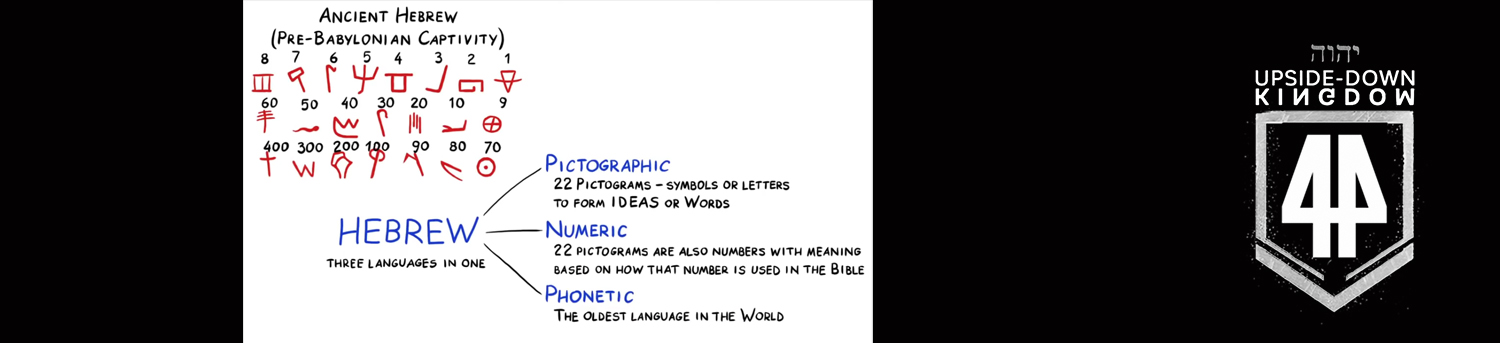
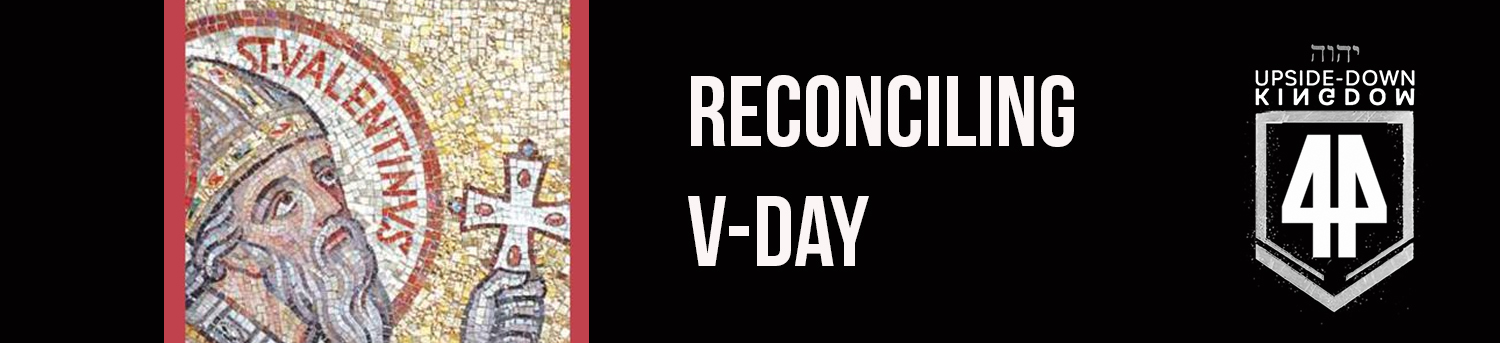


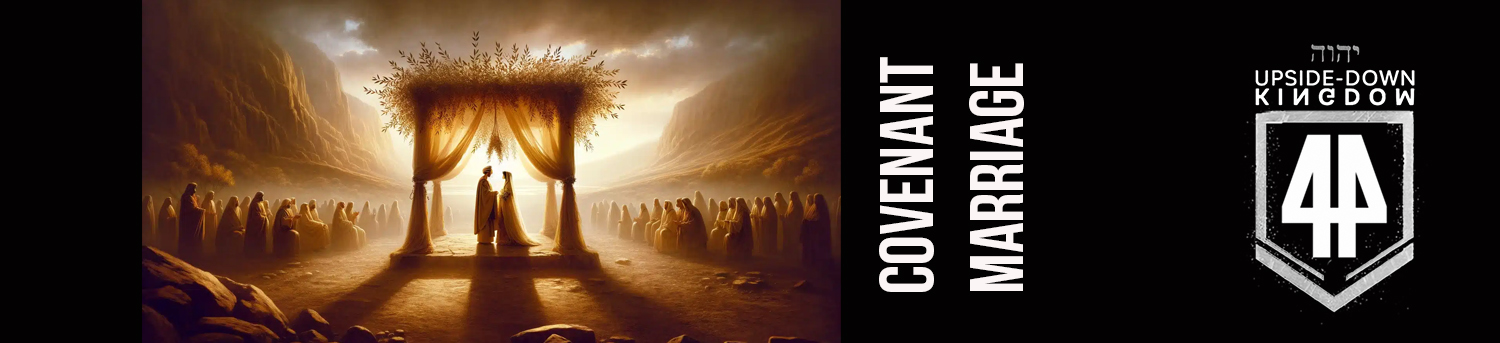


 EXPEDITION 44