One of the most well-known Evangelical Seminaries in the world has agreed to be acquired by a Canadian university and move to British Columbia, the school’s leaders announced Tuesday. The move comes after years of financial and theological struggles resulting in declining attendance at Trinity Evangelical Divinity School—known as TEDS—an Evangelical Free Church Seminary. [1]
To those that are in the theology world, this announcement comes as no surprise. Over the last 10 years Trinity (TEDS) and the Evangelical Free Church of America has moved towards a reformed bend in their theology which I and many others would say continues to be the source of their demise. [2]
The Baptist convention is also unfortunately figuring this out over the last few years. [3] Reformed theology leads to Calvinism and those that understand the dilemmas involved with accepting the tenets of these views arguably can’t reconcile them with a Biblical character of God. [4] Many educated young people have walked away from Christianity altogether not being able to reconcile the nature of a loving God with these theological views. This is particularly unfortunate to the rest of the non-reformed world because it is an identifier that those leaving the faith didn’t comprehend that there were several other constructs of Christianity besides reformed theology. [5] According to Barna, less than 31% of all Christians in the US consider their theology to have some kind of reformed perspective (TULIP), yet reformed theology attempts to convince the rest of the world that their view is the only Biblical view. [6] This notion is killing evangelical Christianity and making people walk away from Jesus. We need to do better.
There are several reasons why reformed theology has been identified as a less Biblical interpretation of the scripture. [7] Along with not reconciling the Biblical character of God in core views of the belief such as Penal Substitutionary Atonement and hardline views of eternal conscious torment there are many other objections. [8] Calvinistic soteriology can lead to a misapplication of scripture and a misunderstanding of its storyline, such as predestination as an example of a concept that is not clearly supported by scripture. Perhaps the bigger problem is trying to position the Bible to say what you want it to say rather than exegetically and faithfully reading it for all it is worth. [9] The doctrine of total depravity and/or original sin which states that humans are inherently sinful and incapable of choosing God, can be seen as a denigration of human nature and a disincentive for personal responsibility. [10] Other critics argue that Reformed theology confuses the gospel of grace by bringing the law into sanctification and hedging on eternal security. [11]
Over the last 10 years I have watched other respected graduates of TEDS also become concerned such as the esteemed New Testament scholar Scot McKnight. [12]
Graduates of TEDS include the disgraced evangelist Ravi Zacharias, Christian television host John Ankerberg, and Collin Hansen, editor-in-chief of The Gospel Coalition. Longtime professor Don Carson also was one of the founders of The Gospel Coalition (a reformed organization), helping launch the so-called Young, Restless and Reformed movement that led to a Calvinist revival among evangelicals, but is now seeing a great demise. [13]
In the end, the theology of the reformation is quite problematic and rather unbiblical by most scholars’ opinions. [14] Since the 1980s the reformed movement has thrived through the support of great rhetorical spokesman such as the convincing late RC Sproul; but the world isn’t buying it anymore. For the first 1800 years of Christianity those ideas were unfounded, and of late, generations x,z, and millennials aren’t buying it either.
Most Christians today aren’t accepting the spoon-fed dogma; we need the text to exegetically be in harmony with the overall lens of the Bible. We demand a better Biblical theology. And that is a very good thing! As the average Christians become scholars, they need to be taught better theology in the church from the pulpit, or they are simply going to leave the church to find a better way. The next generation isn’t going to just take “the pastor’s word for it” anymore, they are done with being duped by those they thought they trusted in the name of religion. If we can learn anything from the demise of one of the largest evangelical seminaries in the world this should be the point, we take away. Expedition 44 has long sense been a source of truth examining the overall lens of the Bible and how it should be viewed in harmony. The Kings Commision School of Divinity (https://tkc.education/) and several other great institutions such as AWKNG (Heiser’s School), The Bible Project. (Tim Mackie’s School), Eternity Bible College (Francis Chan’s School), Dr. Jordan B. Peterson’s Peterson Academy and other similar institutions have changed the way that students engage. Did you notice what all of these schools have in common? They aren’t reformed! Out with the old (well newer -old reformational thinking), and in with the new.
Engage with the text. Dive in. Don’t merely be spoon fed. This is the core of the great commission – A deeper discipleship individually and communally.
DISCLAIMER: I am just going to warn you; this post is going to be all over the place. Squirrel – ADD post? But if you know me at all you likely are used to this sort of thing and might even still “love” it. Either way, hang in there, it all comes together in the end.
If you have been around Christianity for much time at all you have probably seen a ceremonial ram’s horn or shofar and wondered what it meant. I’ll admit, the average Christian is confused about the Old Covenant and what from it might still be relevant to them. In fact, most Christians don’t really know what to do with or what to make of anything “Torah” related. To most modern Christians, “relics” left over from the ancient world just seem a bit weird when brought back into modern Christianity. [1] However, I believe the still serve a great purpose.
SHOULD CHRISTIANS STILL OBSERVE TORAH?
Is there a place for these things (relics) or even the “Torah as law” to modern Christianity? I could spend pages making great arguments to several different views, but I will just leave you with a couple sentences that summarize my basic thoughts. Are you asking the right question? First, Jesus followed the Torah to the fullest extent, and we are to be like Jesus. Second, if the Scriptures show that Paul, an apostle personally trained by Jesus, was still Torah observant some 25 years after his conversion (and the adoption of the New Covenant) doesn’t that mean something? Yet on the flip side, Jesus’ death and resurrection clearly released us from the law, it came right from Paul’s mouth himself and not just once but three times in Galatians, Romans, and Ephesians. Sounds like something important enough to state 3x over. Is Paul confused? Nope. So, then we have other things to consider. The Torah was essentially a stop gap to keep people of Yahweh righteous and on track until the Messiah could reconcile things left undone within the Old Covenant. It was given to “better” keep people on track. Couldn’t we still use that today? The weird thing is Torah (law) could never fully be followed; the goal was to simply follow it the best you could. Some would even say it was similar to a speed limit today. It was to be “loosely” followed. It was more about the heart. But if God gave it as a “recipe” to stay in devotion to God before the cross it might still, at the very least, be a good idea or practice for us today.
THE SYMBOLS OF THE TORAH
The Shofar is just one of the many symbols of the Torah. Christianity has several symbols and the one you likely understand the most in the New Covenant is the cup and the bread of communion. It is a symbol that should remind you of a great deal of what you believe. It is a remez. Remez is a Hebrew word that means “hint” or “suggestion.” In the context of the Bible, remez refers to a teaching technique where a word or phrase hints at something more profound, often pointing to a larger scriptural context such as an entire teaching. Jesus used this a lot. Think of it as saying a word that brings foundation to many things that would be basic to the belief you’re addressing that encapsules all things to be considered. You might think of a shofar the same way, a basic remez of covenant. Here are a couple of the verses that talk about the shofar that I want to make note of and consider.
Also seven priests shall carry seven trumpets of rams’ horns in front of the ark; then on the seventh day you shall march around the city seven times, and the priests shall blow the trumpets. Joshua 6:4 NASB
How blessed are the people who know the joyful sound! O Lord, they walk in the light of Your countenance. Psalm 89:15 NASB
What is the cry of the shofar? It is the sound of sanity in a world gone mad. God enters the tragic nothingness of human life and proclaims unity (covenant) with Him in the Torah, which is not, by the way, simply the list of 613 commands. The Torah is the narrative of all these men and women who encounter the abyss, who tread the path of annihilation and meaninglessness but still find a God who cares. Hear the shofar and rejoice. [2] The shofar should be a symbol that reminds (remez) you of covenant faithfulness both old and new. Why we have decided to regularly practice communion but have mostly put aside other reminders of our covenant such as foot washing and the shofar (and possibly others) are beyond me. Too many have forgotten the shofar, and I think we would do well to bring it back.
BAD GRAMMAR MYSTERY
Joshua 6:4 is interesting, as it is a grammatical nightmare. There are a few places in the Old Testament where we find what appears to be poor Hebrew grammar, albeit mostly strategic, and this is one of them. I don’t want to get off here, but it is interesting so I will take a moment – The numeral 7 in Hebrew is the word shiva. Almost all Hebrew nouns have a gender form, in this case, the masculine form ends in the letter chet; the feminine form ends in ayin. In most cases, according to Hebrew grammar, the ending of the numeral matches the gender of the modified noun. So, if the noun (like trumpets or day or times) is masculine, the numeral is masculine; if the noun is feminine, the numeral is feminine. Thats just basic Hebrew grammar. But in this verse, it is different. It resembles someone that doesn’t know English trying to say a sentence where the pronouns don’t line up. The word for “seven” is feminine, but the plural noun has a masculine ending, similarly, the word for “day” is yom, a masculine term, but the term for “seventh” is in the feminine form. essentially “seven times,” is all mixed. “Times” is paʿamim, the plural of paʿam, a masculine noun. But here the word for “seven” is feminine. It looks like a hot mess. As I mentioned before, we have seen this in other places in the Bible such as Joshua 1:8 and Genesis 1:26 and both do the same thing, but it becomes a recognizable word play. The problem is that this one is a mystery to everyone. It doesn’t seem to make sense. What do we do with it? I don’t know. It is very strange singular instance – perhaps a mystery. Hidden code, deeper meaning, scribal mistake (highly doubtful.) I have a notion, but I am going to keep it to myself. You will have to figure out your own solution.
ABOUT THE SHOFAR
The shofar is blown in synagogue services on Rosh Hashanah and at the end of Yom Kippur; it is also blown every weekday morning in the month of Elul running up to Rosh Hashanah. [3] Shofars come in a variety of sizes and shapes, depending on the choice of animal and level of finish. [4] The first instance we have is in Exodus 19, the blast of a shofar emanating from the thick cloud on Mount Sinai makes the Israelites tremble in awe. The shofar was used to announce the new moon [5] and the Jubilee year. [6] The first day of Tishrei (now known as Rosh Hashana) is termed a “memorial of blowing”, [7] or “day of blowing”, [8] the shofar. Shofars were used for signifying the start of a war. [9] They were also employed in processions [10]as musical accompaniment, [11] and were inserted into the temple orchestra by David. [12] According to the Talmud, a shofar may be made from the horn of any animal from the Bovidae family except that of a cow, [13] although a ram is preferable. [14] The one who blows (or “blasts” or “sounds”) the shofar is termed the ba’al tokeah or ba’al tekiah (lit. “master of the blast”). Being a ba’al tekiah is an honor as He represents the covenant community of the Lord.
MEANINGS OF THE SHOFAR
As, I mention earlier, the shofar is a symbol of remez that should remind people of many Biblical things. In biblical times it was a reminded of covenant with Yahweh. If I had to pick one definition that is what I would go with. But it symbolizes a lot more than that. The Shofar has been sounded as a sign of victory and celebration from battles of ancient antiquity to modernity. For instance, Jewish elders were photographed blowing multiple shofars after hearing that the Nazis surrendered on 8 May 1945. Because of its inherent ties to the Biblical Days of Repentance and the inspiration that comes along with hearing its piercing blasts, the shofar is also blown during prayer services called during times of communal distress. [15] On Yom Kippur, jubilee years, and New Year’s Day the shofar is often sounded. At times of victory the shofar is sounded. At special days such as to announce sacrifice, the shofar is sounded. The shofar was commonly taken out to war so the troops would know when a battle would begin. The person who would blow the shofar would call out to the troops from atop a hill. All of the troops were able to hear the call of the shofar from their position because of its distinct sound. As you see, it carries varied meaning. Once my son blew it in the middle of the day and naturally our entire family congregated to the living room, asking what was happening. In Bible times, that was the natural response… something was happening, and it had to do with Yahweh!
The shofar has always been a sign & symbol of those in covenant community with Yahweh. It has also been a sound that signifies an alignment with Him. It may be seen as a symbol or representation of desire, recognition, or praise from humanity to our covenant father.
Hebrew: יום תרועה, lit. ‘yom teruˁah’, Numbers 29:1
Joshua 6:4; Judges 3:27; 7:16, 20
2 Samuel 6:15; 1 Chronicles 15:28
Psalm 98:6; compare Psalm 47:5
Psalm 150:3
Rosh Hashanah, 26a. Although Maimonides ruled differently (Mishneh Torah Hilchot Shofar 1:1: “…the shofar with which they make the blast, whether on Rosh Hashanah or the Yovel, is the curved horn of sheep. Now all [other] horns are invalid, except the horn of a sheep…”), the custom of Israel was to make use of other horns, and not only that of the ram (the male sheep). Some would use the horn of the wild goat (Walia ibex) on Rosh Hashanah, while others made use of the long, spiraling horn of the kudu antelope because of its deep, reverberating sound. Compare the teaching of Rabbi Isaac b. Judah ibn Giat, who wrote: “All shofars are valid, excepting that of a cow since it is a [solid] horn. Said Rabbi Levi: ‘The shofar of Rosh Hashanah and of Yom Kippurim are curved, while those of the entire year are straight, and thus is the Halacha.’ Why is it that they blow with a shofar of a ram on Rosh Hashanah? Said the Holy One, blessed be He: ‘Blow before me the shofar of a ram so that I might remember on your behalf the binding of Isaac the son of Abraham, and I impute it over you as if you had bound yourselves before me.’…” (Rabbi Isaac ibn Giat, Sefer Shaarei Simchah (Me’ah She’arim), vol. 1, Firta 1861, p. 32 [Hebrew])
I have written a trifecta of posts on edification recently: POST 1POST 2POST 3
One of the basic tenets of our faith walk is work. Work was intended to be a beautiful relational covenant between us and the LORD. At the fall in the garden it turned to toil and Christ set the standard to redeem and reconcile it back to Him through work itself. Through our free will choices we are offered to work back into covenant with Him. The reciprocal dance of grace I describe in my book This is the way to covenant community describes some of the mindset that it takes to return to this circle of grace.
In the edification texts Philippians 2:12 becomes paramount: work out your own salvation with fear and trembling.What does that mean? Let’s put the fear and trembling on the shelf for a minute and focus on the work.
In Greek the word is ergon (noun) and ergazomai (verb). That is where we get our English word ergonomics from. Work ethic is a belief that work and diligence have a moral benefit and an inherent ability, virtue or value to strengthen character and individual abilities.[1] Desire or determination to work serves as the foundation for values centered on the importance of work or industrious work. Social ingrainment of this value is considered to enhance character through hard work that is respective to an individual’s field of work.[2]
We have the ability to shape in some ways who we are by our work.
In ancient Greece, work was seen as a burden, and their term for it, ponos, shared its root with the Latin word poena, signifying sorrow. In Hebrew, work was associated with toil, representing the laborious act of extracting sustenance from the challenging earth.[3][4]
I will challenge you with a lens you may have ever considered though. In our world, “work” always leads back to the father. God introduced us to work, and God’s handiwork is seen in every aspect of creation. But too often we forget that God’s covenant is still at work in every moment and every detail of His Creation (John 5:17). Since work is an extension of the active God, there is no discrepancy between “faith” and “works.” [5] One is simply a reflection of the other. “Work” was intended to be lived out in a sense of the Hebrew avodah, the harmony of partnered effort, service and worship. If your work isn’t working to return to avodah then it is void and leads only to toilsome emptiness.
So what does it mean to work this out? We can’t work for our salvation, but we can work from it. We aren’t saved by our good works (Eph. 2:8-9), but we are saved for good works (Eph. 2:10). This is the sense in which Paul uses the term. Salvation is spoken of in multiple senses in the NT: justification, sanctification, and glorification. [6] It is ongoing, a journey, an expedition that you aren’t saved from but are saved for. It isn’t a line on the sand to attain to. Your work is God’s calling to you to demonstrate His sovereignty in your life, His character in your actions, His holiness in your choices. You are the manifestation of his image. So, work it out carefully. It isn’t a get fit quick scheme, it is a recipe for life.
What about the fear and trembling part? Well, the reformed camp wants to see wrath here. Something like Chaim Bentorah describes as -“At first reading, it seems we are to serve the Lord with fear, that is we must be cautious and very careful because if we blow it, God will crush us with His thumb.” [7] I don’t see that and neither does he. What I can say for sure is that this isn’t a phrase to make you constantly earn your keep in the kingdom or sit around trying to determine once saved always saved theology. If you stuck there, my best advice would be to move forward. In theology whenever one text doesn’t seem to be clear the general rule is to ask what other similar texts say. This should lead to textual agreement.
I can’t say it any better, so here is where Chaim takes us: Psalms 2:11: “Serve the LORD with fear, and rejoice with trembling (Ra’ad).”
To fear God is to show respect for His position and the role He plays as the creator of the Universe. So we serve the Lord in recognition of his position as God. Sometimes we take our service for God lightly, like it is a favor for an old buddy. When we serve God we must always keep in mind His position as the creator of the universe and if he asks some service from us, it is an honor and a privilege and a service we take very seriously, with all our hearts. To be chosen to serve the God of the universe should bring us joy and cause us to tremble. Is that to tremble with fear. Maybe, we do not want to fail the God we love so we fear we will not live up to the job. But you know that word ra’ad is a trembling alright but it may not have to be fear. The idea behind ra’ad is losing control. If you lose control of your body, it may tremble. But there are other forms of losing control. Ra’ad can be losing control of your will, that is giving control of your will to God. Thus if you serve the Lord out of respect for His office as God you will rejoice for you need not fear failure if you are yielding your will and strength to Him, that is giving Him complete control over the task you are performing for Him.
When you think about trembling in this context it is beautiful. It is the sense you get when you work out a muscle so much that it begins to tremble. It’s that hurt that feels so good because it means your there! Have you ever felt that in your covenant circles? What it feels like to pour into people in your life so hard that it results in trembling before the lord? Have you ever felt the radiance of the sovereign Jesus shining down on you so brightly that you could just simply stand back and take in the moment? Thats the kind of work that returns us to Eden and beyond.
What is freedom? This word often gets thrown around in an American nationalistic sense which sometimes makes me cringe; but what does it really mean to be personally free? In the West, our conception of freedom has been extended to include a doctrine of entitlements and rights no prior civilization could have imagined. When we turn our thoughts towards scripture, the first verse that probably comes to mind is John 8:36 – “Therefore, if the Son shall make you free, you shall be free indeed.”
The thrust of this is found in two Greek words, eleutherose and eleutheroi. Whenever words seem to rhyme or present a “play” we need to focus on intent. What is happening in the text? When you follow the root words on any good interlinear you might find a better reading to say “if the Son shall make you unconstrained and independent, you really will be liberated”. But my question then would be from what? What exactly are we to be liberated or unconstrained from?
Our primary motivation should be to be like Christ. Yet in Philippians 2 we find that Jesus’ definition of “freedom” is giving up all His rights and becoming an obedient slave to the will of the Father. That doesn’t sound much like our nationalistic or entitled version of freedom. Essentially Jesus makes us free to live under the authority of God not the rulers of this world or principalities. The liberty is mine to humbly live a sacrificial life.
A good friend of mine redefines what this freedom means: “Freedom is no longer living under the constraints of this world. No longer being subject to its conditions. No more “to do” lists in order to earn self-worth. No more shackled to the wheel of success. No more need to look out for Number 1. Jesus makes you free to put all of that aside and live in the hope of God’s unwavering faithfulness. That’s exactly what he did. No power on earth controlled him. He was free to let his life be completely under God’s authority no matter what the earthly consequences because he knew that he was independent of this world and liberated from its weight.” [1]
Kenotic Christology
Before I continue with freedom, I need to touch on some theology in Phillippians 2. I have always held to my own view of Kenotic Christology which is based on the Greek word kenosis, which means “to empty.” It’s used in Philippians 2, which reads:
Let the same mind be in you that was in Christ Jesus, who, though he was in the form of God, did not regard equality with God as something to be exploited, but emptied [kenosis] himself, taking the form of a slave, being born in human likeness. And being found in human form, he humbled himself and became obedient to the point of death–even death on a cross (Phil 2:5-8).
Greg Boyd sets the stage for us well, “Jesus, being divine, did not cling to his equality with God, and it is for this reason that he was able to become a full human being. In the words of Paul, he “emptied himself” so that he might come in “the form of a slave” and be “born in human likeness.” By contrast, if Jesus continued to use all the divine attributes, as the classical Christology holds, one has to wonder what exactly Jesus “emptied himself” of. Moreover, if Jesus retained the exercise of his omniscience, omnipotence and omnipresence, one has to wonder how he could be affirmed as being fully human.” [2]
Kenotic Christology is the idea that the Son of God, God the Son, the Word/Logos, voluntarily decided to “set aside” (or retract) his attributes of glory and power in becoming incarnate as the boy and man Jesus Christ and function throughout his life on earth as a human being, not using his attributes of glory and power or even knowing about them except through revelation from his heavenly Father and the Holy Spirit. [3]
The New Testament does not use the noun form kénōsis, but the verb form kenóō occurs five times (Romans 4:14; 1 Corinthians 1:17, 9:15; 2 Corinthians 9:3; Philippians 2:7) and the future form kenōsei once. [4] Of these five times, Philippians 2:7 is generally considered the most significant for the Christian idea of kenosis.
Philippians 2.6-11 is often known as the “Philippian Christ Hymn.” I will admit that this text is also notoriously difficult to translate, especially verse 6 and 7a, because of rare vocabulary and unusual grammatical constructions. Crispin Fletcher Louis wrote a 900 page work entitled, The Divine Heartset: Paul’s Philippians Christ Hymn, Metaphysical Affections, and Civic Virtues (Wipf and Stock 2023) is worth a look if you’re a scholar. [5] He takes a slightly different view on the text which is intriguing and convincing, some of which I have adopted.
BACK TO FREEDOM
I wrote earlier this week on edification. It is rather ironic that starting this work was completely unrelated yet somehow it connects. I always love it when I am surprised by Jesus in this way. There is a temptation as we study this passage to remove it from its context and treat it as a passage on Theology. But we must remember the basics of hermeneutic interpretation. How would this have been interpreted by its intended audience? Ray Steadman reminds us that “The passage is set against the background of two quarreling ladies in the church at Philippi. That quarrel was threatening to destroy the unity of the whole church. The apostle has made it clear that the secret of maintaining unity is humility. Wherever there is contentiousness, it is a revelation of the presence of pride. Pride, whether in a single individual life, in a family, a church, in government, or a whole nation, always destroys, divides, sets one person against another, perpetuates conflict, breaks up marriages and partnerships and unions of every sort.” [6]
Building up and tearing down (relationally working out) create deeper relationships and covenant intimacy. Often when two good-willed people come together with disagreements but take on the mind of Christ, the result is beautiful. It will result in deeper understanding and love than before. That is what the apostle is wanting for these two ladies in Philippi and those in the church who were taking sides with them. That points to enabling covenant freedom. This is in part what our commission is -a holy nation to re-knew the earth.
Duke Taber bring’s this together well, Philippians chapter 2 serves as a powerful reminder of the transformative power of humility, unity, and selfless love within the Christian community. As I reflect on Paul’s words, I’m challenged to cultivate a mindset that mirrors Christ’s humility and obedience, putting others’ needs before my own and actively pursuing spiritual growth.
By holding fast to God’s Word and joyfully serving others, I can shine as a light in this world, pointing others to the hope and love found in Christ. The examples of Timothy and Epaphroditus inspire me to love sacrificially, even when it’s difficult or risky.
As I strive to live in a manner worthy of the gospel, I find comfort in knowing that God is working in me, providing the desire and strength to fulfill His purposes. By embracing humility, unity, and selflessness, I can experience the deep joy and fellowship that comes from walking in step with Christ and His church. [7]
The Bible recognizes that self-rule is blindness. Self-rule denies the sovereignty of God. Self-seeking existence leads to death. So, submission to God’s rule leads to life. To surrender to God is freedom – freedom from the tyranny of self, from the futility of self-seeking and from the results associated with a life bent on its own control. There is no idea of self-determination in Hebrew thinking. There is only submission or rebellion. [1]
Therefore, encourage one another and build one another up, just as you also are doing.
-1 Thessalonians 5:11 NASB
Ever get tired of repetition? Maybe tired of working out spiritual areas of your life? Would you rather run from toxicity than be healed? Some things in life take hard work, dedication, and repetition. The Bible uses the term “building” to describe the restoration of the body.
“Generally, relationships build by a process of reciprocal self-revelations. One individual takes the leap and reveals some intimate material; thereby placing himself or herself at risk; the other closes the gap by reciprocating in kind; together, they deepen the relationship via a spiral of self-revelation. If the person at risk is left hanging without the other reciprocating, then the friendship often flounders.” [1] Since the garden, covenant relationships were meant to be intimate and reciprocal. They aren’t simply a series of singular occurrences; they are series of repeating the same basic gesture: edification. Edification (in part) is transforming conflicts or difficulties into beautiful deeper relationships within a covenant dynamic of relational understanding.
Transparency is critical in covenant. The word transparency isn’t found in the Bible, but numerous Scripture passages exhort Christians to live holy and blameless lives in this way (Eph. 4:25, Ps. 139:23–24 , 1 Pet. 2:12, Heb. 4:13, 2 Tim. 2:15, Phil. 2:15, Prov. 28:13). Jesus says, “Whoever follows me will not walk in darkness but will have the light of life” (John 8:12). Transparency is living our lives reflecting Jesus’s light as we acknowledge our need for gospel reminders, accountability, and repentance. [2]
Living in the light is transparency.
Parakaléō, means “to encourage” or to “come alongside”. But Paul is Hebraic, the Hebrew equivalent is nāḥam, a word that expressly involves God’s comfort divine encouragement, or heart. In context he then uses oikodoméō to affirm that this is a work of the spirit. Therefore, we are the hands and feet for the building up divinely by God in those around us.
The reason that edification within the church is such a difficult conversation is because so many have been wounded or scarred through a church initiative or person “in charge.” Or maybe they have been convinced that appreciation shouldn’t be needed by a person if your heart is serving the Lord. But there is a great disconnect with that way of thinking. In other words, churches are supposed to be a great source of edification, yet they sometimes accomplish the exact opposite in one’s life. We sure like to point fingers at the ones in charge but more often than not, it is the body hurting the body, which I admit is a sign of poor shepherding from all directions; in a better context shouldn’t each member of the body be shepherding and building each other up in Christ? Shouldn’t our light be by example?
Psychological and spiritual wounds are particularly scarring. Another’s words or action can turn the wound into a life-long necrosis. [3]
Robert E. Webber, used to say, “The road to the future runs through the past.” [4] I call my TOV initiative a first century church, but to be frank, we can’t go back to first century Christianity while living in modern America, nor do I even really want to. What I mean is that we can learn from it and take back the good that has been lost, but they still had some of our similar modern problems. In many ways we have progressed but in other ways also declined as the greater church body. I want to regain the foundations of Jesus that seem so lost in modern day American Christianity, I want to get back to the body of Christ before the wedding of the church with imperial power. “This kind of early Christianity was characterized by a commitment to peace, the practice of patience, and a holy ambivalence toward the tawdry politics of empire. In this era the church was not obsessed with “changing the world,” rather it was content to simply be the world as already changed by Christ.” [5]
Edification is the fruit of a church that lives out Jesus.
Now, to be honest I am not a huge fan of the word edification. In I Thessalonians 5:11, Ephesians 4:12, and many other places in the Bible we read the term ‘edification’ instead of “building up.” The word edification didn’t even begin to be used in conversational English until the mid-17th century. The reason I cringe is because in modern English it sounds more like cheerleading than anything else, and although there is a place for encouragement, it is a bit different (but also necessary.) Oikodome denotes the act of building – ‘oikos’ meaning house and ‘demo’ meaning to build. It is used only figuratively in the New Testament, in the sense of edification and the promotion of spiritual growth. Romans 14.19, 15.2; and 1 Corinthians 14.3 are some examples of this building up. The word is also used earlier in Ephesians when Paul is describing how we are one in Christ, one in the body of Christ in chapter 2, starting in verse 19:
19 Now, therefore, you are no longer strangers and foreigners, but fellow citizens with the saints and members of the household of God, 20 having been built on the foundation of the apostles and prophets, Jesus Christ Himself being the chief cornerstone, 21 in whom the whole building, being fitted together, grows into a holy temple in the Lord, 22 in whom you also are being built together for a dwelling place of God in the Spirit.
It’s interesting that word is used for foundation as well. Edification refers to the process of building up oneself and others spiritually through biblical understanding, knowledge, wisdom, faith, discipleship, sanctification, and devotion to God’s word. It is discipleship. Encouragement (cheerleading) I think also has a place for the Christian, but involves offering support, confidence, and hope, while edification refers to the act of building up or strengthening, particularly in a spiritual or moral sense. Both are essential for fostering spiritual growth and unity within the body of Christ. [6]
Conflict is a natural part of life, an unavoidable concomitant fact of life. It is an opposing interest that occurs in human relationships. The Bible provides a rich tapestry of teachings on conflict resolution, emphasizing love, forgiveness, humility, and justice. By adhering to these principles, believers can navigate conflicts in a way that honors God and fosters peace within the community.
One of the core messages of the Bible is reconciliation. God’s desire for reconciliation with His people is at the heart of the gospel, and this same principle applies to how we should approach conflicts within the church. Matthew 18:15-17 offers a clear roadmap for resolving interpersonal disputes within a community, emphasizing the importance of addressing conflicts directly and seeking to reconcile rather than harboring resentment. [7] But as simple as it seems, most Christians don’t walk it out well. Biblical peacemaking goes beyond resolving conflicts—it’s about healing relationships and aligning them with God’s will. It’s a journey of faith, obedience, and transformation rooted in God’s grace and wisdom.
Glorify God: Use conflicts as opportunities to trust and honor God. Trust the spirit to turn ashes to beauty. Walk in biblical principles of covenant.
Get the Log Out of Your Own Eye: Engage in self-reflection to understand and admit your role in conflicts. Be sacrificial and humble putting others in front of yourself.
Gently Restore: Approach others with a spirit of love and restoration. Accept correction and pray for a spirit of shepherding. Apply grace, compassion, and mercy, these are of the Lord. Don’t keep record of wrong. Sometimes restoration of trust takes time, but work towards it.
Go and Be Reconciled: Seek genuine forgiveness and reconciliation. Work towards restoration. Walk in reciprocal grace. Be a shepherd and be shepherded be the greatest and the least of these both.
Matthew 5:9 says, “Blessed are the peacemakers, for they will be called children of God.”
Philippians 2:3-4 says, “Do nothing out of selfish ambition or vain conceit. Rather, in humility value others above yourselves, not looking to your own interests but each of you to the interests of the others.”
Proverbs 19:11 says, “A person’s wisdom yields patience; it is to one’s glory to overlook an offense.”
Colossians 3:13 says, “Bear with each other and forgive one another if any of you has a grievance against someone. Forgive as the Lord forgave you.”
Jesus teaches us to seek reconciliation before engaging in worship or offering sacrifices (Matthew 5:23-24). Ephesians 4 also helps us in realizing that there is an immediacy to these actions. Reconciliation involves acknowledging wrongdoing and seeking forgiveness, as well as restoring the relationship between the parties involved. In 2 Corinthians 5:18-19, it is stated that God has given us the ministry of reconciliation, and that through Christ, we can be reconciled to God and to one another.
Reconciliation is not only important for restoring relationships between individuals, but also for building and maintaining strong covenant communities. The apostle Paul urged the first century communities to live in transparent harmony with one another, to bear with each other’s faults, and to forgive one another, just as Christ forgave them (Colossians 3:12-15).
That’s the part I want back! Time to get some more reps! Time to build.
Irvin D. Yalom, Staring at the Sun: Being at peace with your own mortality
Cultivating a Culture of Transparency in Your Church by James Choi
Hurtful Words Quotes: Powerful Phrases to Help You Overcome Verbal Abuse Hurtful Words aasem.org
In Hebrew the word Berith is nearly always translated as the English word Covenant. What is the meaning of the word covenant in Biblical context? The word covenant according to more than 40 biblical authors spanning 1500 remains consistent. In most situations the word takes on a pledge or an alliance, coming from the Semitic root word barah which means to bind, to cut and to break (bread). You might raise an eyebrow at the inference of bread, but if you are a covenant keeper you will immediately go to the elements of communion as a symbol of covenant. The idea goes back thousands of years when “deals” or “agreements” were made over the breaking of bread, which meant sharing a meal together. Today in the Middle East you might still find such a ritual.
Chaim Bentorah reminds us that, “When David said in Psalms 23:5: “Thou preparest a table before me in the presence of mine enemies:” he was making a reference to reconciliation with his enemies for when you had a meal together it was to talk peace. Eating a meal together was an excellent opportunity to negotiate terms of a berith or covenant. It was also an excellent opportunity to off your enemy by slipping a little poison in his food. Thus, to share a meal with an enemy was the ultimate in a good will gesture. You were showing that you trusted this enemy’s intentions for peace enough that you would stake your life on it believing he would not poison you.” [1]
However, in other Middle East cultures we see pacts or covenants were made by passing between cut pieces of flesh of an animal sacrifice.[2] In the Old Testament, the English phrase “make a covenant” is most often a translation of the Hebrew kārat berît, which literally means “cut a covenant.”[3] The verb kārat means “cut off, cut down,”[4] and the noun berît means “covenant,”[5] similar in meaning to the words pact, compact, treaty, alliance, and league. While other Hebrew verbs are sometimes used with berît, such as qûm (“establish” or “confirm”) and nātan (“give”),[6] kārat occurs ninety times in the Hebrew Bible in reference to making covenants.[7]
In the Ancient Near East, it was common for two people to make a covenant by cutting animals in half, splitting the halves, and then walking in between the pieces to make an oath. By walking between the split animals, each person was swearing that if they broke their part of the agreement, they would meet the same end as the sacrificed animal. [8]
In evangelicalism, there is a lot of talk about conditional and unconditional covenants; however, when you really dive in, you are going to find that every covenant has an element of conditionalism to it. I will even say, there really is no such thing as an unconditional covenant. In the dance of Grace, every amazing action is met with a reciprocal and similar reaction. [9] Ben Witherington shares, “covenants while many were unilateral, were almost always conditional in nature. This is the very nature of a covenant with stipulations, which if they were not kept, the suzerain had obligated himself to enact the curse sanctions. Thereafter, it was up to the suzerain to decide whether even to do another covenant or not. Fortunately for us, the Biblical Suzerain, our God, has chosen to continue to re-up, either renewing (some of the OT covenants), or in the case of the new covenant, starting afresh with a new covenant, which promised to be more permanent.” [10] Witherington uses the terminology, “more permanent” to show that our English idea of “unconditional” leaves us a little short.
If your wondering about God and animal sacrifice. You are probably heading in the right direction. My Friend Greg Boyd has an excellent write up here. Animals were sacrificed not because God needed them to forgive people but because his people needed them to remember the death consequences of sin and to therefore repent when they’d broken covenant with God. God meets them in their broken culture of animal sacrifice and eventually turns it towards His good. Later in Israel’s history, when people began sacrificing animals without repenting in their hearts, the Lord told them (through prophets like Isaiah, Hosea and Amos) that he despised their sacrifices, for they are meaningless without a change in heart. [11]
But it is easy to miss the point by simply studying ancient near east culture. You see Yahweh didn’t want to simply be another god to Israel, or do what the other gods were doing. The other gods acted in mutual agreement they wanted something physical from the people. John Walton reminds us that, “Typically, both parties to a contract, treaty or similar legal agreement could expect to benefit from their commitment. It is not at all clear that the Biblical text wants its readers to believe that Yahweh will receive some benefit from this relationship with the Israelites that he would not otherwise be able to obtain. The text speaks of great benefit awaiting the Israelites for their consistent obedience to their covenantal obligations. For Yahweh’s part, his actions do not appear to be based in self-interest but in a willingness to be gracious and to extend freely his blessing.” [12]
So, what does God get out of it? A relationship with us. Sound underrated? Maybe. But it goes back to the dance of Grace I have written so much about in my series “this is the Way.” The story of the Bible is that for some reason, this is what God desires more than anything and will stop at nothing to come back into a free will love relationship with his created beings. It is incomprehensible to our broken minds. This is the standard of covenant that we are then asked to live out to others.
As you could study covenant to many different levels, what I am really leaning into is the fundamental Biblical theme that God wants to partner with us. In the garden God offers to walk intimately with his treasured possession to reign and rule, keep and cultivate reconciling all of His creation to His glory. That first covenant was quickly broken but it doesn’t stop God from being the way maker. The story of the Bible is God’s plan to not only bring back the intimacy between man and maker in the garden but even surpass it that we might bear His very image, and kingdom kinship completely reconciled and “then some” in a recreated heaven and earth.
This partnership wasn’t merely intended for a husband and wife, although that become the biblical metaphor for such an image, but for every biblical relationship. God’s plan was for all of his relationship to be in covenant together. What does this mean? I guess you will need to wait for part three.
Francis Brown, S. R. Driver, and Charles A. Briggs, The Brown-Driver-Briggs Hebrew and English Lexicon: With an Appendix Containing the Biblical Aramaic (Peabody, MA: Hendrickson Publishers, 2000), 503.
Brown, Driver, and Briggs, Hebrew and English Lexicon, 136.
Warren Baker and Eugene Carpenter, The Complete Word Study Dictionary: Old Testament (Chattanooga, TN: AMG Publishers, 2003), 166.
According to a search of the text of the Hebrew Bible in The Scriptures: CD-ROM Resource Edition 1.0.
See how “covenant” is italicized (added by translators) in 1 Samuel 11:2; 20:16; 1 Kings 8:9; 2 Chronicles 5:10; Nehemiah 9:38; and Isaiah 57:8.
The goal of gathering information on this topic is that it might be activated and transformed continually to you. “Do or do not. There is no try” [1] You are a minister of the order of the holy royal priesthood, and your primary congregation is your spouse and family. “Many of the truths that we cling to depend on our point of view.” [2] In a marriage you always think your perspective is correct, yet if you are in a covenant relationship your spouse, your primary covenant relationship is based on the Lord [first]. Therefore, the Holy Spirit is commissioned through your spouse to give you the gift of a divine perspective when you aren’t able to see clearly yourself. There are a lot of repercussions today of the modern church not understanding ancient covenant language that have affected our marriages, family, and the body of Christ. I think we need a return to covenant faithfulness, and it starts with each of us in covenant relationship before the Lord, then to our marriage, families and unto the ends of the earth by discipleship.
“You are worthy, our Lord and God, to receive glory and honor and power, for you created all things, and by your will they were created and have their being.” Revelation 4:11
“In the ultimate sense, your marriage has nothing to do with your spouse. It has everything to do with your relationship to Jesus Christ” (279). [3]
Ecclesiastes 4:9-12 states that two are better than one, as they can help each other and share the rewards of their labor. If one falls, the other can lift them up, but woe to the person who is alone when they fall.
Let all that you do be done in love. 1 Corinthians 16:14
Your marriage first has to be grounded individually in the love of Christ and then reflected towards your spouse. The word love in our culture is overworked and overlooked. An overworked word loses its meaning. An overlooked word has no meaning at all.
Love in the OT is a spontaneous feeling which impels to self-giving, to grasping that which causes it, or to pleasurable activity. It involves the inner person. Since it has a sexual basis, it is directed supremely to persons; love for things or acts has a metaphorical aspect. God’s love is correlative to his personal nature, and love for God is love first for his person and only then for his word or law. Yet even in the extended sense love has an element of fervor or passion except in the case of lesser objects. In the secular sphere love is for husband or wife, parents or children, friends, masters, servants, and social groups. This use is more common than the religious use and may thus be taken as the basis of interpretation. [4]
Does this come as a surprise that the Hebrew ahavah and its Greek correlate agape both have sexual roots? Consider for a moment that YHVH uses marriage and adultery as the paradigm examples of covenant relationship with Him. It’s all about intimacy, ecstasy, bliss, jubilation and euphoria. It should be the ultimate metaphor of Joy. Sex is likely the closest slice (or foreshadow) of heaven we will ever get, especially if it is performed in the light that God intended. I give “rapture” theology a hard time, but maybe we have similarly victimized agape by turning it into a set of proxy principles, a way of feeling religious virtue without ever taking off our clothes. Arm’s-length intimacy isn’t found in Scripture. We have learned to view love in an incomplete form, and anything outside of Christ is incomplete.
The primary word for love in Hebrew is ahavah (אַהֲבָה). Ahavah conveys both human and divine love. It appears in a range of contexts, from romantic love (e.g., Jacob’s love for Rachel in Genesis 29:20) to the covenantal love between God and His people (e.g., Deuteronomy 7:7–8). Ahavah emphasizes action and commitment. This is evident in Deuteronomy 6:5: “Love the LORD your God with all your heart, with all your soul, and with all your strength.” Here, ahavah signifies an all-encompassing devotion rooted in faithfulness and obedience. [5]
Another significant Hebrew term is chesed (חֶסֶד), often translated as “loving-kindness” or “steadfast love.” While not synonymous with ahavah, chesed communicates God’s covenantal loyalty and mercy, such as in Psalm 136, where the refrain declares, “His steadfast love endures forever.”
Together, ahavah and chesed demonstrate a love that is both relational and enduring. [6]
In covenant marriage, this multifaceted understanding of love calls for a life of devotion, selflessness, and community. By living out this love, we participate in the divine mission of bringing healing and reconciliation into our marriage, our families, and through discipleship, to the end of the broken world.
“[It is] a central scriptural teaching…that wherever anything wrong exists in the world, anything we experience as anti-normative, evil, distorted, or sick, there we meet the perversion of God’s good creation. It is one of the unique and distinctive features of the Bible’s teaching on the human situation that all evil and perversity in the world is ultimately the result of humanity’s fall, of its refusal to live according to the good ordinances of God’s creation. Human disobedience and guilt lie in the last analysis at the root of all the troubles on earth.” [7]
Consider now how frequentlyidolatry and sexual immorality appear in tandem throughout the biblical narrative (see Exodus 32, Isaiah 57:7-8, Hosea 4:12-14, 1 Corinthians 6:9-11, Galatians 5:19-21, Ephesians 5:5, Colossians 3:5, Revelation 2:14, 20, 21:25).
“The link between idolatry and sexual immorality is established by the frequent use of ‘prostituting themselves’ or ‘adultery’ to describe Hebrew idolatry [in the Old Testament]. Israel’s unfaithfulness to God was not only a form of spiritual prostitution or adultery, but it also led to the physical acts themselves.” [8]
Sexual sin is merely a symptom of something else. Everything is turned upside down—splintered, deformed, and henceforth, death-dealing to our spirituality. The Greek pornea primary definition is adultery, but it has a secondary meaning of idolatry. It was connected to sexual practices involved in pagan worship. Among pagans, temple prostitutes and group orgies were a reality. The prophets Jeremiah and Ezekiel also employ this metaphor. Jeremiah 3:6-9 describes Israel’s idolatry as harlotry:
“During the reign of King Josiah, the LORD said to me, ‘Have you seen what faithless Israel has done? She has gone up on every high hill and under every green tree to prostitute herself there.’ … ‘Because Israel’s immorality mattered so little to her, she defiled the land and committed adultery with stone and wood.'”
Similarly, Ezekiel 16 and 23 provide graphic depictions of Israel’s idolatry as adulterous behavior, emphasizing the betrayal of the covenant relationship.
The book of James further reinforces this concept by addressing the divided loyalties of believers.
James 4:4 states, “You adulteresses! Do you not know that friendship with the world is hostility toward God? Therefore, whoever chooses to be a friend of the world renders himself an enemy of God.”
Here, the language of adultery is used to describe the spiritual unfaithfulness of aligning with worldly values over God’s commandments.
Throughout Scripture, idolatry is depicted as spiritual adultery which serves as a powerful reminder of the exclusive devotion God demands from His people. It highlights the seriousness of idolatry, not merely as a breach of religious practice but as a profound betrayal of the intimate relationship God desires with His followers. [9]
Covenant and replacement Theology
This is not really a post on a particular theology, I don’t really subscribe to much of any boxes to check in that regard, but since you might be wondering, I will expound here briefly. It then becomes very interesting that many scholars would say that God eventually “divorces” Israel for her unfaithfulness paving the way for the New Covenant for all to be grafted into the “body of Christ,” the “church” as the “new” bride of Christ. Although this is the heart of replacement theology and often argued (to may take the simple analogy too far), it is hard to deny that in a basic sense God has severed His relationship with unfaithful Israel and offered it to all who will accept Him. Where “replacement Theology” might be perceived as a bit “off” here is when you come to the realization that God’s plan through the Abrahamic Covenant was to redeem or reconcile all the nations. Israel would simply be that catalyst, and when they failed to follow through in their covenant mission, God simply adapted a plan for “all” to return to Him. However, this is splitting hairs as the plan of covenant relationship was always for those that made a personal decision and were willing to enter into allegiant obedience with Him. The offering simply started with all of Israel being chosen to receive a special favor of redemption through the Exodus to begin that process. to some regard special privilege as a nation was given to Israel as a whole but not to the extent of some magic tractor beam that some have made it out to sound like. The covenant relationship that God offers to anyone, Israel or those under the New Covenant was always prefaced by the need to enter into obedient relationship with Him. In that sense what God was looking for never changed from the former covenants to the New Covenant.
Love in Covenant Relationships
Covenant relationships form the backbone of many biblical narratives, embodying a commitment that goes beyond mere agreements to encompass mutual devotion and loyalty. These relationships, often likened to the bond between God and His people, reflect a profound level of trust and dedication. Within the context of marriage, the covenant relationship symbolizes a lifelong promise, where love is not merely an emotion but a steadfast commitment to uphold the precepts of the Lord as mosaic picture of sacrificial love and the essence of the Love of Jesus towards another. In a covenant relationship, love has always been characterized by unwavering faithfulness.
Therefore, we are ambassadors for Christ, as though God were entreating through us; we beg you on behalf of Christ, be reconciled to God. 2 Corinthians 5:20
God’s covenant relationship with us is a metaphor of marital faithfulness. It’s not just about sexual fidelity but sex has a very big role to play in this metaphor, so much so that idolatry is viewed in sexual terms. We see this again when Paul chooses the Greek term katallasso as the verb about returning to the Lord. Katallasso means “to reconcile,” and is used in 1 Corinthians 7:11 about marriage reconciliation. This Greek verb is the verb for marriage counseling. It is the goal and the means by which estranged couples reunite. And if Paul uses this verb as the actions required of broken marriages, how much more applicable is it when it comes to broken fellowship with the Great Lover His church. Pagans convert. Jews return. This message isn’t just for the married, it is also to those that have lost their covenant. Paul is reaching out to those who were once part of the fellowship but now don’t live like it. This can be seen as directed towards Israel, but also anyone else who has strayed. Their error is divorcing God. They knew God but they chose to live for their own agendas. Perhaps today in our modern religious circles there are a lot more who need to be reconciled than we thought. Perhaps the most important function of the “church” is “divorce counseling” with those who thought marriage to God only meant signing the contract. We have learned to treat this covenant like a contract of the world not a spiritual covenant. I have always had a hard time with evangelical crusades that emphasize the salvific concentration without the follow-up of deeper discipleship. It resembles a one-night stand kind of theology rather than a lifetime of faithful commitment.
For believers, covenant faithfulness involves a response to God’s steadfast love through obedience, worship, and devotion. The call to faithfulness is echoed in 1 Corinthians 4:2, “Now it is required of stewards that they be found faithful.” Christians are encouraged to live in a manner worthy of the calling they have received, reflecting God’s faithfulness in their relationships and commitments. When we fail to live intimately in the covenant that God offers to us it is describes with the same words as adultery and idolatry. In this sense casual Christianity equates with grounds for spiritual divorce. (I never knew you.) Yet God is pictured as a faithful partner that is always asking the unfaithful one to come back into lost devotion.
The Book of Hebrews exhorts believers to hold fast to their hope without wavering, for “He who promised is faithful” (Hebrews 10:23). This assurance of God’s faithfulness provides the foundation for a life of trust and perseverance in the covenant marriage and the Christian journey. That is the heart of the covenant. That we might be completely undivided to this journey of covenant faithfulness to the Lord and then to our spouse, our families, and unto the end of the world to those that are endeared together in this commissional calling. It is a return to Eden and beyond.
SPECIAL THANKS TO Krista Bensheimer and Steve and Kay Cassell who contributed to the article.
Master Yoda – Star Wars Episode V: The Empire Strikes Back, George Lucas
Master Yoda – Star Wars: Episode VI: Return of the Jedi, George Lucas
Love & Respect: The Love She Most Desires, The Respect He Desperately Needs. Emerson Eggerichs. Nashville, TN: Nelson, Thomas Inc., 2004.
Kittel, G., Friedrich, G., & Bromiley, G. W. (1985). Theological Dictionary of the New Testament. Grand Rapids, MI: W.B. Eerdmans.
Etymological Dictionary of Biblical Hebrew: Based on the Commentaries of Samson Raphael Hirsch
^IBID
Albert M. Wolters, Creation Regained: Biblical Basics for a Reformational Worldview, p. 46
Dennis P. Hollinger, The Meaning of Sex: Christian Ethics and the Moral Life
Education was a big deal the first century. The command to “teach your children” first appeared in Deuteronomy as part of what later became the Shema – the most central of Jewish prayers (prayed 3x daily). Rabbinic literature is filled with references to schools and schooling and to teaching and learning taking place at all levels, and for all ages from the youngest children through adulthood. Jews are often known as “The People of the Book.” Jewish life is lived according to texts, commentary, and interpretation of those texts. The varied methods of teaching them include instructive, experiential, argument, and discussion. [1]
Bet Sefer – “House of the Book” (Ages 6-10yrs) [2]
In the Jewish culture of Jesus’ day kids were taught the Torah (first 5 books of the Bible) in the local Synagogue (church) beginning at the age of 6. They had classes 5 days a week just like we do today. By the time they were about 10 years old, they had memorized all of the Torah – the first five books of the Bible. These classes were called “Bet Sefer.” Anyway, most Jewish kids were pretty well finished with school after this and went home to learn the family trade – like fishing or carpentry or something like that.
Bet Talmud – “House of Learning” (Ages 10-14yrs) [2]
The best of the best among them were allowed to continue in school in something called “Bet Talmud.” Here, they studied all of the Hebrew Scriptures (Our Old Testament) and memorized all of them between the ages of 10-14. During this time, students also learned the Jewish art of questions and answers. Instead of answering with an answer, they were taught to answer with another question. In this way, students could demonstrate both their knowledge and their great regard for the Scriptures. They were taught to always be curious about the Scriptures.
Look at how Jesus was described as a young boy in Luke 2:46-47 – “After three days they found him in the temple courts, sitting among the teachers, listening to them and asking them questions. Everyone who heard him was amazed at his understanding and his answers.”
Bet Midrash – “House of Study” [2]
Very few of these students ever made it this far. For the few who did there was still another set of classes called “Bet Midrash.” This meant you were on track to become a Rabbi. To become a Rabbi you had to first train under a Rabbi, to walk their every step. The rabbi would grill you and ask you all kinds of questions, because he was trying to find out if you were good enough to be his student. He wanted to know if you knew enough, but even more importantly, if you could be like him in all areas of your life. If he decided that he didn’t think you could do it, then he would tell you to go back to the family business. It was very rare, but if he thought highly enough of you, he would become your teacher, and it would be your goal to become like him in every way. You would agree to take on his “beliefs” and his interpretations of the scriptures. This was called his “yoke” and he would say to you, “come follow me.” The disciple’s (also called “talmudim”) job was to become like the rabbi in every way. If the rabbi was hurt and had a limp, you might see his healthy disciples walking behind him (in his footsteps or “in the dust” of the rabbi) with a limp.
To this description their arose a Hebrew Idiom, “May you be covered in the dust of the Rabbi” and the source of this saying is the Mishnah, Avot 1:4. (The Mishnah is a collection of rabbinic thought from 200 BC to 200 AD that still forms the core of Jewish belief today.) The quotation is from Yose ben Yoezer (yo-EHZ-er). He was one of the earliest members of the rabbinic movement, who lived about two centuries before Jesus:
Let thy house be a meeting-house for the wise; and powder thyself in the dust of their feet; and drink their words with thirstiness. [3]
These teachers were called “sages” before 70 AD (hakamim, or “the wise”). After that the title “rabbi” began to be used. [4] The middle line is sometimes translated as “sit amid the dust of their feet,” and understood as being about humbly sitting at the feet of one’s teacher to learn from him.
When we catch up with Jesus in Matthew 4:18-22 and 16:13-20 He is walking beside the Sea of Galilee, and sees two brothers; Simon called Peter and his brother Andrew. They were fishing.
As Jesus was walking beside the Sea of Galilee, he saw two brothers, Simon called Peter and his brother Andrew. They were casting a net into the lake, for they were fisherman. “Come, follow me, ” Jesus said, “and I will make you fishers of men.” At once they left their nets and followed him. Matthew 4:18-20
What has always struck me as interesting in regard to this text is that they left what they were doing at once. No delay, they just dropped everything and followed.
Going on from there, he saw two other brothers, James son of Zebedee and his brother John. They were in a boat with their father Zebedee, preparing their nets. Jesus called them, and immediately they left the boat and their father and followed him. Matthew 4:21-22
No questions asked, they just left. They didn’t help their father bring in the boat or finish the day of work or anything…they left immediately.
Why? In hindsight we can say, “well it was Jesus, of course they would follow him.” But while Jesus was well known at this point, He may have been considered just another rabbi and I’m sure he wasn’t considered the son of God at this point by these people. So, what caused them to drop everything and leave?
Well, the answer is that every kid in the first century dreamed of being great. And great in Judeo Rome meant either a roman Centurian or a Rabbi.
When my oldest son Ty was about 4, we would ask him what he wanted to be when he grew up. He would say a “garbage man photographer.” We would laugh and joke saying things like, “wow this kid is really aiming for the stars!” Not a garbage man, not just any kind of photographer, a very specific one, a garbage man photographer! Ok so not every kid may have wanted to be a Rabbi or a Centurian, but the great majority of them dreamed that one day that is what they would become! They dreamed of this day.
No you have also probably read my book or heard me teach that when you harmonize the gospels you find out that Jesus actually called the disciples three different times. The first two they followed Him for a few days and then went back to what they did… they went fishing… That was the normal way to follow a Rabbi. But Jesus was asking for something different than other Rabbi’s of the day, He was asking for something that He still asks of us today… to Follow him and never go back to our former life. To be completely consumed by the Rabbi. THAT WAS RADICAL FOR HIS DAY AND IT IS STILL RADICAL TODAY! The third time Jesus calls them they get the picture.
But let me clarify something that is astounding here. Usually in Rabbinical training when students were chosen by the Rabbi, they were around 14 years old. The Rabbi has watched them, and you might even say known them intimately for 10 years. That’s why he could choose them. Thats how they made the cut. They spent 10 years convincing the Rabbi they were worth it to him. But you see here Jesus is setting the tone for a backwards kingdom dynamic. This is profound… He can choose them without ever meeting them because He is God. He already knows them more intimately than any Rabbi with 10 years or more knowledge would ever know them. And what is even more profound is that He is choosing them not based on their merit, but on His; their value was in Him. Today your kingdom value isn’t in your doing but according to the purpose that God has already manifested in you. You have been called because God already believes you are worthy of the mission. That was why the YOKE OF JESUS was described as EASY!
That is the beginning of their calling into Rabbinical training, now let’s fast forward to a couple years later. I call these Jesus’ field trips. I have an extensive article about one of these when Jesus takes them to check out some pigs. Remember when you were a kid, and you went to school and then you heard you were going on a field trip, and it was amazing? You didn’t care where you were going, wherever it was, whatever you were going to do, it was way better than school right?
Well in this particular instance with Jesus that might not actually be the case. You see in Matthew 16:13 it says, “When Jesus came to the region of Caesarea Philippi”. We have to go back to 15:21 and we read “Leaving that place, Jesus withdrew to the region of Tyre and Sidon” to figure out how far they walked to go on this field trip. Jesus and his disciples would have traveled by boat from Magadan to Bethsaida. Bethsaida is located on the northern shore of the Sea of Galilee. This body of water is nearly 700 ft below sea level. From there, they likely spent some days making the 25 mile ascent to Caesarea Philippi, which was located at an elevation 1,150 ft above sea level. It is referred to as Mt Hermon.
In other words, this might not have been such a great field trip, or maybe it was? It was a 25 mile hike up a mountain in a day. (Reminds me of our Eagle Trek days at my local Grade school doing the 20+ mile hike around Lake Geneva.)
This is also where I have to hold myself back because I could talk for days on this part, let me try to hold back my enthusiasm and keep this brief.
At Caesarea Philippi, Jesus and his disciples would have seen the largest rock formation in Israel with pagan statues and at least fourteen temples in the background. In Old Testament times, Caesarea Philippi, then known as Banias, sat at the foothills of Mount Herman. The early Canaanites worshiped Baal at Banias, and prisoners were thrown into the “Gates of Hell”, to determine guilt for a crime. Ferocious waters gushed from a very large spring of this limestone cave. In ancient times, the water was fast-moving and would have propelled the bodies over the rocks, and death was nearly guaranteed but if they survived – well then, they were thought to have not been guilty of the crime accused of. Eventually, the cult of Baal was replaced with the worship of Greek fertility gods and Caesar but still carried negative connotations.
To the ancient Greeks who settled in this area, the cave at Caesarea Philippi was the gate to the underworld, where fertility gods dwelt during the winter and then returned to the earth each spring. The people also believed the cave held the “Gates to Hades.” The idea of these Greek fertility Gods is laced in the idea that fallen spiritual beings would “take” humans by their lustful desires. If you know anything about Greek mythology you know this sexuality of the “gods” was rampant. But it goes back even further than that.
The location of Caesarea Philippi is significant because the entire region was considered the domain of the Nephilim and their disembodied spirits. That is where the Greek mythology of the “gods” gets its roots. Mount Hermon was ground zero for the Genesis 6 transgression and where we are told in 1 Enoch that the fallen elohim made their pact to take human women. Additionally, this is also the location where King Jereboam constructed his adulterous center of worship.
At the time of Jesus, the most important god in Caesarea Philippi was Pan, the Greek god of shepherds and the wild. Pan’s hindquarters, legs, and horns are like that of a goat, while his upper body was of a man. The Greeks believed Pan was born in this cave, and he is often associated with music and fertility. Each spring, the people of Caesarea Philippi engaged in wicked deeds, including prostitution and sexual interaction between humans and goats to entice the return of Pan.
13 When Jesus came to the region of Caesarea Philippi, he asked his disciples, “Who do people say the Son of Man is?” 14 They replied, “Some say John the Baptist; others say Elijah; and still others, Jeremiah or one of the prophets.” 15 “But what about you?” he asked. “Who do you say I am?” 16 Simon Peter answered, “You are the Messiah, the Son of the living God.” 17 Jesus replied, “Blessed are you, Simon son of Jonah, for this was not revealed to you by flesh and blood, but by my Father in heaven. 18 And I tell you that you are Peter,[b] and on this rock I will build my church, and the gates of Hades[c] will not overcome it. 19 I will give you the keys of the kingdom of heaven; whatever you bind on earth will be[d] bound in heaven, and whatever you loose on earth will be[e] loosed in heaven.” 20 Then he ordered his disciples not to tell anyone that he was the Messiah.
Back up to where I started, when the disciples were called, Jesus was able to choose them because their identity was already in Him. Remember that? Three years later, at Caesarea Philippi, Jesus wanted each disciple to fully understand His identity, not only God the Father’s. For three years, the disciples had heard his teachings and witnessed his healing ministry, but Jesus wasn’t just a miracle worker and healer. He wanted to be certain these disciples understood his complete, divine nature and to know the sovereignty of his Father’s kingdom was available for everyone to experience for all time.
Now, imagine Jesus standing at a distance, looking at this cliff with the pagan statues in the niches. Since this was a pagan “red light zone or the other side of the tracks,” He then said to Peter and his disciples, “And I tell you, you are Peter, and on this rock, I will build my church, and the gates of hell shall not prevail against it.” He was contrasting the most notorious powers of the day with the power that was soon to be infused in them.
This day in Caesarea Philippi is when Jesus founded his church. His church would symbolically be built on the “rock” of Caesarea Philippi, one then filled with niches for pagan idols and where ungodly beliefs and values dominated. This huge rock’s destiny was like so many ancient tells in Israel: to be crushed and destroyed as rabble, and where God’s kingdom would be built on its ruins.
It is a story of victoriously taking what was broken and worthless, even corrupt and breathing new life into it. The regrafting of the world for the kingdom of Jesus.
This is similar to Christ’s message about the temple in 70AD. That’s a bit later in the book of Matthew.
Matthew 24:1-2 : “As Jesus left the temple and was walking away, His disciples came up to Him to point out its buildings. ‘Do you see all these things?’ He replied. ‘Truly I tell you, not one stone here will be left on another; every one will be thrown down.'”
You see Jesus didn’t need what the world had or has. He was defining a new covenant. Today we aren’t looking for a new temple to be built because we are the temple. His identity is in us. The purpose and plan is right here in our hearts and it isn’t so much of our work, but Christ in us.
He’s telling the disciples that they are going to help Christ build the church among those types of people. He’s not focusing all His attention on the religious people hanging out in the synagogues. The plan is through the least of these, the meek. That is the backwards kingdom.
Jesus had given Peter a new name, “Petros,” meaning a single stone. This is a terrific wordplay “Petra,” means a massive rock or formation; fixed, immovable, enduring – yet they were looking at the Mt Hermon, the biggest place of Evil and He says, they will not prevail. It is backwards thinking. The least of these.
In the ancient world, gates were defensive structures to keep the unwanted out, but they were also where the city courts were in session. They were where the wise men gathered to make decisions that would influence the rest of the city, it was the place where decisions were made to go to battle.
Are you following me… He is gathering His people at the gates to say you’re going to make a difference that is going to revolutionize the world and the kingdom of Jesus. And part of this is battle language against the principalities but it’s not really your battle – your identity, your presence, your power is mine. You are the temple of the Holy Spirit you are my ambassador. You don’t have to do much – It is Me in you that is going to get the job done. But the relationship of grace is somewhat reciprocal. A response is part of the covenant relationship. I need you to put one foot in front of the other and walk to the front line of the battle. My yoke is easy but you have to walk intimately with me in deep devotion.
Jesus is still calling today. He’s calling you! You see, upon that rock, the people in your city, your school, your work, your circle of friends, He wants to use you to build His church. And not even the gates of hell can get in the way, because God Himself has empowers you to make it happen. But it all comes back to you – right where you are. Christ is walking down the beach towards you. He’s calling out, “Come and follow me.” What will your answer be? Can you follow those feet?
MAY YOU BE COVERED IN THE DUST OF YOUR RABBI!
May you be consumed to the Core.
This is a PDF small group discussion to accommodate this article.
Our trip to Israel was truly incredible. I have created a virtual tour re-stepping our journey as if you were one of the 12. This post will seek to deliver a theologian’s skeptical and deep look into the probable path of Jesus. It is a virtual tour of the steps He walked and will serve as a great tour guide to perhaps the best understanding of what really took place 2000 years ago. Blessings.
Qumran Caves and the Dead Sea Scrolls
The Dead Sea Scrolls, also called the Qumran Caves Scrolls, are a set of ancient Jewish manuscripts from the Second Temple period. They were discovered over a period of 10 years, between 1946 and 1956, at the Qumran Caves near Ein Feshkha in the West Bank, on the northern shore of the Dead Sea. Dating from the 3rd century BCE to the 1st century CE,[3] the Dead Sea Scrolls include the oldest surviving manuscripts of entire books later included in the biblical canons, including deuterocanonical manuscripts from late Second Temple Judaism and extrabiblical books. At the same time, they cast new light on the emergence of Christianity and of Rabbinic Judaism.[4] Almost all of the 15,000 scrolls and scroll fragments are held in the Shrine of the Book at the Israel Museum located in Jerusalem.
Owing to the poor condition of some of the scrolls, scholars have not identified all of their texts. The identified texts fall into three general groups:
About 40% are copies of texts from Hebrew scriptures.
Approximately 30% are texts from the Second Temple period that ultimately were not canonized in the Hebrew Bible, such as the Book of Enoch, the Book of Jubilees, the Book of Tobit, the Wisdom of Sirach, Psalms 152–155, etc.
The remainder (roughly 30%) are sectarian manuscripts of previously unknown documents that shed light on the rules and beliefs of a particular sect or groups within greater Judaism, such as the Community Rule, the War Scroll, the Pesher on Habakkuk, and The Rule of the Blessing.[5]
The baptism of Jesus, the ritual purification of Jesus with water by John the Baptist, described in (Matthew, Mark and Luke). It is considered to have taken place at Al-Maghtas, the Gospel of John (John 1:28) states that John was baptizing in “Bethany Beyond the Jordan.” This site was found following UNESCO-sponsored excavations.[6]I wrote a dedicated article to this as well. The river has always been small… more of a stream than a river and I am betting the baptismal site accessed from both the Israel side and Jordan side has been excavated to be more of a “pond” for baptisms. The bottom is clay muck and is quite dirty. If you approach from the Israel side, you won’t see what was likely the Jordan than John and Jesus used as it is dried up now. If you come from the Jordan side, you will walk past the former path of the river (now hardly a stream) and see the place that was very likely the exact spot. But getting baptized in the actual spot isn’t an option anymore and the place accessible from both Israel and Jordan will be close enough for most.
The Garden of Gethsemane
This is Gethsemane the garden at the foot of the Mount of Olives in East Jerusalem, where, according to the four Gospels, Jesus Christ underwent the Agony in the Garden and was arrested before his crucifixion. Currently, there are several small olive groves in church property that has been upkept by the Franciscans. Mark and Matthew record that Jesus went to “a place called the oil press (Gethsemane)” and John states he went to a garden near the Kidron Valley. Modern scholarship acknowledges that the exact location of Gethsemane is unknown.[1] I would propose that it was actually slightly higher closer to where we were parked where there is now a gravesite (See photo). Eight ancient olive trees growing in the Latin site of the garden may be 900 years old.[2]
The Upper Room
The Cenacle, also known as the Upper Room (from the Koine Greek anagaion and hyperōion, both meaning “upper room”), is a room in Mount Zion in Jerusalem, just outside the Old City walls, traditionally held to be the site of the Last Supper, the final meal that, in the Gospel accounts, Jesus held with the apostles.
The Cenacle was a place in which the apostles continued to gather after the Last Supper, and it was also the site where the Holy Spirit alighted upon the twelve apostles on Pentecost, Matthias having been “numbered with the eleven apostles” to replace Judas in Acts 1:25.[7] The site is administered by the Israeli authorities, and is part of a building holding what is known as “David’s Tomb” on its ground floor, although that may be more controversial.
David’s Tomb is a site that, according to a Medieval (9th century) tradition, is associated with the burial of the biblical King David.[8] Images are above, however, historians, archaeologists and theological scholars do not consider the site to be the actual resting place of King David.[8] I would suggest that since the area known today as Mount Zion was not part of inhabited Jerusalem in King David’s time (tenth century BCE) that he was not buried there. Rather, King David was buried in the southeastern area of Jerusalem’s real Old City, which is located to the south of the Temple Mount and Dung Gate and is known today as the City of David. Joel Kramer also makes a convincing argument here.
The Wailing Wall (The Western Temple Mount)
The Western Wall is an ancient retaining wall of the built-up hill known to Jews and Christians as the Temple Mount of Jerusalem. Its most famous section, known by the same name, often shortened by Jews to the Kotel or Kosel, is known in the West as the Wailing Wall. In a Jewish religious context, the term Western Wall and its variations is used in the narrow sense, for the section used for Jewish prayer; in its broader sense it refers to the entire 488-metre-long (1,601 ft) retaining wall on the western side of the Temple Mount. At the prayer section, just over half the wall’s total height, including its 17 courses located below street level, dates from the end of the Second Temple period, and is believed to have been begun by Herod the Great.[10] The very large stone blocks of the lower courses are Herodian, the courses of medium-sized stones above them were added during the Umayyad period, while the small stones of the uppermost courses are of more recent date, especially from the Ottoman period.
The Western Wall plays an important role in Judaism due to it being part of the man-made “Temple Mount”, an artificially expanded hilltop best known as the traditional site of the Jewish Temple. Because of the Temple Mount entry restrictions, the Wall is the holiest place where Jews are permitted to pray outside the Temple Mount platform, because the presumed site of the Holy of Holies, the most sacred site in the Jewish faith, presumably lies just above and behind it. The original, natural, and irregular-shaped Temple Mount was gradually extended to allow for an ever-larger Temple compound to be built at its top.
With the rise of the Zionist movement in the early 20th century, the wall became a source of friction between the Jewish and Muslim communities, the latter being worried that the wall could be used to further Jewish claims to the Temple Mount and thus Jerusalem. During this period outbreaks of violence at the foot of the wall became commonplace, with a particularly deadly riot in 1929 in which 133 Jews and 116 Arabs were killed, with many more people injured. After the 1948 Arab–Israeli War the eastern portion of Jerusalem was occupied by Jordan. Under Jordanian control Jews were completely expelled from the Old City including the Jewish Quarter, and Jews were barred from entering the Old City for 19 years, effectively banning Jewish prayer at the site of the Western Wall. This period ended on June 10, 1967, when Israel gained control of the site following the Six-Day War. Three days after establishing control over the Western Wall site, the Moroccan Quarter was bulldozed by Israeli authorities to create space for what is now the Western Wall plaza.[11]
The wall and Temple Mount area is 30-40 feet higher than it was during the time of Jesus and has been built over many times. You can still walk the “tunnels” which show you the original wall.
In John 5 we find Jesus, the great physician, engaged with a man who is physically unwell. The Pool of Bethesda is referred to in John 5:2 when Jesus heals a paralyzed man at a pool of water in Jerusalem, described as being near the Sheep Gate and surrounded by five covered colonnades or porticoes. I saw this today and it came to life. (It is also sometimes referred to as Bethzatha) [12] and is now established in the current Muslim Quarter of the city, near the Church of St. Anne, which was excavated in the late 19th century.
The name of the pool in Hebrew is Beth hesda (בית חסד/חסדא) which is a bit ambiguous and could mean “house of mercy”[13] or “house of grace” likely due to the invalids waiting to be healed.[14][15][16]IN Greek it reads Βηθεσδά (Bethesda),[17] appearing in manuscripts of the Gospel of John, include Βηθζαθά[18] (Beth-zatha = בית חדתא[19]) as a derivative of Bezetha, and Bethsaida (not to be confused with Bethsaida, a town in Galilee), although the latter is considered to be a metathetical corruption by Biblical scholars.[20] Franz Delitzsch suggests this is a Mishnaic Hebrew loanword from the Greek estiv/estava, that appropriately referred to stoa (στοά).[21] That would seem to fit here. As I mentioned earlier, when you visit this in person you are looking down into a deep hole. This is because over 2000 years nearly 40 feet of fill has been added to nearly the entire Temple mount. Until the 19th century, there was no conception for the existence of such a pool. The Pool of Bethesda almost took on a mystical or magical persona similar to the fabled fountain of youth. However, Conrad Schick in 1872 was permitted to conduct research on the Temple Mount, which was generally off limits to non-Muslims.[22] He discovered a large tank situated about 100 feet (30 m) north-west of St. Anne’s Church, which he contended was the Pool of Bethesda. Further archaeological excavation in the area, in 1964, uncovered the remains of the Byzantine and Crusader churches, Hadrian’s Temple of Asclepius and Serapis, and the small healing pools of an Asclepeion, the second of the two large pools, and the dam between them.[23] It was discovered that the Byzantine church had been built in the very heart of Hadrian’s temple and contained the healing pools.[24] Essentially, when you see this in person as it was excavated, it comes to life. You see the gentle steps for the inflicted, and the way around them. You see how it was likely off the beaten bath and in the bad part of town.
The Dome of the Rock
The Dome of the Rock is an Islamic shrine at the center of the Al-Aqsa mosque compound on the Temple Mount in the Old City of Jerusalem. It has been situated on top of the site of the Second Jewish Temple (built in c. 516 BCE to replace the destroyed Solomon’s Temple and rebuilt by Herod the Great), which was destroyed by the Romans in 70 CE. The original dome collapsed in 1015 and was rebuilt in 1022–23.
The Foundation Stone (or Noble Rock) that the temple was built over bears great significance in the Abrahamic religions as the place where God created the world as well as the first human, Adam.[26] It is also believed to be the site where Abraham attempted to sacrifice his son, and as the place where God’s divine presence is manifested more than in any other place, towards which Jews turn during prayer. The site’s great significance for Muslims derives from traditions connecting it to the creation of the world and the belief that the Night Journey of Muhammad began from the rock at the center of the structure.[27] It has been called “Jerusalem’s most recognizable landmark”[28] along with two nearby Old City structures: the Western Wall and the “Resurrection Rotunda” in the Church of the Holy Sepulchre.
The Stations of the Cross
The Stations of the Cross or the Way of the Cross, also known as the Way of Sorrows or the Via Crucis, are a series of images depicting Jesus Christ on the day of his crucifixion and accompanying prayers. The stations grew out of imitations of the Via Dolorosa in Jerusalem, which is a traditional processional route symbolizing the path Jesus walked to Mount Calvary. The objective of the stations is to help the Christian faithful to make a spiritual pilgrimage through contemplation of the Passion of Christ. However, the stations are mainly Catholic relics and aren’t biblical to much if any degree and therefore I cringe even writing this. I highly doubt this was the path of Jesus. But I thought I should show you some pictures.
As I can imagine you’re asking, what was the path of Christ, here is an overview of where he was tried and the likely place of Golgotha which I will get to. If you look at the outer gate where Jesus was tried you can see there are several ways they could have taken to get to Golgotha, none of which line up with the advertised tourism path!
Golgotha
Calvary or Golgotha was a site immediately outside Jerusalem’s walls where Jesus was crucified. The exact location of Calvary has been traditionally associated with a place now enclosed within one of the southern chapels of the multidenominational Church of the Holy Sepulchre, a site said to have been recognized by the Roman empress Helena, mother of Constantine the Great, during her visit to the Holy Land in 325.
Other locations have been suggested: in the 19th century, Protestant scholars proposed a different location near the Garden Tomb on Green Hill (now “Skull Hill”) about 500 m (1,600 ft) north of the traditional site and historian Joan Taylor has more recently proposed a location about 175 m (574 ft) to its south-southeast. There is a bus station there now.
I would propose this to be the actual site, (not the bus station location which looks like a skull in the rocks; but would suggest in was a little farther back than the rock they propose.
The Tomb of Jesus?
The Church of the Holy Sepulcher is a church in the Christian Quarter of the Old City of Jerusalem.[29] It contains, according to traditions dating back to the fourth century, the two holiest sites in Christianity: the site where Jesus was crucified,[30] at a place known as Calvary (or Golgotha), and Jesus’s empty tomb, where he is believed by Christians to have been buried and resurrected.[31]
The marble covering protecting the original limestone slab upon which Jesus was thought to have been laid by Joseph of Arimathea. This is just one of several arguments supporting the identification of tomb of Jesus at this site.[32] You can see a photo of Krista and Gabby standing by another tomb (which was close to the site, but we know is NOT the tomb of Jesus. I would propose that the actual tomb was closer to these.
This is the garden tomb.
For the record, I do not think this is the location of the burial, but it was beautiful, and the gift store is worth looking at as it is Messianic. They also have a wine press (pictured) that is pretty sweet! On the same note, make sure you stop at Zak’s which is close to the garden tomb!!!
Jesus’ Trial
Shimon Gibson was part of a team that excavated the remains of a gate in the western wall which would have led into Herod’s palace complex. He believes it to match the Biblical data and be the place Pilate passed sentence on Jesus. He describes their findings:
“The discovery of a well-defended gateway…which has an inner courtyard paved with flagstones and with a rocky outcrop on one side corresponds perfectly with the situation of the place of the Roman tribunal as suggested by Josephus [in the account of Gessius Florus] and John. Hence, while it is a fair assumption the gate was used mainly as a private entrance into the Praetorium, this does not exclude public activities from taking place inside the gate and within the large courtyard situated between the walls. Indeed, this spot would have been ideal as a place for proclamation and public trials, and crowd control would have been pretty easy owing to the fact that it was so well defended.” [33]
Leen Ritmeyer, on the other hand, believes this gate probably led into the soldiers’ barracks, not into the part of the palace where Pilate resided. Furthermore, he points out that the tribunals could be located inside the palace complex accessible from inside the city, where people could witness (or sometimes be forced to witness) the Roman governor’s judgements.[34]Presumably there would have been an entrance to Herod’s palace inside the city as well. Trials were traditionally done ofr thousands of years in Israel and other cities at the gates. Other scholars have suggested that there was a public square outside the eastern entrance to Herod’s palace. John’s account implies that Pilate went in and out of his residence multiple times (Jn 18:29, 33, 38; 19:4) to speak with Jesus in private and then speak to the Jews who were waiting outside. I think this gate is the most valid option.
Ruins of Solomom Temple
You can see the street where Jesus would have walked and the ruins of Herod’s temple in 70ad. The siege of Jerusalem in 70ad was the decisive event of the First Jewish–Roman War (66–73 CE), a major rebellion against Roman rule in the province of Judaea. After months of conflict, the Romans breached the city’s defenses, culminating in the destruction of the Second Temple, the razing of the city, and the mass killing, enslavement and displacement of its inhabitants. The siege marked the effective end of the Jewish revolt and had profound political, religious, and cultural implications for the Jewish people as well as broader historical consequences.
According to Josephus, on Av 9th/10th (late August), a Roman soldier hurled a burning piece of wood into the northern chamber, igniting a fire that ultimately consumed the entire temple structure. As the temple burned, chaos erupted in its courtyards. The Romans then moved to systematically destroy the rest of the Temple Mount, razing the remaining porticoes, treasuries, and gates. The soldiers carried their military standards into the temple court, offering sacrifices before them. Jesus’ prophecy about the destruction of the Temple in Jerusalem was fulfilled at this time. You can still see the huge boulders that are the remains of the temple that once stood on the mount. To be clear all of the temple was destroyed as Jesus said would happen. The mount was left intact. [35-39 summarized]
The Hulda Gates
The Huldah Gates were one of the Gates of the Old City of Jerusalem leading into the Jerusalem Temple compound in the Hasmonean period and were named as such in the Mishnah.[40] The steps at the gate were a public forum where Jesus would have taught as a Rabbi.
Close to here is the Ophel Mikveh Trail which was a series of ritual bath stations used before entering the temple. There are also several thorn bushes that still grow.
The Israel Museum
The Dead Sea Scrolls are housed in the Shrine of the Book, which is a wing of the Israel Museum in the Givat Ram neighborhood of Jerusalem. It is also worth seeing the 1/50th scale model of Jerusalem in the 2nd Temple period. This will very much help you conceptualize the steps of Jesus.
Tower of David Jerusalem Museum
The Tower of David is worth seeing. The Tower of David archaeological excavations reveal the city’s evolution across 3,000 years. For thousands of years, the city’s rulers resided here. Within these walls, Hezekiah’s soldiers built a wall, the Hasmoneans launched ballistas, Herod erected a magnificent palace, zealots fought during the revolt, a crusader dug a tunnel, the Mamluks built a minaret, and Allenby stood on the citadel’s steps. In every era, the importance and beauty of this place was recognized. As Ronald Storrs, the first British Governor of Jerusalem, put it, “This is the most beautiful spot in the city!”
The dust of the Rabbi – What does all this mean to us?
Follow a Rabbi, drink in his words, and be covered with the dust of his feet.—Ancient Jewish Proverb
The message of Scripture is as relevant to us today as it was when given at the time of Christ. In Christ’s time, the decision to be His disciple meant total commitment. Jesus was with the disciples and asked them to be with Him (Mark 3:13–19, John 13:15). They were to be “with” Him (Mark 3:13–19), to follow Him (Mark 1:16–20), to live in Him (John 8:31), and to imitate His actions (John 13:13–15). All of these descriptions are pictures of deep devotion to Jesus.
Today the best phrase we have for this might be “complete obsession.” We think of this when a young person starts dating someone. At first, they are totally obsessed.
Remember when Peter learned to walk on water in Matthew 14? He wanted to believe that he could be like Jesus, and he could—he just needed to start by holding the hand of Jesus. I love Jesus’s simple response to Peter’s doubt: “Why did you doubt?” (14:31). In other words, “Why did you doubt I could empower you to be like me?” The calling here seems so simple, yet even Peter wasn’t quite there.
Today, we seem to be an entire church that has simply sunk beneath the water. As a communal Christian culture of devoted disciples, we must take on a better mindset of discipleship. We must believe and live out the calling to be a wholly devoted disciples of Jesus, believing that He has empowered and filled us with His Spirit so that we can be like Him and be used as the very image of Christ to the world. We need to passionately ask for the hand of God to pull us into Him; to be mediators to others so they too might receive the hand of Jesus in their lives. Essentially, we need to model what passion in Jesus looks like. Did you ever notice that when something is modeled well, people have a desire for it? You might even find people who begin to be obsessed with things that are modeled well. In many ways this describes our humanity, but this is also a picture of how Jesus meets us where we are and pulls us into Him.
What does it mean to pursue Jesus in an American culture? We must be faithful in His time, in the waiting. We should meditate on His Word and imitate His life. The calling of the church today and the mission of disciples is to fulfill the cosmic calling of priesthood: to bring the people to the hand of God and God’s hand to the people as mediators and pictures of Christ. This is a lifelong investment. Devotion has never meant presenting someone with the plan of salvation in a few easy steps; it means being fully immersed with them each and every day as you disciple them to conform to the image of Christ. It is a commitment to deep, personal mentoring. That strategy, blessed by God’s Spirit, radically changed the world in the first few centuries, and it still has the same power today.
One of the major strategies of Jesus was to transform people from pagan culture to kingdom culture. And that strategy, by God’s blessing, would change the most pagan of cultures. Today, that is still the plan for discipleship. We must be passionate in our devotion by following Jesus’s example. The calling of discipleship wasn’t one of casual Christianity, or even to simply set your firstfruits aside for God: The disciple was all in. A disciple is obsessed with Jesus.
What does this obsession with Jesus look like today in our culture? Is the primary goal of your life to passionately and energetically disciple your own family and then those around you? Do you have twelve or seventy invested in a deep relationship, rooted in teaching? Is your complete strategy in life to bring others into deeper, more fervent discipleship? What would the American church look like if we took on this mindset of deep, passionate discipleship? More importantly, what would your life look like? What would your journey be?
WORKS CITED
The Complete Gospels: Annotated Scholars Version. 1994, Polebridge Press. p. 108, note on Matthew 26:36
Paul Maier In the Fullness of Time
Lash, Mordechay; Goldstein, Yossi; Shai, Itzhaq (2020). “Underground-Archaeological Research in the West Bank, 1947–1968: Management, Complexity, and Israeli Involvement”. Bulletin of the History of Archaeology. 30
Abegg, Jr., Martin; Flint, Peter; Ulrich, Eugene (2002). The Dead Sea Scrolls Bible: The Oldest Known Bible Translated for the First Time into English. San Francisco: Harper. pp. xiv–xvii.
Staff writers (28 July 2011). “Israel will reopen (Israeli) site of the baptism of Jesus”. AsiaNews.it
Cambridge Bible for Schools and Colleges on Acts 1, accessed 24 September 2016: “The eleven were the tenants of the upper room, to which the other disciples resorted for conference and communion”.
Kershner, Isabel (May 26, 2014). “Mass on Mount Zion Stirs Ancient Rivalries”. New York Times.
Zivotofsky, Rabbi Dr Ari (May 15, 2014). “Where is King David Really Buried?”. Jewish Press.
“The Temple Mount in the Herodian Period (37 BC–70 AD)”. Biblical Archaeology Society. July 21, 2019.
Peters 1984 “One of the best documented endowments, one that embraced the entire quarter of Western Muslims or Maghrebis”.
John 5:2: Contemporary English Version
Easton’s Bible Dictionary.
“Bethsaida (the pool)”. Catholic Encyclopedia.
International Standard Bible Encyclopedia (1995), on sheep gate and on sheep market.
D. A. Carson, The Gospel according to John (1991), p. 241.
Gibson, Shimon, The Final Days of Jesus: The Archaeological Evidence. (San Francisco: HarperOne, 2009) 104-105.
Leen Ritmeyer, Personal Communication, April 6, 2022.
Schäfer, Peter (2003). The History of the Jews in the Greco-Roman World: The Jews of Palestine from Alexander the Great to the Arab Conquest. Routledge.
Schwartz, Seth (2006). “Political, social, and economic life in the Land of Israel, 66–c. 235”. In Katz, Steven T. (ed.). The Late Roman-Rabbinic Period. The Cambridge History of Judaism. Vol. 4. Cambridge University Press. pp. 23–52.
Schaper, Joachim (1999). “The Pharisees”. In Horbury, William; Davies, W. D.; Sturdy, John (eds.). The Early Roman Period. The Cambridge History of Judaism. Vol. 3. Cambridge University Press. pp. 402–427.
Schwartz, Seth (2014b). The Ancient Jews from Alexander to Muhammad. Cambridge University Press.
Sivan, Hagith (2008). Palestine in Late Antiquity. Oxford University Press.
Encyclopædia Judaica (ed. 1972), vol. 15, pp. 963-4
Tonight, my wife and I attended a conference with The International Christian Embassy in Jerusalem. To be clear this is one of the leading Zionist organizations. Some within the organization might be construed as dispensational (although ICEJ leadership would claim that they are not Dispensational as they do not preach the Pre-Trib Rapture or 2/3rds of Israel dying). If you have followed my work or X44 for long, you know that I would not align with either ideology (even though I have a degree from Moody Bible Institute which remains as one of the top dispensational colleges in the world). I might add, nor would I align with most versions of replacement theology. However, simply because I don’t see theologically the same way as another “Christian” individual or organization doesn’t mean that I don’t partner with them as kingdom brothers & sisters. In fact, quite the opposite. As an unbiased theologian of course, I think my theologies are right (who doesn’t); but I am also open to the fact that in the eyes of God my views may not be correct, or God’s “will or order” may not be understandable to me here. I strongly believe in seasons, callings, and anointings. God’s ways are certainly higher than mine. David Parsons, ICEJ Vice President & Senior Spokesman has become a good friend of mine, and I firmly believe in what he and the rest of his team are doing and the heart for which they do it. God is smiling on them. They are incredible kingdom partners! If there was ever a time to put differences aside and unite on what we do stand in agreement with; it is now and, in the name and kingdom of our LORD Jesus Christ. There isn’t a place for petty differences right now, and whatever they may be, seem rather insignificant. Jesus is calling and these brothers and sisters are highly favored and anointed to the calling before them. If you want to support Israeli aid, this is the organization that is going to see the Kingdom established in Israel and I can’t recommend a better organization than ICEJ.
The night was powerful. Praise and worship, amazing testimonies of what God was doing, deep teaching, and the moving of the spirit with fresh anointing.
I pray for Israel, ICEJ, those in affliction, and particularly the now and coming kingdom of Jesus as I stand in agreement with my family at ICEJ. I wrote a previous post on “all things Israel” here.







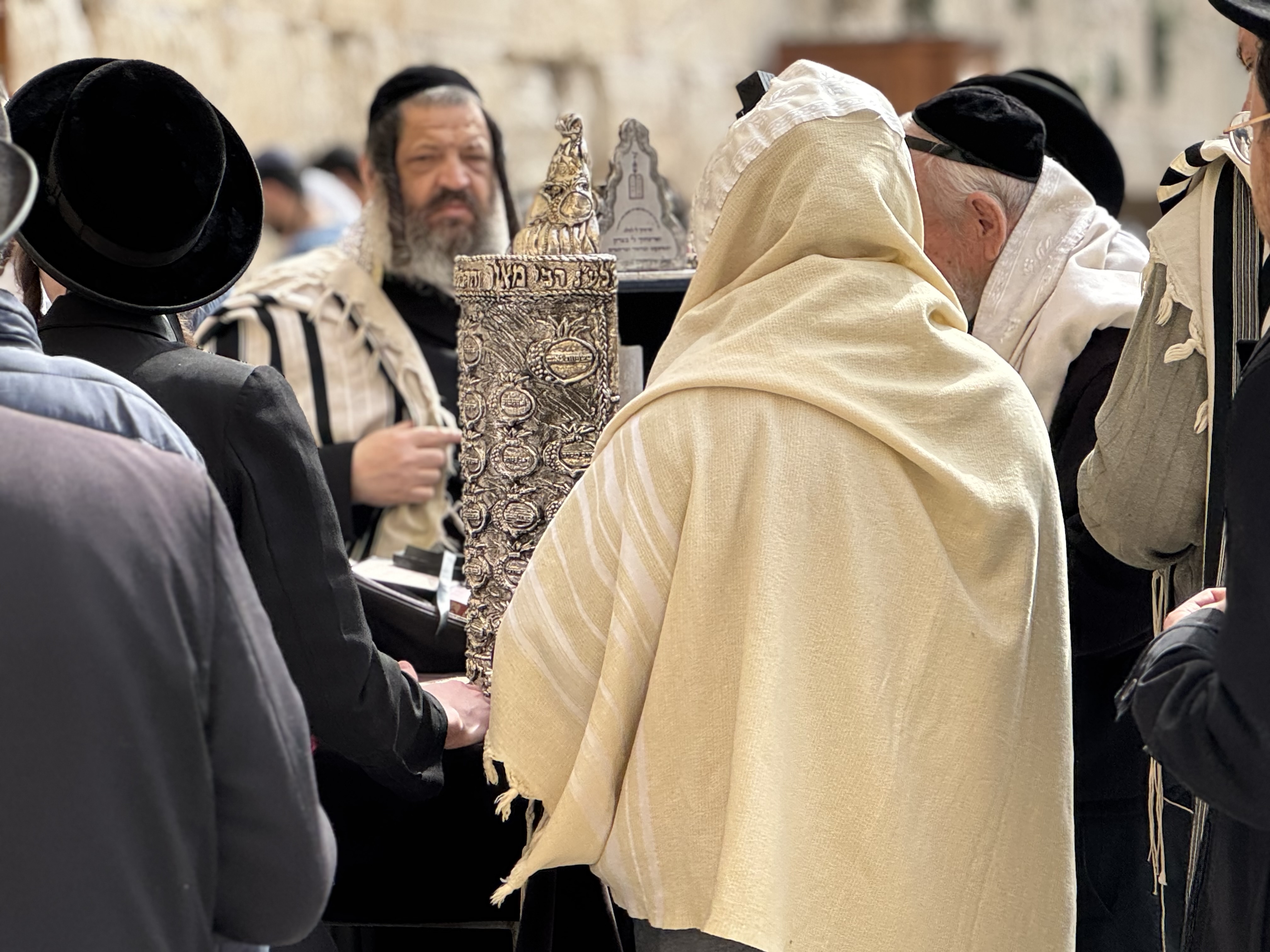
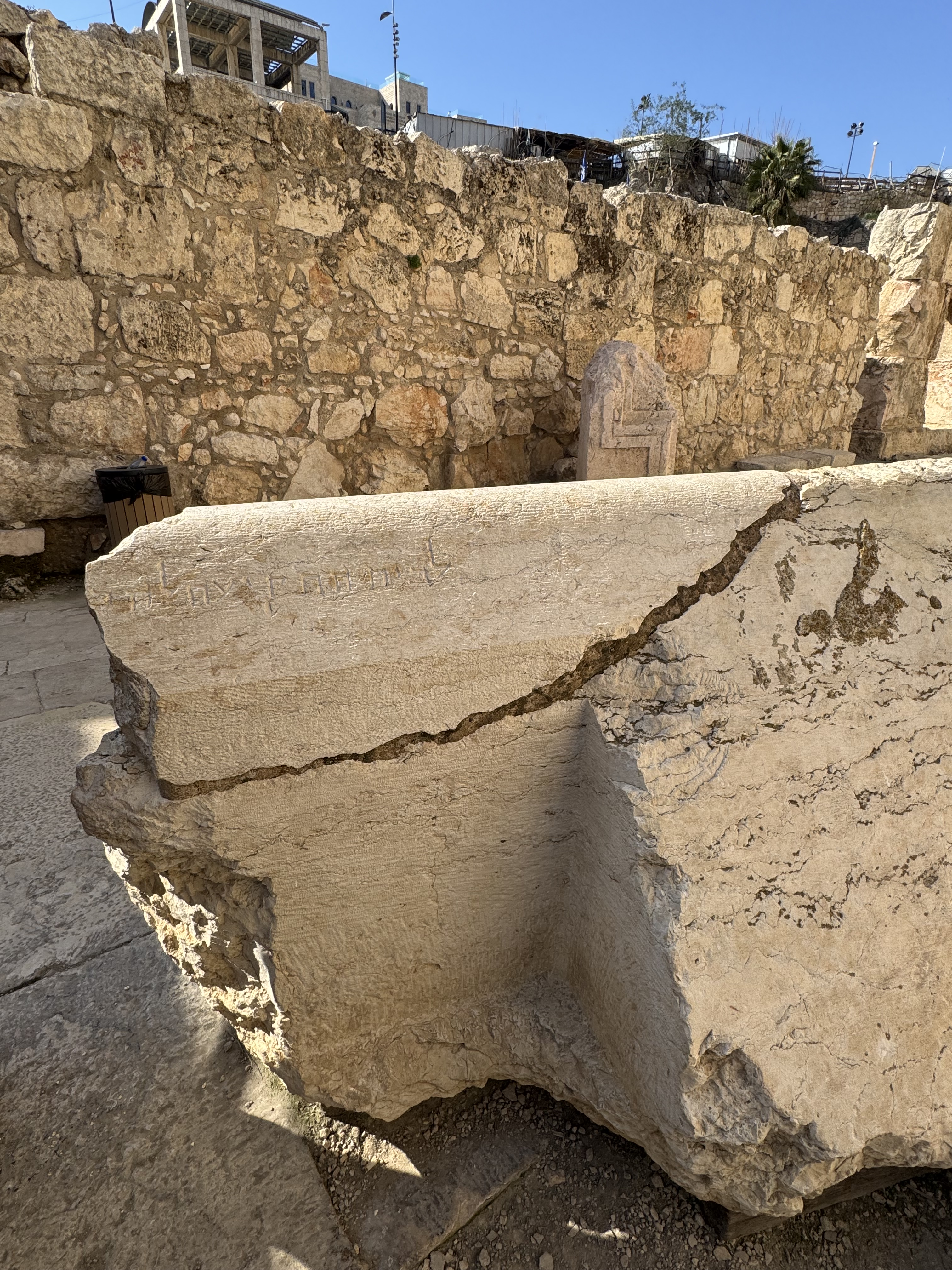







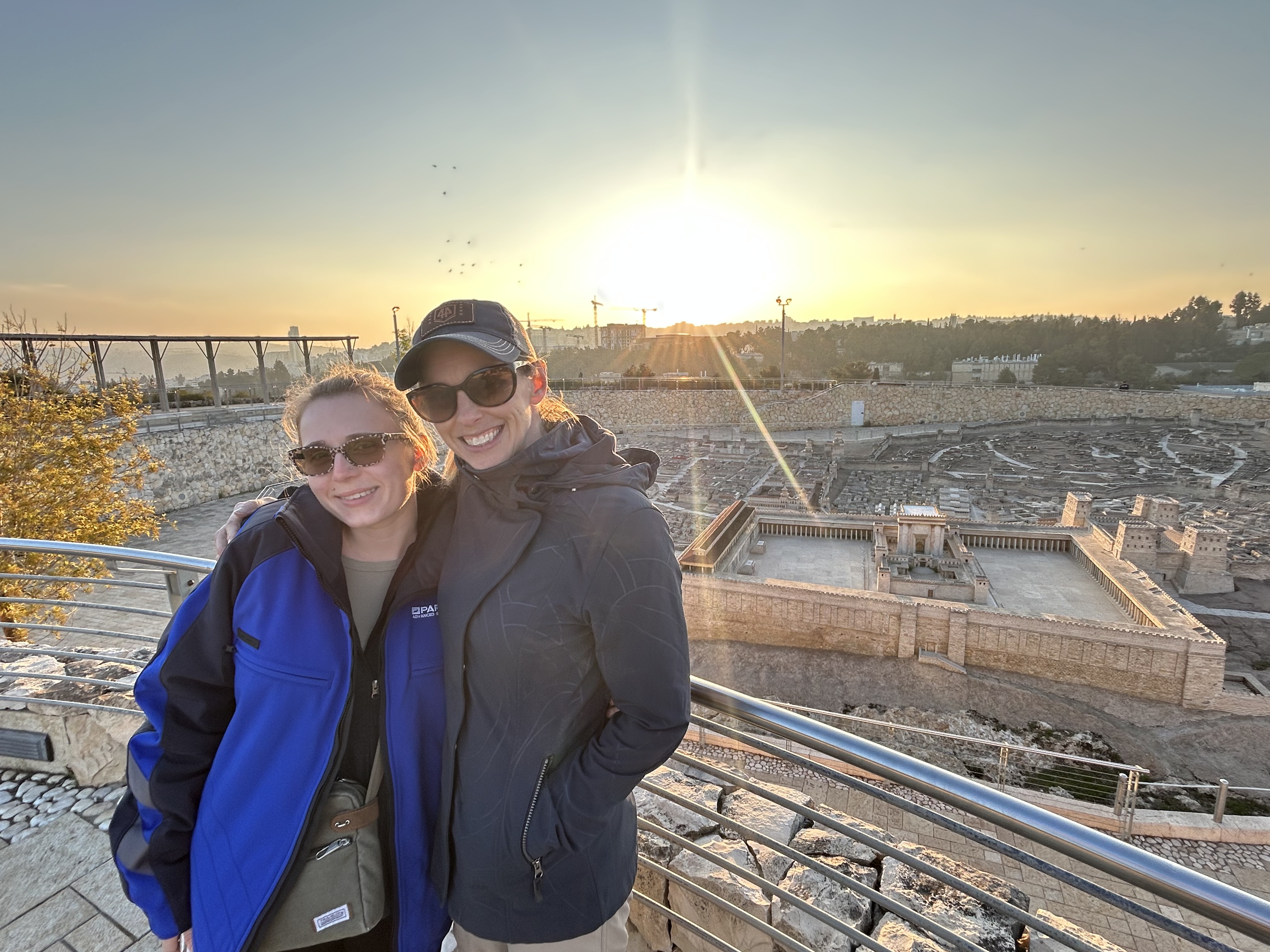


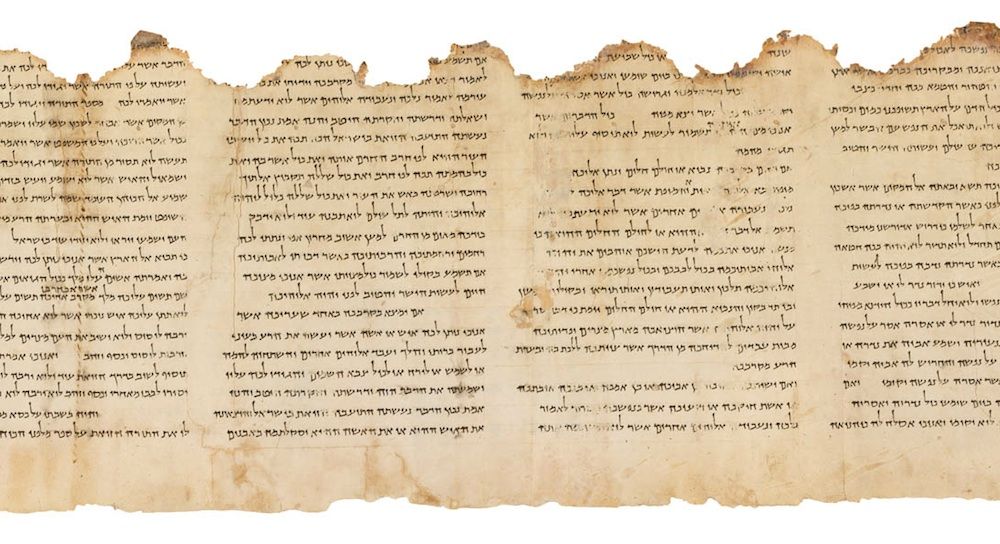
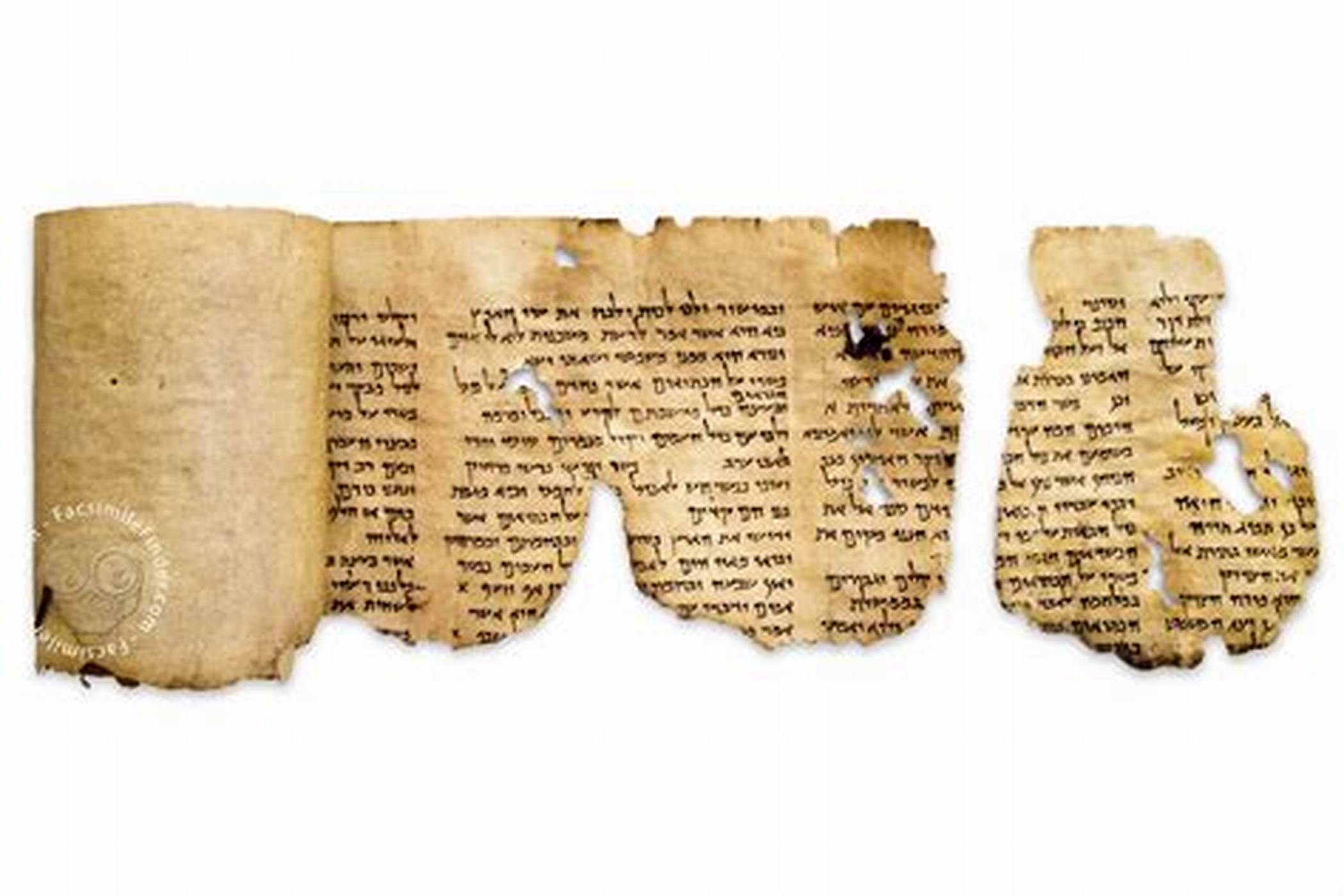
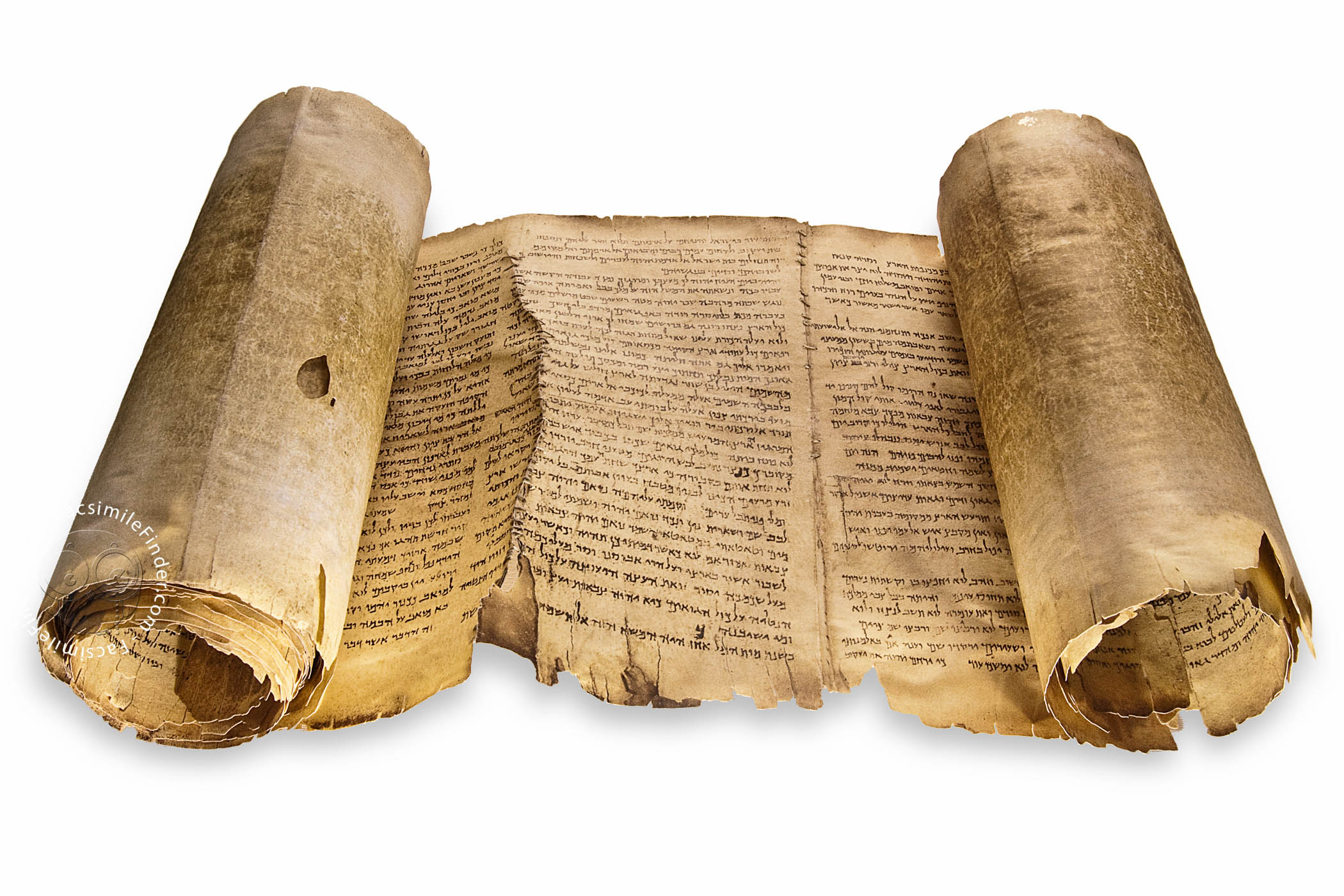


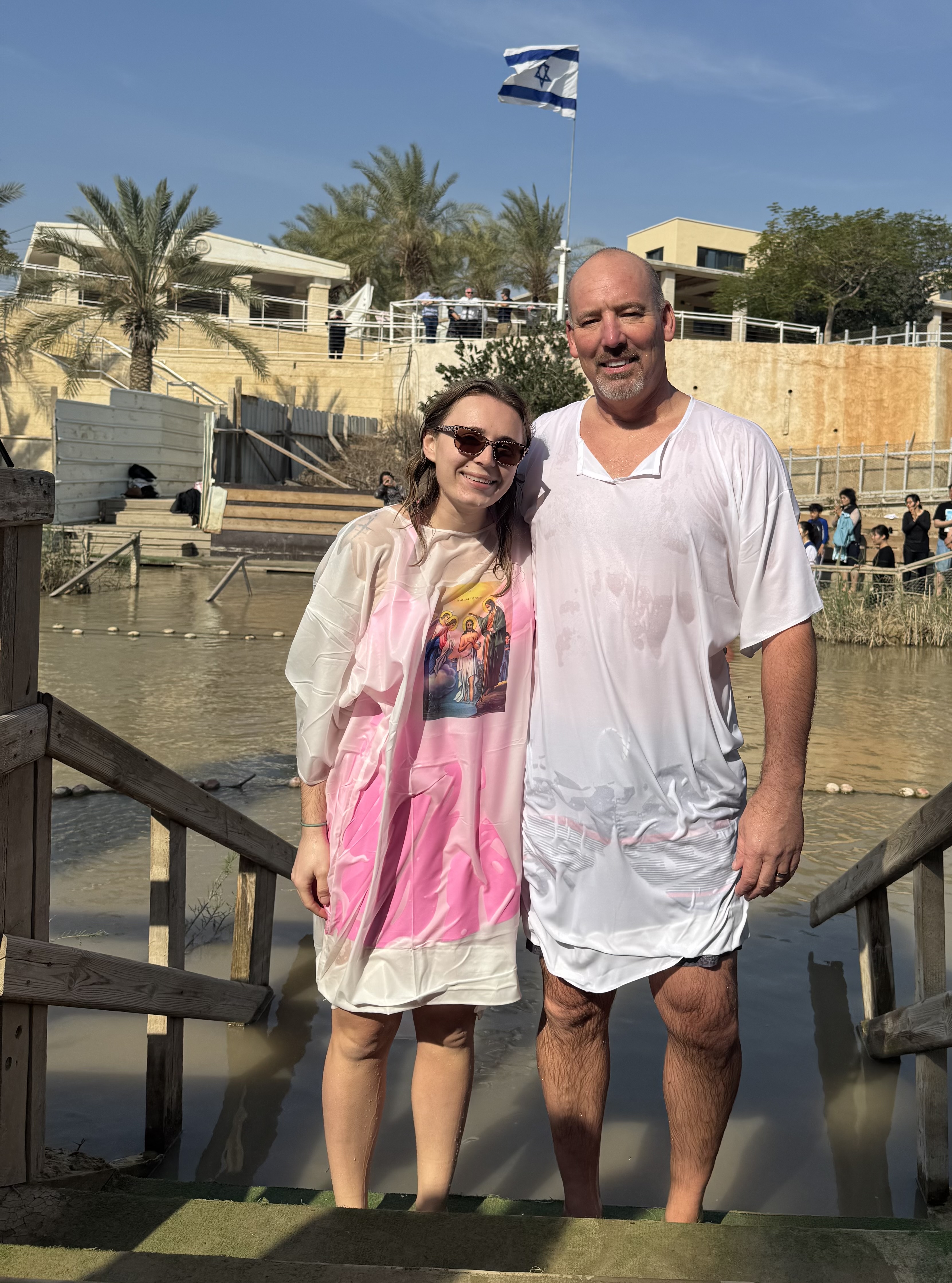

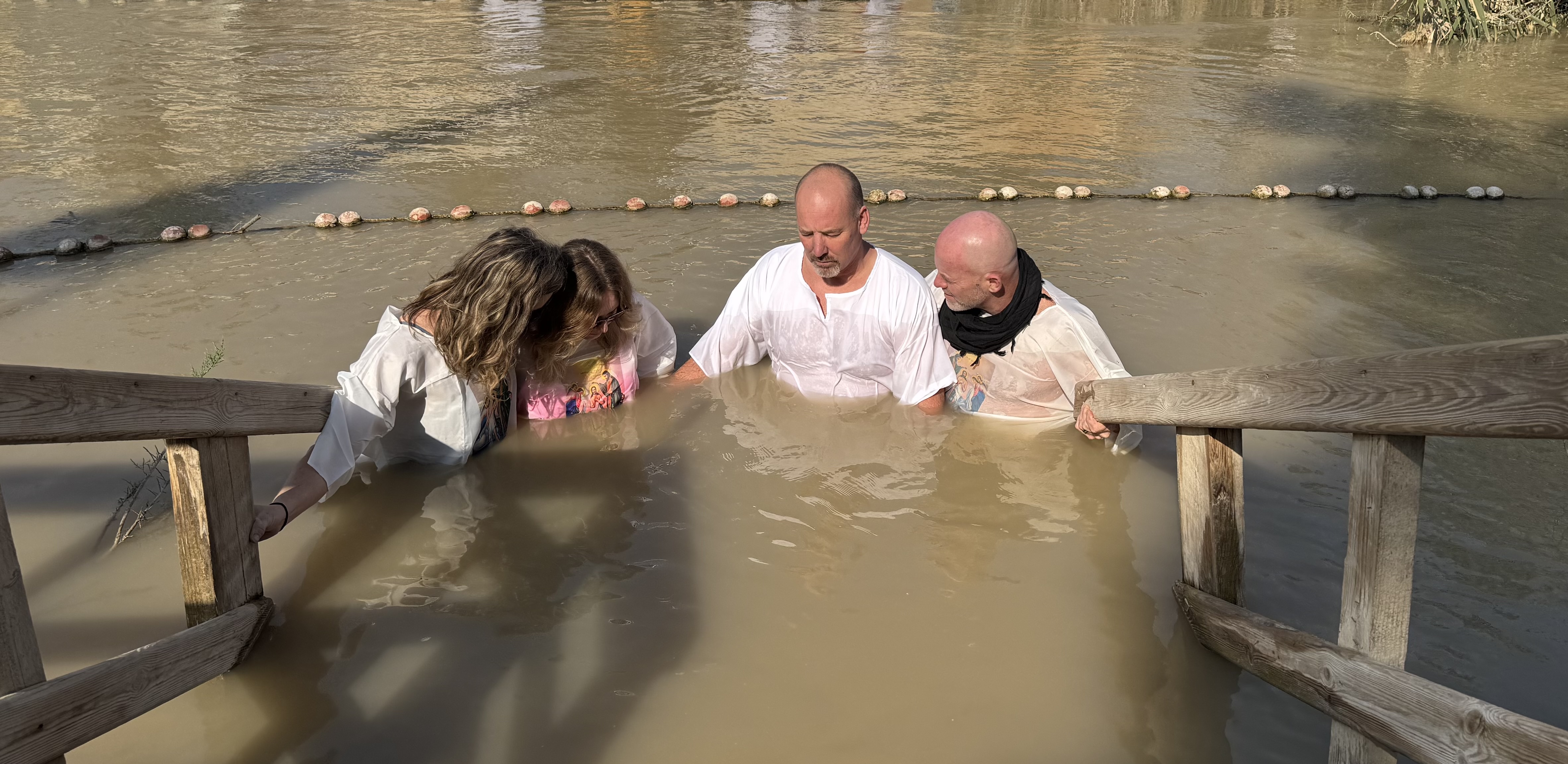
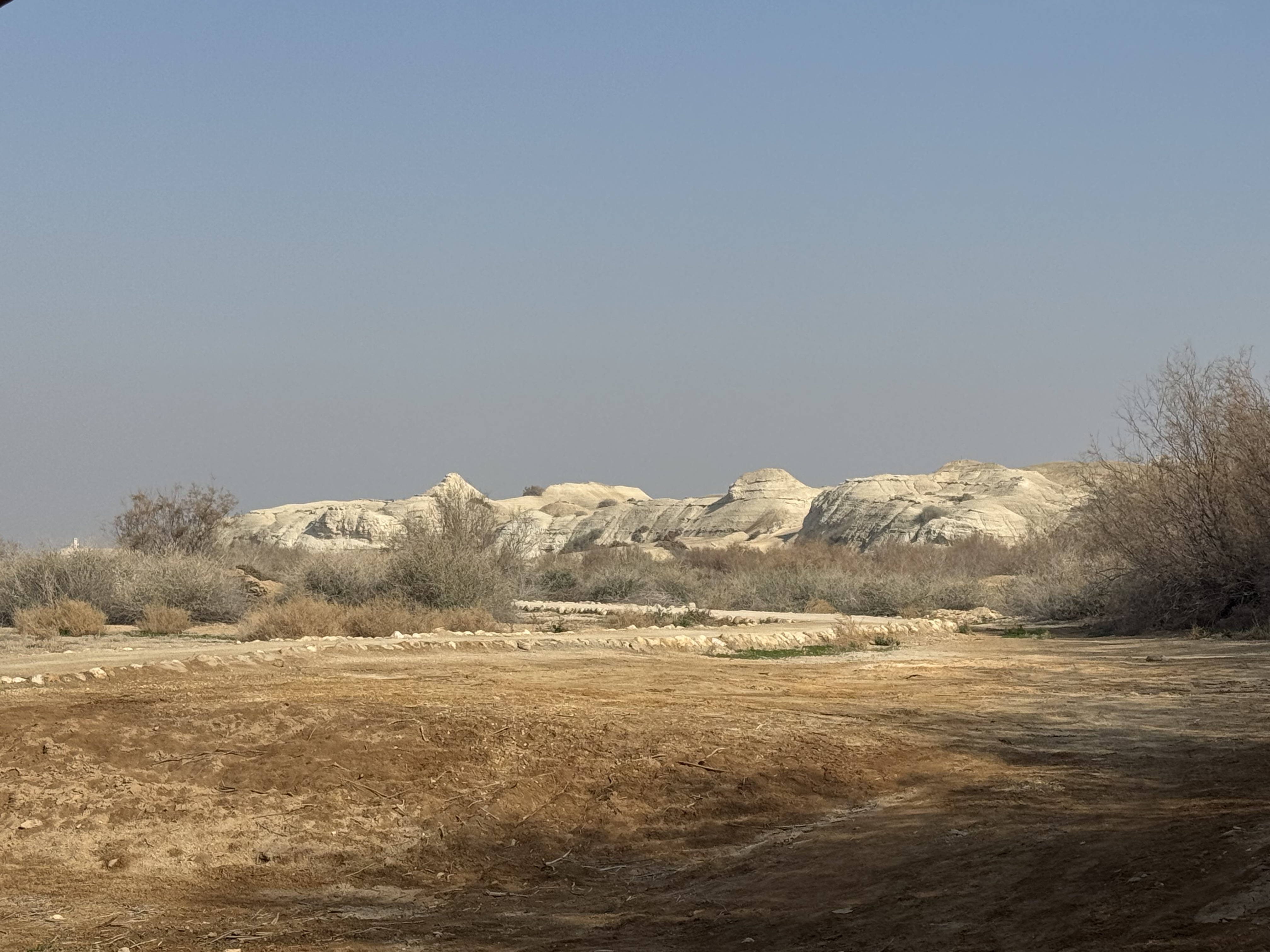
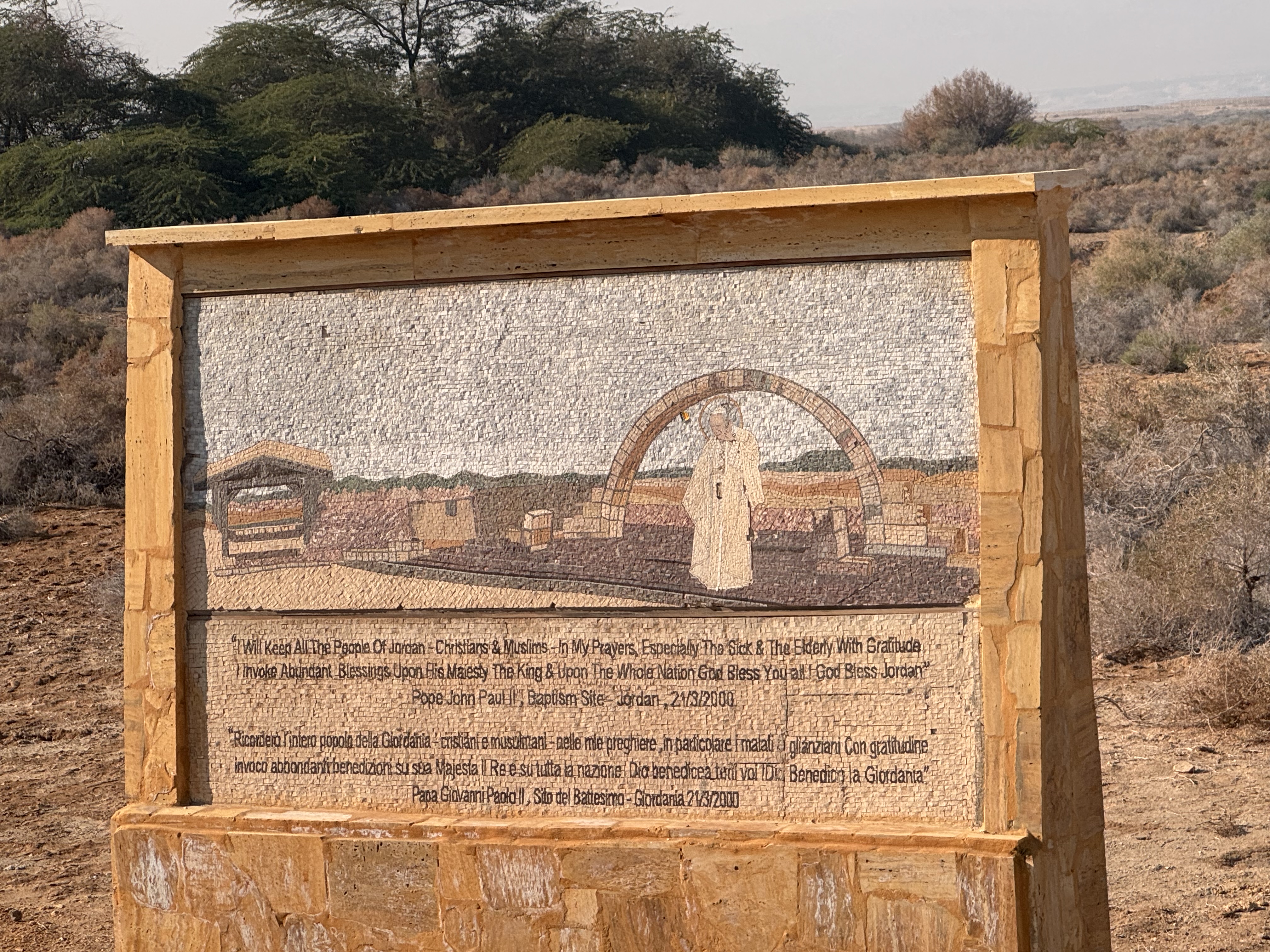

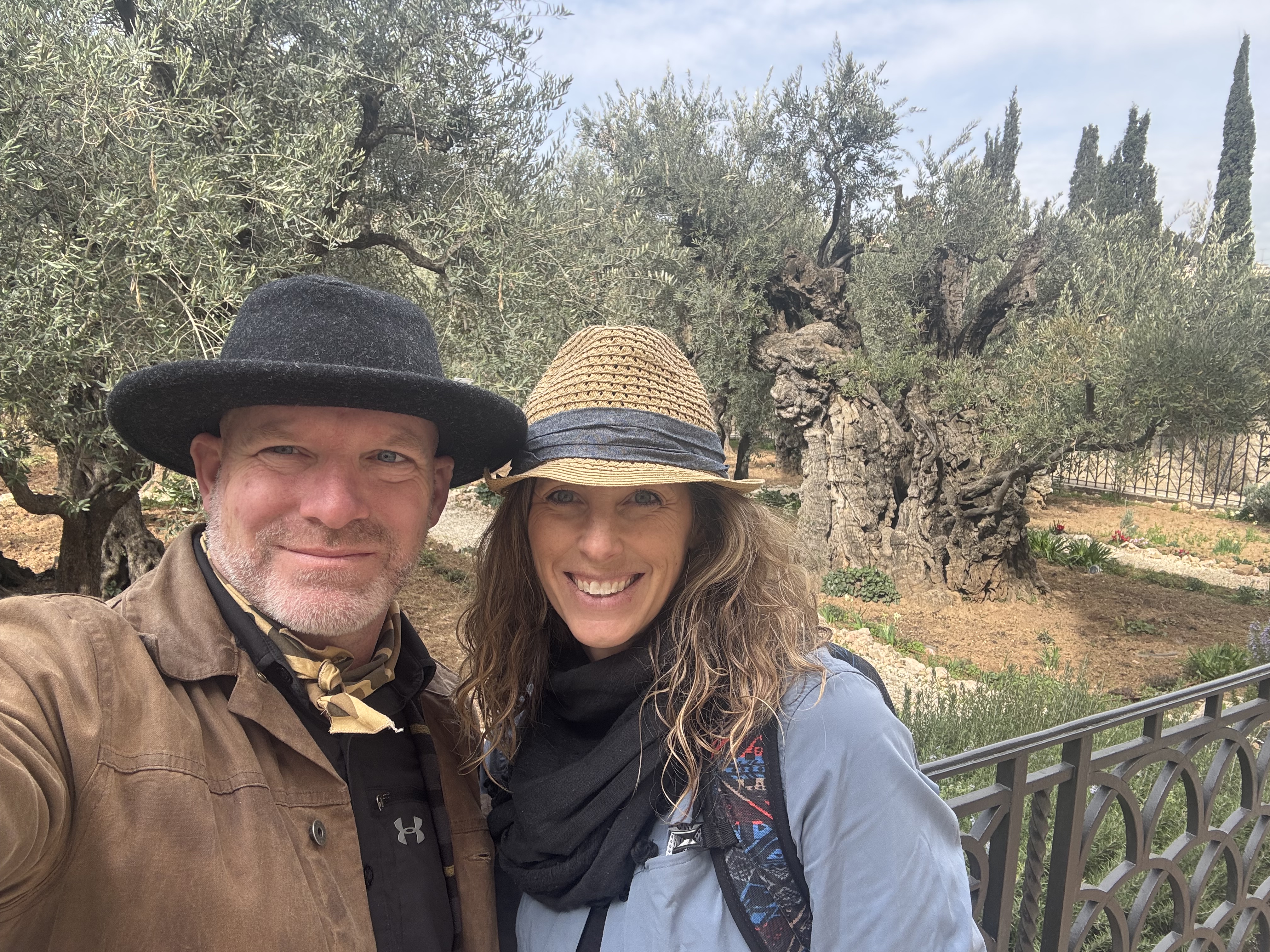


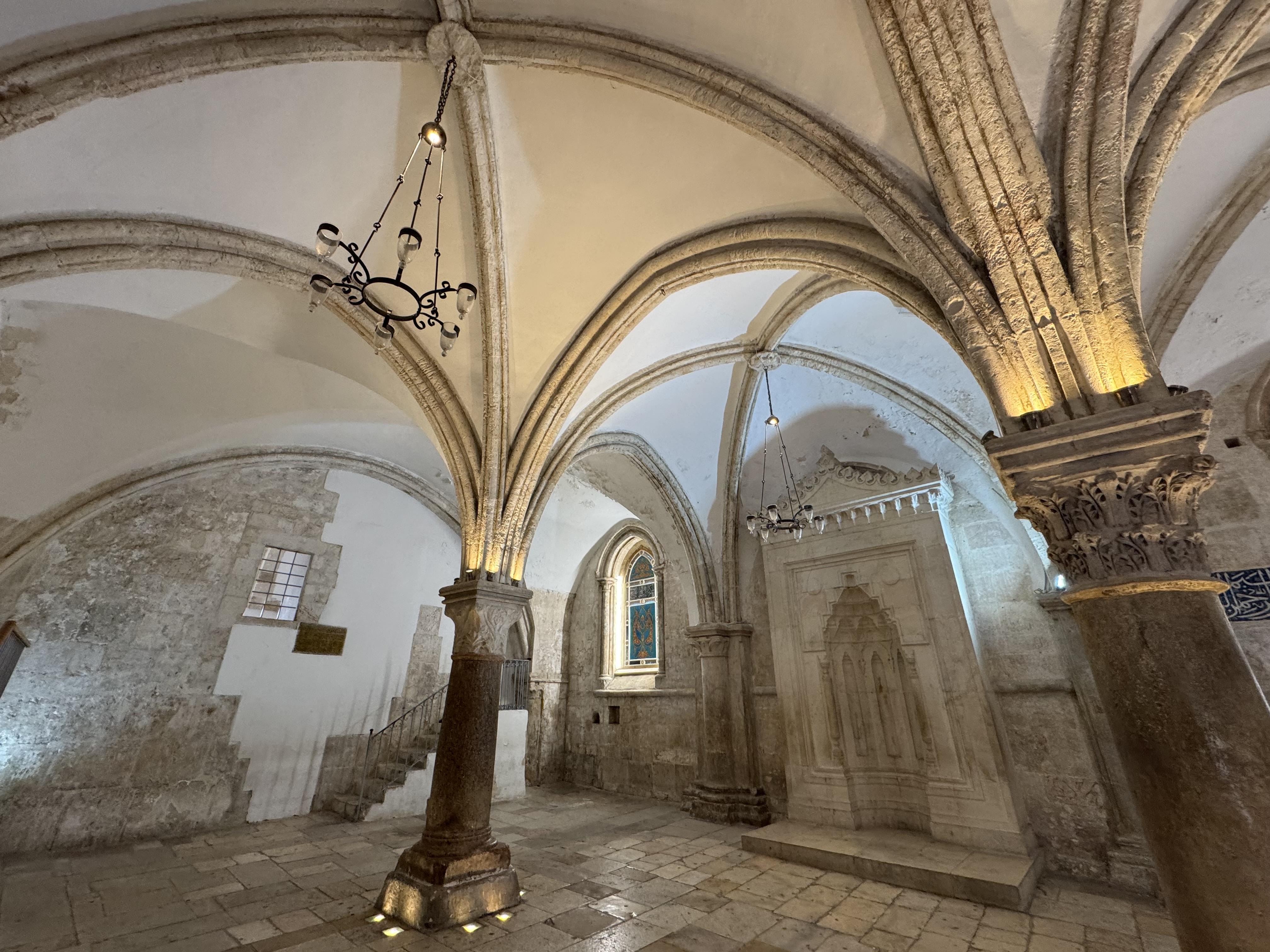
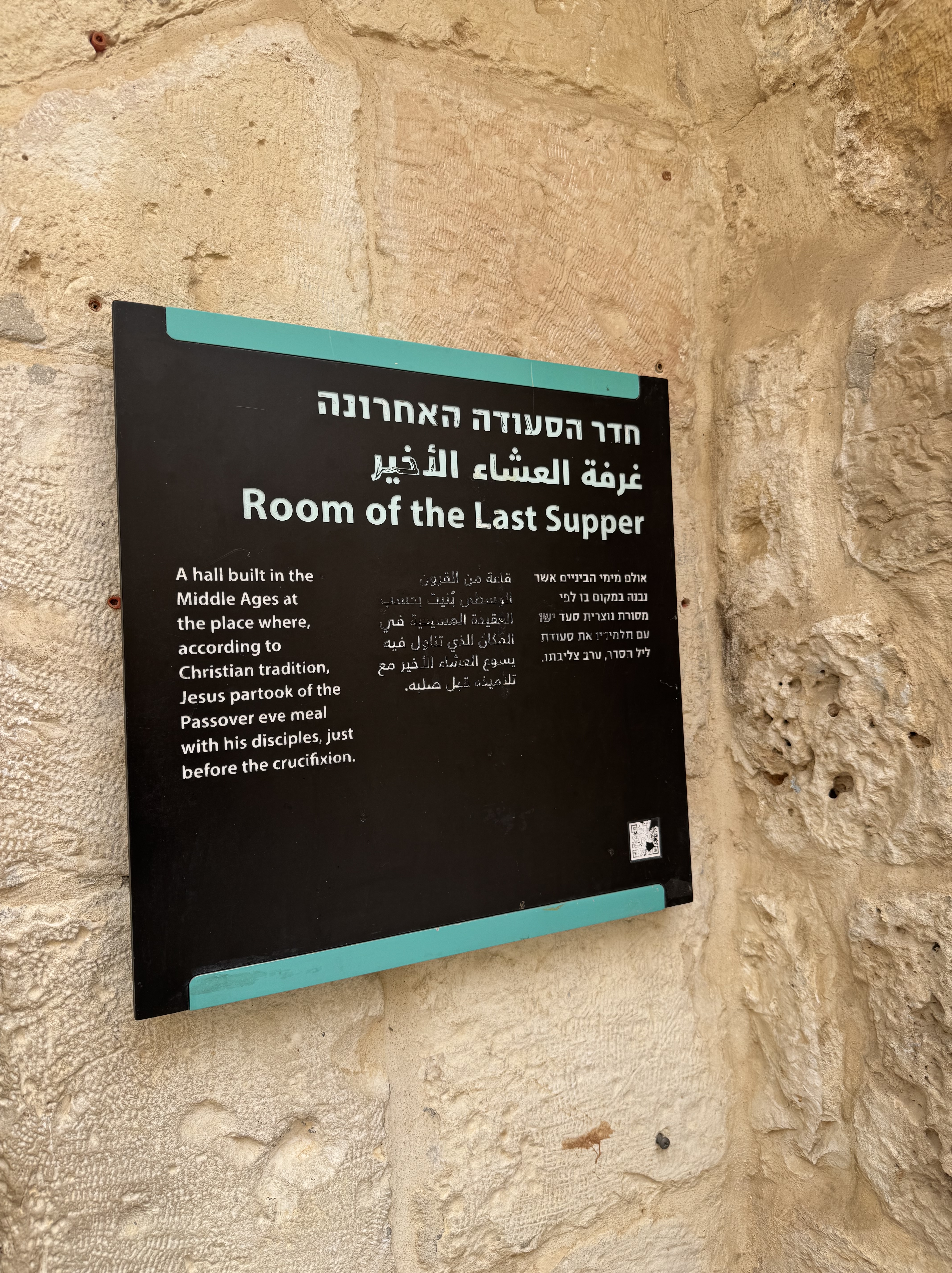
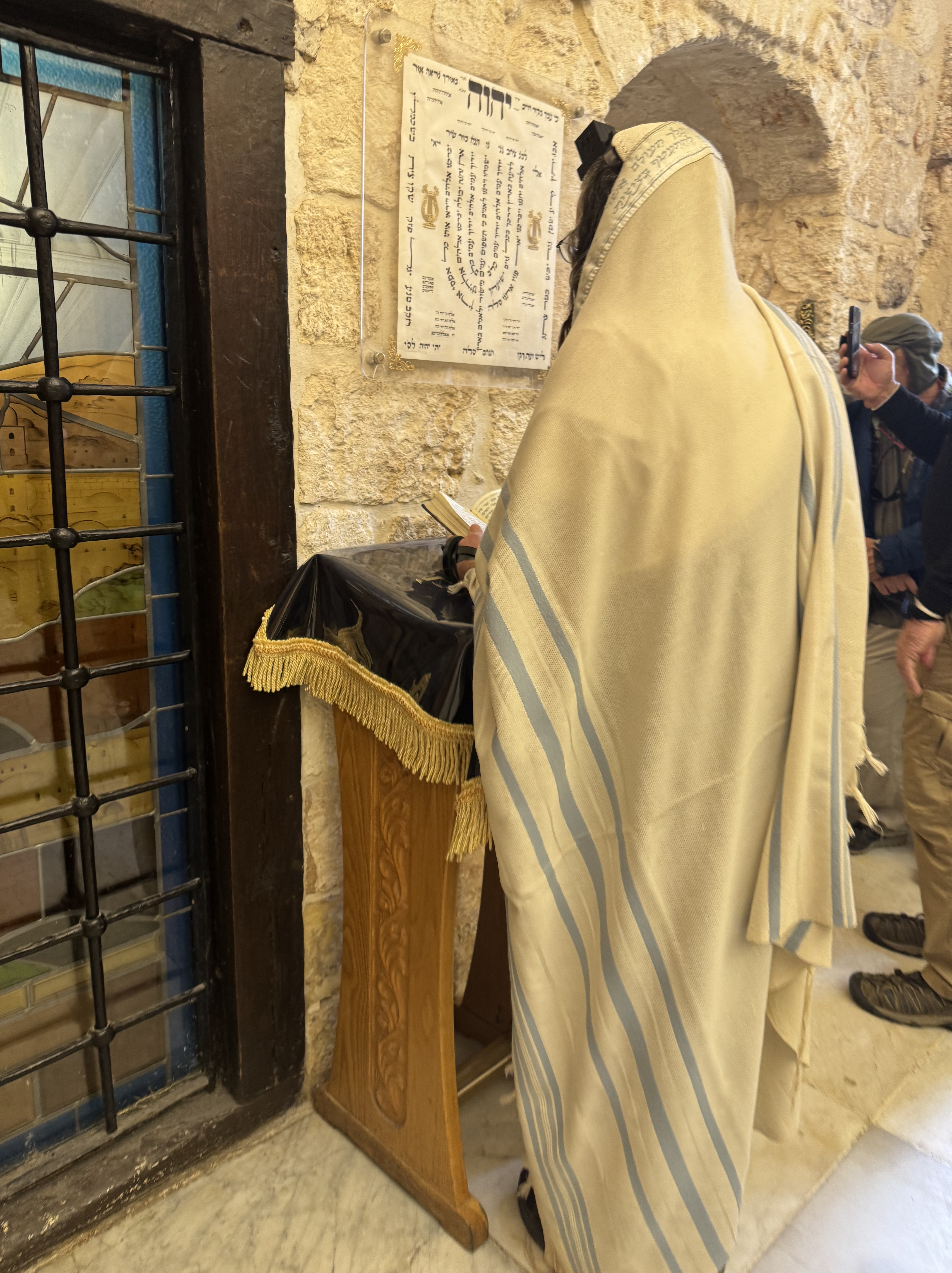


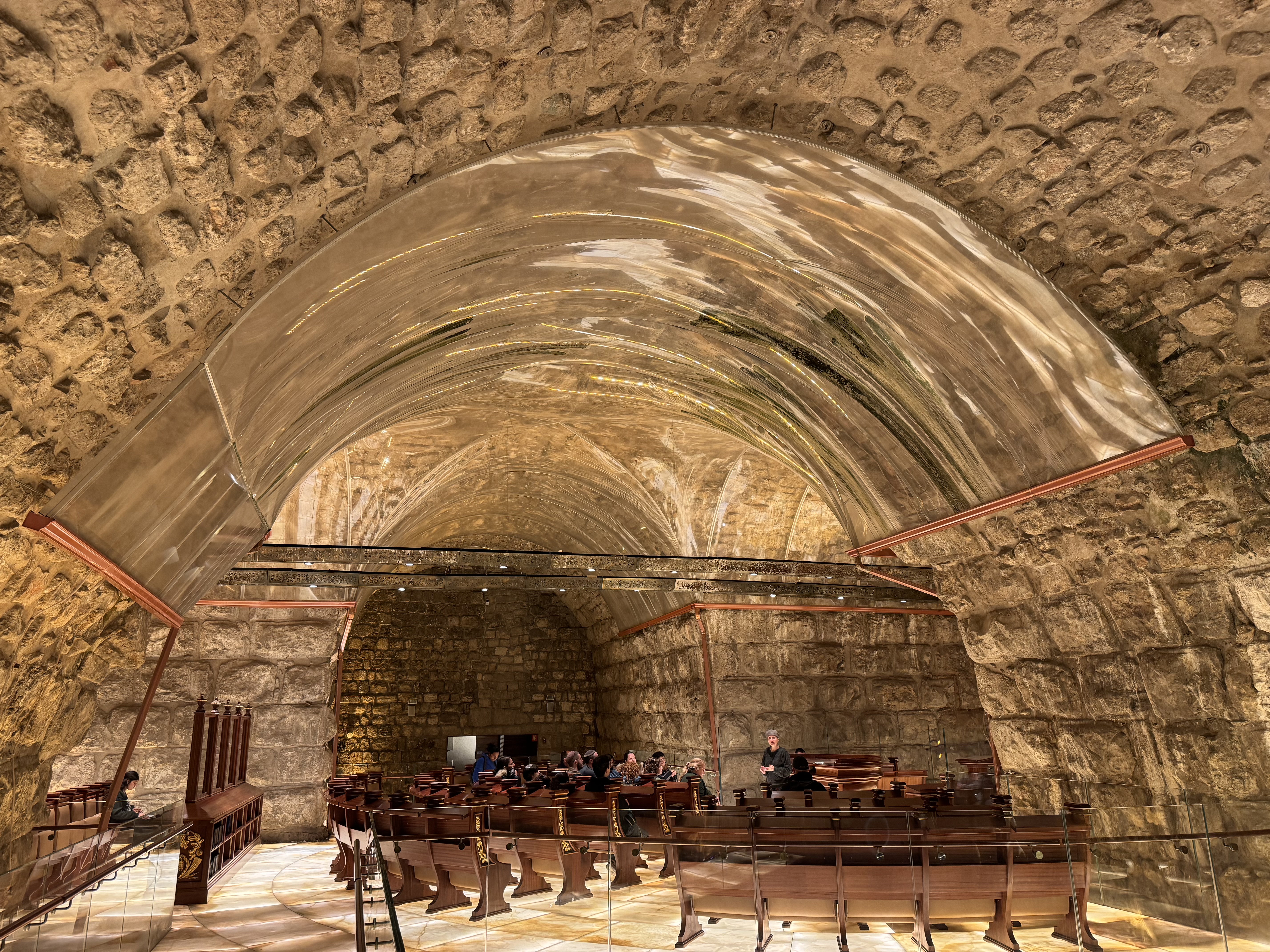


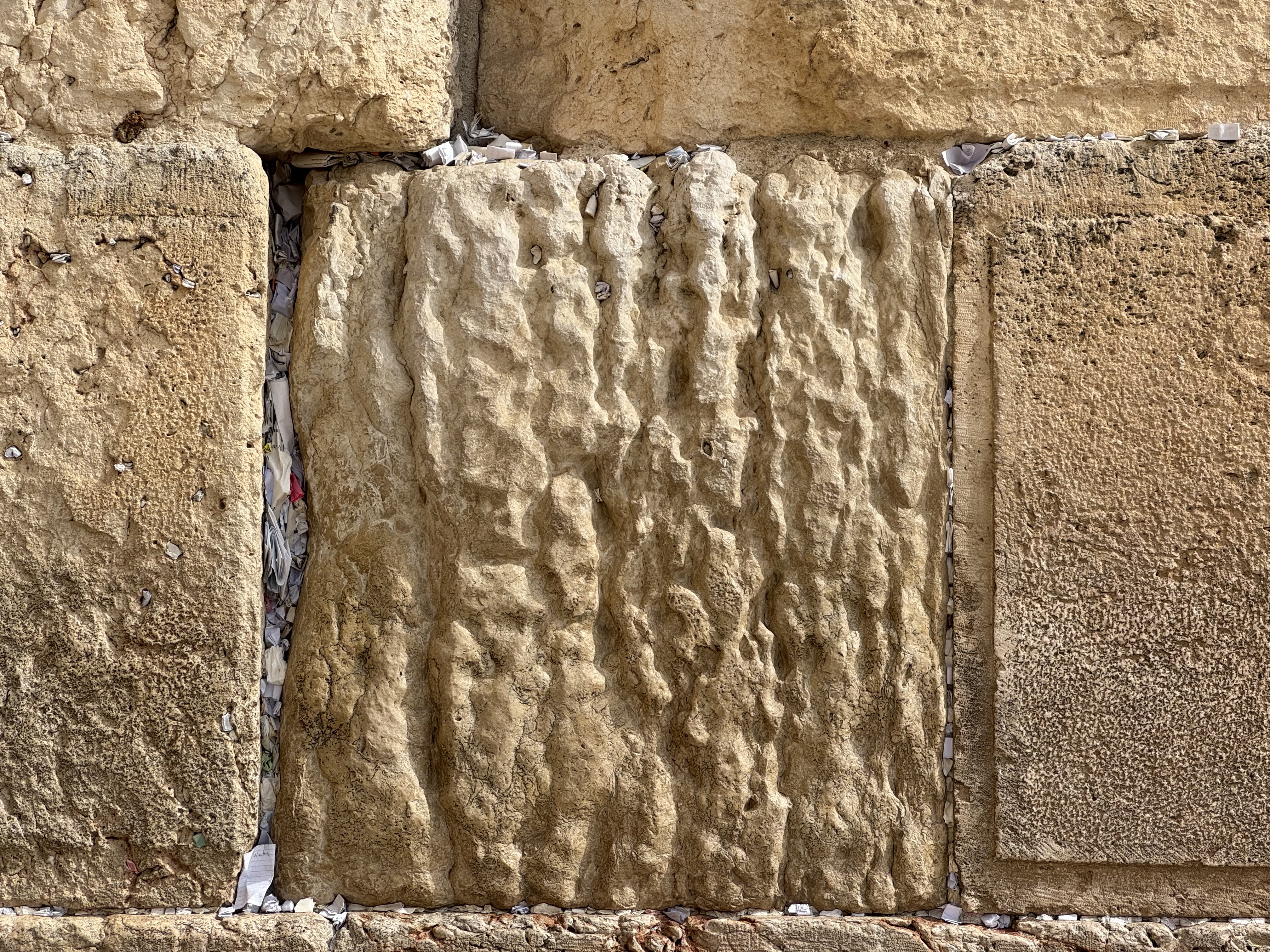

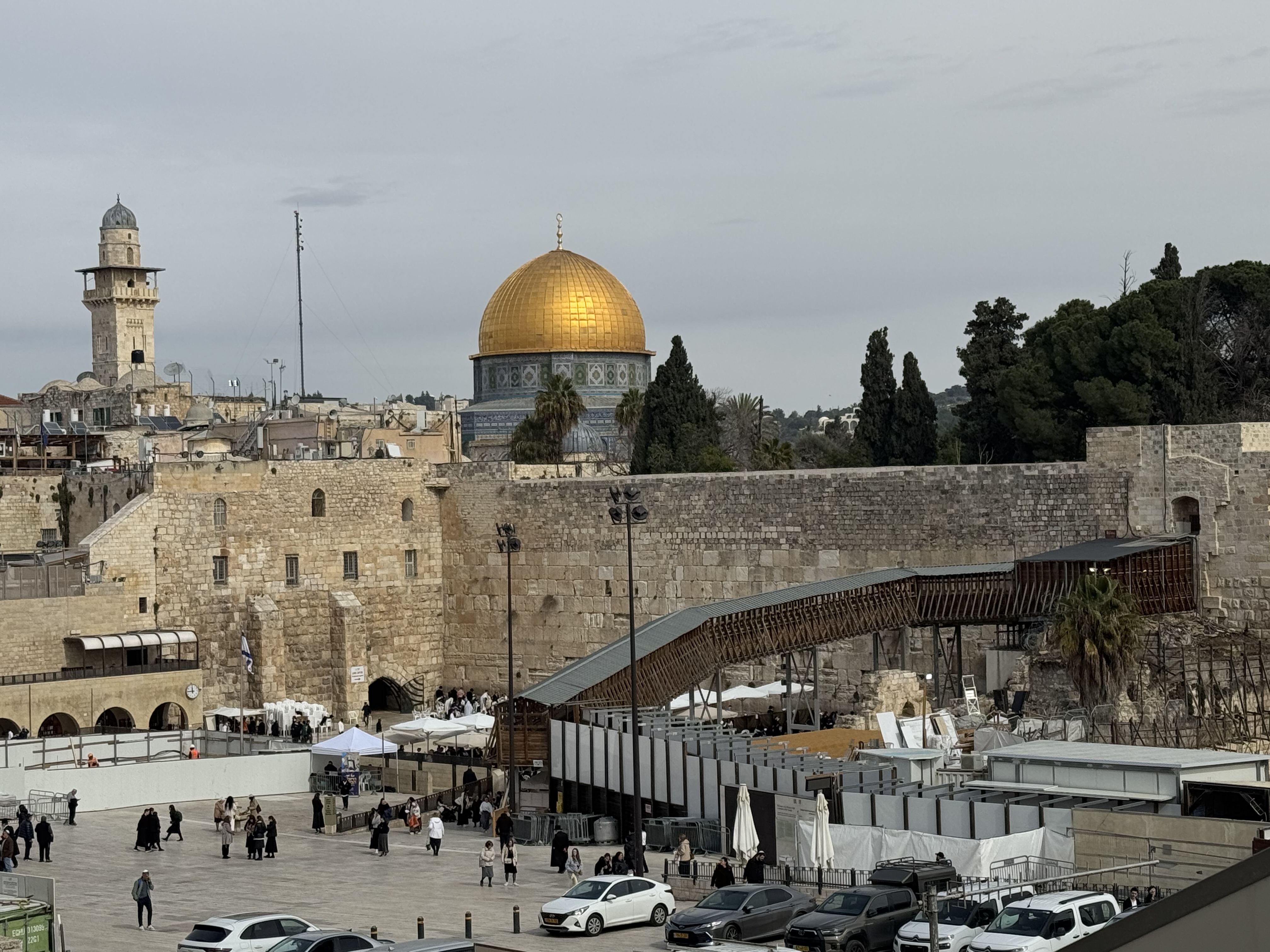
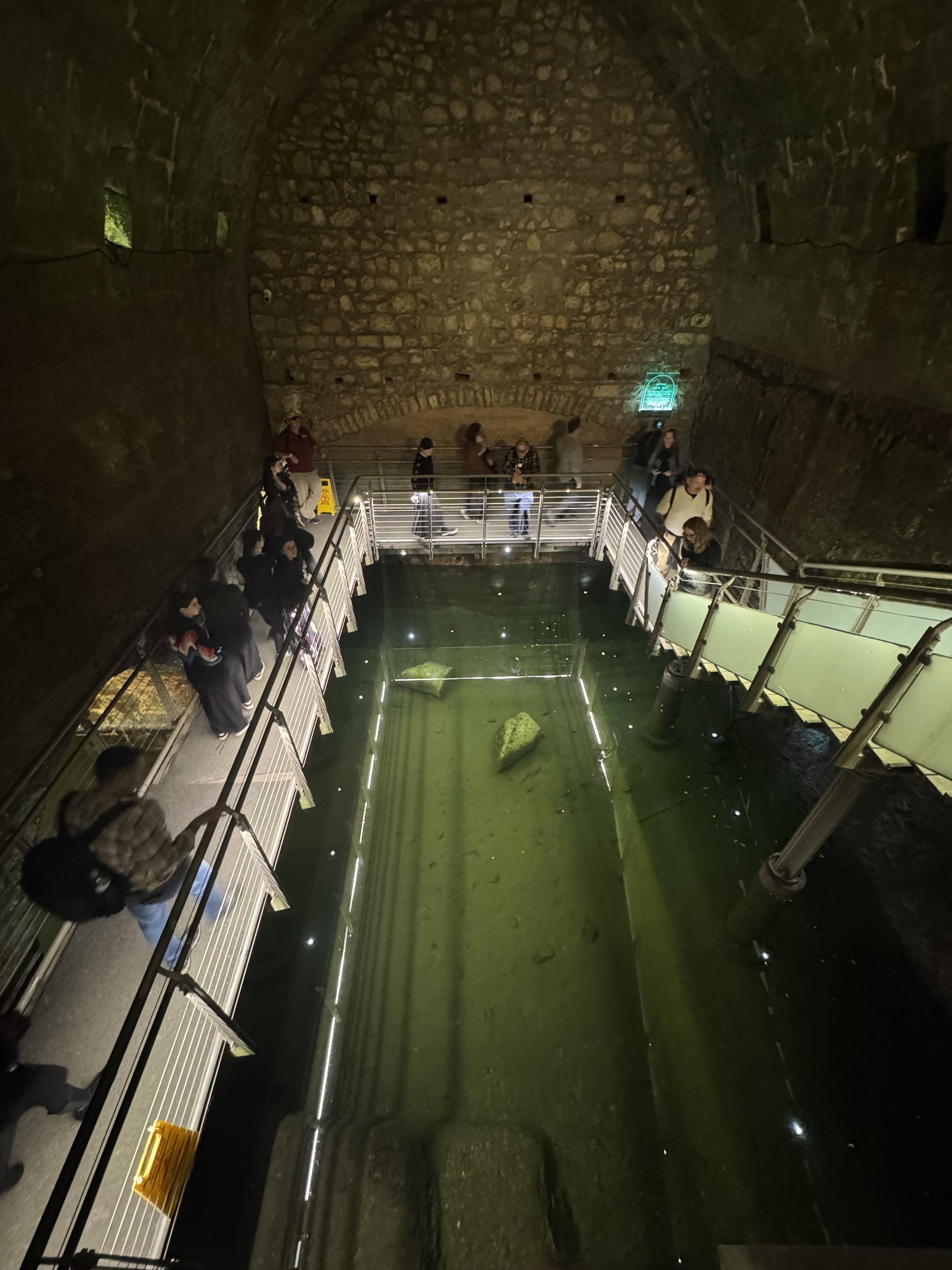

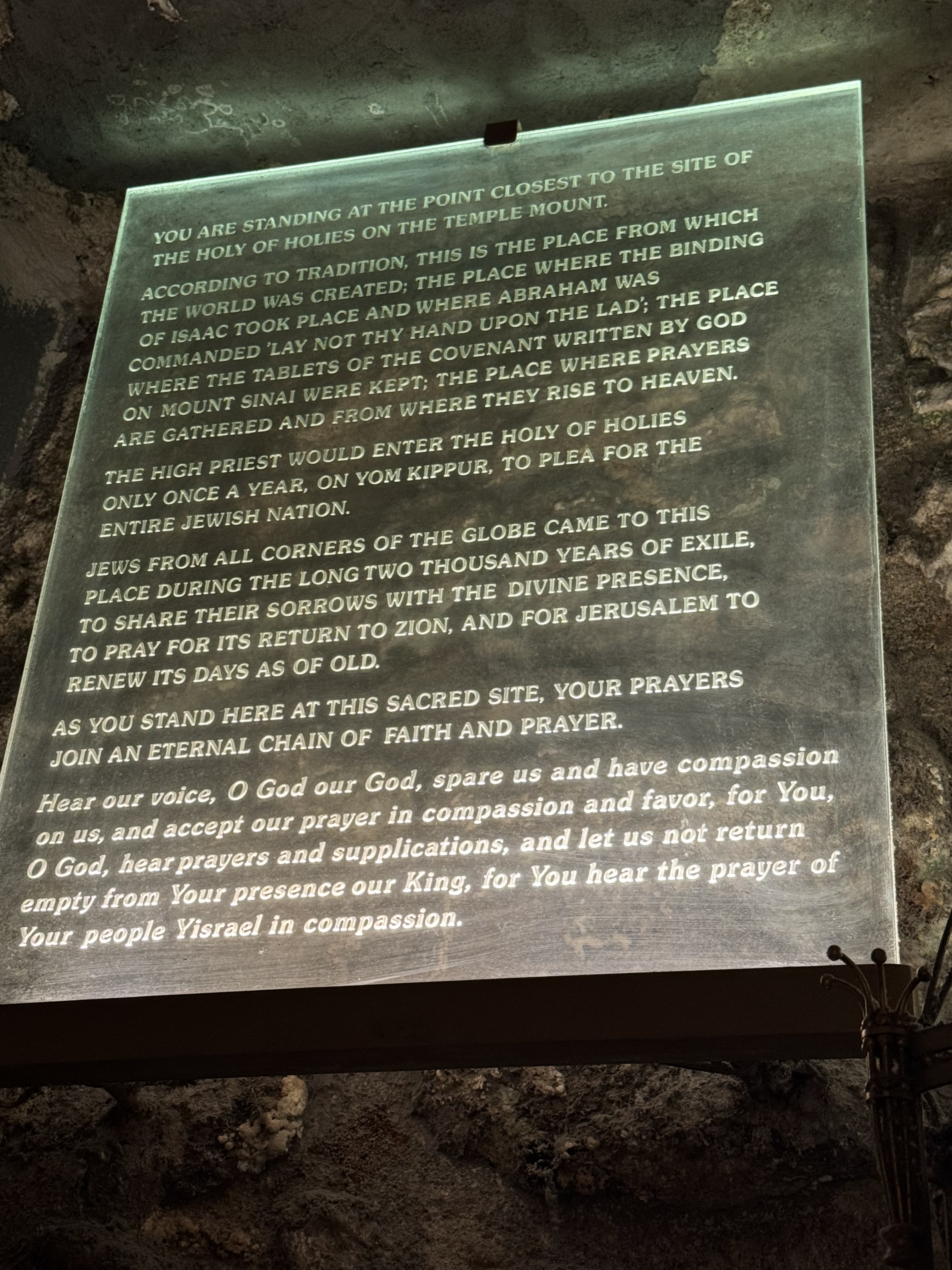


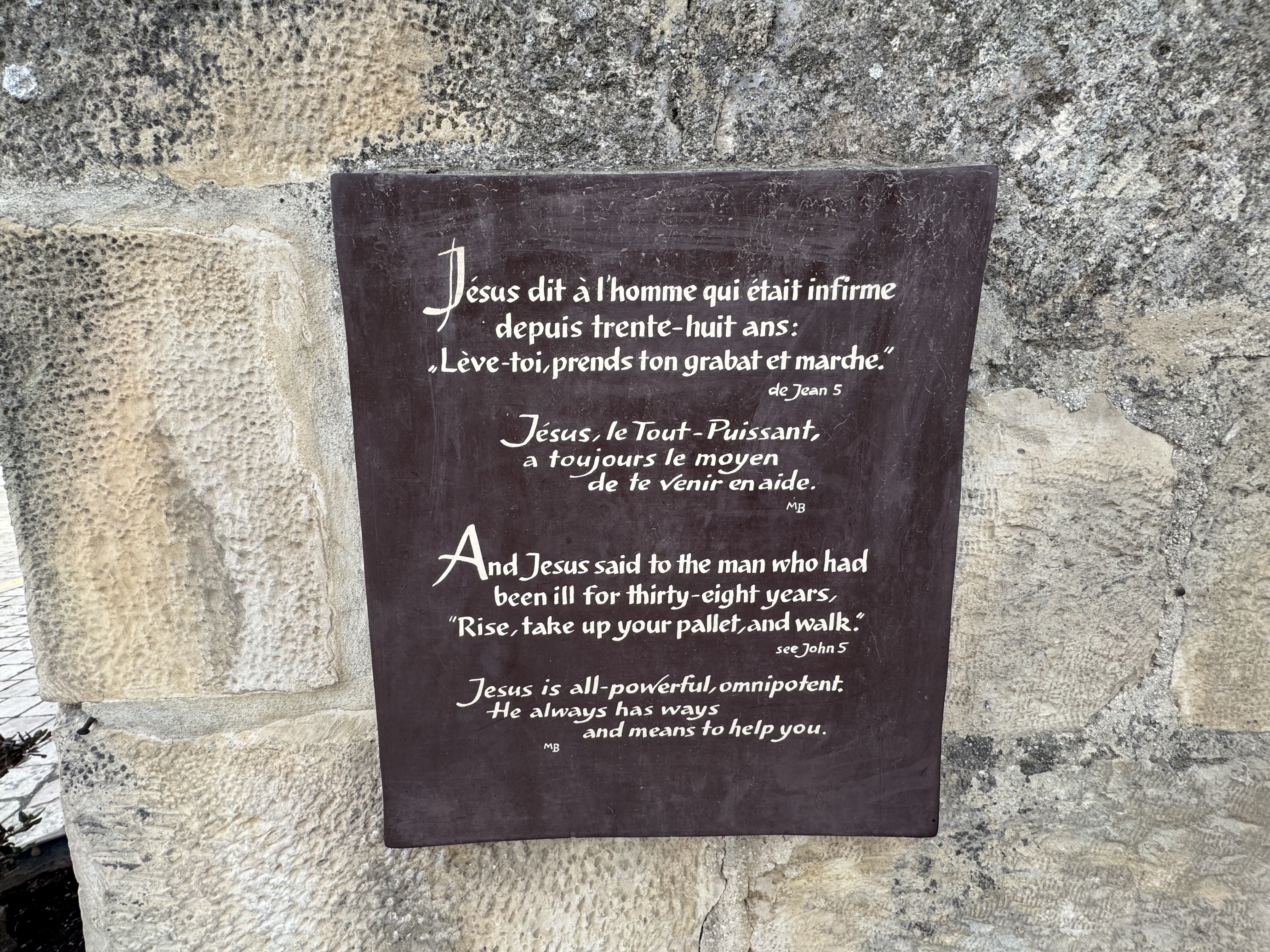


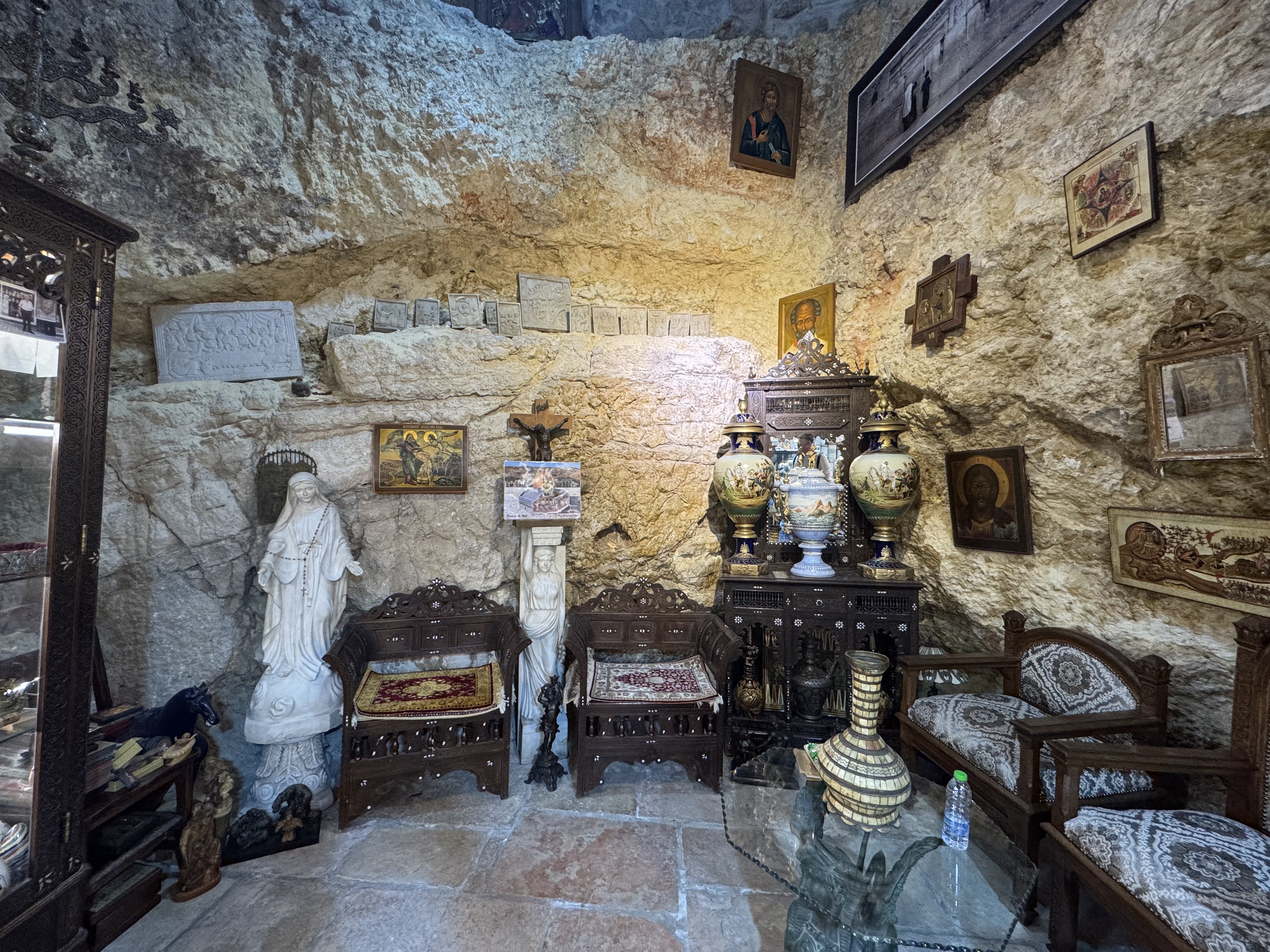
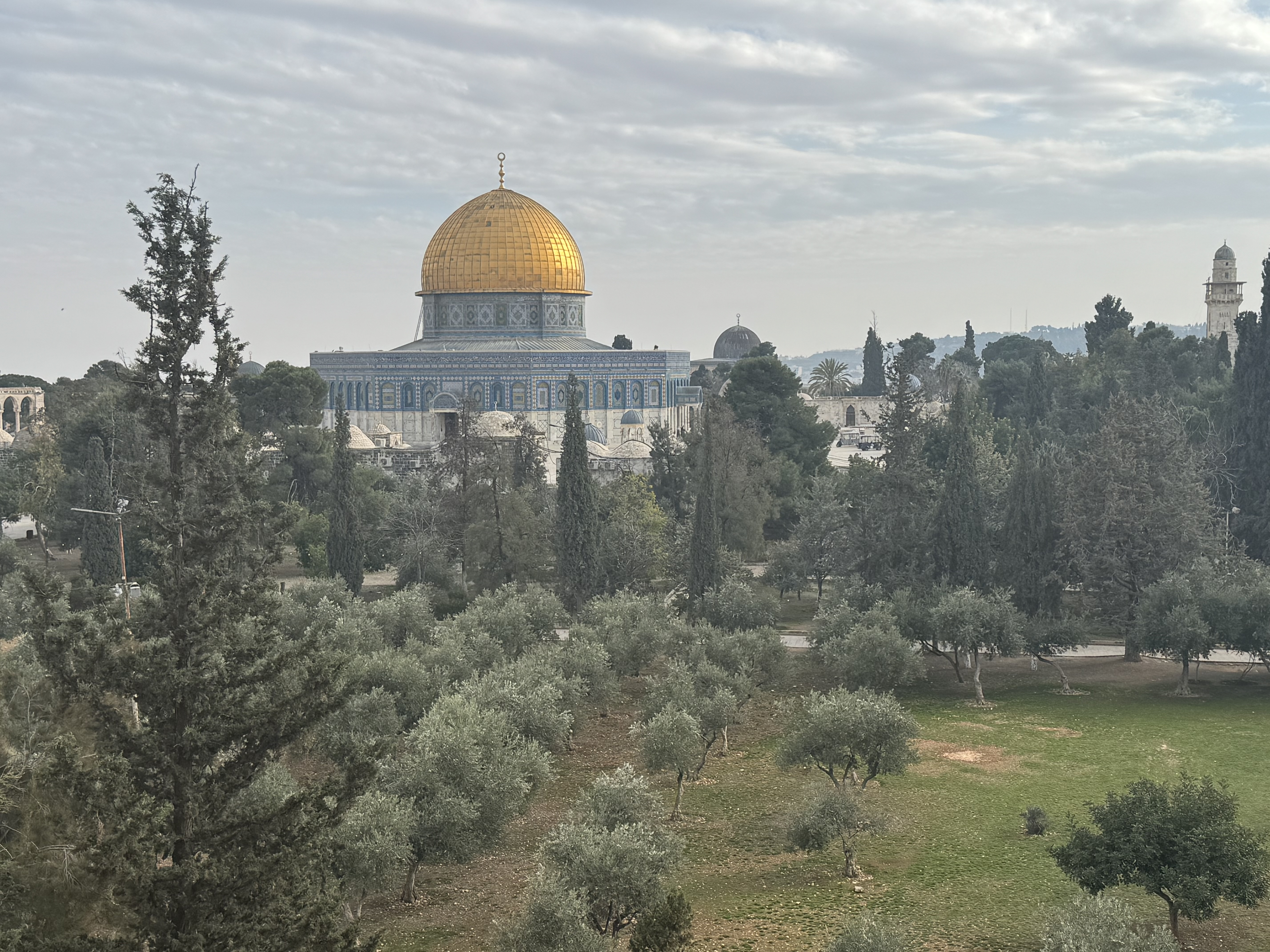
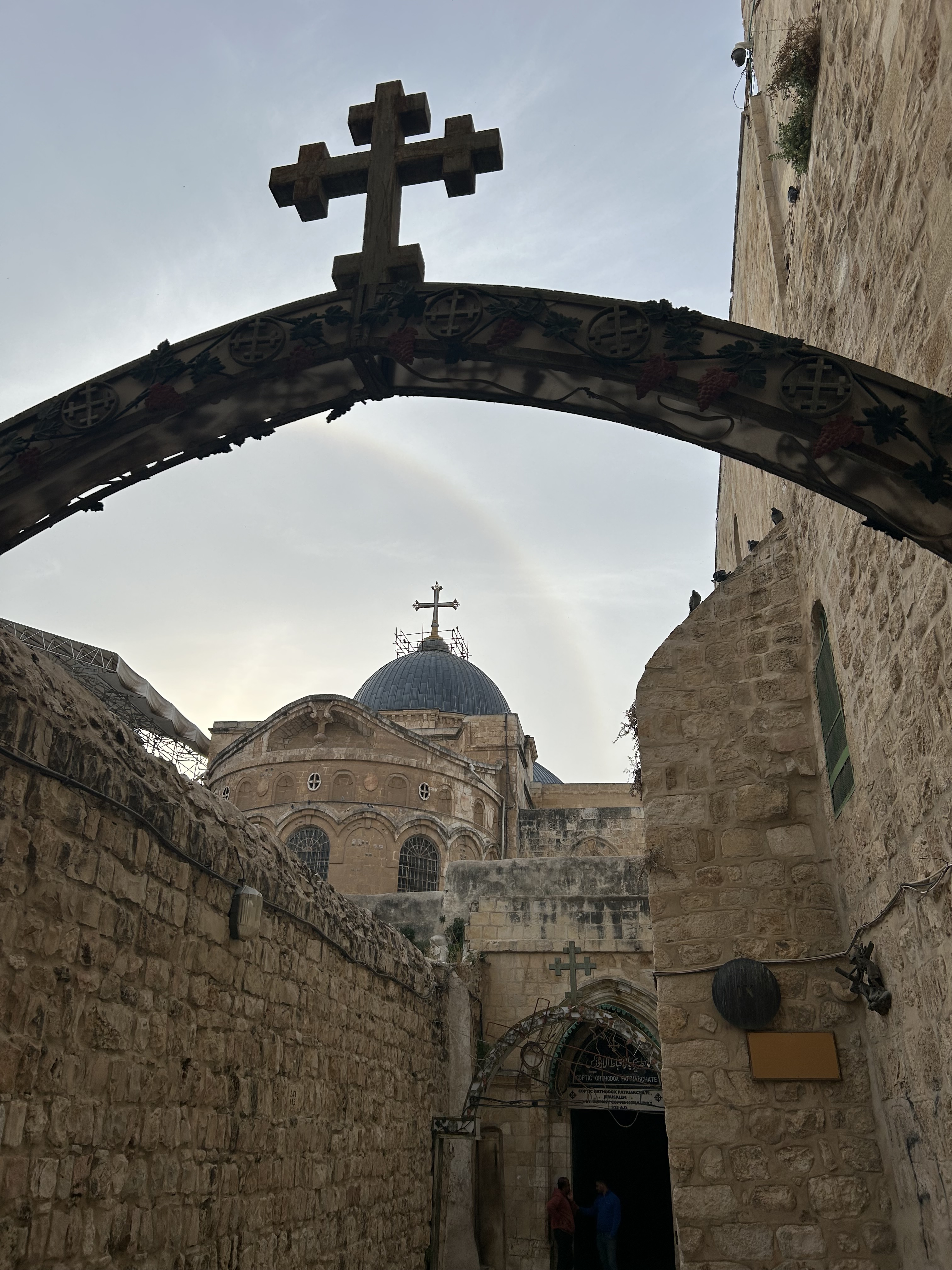
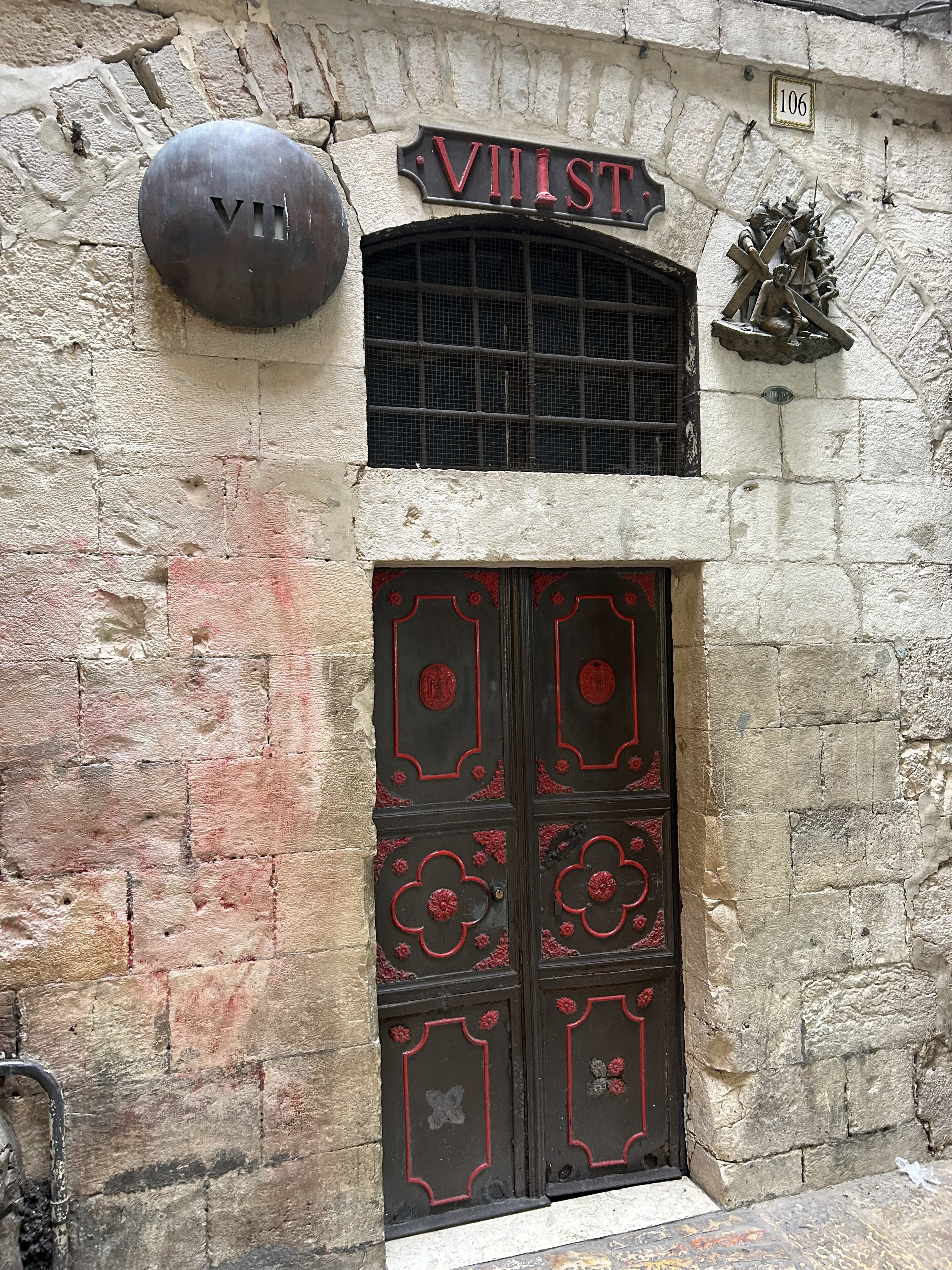
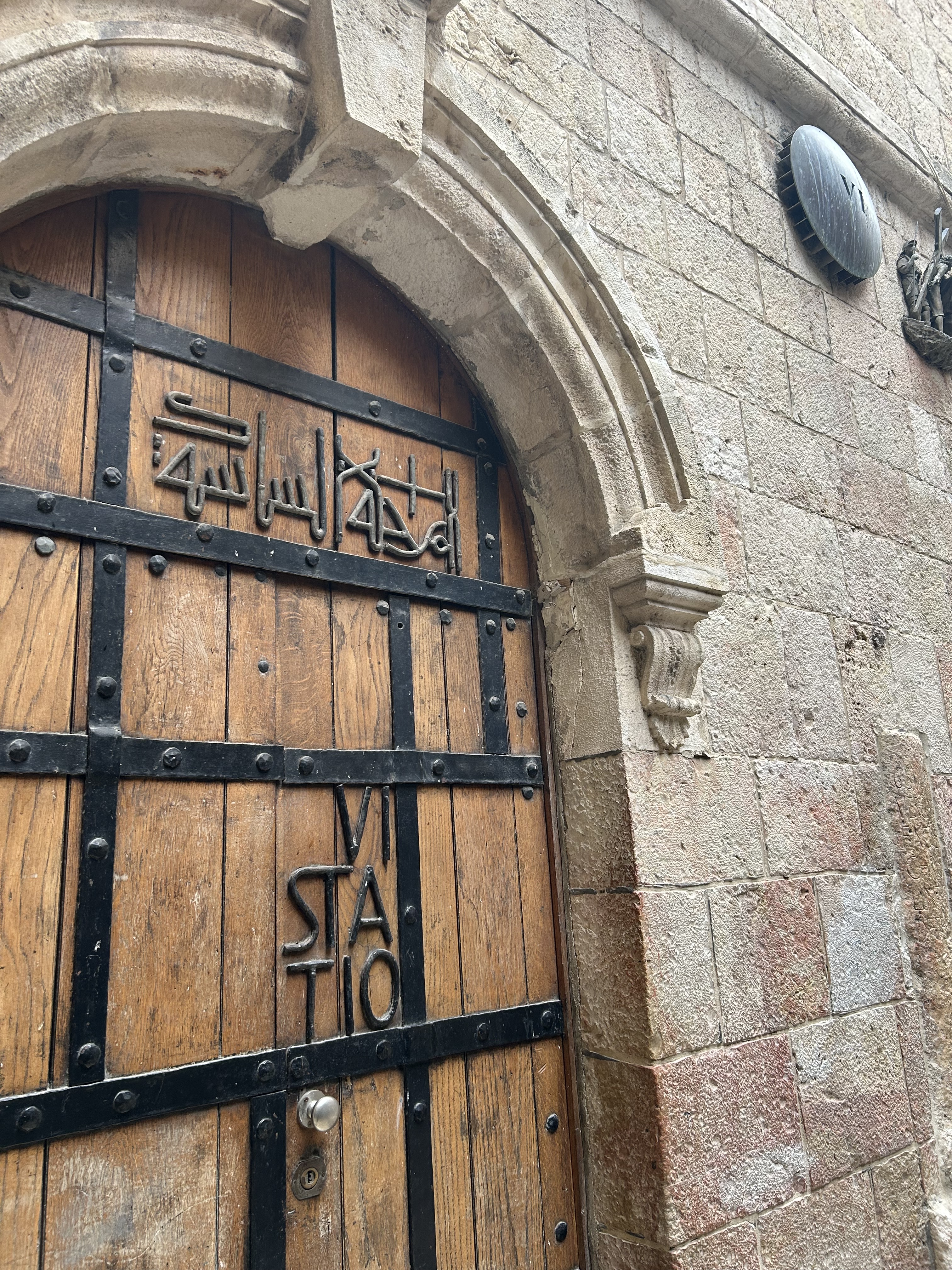

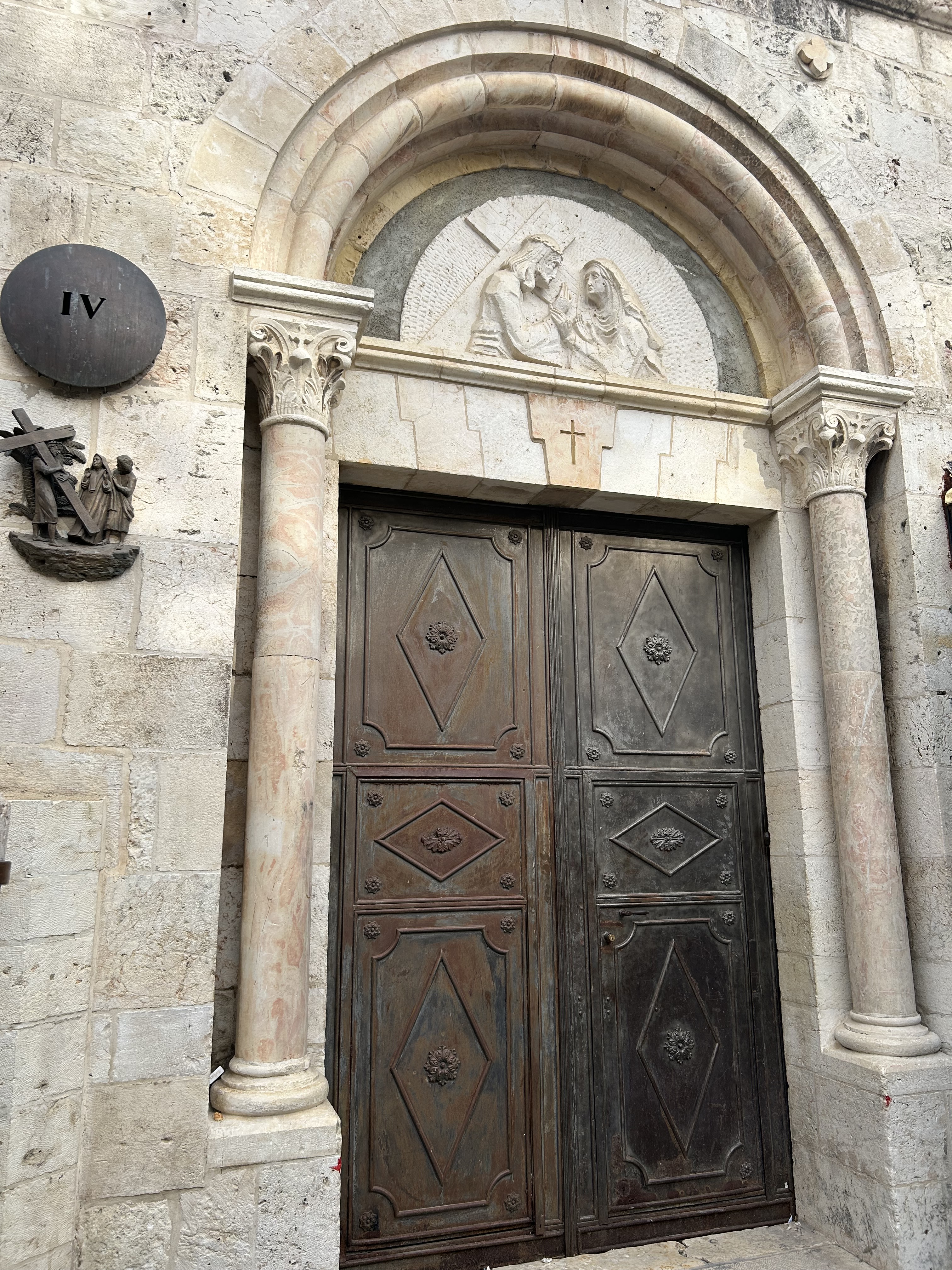
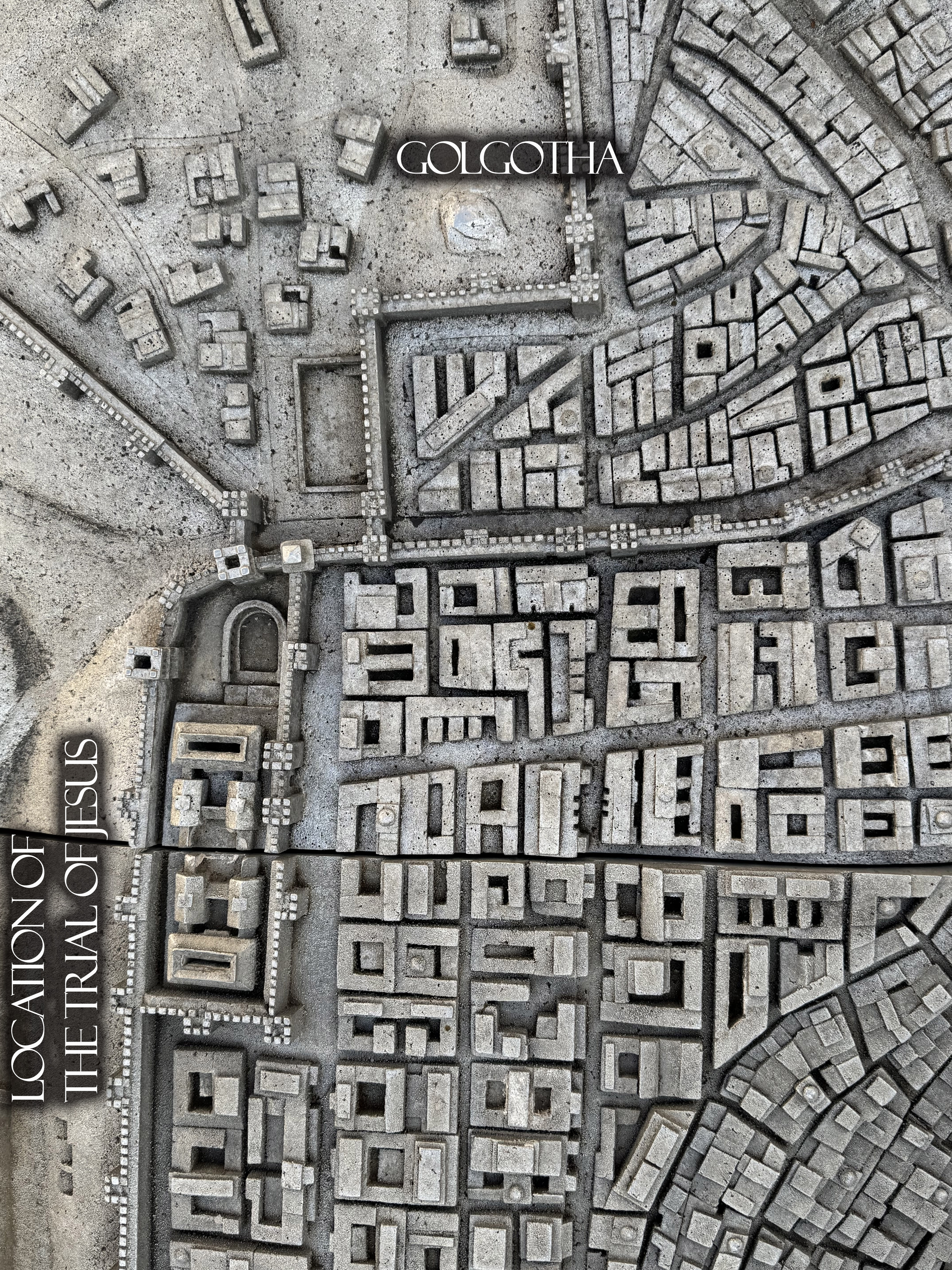

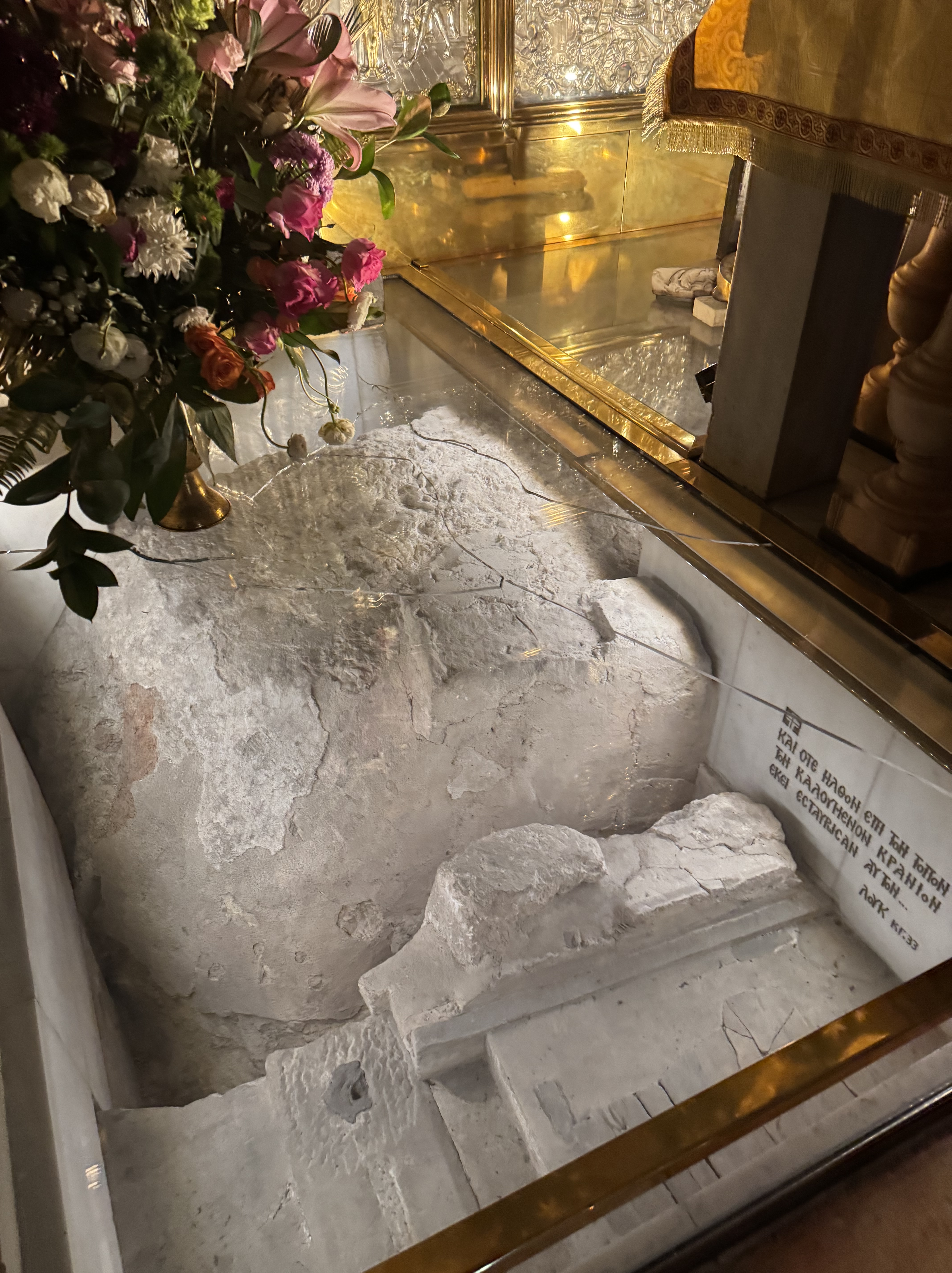
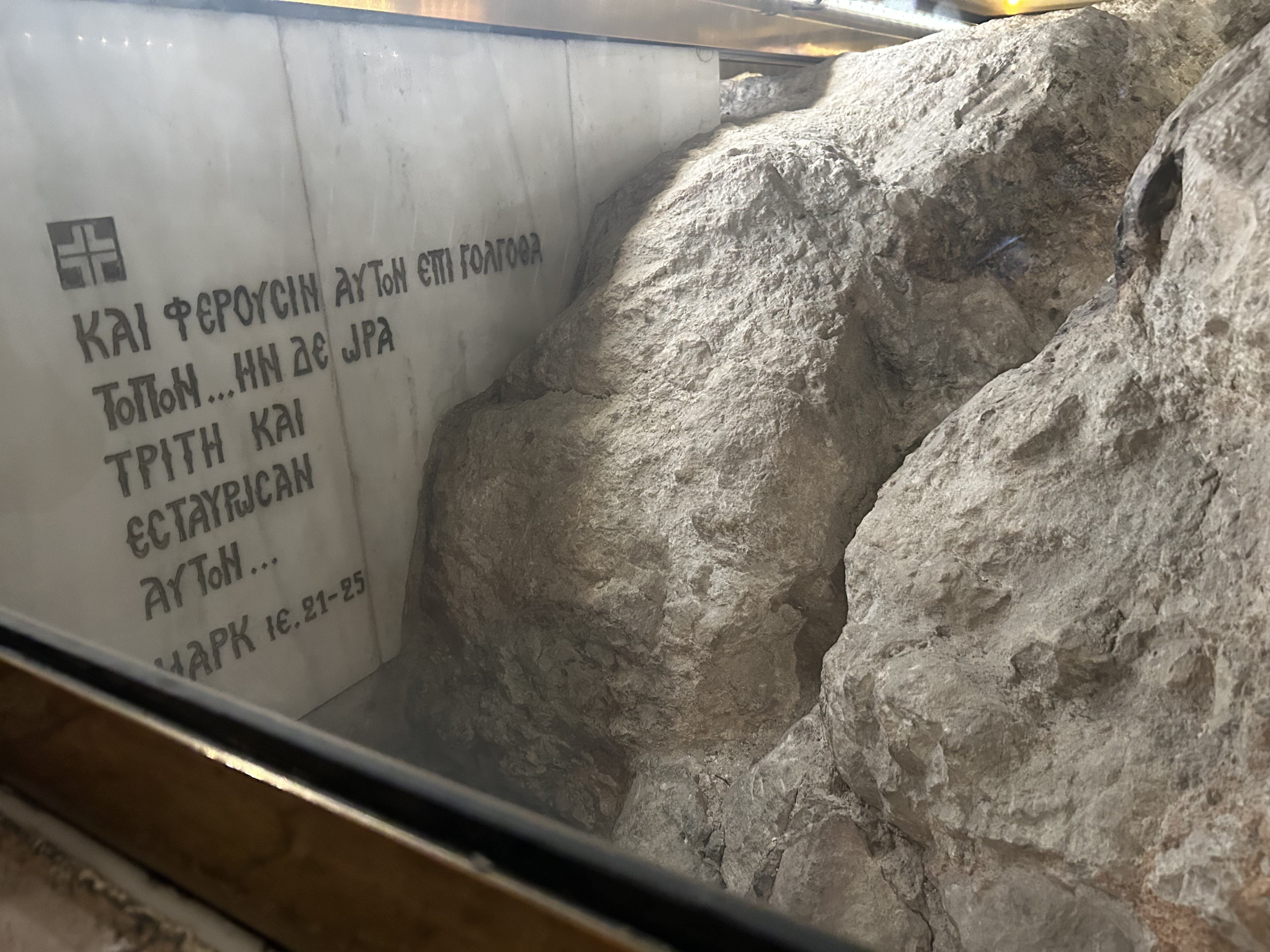
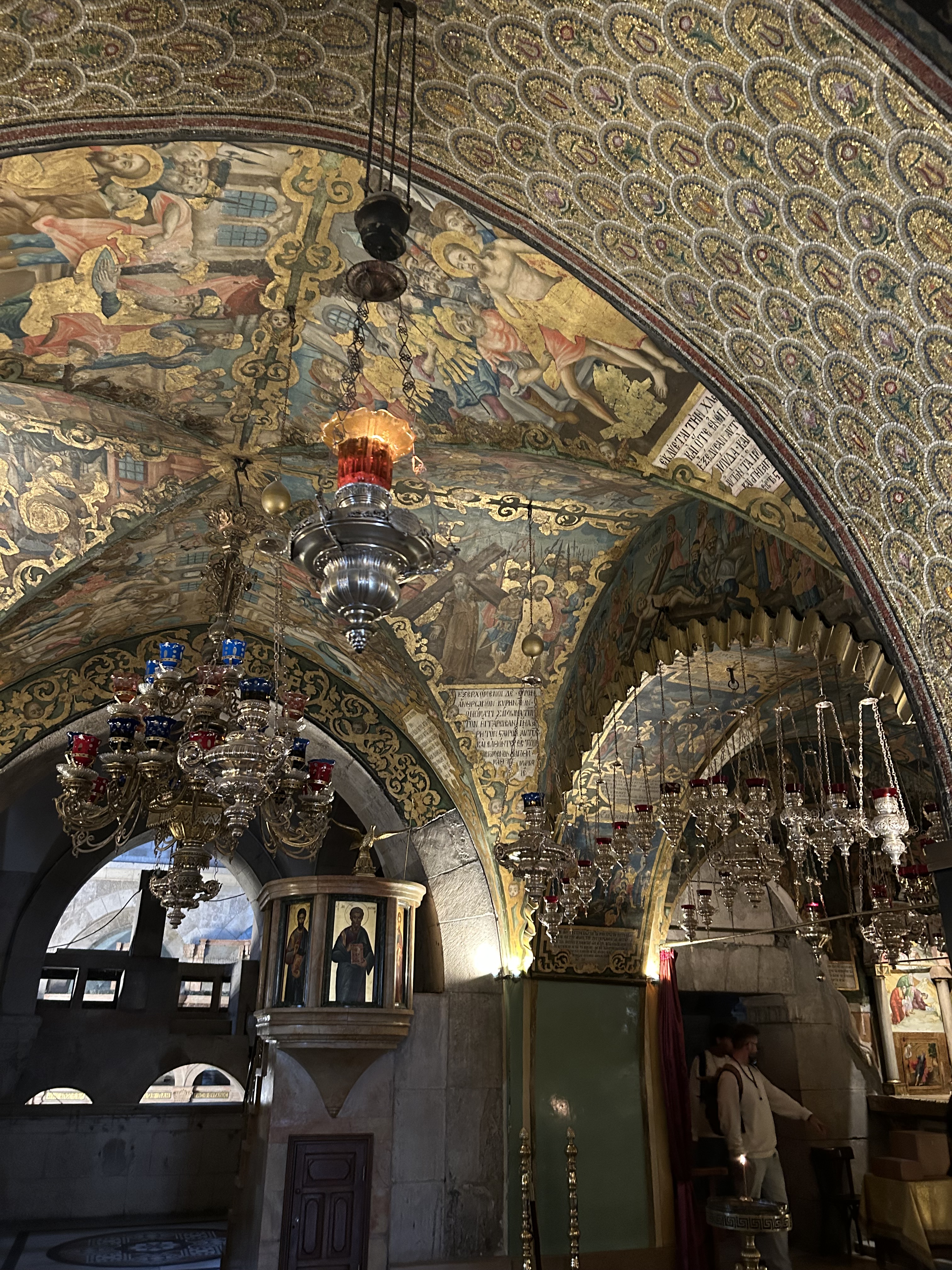


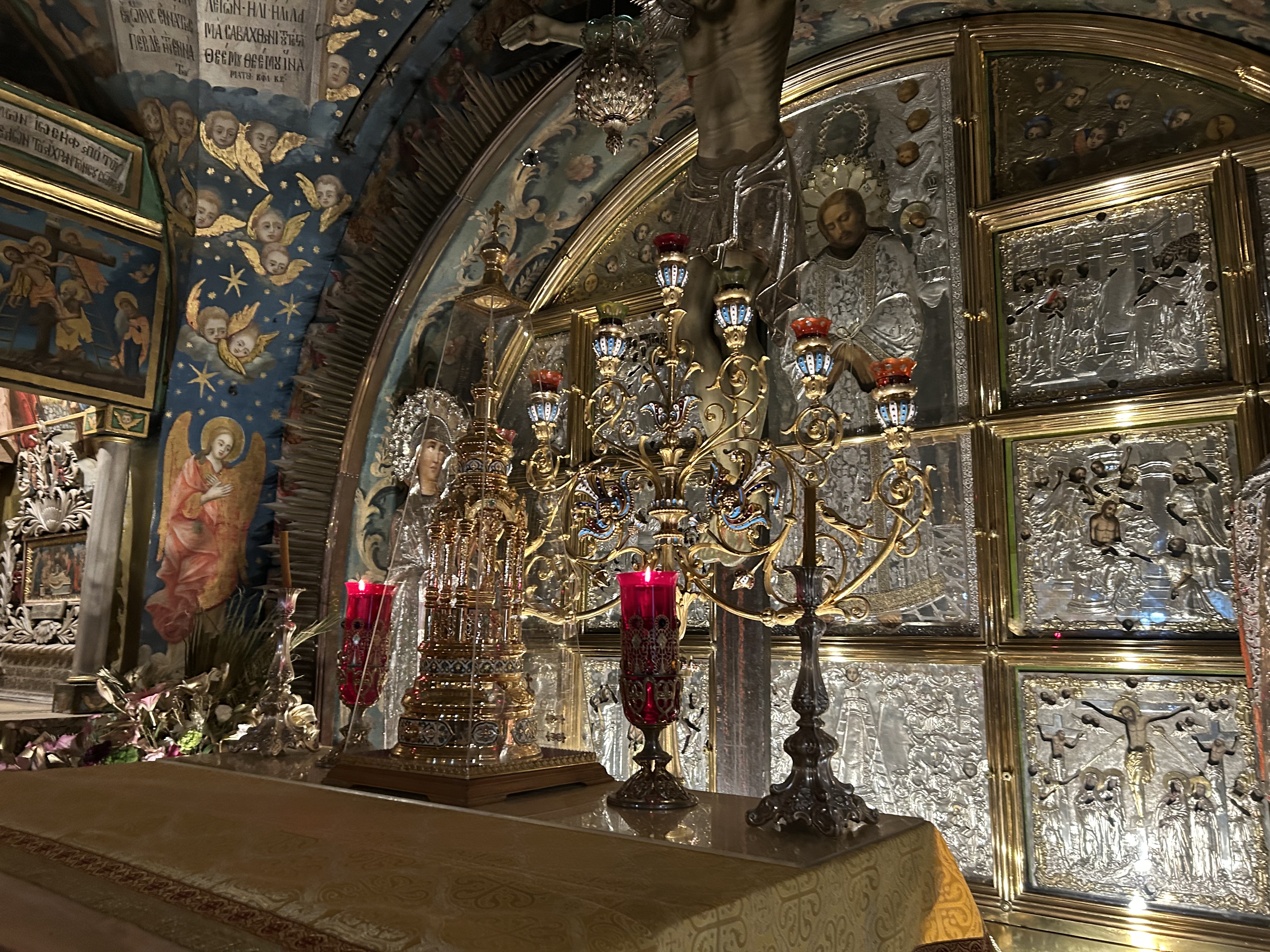
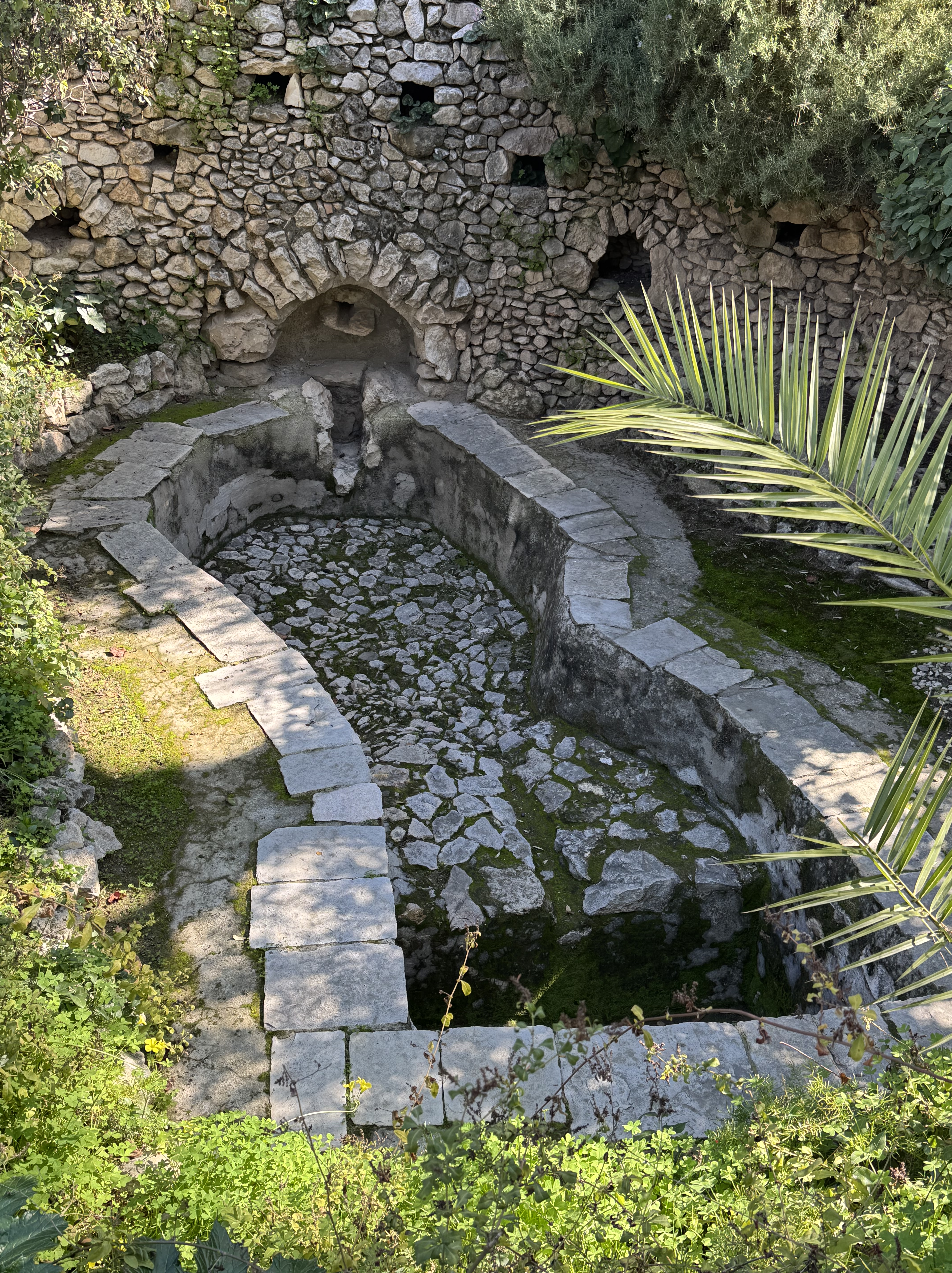




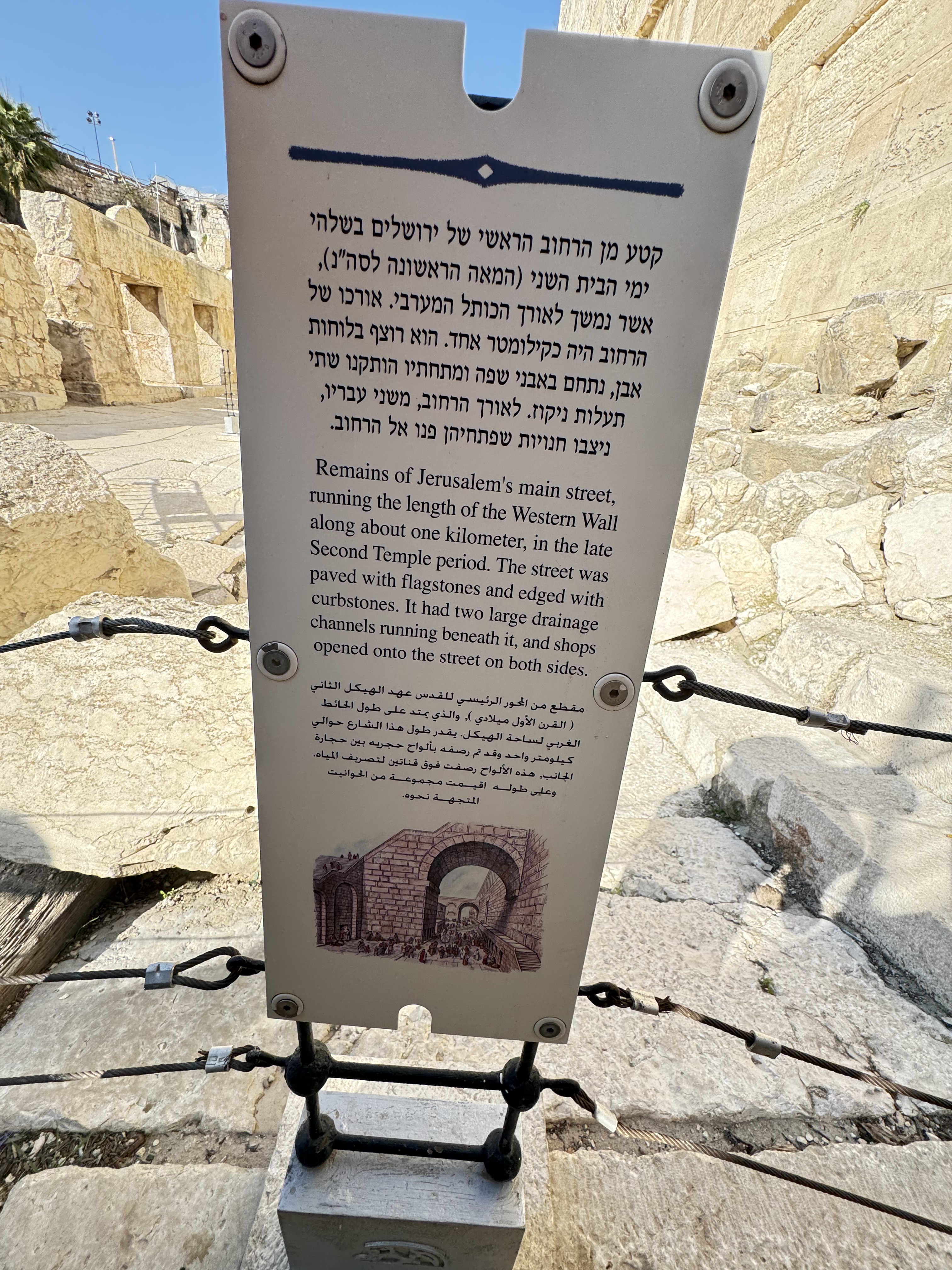
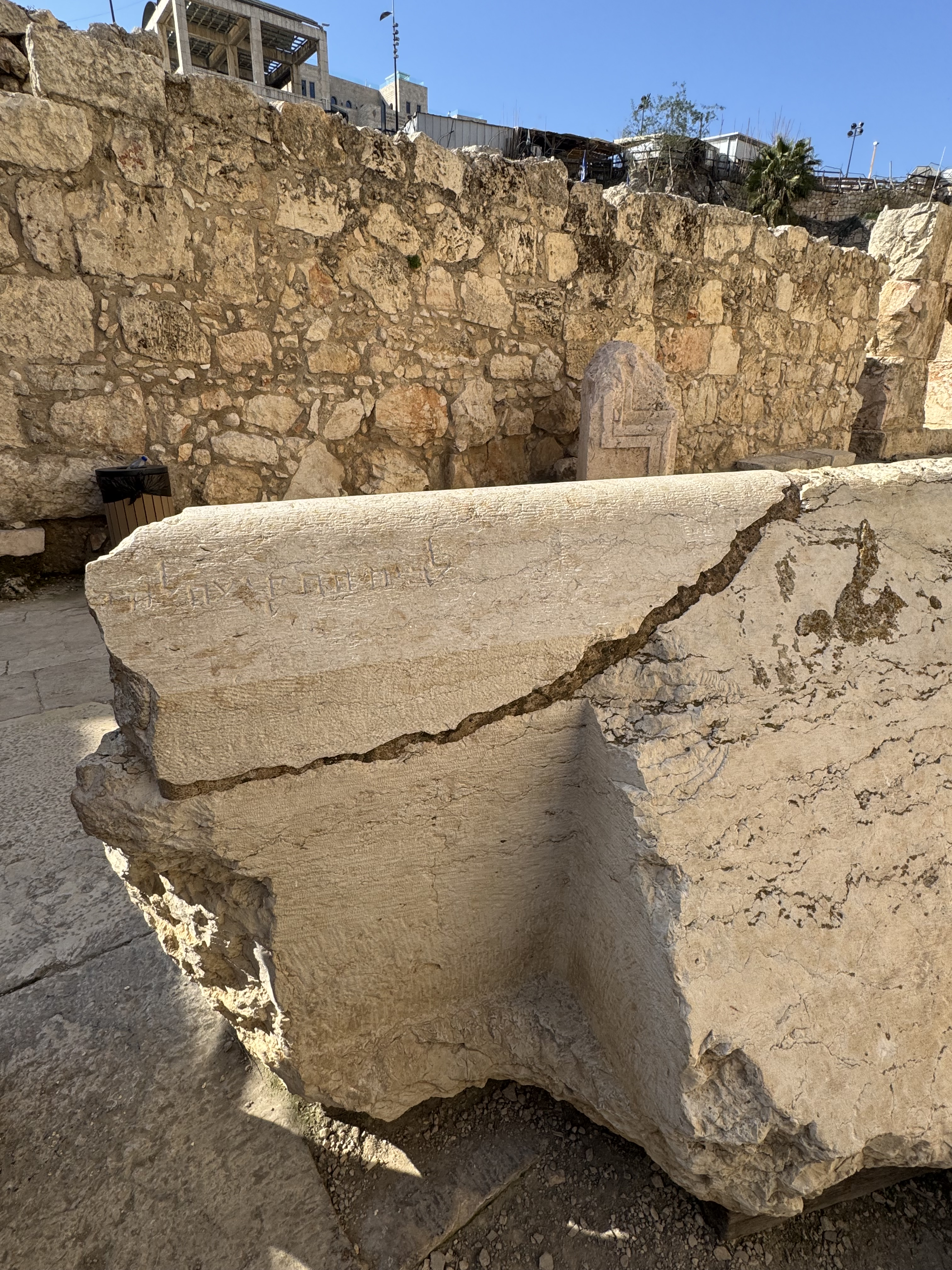



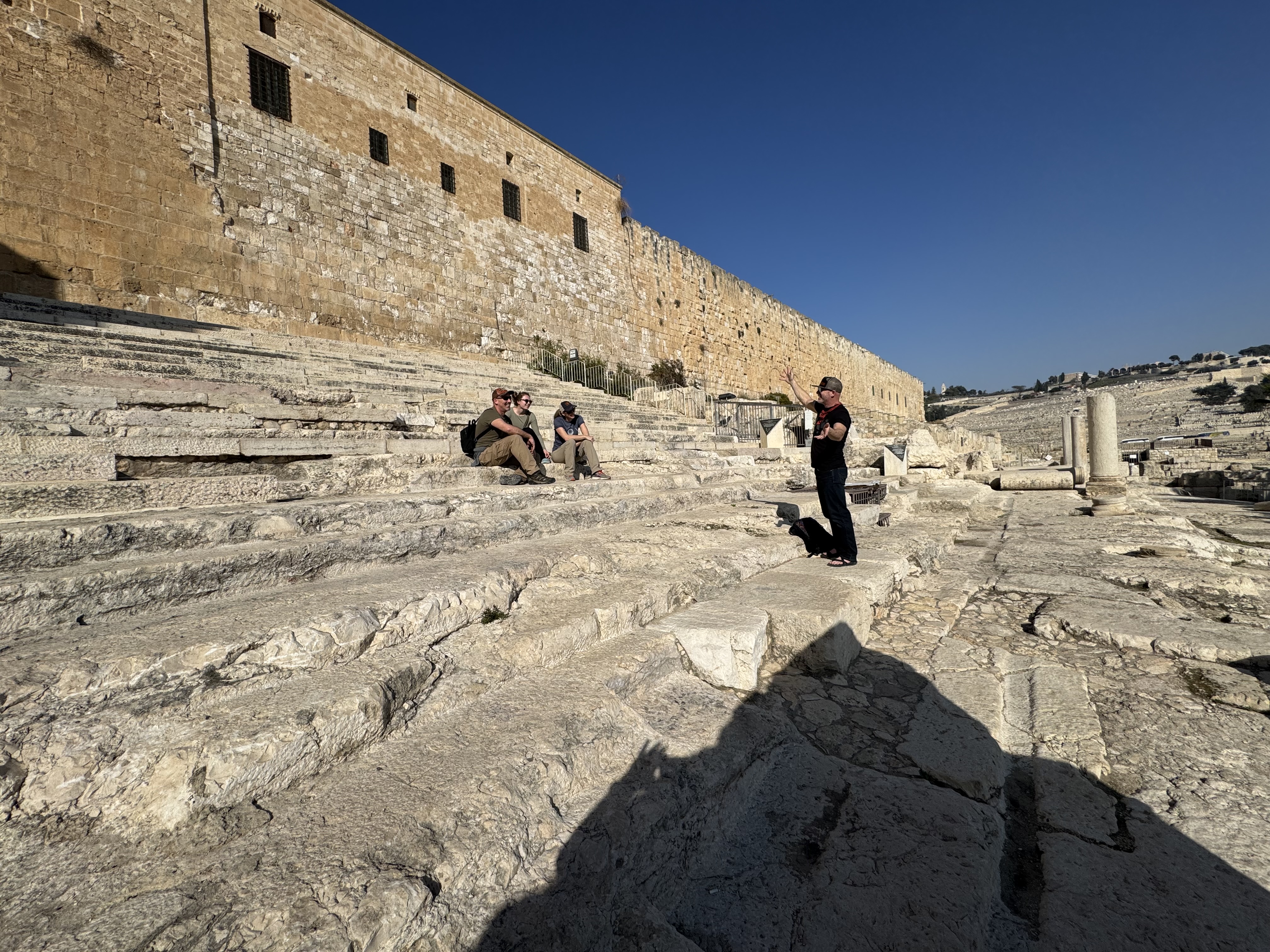


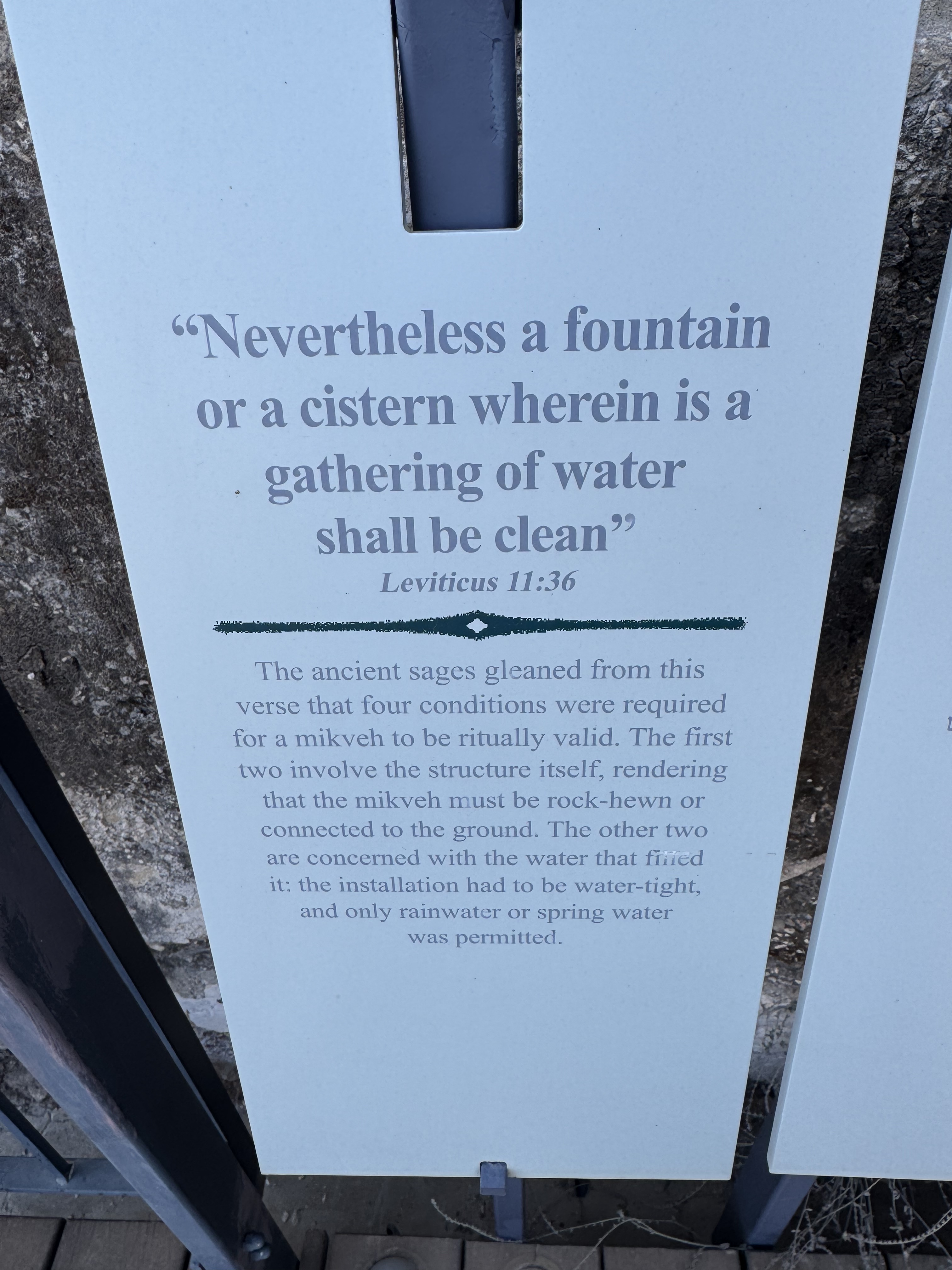


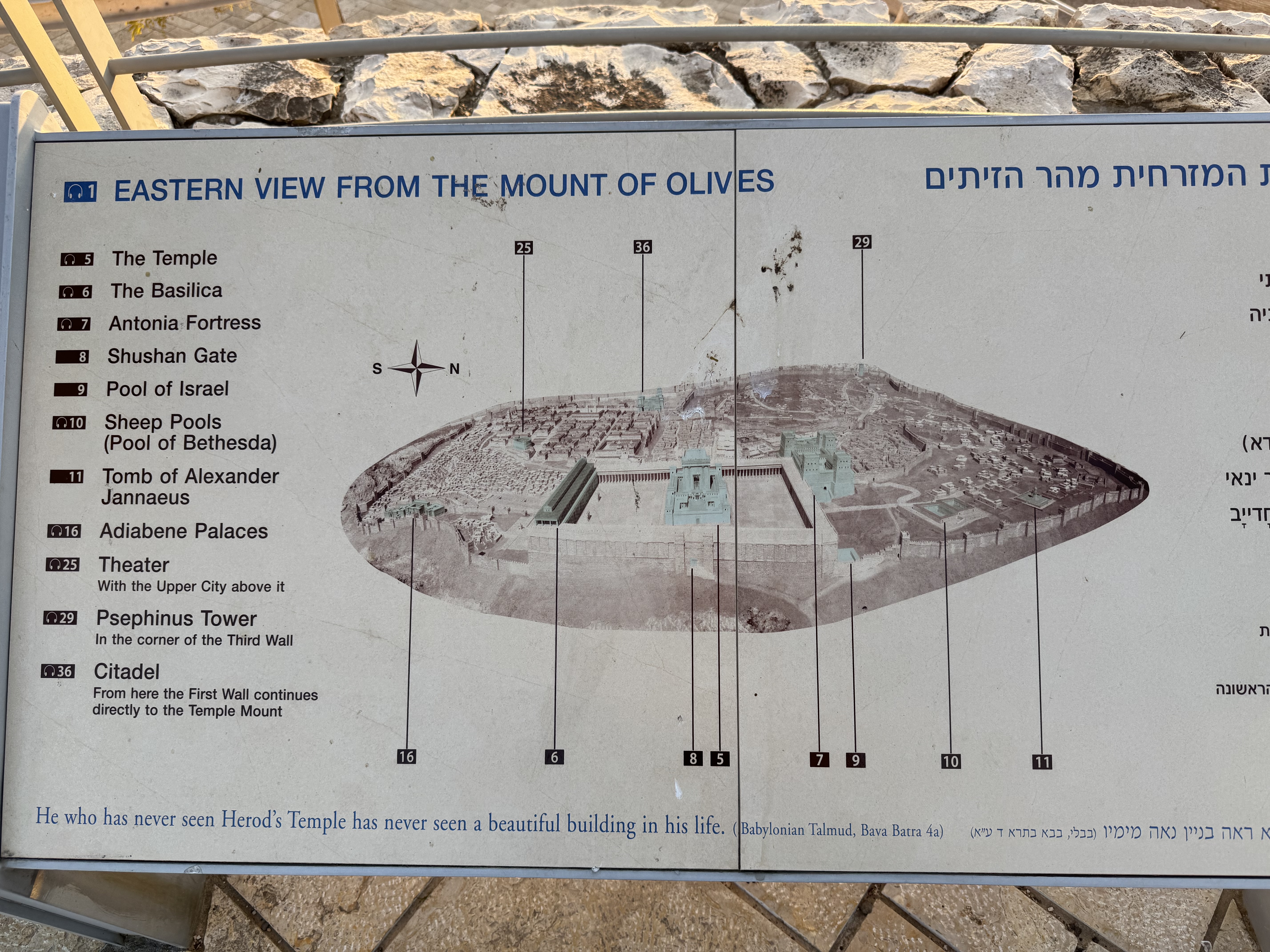


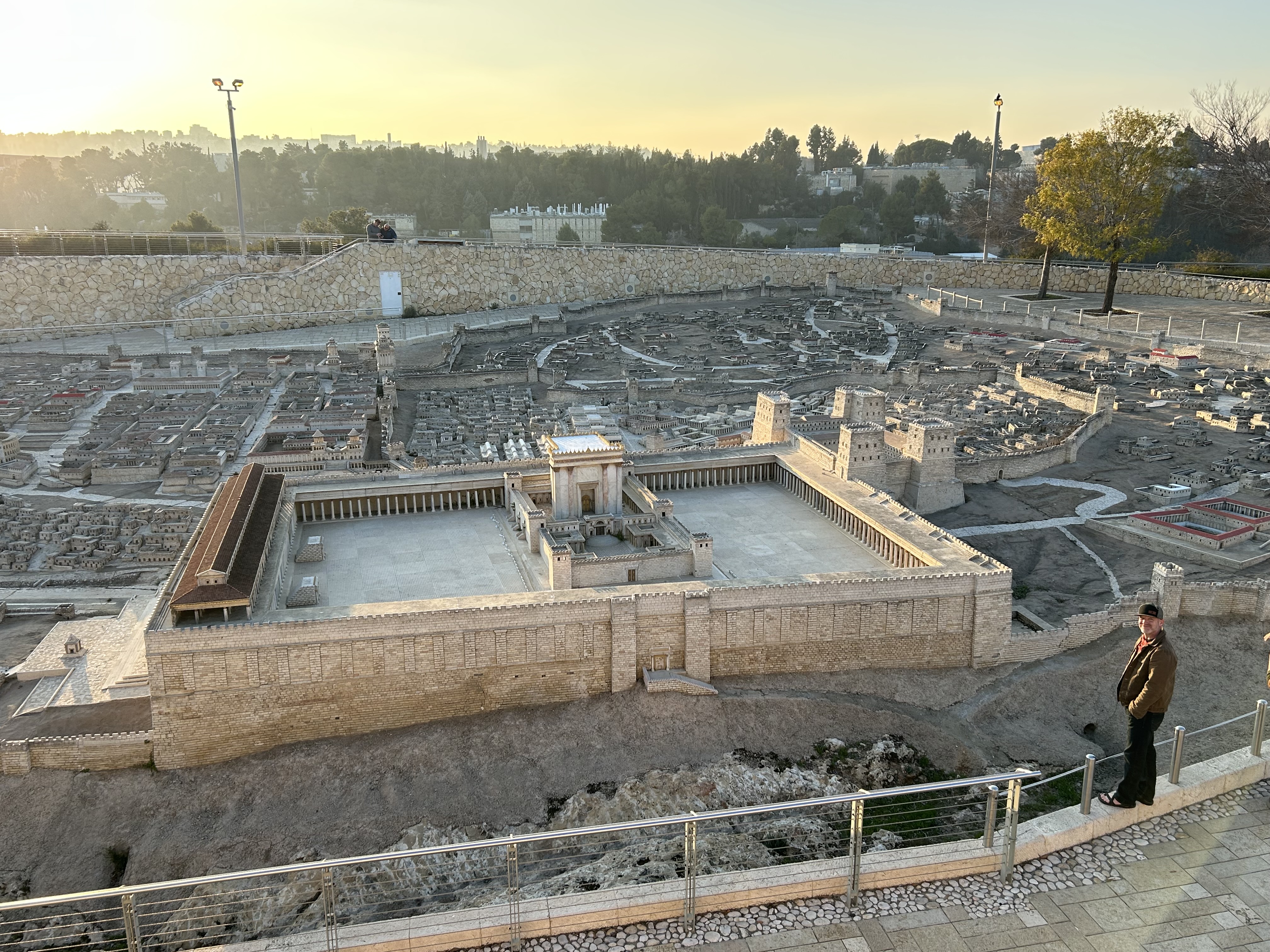

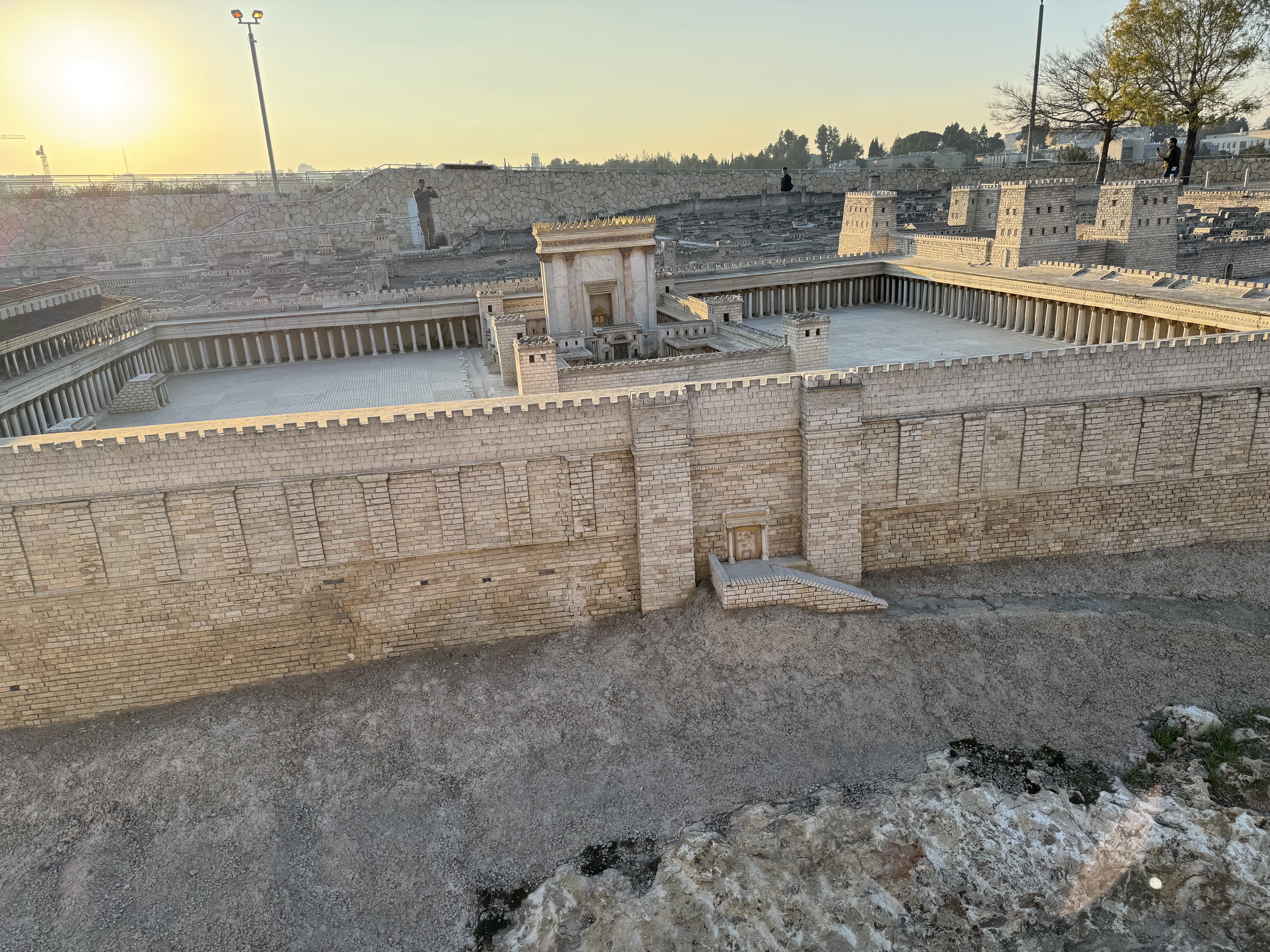


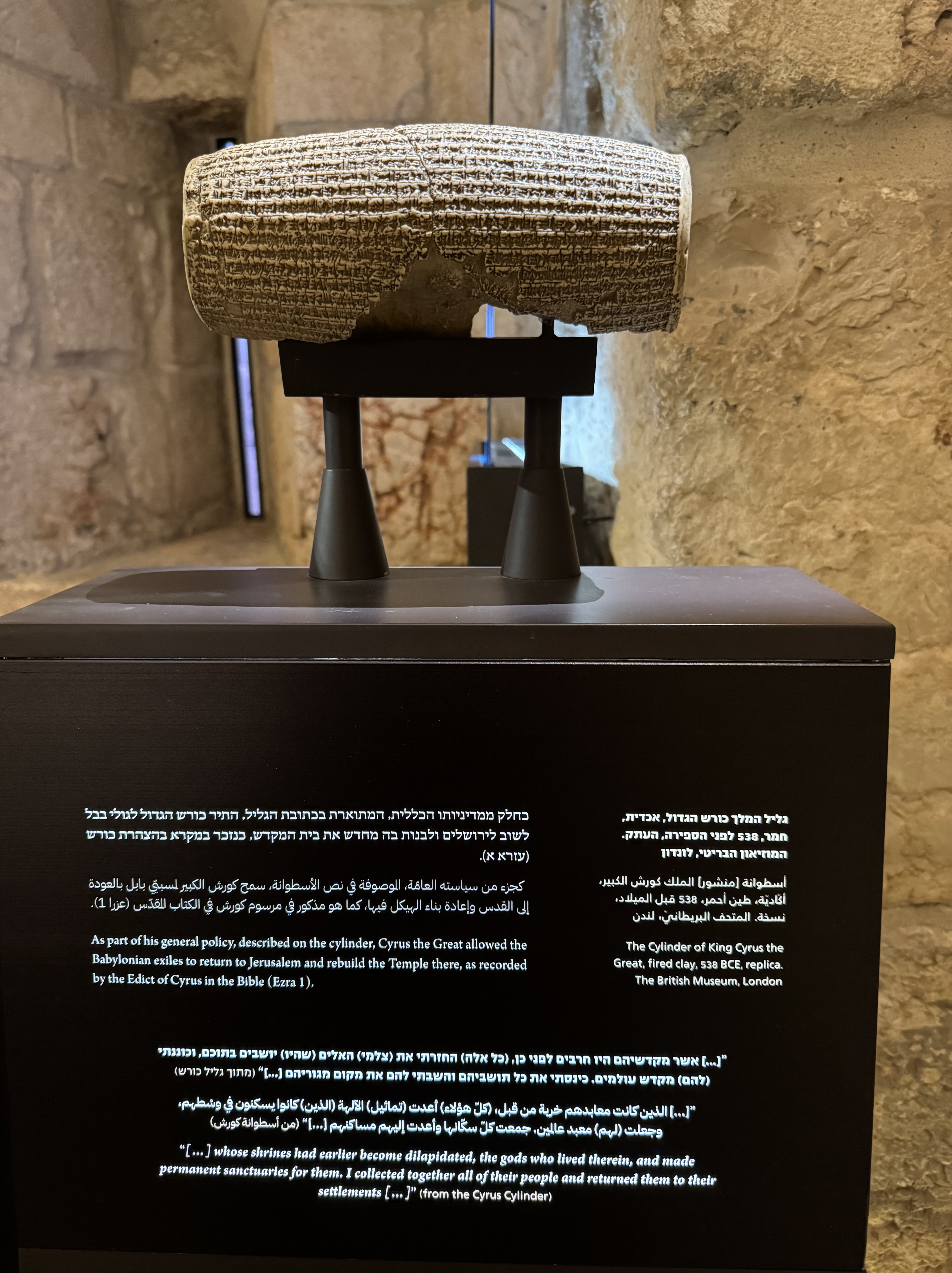


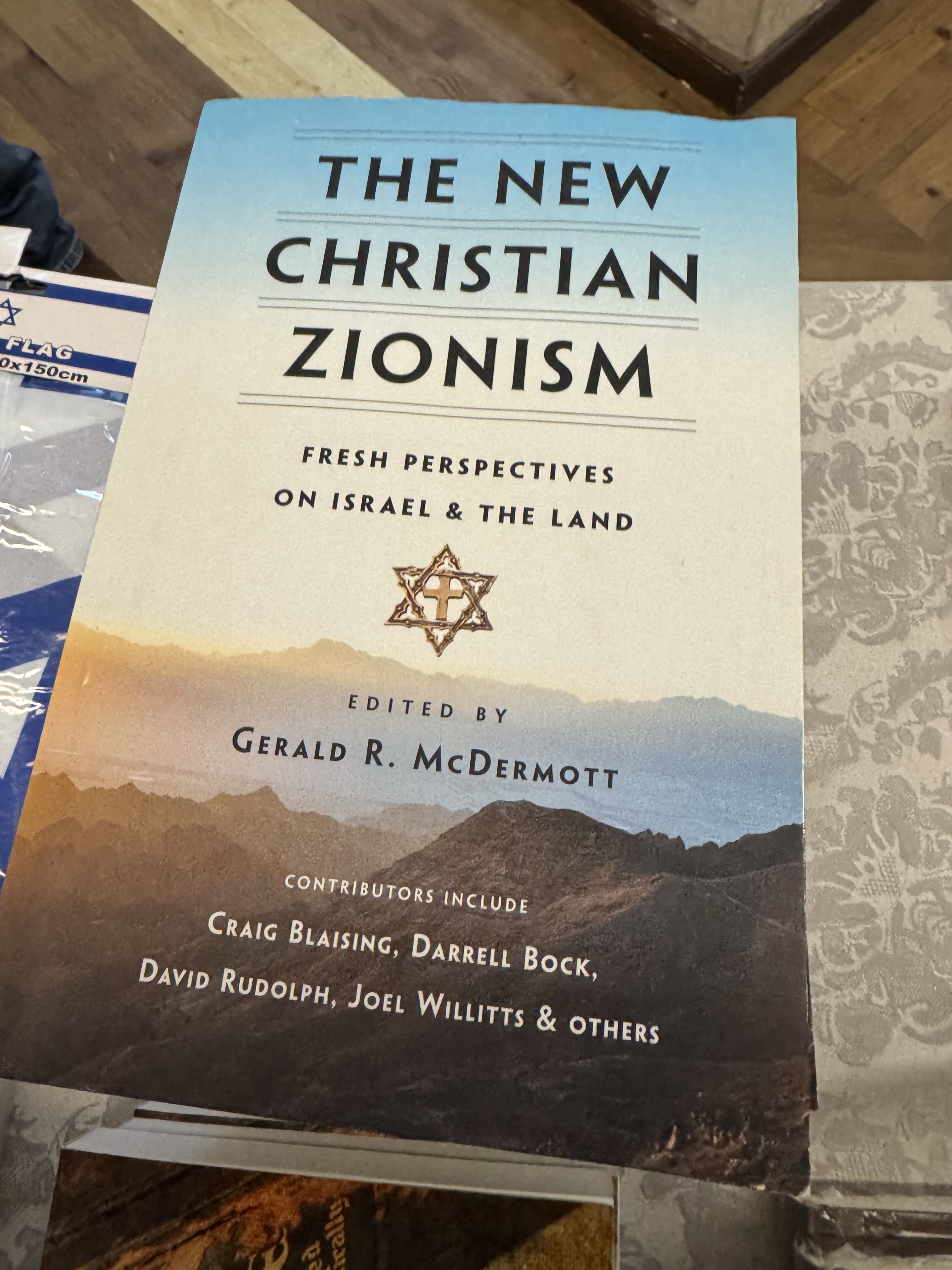


 EXPEDITION 44