
When you harmonize the gospels, you likely come to the conclusion that Jesus called the disciples 3x. The last time He gets very specific and asks them to leave everything on the beach, don’t look back, stay with Me completely and “walk” completely with Me. In our modern Western world this first century calling to discipleship seems almost impossible. I have spent my whole life challenging myself and other people to this level of discipleship, and I am just about convinced that in modern America people just aren’t willing. I have found one exception… seminary training. Unfortunately, this isn’t the case with all seminary experiences but at The King’s Commission (TKC) we believe that this is the closest pathway to what first century discipleship under Jesus would have looked like. Study daily, be mentored, read, listen, discuss, dive deep into a community that is likeminded to experience the full breadth (completeness) of Jesus and the Church.
What a time it must have been, when Jesus shared his words and heart with his disciples (students) for the three years of his earthly ministry! They saw his compassionate healings, marveled at his miraculous power, listened to his word, saw his glory (Matt. 17:1-13), were humbled by his servant-leadership (Matt. 20:25-28, John 13:1-20). We believe you can still experience that same feeling with Jesus through TKC.
Seminary is something similar to those three years with Jesus. In many ways, of course, it is different. Jesus didn’t need to teach his disciples how to read Hebrew and Greek. He didn’t need to teach them post-canonical church history, because at the time there wasn’t any. And although he didn’t give letter grades, he regularly evaluated their progress. TKC has sought to stay as true to this dynamic model as possible.
Discipleship is about commitment, not to a program or a pattern but to the person of Jesus Christ.
Perhaps one of the Western world modern challenges we face is to see seminary throughout the context of discipleship rather than simply education. Seminary is more than academic training; it is a spiritual journey. The Latin “seminarium” or “seedbed”—captures the deeper purpose: cultivating hearts that bear spiritual fruit. Seminary, properly pursued, fosters a “taproot” in believers—vertical depth before horizontal spread—so lives become steadier, more rooted, and more fruit-bearing.
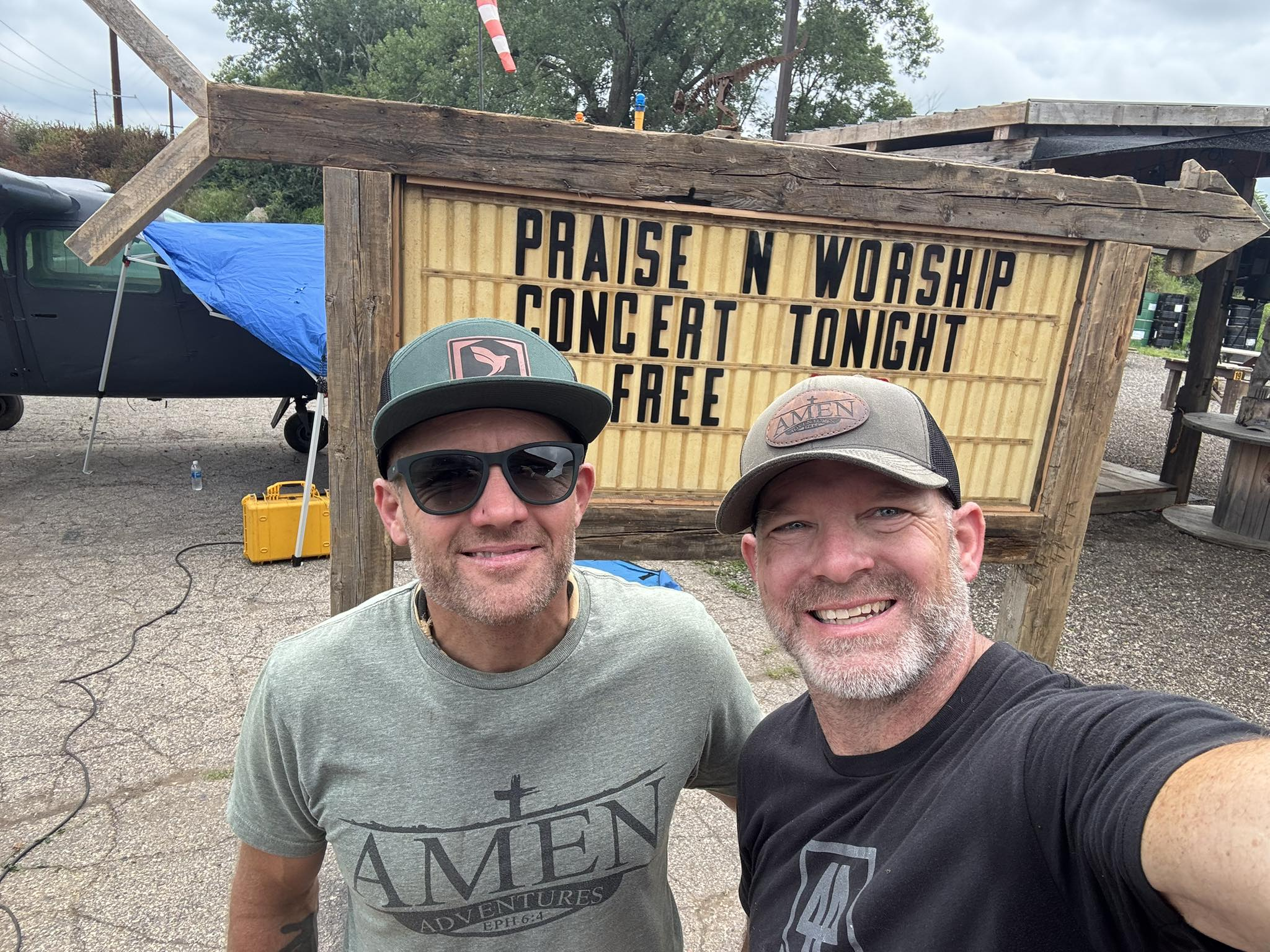
A testimony from one of the students that Dr. Ryan has discipled and now is regularly involved with in local church ministry, Paul Lazzaroni:
My own seminary experience (Paul) shifted my perspective. The draw to a deeper understanding of the scriptures came simply from a hunger to know Christ more. After a previous failed attempt at a well-known Bible College, 7 years later I was invited to apply at seminary. It wasn’t until I handed in some of my first course work that my understanding of seminary began to shift from simply retaining information to spiritual transformation. My advisor challenged me not just to retain facts but to articulate why I believed what I believed. That invitation to integrate intellect and devotion opened a deeper adoration for Christ. Many Western educational systems emphasize information retention; seminary (like Hebraic Torah study) invites transformation, not mere accumulation of facts.
For me, this wasn’t just a different way of seeing education, this was a journey down a path that the early disciples took with Jesus.
Hebraic culture treated study as a spiritual discipline linked to life and covenant faithfulness. Torah study functioned as devotion and formation, shaping how people lived before the LORD. From Eden through Sinai to Jesus, Scripture consistently calls for faithful allegiance expressed in obedience and transformed hearts. The word seminary itself is not nearly as old as the scriptures, but the heart behind the journey through seminary ties directly into the first and greatest commandment of Jesus “Love the Lord your God with all your heart and with all your soul and with all your mind.’ Mat 22:37
The word seminary (seminarium) means “seed bed”. Even our word semen finds its origins here. Semen without an egg to fertilize is a source of life that is seeking a host. Humankind is designed to replicate the source of life that heals, that restores, and that multiplies that which gives life, but the spirit of God needs a seed bed and Jesus himself consistently goes back to talking about the heart of the matter as though this is the seed bed of the human being.
Paul’s example in the New Testament reinforces this same type of spiritual journey. Despite his rigorous education as Saul, his encounter with Christ began a multi-year (14) process of spiritual formation (Acts 9; Galatians 1). Conversion was a beginning that required unlearning, relearning, and sustained growth. Seminary can be that structured season of deepening, where encounter and study mature into faithful living.
Over centuries, what ought to be a life-changing journey of spiritual study has sometimes become a path to prestige, income, or institutional advancement. From the establishment of the early church, there has been a slow evolution away from this type of devotion towards educational advancement. In the 15th and 16thcentury, the church experienced a large pivot deeper into the intellectual moving further away from the spiritual journey. This pivot began with a bold, spirit led move by Martin Luther to stand up against the hierarchical system that the Catholic Church had established, however much of what we still experience today is a war of the minds. The downfall of humanity began when we attempted to reason through all the things of life without the spirit of God. In doing so, we give up is the divine journey with Jesus himself as the teacher. When theological training serves personal gain rather than formation, the church loses its capacity to cultivate compassionate, faithful leaders—gardeners rather than dictators. Seminary must resist reducing theology to a résumé item; it should invite humility, compassion, and a lifelong devotion to learning and obedience.
For those of us who have had simply one encounter with Jesus, we know that it was a profound spiritual moment. My prayer would be that there was a flame that was lit. If you have yet to do so, seek out the fan that ignites that flame. Over the centuries, what was meant to be the most incredible journey of our lives by means of study, has transformed into hierarchical astuteness for the advancement of primarily worldly pursuits. This transformation of higher education has led to the creation of many learning systems that operate without spiritual context and in my opinion simultaneously void the presence and power of the spirit of God.
If seminary is understood as a seedbed for spiritual formation, it belongs to any disciple who wants to deepen devotion, understanding, and faithful practice—not only to those who pursue clerical office. It equips Christians to study Scripture faithfully (hermeneutics and exegesis), to integrate head and heart, and to live a long-haul obedience that reflects covenant faithfulness. This is the direct invitation from Jesus, the ancient of days, the word become flesh, the author and perfecter of life. Let us not waste our eternal invitation to follow in the dust of him. I pray the path of Yahweh draws many into this kind of lifelong study and devotion.
Written by Dr. Will Ryan and Paul Lazzaroni
 EXPEDITION 44