
The Passover elements symbolize God’s character and retell the story of our liberation from the forces of the fallen world.
Passover is a beautiful and highly symbolic celebration. More than any other festival (right or wrong), it has been at the heart of the universal Jewish experience, helping to form the core of spiritual identity and pointing inexorably toward the hope of Israel’s salvation.1
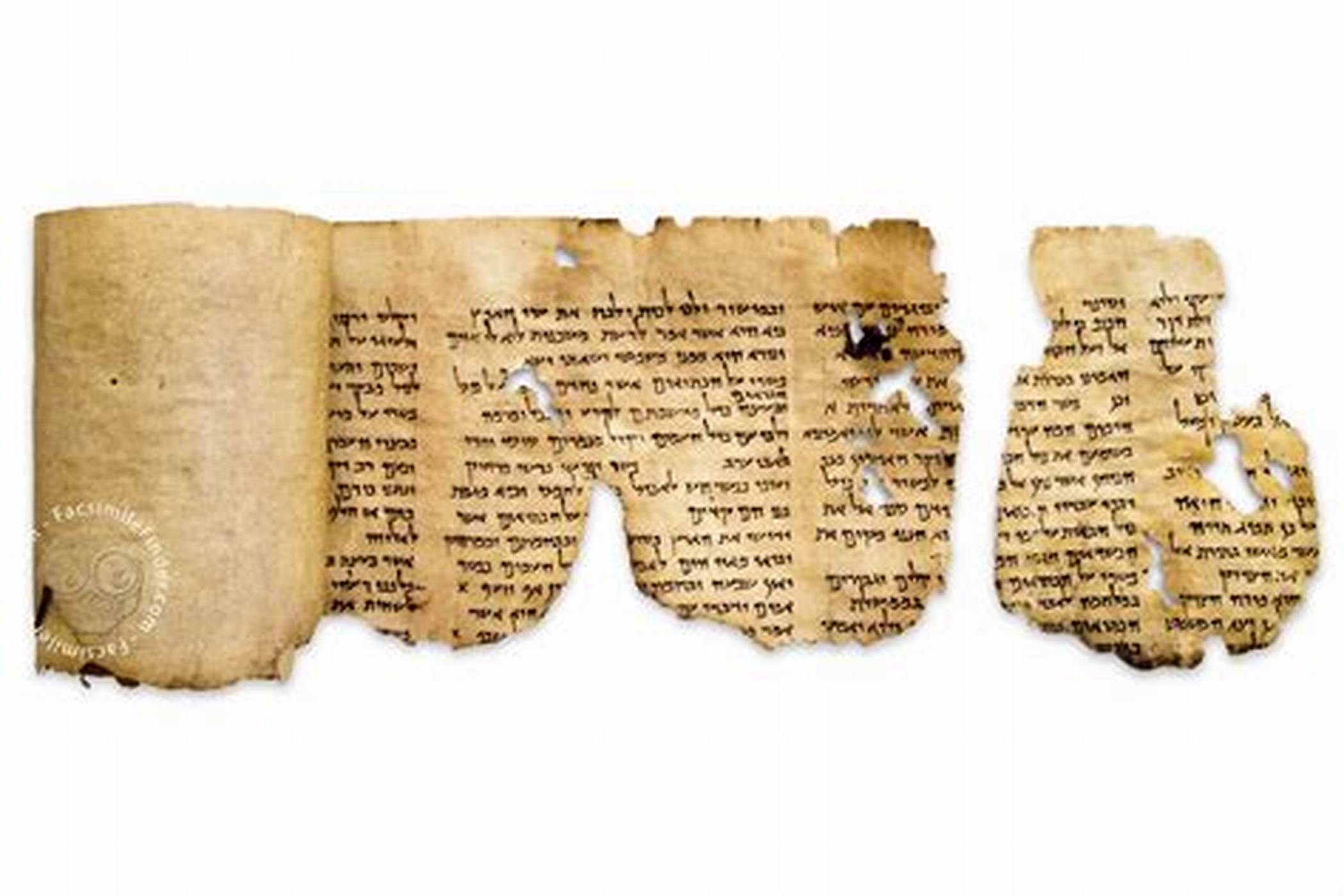
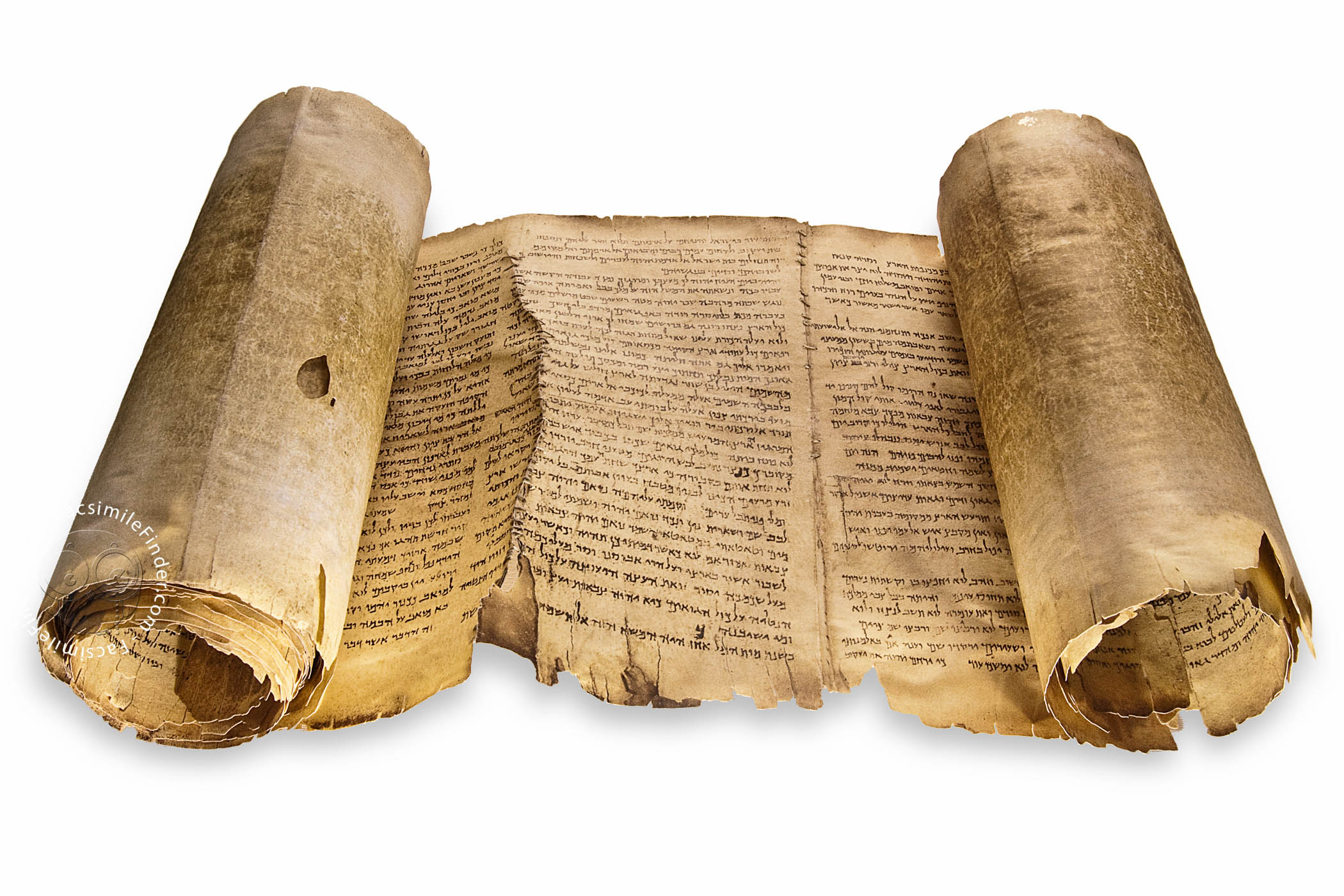
Each year the date of Passover slightly changes on the Gregorian calendar. The Haggadah (Hebrew: הַגָּדָה, “telling”; plural: Haggadot) is a foundational Jewish text that sets forth the order of the Passover Seder. According to post second temple Jewish practice, reading the Haggadah at the Seder table fulfills the mitzvah incumbent on every Jew to recount the Egyptian Exodus story to their children on the first night of Passover.2 You may or may not want to partake in it considering that! (More on that at the end of the article.) As I have previously written, the Passover teaching is intrinsically intended to be simple enough for children, and if you were raised with it each year hearing the story and going through this motion, you would think that, even though it may actually seem complex to a non-Torah observant evangelical. The seder dinner is based on Passover and Passover was the simple feast of the seven. But since the other feasts are now not typically observed sometimes the seder dinner becomes more complex attempting to try to make the Passover feast encompass the content of all the feasts. This is a bit unfortunate. The Passover is aimed at families considering a personal commitment to Yahweh’s covenant offered to them. I am going to write this from an already/now perspective giving you the historical symbolism impacted already by the work of Jesus through His death, resurrection and ascension as it relates to us today. Lastly, if you haven’t read this article, please do so first. 3 Personally, I am always amazed walking through a seder dinner how everything so richly points to Jesus yet so many of those that partake refuse Him.
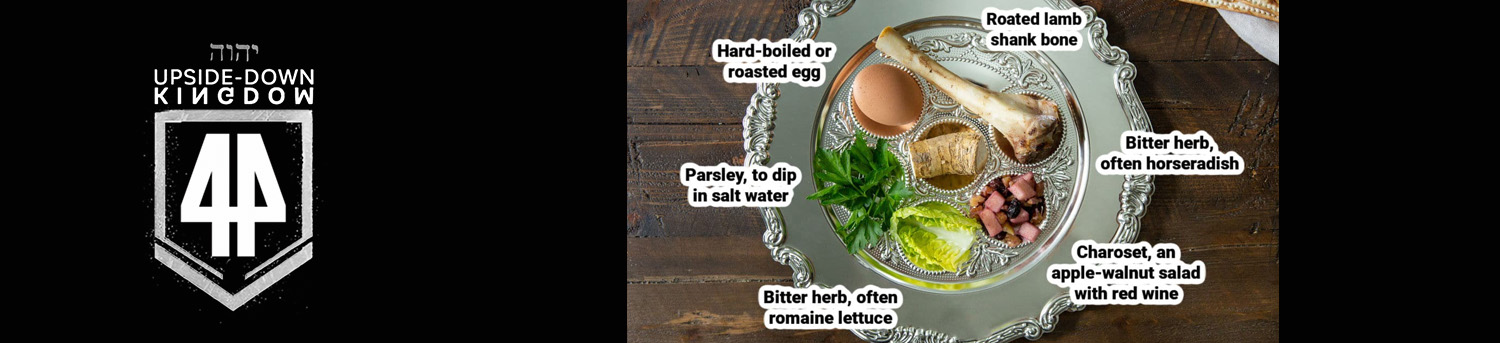
Much of the seder dinner is based on tradition not the Bible. This is a biblical struggle. You also have the issue that second temple Judaism made a lot of rules which is what Jesus spoke very harshly against – That is actually what the temple cleansing was about in large part. So, I have crafted a presentation based on a better understanding and education. What do we take away and what do we leave behind? Below is the typical Seder order, however – I don’t really think a lot of the traditional seder is scriptural and thus think some of it could and should be left out. I think a better aim of the seder is to teach the symbolism of the Old Testament as it may relate to the Messiah which is what I aim at here. I also would not get caught up in needing to do things exactly as they are scripted. The was never the heart of the text or the biblical intent of reembrace of Passover. The seder should be light, fun, and simple. Made for children! The remembrance of Passover to the people of Israel in many ways was a foreshadow to the remembrance of communion in the New covenant.
The original intent of early Passover was to pass on to your children orally what is important and “SETS APART” your family. IT was not only a time for the stories of God’s covenant faithfulness but also brought a sense of spring cleaning spiritually to begin your year on track with the LORD. This is a great thing. I would encourage you to partake with your family in a similar sense. Maybe you tell the story of “passing over” or maybe you spiritually just use the meal to discuss Jesus over everything for your family and how important that is “YEAR after YEAR for you and your family.
| Order of the Seder | |
|---|---|
| Name | Meaning |
| KADDESH | Kiddush (1st cup of Wine) |
| URECHATZ | Wash hands, before eating Karpas |
| KARPAS | Eat parsley dipped in salt water |
| YACHATZ | Break the middle matzah – hide the Afikoman |
| MAGGID | The telling of the story of Passover (2nd cup of Wine) |
| RACHTZAH | Wash hands before the meal |
| MOTZI | Blessing for “Who brings forth”, over matzah |
| MATZAH | Blessing over matzah |
| MAROR | Blessing for the eating of bitter herbs |
| KORECH | Eat matzah with bitter herbs & charoset |
| SHULCHAN ORECH | Passover Dinner |
| TZAFUN | Eat the Afikomen |
| BARECH | Blessings after the meal (3rd and 4th cups of Wine) |
| HALLEL | Recite the Hallel, Psalm of praise |
| NIRTZAH | Next year in Jerusalem – conclusion of the Seder |
| Song of Rejoicing | Song of Rejoicing (technically, this is after Seder) |
LIGHT THE CANDLES: Light is a symbol of God’s presence. Lighting candles during holidays and on Shabbat remind us that God is our light.
Traditionally a woman would light the candles and begin the chant. But you can make a joke that perhaps a manchild or manwoman will do, in Hebrew the word for Man or husband is a contranym and can mean a a man of valor, champion, expert, counselor or great hunter, but it can also find an opposite meaning such as manchild or woman like man, oppressor, adulterer, or general offender. That’s why for centuries the idiom has shown woman rolling their eyes and saying “eeeesh” when a man does something childlike. אִישׁ Transliteration: iysh Pronunciation: eesh
The Haggadah means “the telling” and has been passed over generation to generation for thousands of years. But again, I would not emphasize that as I believe it might be grounds to be “off course” for a Jesus follower. You could begin with reading Matthew 5:17-20.
LEADER: God is holy, and we cannot enter His presence with sin. He established the sacrificial system to cleanse us of our sin. Yeshua is the ultimate sacrifice, so we can be in God’s presence. May we all be sanctified through the blood of the Lamb, Yeshua.
You can begin the celebration with this chant:
Ba-rukh A-tah A-do-nai E-lo-hey-nu Me-lekh ha-‘o-lam a-sher kid-sha-nu B’-mi-tzvo-tav v’-tzi-va-nu l’-had-lik ner shel (shabbat) yom tov.
Blessed are you, O Lord our God, King of the Universe, who has sanctified us by your commandments, and has commanded us to kindle the festival lights. Amen.
Bondage and Exodus
Hebrew Scriptures: Exodus 12:24–27. The nation of Israel is commanded to celebrate the Passover as a yearly ordinance to remember how God has dealt faithfully with them and preserved them. The emphasis is that they will individually be covenant keepers and that that notion leads their families and becomes communal to the larger context of the body [of Christ]. This is the foreshadow of New Covenant communion as we remember how Jesus fulfilled what was started here.
New Testament: John 8:36. Believers in Jesus recognize that God has extended salvation to all nations; through the salvific power of Yeshua’s blood, we are set free from the bondage of sin. Jesus is the Redeemer of humanity. (“All nations” is really a remembrance of the Feast of Tabernacles but as I mentioned earlier gets thrown in the pot with a seder dinner as the other feasts are slowly forgotten.) This starts with a personal covenant commission that we are the personal manifestation of the hands and feet of Jesus to regain ourselves, our families, our church body, and eventually the nations, but Passover emphasizes the aspect of personal reflection. The other feasts emphasized some of the other things, but because in our modern age the Passover is likely the only feast still exercised all of these things in the other feasts may be emphasized.
The Ceremonial Cups
Hebrew Scriptures: The original Passover makes no mention of a cup. Yet throughout the Hebrew Scriptures, the cup is often used as a symbol of both God’s covenant and provision.
Rabbinic Tradition: The four cups represent the four phrases in Exodus 6:6–7: “I will bring you out”; “I will deliver you”; “I will redeem you”; “I will take you to be my people.” First is the Kiddish Cup (the Cup of Sanctification), followed by the Cup of Plagues, the Cup of Redemption, and lastly, the Cup of Hallel (the Cup of Praise). The Mishnah, instructs those celebrating to drink from the cup four times during the Passover seder (Pesahim 10:1).
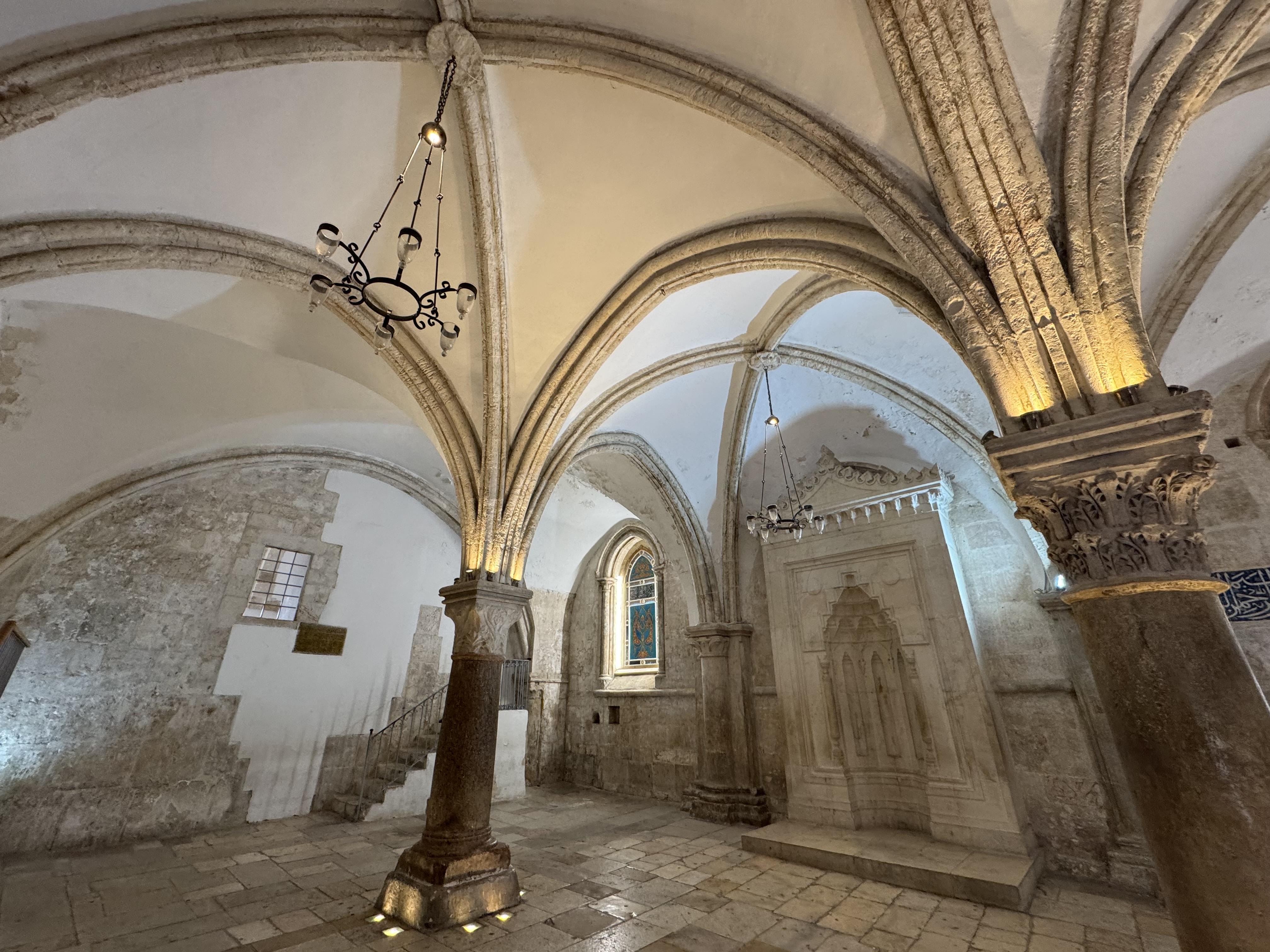
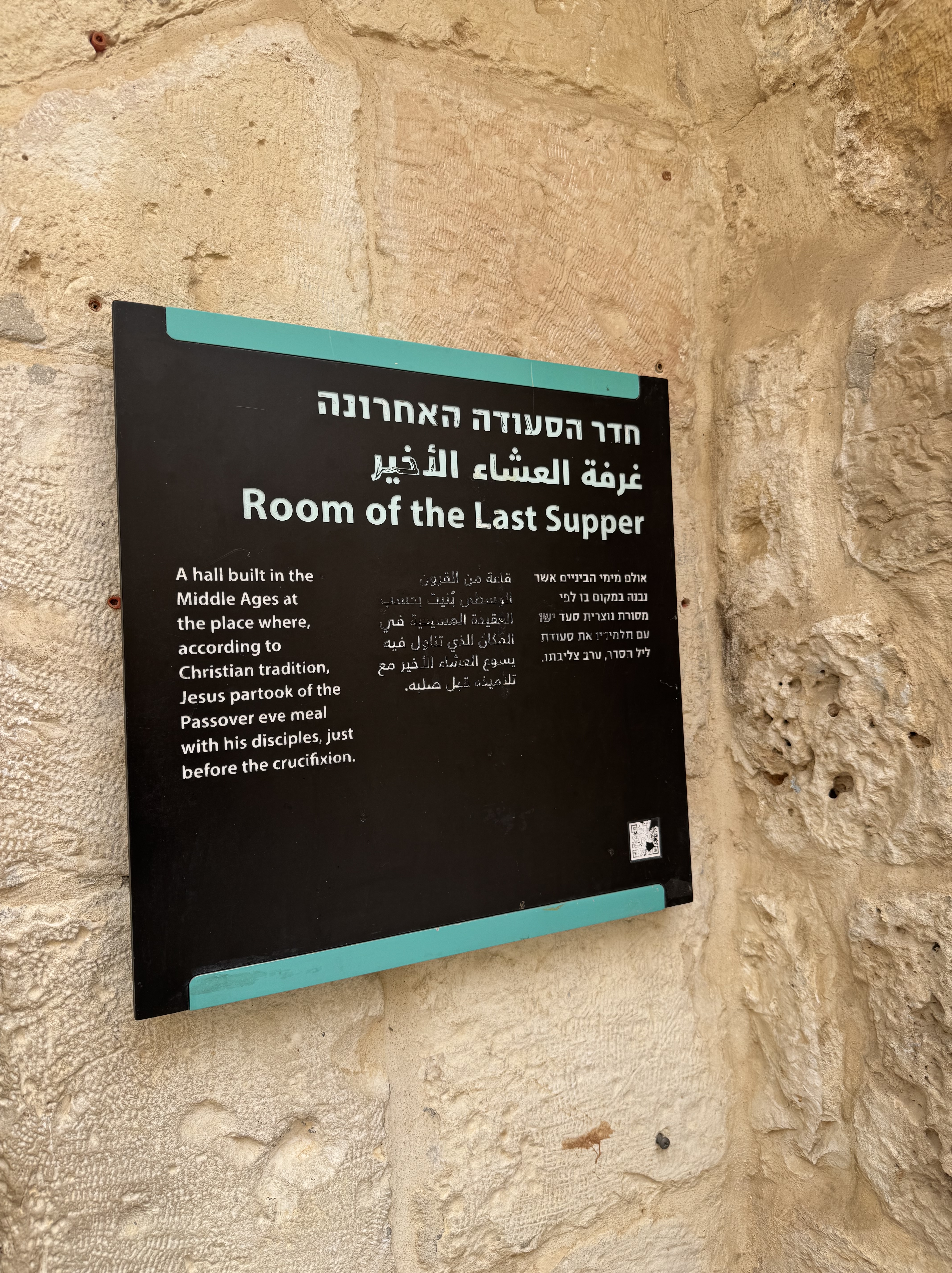
New Testament: At the Last Supper, Jesus raised the cup before the supper (Luke 22:17–18), and the cup after the supper (the Cup of Redemption), when he said, “This cup that is poured out for you is the new covenant in my blood” (Luke 22:20). This is the covenant promised to us by God when He said He would establish a new covenant with His people (Jeremiah 32:38–40). Paul tells us that the communion cup represents the blood of Messiah (1 Corinthians 10:16). The Hallel Psalms sung during the Cup of Hallel were likely sung by the disciples after dinner. Read more about the Passover cups and their significance in the Last Supper.
Jesus declared that this new covenant would be poured from the cup of salvation in His blood. The cup of redemption stood for more than the Hebrews’ escape from Egypt; it stood for the plan and purpose of God for all the ages. Judgment and salvation, wrath (impeding in 70AD) and redemption are brought together in the mystery of one cup, explained by the Messiah in that upper room. Jesus was not speaking of the cup in a purely symbolic manner. He was describing events that would soon occur in His own life. He also reflected this the day before at the triumphal entry when he wept.
Please fill your cup. Let us lift our cups, the Cup of Sanctification, and bless the Lord for His abundant giving.
Ba-rukh a-tah A-do-nai E-lo-hey-nu Me-lekh ha-‘o-lam bo-rey pri ha-ga-fen.
Blessed are you, O Lord our God, Ruler of the Universe, who creates the fruit of the vine.
(Drink the first cup of wine.)
READER: (Psalm 24:1-6)
[1] The earth is the LORD’s, and everything in it,
the world, and all who live in it;
[2] for he founded it upon the seas
and established it upon the waters.
[3] Who may ascend the hill of the LORD?
Who may stand in his holy place?
[4] He who has clean hands and a pure heart,
who does not lift up his soul to an idol
or swear by what is false.
[5] He will receive blessing from the LORD
and vindication from God his Savior.
[6] Such is the generation of those who seek him,
who seek your face, O God of Jacob.
LEADER: Let us wash our hands. As we wash, let us renew our commitment to God to have “clean hands and a clean heart”. (This is KIPPER cleansing language. John Walton’s Lost World of Torah has an excellent section on this.)
Ba-rukh A-tah A-do-nai E-lo-hey-nu Me-lekh ha-‘o-lam a-sher kid-sha-nu B’-mitz-vo-tav v’-tzi-va-nu ahl na-tie-lat ya-da-yim.
Blessed are you, O Lord our God, King of the Universe, who has sanctified us by your commandments, and has commanded us to wash our hands.
LEADER: We will take the parsley, called kar-pas and we will dip it into the salt water. We do this to symbolize the tears and pain of the Israelites. After the following prayer, take the parsley and dip it into the salt water and remember that even though we have painful circumstances in our lives, we will always have the hope of God to free us from our tribulations.
Hebrew Scriptures: Karpas (Hebrew: כַּרְפַּס) refers to the vegetable, usually parsley or celery, that is dipped in liquid and eaten. The karpas do not appear in the early celebrations of Passover. So do you even want to do this? Maybe maybe not. Perhaps use it to emphasize a conversation on balance. The greens represent life. But before we eat them, we dip them into salt water, representing the tears of life. The karpas are dipped in salt water to represent and remind us that the lives of the Israelite slaves were immersed in tears. By dipping, we are also reminded that a life without redemption is a life drowned in tears. This message still takes on Biblical messages. You could ask your family where similar messages are later found in the text.
Ba-rukh a-tah A-do-nai E-lo-hey-nu Me-lekh ha-‘o-lam b-orey pri ha-‘a-da-mah.
Blesssed are you, O Lord our God, Ruler of the Universe, who creates the fruit of the earth.
(Dip the parsley in the salt water twice, then eat it.)
LEADER: (Take three matzohs and put them in the matzoh pouch, one per section.)
Take your matzah pouch (a napkin works fine) and three slices of matzah and put one matzah in each section. In a moment we will break the middle one.
Matzah – The Unleavened Bread
Hebrew Scriptures: The “unleavened bread” is the last of the three items commanded for the Passover in Exodus 12:8, typically called matzah.
Rabbinic Tradition: The unleavened bread recalls the haste with which the Israelites fled Egypt. The impending Egyptian army did not allow Israel to wait for their bread to rise. We recall the escape from Egypt for the seven days of Passover as it is traditional to abstain from leaven.
New Testament: Jesus equates the matzah with his body at the Last Supper with his disciples (Luke 22:19). He broke the bread and distributed it to his disciples saying, “This is my body, which is [broken] for you” (1 Corinthians 11:24). Today, matzah is often used as a communion element to remember Jesus’ sacrifice. The matzah is meant to remind us that Yeshua’s body was broken. Interestingly, the modern way of producing matzah causes it to be striped and pierced. Some Jewish believers see this as a kind of “visual midrash” that reminds us that the Messiah’s body was “striped” (Isaiah 53:5, KJV) and “pierced” (Zechariah 12:10; Revelation 1:7). Matzah has always been made with holes and stripes. It still gets me that traditional Jews don’t see Jesus every time they pick up one of these crackers. How can you miss what is right before your eyes?
Further, just as leaven causes bread to rise, sin puffs us up. At Passover, we remove all leaven from our homes, not only in memory of the haste with which we departed Egypt, but also as a symbol of removing sin from our lives. The apostle Paul charges us to: “Cleanse out the old leaven that you may be a new lump, as you really are unleavened. For Christ, our Passover lamb, has been sacrificed” (1 Corinthians 5:7). Passover is the first of the festivals and seen as spiritual spring cleaning. Jesus’ mission was all about sacrificial humility. The triumphant entry and resurrection where the greatest display of humility in History. I urge you to take on this same attitude of Christ. (Phil 2:5-11)
The three matzahs represent the patriarchs: Abraham, Isaac, and Jacob. However, why would we break the matzah representing Isaac? Abraham offered his son Isaac at the a-ke-dat Yitz-chak,the binding of Isaac, but Isaac was not broken. *This is complex, I don’t suggest bringing this up unless you’re going to do it justice to the nature of God. This article will help. Another explanation offered is that the three matzahs represent God, Israel and the Jewish people. Again, why break the matzah representing Israel and that one only? The broken piece is called “the bread of affliction.”
*NOTE: There are several portions of scripture that are problematic especially to our modern lens of interpretation. Typically, I would say that it’s better not to approach these subjects unless you can spend the time needed to “do them justice” in the eyes of God. Quickly sharing things out of context can be hard for people to understand the character of God. Especially for pastors, my recommendation is to not briefly mention these controversial stories and situations of the Bible in passing; but to come back to them and teach them well. The stories so dark or strange or uncomfortable such as Sodom and Gomorrah, or the Deborah story of the woman pounding a tent stake through the “bad” general’s head. From the world-wide genocide found in the story of Noah to the Canaan genocide mandate commanded of the ancient Israelites, the Bible contains stories that some people feel present God as vindictive and violent. These deserve a better contextual teaching and are probably best not mentioned and then quickly moved on from. IN fact, the story of a gruesome cross is one of them.
With this thought in mind, the story of our fall into sin and eventual redemption wasn’t highlighted by pretty songs and peaceful prayers. It climaxed with an ugly death on the cross and a miraculous resurrection.
Continuing with the seder, The Hebrew scriptures say Adonai e-chad u-sheh-mo e-chad, “The Lord is One and His Name is One.”
The word e-chad carries with it the concept of some sort of plural aspect. Also, the Hebrew scriptures refer to God as Elohim, a plural form. Perhaps the three ma-tzot hint at the triune nature of God–a single indivisible spirit who manifests to us as our Father, and as Yeshua, the Mashiach, the living Torah, the Word of God and Son of God, and also as Ruach HaKodesh, the Holy Spirit of God. Perhaps the middle matzah is broken to remind us of what Yeshua, the Bread of Life, endured to be our ki-pur-ah, the sacrifice that atoned for our sins.
(Remove and break the middle matzah in two relatively equal pieces.)
We now break the middle piece, the bread of affliction. We will eat one half and the other half is called the a-fi-ko-men, [ah-fee-KOH-men] the dessert.
NOTE ON BREAD: By the way Jewish Dessert breads (kashrut) are kind of a thing! You might want to get some really good ones for this! To set the record straight, the here is what the Bible actually says about unleavened bread, anything other than this is “later rabbinical legalism” in my opinion. During the Passover, the Israelites ate unleavened bread to commemorate their hasty departure from Egypt, symbolizing purity and readiness for God’s deliverance (Exodus 12:17–20; Deuteronomy 16:3). Leaven, symbolizing sin, was prohibited in offerings to the Lord (Leviticus 2:11), emphasizing the need for purity in worship. In the New Testament, leaven represents sin’s pervasive influence and corruption (Galatians 5:9), illustrating how sin affects individuals and communities. Removing leaven symbolizes removing sin from one’s life, reflecting a call to moral and spiritual purity (1 Corinthians 5:7–8).4
(Wrap the afikomen in a cloth or put it in the afikomen pouch.)
I will hide the afikomen and later the children can try to find it to return it for a reward.
Afikoman (Mishnaic Hebrew: אֲפִיקִימוֹן ʾăpîqîmôn; meaning “that which comes after” or “dessert”)5, the second (middle) piece of unleavened bread (the afikomen) is taken from the matzah tosh (special pouch with three compartments for each of the three pieces of matzah) during the Seder. The matzah is removed and broken, and then the broken piece is wrapped in the cloth and becomes the afikomen that is hidden from view. It is essentially broken and tucked away until dessert.
The afikomen was not part of the original Passover described in the Old Testament. You could avoid it, or you could share that. While the traditional meaning of afikomen is “dessert,” afikomen is actually a Greek word meaning the “coming one,” and is a clear reference to the Messiah.6 As believers in Jesus, we know that our Messiah’s sinless body was “broken” in death, wrapped in a cloth, hidden in burial, and then brought back by the power of God.
READER: [4] Hear, O Israel: The LORD our God, the LORD is one. [5] Love the LORD your God with all your heart and with all your soul and with all your strength. [6] These commandments that I give you today are to be upon your hearts. [7] Impress them on your children. Talk about them when you sit at home and when you walk along the road, when you lie down and when you get up. [8] Tie them as symbols on your hands and bind them on your foreheads. [9] Write them on the doorframes of your houses and on your gates. (Deuteronomy 6:4-9)
READER: [20] In the future, when your son asks you, “What is the meaning of the stipulations, decrees and laws the LORD our God has commanded you?” [21] tell him: “We were slaves of Pharaoh in Egypt, but the LORD brought us out of Egypt with a mighty hand. [22] Before our eyes the LORD sent miraculous signs and wonders–great and terrible–upon Egypt and Pharaoh and his whole household. [23] But he brought us out from there to bring us in and give us the land that he promised on oath to our forefathers. [24] The LORD commanded us to obey all these decrees and to fear the LORD our God, so that we might always prosper and be kept alive, as is the case today. [25] And if we are careful to obey all this law before the LORD our God, as he has commanded us, that will be our righteousness.” (Deuteronomy 6:20-25)
READER: [26] And when your children ask you, “What does this ceremony mean to you?” [27] then tell them, “It is the Passover sacrifice to the LORD, who passed over the houses of the Israelites in Egypt and spared our homes when he struck down the Egyptians.” (Exodus 12:26-27)
LEADER:
Let us fill our cups a second time. A full cup is a sign of joy and on this night we are filled with joy in remembrance of God’s mighty deliverance. We must also remember the great sacrifice at which redemption was ransomed. Lives were sacrificed to bring the Israelites out of the bondage of Egypt. (This might be a good opportunity to talk about the biblical definition of Ransom as compared to what “ransom theories” attempt to turn it into.) Will Hess’ book Crushing the Great Serpent: Did God Punish Jesus? will help you greatly with this discussion.7
LEADER:
PASSOVER: It is God that we honor in remembering that He passed over the houses of the children of Israel in Egypt when He struck the Egyptians. (Lifting the shank bone of a lamb) The shank bone reminds us of the lamb whose blood marked the doors of the Israelites. We read in Exodus that the lamb was to be without defect, brought into the household and cared for. It was then at twilight, the fourteenth day of the month, that the Israelites were to slaughter the lamb and put the blood on the sides and tops of the doorframes. God gave His people instructions that only through obedience would they be spared from the angel of death. Isaiah told of the coming Messiah, that He would be led like a lamb to the slaughter. We know that Yeshua was our final blood atonement so that we would be freed from the bondage of sin and we would be passed over from death. “Worthy is the Lamb, who was slain, to receive power and wealth and wisdom and strength and honor and glory and praise!” (Revelation 5:12)
LEADER: MATZAH (Lifting the other half of the Middle Matzah): Why do we eat this unleavened bread? The dough did not have time to rise before God revealed Himself to them and redeem them. As it is written: With the dough they had brought from Egypt, they baked cakes of unleavened bread. The dough was without yeast because they had been driven out of Egypt and did not have time to prepare food for themselves. (Exodus 12:39)
LEADER: MAROR (Lifting the Bitter Herb): Why do we eat bitter herb? We eat bitter herb because of the hardship that the Israelites had to bear. As it is written: They made their lives bitter with hard labor in brick and mortar and with all kinds of work in the fields; in all their hard labor the Egyptians used them ruthlessly. (Exodus 1:14)
The Maror
Hebrew Scriptures: Maror (Hebrew: מָרוֹר mārōr) are the bitter herbs eaten at the Passover Seder in keeping with the biblical commandment “with bitter herbs they shall eat it.” (Exodus 12:8).8
Rabbinic Tradition: The maror represents the bitterness of Egyptian slavery. Each Passover, as we eat the maror, we remember the toil and burden of slavery that our ancestors endured. The natural reaction to eating the bitter herbs (usually fresh ground horseradish) is to cry, which is a physical reminder of the sadness of life without redemption.
New Testament: In John 13:26 at the Last Supper, Jesus says, “‘He it is, to whom I shall give a sop, when I have dipped it.’ And when he had dipped the sop, he gave it to Judas Iscariot, the son of Simon” (King James Version). While this is often translated as the unleavened bread that is dipped, it could also be the bitter herbs, since after the first cup, the Passover ceremony commences with bitter herbs dipped into a vinegar sop (karpas). But this seems like a stretch. This is actually one of the reasons who I believe the LAST SUPPER was not a Passover meal. Jesus was a VERY observant Jew. If this was a Passover meal you would think that at least one of the synoptics would have mentioned it or recorded it that way. Passover is mentioned 29 times in 27 verses in the New Testament but never once at any mention of the Last Supper.
LEADER: (Lifting the egg) The egg has also been added to the Seder. It is called kha-hi-hah, a name signifying the special holiday offering. The egg was added during the Babylonian period. The egg does not have a great significance in the Seder other than reminding us of our Jewish heritage and the many obstacles that have been overcome throughout the years. NOTE: Some Christians will identify with a since of Dispensational Zionism and Israel here, I don’t.
The Beitzah
Hebrew Scriptures: The “roasted egg” (beitzah) does not appear in the Hebrew Scriptures as it remembers the destruction of the Temple. Beitza (Hebrew: ביצה) (literally “egg”, named after the first word) is a tractate in Seder Mo’ed, dealing with the laws of Yom Tov (holidays). 9
Rabbinic Tradition: The beitzah represents the renewal of life. Unconsumed, it represents the discontinued korban chagigah (“festival sacrifice”) that was offered at the Temple in Jerusalem. The egg evokes the idea of mourning over the destruction of the Temple and our inability to offer sacrifices at Pesach. However, (this doesn’t make much sense to me) in contemporary Judaism, the beitzah is consumed at the contemporary Seder as an “appetizer,” and is dipped in salt water to symbolically grieve the destruction of the Temple. So are we going to eat the egg? Hmmmm
The traditional Jewish problem: With no Temple, no altar, and no sacrifice, how is it possible to atone for sins? The rabbis say that forgiveness from sin is obtained through repentance, prayer, and good deeds. But the Law of Moses states that atonement must be made through blood, and our good deeds can’t save us. Of course, if you believe is Jesus, you see Him and the sacrifice at the cross as the once and for all atoning work. But you might just want to leave the egg out. What I have done is sometimes leave a few of the eggs “raw not hard boiled” and let someone bight into it to which I can have a conversation pertaining to the problem of the egg discussion in the seder!
The Charoseth
Hebrew Scriptures: Charoset is a sweet, dark-colored mixture of finely chopped fruits and nuts.10 According to the Talmud, its color and texture are meant to recall mortar (or mud used to make adobe bricks), which the Israelites used when they were enslaved in Ancient Egypt, as mentioned in Tractate Pesahim 116a of the Talmud. The charoseth is not specifically mentioned in the Old Testament. The symbolism might be that even the most difficult circumstances of our lives are sweetened by the promise of future redemption.11 But if you’re going to leave anything out this is the first thing I would cut.
LEADER: And now we bless our second cup of wine, the cup of plagues.
ALL: Ba-rukh a-tah A-do-nai E-lo-hey-nu Me-lekh ha-‘o-lam bo-rey pri ha-ga-fen. Blesssed are you, O Lord our God, Ruler of the Universe, who created the fruit of the vine.
(Drink the second cup of wine.)
LEADER: Let us now eat and remember the grace, mercy and love that God has for each of us, for He sent Yeshua, our Messiah, to be our Passover Lamb. We too, like the Israelites released from the bondage of slavery, can be saved from the bondage of sin.
The Lamb
Hebrew Scriptures: Exodus 12:5, 8, 46. The lamb is one of the three items to be eaten at the Passover meal. In the original Passover in Egypt, the entire lamb was central to the observance. The Israelites took the lamb, sacrificed it, placed the blood of the sacrifice on the doorposts of their homes, and then ate the lamb as their main course. At the first Passover, the angel of death “passed over” the homes marked by the blood of the lamb during the final plague.
The word used today for the lamb “shankbone,” zeroa12, is used not only to remind us of the Passover lamb but also as a symbol of God’s “outstretched arm” with which He delivered us from Egypt (Exodus 6:6). The same word (zeroa) is used to pose a question in Isaiah 53, a key Messianic prophecy: “Who has believed what he has heard from us? And to whom has the [zeroa] [in English ‘arm’] of the LORD been revealed?” (v. 1). Then Isaiah continues in verse 2, “For he …” (seemingly now speaking of the arm as a person). Isaiah then goes on to describe the servant who would suffer and die for the sin of his people “like a lamb that is led to the slaughter” (v. 7).
New Testament: Jesus is understood to be the Passover Lamb who was slaughtered to take away the sins of the world (1 Corinthians 5:7). John the Baptist affirmed this when he saw Jesus and said of him, “Behold, the Lamb of God, who takes away the sin of the world!” (John 1:29).
(Eat the broken half-Matzah with Maror and Charoset.)
LEADER: (Lifting the afikomen) We will now eat the afikomen, the dessert. The taste of the afikomen should linger in our mouths. It is about the afikomen that Yeshua said “This is my body given for you; do this in remembrance of me.” (Luke 22:19) The Passover can not be completed without the afikomen, nor can our redemption be complete without Yeshua, the Bread of Life, our Messiah!
ALL: Ba-rukh A-tah A-do-nai El-o-hey-nu Me-lekh ha-‘o-lam ha-mo-tzi le-khem min ha-‘a-retz. Blessed are You, O Lord our God, King of the Universe, who brings forth bread from the earth.
(All eat the Afikoman)
LEADER: Let us fill our cups for the third time this evening. (Lifting the cup) This is the Cup of Redemption, symbolizing the blood of the Passover Lamb. It was the cup “after supper”, which Yeshua identified himself — “This cup is the new covenant in my blood, which is poured out for you.” (Luke 22:20)
ALL: Ba-rukh A-tah A-do-nai E-lo-hey-nu Me-lekh ha-‘o-lam bo-rey pri ha-ga-fen. Blesssed are you, O Lord our God, Ruler of the Universe, who created the fruit of the vine.
(Drink the third cup of wine.)
LEADER: (Lifting the extra cup for Elijah) The theme of this part of the Haggadah before the meal was the redemption of the Israelites from Egypt. In keeping with tradition, we now move to the Messianic redemption. (The 4th cup)
LEADER: Let us fill our cups, the Cup of Praise and give thanks to God!
Ba-rukh A-tah A-do-nai E-lo-he-ynu Me-lekh ha-‘o-lam bo-rey pri ha-ga-fen.
Blessed are you, O Lord our God, Ruler of the Universe, who created the fruit of the vine.
(Drink the fourth cup of wine.)
LEADER: (Can read Psalm 136)
LEADER: [12] Therefore, since we have such a hope, we are very bold. [13] We are not like Moses, who would put a veil over his face to keep the Israelites from gazing at it while the radiance was fading away. [14] But their minds were made dull, for to this day the same veil remains when the old covenant is read. It has not been removed, because only in Christ is it taken away. [15] Even to this day when Moses is read, a veil covers their hearts. [16] But whenever anyone turns to the Lord, the veil is taken away. [17] Now the Lord is the Spirit, and where the Spirit of the Lord is, there is freedom. [18] And we, who with unveiled faces all reflect the Lord’s glory, are being transformed into his likeness with ever-increasing glory, which comes from the Lord, who is the Spirit. (2 Corinthians 3:12-18)
LEADER: We have now finished our Passover Seder. We are all called to live the Sh’ema — to love the Lord our God with all our heart, soul and might, and to treat others with kindness. Seek a relationship with God, not a “religion”.
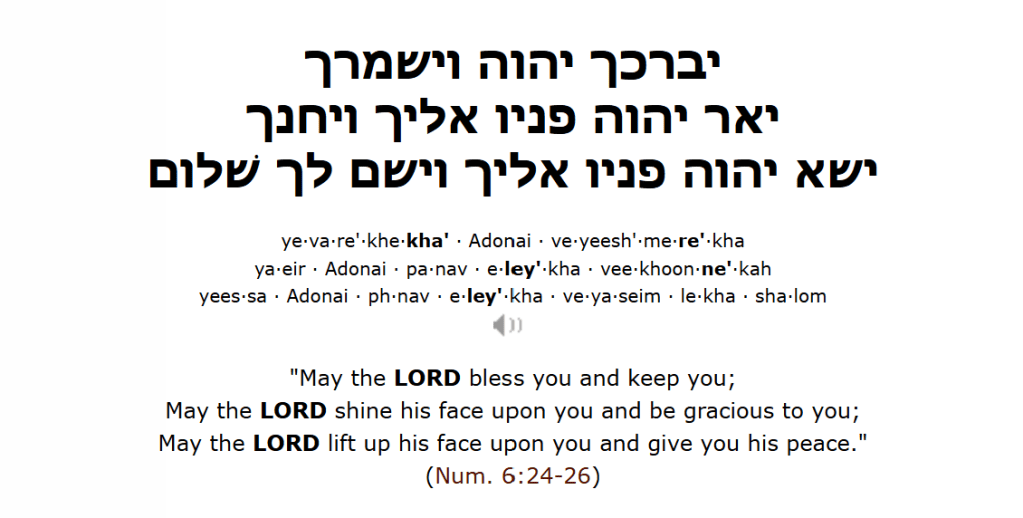
It is fun here to memorize the Aaronic priestly blessing13 in Hebrew and chant or sing it over the people at the table. You could start with having a kid blow a shofar and use a tallit over your head as you commission your family for the year.
WRITERS BEWARE:
Now that we have approached the end of this post. (I am glad you made it.) I want to finish by saying that I have actually only participated in a few seder dinners throughout my life. I thought that might surprise you after just reading this. As with anything, there is some good to be gleaned but also some concern and things to be aware of or even avoid.
Balance
The Hebrew Roots movement should concern you. But that isn’t what this post is about. Neither is it about Talmudic Judaism, which should also concern you. Even second Temple late Rabbinical Judaism was largely what Jesus was cleansing the temple of and should concern you. So, my emphasis in anything but particularly the conversation at hand, a Seder dinner, is to stay Biblical. Stick with the text. As you just read my hesitancy in celebrating a Seder dinner is much of it has left the context of scripture and joined “tradition.” It was actually difficult to write all of the NON-Biblical parts of this dinner. Personally, I think they are best avoided, but I still have a place for the biblical aspects of the seder dinner. It is not the authentic Judaism of Moses, Abraham, or the Old Testament prophets. Instead, it represents a later development that might lack elements of the priesthood, temple, and sacrifices central to Abrahamic and Mosaic faith.
I am always careful in devotion toward the Lord to stay balanced on the Word of the Lord. The evolution of commentary is beneficial yet also scary. “I have the right to do anything,” you say—but not everything is beneficial. “I have the right to do anything”—but not everything is constructive. Syncretism, which is a blending of what is true and elements of what we have added should always be a concern.
My hesitancy with the seder dinner is similar to my feelings concerning most modern religious practice. Does it conflate the truth of the gospel? In regard to the seder dinner, I would consider it much like any other theological construct formed after the early church. There may be a need to glean. After the destruction of the Second Temple in 70 AD, the biblical Passover could no longer be observed as prescribed. Without a temple, priesthood, or altar, the sacrificial system ceased. In response, Jewish leaders developed Rabbinic Judaism, a new framework based on oral traditions later codified in the Mishnah (c. 200 AD) and Talmud (c. 500 AD).14 This tradition reimagined Passover as the Seder, a ritual meal with symbolic foods, prayers, and readings, centered on the Haggadah, a text outlining the order of the service. The earliest Haggadah texts date to the 2nd–3rd centuries AD, reflecting a post-temple adaptation designed to preserve Jewish identity in the absence of sacrifice.15
As I have shown above, much of the seder points to Jesus, but some of the roots don’t. I will remind you that Jesus was an observant Jew and commanded us to follow His examples. After the destruction of the Temple much of the Christian community (Paul) remained observant. There were Jews that were Messianic and Jews that weren’t and they continued to practice in similar ways.
To simply say we shouldn’t partake may be a double standard. As I mentioned, remembering Passover in Israel is a foreshadow to communion in the New Covenant. The disposable cups and tiny crackers are hardly adequate of what communion means before the lord (and when was the last time you washed someone’s feet); quite frankly this minimal “remembrance” might even be offensive to Jesus. Christians didn’t start practicing communion as a quick cup of juice and bite of bread distinct act of worship in the church service until 1891.16 Let that sink in for a minute. Most Christians aren’t going to have a problem with quickly partaking every week before they run off to worship the football game because they are embracing the good. God honors steps of goodness towards Him, but we still need to be careful here and teach scriptural truths. Seder is similar. In fact, a Biblical Seder is likely a better “do this in remembrance” than passing tiny cups will ever be. Just because it isn’t practiced as well as it could be (and is sometimes misused) doesn’t mean a Christian should just simply not do it.
Jesus followers need to seek some balance within the world they live in and the manner that Christianity has evolved to a modern world. Live redeemed as a recreated spiritual being whose place is now not of this world. But as long as you live in the physical world, you’re going to need a balancing act. The Seder like so many other religious traditions is a product of a religious system that emerged after Christ’s fulfillment. Should you partake? That is up to you and your family. I have found that I want to celebrate what is good, that which is TOV, and in my sanctification process, I begin to leave behind what is constructed of the world. I personally have found fruit and redemptive work in teaching a “better” Seder. Maybe you will too, or maybe in your season it is best to leave it alone. Both might be good options or relevant to your situation and season. Only you can decide. And what was meant to be simple has become complex.
Conclusion
Passover is not a stand-alone example of God’s redemptive power. God has continually and faithfully delivered His people. The Passover symbols remind us of God’s continued presence with us and the hope we have in Messiah.
ENDNOTES
This article has been adapted by permission from my good friends at JEWS FOR JESUS. When I attended Moody Bible Institiute in the early 1990’s MBI was one of the centers for Jews for Jesus and I enjoyed a rich friendship with their ministry.
- https://jewsforjesus.org/learn/the-passover-symbols-and-their-messianic-significance ↩︎
- Glatstein, Daniel (13 March 2023). Rav Daniel Glatstein on the Haggadah (1st ed.). Mesorah Publications Ltd. ↩︎
- https://expedition44.com/2025/04/15/understanding-the-biblical-lens-of-the-cross-and-the-timeline-of-the-resurrection-holy-week/ ↩︎
- https://www.compellingtruth.org/unleavened-bread.html ↩︎
- So spelled and vocalized in de Rossi 138 (Parma A) and Kaufmann A50; also spelled אפיקמון in the Cambridge manuscript and by Joseph Ashkenazi ↩︎
- Traditionally, the word is explained as “dessert” or “that which comes later.” The late Jewish scholar David Daube, professor of law at the University of California, Berkeley, and others have more recently defended the explanation that it is derived from the Greek afikomenos, “the coming one.” See David Daube, Collected Works of David Daube, vol. 2, New Testament Judaism, ed. Calum Carmichael (Berkeley: The Robbins Collection, 1992), 425; Deborah Bleicher Carmichael, “David Daube on the Eucharist and the Passover Seder,” Journal for the Study of the New Testament 42 (1991), 45–67. ↩︎
- https://www.amazon.com/Crushing-Great-Serpent-Punish-Jesus/dp/B0DGJJJ1V5 ↩︎
- “Seder Preparations – Jewish Tradition”. yahadut.org. ↩︎
- Steinsaltz, Rabbi Adin Even-Israel; Society, The Aleph (2014-04-01). “The Aleph Society- Let My People Know”. The Aleph Society. ↩︎
- “Seder Preparations – Jewish Tradition”. yahadut.org ↩︎
- Joan Alpert (2013-03-25). “The sweet story of Charoset”. Moment. ↩︎
- “The Shank Bone (Zeroah)”. http://www.chabad.org. ↩︎
- https://hebrew4christians.com/Blessings/Synagogue_Blessings/Priestly_Blessing/priestly_blessing.html#loaded ↩︎
- https://hope4israel.org/the-sacrificial-system/ ↩︎
- Glatstein, Daniel (13 March 2023). Rav Daniel Glatstein on the Haggadah (1st ed.). Mesorah Publications Ltd. ↩︎
- https://www.thejenkinsinstitute.com/blog/2020/4/presenting-the-communion-a-history-and-a-question ↩︎








































 EXPEDITION 44