Teaching Philosophy and Theology

I have taught theology and religion in higher education for most of my life and what continually excites me is the continual innovation of theological interpretation. I have taken many years of Biblical language coursework which reflects in me now holding several related degrees, and I often joke that all my years of hard study could be traded for the simple innovation particularly of a good digital interlinear within the last 5 years. As an example, higher education within theology now attempts to better teach how to use linguistic interpretation tools (such as an online interlinear) rather than spending a lot of time actually teaching the language itself.

There are several factors that influence this conversation. In philosophical instruction deduction and induction give us a basis for understanding and learning attribution. Deduction as a construct does not bring forth knowledge any more than induction. [1] Dewey M. Beegle, for instance, opts for a priority of induction (Scripture, Tradition and Infallibility. Grand Rapids: Eerdmans, 1973, p. 16) and he chides the upholders of inerrancy for having permitted an Aristotelian scholastic method of deductive reasoning to obscure the phenomena of Scripture which, he feels, should have been the foundation on which inductive reasoning could have developed a truly biblical view. [2] Yet he has a place for both. Naturally an inductive study tends to be more exegetical in nature where several textures of interpretation come into play such as 1) inner texture, 2) intertexture, 3) social and cultural texture, 4) ideological texture, and 5) sa‐cred texture. [3] Deductive studies are usually eisegetical which is prompted by a topic, doctrine, or concept. [4] Logos Software specialists and Ben Ho would then deduct that “The deductive method of reasoning moves toward necessary conclusions derived from correct connections between premises premises which are all either given or assumed to be true. The inductive method of reasoning moves toward possible conclusions derived from hypothetical connections between premises (observations) which are selected from among all possible true premises (observations). [5]

Many of these things combined with a better modern world understanding of learning have helped scholars and teachers approach theology and the life applications of studying both biblically and systematically. Bloom’s Taxonomy, for instance, is a classification of the different objectives and skills that educators set for their students otherwise known as learning objectives. [6] Understanding learning styles and fine tuning a taxonomy tailored to theology such as I began explaining through the lens of linguistics has very much changed the shape and applications of religious texts academically and towards a spiritual life application.

It is quite intriguing for religion based on a text that is at most 3500 years old (in some cases) to still be the topic of several new theological revelations. [7] And I say this from historical texture rather than spiritual. I also find that as religious studies, biblical studies and both systematic and biblical theology are all closely related fields; the nature of the scientific approach can change immensely across the different threads. [8] I have found that as time flows different things impact the interest levels of students that you might not get in other humanities. Authorship seems more well read in a spiritual climate, practices, beliefs, and traditions [9] are often greater impacted by culture trends and larger organization input. On one hand the more systematic side of things tends to be objective and academic while the experiences, approaches, applications, and examinations [10] (discussed more often in a taxonomy conversation) often tend to be more of the spiritual nature and difficult to measure. There is also an anthropological, cultural, and sociological texture [11] that influence interpretation both at the level of the intended audience and to our current life application. These tend to carry more faith based or subjective assertations. All of these dynamics have the ability to deepen your understanding of the religion at hand but accomplish the feat in very different methodologies. 

I say all of these things, to come to the conclusion that there has never been as exciting as a time in history to teach theology. Unlike the other humanities, this will have the power to change every facet of life as you know it. Your life will truly be transformed by the interpretation of the text.

  1. https://philosophical-theology.com/2024/05/05/deduction-induction-tag/
  2. https://learn.ligonier.org/articles/induction-and-deduction-with-reference-to-inspiration
  3. Vernon K. Robbins. Exploring the Texture of Texts: A Guide to Socio-Rhetorical Interpretation. Valley Forge, Pennsylvania: Trinity Press International, 1996. ISBN 978-1-56338-183-6.
  4. https://www.fastmissions.com/article/inductive-vs-deductive-study
  5. https://sermons.logos.com/sermons/113029-inductive-and-deductive-bible-studies?sso=false
  6. https://tips.uark.edu/using-blooms-taxonomy/#gsc.tab=0
  7. https://the-bible.net/how-old-is-the-bible/
  8. Carson, D. A. (2018). NIV, Biblical Theology Study Bible, eBook: Follow God’s Redemptive Plan as It Unfolds throughout Scripture. Grand Rapids, Michigan: Zondervan. ISBN 9780310450436.
  9. Sponsel, Leslie E. (2014). “Spiritual Ecology”. In Leeming, David A. (ed.). Encyclopedia of Psychology and Religion (2nd ed.). BostonSpringer. pp. 1718–1723. doi:10.1007/978-1-4614-6086-2_9295ISBN 978-1-4614-6087-9.
  10. Garrett, James Leo (2014). Systematic Theology, Volume 1, Fourth Edition. Eugene, Oregon: Wipf and Stock Publishers. p. 20. ISBN 9781498206594.
  11. Andy Clark, David J Chalmers (January 1998). “The extended mind”. Analysis. 58 (1): 7–19. doi:10.1093/analys/58.1.7. JSTOR 3328150.; reprinted as: Andy Clark, David J Chalmers (2010). “Chapter 2: The extended mind”. In Richard Menary (ed.). The Extended Mind. MIT Press. pp. 27–42. ISBN 9780262014038.

TEDS Demise & Reformed Theology

One of the most well-known Evangelical Seminaries in the world has agreed to be acquired by a Canadian university and move to British Columbia, the school’s leaders announced Tuesday. The move comes after years of financial and theological struggles resulting in declining attendance at Trinity Evangelical Divinity School—known as TEDS—an Evangelical Free Church Seminary. [1]

To those that are in the theology world, this announcement comes as no surprise. Over the last 10 years Trinity (TEDS) and the Evangelical Free Church of America has moved towards a reformed bend in their theology which I and many others would say continues to be the source of their demise. [2]

The Baptist convention is also unfortunately figuring this out over the last few years. [3] Reformed theology leads to Calvinism and those that understand the dilemmas involved with accepting the tenets of these views arguably can’t reconcile them with a Biblical character of God. [4] Many educated young people have walked away from Christianity altogether not being able to reconcile the nature of a loving God with these theological views. This is particularly unfortunate to the rest of the non-reformed world because it is an identifier that those leaving the faith didn’t comprehend that there were several other constructs of Christianity besides reformed theology. [5] According to Barna, less than 31% of all Christians in the US consider their theology to have some kind of reformed perspective (TULIP), yet reformed theology attempts to convince the rest of the world that their view is the only Biblical view. [6] This notion is killing evangelical Christianity and making people walk away from Jesus. We need to do better.

There are several reasons why reformed theology has been identified as a less Biblical interpretation of the scripture. [7] Along with not reconciling the Biblical character of God in core views of the belief such as Penal Substitutionary Atonement and hardline views of eternal conscious torment there are many other objections. [8] Calvinistic soteriology can lead to a misapplication of scripture and a misunderstanding of its storyline, such as predestination as an example of a concept that is not clearly supported by scripture. Perhaps the bigger problem is trying to position the Bible to say what you want it to say rather than exegetically and faithfully reading it for all it is worth. [9] The doctrine of total depravity and/or original sin which states that humans are inherently sinful and incapable of choosing God, can be seen as a denigration of human nature and a disincentive for personal responsibility. [10] Other critics argue that Reformed theology confuses the gospel of grace by bringing the law into sanctification and hedging on eternal security. [11]

Over the last 10 years I have watched other respected graduates of TEDS also become concerned such as the esteemed New Testament scholar Scot McKnight. [12]

Graduates of TEDS include the disgraced evangelist Ravi Zacharias, Christian television host John Ankerberg, and Collin Hansen, editor-in-chief of The Gospel Coalition. Longtime professor Don Carson also was one of the founders of The Gospel Coalition (a reformed organization), helping launch the so-called Young, Restless and Reformed movement that led to a Calvinist revival among evangelicals, but is now seeing a great demise. [13]

In the end, the theology of the reformation is quite problematic and rather unbiblical by most scholars’ opinions. [14] Since the 1980s the reformed movement has thrived through the support of great rhetorical spokesman such as the convincing late RC Sproul; but the world isn’t buying it anymore. For the first 1800 years of Christianity those ideas were unfounded, and of late, generations x,z, and millennials aren’t buying it either.

Most Christians today aren’t accepting the spoon-fed dogma; we need the text to exegetically be in harmony with the overall lens of the Bible. We demand a better Biblical theology. And that is a very good thing! As the average Christians become scholars, they need to be taught better theology in the church from the pulpit, or they are simply going to leave the church to find a better way. The next generation isn’t going to just take “the pastor’s word for it” anymore, they are done with being duped by those they thought they trusted in the name of religion. If we can learn anything from the demise of one of the largest evangelical seminaries in the world this should be the point, we take away. Expedition 44 has long sense been a source of truth examining the overall lens of the Bible and how it should be viewed in harmony. The Kings Commision School of Divinity (https://tkc.education/) and several other great institutions such as AWKNG (Heiser’s School), The Bible Project. (Tim Mackie’s School), Eternity Bible College (Francis Chan’s School), Dr. Jordan B. Peterson’s Peterson Academy and other similar institutions have changed the way that students engage. Did you notice what all of these schools have in common? They aren’t reformed! Out with the old (well newer -old reformational thinking), and in with the new.

  1. https://www.christianitytoday.com/2025/04/trinity-evangelical-divinity-teds-moving-canada/
  2. https://blogs.efca.org/strands-of-thought/posts/arminianism-and-calvinism
  3. https://christoverall.com/article/longform/encore-reformed-and-reforming-the-sbc-christ-over-the-law-amendment/
  4. https://beyondcalvinism.blogspot.com/2016/11/dr-greg-boyd-on-romans-9-and-leaving.html
  5. https://www.bartehrman.com/branches-of-christianity/
  6. https://www.barna.com/research/is-there-a-reformed-movement-in-american-churches/
  7. https://www.theologymatters.com/articles/theology/2023/characteristics-of-reformed-theology/
  8. https://reknew.org/2015/12/10-problems-with-the-penal-substitution-view-of-the-atonement/
  9. https://soteriology101.com/2014/12/08/the-5-points-that-lead-me-out-of-calvinism/
  10. https://drjohnjackson.com/irresistible-grace/total-depravity/
  11. https://heidelblog.net/2014/05/do-the-reformed-distinguish-between-law-and-gospel/
  12. McKnight, S. The King Jesus Gospel: The Original Good News Revisited (Grand Rapids: Zondervan, 2011); ISBN: 978-0-310-49298-6
  13. IBID 1: https://www.christianitytoday.com/2025/04/trinity-evangelical-divinity-teds-moving-canada/
  14. https://zondervanacademic.com/blog/was-the-reformation-a-mistake-an-excerpt-by-catholic-theologian-matthew-levering

SHOFAR

DISCLAIMER: I am just going to warn you; this post is going to be all over the place. Squirrel – ADD post? But if you know me at all you likely are used to this sort of thing and might even still “love” it. Either way, hang in there, it all comes together in the end.

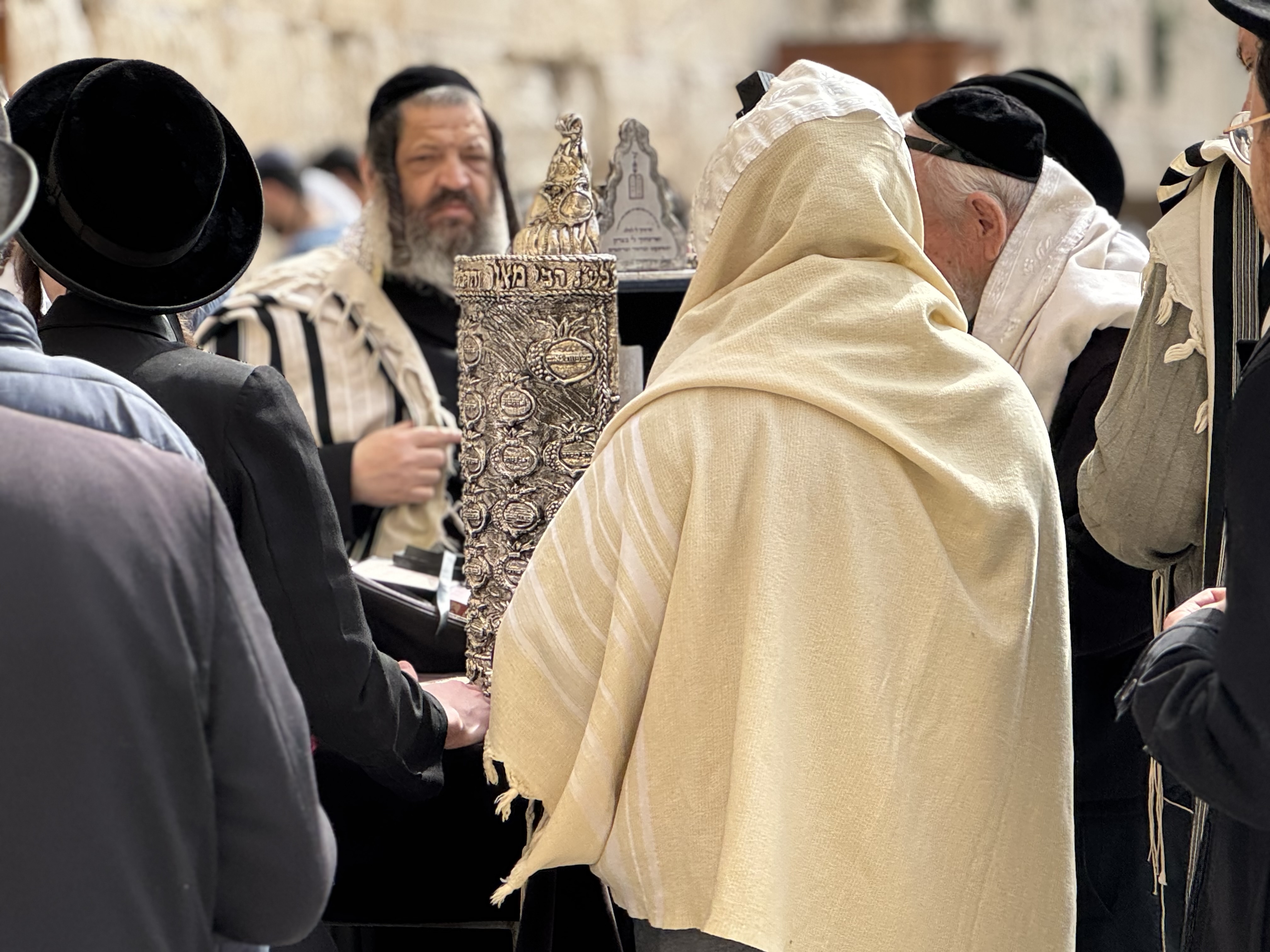
If you have been around Christianity for much time at all you have probably seen a ceremonial ram’s horn or shofar and wondered what it meant. I’ll admit, the average Christian is confused about the Old Covenant and what from it might still be relevant to them. In fact, most Christians don’t really know what to do with or what to make of anything “Torah” related. To most modern Christians, “relics” left over from the ancient world just seem a bit weird when brought back into modern Christianity. [1] However, I believe the still serve a great purpose.

Is there a place for these things (relics) or even the “Torah as law” to modern Christianity? I could spend pages making great arguments to several different views, but I will just leave you with a couple sentences that summarize my basic thoughts. Are you asking the right question? First, Jesus followed the Torah to the fullest extent, and we are to be like Jesus. Second, if the Scriptures show that Paul, an apostle personally trained by Jesus, was still Torah observant some 25 years after his conversion (and the adoption of the New Covenant) doesn’t that mean something? Yet on the flip side, Jesus’ death and resurrection clearly released us from the law, it came right from Paul’s mouth himself and not just once but three times in Galatians, Romans, and Ephesians. Sounds like something important enough to state 3x over. Is Paul confused? Nope. So, then we have other things to consider. The Torah was essentially a stop gap to keep people of Yahweh righteous and on track until the Messiah could reconcile things left undone within the Old Covenant. It was given to “better” keep people on track. Couldn’t we still use that today? The weird thing is Torah (law) could never fully be followed; the goal was to simply follow it the best you could. Some would even say it was similar to a speed limit today. It was to be “loosely” followed. It was more about the heart. But if God gave it as a “recipe” to stay in devotion to God before the cross it might still, at the very least, be a good idea or practice for us today.

The Shofar is just one of the many symbols of the Torah. Christianity has several symbols and the one you likely understand the most in the New Covenant is the cup and the bread of communion. It is a symbol that should remind you of a great deal of what you believe. It is a remez. Remez is a Hebrew word that means “hint” or “suggestion.” In the context of the Bible, remez refers to a teaching technique where a word or phrase hints at something more profound, often pointing to a larger scriptural context such as an entire teaching. Jesus used this a lot. Think of it as saying a word that brings foundation to many things that would be basic to the belief you’re addressing that encapsules all things to be considered. You might think of a shofar the same way, a basic remez of covenant. Here are a couple of the verses that talk about the shofar that I want to make note of and consider.

Joshua 6:4 is interesting, as it is a grammatical nightmare. There are a few places in the Old Testament where we find what appears to be poor Hebrew grammar, albeit mostly strategic, and this is one of them. I don’t want to get off here, but it is interesting so I will take a moment – The numeral 7 in Hebrew is the word shiva.  Almost all Hebrew nouns have a gender form, in this case, the masculine form ends in the letter chet; the feminine form ends in ayin.  In most cases, according to Hebrew grammar, the ending of the numeral matches the gender of the modified noun.  So, if the noun (like trumpets or day or times) is masculine, the numeral is masculine; if the noun is feminine, the numeral is feminine.  Thats just basic Hebrew grammar. But in this verse, it is different. It resembles someone that doesn’t know English trying to say a sentence where the pronouns don’t line up. The word for “seven” is feminine, but the plural noun has a masculine ending, similarly, the word for “day” is yom, a masculine term, but the term for “seventh” is in the feminine form.  essentially “seven times,” is all mixed.  “Times” is paʿamim, the plural of paʿam, a masculine noun.  But here the word for “seven” is feminine.  It looks like a hot mess. As I mentioned before, we have seen this in other places in the Bible such as Joshua 1:8 and Genesis 1:26 and both do the same thing, but it becomes a recognizable word play. The problem is that this one is a mystery to everyone. It doesn’t seem to make sense. What do we do with it? I don’t know. It is very strange singular instance – perhaps a mystery. Hidden code, deeper meaning, scribal mistake (highly doubtful.) I have a notion, but I am going to keep it to myself. You will have to figure out your own solution.

The shofar is blown in synagogue services on Rosh Hashanah and at the end of Yom Kippur; it is also blown every weekday morning in the month of Elul running up to Rosh Hashanah. [3] Shofars come in a variety of sizes and shapes, depending on the choice of animal and level of finish. [4] The first instance we have is in Exodus 19, the blast of a shofar emanating from the thick cloud on Mount Sinai makes the Israelites tremble in awe. The shofar was used to announce the new moon [5] and the Jubilee year. [6] The first day of Tishrei (now known as Rosh Hashana) is termed a “memorial of blowing”, [7] or “day of blowing”, [8] the shofar. Shofars were used for signifying the start of a war. [9] They were also employed in processions [10]as musical accompaniment, [11] and were inserted into the temple orchestra by David. [12] According to the Talmud, a shofar may be made from the horn of any animal from the Bovidae family except that of a cow, [13] although a ram is preferable. [14] The one who blows (or “blasts” or “sounds”) the shofar is termed the ba’al tokeah or ba’al tekiah (lit. “master of the blast”). Being a ba’al tekiah is an honor as He represents the covenant community of the Lord.

As, I mention earlier, the shofar is a symbol of remez that should remind people of many Biblical things. In biblical times it was a reminded of covenant with Yahweh. If I had to pick one definition that is what I would go with. But it symbolizes a lot more than that. The Shofar has been sounded as a sign of victory and celebration from battles of ancient antiquity to modernity. For instance, Jewish elders were photographed blowing multiple shofars after hearing that the Nazis surrendered on 8 May 1945. Because of its inherent ties to the Biblical Days of Repentance and the inspiration that comes along with hearing its piercing blasts, the shofar is also blown during prayer services called during times of communal distress. [15] On Yom Kippur, jubilee years, and New Year’s Day the shofar is often sounded. At times of victory the shofar is sounded. At special days such as to announce sacrifice, the shofar is sounded. The shofar was commonly taken out to war so the troops would know when a battle would begin. The person who would blow the shofar would call out to the troops from atop a hill. All of the troops were able to hear the call of the shofar from their position because of its distinct sound. As you see, it carries varied meaning. Once my son blew it in the middle of the day and naturally our entire family congregated to the living room, asking what was happening. In Bible times, that was the natural response… something was happening, and it had to do with Yahweh!

The shofar has always been a sign & symbol of those in covenant community with Yahweh. It has also been a sound that signifies an alignment with Him. It may be seen as a symbol or representation of desire, recognition, or praise from humanity to our covenant father.

  1. https://www.str.org/w/should-followers-of-christ-observe-the-torah-
  2. @Hebrewwordstudy
  3.  “Jewish prayer-book”. Cambridge Digital Library.
  4. “The Mitzva of Shofar – Jewish Tradition”yahadut.org. 19 August 2024.
  5. Psalm 81:3 (4)
  6. Leviticus 25:9
  7. Hebrew: זכרון תרועה, lit. ‘zikron teruˁah’, Leviticus 23:24
  8. Hebrew: יום תרועה, lit. ‘yom teruˁah’, Numbers 29:1
  9. Joshua 6:4; Judges 3:27; 7:16, 20
  10. 2 Samuel 6:15; 1 Chronicles 15:28
  11. Psalm 98:6; compare Psalm 47:5
  12. Psalm 150:3
  13. Rosh Hashanah, 26a. Although Maimonides ruled differently (Mishneh Torah Hilchot Shofar 1:1: “…the shofar with which they make the blast, whether on Rosh Hashanah or the Yovel, is the curved horn of sheep. Now all [other] horns are invalid, except the horn of a sheep…”), the custom of Israel was to make use of other horns, and not only that of the ram (the male sheep). Some would use the horn of the wild goat (Walia ibex) on Rosh Hashanah, while others made use of the long, spiraling horn of the kudu antelope because of its deep, reverberating sound. Compare the teaching of Rabbi Isaac b. Judah ibn Giat, who wrote: “All shofars are valid, excepting that of a cow since it is a [solid] horn. Said Rabbi Levi: ‘The shofar of Rosh Hashanah and of Yom Kippurim are curved, while those of the entire year are straight, and thus is the Halacha.’ Why is it that they blow with a shofar of a ram on Rosh Hashanah? Said the Holy One, blessed be He: ‘Blow before me the shofar of a ram so that I might remember on your behalf the binding of Isaac the son of Abraham, and I impute it over you as if you had bound yourselves before me.’…” (Rabbi Isaac ibn Giat, Sefer Shaarei Simchah (Me’ah She’arim), vol. 1, Firta 1861, p. 32 [Hebrew])
  14. Mishnah Berurah 586:1
  15. “International Day of Shofar Study”. Archived from the original on 5 April 2016.

WORK OUT

I have written a trifecta of posts on edification recently: POST 1 POST 2 POST 3

One of the basic tenets of our faith walk is work. Work was intended to be a beautiful relational covenant between us and the LORD. At the fall in the garden it turned to toil and Christ set the standard to redeem and reconcile it back to Him through work itself. Through our free will choices we are offered to work back into covenant with Him. The reciprocal dance of grace I describe in my book This is the way to covenant community describes some of the mindset that it takes to return to this circle of grace.

In the edification texts Philippians 2:12 becomes paramount: work out your own salvation with fear and trembling. What does that mean? Let’s put the fear and trembling on the shelf for a minute and focus on the work.

In Greek the word is ergon (noun) and ergazomai (verb).  That is where we get our English word ergonomics from. Work ethic is a belief that work and diligence have a moral benefit and an inherent ability, virtue or value to strengthen character and individual abilities.[1] Desire or determination to work serves as the foundation for values centered on the importance of work or industrious work. Social ingrainment of this value is considered to enhance character through hard work that is respective to an individual’s field of work.[2]

In ancient Greece, work was seen as a burden, and their term for it, ponos, shared its root with the Latin word poena, signifying sorrow. In Hebrew, work was associated with toil, representing the laborious act of extracting sustenance from the challenging earth.[3][4] 

I will challenge you with a lens you may have ever considered though. In our world, “work” always leads back to the father. God introduced us to work, and God’s handiwork is seen in every aspect of creation.  But too often we forget that God’s covenant is still at work in every moment and every detail of His Creation (John 5:17). Since work is an extension of the active God, there is no discrepancy between “faith” and “works.” [5] One is simply a reflection of the other.  “Work” was intended to be lived out in a sense of the Hebrew avodah, the harmony of partnered effort, service and worship. If your work isn’t working to return to avodah then it is void and leads only to toilsome emptiness.

What about the fear and trembling part? Well, the reformed camp wants to see wrath here. Something like Chaim Bentorah describes as -“At first reading, it seems we are to serve the Lord with fear, that is we must be cautious and very careful because if we blow it, God will crush us with His thumb.” [7] I don’t see that and neither does he. What I can say for sure is that this isn’t a phrase to make you constantly earn your keep in the kingdom or sit around trying to determine once saved always saved theology. If you stuck there, my best advice would be to move forward. In theology whenever one text doesn’t seem to be clear the general rule is to ask what other similar texts say. This should lead to textual agreement.

I can’t say it any better, so here is where Chaim takes us: Psalms 2:11: “Serve the LORD with fear, and rejoice with trembling (Ra’ad).”

To fear God is to show respect for His position and the role He plays as the creator of the Universe.  So we serve the Lord in recognition of his position as God. Sometimes we take our service for God lightly, like it is a favor for an old buddy.  When we serve God we must always keep in mind His position as the creator of the universe and if he asks some service from us, it is an honor and a privilege and a service we take very seriously, with all our hearts. To be chosen to serve the God of the universe should bring us joy and cause us to tremble.  Is that to tremble with fear.  Maybe, we do not want to fail the God we love so we fear we will not live up to the job.  But you know that word ra’ad is a trembling alright but it may not have to be fear. The idea behind ra’ad is losing control. If you lose control of your body, it may tremble. But there are other forms of losing control. Ra’ad can be losing control of your will, that is giving control of your will to God.  Thus if you serve the Lord out of respect for His office as God you will rejoice for you need not fear failure if you are yielding your will and strength to Him, that is giving Him complete control over the task you are performing for Him.

  1.  “What is work ethic? definition and meaning”BusinessDictionary.com. Retrieved 18 March 2018.
  2. T. Marek; W. Karwowski; M. Frankowicz; J. Kantola; P. Zgaga (2014). Human Factors of a Global Society: A System of Systems Perspective. CRC Press. pp. 276–277. ISBN 978-1-4665-7287-4.
  3. “History of Work Ethic–1.Attitudes Toward Work During the Classical Period”. University of Georgia. 1996.
  4. Granter, Edward (2012-12-28). Critical Social Theory and the End of Work. Ashgate Publishing, Ltd. ISBN 978-1-4094-9187-3.
  5. https://www.logos.com/grow/nook-theology-of-work/?msockid=206e9552481f69af0ce286c8497d6812
  6. https://www.evidenceunseen.com/bible-difficulties-2/nt-difficulties/1-2-thessalonians/phil-212-does-this-mean-that-we-earn-our-salvation/
  7. https://www.chaimbentorah.com/2019/07/hebrew-word-study-tremble/

FREE

What is freedom? This word often gets thrown around in an American nationalistic sense which sometimes makes me cringe; but what does it really mean to be personally free?  In the West, our conception of freedom has been extended to include a doctrine of entitlements and rights no prior civilization could have imagined. When we turn our thoughts towards scripture, the first verse that probably comes to mind is John 8:36 – “Therefore, if the Son shall make you free, you shall be free indeed.”  

The thrust of this is found in two Greek words, eleutherose and eleutheroi. Whenever words seem to rhyme or present a “play” we need to focus on intent. What is happening in the text? When you follow the root words on any good interlinear you might find a better reading to say “if the Son shall make you unconstrained and independent, you really will be liberated”.  But my question then would be from what? What exactly are we to be liberated or unconstrained from?

Our primary motivation should be to be like Christ. Yet in Philippians 2 we find that Jesus’ definition of “freedom” is giving up all His rights and becoming an obedient slave to the will of the Father. That doesn’t sound much like our nationalistic or entitled version of freedom. Essentially Jesus makes us free to live under the authority of God not the rulers of this world or principalities. The liberty is mine to humbly live a sacrificial life.

A good friend of mine redefines what this freedom means: “Freedom is no longer living under the constraints of this world.  No longer being subject to its conditions.  No more “to do” lists in order to earn self-worth.  No more shackled to the wheel of success.  No more need to look out for Number 1.  Jesus makes you free to put all of that aside and live in the hope of God’s unwavering faithfulness.  That’s exactly what he did.  No power on earth controlled him.  He was free to let his life be completely under God’s authority no matter what the earthly consequences because he knew that he was independent of this world and liberated from its weight.” [1]

Before I continue with freedom, I need to touch on some theology in Phillippians 2. I have always held to my own view of Kenotic Christology which is based on the Greek word kenosis, which means “to empty.” It’s used in Philippians 2, which reads:

Greg Boyd sets the stage for us well, “Jesus, being divine, did not cling to his equality with God, and it is for this reason that he was able to become a full human being. In the words of Paul, he “emptied himself” so that he might come in “the form of a slave” and be “born in human likeness.”  By contrast, if Jesus continued to use all the divine attributes, as the classical Christology holds, one has to wonder what exactly Jesus “emptied himself” of. Moreover, if Jesus retained the exercise of his omniscience, omnipotence and omnipresence, one has to wonder how he could be affirmed as being fully human.” [2]

Kenotic Christology is the idea that the Son of God, God the Son, the Word/Logos, voluntarily decided to “set aside” (or retract) his attributes of glory and power in becoming incarnate as the boy and man Jesus Christ and function throughout his life on earth as a human being, not using his attributes of glory and power or even knowing about them except through revelation from his heavenly Father and the Holy Spirit. [3]

The New Testament does not use the noun form kénōsis, but the verb form kenóō occurs five times (Romans 4:14; 1 Corinthians 1:17, 9:15; 2 Corinthians 9:3; Philippians 2:7) and the future form kenōsei once. [4] Of these five times, Philippians 2:7 is generally considered the most significant for the Christian idea of kenosis.

There are of course other views, such as adoptionism, docetism, the Chalcedonian doctrine, and others.

Philippians 2.6-11 is often known as the “Philippian Christ Hymn.” I will admit that this text is also notoriously difficult to translate, especially verse 6 and 7a, because of rare vocabulary and unusual grammatical constructions. Crispin Fletcher Louis wrote a 900 page work entitled, The Divine Heartset: Paul’s Philippians Christ Hymn, Metaphysical Affections, and Civic Virtues (Wipf and Stock 2023) is worth a look if you’re a scholar. [5] He takes a slightly different view on the text which is intriguing and convincing, some of which I have adopted.

I wrote earlier this week on edification. It is rather ironic that starting this work was completely unrelated yet somehow it connects. I always love it when I am surprised by Jesus in this way. There is a temptation as we study this passage to remove it from its context and treat it as a passage on Theology. But we must remember the basics of hermeneutic interpretation. How would this have been interpreted by its intended audience? Ray Steadman reminds us that “The passage is set against the background of two quarreling ladies in the church at Philippi. That quarrel was threatening to destroy the unity of the whole church. The apostle has made it clear that the secret of maintaining unity is humility. Wherever there is contentiousness, it is a revelation of the presence of pride. Pride, whether in a single individual life, in a family, a church, in government, or a whole nation, always destroys, divides, sets one person against another, perpetuates conflict, breaks up marriages and partnerships and unions of every sort.” [6]

Duke Taber bring’s this together well, Philippians chapter 2 serves as a powerful reminder of the transformative power of humility, unity, and selfless love within the Christian community. As I reflect on Paul’s words, I’m challenged to cultivate a mindset that mirrors Christ’s humility and obedience, putting others’ needs before my own and actively pursuing spiritual growth.

By holding fast to God’s Word and joyfully serving others, I can shine as a light in this world, pointing others to the hope and love found in Christ. The examples of Timothy and Epaphroditus inspire me to love sacrificially, even when it’s difficult or risky.

As I strive to live in a manner worthy of the gospel, I find comfort in knowing that God is working in me, providing the desire and strength to fulfill His purposes. By embracing humility, unity, and selflessness, I can experience the deep joy and fellowship that comes from walking in step with Christ and His church. [7]

The Bible recognizes that self-rule is blindness. Self-rule denies the sovereignty of God. Self-seeking existence leads to death. So, submission to God’s rule leads to life. To surrender to God is freedom – freedom from the tyranny of self, from the futility of self-seeking and from the results associated with a life bent on its own control. There is no idea of self-determination in Hebrew thinking. There is only submission or rebellion. [1]

  1. @Hebrewwordstudy
  2. https://reknew.org/2014/02/was-jesus-really-human-like-the-rest-of-us/
  3. https://www.patheos.com/blogs/rogereolson/2021/05/kenotic-christology-explained-and-defended/
  4. 1 Corinthians (ed. Brooke Foss Westcott, Fenton John Anthony Hort) in I Corinthians, chapter 9
  5. The Divine Heartset: Paul’s Philippians Christ Hymn, Metaphysical Affections, and Civic Virtues (Wipf and Stock 2023)
  6. https://www.raystedman.org/daily-devotions/philippians/the-mindset-of-christ
  7. https://answeredfaith.com/philippians-chapter-2-summary/