Education was a big deal the first century. The command to “teach your children” first appeared in Deuteronomy as part of what later became the Shema – the most central of Jewish prayers (prayed 3x daily). Rabbinic literature is filled with references to schools and schooling and to teaching and learning taking place at all levels, and for all ages from the youngest children through adulthood. Jews are often known as “The People of the Book.” Jewish life is lived according to texts, commentary, and interpretation of those texts. The varied methods of teaching them include instructive, experiential, argument, and discussion. [1]
Bet Sefer – “House of the Book” (Ages 6-10yrs) [2]
In the Jewish culture of Jesus’ day kids were taught the Torah (first 5 books of the Bible) in the local Synagogue (church) beginning at the age of 6. They had classes 5 days a week just like we do today. By the time they were about 10 years old, they had memorized all of the Torah – the first five books of the Bible. These classes were called “Bet Sefer.” Anyway, most Jewish kids were pretty well finished with school after this and went home to learn the family trade – like fishing or carpentry or something like that.
Bet Talmud – “House of Learning” (Ages 10-14yrs) [2]
The best of the best among them were allowed to continue in school in something called “Bet Talmud.” Here, they studied all of the Hebrew Scriptures (Our Old Testament) and memorized all of them between the ages of 10-14. During this time, students also learned the Jewish art of questions and answers. Instead of answering with an answer, they were taught to answer with another question. In this way, students could demonstrate both their knowledge and their great regard for the Scriptures. They were taught to always be curious about the Scriptures.
Look at how Jesus was described as a young boy in Luke 2:46-47 – “After three days they found him in the temple courts, sitting among the teachers, listening to them and asking them questions. Everyone who heard him was amazed at his understanding and his answers.”
Bet Midrash – “House of Study” [2]
Very few of these students ever made it this far. For the few who did there was still another set of classes called “Bet Midrash.” This meant you were on track to become a Rabbi. To become a Rabbi you had to first train under a Rabbi, to walk their every step. The rabbi would grill you and ask you all kinds of questions, because he was trying to find out if you were good enough to be his student. He wanted to know if you knew enough, but even more importantly, if you could be like him in all areas of your life. If he decided that he didn’t think you could do it, then he would tell you to go back to the family business. It was very rare, but if he thought highly enough of you, he would become your teacher, and it would be your goal to become like him in every way. You would agree to take on his “beliefs” and his interpretations of the scriptures. This was called his “yoke” and he would say to you, “come follow me.” The disciple’s (also called “talmudim”) job was to become like the rabbi in every way. If the rabbi was hurt and had a limp, you might see his healthy disciples walking behind him (in his footsteps or “in the dust” of the rabbi) with a limp.
To this description their arose a Hebrew Idiom, “May you be covered in the dust of the Rabbi” and the source of this saying is the Mishnah, Avot 1:4. (The Mishnah is a collection of rabbinic thought from 200 BC to 200 AD that still forms the core of Jewish belief today.) The quotation is from Yose ben Yoezer (yo-EHZ-er). He was one of the earliest members of the rabbinic movement, who lived about two centuries before Jesus:
Let thy house be a meeting-house for the wise; and powder thyself in the dust of their feet; and drink their words with thirstiness. [3]
These teachers were called “sages” before 70 AD (hakamim, or “the wise”). After that the title “rabbi” began to be used. [4] The middle line is sometimes translated as “sit amid the dust of their feet,” and understood as being about humbly sitting at the feet of one’s teacher to learn from him.
When we catch up with Jesus in Matthew 4:18-22 and 16:13-20 He is walking beside the Sea of Galilee, and sees two brothers; Simon called Peter and his brother Andrew. They were fishing.
As Jesus was walking beside the Sea of Galilee, he saw two brothers, Simon called Peter and his brother Andrew. They were casting a net into the lake, for they were fisherman. “Come, follow me, ” Jesus said, “and I will make you fishers of men.” At once they left their nets and followed him. Matthew 4:18-20
What has always struck me as interesting in regard to this text is that they left what they were doing at once. No delay, they just dropped everything and followed.
Going on from there, he saw two other brothers, James son of Zebedee and his brother John. They were in a boat with their father Zebedee, preparing their nets. Jesus called them, and immediately they left the boat and their father and followed him. Matthew 4:21-22
No questions asked, they just left. They didn’t help their father bring in the boat or finish the day of work or anything…they left immediately.
Why? In hindsight we can say, “well it was Jesus, of course they would follow him.” But while Jesus was well known at this point, He may have been considered just another rabbi and I’m sure he wasn’t considered the son of God at this point by these people. So, what caused them to drop everything and leave?
Well, the answer is that every kid in the first century dreamed of being great. And great in Judeo Rome meant either a roman Centurian or a Rabbi.
When my oldest son Ty was about 4, we would ask him what he wanted to be when he grew up. He would say a “garbage man photographer.” We would laugh and joke saying things like, “wow this kid is really aiming for the stars!” Not a garbage man, not just any kind of photographer, a very specific one, a garbage man photographer! Ok so not every kid may have wanted to be a Rabbi or a Centurian, but the great majority of them dreamed that one day that is what they would become! They dreamed of this day.
No you have also probably read my book or heard me teach that when you harmonize the gospels you find out that Jesus actually called the disciples three different times. The first two they followed Him for a few days and then went back to what they did… they went fishing… That was the normal way to follow a Rabbi. But Jesus was asking for something different than other Rabbi’s of the day, He was asking for something that He still asks of us today… to Follow him and never go back to our former life. To be completely consumed by the Rabbi. THAT WAS RADICAL FOR HIS DAY AND IT IS STILL RADICAL TODAY! The third time Jesus calls them they get the picture.
But let me clarify something that is astounding here. Usually in Rabbinical training when students were chosen by the Rabbi, they were around 14 years old. The Rabbi has watched them, and you might even say known them intimately for 10 years. That’s why he could choose them. Thats how they made the cut. They spent 10 years convincing the Rabbi they were worth it to him. But you see here Jesus is setting the tone for a backwards kingdom dynamic. This is profound… He can choose them without ever meeting them because He is God. He already knows them more intimately than any Rabbi with 10 years or more knowledge would ever know them. And what is even more profound is that He is choosing them not based on their merit, but on His; their value was in Him. Today your kingdom value isn’t in your doing but according to the purpose that God has already manifested in you. You have been called because God already believes you are worthy of the mission. That was why the YOKE OF JESUS was described as EASY!
That is the beginning of their calling into Rabbinical training, now let’s fast forward to a couple years later. I call these Jesus’ field trips. I have an extensive article about one of these when Jesus takes them to check out some pigs. Remember when you were a kid, and you went to school and then you heard you were going on a field trip, and it was amazing? You didn’t care where you were going, wherever it was, whatever you were going to do, it was way better than school right?
Well in this particular instance with Jesus that might not actually be the case. You see in Matthew 16:13 it says, “When Jesus came to the region of Caesarea Philippi”. We have to go back to 15:21 and we read “Leaving that place, Jesus withdrew to the region of Tyre and Sidon” to figure out how far they walked to go on this field trip. Jesus and his disciples would have traveled by boat from Magadan to Bethsaida. Bethsaida is located on the northern shore of the Sea of Galilee. This body of water is nearly 700 ft below sea level. From there, they likely spent some days making the 25 mile ascent to Caesarea Philippi, which was located at an elevation 1,150 ft above sea level. It is referred to as Mt Hermon.
In other words, this might not have been such a great field trip, or maybe it was? It was a 25 mile hike up a mountain in a day. (Reminds me of our Eagle Trek days at my local Grade school doing the 20+ mile hike around Lake Geneva.)
This is also where I have to hold myself back because I could talk for days on this part, let me try to hold back my enthusiasm and keep this brief.
At Caesarea Philippi, Jesus and his disciples would have seen the largest rock formation in Israel with pagan statues and at least fourteen temples in the background. In Old Testament times, Caesarea Philippi, then known as Banias, sat at the foothills of Mount Herman. The early Canaanites worshiped Baal at Banias, and prisoners were thrown into the “Gates of Hell”, to determine guilt for a crime. Ferocious waters gushed from a very large spring of this limestone cave. In ancient times, the water was fast-moving and would have propelled the bodies over the rocks, and death was nearly guaranteed but if they survived – well then, they were thought to have not been guilty of the crime accused of. Eventually, the cult of Baal was replaced with the worship of Greek fertility gods and Caesar but still carried negative connotations.
To the ancient Greeks who settled in this area, the cave at Caesarea Philippi was the gate to the underworld, where fertility gods dwelt during the winter and then returned to the earth each spring. The people also believed the cave held the “Gates to Hades.” The idea of these Greek fertility Gods is laced in the idea that fallen spiritual beings would “take” humans by their lustful desires. If you know anything about Greek mythology you know this sexuality of the “gods” was rampant. But it goes back even further than that.
The location of Caesarea Philippi is significant because the entire region was considered the domain of the Nephilim and their disembodied spirits. That is where the Greek mythology of the “gods” gets its roots. Mount Hermon was ground zero for the Genesis 6 transgression and where we are told in 1 Enoch that the fallen elohim made their pact to take human women. Additionally, this is also the location where King Jereboam constructed his adulterous center of worship.
At the time of Jesus, the most important god in Caesarea Philippi was Pan, the Greek god of shepherds and the wild. Pan’s hindquarters, legs, and horns are like that of a goat, while his upper body was of a man. The Greeks believed Pan was born in this cave, and he is often associated with music and fertility. Each spring, the people of Caesarea Philippi engaged in wicked deeds, including prostitution and sexual interaction between humans and goats to entice the return of Pan.
13 When Jesus came to the region of Caesarea Philippi, he asked his disciples, “Who do people say the Son of Man is?” 14 They replied, “Some say John the Baptist; others say Elijah; and still others, Jeremiah or one of the prophets.” 15 “But what about you?” he asked. “Who do you say I am?” 16 Simon Peter answered, “You are the Messiah, the Son of the living God.” 17 Jesus replied, “Blessed are you, Simon son of Jonah, for this was not revealed to you by flesh and blood, but by my Father in heaven. 18 And I tell you that you are Peter,[b] and on this rock I will build my church, and the gates of Hades[c] will not overcome it. 19 I will give you the keys of the kingdom of heaven; whatever you bind on earth will be[d] bound in heaven, and whatever you loose on earth will be[e] loosed in heaven.” 20 Then he ordered his disciples not to tell anyone that he was the Messiah.
Back up to where I started, when the disciples were called, Jesus was able to choose them because their identity was already in Him. Remember that? Three years later, at Caesarea Philippi, Jesus wanted each disciple to fully understand His identity, not only God the Father’s. For three years, the disciples had heard his teachings and witnessed his healing ministry, but Jesus wasn’t just a miracle worker and healer. He wanted to be certain these disciples understood his complete, divine nature and to know the sovereignty of his Father’s kingdom was available for everyone to experience for all time.
Now, imagine Jesus standing at a distance, looking at this cliff with the pagan statues in the niches. Since this was a pagan “red light zone or the other side of the tracks,” He then said to Peter and his disciples, “And I tell you, you are Peter, and on this rock, I will build my church, and the gates of hell shall not prevail against it.” He was contrasting the most notorious powers of the day with the power that was soon to be infused in them.
This day in Caesarea Philippi is when Jesus founded his church. His church would symbolically be built on the “rock” of Caesarea Philippi, one then filled with niches for pagan idols and where ungodly beliefs and values dominated. This huge rock’s destiny was like so many ancient tells in Israel: to be crushed and destroyed as rabble, and where God’s kingdom would be built on its ruins.
It is a story of victoriously taking what was broken and worthless, even corrupt and breathing new life into it. The regrafting of the world for the kingdom of Jesus.
This is similar to Christ’s message about the temple in 70AD. That’s a bit later in the book of Matthew.
Matthew 24:1-2 : “As Jesus left the temple and was walking away, His disciples came up to Him to point out its buildings. ‘Do you see all these things?’ He replied. ‘Truly I tell you, not one stone here will be left on another; every one will be thrown down.'”
You see Jesus didn’t need what the world had or has. He was defining a new covenant. Today we aren’t looking for a new temple to be built because we are the temple. His identity is in us. The purpose and plan is right here in our hearts and it isn’t so much of our work, but Christ in us.
He’s telling the disciples that they are going to help Christ build the church among those types of people. He’s not focusing all His attention on the religious people hanging out in the synagogues. The plan is through the least of these, the meek. That is the backwards kingdom.
Jesus had given Peter a new name, “Petros,” meaning a single stone. This is a terrific wordplay “Petra,” means a massive rock or formation; fixed, immovable, enduring – yet they were looking at the Mt Hermon, the biggest place of Evil and He says, they will not prevail. It is backwards thinking. The least of these.
In the ancient world, gates were defensive structures to keep the unwanted out, but they were also where the city courts were in session. They were where the wise men gathered to make decisions that would influence the rest of the city, it was the place where decisions were made to go to battle.
Are you following me… He is gathering His people at the gates to say you’re going to make a difference that is going to revolutionize the world and the kingdom of Jesus. And part of this is battle language against the principalities but it’s not really your battle – your identity, your presence, your power is mine. You are the temple of the Holy Spirit you are my ambassador. You don’t have to do much – It is Me in you that is going to get the job done. But the relationship of grace is somewhat reciprocal. A response is part of the covenant relationship. I need you to put one foot in front of the other and walk to the front line of the battle. My yoke is easy but you have to walk intimately with me in deep devotion.
Jesus is still calling today. He’s calling you! You see, upon that rock, the people in your city, your school, your work, your circle of friends, He wants to use you to build His church. And not even the gates of hell can get in the way, because God Himself has empowers you to make it happen. But it all comes back to you – right where you are. Christ is walking down the beach towards you. He’s calling out, “Come and follow me.” What will your answer be? Can you follow those feet?
MAY YOU BE COVERED IN THE DUST OF YOUR RABBI!
May you be consumed to the Core.
This is a PDF small group discussion to accommodate this article.
Our trip to Israel was truly incredible. I have created a virtual tour re-stepping our journey as if you were one of the 12. This post will seek to deliver a theologian’s skeptical and deep look into the probable path of Jesus. It is a virtual tour of the steps He walked and will serve as a great tour guide to perhaps the best understanding of what really took place 2000 years ago. Blessings.
Qumran Caves and the Dead Sea Scrolls
The Dead Sea Scrolls, also called the Qumran Caves Scrolls, are a set of ancient Jewish manuscripts from the Second Temple period. They were discovered over a period of 10 years, between 1946 and 1956, at the Qumran Caves near Ein Feshkha in the West Bank, on the northern shore of the Dead Sea. Dating from the 3rd century BCE to the 1st century CE,[3] the Dead Sea Scrolls include the oldest surviving manuscripts of entire books later included in the biblical canons, including deuterocanonical manuscripts from late Second Temple Judaism and extrabiblical books. At the same time, they cast new light on the emergence of Christianity and of Rabbinic Judaism.[4] Almost all of the 15,000 scrolls and scroll fragments are held in the Shrine of the Book at the Israel Museum located in Jerusalem.
Owing to the poor condition of some of the scrolls, scholars have not identified all of their texts. The identified texts fall into three general groups:
About 40% are copies of texts from Hebrew scriptures.
Approximately 30% are texts from the Second Temple period that ultimately were not canonized in the Hebrew Bible, such as the Book of Enoch, the Book of Jubilees, the Book of Tobit, the Wisdom of Sirach, Psalms 152–155, etc.
The remainder (roughly 30%) are sectarian manuscripts of previously unknown documents that shed light on the rules and beliefs of a particular sect or groups within greater Judaism, such as the Community Rule, the War Scroll, the Pesher on Habakkuk, and The Rule of the Blessing.[5]
The baptism of Jesus, the ritual purification of Jesus with water by John the Baptist, described in (Matthew, Mark and Luke). It is considered to have taken place at Al-Maghtas, the Gospel of John (John 1:28) states that John was baptizing in “Bethany Beyond the Jordan.” This site was found following UNESCO-sponsored excavations.[6]I wrote a dedicated article to this as well. The river has always been small… more of a stream than a river and I am betting the baptismal site accessed from both the Israel side and Jordan side has been excavated to be more of a “pond” for baptisms. The bottom is clay muck and is quite dirty. If you approach from the Israel side, you won’t see what was likely the Jordan than John and Jesus used as it is dried up now. If you come from the Jordan side, you will walk past the former path of the river (now hardly a stream) and see the place that was very likely the exact spot. But getting baptized in the actual spot isn’t an option anymore and the place accessible from both Israel and Jordan will be close enough for most.
The Garden of Gethsemane
This is Gethsemane the garden at the foot of the Mount of Olives in East Jerusalem, where, according to the four Gospels, Jesus Christ underwent the Agony in the Garden and was arrested before his crucifixion. Currently, there are several small olive groves in church property that has been upkept by the Franciscans. Mark and Matthew record that Jesus went to “a place called the oil press (Gethsemane)” and John states he went to a garden near the Kidron Valley. Modern scholarship acknowledges that the exact location of Gethsemane is unknown.[1] I would propose that it was actually slightly higher closer to where we were parked where there is now a gravesite (See photo). Eight ancient olive trees growing in the Latin site of the garden may be 900 years old.[2]
The Upper Room
The Cenacle, also known as the Upper Room (from the Koine Greek anagaion and hyperōion, both meaning “upper room”), is a room in Mount Zion in Jerusalem, just outside the Old City walls, traditionally held to be the site of the Last Supper, the final meal that, in the Gospel accounts, Jesus held with the apostles.
The Cenacle was a place in which the apostles continued to gather after the Last Supper, and it was also the site where the Holy Spirit alighted upon the twelve apostles on Pentecost, Matthias having been “numbered with the eleven apostles” to replace Judas in Acts 1:25.[7] The site is administered by the Israeli authorities, and is part of a building holding what is known as “David’s Tomb” on its ground floor, although that may be more controversial.
David’s Tomb is a site that, according to a Medieval (9th century) tradition, is associated with the burial of the biblical King David.[8] Images are above, however, historians, archaeologists and theological scholars do not consider the site to be the actual resting place of King David.[8] I would suggest that since the area known today as Mount Zion was not part of inhabited Jerusalem in King David’s time (tenth century BCE) that he was not buried there. Rather, King David was buried in the southeastern area of Jerusalem’s real Old City, which is located to the south of the Temple Mount and Dung Gate and is known today as the City of David. Joel Kramer also makes a convincing argument here.
The Wailing Wall (The Western Temple Mount)
The Western Wall is an ancient retaining wall of the built-up hill known to Jews and Christians as the Temple Mount of Jerusalem. Its most famous section, known by the same name, often shortened by Jews to the Kotel or Kosel, is known in the West as the Wailing Wall. In a Jewish religious context, the term Western Wall and its variations is used in the narrow sense, for the section used for Jewish prayer; in its broader sense it refers to the entire 488-metre-long (1,601 ft) retaining wall on the western side of the Temple Mount. At the prayer section, just over half the wall’s total height, including its 17 courses located below street level, dates from the end of the Second Temple period, and is believed to have been begun by Herod the Great.[10] The very large stone blocks of the lower courses are Herodian, the courses of medium-sized stones above them were added during the Umayyad period, while the small stones of the uppermost courses are of more recent date, especially from the Ottoman period.
The Western Wall plays an important role in Judaism due to it being part of the man-made “Temple Mount”, an artificially expanded hilltop best known as the traditional site of the Jewish Temple. Because of the Temple Mount entry restrictions, the Wall is the holiest place where Jews are permitted to pray outside the Temple Mount platform, because the presumed site of the Holy of Holies, the most sacred site in the Jewish faith, presumably lies just above and behind it. The original, natural, and irregular-shaped Temple Mount was gradually extended to allow for an ever-larger Temple compound to be built at its top.
With the rise of the Zionist movement in the early 20th century, the wall became a source of friction between the Jewish and Muslim communities, the latter being worried that the wall could be used to further Jewish claims to the Temple Mount and thus Jerusalem. During this period outbreaks of violence at the foot of the wall became commonplace, with a particularly deadly riot in 1929 in which 133 Jews and 116 Arabs were killed, with many more people injured. After the 1948 Arab–Israeli War the eastern portion of Jerusalem was occupied by Jordan. Under Jordanian control Jews were completely expelled from the Old City including the Jewish Quarter, and Jews were barred from entering the Old City for 19 years, effectively banning Jewish prayer at the site of the Western Wall. This period ended on June 10, 1967, when Israel gained control of the site following the Six-Day War. Three days after establishing control over the Western Wall site, the Moroccan Quarter was bulldozed by Israeli authorities to create space for what is now the Western Wall plaza.[11]
The wall and Temple Mount area is 30-40 feet higher than it was during the time of Jesus and has been built over many times. You can still walk the “tunnels” which show you the original wall.
In John 5 we find Jesus, the great physician, engaged with a man who is physically unwell. The Pool of Bethesda is referred to in John 5:2 when Jesus heals a paralyzed man at a pool of water in Jerusalem, described as being near the Sheep Gate and surrounded by five covered colonnades or porticoes. I saw this today and it came to life. (It is also sometimes referred to as Bethzatha) [12] and is now established in the current Muslim Quarter of the city, near the Church of St. Anne, which was excavated in the late 19th century.
The name of the pool in Hebrew is Beth hesda (בית חסד/חסדא) which is a bit ambiguous and could mean “house of mercy”[13] or “house of grace” likely due to the invalids waiting to be healed.[14][15][16]IN Greek it reads Βηθεσδά (Bethesda),[17] appearing in manuscripts of the Gospel of John, include Βηθζαθά[18] (Beth-zatha = בית חדתא[19]) as a derivative of Bezetha, and Bethsaida (not to be confused with Bethsaida, a town in Galilee), although the latter is considered to be a metathetical corruption by Biblical scholars.[20] Franz Delitzsch suggests this is a Mishnaic Hebrew loanword from the Greek estiv/estava, that appropriately referred to stoa (στοά).[21] That would seem to fit here. As I mentioned earlier, when you visit this in person you are looking down into a deep hole. This is because over 2000 years nearly 40 feet of fill has been added to nearly the entire Temple mount. Until the 19th century, there was no conception for the existence of such a pool. The Pool of Bethesda almost took on a mystical or magical persona similar to the fabled fountain of youth. However, Conrad Schick in 1872 was permitted to conduct research on the Temple Mount, which was generally off limits to non-Muslims.[22] He discovered a large tank situated about 100 feet (30 m) north-west of St. Anne’s Church, which he contended was the Pool of Bethesda. Further archaeological excavation in the area, in 1964, uncovered the remains of the Byzantine and Crusader churches, Hadrian’s Temple of Asclepius and Serapis, and the small healing pools of an Asclepeion, the second of the two large pools, and the dam between them.[23] It was discovered that the Byzantine church had been built in the very heart of Hadrian’s temple and contained the healing pools.[24] Essentially, when you see this in person as it was excavated, it comes to life. You see the gentle steps for the inflicted, and the way around them. You see how it was likely off the beaten bath and in the bad part of town.
The Dome of the Rock
The Dome of the Rock is an Islamic shrine at the center of the Al-Aqsa mosque compound on the Temple Mount in the Old City of Jerusalem. It has been situated on top of the site of the Second Jewish Temple (built in c. 516 BCE to replace the destroyed Solomon’s Temple and rebuilt by Herod the Great), which was destroyed by the Romans in 70 CE. The original dome collapsed in 1015 and was rebuilt in 1022–23.
The Foundation Stone (or Noble Rock) that the temple was built over bears great significance in the Abrahamic religions as the place where God created the world as well as the first human, Adam.[26] It is also believed to be the site where Abraham attempted to sacrifice his son, and as the place where God’s divine presence is manifested more than in any other place, towards which Jews turn during prayer. The site’s great significance for Muslims derives from traditions connecting it to the creation of the world and the belief that the Night Journey of Muhammad began from the rock at the center of the structure.[27] It has been called “Jerusalem’s most recognizable landmark”[28] along with two nearby Old City structures: the Western Wall and the “Resurrection Rotunda” in the Church of the Holy Sepulchre.
The Stations of the Cross
The Stations of the Cross or the Way of the Cross, also known as the Way of Sorrows or the Via Crucis, are a series of images depicting Jesus Christ on the day of his crucifixion and accompanying prayers. The stations grew out of imitations of the Via Dolorosa in Jerusalem, which is a traditional processional route symbolizing the path Jesus walked to Mount Calvary. The objective of the stations is to help the Christian faithful to make a spiritual pilgrimage through contemplation of the Passion of Christ. However, the stations are mainly Catholic relics and aren’t biblical to much if any degree and therefore I cringe even writing this. I highly doubt this was the path of Jesus. But I thought I should show you some pictures.
As I can imagine you’re asking, what was the path of Christ, here is an overview of where he was tried and the likely place of Golgotha which I will get to. If you look at the outer gate where Jesus was tried you can see there are several ways they could have taken to get to Golgotha, none of which line up with the advertised tourism path!
Golgotha
Calvary or Golgotha was a site immediately outside Jerusalem’s walls where Jesus was crucified. The exact location of Calvary has been traditionally associated with a place now enclosed within one of the southern chapels of the multidenominational Church of the Holy Sepulchre, a site said to have been recognized by the Roman empress Helena, mother of Constantine the Great, during her visit to the Holy Land in 325.
Other locations have been suggested: in the 19th century, Protestant scholars proposed a different location near the Garden Tomb on Green Hill (now “Skull Hill”) about 500 m (1,600 ft) north of the traditional site and historian Joan Taylor has more recently proposed a location about 175 m (574 ft) to its south-southeast. There is a bus station there now.
I would propose this to be the actual site, (not the bus station location which looks like a skull in the rocks; but would suggest in was a little farther back than the rock they propose.
The Tomb of Jesus?
The Church of the Holy Sepulcher is a church in the Christian Quarter of the Old City of Jerusalem.[29] It contains, according to traditions dating back to the fourth century, the two holiest sites in Christianity: the site where Jesus was crucified,[30] at a place known as Calvary (or Golgotha), and Jesus’s empty tomb, where he is believed by Christians to have been buried and resurrected.[31]
The marble covering protecting the original limestone slab upon which Jesus was thought to have been laid by Joseph of Arimathea. This is just one of several arguments supporting the identification of tomb of Jesus at this site.[32] You can see a photo of Krista and Gabby standing by another tomb (which was close to the site, but we know is NOT the tomb of Jesus. I would propose that the actual tomb was closer to these.
This is the garden tomb.
For the record, I do not think this is the location of the burial, but it was beautiful, and the gift store is worth looking at as it is Messianic. They also have a wine press (pictured) that is pretty sweet! On the same note, make sure you stop at Zak’s which is close to the garden tomb!!!
Jesus’ Trial
Shimon Gibson was part of a team that excavated the remains of a gate in the western wall which would have led into Herod’s palace complex. He believes it to match the Biblical data and be the place Pilate passed sentence on Jesus. He describes their findings:
“The discovery of a well-defended gateway…which has an inner courtyard paved with flagstones and with a rocky outcrop on one side corresponds perfectly with the situation of the place of the Roman tribunal as suggested by Josephus [in the account of Gessius Florus] and John. Hence, while it is a fair assumption the gate was used mainly as a private entrance into the Praetorium, this does not exclude public activities from taking place inside the gate and within the large courtyard situated between the walls. Indeed, this spot would have been ideal as a place for proclamation and public trials, and crowd control would have been pretty easy owing to the fact that it was so well defended.” [33]
Leen Ritmeyer, on the other hand, believes this gate probably led into the soldiers’ barracks, not into the part of the palace where Pilate resided. Furthermore, he points out that the tribunals could be located inside the palace complex accessible from inside the city, where people could witness (or sometimes be forced to witness) the Roman governor’s judgements.[34]Presumably there would have been an entrance to Herod’s palace inside the city as well. Trials were traditionally done ofr thousands of years in Israel and other cities at the gates. Other scholars have suggested that there was a public square outside the eastern entrance to Herod’s palace. John’s account implies that Pilate went in and out of his residence multiple times (Jn 18:29, 33, 38; 19:4) to speak with Jesus in private and then speak to the Jews who were waiting outside. I think this gate is the most valid option.
Ruins of Solomom Temple
You can see the street where Jesus would have walked and the ruins of Herod’s temple in 70ad. The siege of Jerusalem in 70ad was the decisive event of the First Jewish–Roman War (66–73 CE), a major rebellion against Roman rule in the province of Judaea. After months of conflict, the Romans breached the city’s defenses, culminating in the destruction of the Second Temple, the razing of the city, and the mass killing, enslavement and displacement of its inhabitants. The siege marked the effective end of the Jewish revolt and had profound political, religious, and cultural implications for the Jewish people as well as broader historical consequences.
According to Josephus, on Av 9th/10th (late August), a Roman soldier hurled a burning piece of wood into the northern chamber, igniting a fire that ultimately consumed the entire temple structure. As the temple burned, chaos erupted in its courtyards. The Romans then moved to systematically destroy the rest of the Temple Mount, razing the remaining porticoes, treasuries, and gates. The soldiers carried their military standards into the temple court, offering sacrifices before them. Jesus’ prophecy about the destruction of the Temple in Jerusalem was fulfilled at this time. You can still see the huge boulders that are the remains of the temple that once stood on the mount. To be clear all of the temple was destroyed as Jesus said would happen. The mount was left intact. [35-39 summarized]
The Hulda Gates
The Huldah Gates were one of the Gates of the Old City of Jerusalem leading into the Jerusalem Temple compound in the Hasmonean period and were named as such in the Mishnah.[40] The steps at the gate were a public forum where Jesus would have taught as a Rabbi.
Close to here is the Ophel Mikveh Trail which was a series of ritual bath stations used before entering the temple. There are also several thorn bushes that still grow.
The Israel Museum
The Dead Sea Scrolls are housed in the Shrine of the Book, which is a wing of the Israel Museum in the Givat Ram neighborhood of Jerusalem. It is also worth seeing the 1/50th scale model of Jerusalem in the 2nd Temple period. This will very much help you conceptualize the steps of Jesus.
Tower of David Jerusalem Museum
The Tower of David is worth seeing. The Tower of David archaeological excavations reveal the city’s evolution across 3,000 years. For thousands of years, the city’s rulers resided here. Within these walls, Hezekiah’s soldiers built a wall, the Hasmoneans launched ballistas, Herod erected a magnificent palace, zealots fought during the revolt, a crusader dug a tunnel, the Mamluks built a minaret, and Allenby stood on the citadel’s steps. In every era, the importance and beauty of this place was recognized. As Ronald Storrs, the first British Governor of Jerusalem, put it, “This is the most beautiful spot in the city!”
The dust of the Rabbi – What does all this mean to us?
Follow a Rabbi, drink in his words, and be covered with the dust of his feet.—Ancient Jewish Proverb
The message of Scripture is as relevant to us today as it was when given at the time of Christ. In Christ’s time, the decision to be His disciple meant total commitment. Jesus was with the disciples and asked them to be with Him (Mark 3:13–19, John 13:15). They were to be “with” Him (Mark 3:13–19), to follow Him (Mark 1:16–20), to live in Him (John 8:31), and to imitate His actions (John 13:13–15). All of these descriptions are pictures of deep devotion to Jesus.
Today the best phrase we have for this might be “complete obsession.” We think of this when a young person starts dating someone. At first, they are totally obsessed.
Remember when Peter learned to walk on water in Matthew 14? He wanted to believe that he could be like Jesus, and he could—he just needed to start by holding the hand of Jesus. I love Jesus’s simple response to Peter’s doubt: “Why did you doubt?” (14:31). In other words, “Why did you doubt I could empower you to be like me?” The calling here seems so simple, yet even Peter wasn’t quite there.
Today, we seem to be an entire church that has simply sunk beneath the water. As a communal Christian culture of devoted disciples, we must take on a better mindset of discipleship. We must believe and live out the calling to be a wholly devoted disciples of Jesus, believing that He has empowered and filled us with His Spirit so that we can be like Him and be used as the very image of Christ to the world. We need to passionately ask for the hand of God to pull us into Him; to be mediators to others so they too might receive the hand of Jesus in their lives. Essentially, we need to model what passion in Jesus looks like. Did you ever notice that when something is modeled well, people have a desire for it? You might even find people who begin to be obsessed with things that are modeled well. In many ways this describes our humanity, but this is also a picture of how Jesus meets us where we are and pulls us into Him.
What does it mean to pursue Jesus in an American culture? We must be faithful in His time, in the waiting. We should meditate on His Word and imitate His life. The calling of the church today and the mission of disciples is to fulfill the cosmic calling of priesthood: to bring the people to the hand of God and God’s hand to the people as mediators and pictures of Christ. This is a lifelong investment. Devotion has never meant presenting someone with the plan of salvation in a few easy steps; it means being fully immersed with them each and every day as you disciple them to conform to the image of Christ. It is a commitment to deep, personal mentoring. That strategy, blessed by God’s Spirit, radically changed the world in the first few centuries, and it still has the same power today.
One of the major strategies of Jesus was to transform people from pagan culture to kingdom culture. And that strategy, by God’s blessing, would change the most pagan of cultures. Today, that is still the plan for discipleship. We must be passionate in our devotion by following Jesus’s example. The calling of discipleship wasn’t one of casual Christianity, or even to simply set your firstfruits aside for God: The disciple was all in. A disciple is obsessed with Jesus.
What does this obsession with Jesus look like today in our culture? Is the primary goal of your life to passionately and energetically disciple your own family and then those around you? Do you have twelve or seventy invested in a deep relationship, rooted in teaching? Is your complete strategy in life to bring others into deeper, more fervent discipleship? What would the American church look like if we took on this mindset of deep, passionate discipleship? More importantly, what would your life look like? What would your journey be?
WORKS CITED
The Complete Gospels: Annotated Scholars Version. 1994, Polebridge Press. p. 108, note on Matthew 26:36
Paul Maier In the Fullness of Time
Lash, Mordechay; Goldstein, Yossi; Shai, Itzhaq (2020). “Underground-Archaeological Research in the West Bank, 1947–1968: Management, Complexity, and Israeli Involvement”. Bulletin of the History of Archaeology. 30
Abegg, Jr., Martin; Flint, Peter; Ulrich, Eugene (2002). The Dead Sea Scrolls Bible: The Oldest Known Bible Translated for the First Time into English. San Francisco: Harper. pp. xiv–xvii.
Staff writers (28 July 2011). “Israel will reopen (Israeli) site of the baptism of Jesus”. AsiaNews.it
Cambridge Bible for Schools and Colleges on Acts 1, accessed 24 September 2016: “The eleven were the tenants of the upper room, to which the other disciples resorted for conference and communion”.
Kershner, Isabel (May 26, 2014). “Mass on Mount Zion Stirs Ancient Rivalries”. New York Times.
Zivotofsky, Rabbi Dr Ari (May 15, 2014). “Where is King David Really Buried?”. Jewish Press.
“The Temple Mount in the Herodian Period (37 BC–70 AD)”. Biblical Archaeology Society. July 21, 2019.
Peters 1984 “One of the best documented endowments, one that embraced the entire quarter of Western Muslims or Maghrebis”.
John 5:2: Contemporary English Version
Easton’s Bible Dictionary.
“Bethsaida (the pool)”. Catholic Encyclopedia.
International Standard Bible Encyclopedia (1995), on sheep gate and on sheep market.
D. A. Carson, The Gospel according to John (1991), p. 241.
Gibson, Shimon, The Final Days of Jesus: The Archaeological Evidence. (San Francisco: HarperOne, 2009) 104-105.
Leen Ritmeyer, Personal Communication, April 6, 2022.
Schäfer, Peter (2003). The History of the Jews in the Greco-Roman World: The Jews of Palestine from Alexander the Great to the Arab Conquest. Routledge.
Schwartz, Seth (2006). “Political, social, and economic life in the Land of Israel, 66–c. 235”. In Katz, Steven T. (ed.). The Late Roman-Rabbinic Period. The Cambridge History of Judaism. Vol. 4. Cambridge University Press. pp. 23–52.
Schaper, Joachim (1999). “The Pharisees”. In Horbury, William; Davies, W. D.; Sturdy, John (eds.). The Early Roman Period. The Cambridge History of Judaism. Vol. 3. Cambridge University Press. pp. 402–427.
Schwartz, Seth (2014b). The Ancient Jews from Alexander to Muhammad. Cambridge University Press.
Sivan, Hagith (2008). Palestine in Late Antiquity. Oxford University Press.
Encyclopædia Judaica (ed. 1972), vol. 15, pp. 963-4
Tonight, my wife and I attended a conference with The International Christian Embassy in Jerusalem. To be clear this is one of the leading Zionist organizations. Some within the organization might be construed as dispensational (although ICEJ leadership would claim that they are not Dispensational as they do not preach the Pre-Trib Rapture or 2/3rds of Israel dying). If you have followed my work or X44 for long, you know that I would not align with either ideology (even though I have a degree from Moody Bible Institute which remains as one of the top dispensational colleges in the world). I might add, nor would I align with most versions of replacement theology. However, simply because I don’t see theologically the same way as another “Christian” individual or organization doesn’t mean that I don’t partner with them as kingdom brothers & sisters. In fact, quite the opposite. As an unbiased theologian of course, I think my theologies are right (who doesn’t); but I am also open to the fact that in the eyes of God my views may not be correct, or God’s “will or order” may not be understandable to me here. I strongly believe in seasons, callings, and anointings. God’s ways are certainly higher than mine. David Parsons, ICEJ Vice President & Senior Spokesman has become a good friend of mine, and I firmly believe in what he and the rest of his team are doing and the heart for which they do it. God is smiling on them. They are incredible kingdom partners! If there was ever a time to put differences aside and unite on what we do stand in agreement with; it is now and, in the name and kingdom of our LORD Jesus Christ. There isn’t a place for petty differences right now, and whatever they may be, seem rather insignificant. Jesus is calling and these brothers and sisters are highly favored and anointed to the calling before them. If you want to support Israeli aid, this is the organization that is going to see the Kingdom established in Israel and I can’t recommend a better organization than ICEJ.
The night was powerful. Praise and worship, amazing testimonies of what God was doing, deep teaching, and the moving of the spirit with fresh anointing.
I pray for Israel, ICEJ, those in affliction, and particularly the now and coming kingdom of Jesus as I stand in agreement with my family at ICEJ. I wrote a previous post on “all things Israel” here.
Today was a life milestone. I visited the home of the Dead Sea Scrolls. I have dreamed of this since I was young. As I would love to tell you everything I know about them, I think I will keep this to a brief introduction.
The Dead Sea Scrolls, also called the Qumran Caves Scrolls, are a set of ancient Jewish manuscripts (some original biblical texts) from the Second Temple period. They were discovered over a period of 10 years, between 1946 and 1956, at the Qumran Caves near Ein Feshkha in the West Bank, on the northern shore of the Dead Sea. These date back to the third century BCE.[1]
The Shrine of the Book was built as a repository for the first seven scrolls discovered at Qumran in 1947. The unique white dome embodies the lids of the jars in which the first scrolls were found. This symbolic building, a kind of sanctuary intended to express profound spiritual meaning, is considered an international landmark of modern architecture. Designed by American Jewish architects Armand P. Bartos and Frederic J. Kiesler, it was dedicated in an impressive ceremony on April 20, 1965.
The contrast between the white dome and the black wall alongside it alludes to the tension evident in the scrolls between the spiritual world of the “Sons of Light” (as the Judean Desert sectarians called themselves) and the “Sons of Darkness” (the sect’s enemies). The corridor leading into the Shrine resembles a cave, recalling the site where the ancient manuscripts were discovered. [12]
2017 marks the 70th anniversary of the discovery of the Dead Sea Scrolls. Long story short, in late 1947 a young Bedouin boy tossed a stone into a cave, heard the clink of breaking pottery, and would later scramble in to find the tattered remains of ancient scrolls from the centuries leading up to and after the Common Era. If this modern story of ancient discoveries is new to you, you’ve got to ask a very important question. Why does any of this matter today?
These are the oldest Biblical manuscripts that we have and therefore have made us consider the texts of our later translations of the Bible. [2] Today I visited the Shrine of the Book Museum in Jerusalem where the Dead Sea Scrolls and fragments are located and are now mostly the property and heritage of Judaism.[4] There are 981 different manuscripts (discovered in 1946/1947 and in 1956) from 11 caves,[5] in Qumran in the eastern Judaean Desert in the West Bank.[6] Archaeologists have long associated the scrolls with the ancient Jewish sect known as the Essenes, although some recent interpretations have challenged this connection and argue that priests in Jerusalem or other unknown Jewish groups wrote the scrolls.[7][8]
Most of the scrolls are in Hebrew, with some written in Aramaic and Greek.[9] The texts are written on parchment, some on papyrus, and one on copper.[10] The scrolls cover a wide range of topics and genres. The biblical scrolls include texts from every book of the Old Testament, with the possible exception of Esther. Other scrolls are Jewish sectarian writings, administrative documents, deeds of sale, and even divorce and marriage records. Despite the name, the majority of the scrolls are preserved as fragments, small scraps of what were once larger scrolls and documents. While some scrolls are several feet long, many smaller fragments are no larger than a fingertip. To date, more than 25,000 fragments have been discovered, and extensive work has gone into combining, preserving, translating, and studying these various fragments.[11]
The Dead Sea Scrolls shed light on the period between Alexander the Great’s conquest of Palestine in 332 BCE through the Great Revolt, which ended in 73 CE, with an emphasis on the period from the Maccabean Revolt (168–164 BCE) through the turn of the century. However, in order to fully comprehend the Qumran sect, the reasons for its establishment, and its unique character, one must study Judaism and Jews in the Second Temple Period. It is essential to understand the political realities, external influences, and theology of the time. The Second Temple period, or Second Commonwealth, began in 538 BCE with a declaration by Cyrus the Great, king of Persia and Media, that the Jews could return to the Land of Israel and rebuild their Temple. The Temple and the city of Jerusalem were rebuilt by the year 515 BCE, and, in contrast to the First Commonwealth, the high priest became the secular as well as religious authority. This system of government lasted into the Hasmonean period and became an object of protest in the Dead Sea Scrolls, as well as in other literature of the period. [13]
The scrolls gave historians great insight into the ancient forms of these languages, and they also changed the way scholars studied the Old Testament. For example, the scroll with the most complete version of the book of Psalms had about 40 psalms, including three that were previously unknown. One of these unknown psalms was a “plea for deliverance,” which made note of “evil incarnation.” The Dead Sea Scrolls provide evidence of the diversity of religious thought in early Judaism and the Hebrew Bible’s text development. They revealed the psalms were once sequenced in a different order. This was interesting to scholars because the texts had long been so uniform, and seeing flexibility with the wording and organization was stunning. Few people, however, were able to read and analyze the texts. The Dead Sea Scrolls were long hidden away until they were “liberated” in the 1990s. [14] Later that year, the Biblical Archaeology Society was able to publish the “Facsimile Edition of the Dead Sea Scrolls”, after an intervention of the Israeli government and the IAA.[15] In 1991 Emanuel Tov was appointed as the chairman of the Dead Sea Scrolls Foundation, and publication of the scrolls followed in the same year. Researchers at Hebrew Union College in Cincinnati, Ohio, Ben Zion Wacholder and Martin Abegg, announced the creation of a computer program that used previously published scrolls to reconstruct the unpublished texts.[16] Officials at the Huntington Library in San Marino, California, led by head librarian William Andrew Moffett, announced that they would allow researchers unrestricted access to the library’s complete set of photographs of the scrolls. In the fall of that year, Wacholder published 17 documents that had been reconstructed in 1988 from a concordance and had come into the hands of scholars outside of the international team; in the same month, there occurred the discovery and publication of a complete set of facsimiles of the Cave 4 materials at the Huntington Library. Thereafter, the officials of the IAA agreed to lift their long-standing restrictions on the use of the scrolls.[17]
If you keep a close eye on the footnotes of your Bible, you’ll see a number of places where the words of modern translations are different than those read by your parents or grandparents. One of the reasons for this is that we know more about ancient scribal culture and have access to hoards more biblical manuscripts today than we ever have. This means the textual foundation under the hood of most any contemporary translation is better than it has ever been. Whether you’re a fan of the NIV, NRSV, ESV, or ABC-123, each new edition involves incremental change to the actual words on the page.
But this sword cuts in both directions. While we have far more evidence to work with, if the Scrolls taught us anything about Old Testament scripture, it is generally true that the older the manuscripts the more varied they become. Simply put: human scribes were not photocopiers and no two manuscripts are the same. Scribes copied texts but also interpreted them. That was their job. It wasn’t trickery or introducing error at every turn. This often resulted in slow growth of biblical texts with manuscripts having relatively modest variations in content. A word here, a phrase there, and in some cases, more than one edition of a book circulated. To many modern readers, this might sound like a major problem. I’d rather see it as an opportunity. An opportunity for artful restoration of a text that is both ancient and sacred. Let me show you what I mean.
I really like the way RELEVANT handles this:
Have you ever been reading the Old Testament and then, wham!, some guy shows up in the story and starts gouging out people’s eyeballs? I have, very alarming. (Gotta love the Old Testament though, so old school!) Of course, I’m talking about the incident that plays out in 1 Samuel 10-11, just after Saul became Israel’s first king. In most ancient manuscripts and modern Bible translations, chapter 10 ends with a statement of a small group uttering lack of confidence in Saul’s ability to defeat the Ammonites (1 Sam 10:27). Chapter 11 then opens with the sudden introduction of an Ammonite king named Nahash, who insists on only making a treating with the Israelites so long as he can gouge out each and all’s right eyeball (1 Sam 11:1-2). Not only is this a bad deal, its super confusing in the context of the narrative. Why? Something is missing.
At least seven copies of the book of Samuel were found among the Dead Sea Scrolls. One of these, known as 4QSamuala, just happens to be the oldest known manuscript of the book in existence (dated to around 50-25 BCE). In this version of the text, we find a full paragraph tucked in between the end of chapter 10 and beginning of chapter 11. The translation of this Dead Sea Scroll reads as follows:[Na]hash king of the [A]mmonites oppressed the Gadites and the Reubenites viciously. He put out the right [ey]e of a[ll] of them and brought fe[ar and trembling] on [Is]rael. Not one of the Israelites in the region be[yond the Jordan] remained [whose] right eye Naha[sh king of] the Ammonites did n[ot pu]t out, except seven thousand men [who escaped from] the Ammonites and went to [Ja]besh-gilead.
What we have here is essentially a cut scene seemingly lost in the generations of copying all other biblical manuscripts. From this content, we learn who this Nahash figure is and why he had the sadistic penchant for collecting eyeballs. Incidentally, the ancient Jewish historian Josephus also seems to have been aware or this detail as he hints at it in his own retelling of Saul’s life (Antiquities 6.5.1). This is the single largest difference discovered when the biblical Dead Sea Scrolls were compared with all previously known witness to the Old Testament. The spectrum of other variations revealed by the scrolls ranges from the spelling of terms, to added/omitted words, or even sentences. While many common Bible translations have dabbled in the Dead Sea Scrolls and included new readings, to date the NRSV is the only one bold enough to integrate the reading described here in 1 Samuel.
The Dead Sea Scrolls are important for a number of reasons. First, they shed light on an otherwise known Jewish group. Actually, the people who wrote the Scrolls never refer to themselves as Jews. They are intriguingly vague about their identity. Second, the Scrolls indicate that certain books of the Bible were more popular than others, a conclusion we could draw similarly from the New Testament quotations of the Old Testament. Third, the use of the Old Testament as an authoritative source for biblical interpretation and personal and community life matches material from the New Testament as well. Finally, the discovery of the Dead Sea Scrolls allows us to access Old Testament manuscripts more than 1,000 years older than we previously possessed. Before the discovery of the Scrolls, the oldest complete manuscript of any Old Testament book dated to the 10th century A.D. To be clear, if Moses wrote the Pentateuch in circa 1400 B.C., then our earliest copy of his complete work in Hebrew dated 2,400 years after it was written! It is with justification that the Dead Sea Scrolls are considered by many the most important biblical archaeological discovery of all time.[19]
WORKS CITED:
“The Digital Dead Sea Scrolls: Nature and Significance”. Israel Museum Jerusalem. Retrieved 4 November 2023.
Lash, Mordechay; Goldstein, Yossi; Shai, Itzhaq (2020). “Underground-Archaeological Research in the West Bank, 1947–1968: Management, Complexity, and Israeli Involvement”. Bulletin of the History of Archaeology.
Duhaime, Bernard; Labadie, Camille (2020). “Intersections and Cultural Exchange: Archaeology, Culture, International Law and the Legal Travels of the Dead Sea Scrolls”. Canada’s Public Diplomacy. Palgrave Macmillan Series in Global Public Diplomacy. Cham: Springer International Publishing. p. 146
“Hebrew University Archaeologists Find 12th Dead Sea Scrolls Cave”. The Hebrew University of Jerusalem. Archived from the original on 2 June 2017.
Donahue, Michelle Z. (10 February 2017). “New Dead Sea Scroll Find May Help Detect Forgeries”. nationalgeographic.com. Archived from the original on 15 June 2018.
Ofri, Ilani (13 March 2009). “Scholar: The Essenes, Dead Sea Scroll ‘authors,’ never existed”. Ha’aretz. Archived from the original on 6 January 2018.
Golb, Norman (5 June 2009). “On the Jerusalem Origin of the Dead Sea Scrolls” (PDF). University of Chicago Oriental Institute. Archived (PDF) from the original on 10 June 2010.
Vermes, Geza (1977). The Dead Sea Scrolls. Qumran in Perspective. London: Collins. p. 15.
McCarthy, Rory (27 August 2008). “From papyrus to cyberspace”. The Guardian. Archived from the original on 22 December 2016.
“Copies of Dead Sea Scrolls To Go Public – Release Would End Scholars’ Dispute'”. The Seattle Times. 22 September 1991. Archived from the original on 21 October 2013
HUC-JIR Mourns Dr. Ben Zion Wacholder, Hebrew Union College – Jewish Institute of Religion, 31 March 2011, archived from the original on 18 November 2015
“Dead Sea Scrolls”. Encyclopædia Britannica. Archived from the original on 12 April 2009.
Today was our first full day in Jerusalem and we pretty much covered the entire Old Jerusalem. It was overwhelming but perhaps one of the best days of my life. Our tour guide was an Atheist which I actually quite enjoyed hearing his take on things (that might be a future post). So much of the Jerusalem experience sounds like, “they think this may have been,” or “according to tradition.” I guess that is expected but of course it left me longing to want to stand where Jesus stood for certain. That may be impossible seeing that things have been “excavated” several times over the last 2000 years, and they have continued to build over the last structures raising the “mount” about 40 feet from what it was during the time of Christ. I think there is good evidence for the trial location being at about the same elevation thanks to recent archeology and perhaps the crucifixion site at Golgotha which is covered by a church but shows the mountain top. The temple dome is also covered and completely inaccessible to Christians as the Islamic Mosque covers it. But the location that came to life for me was the Sheep’s gate.
THE ARCHEOLOGY AND LINGUISTICS
In John 5 we find Jesus, the great physician, engaged with a man who is physically unwell. The Pool of Bethesda is referred to in John 5:2 when Jesus heals a paralyzed man at a pool of water in Jerusalem, described as being near the Sheep Gate and surrounded by five covered colonnades or porticoes. I saw this today and it came to life. (It is also sometimes referred to as Bethzatha) [1] and is now established in the current Muslim Quarter of the city, near the Church of St. Anne, which was excavated in the late 19th century.
The name of the pool in Hebrew is Beth hesda (בית חסד/חסדא) which is a bit ambiguous and could mean “house of mercy”[2] or “house of grace” likely due to the invalids waiting to be healed.[3][4][5]IN Greek it reads Βηθεσδά (Bethesda),[7] appearing in manuscripts of the Gospel of John, include Βηθζαθά[8] (Beth-zatha = בית חדתא[9]) as a derivative of Bezetha, and Bethsaida (not to be confused with Bethsaida, a town in Galilee), although the latter is considered to be a metathetical corruption by Biblical scholars.[10] Franz Delitzsch suggests this is a Mishnaic Hebrew loanword from the Greek estiv/estava, that appropriately referred to stoa (στοά).[11] That would seem to fit here. As I mentioned earlier, when you visit this in person you are looking down into a deep hole. This is because over 2000 years nearly 40 feet of fill has been added to nearly the entire Temple mount. Until the 19th century, there was no conception for the existence of such a pool. The Pool of Bethesda almost took on a mystical or magical persona similar to the fabled fountain of youth. However, Conrad Schick in 1872 was permitted to conduct research on the Temple Mount, which was generally off limits to non-Muslims.[12] He discovered a large tank situated about 100 feet (30 m) north-west of St. Anne’s Church, which he contended was the Pool of Bethesda. Further archaeological excavation in the area, in 1964, uncovered the remains of the Byzantine and Crusader churches, Hadrian’s Temple of Asclepius and Serapis, and the small healing pools of an Asclepeion, the second of the two large pools, and the dam between them.[13] It was discovered that the Byzantine church had been built in the very heart of Hadrian’s temple and contained the healing pools.[14] Essentially, when you see this in person as it was excavated, it comes to life. You see the gentle steps for the inflicted, and the way around them. You see how it was likely off the beaten bath and in the bad part of town.
THE NARRATIVE
“Jesus is making his way through the crowd at the Sheep Gate in Jerusalem. To do so he has to pass by a pool. Today, just like every day, it is surrounded by those who cling to life by a thread of hope. Legend says that this pool sometimes becomes the channel of God’s grace. Legend has it that the first one to enter the water after an angel stirs it up will be cured. So the square is full. There are blind, lame, diseased, dumb, paralytics, amputees. The vestiges of an occupied society. The outcasts, the homeless, the beggars. All there waiting for a chance at new life, to be freed of their special form of imprisonment.”[6]
So, what exactly took place? We aren’t given much of his spiritual state, but he seems to have some faith. Jesus asks a pointed question: “Do you want to get well?” (v 6 NIV). As we take a deeper look at this scene in scripture, we might find Jesus challenging our own situations with that question. The passage points us toward considering the areas in our lives where we are seeking healing from the Lord.
If you have any Bible other than the King James Version you will notice that Verse 4 is missing. Perhaps you have a footnote. I always thought the fact that the NIV has 49 blank verses was very interesting and certainly should challenge your thoughts on inerrancy and what that means. There are over 3000 Greek manuscripts and fragments of the New Testament of varying age. Each one was hand copied, which leaves room for mistakes and even practical decisions of what to do with what the previous copyist has done. John 5:4 is one of the verses in contention, as the addition or subtraction from your translation does carry some interesting implications worth exploring, IMHO it doesn’t change the primary narrative.
The verse or perhaps note in your Bible does help to explain the context of the story and the people involved. They believed in a rather superstitious way that from time to time when the water was troubled (it would rise rapidly and then sink again) that this was caused by an angel who visited the pool, and the first person who got into it when it was so moved would be healed. This is akin to what is found in many parts of the world today. Lourdes, in southern France, has a spa which many believe has healing capacities. The shrine of Guadalupe, in Mexico City, has thousands of crutches stacked along its walls where people have been healed in this special place where they thought they could receive a blessing from God. I spent many summers in Ecuador and there were several pools that took on the same notion. In many historical cases people have been unarguably healed.
Of course, Bethesda, and most of the others mentioned are all intermittent springs, thus explaining the rising and falling water lines, but also may give relevance to people’s notions of healing waters coming from the natural earth. As you can imagine the theories vary. Perhaps most of these healings around the world and throughout history can be explained psychologically. When people believe they are going to be healed, and they are in a place where healings supposedly occur, and they do the expected thing, many of them are “healed.” So much of the human process is psychological and/or spiritual. Thus, the pool at Bethesda had established a reputation as a place where people could be healed. Would you call this then a natural or supernatural occurrence? Yes?! Perhaps? Well, that may depend on your theology!
I used to think that this man at the pool at Bethesda had lain there for 38 years. But the text does not say that; it says he had been ill for 38 years. Scripture likely would have identified him as a “lame” man (or a cripple) had that been the case, but we get more of the description that he is weak, feeble, and unable to stand, probably because of some wasting disease; perhaps what we refer to in modern day language as cancer, tuberculosis, or multiple sclerosis.
The story picks up early in Jesus’ ministry where He is being followed by a crowd at the Sheep Gate in Jerusalem. He approaches the pool where there are blind, lame, diseased, dumb, paralytics, amputees all hoping to be healed. I am sure this was a mosaic of the fallen world. I am sure the stench in the air would have tipped you off to this. Jesus seemed to have a heart for this kind of place and people. There is a certain simplicity that Jesus masters in cutting to the chase. If you have never picked up on this, Jesus always seems to be direct in a sense of what we might think of as “making time or space for something”; but the fact was his expediency commanded the sole work of the father. In other words, that’s the only “time” He kept.
You don’t need to “make time for something” when “all of your time” is given to it.
The question was direct and quite simple, “Do you want to get well?” I am sure some wondered if he was making fun of the man, as the question may have seemed quite rhetorical. If the man is here at the pool, then of course he wants to get well- why else would he be here on the “other side of the tracks”?
What is interesting is that the paralytic doesn’t exactly answer the question that Jesus asks. His response is, “Sir, I can’t get to the pool fast enough. I have no one to help me and before I get there, someone else is always first”. I find this pretty common. We are stuck in our world’s way of thinking; our paradigm isn’t that of the ways or mind of Jesus.
But Jesus isn’t actually asking him if he “wants” or “desires” to be healed, (that would be rude), He is actually asking him if he is willing. There is a difference. I get tired of completely “free” and/or “unmerited” grace language in the American evangelical church. I will get there…
I often read the Biblical texts in Greek and Hebrew and when I get to this part, something jumps out at me that you wouldn’t know from the English translations. The Greek word He uses is “thelo”. This is an unusual choice of words for “willingness”. The Greek word “boulomai” is the more common word for such a question of will or desire. But “thelo” carries a stronger connotation which also likely created a bit of a wordplay in Aramaic. Jesus isn’t asking if he has a desire to be healed, he is asking if he is willing to do what is needed to experience this. It is a bit of a word play because the man responds that he can’t do this alone; and that is true – HE NEEDS JESUS. But he doesn’t actually realize what he “needs.” Does he realize healing comes from Jesus not the pool, does he understand that Jesus is asking if he is willing to enter into what may be an agreement or covenant as a result of the offered healing? It isn’t really a deal or a contract but has some ramifications similar. By modern English-American understanding perhaps we call this “strings attached.” There is an expectation to the action and an expected response to such a gift.
Jesus is asking, “Are you willing to do what it takes to be generated whole?” Often in English we need more than one word to express the singular joined words of the Hebrew and Greek languages. This is why translation is difficult and gets into literal word versus thought for thought arguments. In this case “be” is often short for become and functions the same way in Greek. It is also why I would say the better translation would uses the phrase “be generated.” It is one of the rare Greek words that actually carries over into English knowledge as the transliteration is “genesis” which in English shares the same root notion as the word generated. In other words, do you want to start over to be made whole? This healing experience in many ways is what each of us is confronted with, it is the takeaway from the text, what does complete healing look like for you?
Do you have the desire and are you willing to enter a covenant to be generated completely well. spiritually and physically?
Jesus is asking then if He wants to “commit” to a new life. We say that all the time without thinking of the implications of what commitment means. Again, I am sure he doesn’t understand the question and we have the advantage of reading the entire Biblical narrative backwards or inside out to gain a better understanding. Did you know that this same Greek word carries the connotation linguistically of being “sound or good (TOV)?” (The creation story reminds us of this.) Another way we say this is “to be healthy.” You may be familiar with the term “shalom” which is so important to the balance of life and healthy physical and spiritual living. It embraces the whole person, physical and spiritual. It is far reaching in the kingdom.
That brings me to the reflective action of this message. Just how ready are we to do whatever is required to begin our own rebirth or regeneration? The man in the story says he needs Jesus and I love the poetic inability. Over and over in the scripture we see that Jesus is looking for a first step and offers for people to simply “Trust Him”. He is asking for first steps of devotion, to follow through right now. He is here, now, in this moment, to help. Take the action of your desire and . . . “Rise up and walk.” Do you see that this is an invitation to all of us?
The reaction on that day would have never been forgotten. The lame man of thirty-eight years stands up and walks. But don’t miss the real miracle- the poetic voice of the story, that without asking, without even knowing or imagining, God visits this victim of the world and asks him to be reimagined for His kingdom. God initiates. God searches. God authors the contact, but our response is important and vital. It is Jesus’ intention to bring this man to wholeness before the paralytic even knows Jesus is there. That is the desire that he has offered and presented to all of us. God cares nothing about your ability. God cares about motivation and action in the midst of inability. Will you complete the covenant gift presented to you?
Do you wish to be generated well?
Maybe the man believed he could be healed, and he wanted to be healed. Maybe this is a story of faith, or maybe it is just a story of what God is offering to anyone, regardless of your faith or even understanding or desire within His kingdom. Perhaps that comes later as a result of enduring devotion and faithfulness. It is absolutely, imperative that you believe Jesus can and does desire to heal you.
Jesus heals in many ways, instantaneously, in a process, and when we see Him face to face. I don’t know what the kingdom sequence or order of why and when is, but I know that He does this, and He will do it completely.
Many of us received initially what was offered (and all of these were miraculous encounters); but perhaps we haven’t completed the circle of the gifted grace. Perhaps we left the covenant on the table. There are “strings attached” that are called devotion, and this devotion is what leads to the preeminent calling of scripture which is to be an “ALL IN” disciple of Jesus. The story wasn’t written with just the expectation to become fans or even simple followers, it was written that we may “become generated” disciples completely whole (and healed) in Jesus. Most American Christians certainly do not fulfill the calling of Biblical discipleship. Yes, it is a free gift of grace, but that gift was given to be regifted or regenerated and show (or display to the world as an image of Jesus in each of us) the way to the new complete life God has intended for you. I feel like many Christians have been quick to take the “free gift” but haven’t followed through with the covenant aspects of the kingdom. We don’t bear the fruit that outwardly proclaims the complete healing inside. Perhaps you’re wondering what you’re missing. I find the answer usually lies in discipleship and devotion. God wants all of us. Thats is what a disciple “works” towards. What does that covenant life look like for you and your family? What does this kind of discipleship look like in your own life and in the lives of those that you are regenerated to impact?
Today I (with help from my wife, Krista) had the incredible privilege of baptizing my good friends Mike and Gabby. Ironically, I just wrote a post on soteriology and baptism. If you haven’t read that, I would start there.
We haven’t always known where exactly Jesus was baptized. We don’t know where Eden was, or exactly where the ark landed, and this isn’t much different. The baptism of Jesus, the ritual purification of Jesus with water by John the Baptist, was a major event described in the three synoptic Gospels of the New Testament (Matthew, Mark and Luke).[1] It is considered to have taken place at what is modernly referred to as Al-Maghtas (also called Bethany Beyond the Jordan), located in Jordan. Al-Maghtas is Arabic: المغطس, al-Maġṭas, which means ‘baptism’ or ‘immersion’, officially known to most (and on Google Earth and mentioned in the Bible) as the Baptism Site “Bethany Beyond the Jordan”, it is an archaeological World Heritage Site in Jordan, on the east bank of the Jordan River, reputed to be the location of the Baptism of Jesus by John the Baptist and venerated as such since at least the Byzantine period.[2] To be clear the exact location has changed due to recent archaeological finds.[3] This area includes two principal archaeological areas: the later remnants of a monastery on a mound originally known and believed to be Elijah’s Hill as a hermit dwelling.[4] The two areas are connected by a small stream that goes by John’s name.[5]
John anticipated a messianic figure greater than himself;[6] in the Gospels, he is portrayed as the precursor or forerunner of Jesus.[7] According to the Gospel of Matthew, Jesus himself identifies John as “Elijah who is to come”,[8] which is a direct reference to the Book of Malachi (Malachi 4:5),[9] as confirmed by the angel who announced John’s birth to his father, Zechariah.[10] According to the Gospel of Luke, John and Jesus were relatives.[11,12]
Some scholars think that John belonged to the Essenes, a semi-ascetic Jewish sect who expected a messiah and practiced ritual baptism.[13][14] John used baptism as the central symbol or sacrament[15] of his pre-messianic movement. Most biblical scholars agree that John baptized Jesus,[16][17] and several New Testament accounts report that some of Jesus’s early followers had previously been followers of John.[18] According to the New Testament, John was sentenced to death and subsequently beheaded by Herod Antipas around AD 30 after John rebuked him for divorcing his wife and then unlawfully wedding Herodias, the wife of his brother Herod Philip I. Josephus also mentions John in the Antiquities of the Jews and states that he was executed by order of Herod Antipas in the fortress at Machaerus.[18]
The Gospel of Mark introduces John as a fulfillment of a prophecy from the Book of Isaiah (in fact, a conflation of texts from Isaiah, Malachi and Exodus but that’s another post)[19] about a messenger being sent ahead, and a voice crying out in the wilderness. John is described as wearing clothes of camel’s hair, and living on locusts and wild honey. John proclaims baptism of repentance for the forgiveness of sin, and says another will come after him who will not baptize with water, but with the Holy Spirit.
The fourth gospel describes John the Baptist as “a man sent from God” who “was not the light”, but “came as a witness, to bear witness to the light, so that through him everyone might believe”.[20] John confirms that he is not the Christ nor Elijah nor ‘the prophet’ when asked by Jewish priests and Pharisees; instead, he described himself as the “voice of one crying in the wilderness”.[20]
The Gospels vary in their depiction of John’s relationship to Elijah. Matthew and Mark describe John’s attire in a way reminiscent of the description of Elijah in 2 Kings 1:8, who also wore a garment of hair and a leather belt. In Matthew, Jesus explicitly teaches that John is “Elijah who was to come” (Matthew 11:14 – see also Matthew 17:11–13); many Christian theologians have taken this to mean that John was Elijah’s successor. In the Gospel of John, John the Baptist explicitly denies being Elijah. In the annunciation narrative in Luke, an angel appears to Zechariah, John’s father, and tells him that John “will turn many of the sons of Israel to the Lord their God,” and that he will go forth “in the spirit and power of Elijah.”[21]
CONCLUSIVE THOUGHTS:
What “set apart” John was that he reminded people of Elijah. Did you ever wonder what that meant? I guess I just gave you a bunch of clues! Elijah was most significant as to have led a school of prophets known as “the sons of the prophets.”[22] Following Elijah’s ascension, his disciple and devoted assistant Elisha took over as leader of this school. After the time of Elisha Israel strayed and although rabbinical training excelled, the schools became very different from what Elijah had established. John was seeking to bring back the idea of living a life completely “SET APART” (Kadosh purification language) as to make way for the king. This is often overlooked particularly in western Evangelical Christianity, and it is very important. You see Jesus came to “complete” or align all things back to the intentions of the father. Jesus continues to call 12 disciples completely out of their former lives and accept new sacrificial lives totally committed to Him. He was the great example shepherded unto them. Jesus also embodies the example of being met by the spirit and later sending it to all who accept and are anointed and/or commissioned in this same way. He was baptizing those that radically sought to do the same; to completely give their life to the pursuant of devotionally following the Way of Jesus, the coming king. As I have made the point several times, we don’t baptize into this calling any longer. It has once again become lost as it had before John’s time. My prayer is that we will return to baptizing those ready to give their lives into complete devotion in allegiance to the king, leaving everything to follow Him.
WORKS CITED:
The Gospel of Matthew by Daniel J. Harrington 1991 ISBN 0-8146-5803-2 p. 63
Bethany beyond the Jordan https://www.baptismsite.com/ Archived 2024-12-04 at the Wayback Machine on baptismsite.com, accessed February 2025
Baptism Site “Bethany Beyond the Jordan” (Al-Maghtas) – UNESCO World Heritage Centre”. UNESCO. Archived from the original on 19 January 2017. Retrieved February 2025
Tharoor, Ishaan (July 13, 2015). “U.N. backs Jordan’s claim on site where Jesus was baptized”. The Washington Post. Archived from the original on July 10, 2018.
Funk, Robert W. & the Jesus Seminar (1998). The Acts of Jesus: the search for the authentic deeds of Jesus. San Francisco: Harper. “Mark”, pp. 51–161.
Meier, John (1994). Mentor, Message, and Miracles (A Marginal Jew: Rethinking the Historical Jesus, Vol. 2). Vol. 2. Anchor Bible. ISBN 978-0-385-46992-0.
“Bible Gateway passage: Matthew 11:14 – New King James Version”. Archived from the original on 3 October 2019.
Malachi 4:5–6
“Bible Gateway passage: Luke 1:17 – New King James Version”. Bible Gateway. Archived from the original on 2 June 2007.
“Bible Gateway passage: ΚΑΤΑ ΛΟΥΚΑΝ 1:36 – SBL Greek New Testament”. Archived from the original on 26 September 2019.
“NETBible: Luke 1”. Archived from the original on 24 July 2020.
Harris, Stephen L. (1985). Understanding the Bible. Palo Alto: Mayfield. p. 382
Marshall, I. H.; Millard, A. R.; Packer, J. I., eds. (1988). “John the Baptist”. New Bible Dictionary (Third ed.). IVP reference collection. ISBN 978-0-85110-636-6.
Edward Oliver James, Sacrament in Encyclopædia Britannica. Retrieved 20 May 2009, from Encyclopædia Britannica Online: https://www.britannica.com/EBchecked/topic/515366/sacrament
Croll, Charles (2019). John the Baptist: A Biography. Malcolm Down Publishing. pp. 127–149. ISBN 978-1-912863-15-0.
Jesus as a figure in history: how modern historians view the man from Galilee. Mark Allan Powell, published by Westminster John Knox Press, p. 47 “Few would doubt the basic fact…Jesus was baptized by John”
Harris, Stephen L. (1985) Understanding the Bible. Palo Alto: Mayfield John 1:36–40
Flavius Josephus: Antiquities of the Jews Book 18, 5, 2
Carl R. Kazmierski, John the Baptist: Prophet and Evangelist (Liturgical Press, 1996) p. 31.
Many of my readers are aware that I would hold to a basic idea that God has partnered with other spiritual beings to manage his creation (and seeks to also partner with humanity) and that when we read the fall of Adam and Eve, we are also most likely reading the beginning of the fall of spiritual beings. The snake figure (Nāḥāš (נחש), Hebrew for “snake” which also later becomes associated with divination) likely would not have been in Eden had it already “fallen.” Eventually it would seem that most of the Spiritual beings that were assigned over the table of nations in Genesis 10 are worshipped as deities and also fall. If you aren’t familiar with this view, I would encourage you to start with this article or this video.
As my friends and I have been navigating Egypt this week, the concepts above have certainly been in my mind. I have been asked more times than I can count if I believe there was alien intervention to build the Pyramids.
Ancient astronauts (or ancient aliens) refers to a pseudoscientific set of beliefs[1] that hold that intelligent extraterrestrial beings (alien astronauts) visited Earth and made contact with humans in antiquity.[1] Proponents of the theory suggest that this contact influenced the development of modern cultures, technologies, religions, and human biology.[3] A common position is that deities from most (if not all) religions are extraterrestrial in origin, and that advanced technologies brought to Earth by ancient astronauts were interpreted as evidence of divine status by early humans.[4]
I have long been open to the perspective that some of these fallen spiritual beings were “high ranking” deities that served on the Divine Council of Yahweh and then fell to become “gods” worshipped by humanity as they “ruled” over them. This would explain the notion that Egyptian pharaohs described themselves as eternal beings and it is clear that they aligned themselves with the celestial (luminaries were known to be spiritual beings in the ancient world.) In Genesis 6 we read of fallen beings intermixing with women of earth and the Nephilim are produced. This reference to them is in Genesis 6:1–4, but the passage is ambiguous and the identity of the Nephilim is disputed.[5] According to Numbers 13:33, ten of the Twelve Spies report the existence of Nephilim in Canaan prior to its conquest by the Israelites.[6] A similar or identical Hebrew term, read as “Nephilim” by some scholars, or as the word “fallen” by others, appears in Ezekiel 32:27 and is also mentioned in the deuterocanonical books of Judith 16:6, Sirach 16:7, Baruch 3:26–28, and Wisdom 14:6.[7] These fallen beings of Genesis 6 would seem to then rise to high places within humanity such as a giant heralded philistine warrior or perhaps even greater esteem.
From the third century BC onwards, references are found in the Enochic literature, the Dead Sea Scrolls,[8] Jubilees, the Testament of Reuben, 2 Baruch, Josephus, and the Book of Jude (compare with 2 Peter 2). For example:1 Enoch 7 “And when the angels, the sons of heaven, beheld them, they became enamoured of them, saying to each other, Come, let us select for ourselves wives from the progeny of men, and let us beget children.” [9] Some Christian apologists, such as Tertullian and especially Lactantius, shared this opinion. Therefore, it is quite plausible to believe that the fallen spiritual beings became rulers of the physical world and possibly used “spiritual abilities or powers” to accomplish their means. To be clear I personally do not see this as a UFO picking up rocks and dropping them like a cosmic crane or tractor beam; but more of a supernatural control of the natural order such as we clearly see the “gods’ of Egypt demonstrating during the Exodus request and test by Moses.
But this still rises several questions. In Exodus 7:10–14, Pharaoh’s magicians are able to turn their staffs into snakes, although their snakes get eaten by Aaron’s. From where do they derive this supernatural power? Are there other gods that have some power, but Yahweh, the true God, has more? If Yahweh is more powerful, why does he allow the lesser gods to perform miracles at all? Is God truly omniscient over them? Or if there is only one God, does Yahweh perform miracles for believers of other gods? You have to ask yourself who was the intended audience of the text and what is the text primarily trying to communicate?
Seeing the museums in person have solidified the notion within my theology that the fallen spiritual beings were at the very least influencing humanity and most likley ruling over them with some supernatural ability. Not all of the Pharaohs were fallen spiritual beings, but they all seemed to esteem to be, and I am alluding that at least some of them were. Here are some signs: oblong heads*, the hieroglyphic of a saucer like objects used as the main preposition of the heiroglyphic language to describe movement (to, over above etc…), and near laser precision cut blocks out of a quarry from all sides. These are a few things (there are many more) that have me seeing that ancient astronauts, or more likely fallen spiritual beings, were interacting with Humanity and as I will propose, the historical timeline fits. The ancient Sumerian myth of Enûma Eliš, inscribed on cuneiform tablets and part of the Library of Ashurbanipal, says humankind was created to serve gods called the “Annunaki“. Hypothesis proponents believe that the Annunaki were aliens who came to Earth to mine gold for their own uses. According to the hypothesis proponents, the Annunaki realized mining gold was taking a toll on their race and then created or used the human race as slaves.[10] I would slightly disagree with those that hold to the “creation view” of it but the story seems to line up with the slavery of the pharaohs. Proponents contend that the evidence for ancient astronauts comes from documentary gaps in historical and archaeological records while citing archaeological artifacts that they believe, contrary to the mainstream explanations, are anachronistic and supposedly beyond the technical capabilities of the people who made them. These are sometimes referred to as “out-of-place artifacts”; and include artwork and legends which believers reinterpret to fit stories of extraterrestrial contact or technologies.[11] As I have been in Egypt researching some of these things I have very much found it to be true. The Egyptian timeline is often a mess. They were really good at recording victories but seem to also be decent at blotting things out of existence! We witnessed a lot of granite that had been etched clean to remove the past! Chuck Missler and Mark Eastman argue that modern UFOs carry the fallen angels, or offspring of fallen angels, and that “Noah’s genealogy was not tarnished by the intrusion of fallen angels. It seems that this adulteration of the human gene pool was a major problem on the planet earth”.[12] They make some interesting statements.
Some would say that Ezekial’s vision was one of UFO type objects. A detailed version of this hypothesis was described by Josef F. Blumrich in his book The Spaceships of Ezekiel (1974).[13] The characteristics of the Ark of the Covenant and the Urim and Thummim have been said to suggest high technology, perhaps from alien origins.[14]
But to be clear, I don’t think that fallen spiritual beings snapped their fingers and pyramids were made. archaeological evidence demonstrates not only the long cultural trajectory of prehistoric Egypt but also the developmental processes the ancient Egyptians underwent.[15] Egyptian tombs began with important leaders of villages being buried in the bedrock and covered with mounds of earth. Eventually, the first pharaohs had tombs covered with single-story, mud-brick, square structures called mastabas. The stepped pyramid developed out of multiple mastabas being stacked on each one in one structure. This led to the construction of pharaoh Djoser’s Step Pyramid at Saqqara, which is known from records to have been built by the ancient Egyptian architect and advisor Imhotep.[16] It was pharaoh Sneferu who had his pyramid transitioned from a stepped to a true pyramid like the well-known pyramids of Giza.[17] A papyrus document like a logbook kept by an official called inspector Merer has also been discovered with records of the construction of the Great Pyramid.[18] I have seen too much this week to think that aliens just did this with a wave of a wand or even their ships!
And then there is the skull thing, among the ancient rulers depicted with elongated skulls are pharaoh Akhenaten and Nefertiti. To be clear this doesn’t necessarily mean there is alien intervention, but it certainly raises an eyebrow. The depiction of Akhenaten and his family with traits like elongated skulls, limbs, underdeveloped torsos, and gynecomastia in Amarna art is hypothesized to be the effect of a familial disease.[19] Marriage between family members, especially siblings, was common in ancient Egyptian royal families, elevating the risk of such disorders.[20] Studies on the remains of the ruling family of 18th Dynasty Egypt have found evidence of deformities and illnesses.[21] Proposed syndromes of Akhenaten include Loeys-Dietz syndrome, Marfan’s syndrome, Frohlich syndrome, and Antley-Bixler syndrome.[22] Akhenaten worshipped the sun disk god Aten and it is suggested that such worship could point to a disease that is alleviated by sunlight.[23] Weighing all of the options, spiritual being or cosmic cowboy intervention per Genesis 6 would seem to not only be viable, but a logical option.
Colloquial concepts of deities can turn into exaggerated extremism, especially when paganism is in the discussion. Corruption of language and corruption of minds seems to turn people into narrow minded symbionts. Egypt was worshiping these “gods” far before Abraham entered Egypt and taught the Egyptians concerning the religion of his God. Abraham was 100 years old when Isaac was born, Gen 21:5, 2066+100=2166. Abraham was born in 2166 BC. Abraham was 75 years old when he was called to leave Haran (Gen 12:4), 2166-75=2091. Abraham was called to leave Haran in 2091 BC. Today I visited the pyramids in/by Djoser which is credited the first Pyramid. He was the first or second king of the 3rd Dynasty (c. 2670–2650 BC) of the Old Kingdom of Egypt (c. 2686 – c. 2125 BC).[25] He is believed to have ruled for 19 years or, if the 19 years were biennial taxation years, 38 years.[26] He reigned long enough to allow the grandiose plan for his pyramid to be realized in his lifetime.[27]
My point is that spiritual beings seem to have influenced ancient Egypt far before Abraham began educating them on Yahweh. The Exodus would then be an establishment (perhaps even spiritual war) of the heavens identifying Yahweh as the greatest “god” as Israel claimed. Notice Yahweh simply says, Have no other gods before me. In Hebrew it would read as just that, the acknowledgment of other “gods” (or fallen spiritual beings.)
When we read the Exodus, we are reading the story of God re-establishing Himself to a lost world as the eternal cosmic KING of the universe and known world.
In early Egyptian writings it makes sense to see congruence or confluence of their concepts of deity. Originally Osiris may have been an Egyptian rendering of “Jehovah” having similar or identical meaning, in which case it would almost necessarily be true that He was present in the Divine council. The Papyrus of Ani and numerous other depictions of the Hall of Judgment mesh exceptionally well with Hebrew and Christian concepts of the Judgment and afterlife. (Interestingly the name of pestilent Egyptian pseudo-deity of the underworld, often called “Set” is lexically indistinguishable from a name pronounced “Satan” in modern tongues.) [23]
It might be an anachronism to say that Israelites believed that Egyptian deities were present in the divine council, but Israelites did teach the Egyptians about the God of Israel. Particularly in regard to Michael Heiser’s recent work, some people have made a point to question whether the Bible taught/represents polytheism. I think this comes down to definitions by which I have never cared for much. I don’t think you’re asking the right question if that is where your mind goes here. You might recall Deuteronomy 4:35, “YHWH is God; there is none else beside him” or Isaiah 44:6–8 which both seem to state Yahweh as the ONLY “god.” But in Exodus 15:11, after the Israelites escape slavery in Egypt, they sing, “Who is like you, O YHWH, among the gods [Elohim]?” At this point they think there are still other “REAL gods.” But what about the other verses that Yahweh seems to be speaking to them such as Deuteronomy 6:14: “Do not follow other gods, the gods of the peoples around you” or Deuteronomy 10:17, which says, “For YHWH your God is the God of gods, and Lord of lords, the great God, mighty and terrible, who does not regard people or take bribes.” In Psalm 95:3, it says, “YHWH is a great God, and a great king above all gods.” And in Exodus 12:12, it says, “On that night I will pass through the land of Egypt and smite every firstborn, both man and beast, and I will execute judgment against all the gods of Egypt. I am YHWH.” These verses seem conclusive that there are other gods which I have alluded to are fallen spiritual beings. SO then if you go back to Deuteronomy 4:35 and possibly others like it, you could interpret them as saying that to Israel God should be the ONLY deity in their life. The Hebrew and contextual position of the texts would also support this reading in every situation I know of.
CONCLUSION:
Did spiritual beings have a hand in ancient Egypt? I think the answer after reading the Bible and viewing ancient Egypt firsthand this week would be, “ABSOLUTELY!” The question is how much, and I will leave that for you to decide.
*A number of ancient cultures, such as the ancient Egyptians and some Native Americans, artificially lengthened the skulls of their children. Some ancient astronaut proponents propose that this was done to emulate extraterrestrial visitors, whom they saw as gods. [19]
WORKS CITED:
Lieb, Michael (1998), “The Psycho-pathology of the Bizarre”, Children of Ezekiel: Aliens, UFOs, the Crisis of Race, and the Advent of End Time, Durham, North Carolina and London: Duke University Press, pp. 51–54, 249–251, doi:10.2307/j.ctv11sn0vx.6, ISBN 978-0-8223-2137-8, OCLC 9354231
Hammer, Olav; Swartz, Karen (2021), “Ancient Aliens”, in Zeller, Ben (ed.), Handbook of UFO Religions, Brill Handbooks on Contemporary Religion, vol. 20, Leiden and Boston: Brill Publishers, pp. 151–177, doi:10.1163/9789004435537_008, ISBN 978-90-04-43437-0, ISSN 1874-6691, S2CID 243018663
May, Andrew (2016), Pseudoscience and Science Fiction (illustrated ed.), Heidelberg: Springer Verlag, p. 133, Bibcode:2017psf..book…..M, ISBN 978-3-319-42605-1
Vetterling-Braggin, Mary (1983), “The Ancient Astronaut Hypothesis: Science or Pseudoscience?”, in Grim, Patrick (ed.), Philosophy of Science and the Occult (1st ed.), Albany, New York: State University of New York Press, pp. 278–288, ISBN 978-0-87395-572-0, archived from the original on March 19, 2024, retrieved July 26, 2021
Encyclopedia Britannica. Retrieved February 2025.
Pentateuch. Jewish Publication Society. 1917.
Hendel, Ronald S. (1987). “Of demigods and the deluge: Toward an interpretation of Genesis 6:1–4”. Journal of Biblical Literature. 106 (1): 22. doi:10.2307/3260551. JSTOR 3260551.
Genesis Apocryphon. Damascus Document. 4Q180.
Kosior, Wojciech (2010). “Synowie bogów i córki człowieka. Kosmiczny ‘mezalians’ i jego efekty w Księdze Rodzaju 6:1–6” [The cosmic mis-alliance and its effects in Genesis 6:1–6]. Ex Nihilo: Periodyk Młodych Religioznawców (in Polish). 1 (3): 73–74.”English translation of “The cosmic mis-alliance and its effects in Genesis 6:1–6″”. Translated by Kalinowski, Daniel. 30 May 2011.
Mark, Joshua J. (May 4, 2018), “Enuma Elish – The Babylonian Epic of Creation – Full Text”, World History Encyclopedia
O’Hehir, Andrew (August 31, 2005), “Archaeology from the dark side”, Salon
Ancient Aliens, Series 2 Episode 7: Angels and Aliens
Josef F. Blumrich: The Spaceships of Ezekiel, Corgi Books, 1974.
AncientDimensions Mysteries: De-Coded: The Ark Of The Covenant, Farshores.org
Feder 2020: p. 226
Feder 2020: pp. 227–228
Feder 2020: p. 229
Tallet and Marouard 2014: pp. 8–10
Vesco, Renato; Childress, David Hatcher (1994), Man-made UFOs 1944–1994 : 50 years of suppression (1st ed.), Stelle, IL: AUP Publishers Network, ISBN 0932813232, OCLC 32056133
Retief and Cilliers 2011
Eshraghian and Loeys 2012: p. 661
Habicht and Henneberg 2015
Card 2018: p. 80
Wainwright, Gerald Averay (1938). The Sky-religion in Egypt: Its Antiquity and Effects. CUP Archive.
Shaw, Ian, ed. (2000). The Oxford History of Ancient Egypt. Oxford University Press. p. 480. ISBN 0-19-815034-2.
George Hart, Pharaohs, and Pyramids, A Guide Through Old Kingdom Egypt (London: The Herbert Press, 1991), 57–68.
Kathryn A. Bard, An Introduction to the Archaeology of Ancient Egypt (Oxford: Blackwell Publishing Ltd, 2008), 128–133.


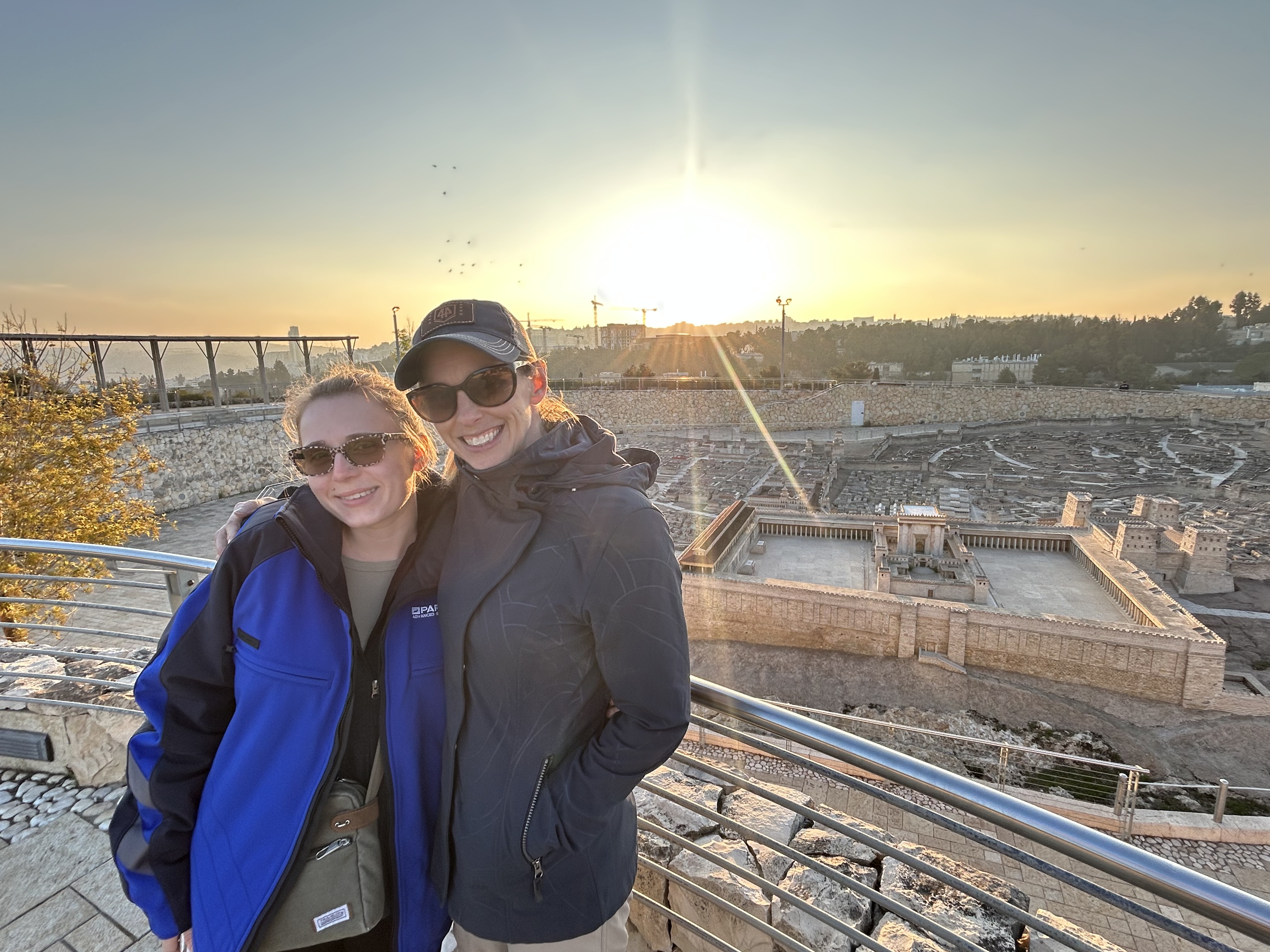


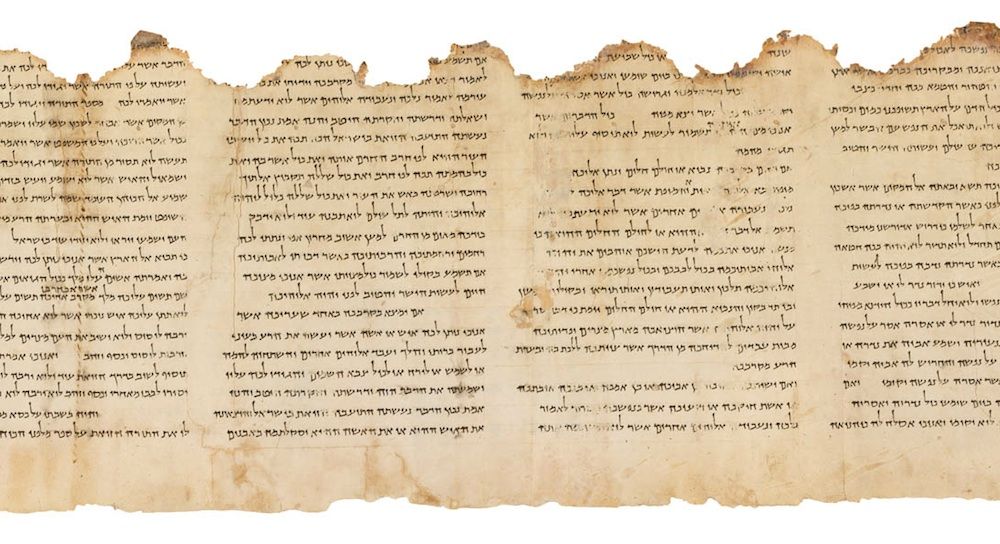
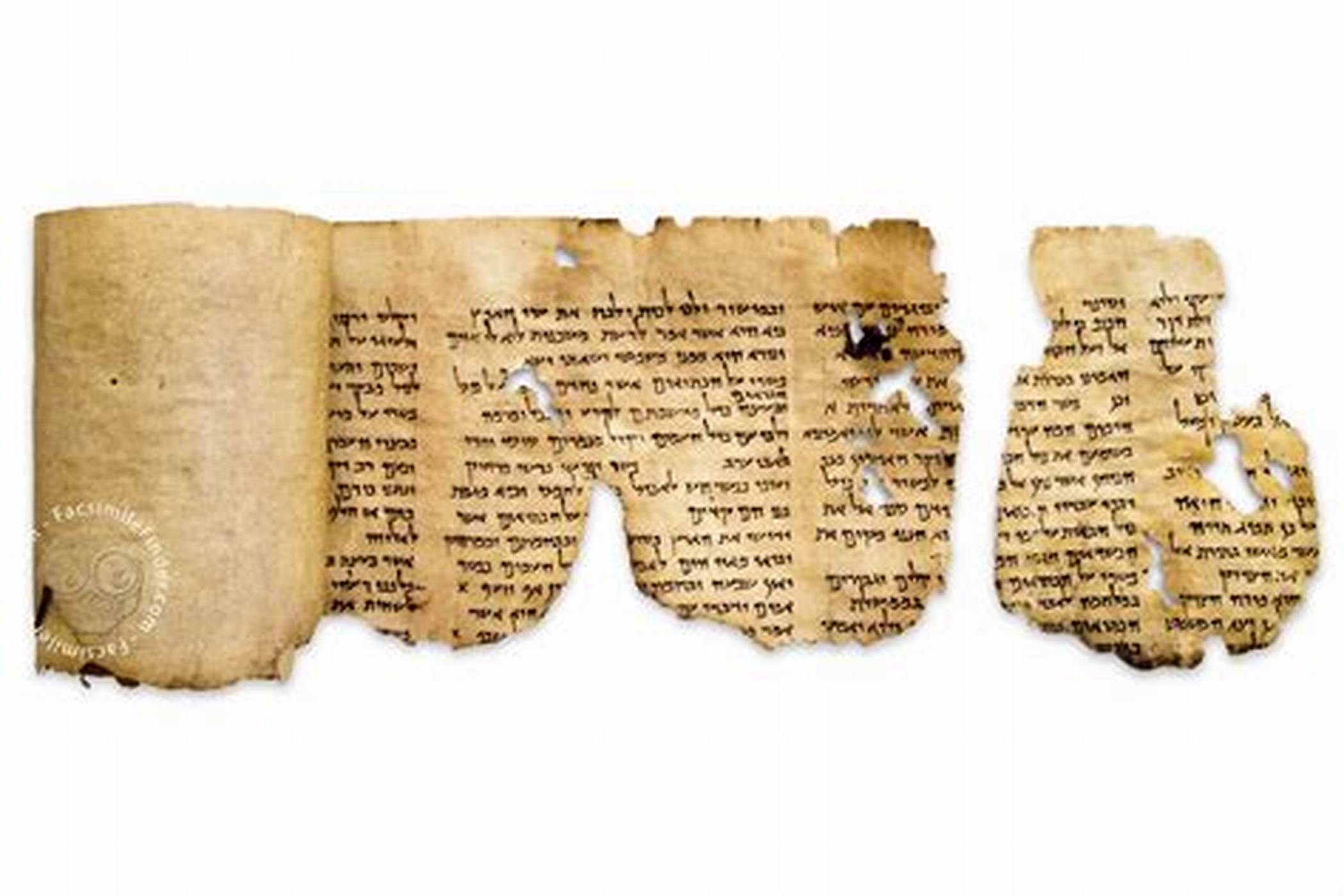
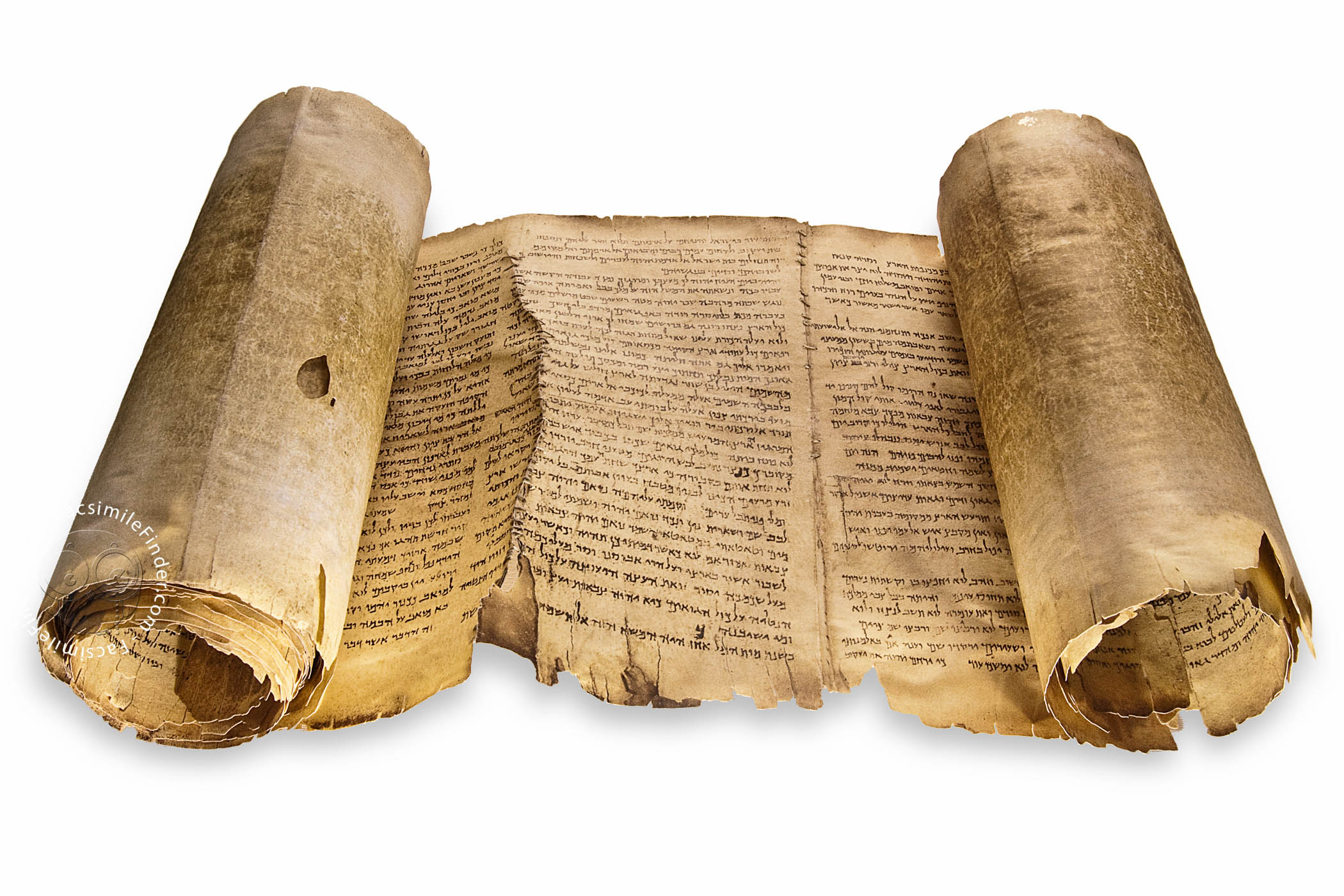


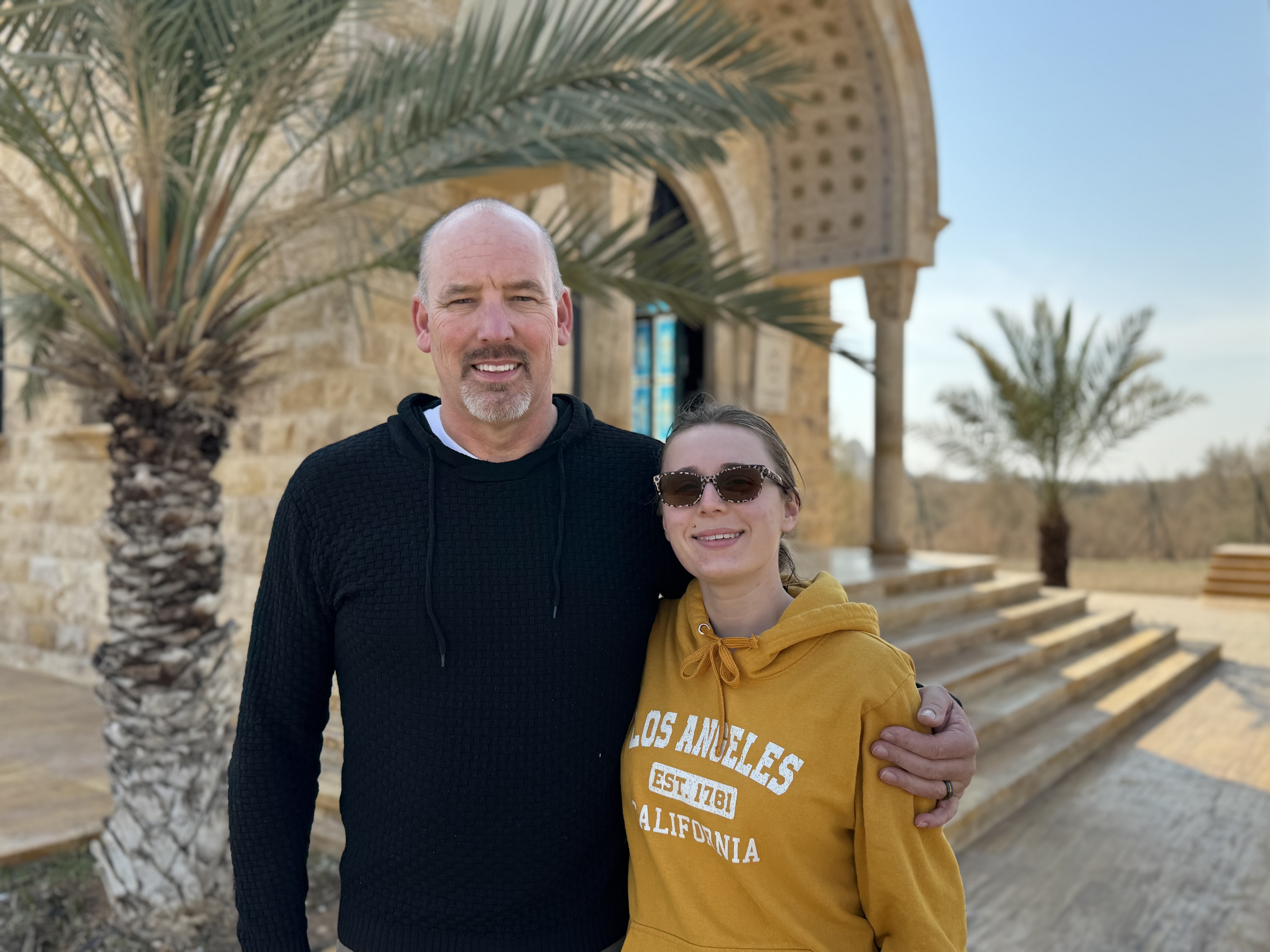
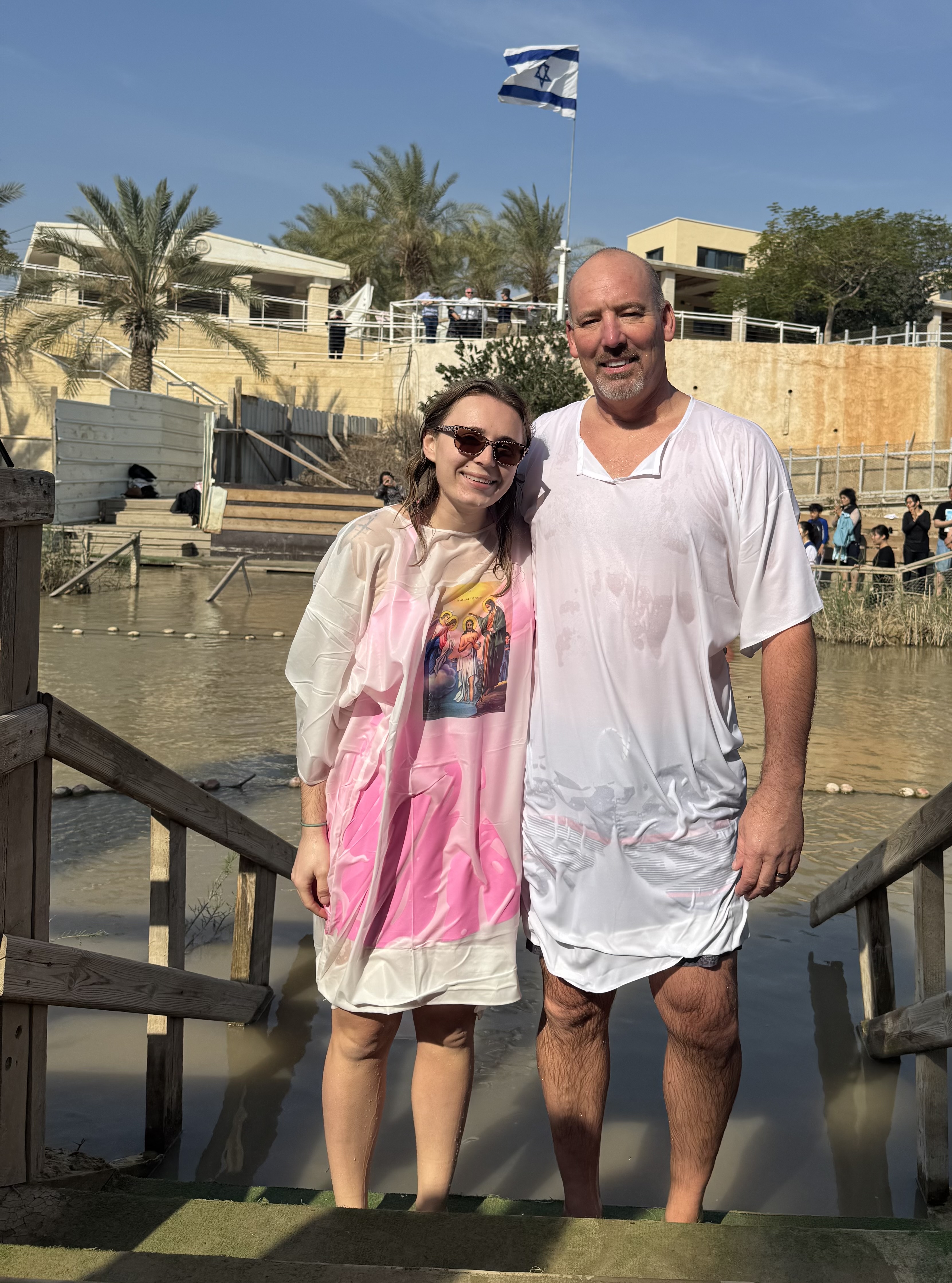

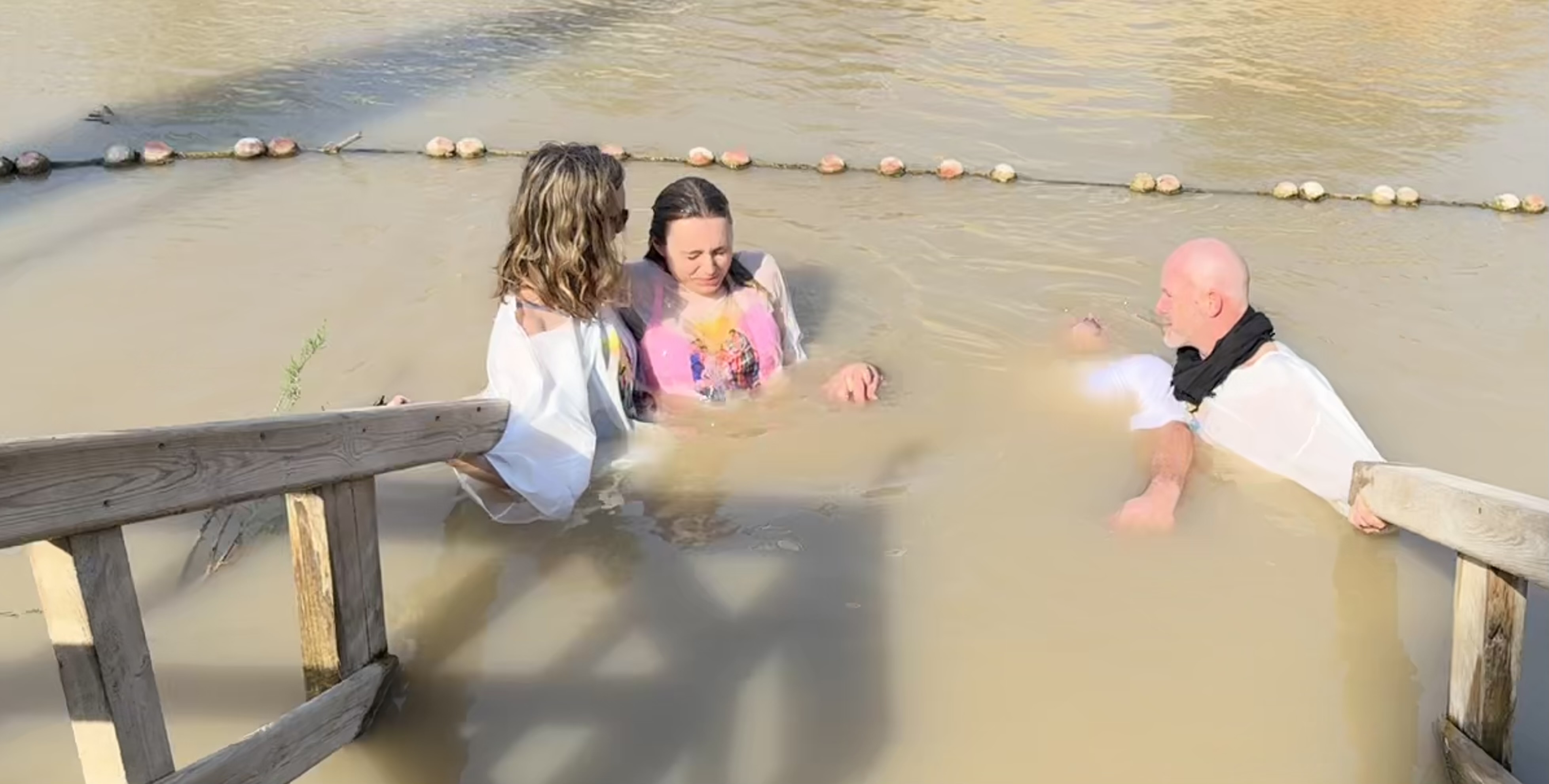
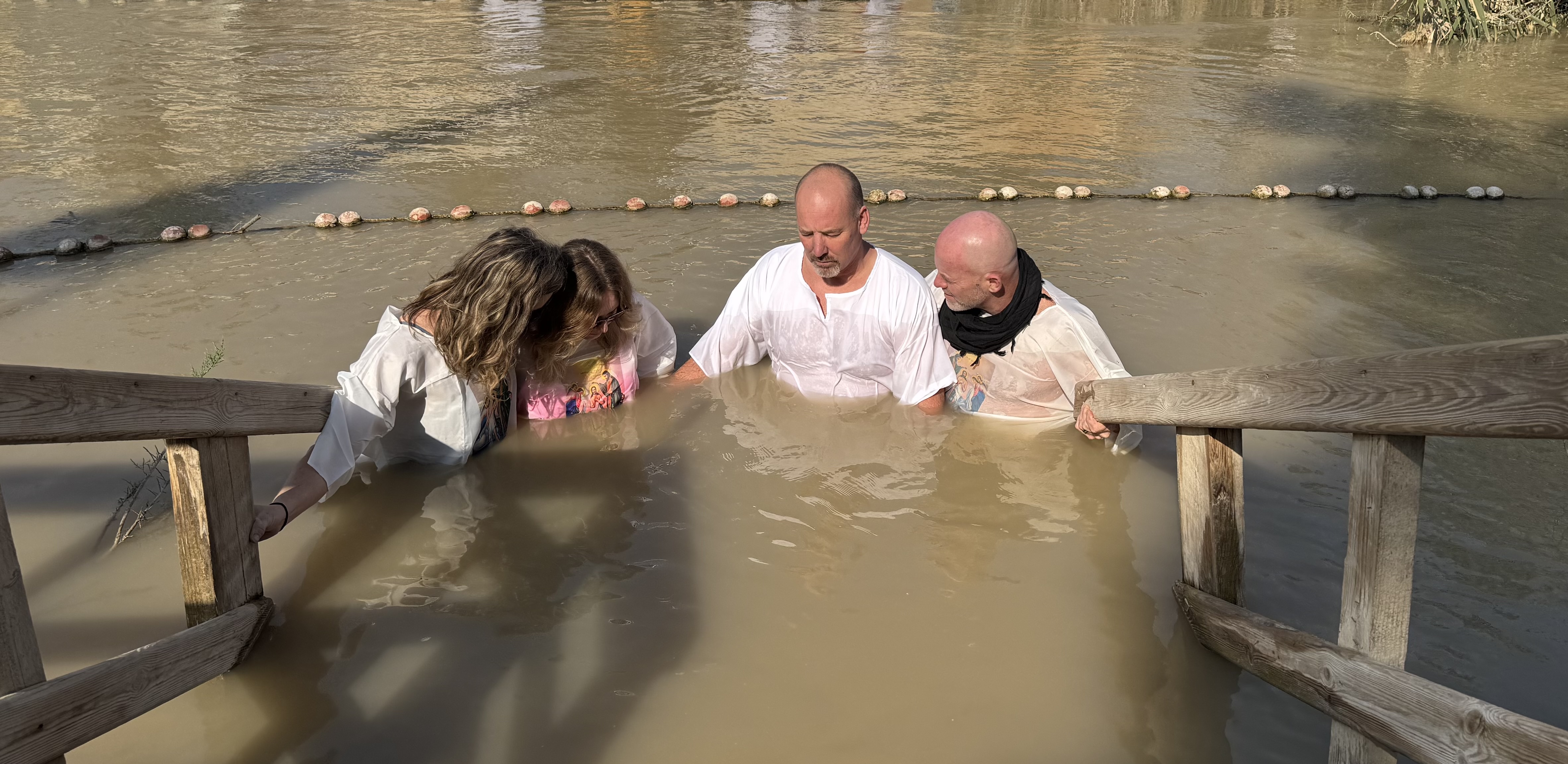
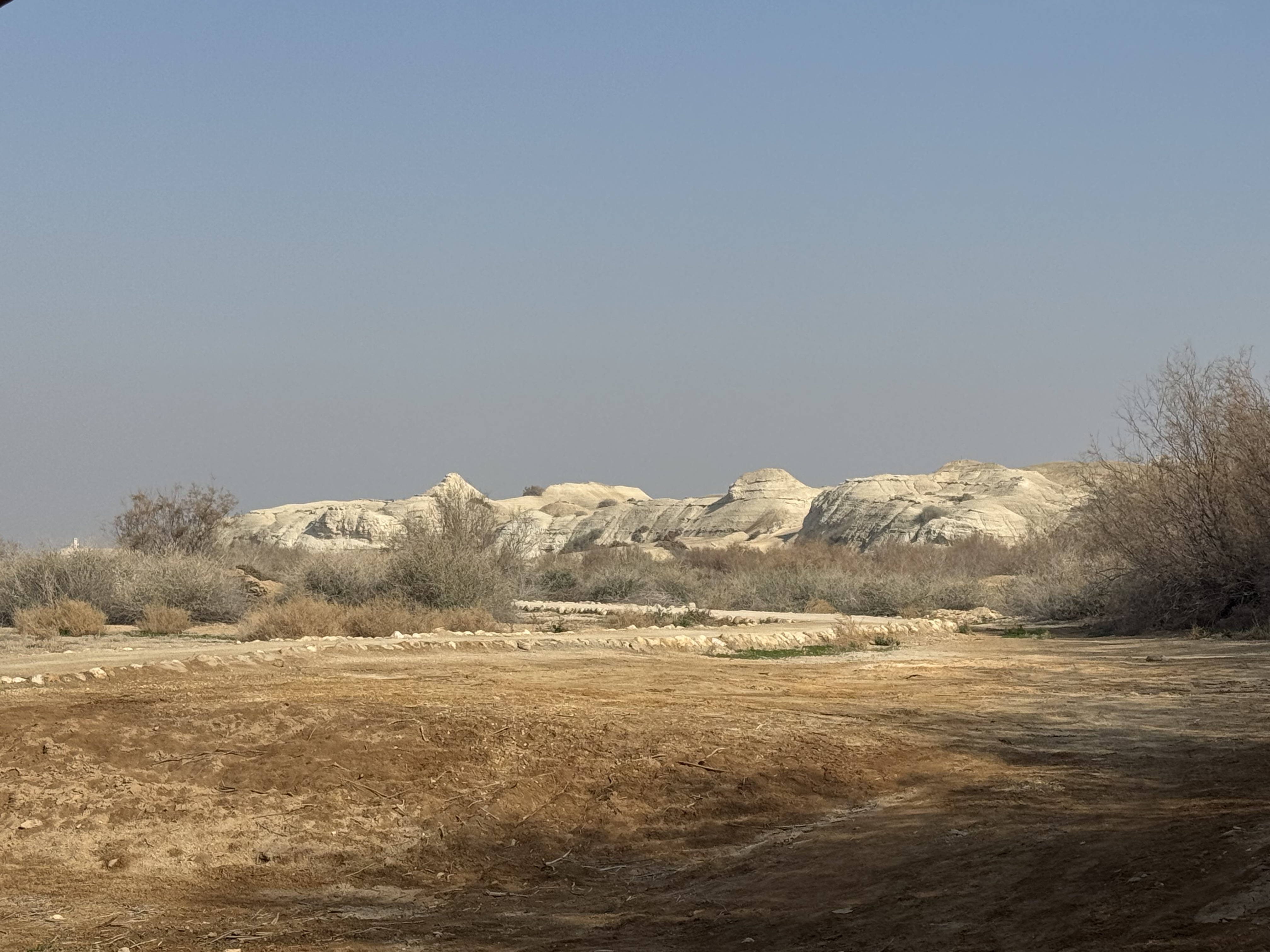
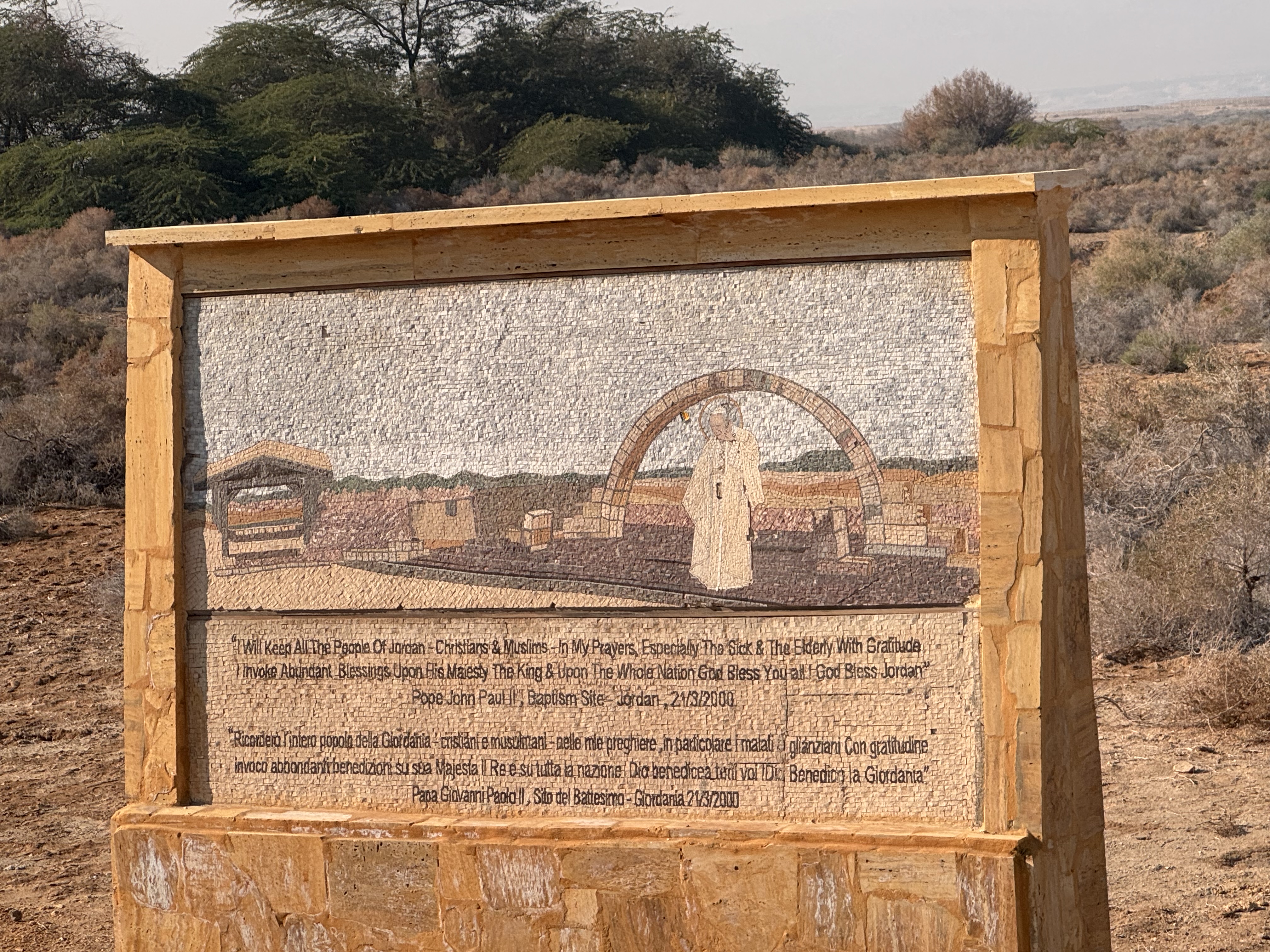

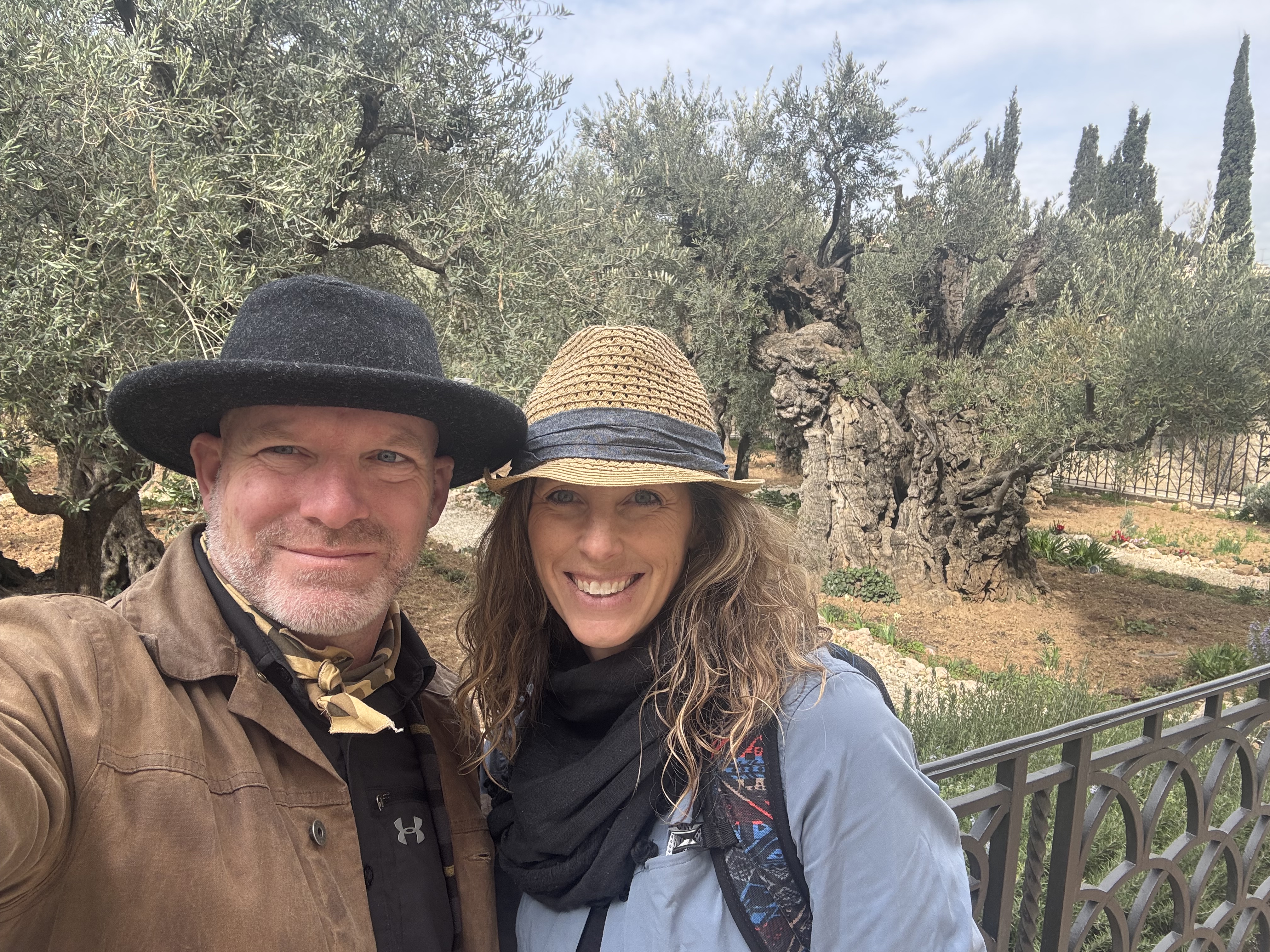


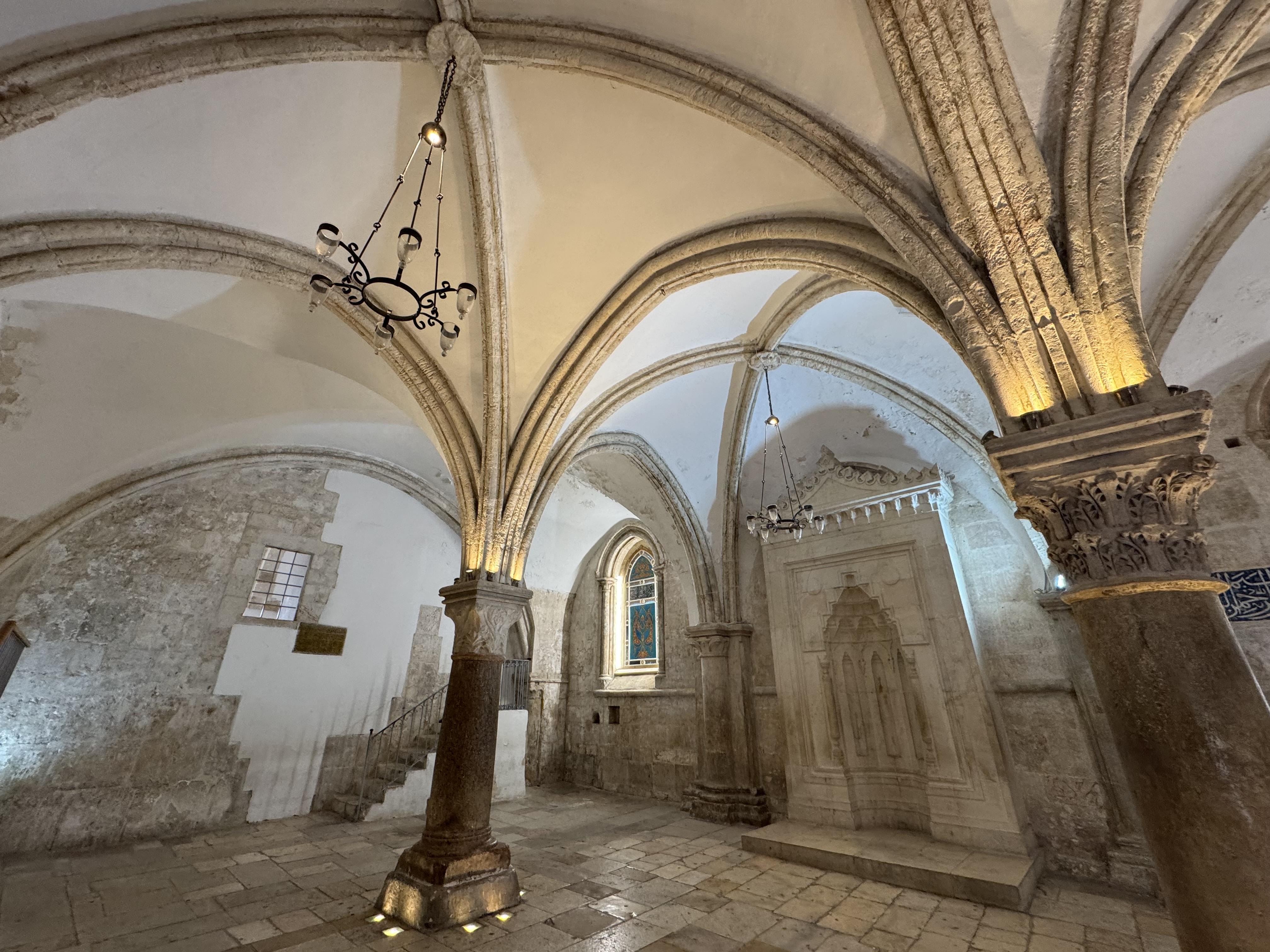
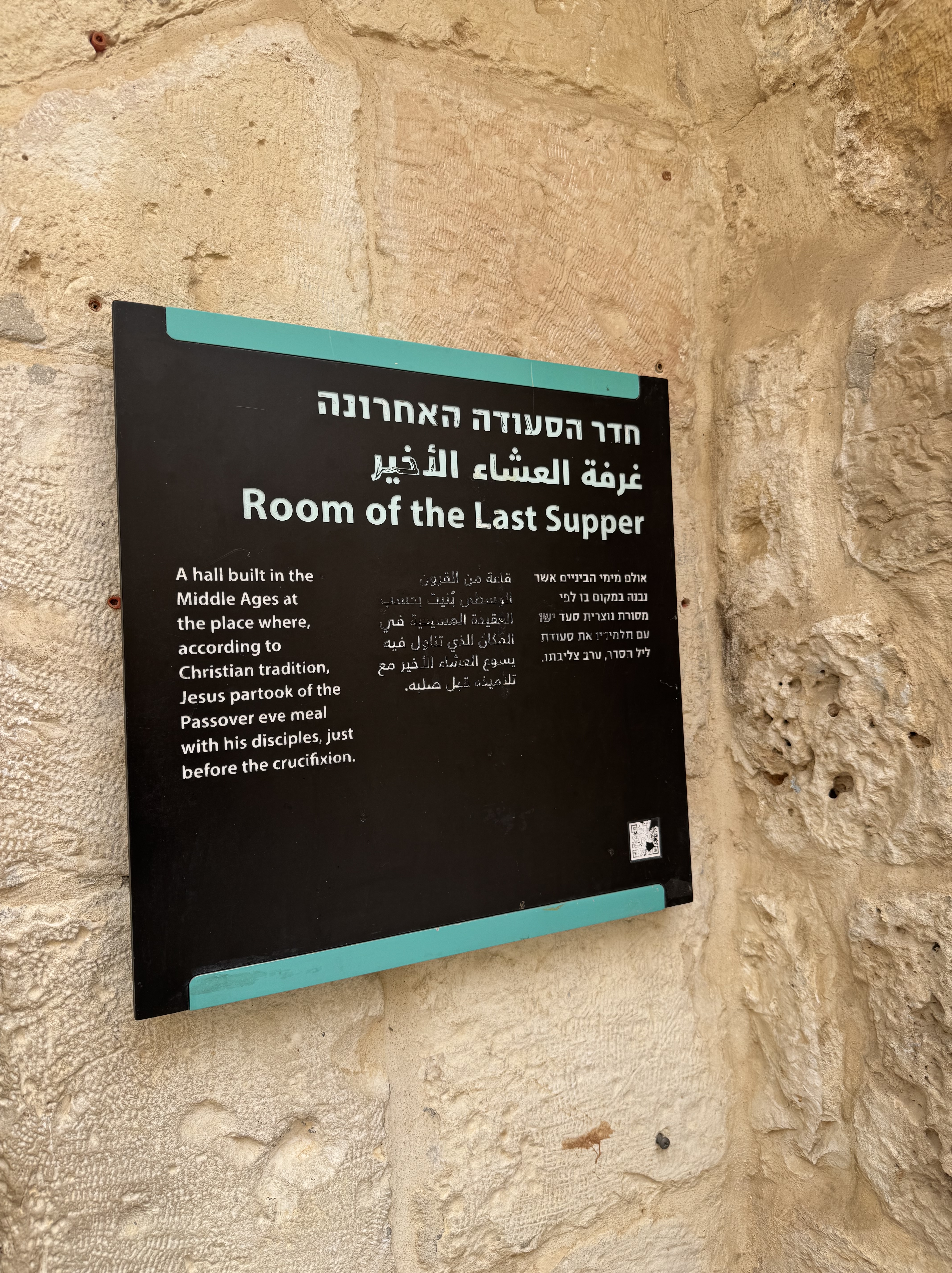
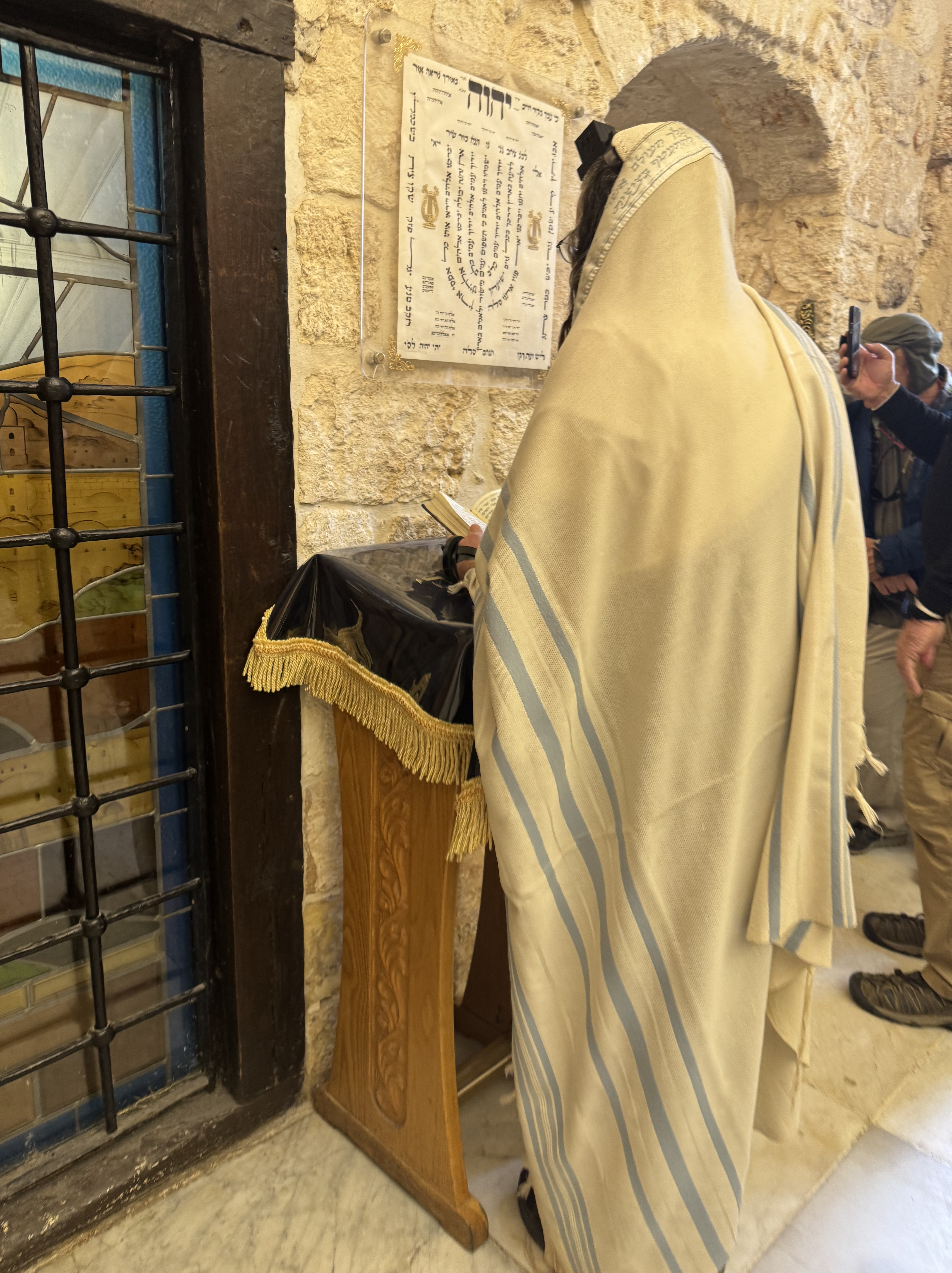


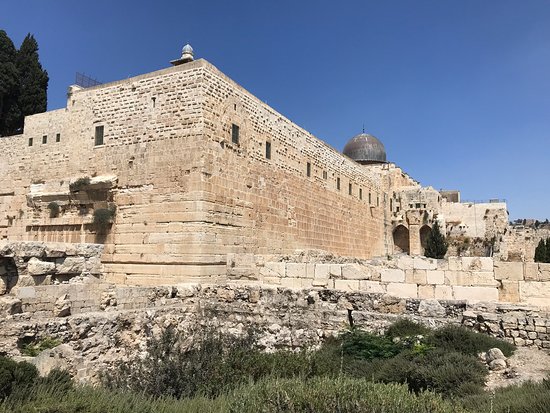
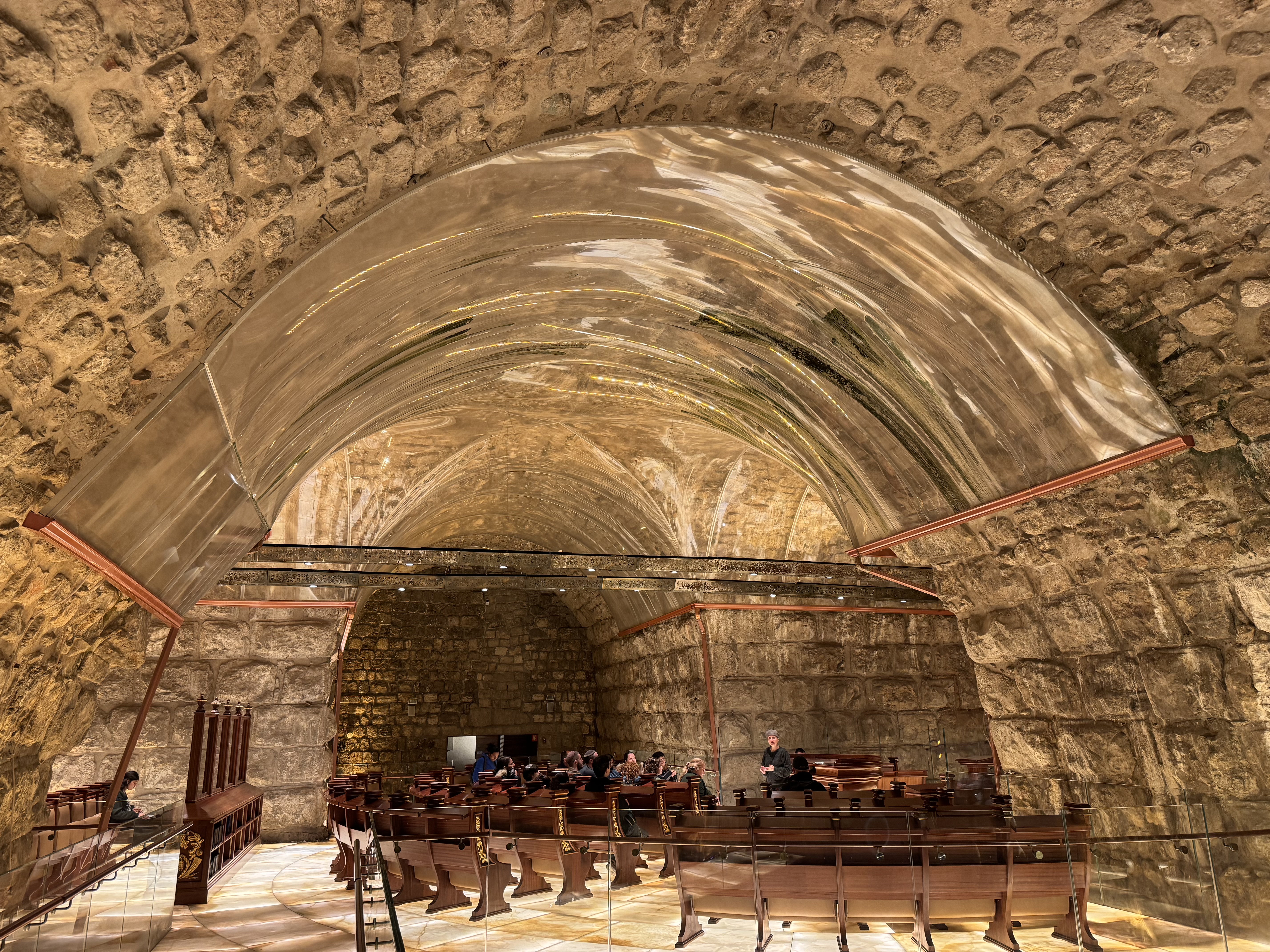


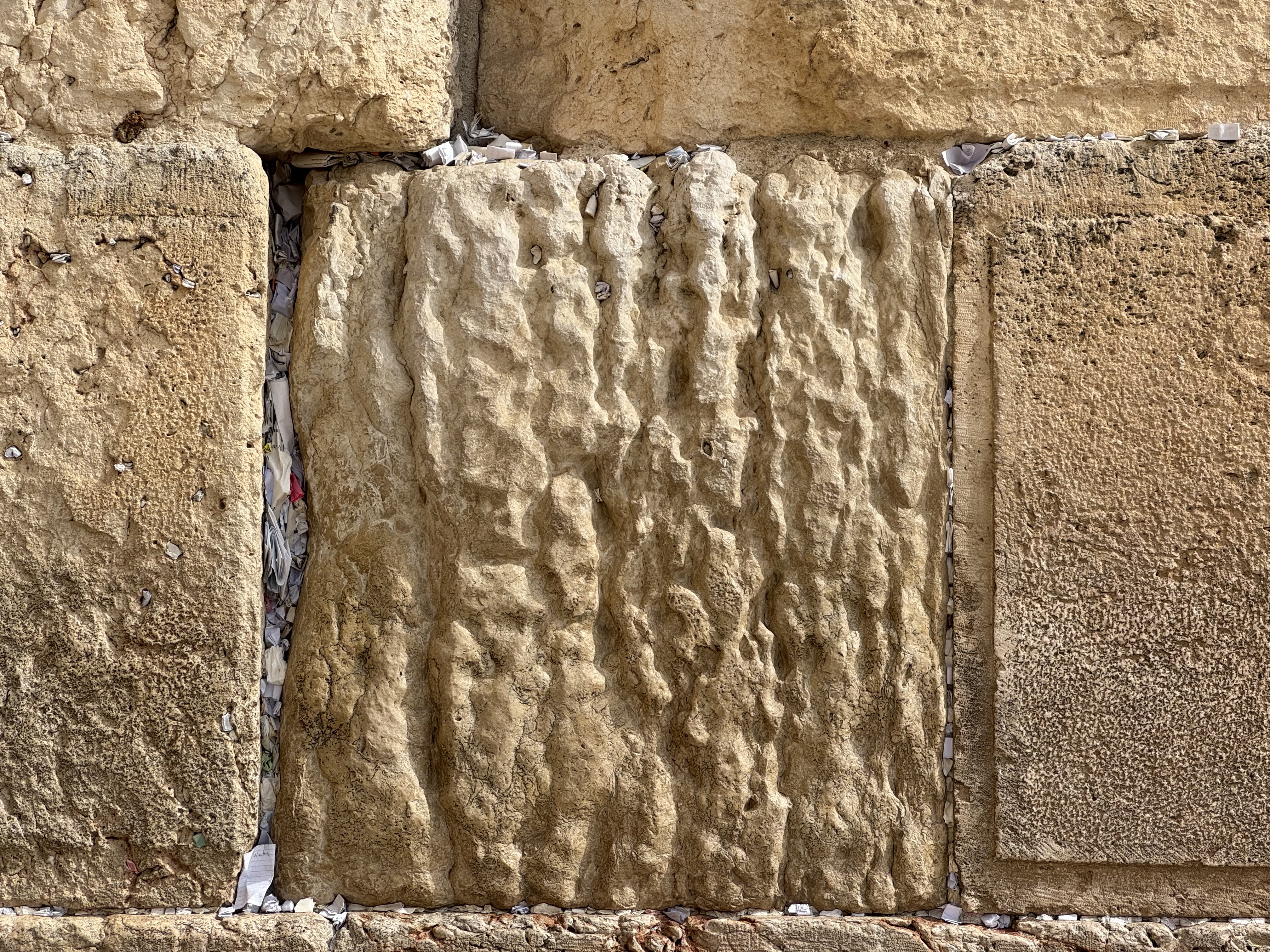

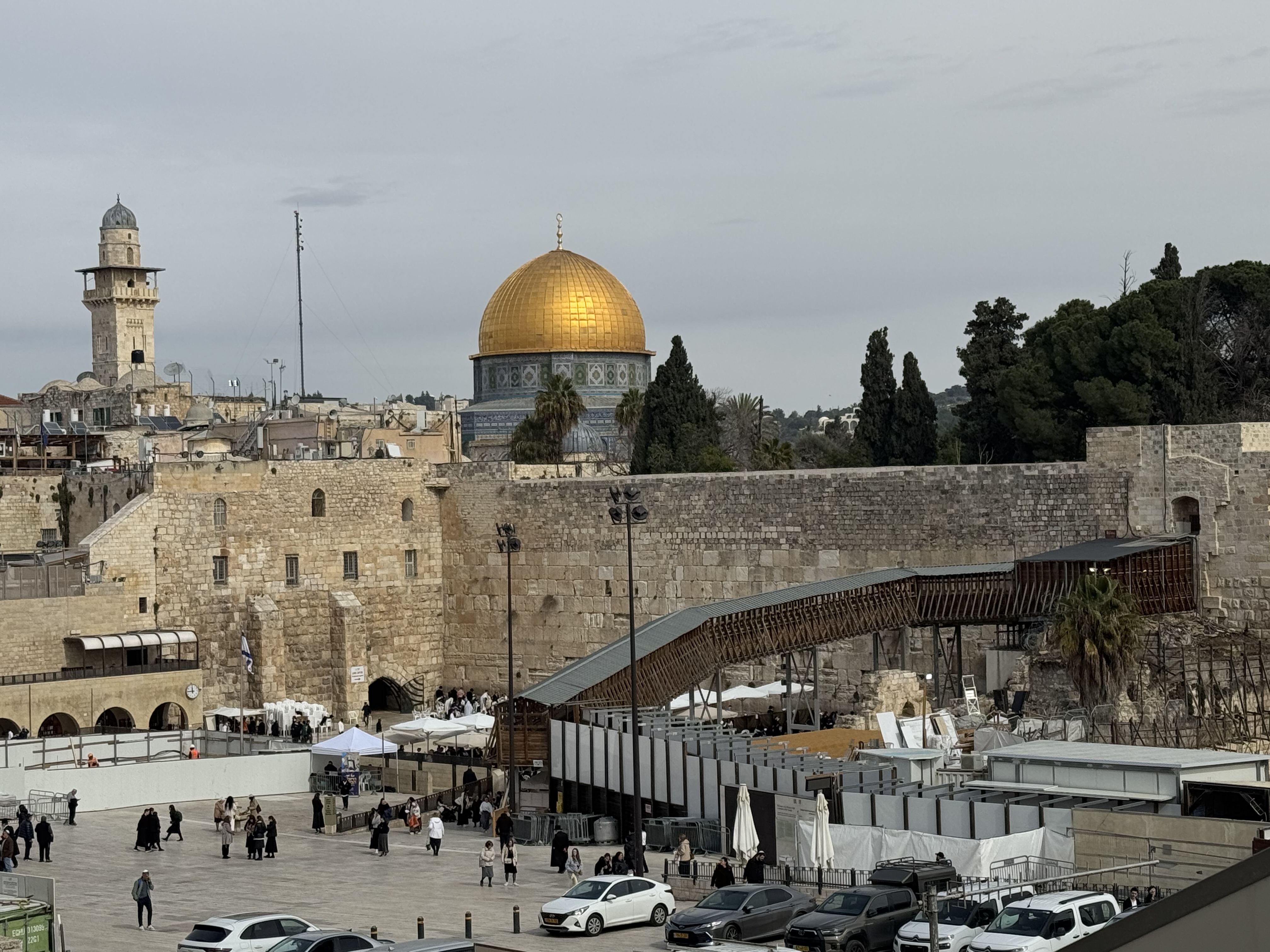
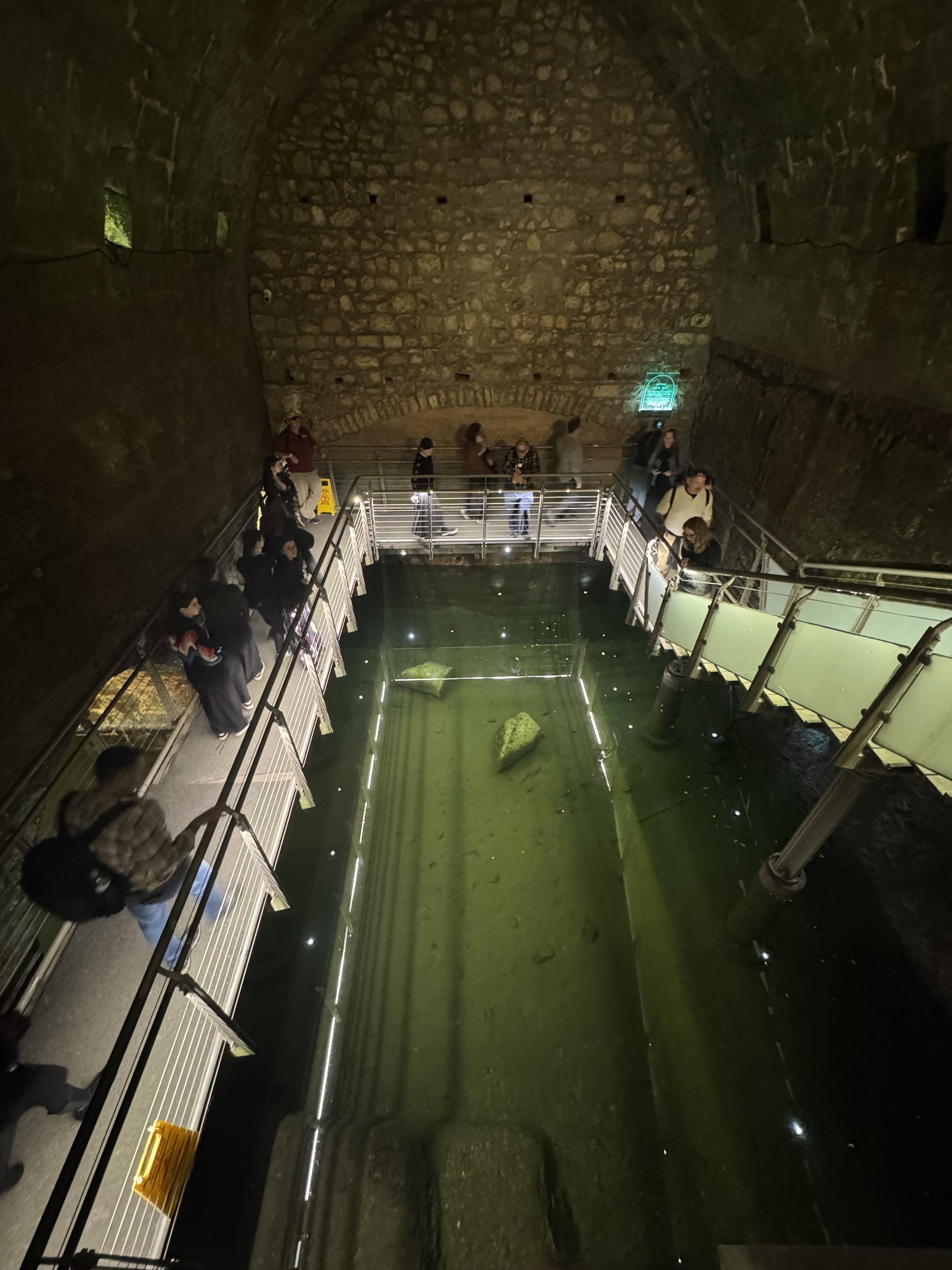

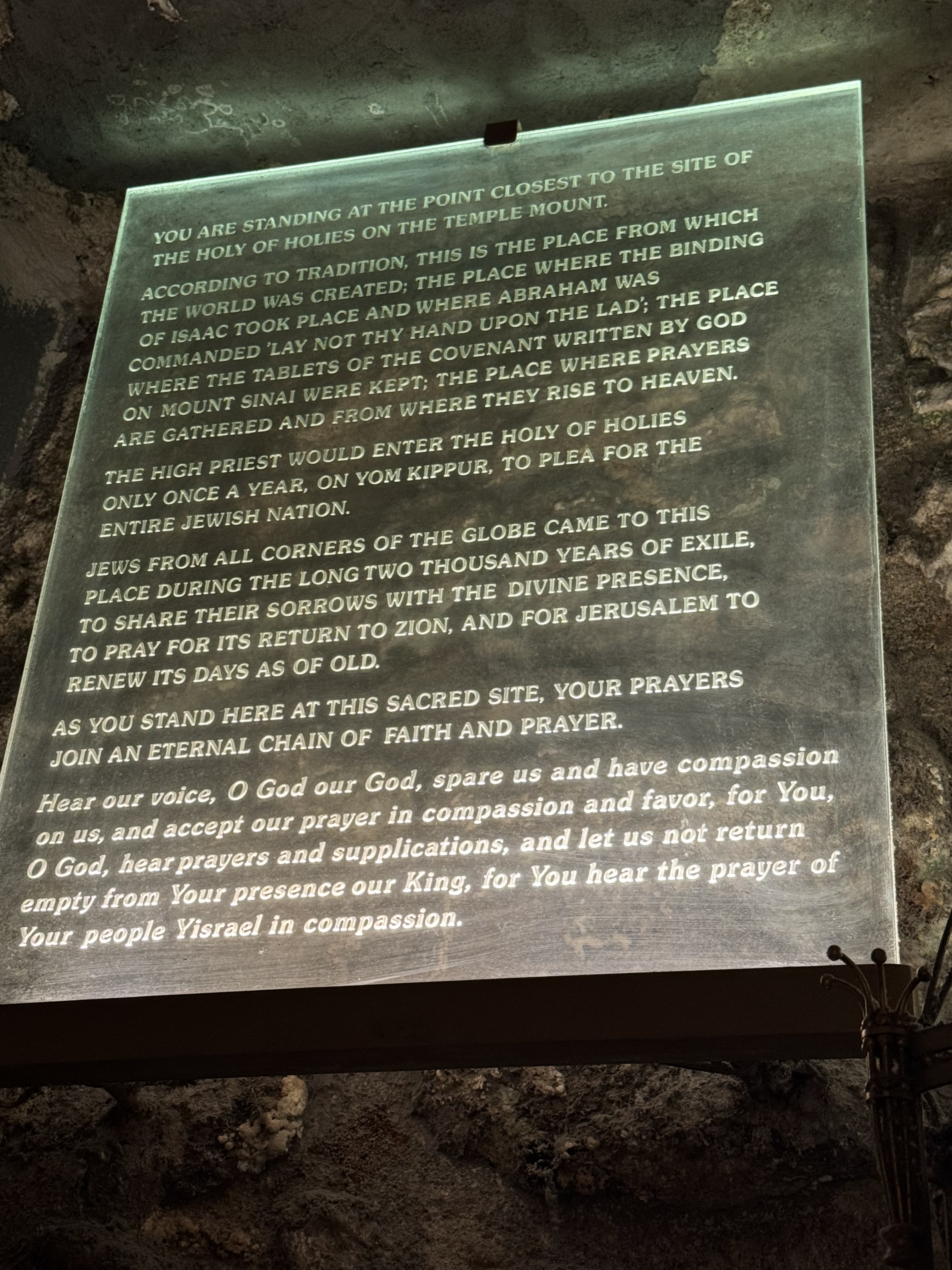


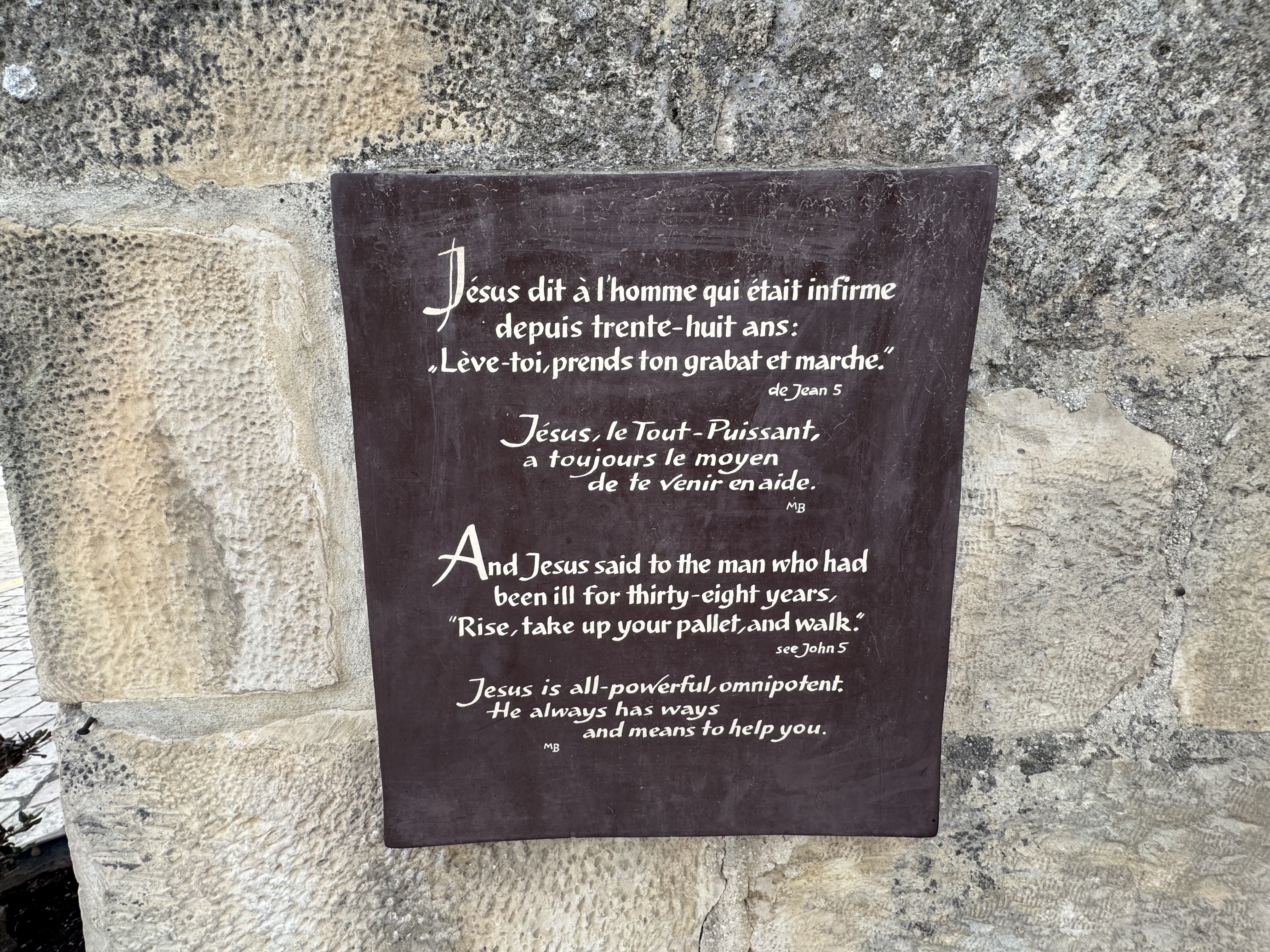


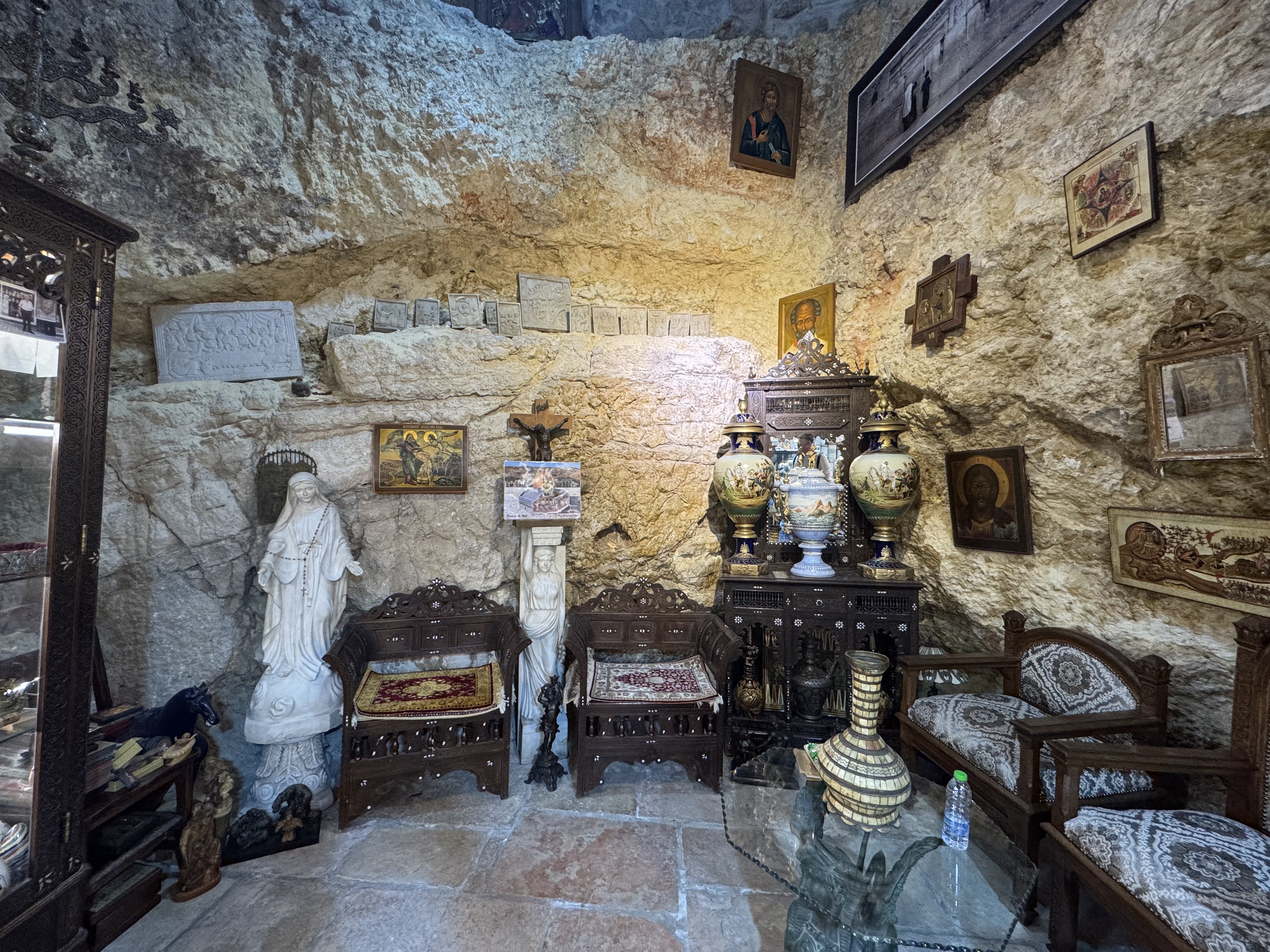
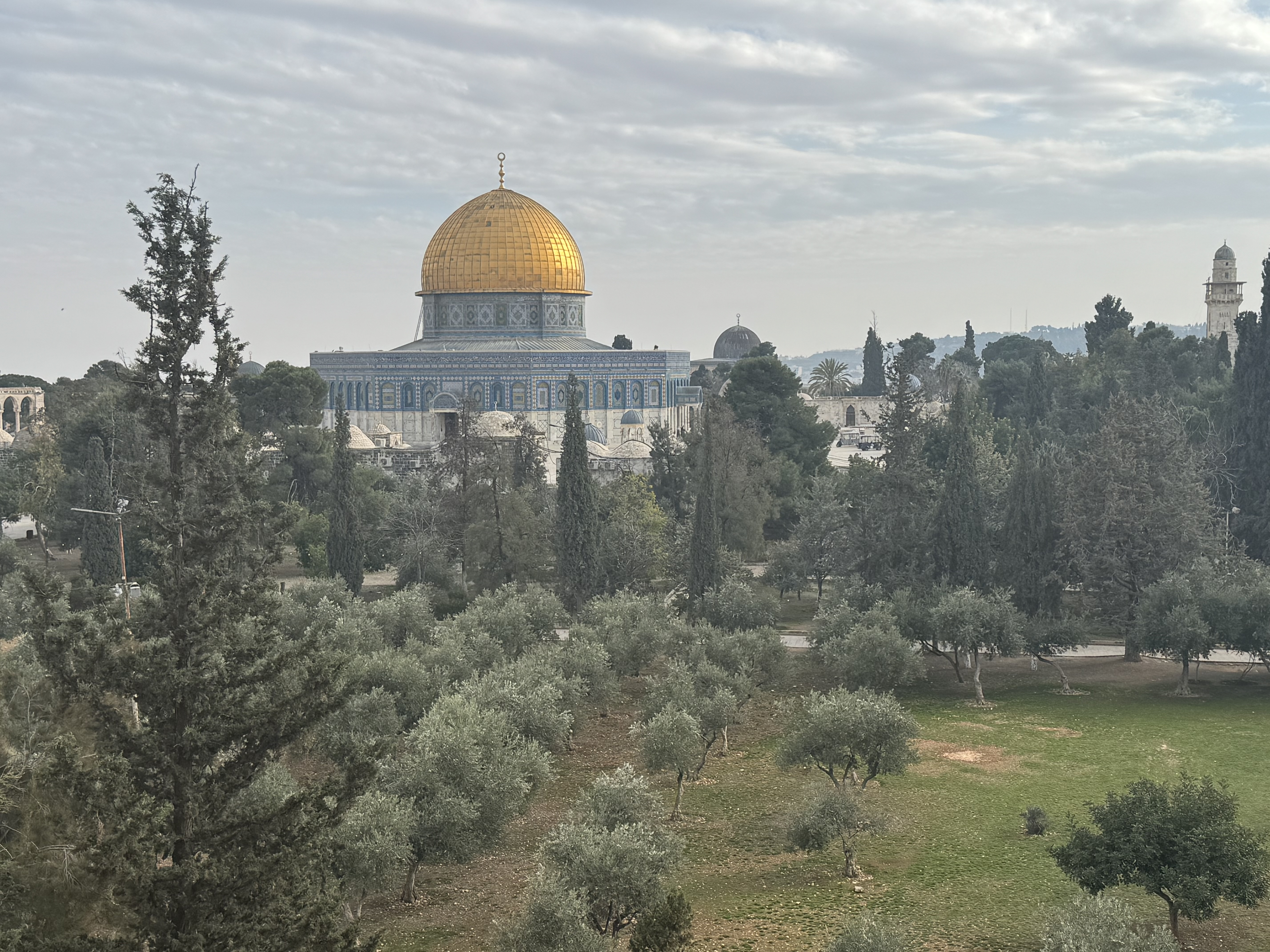
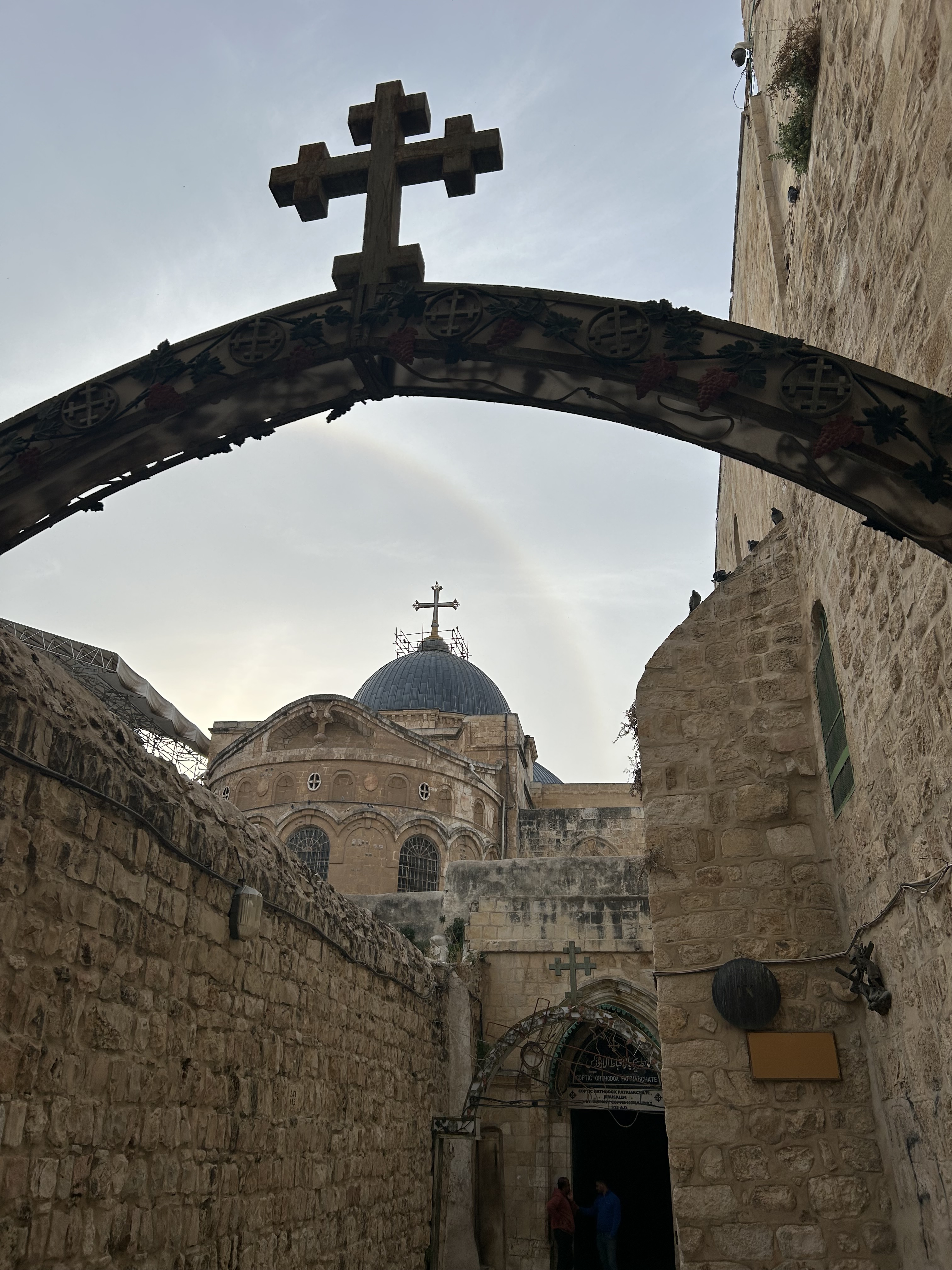
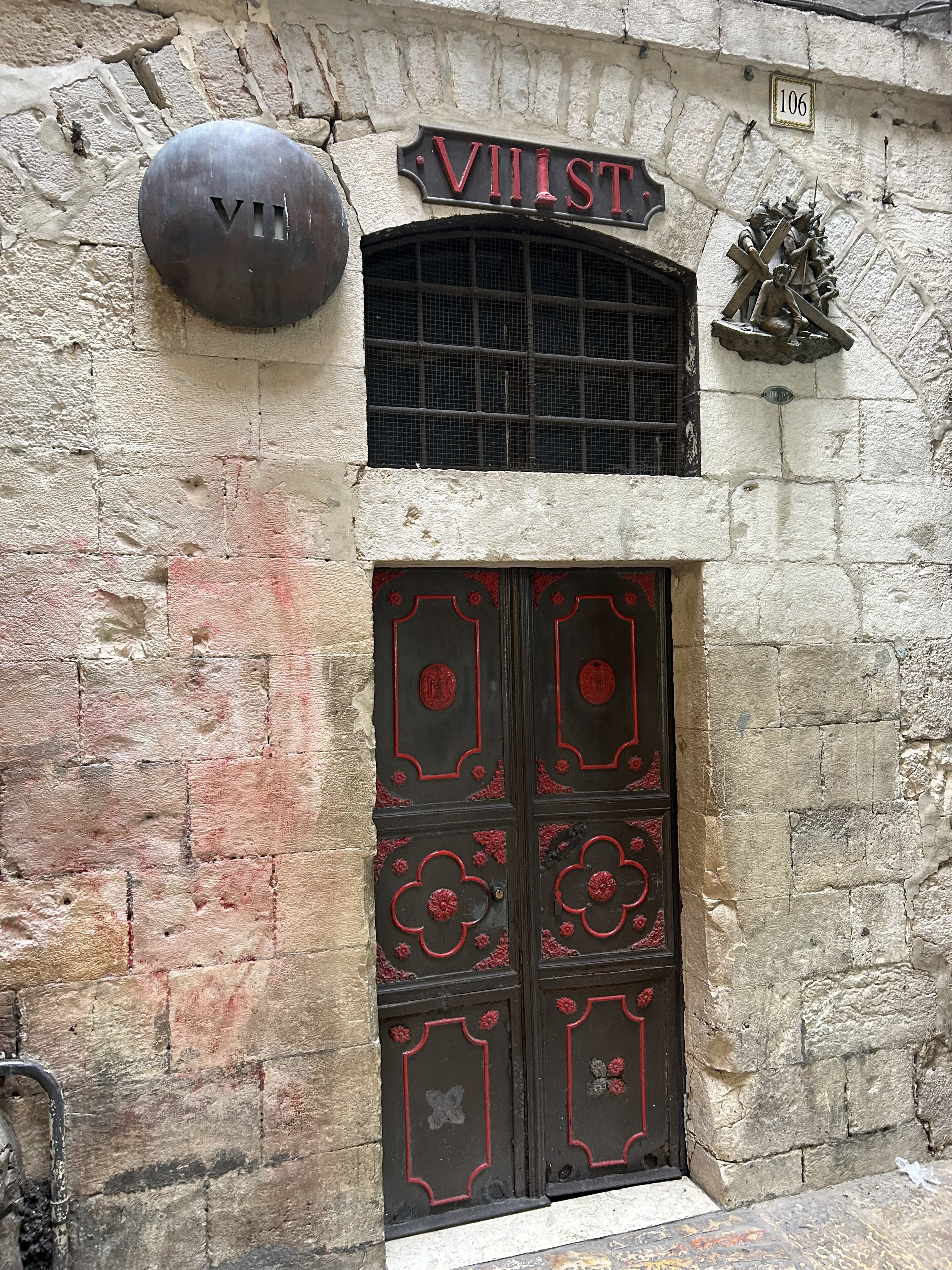
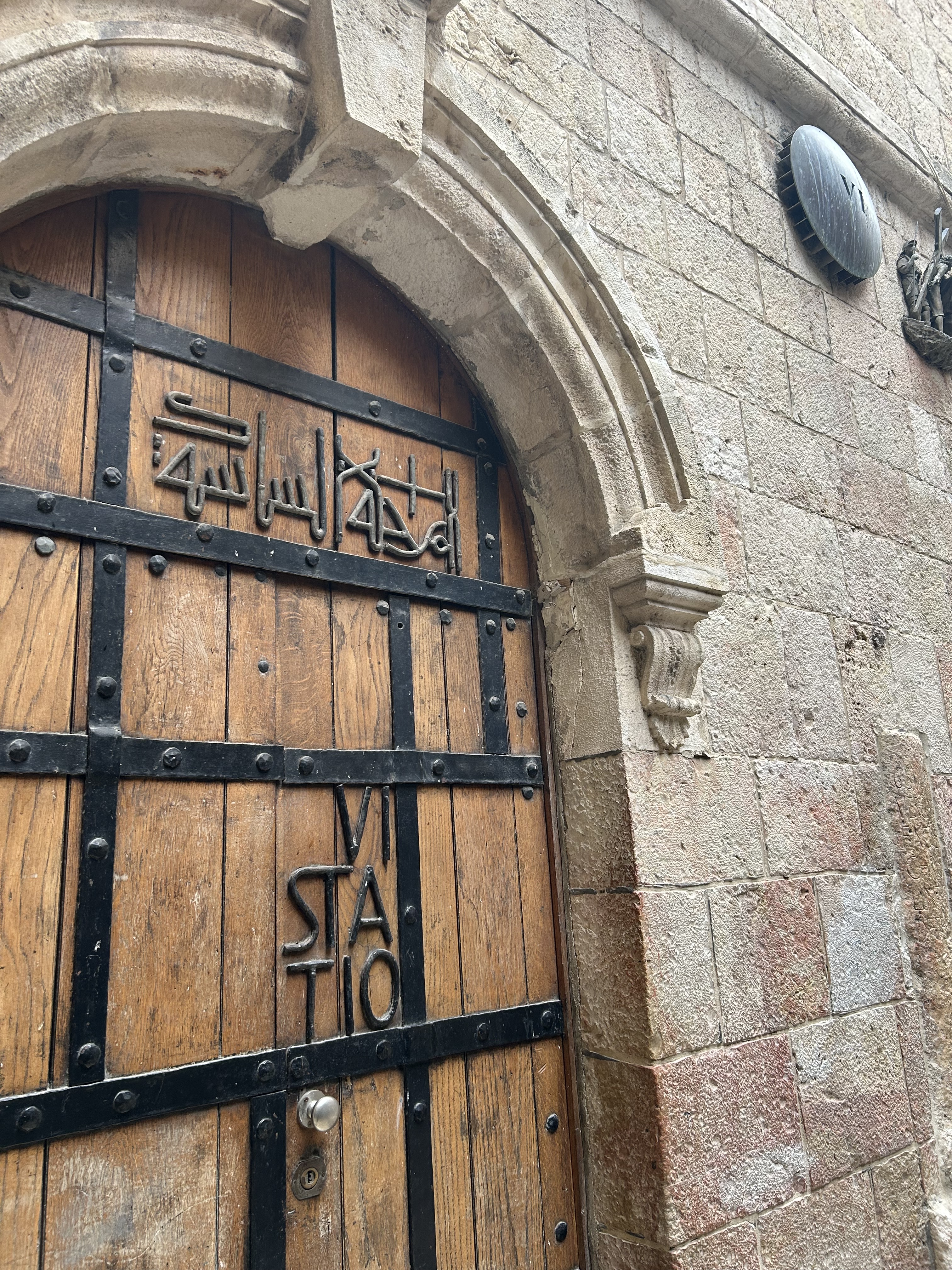

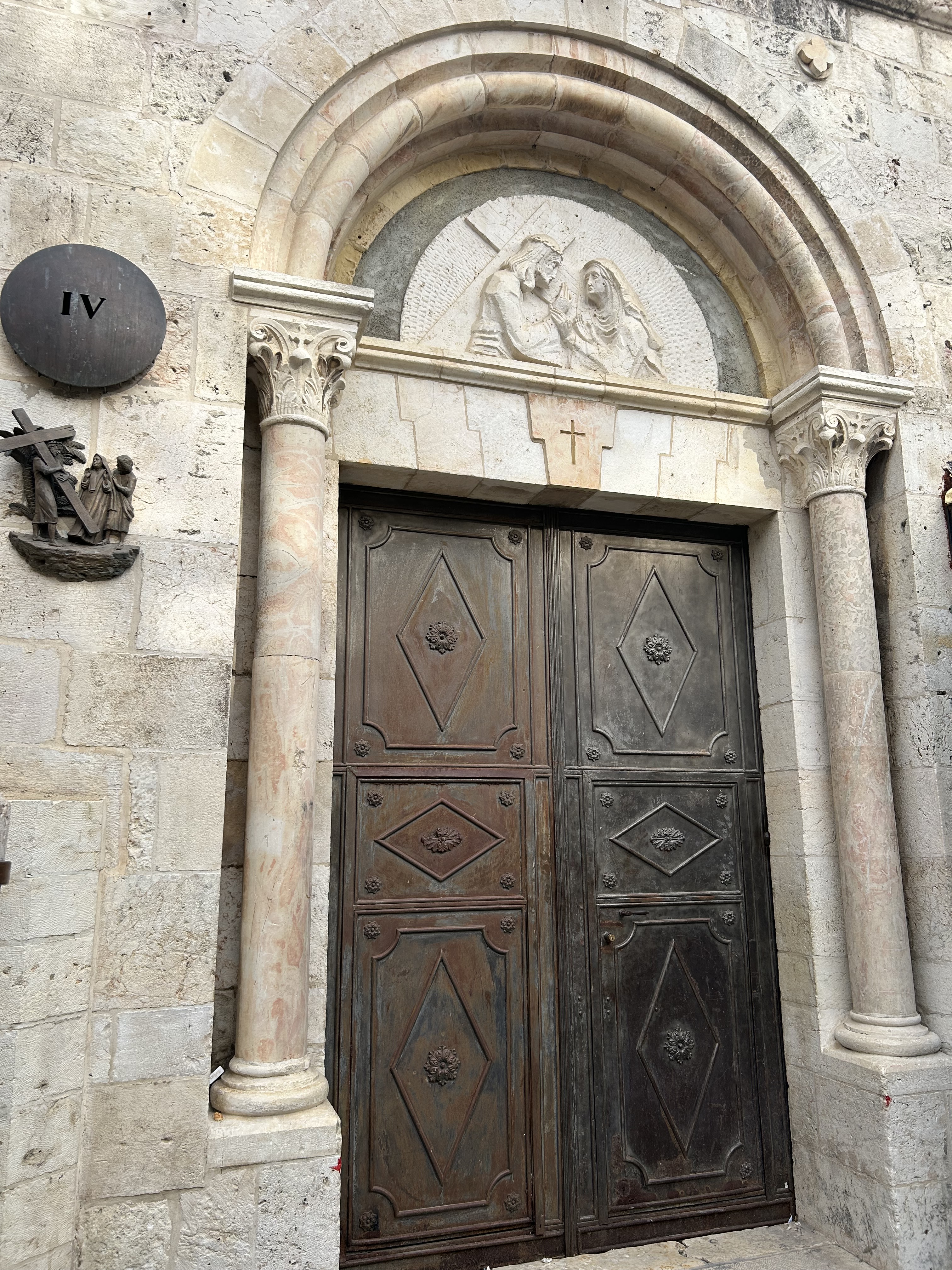
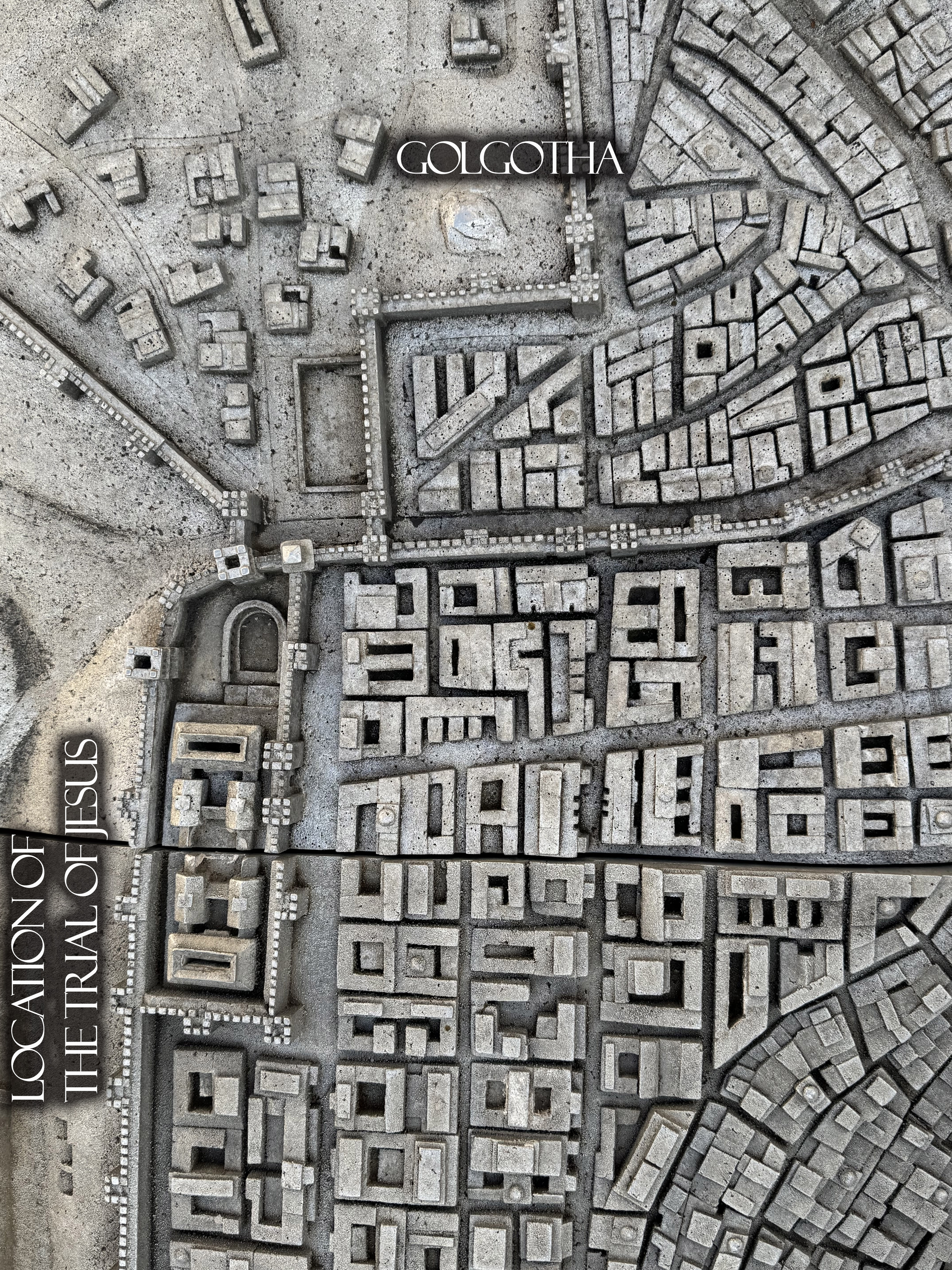

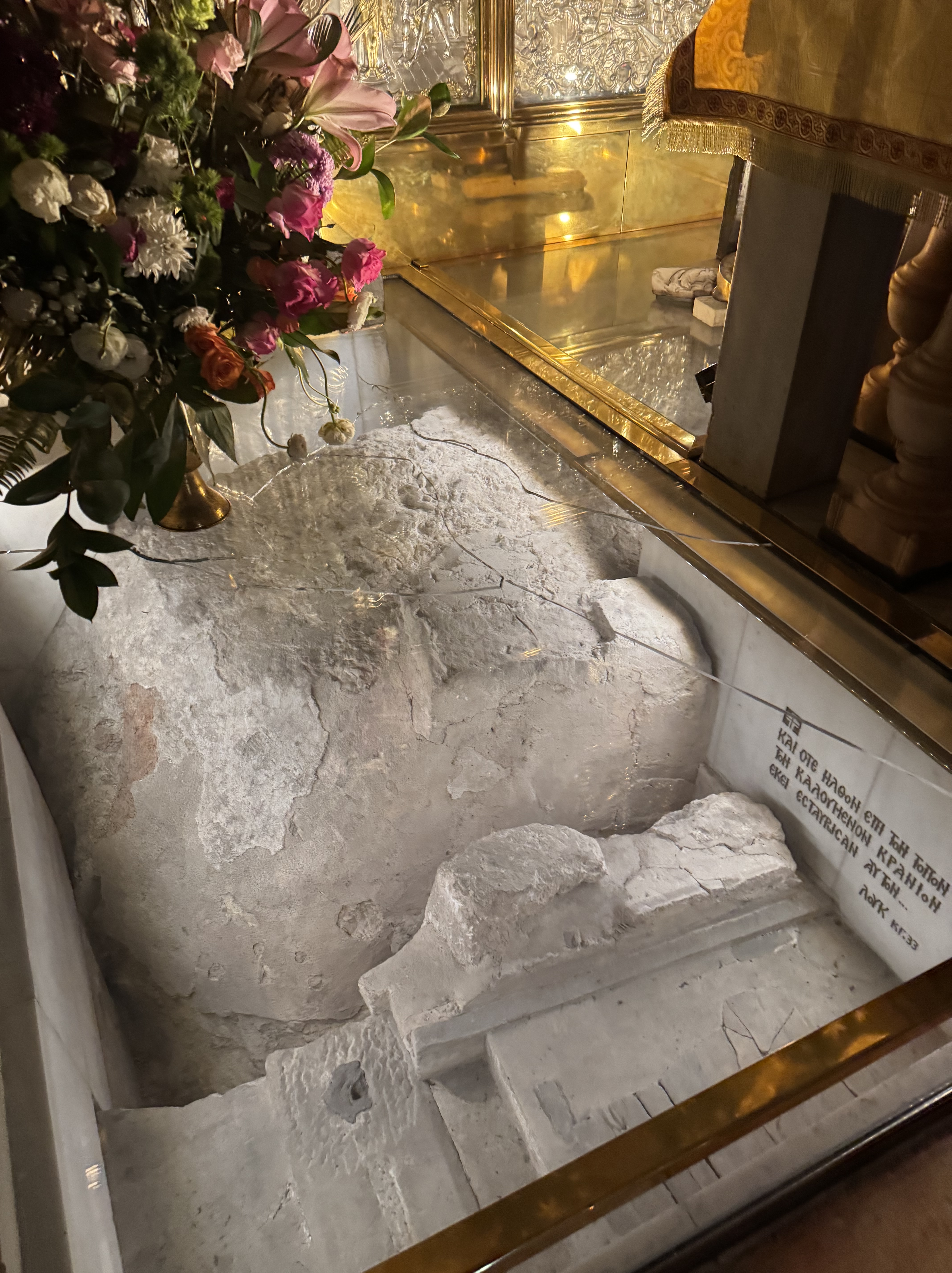
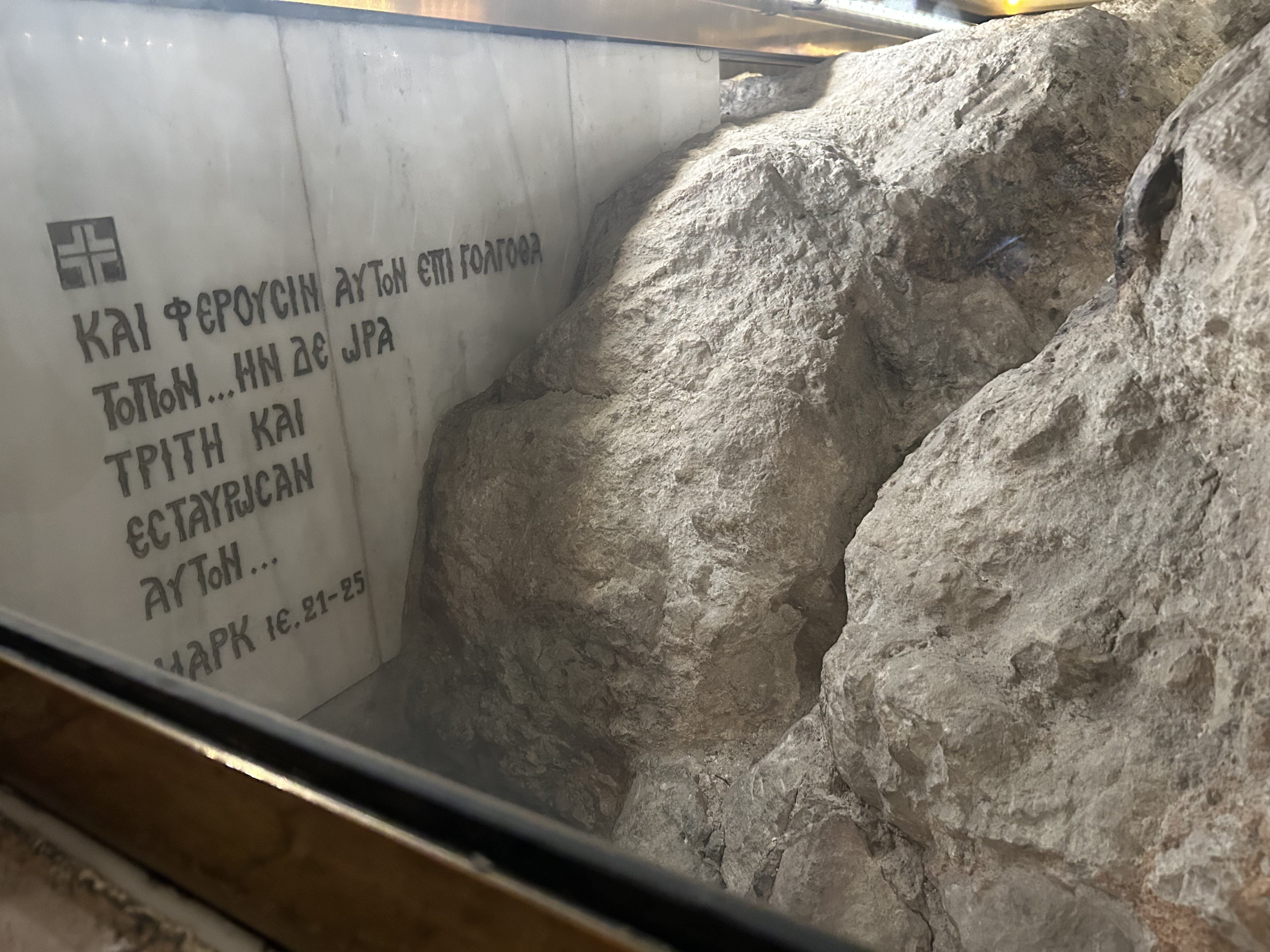
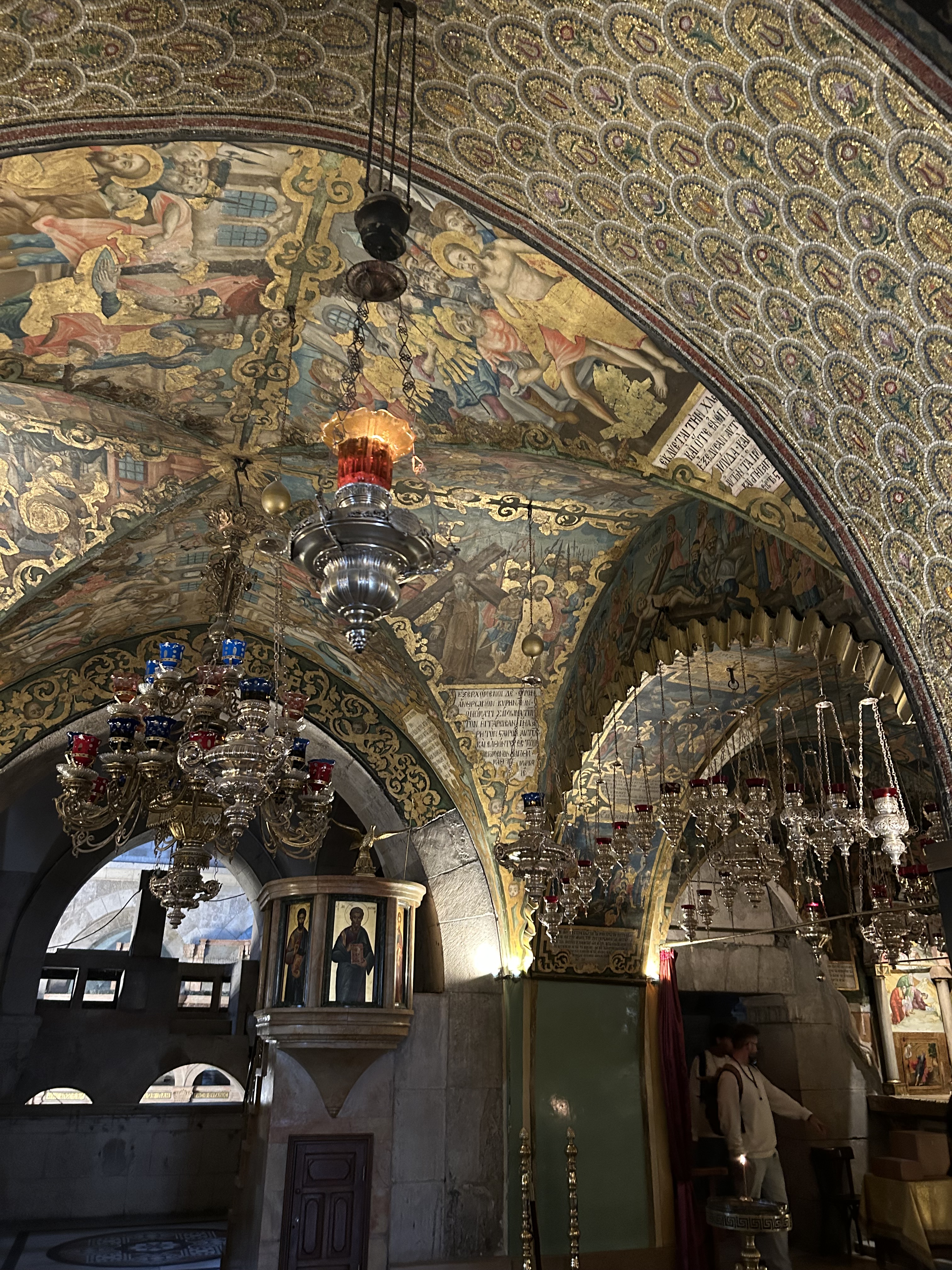


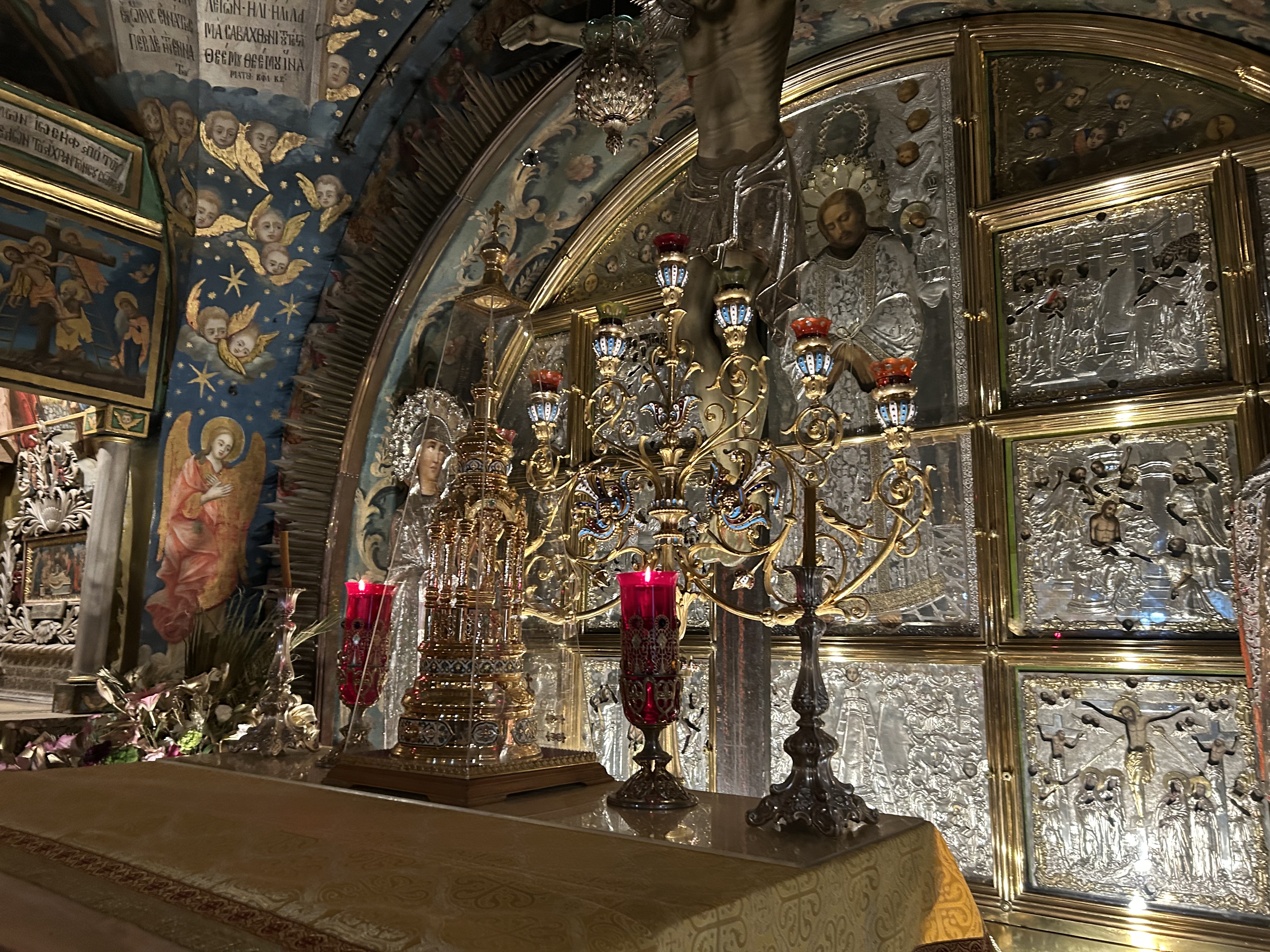
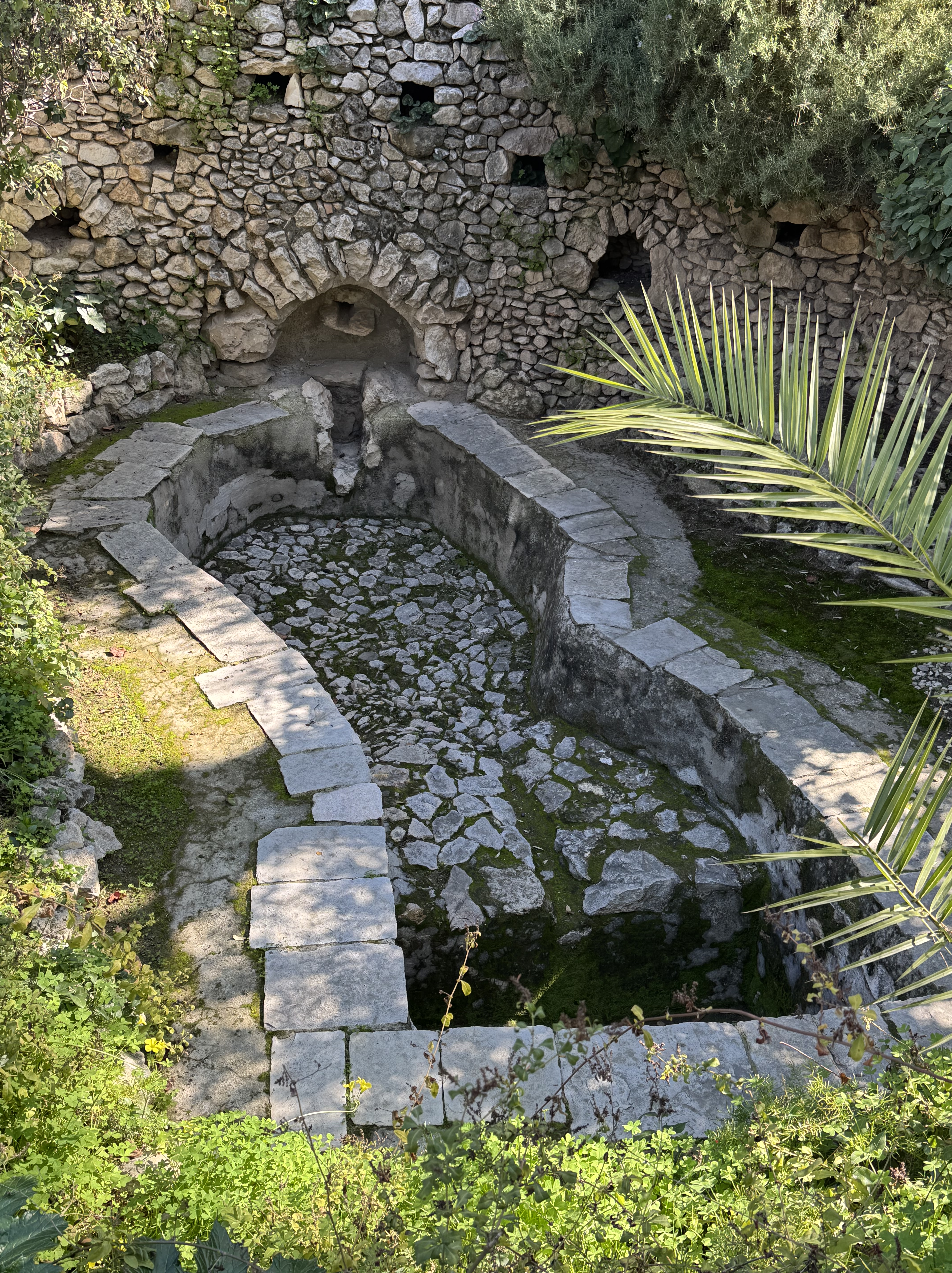

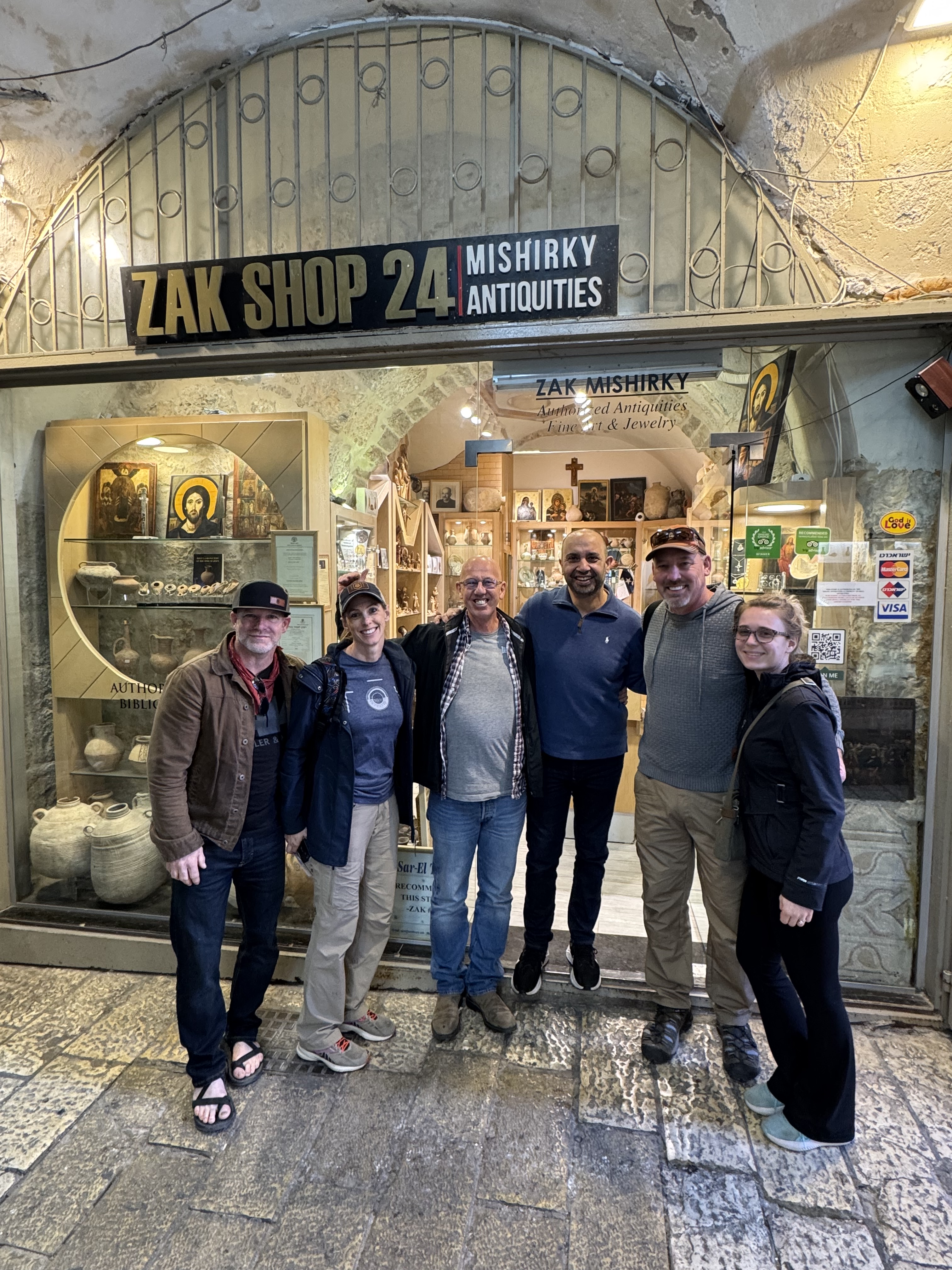

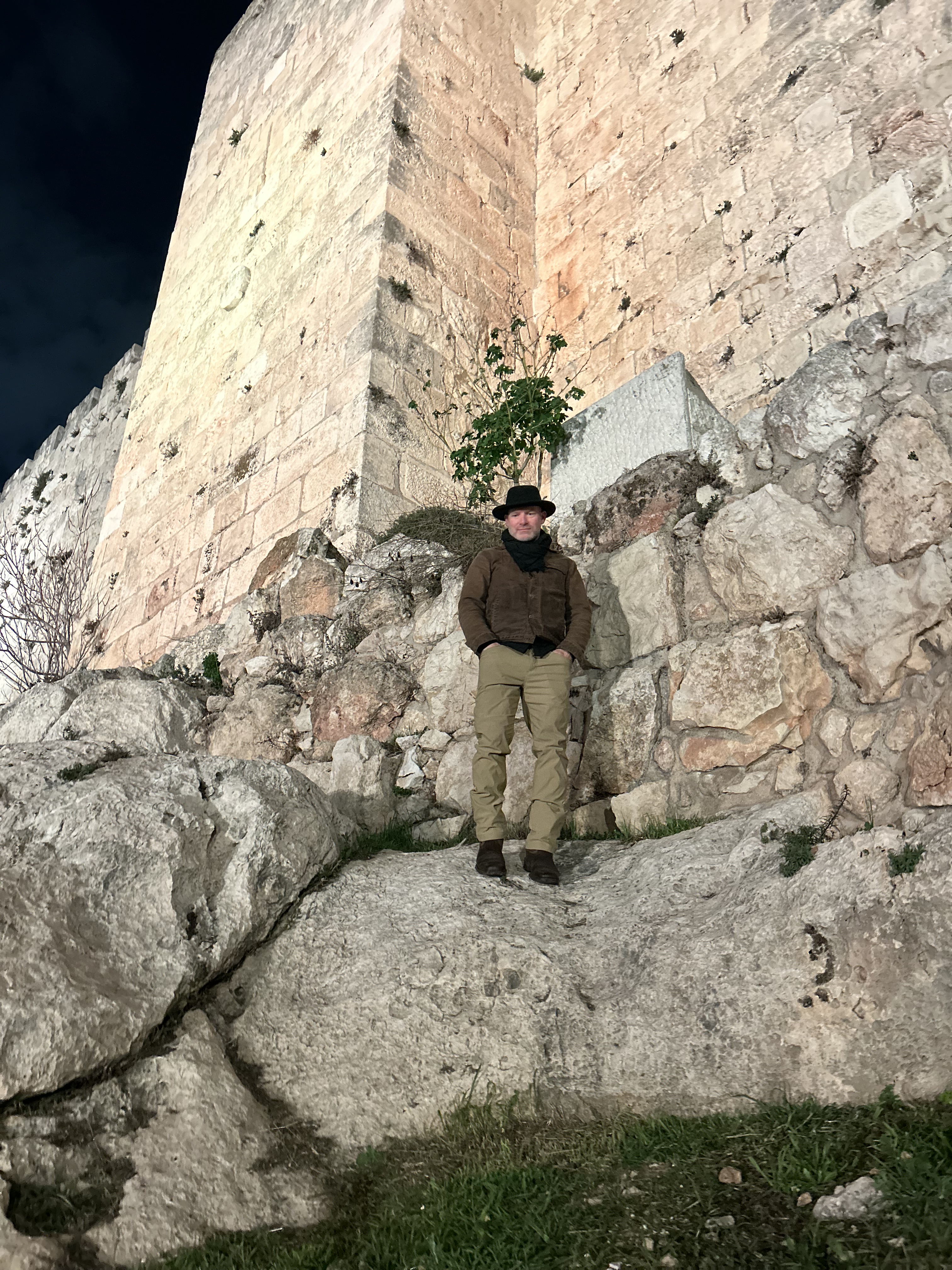


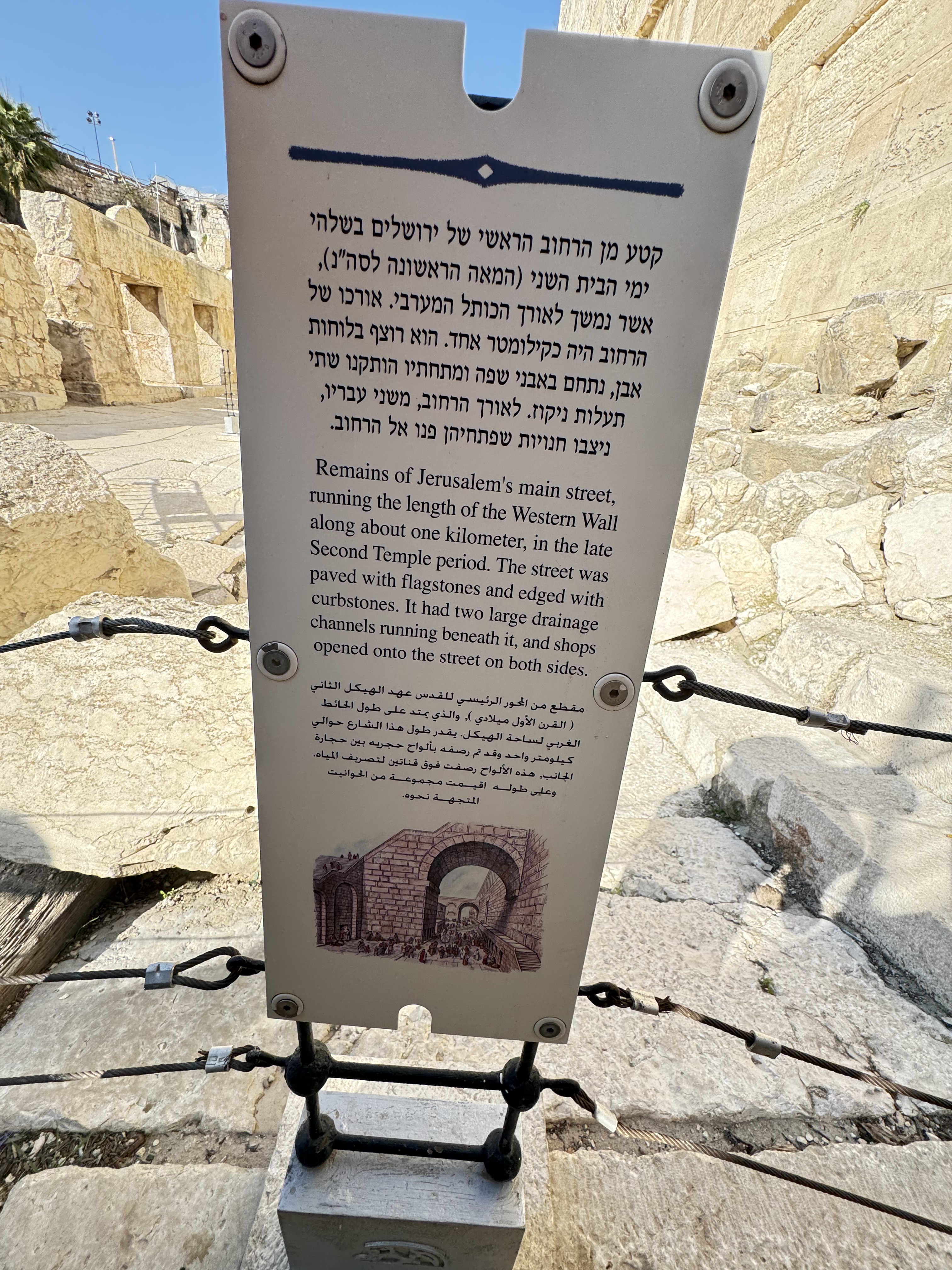
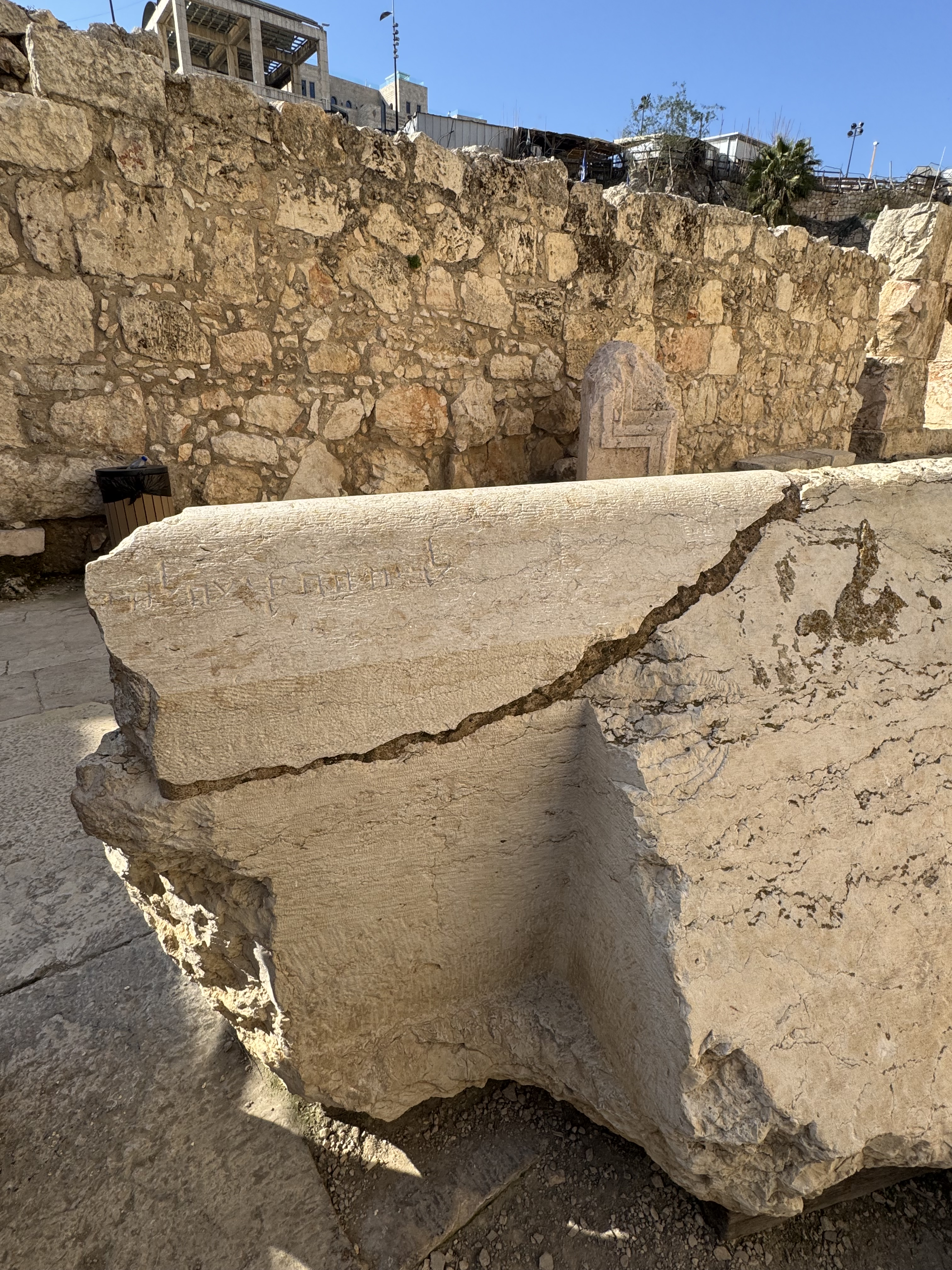

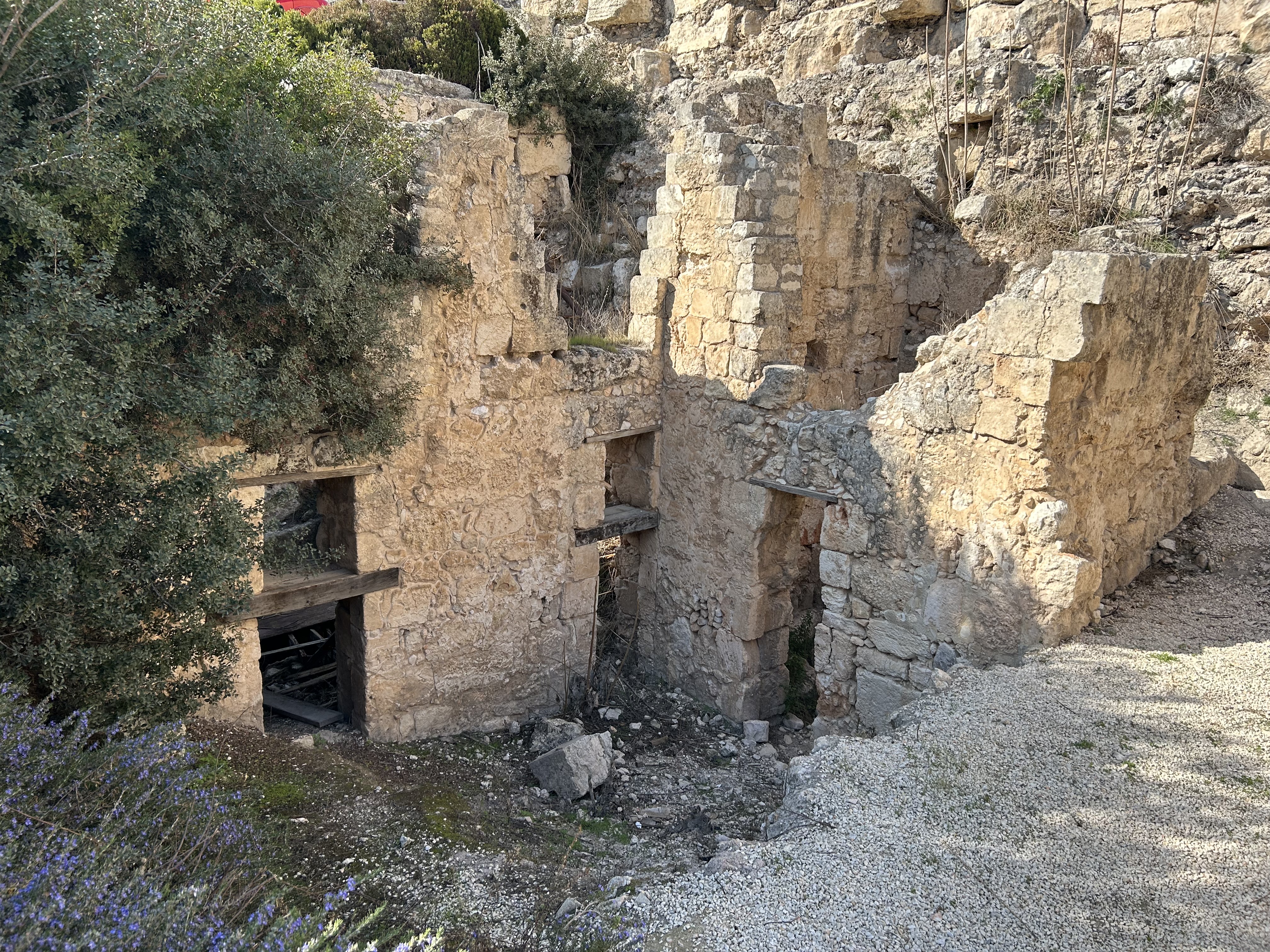
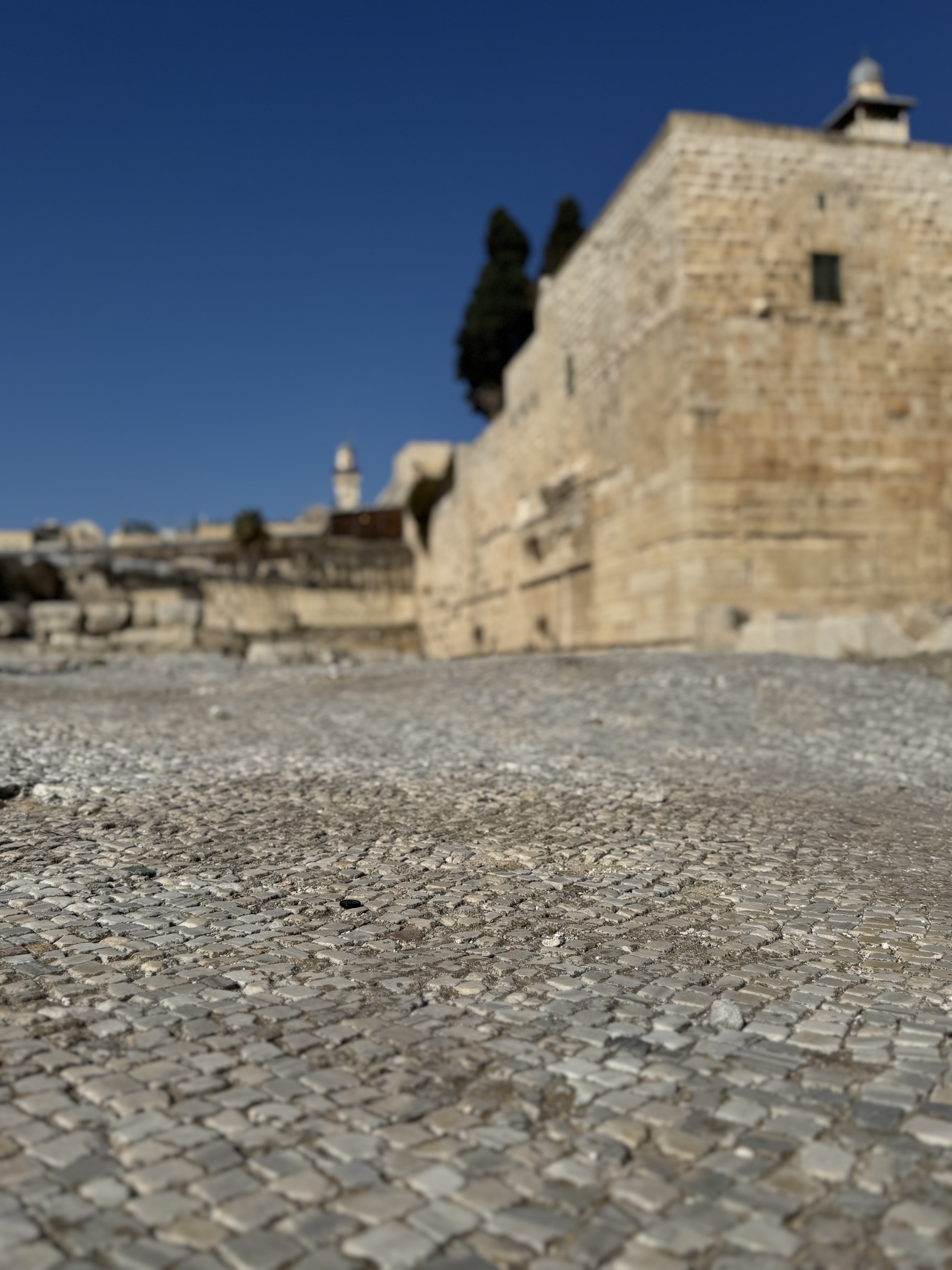


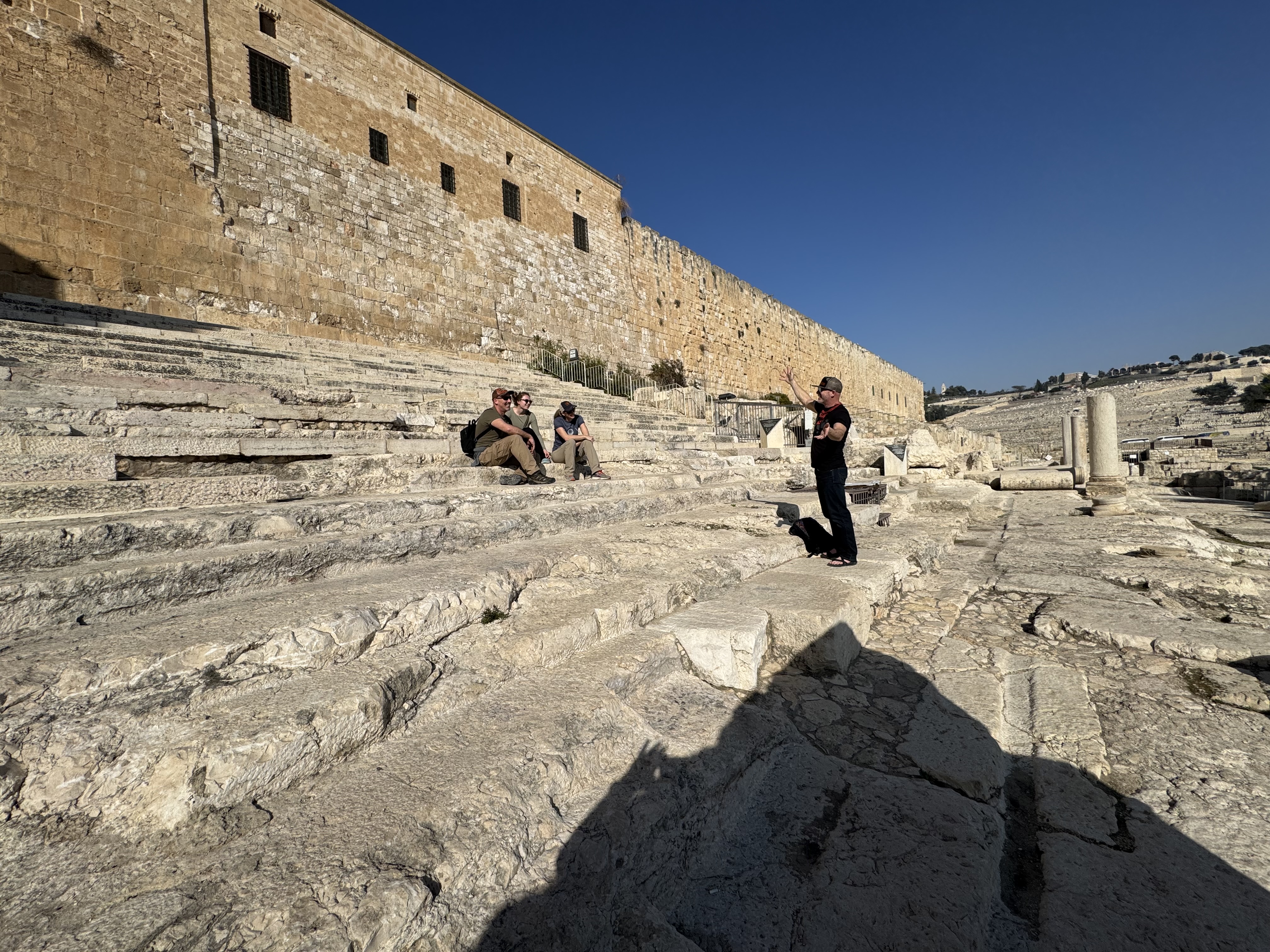


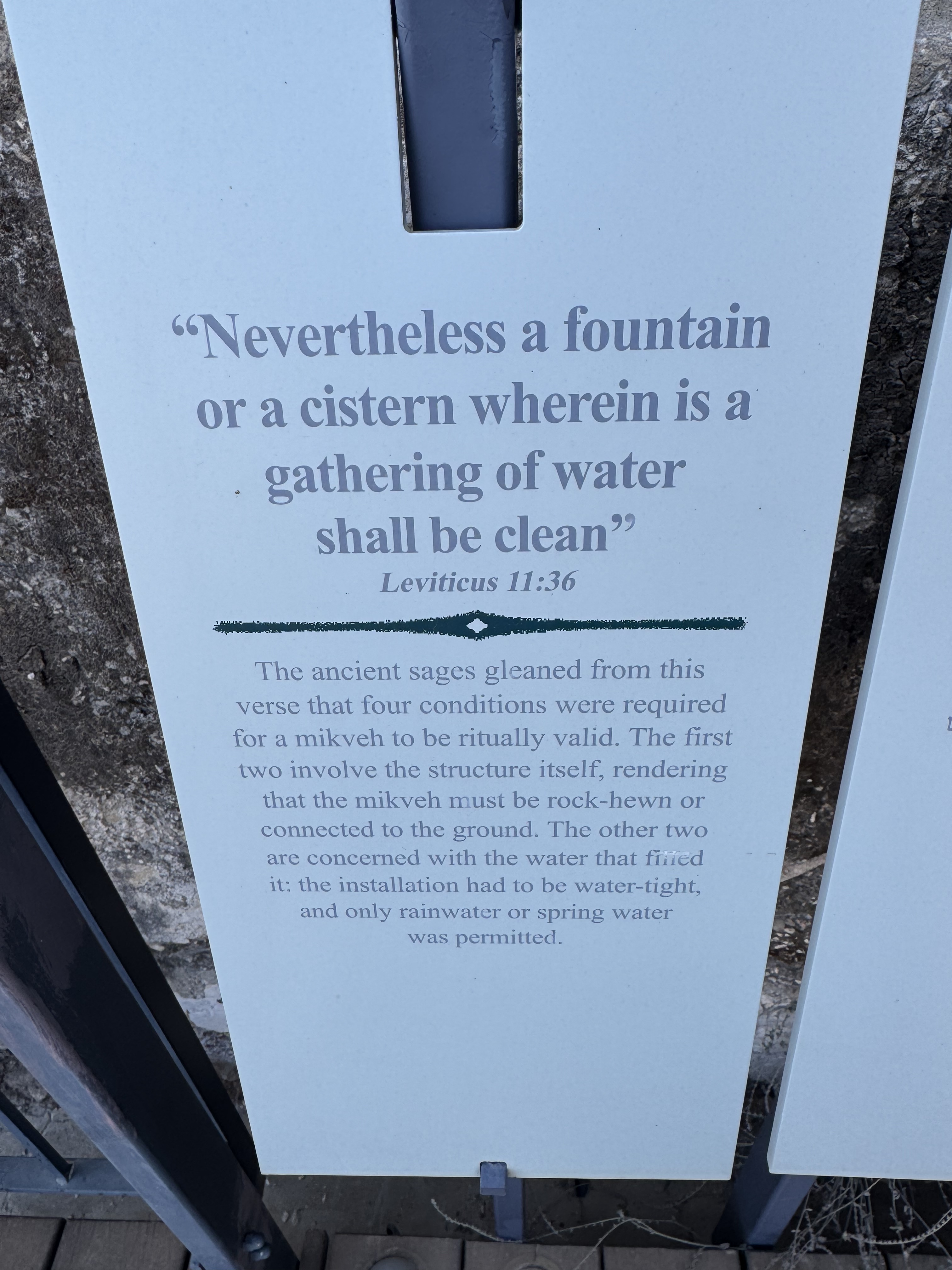


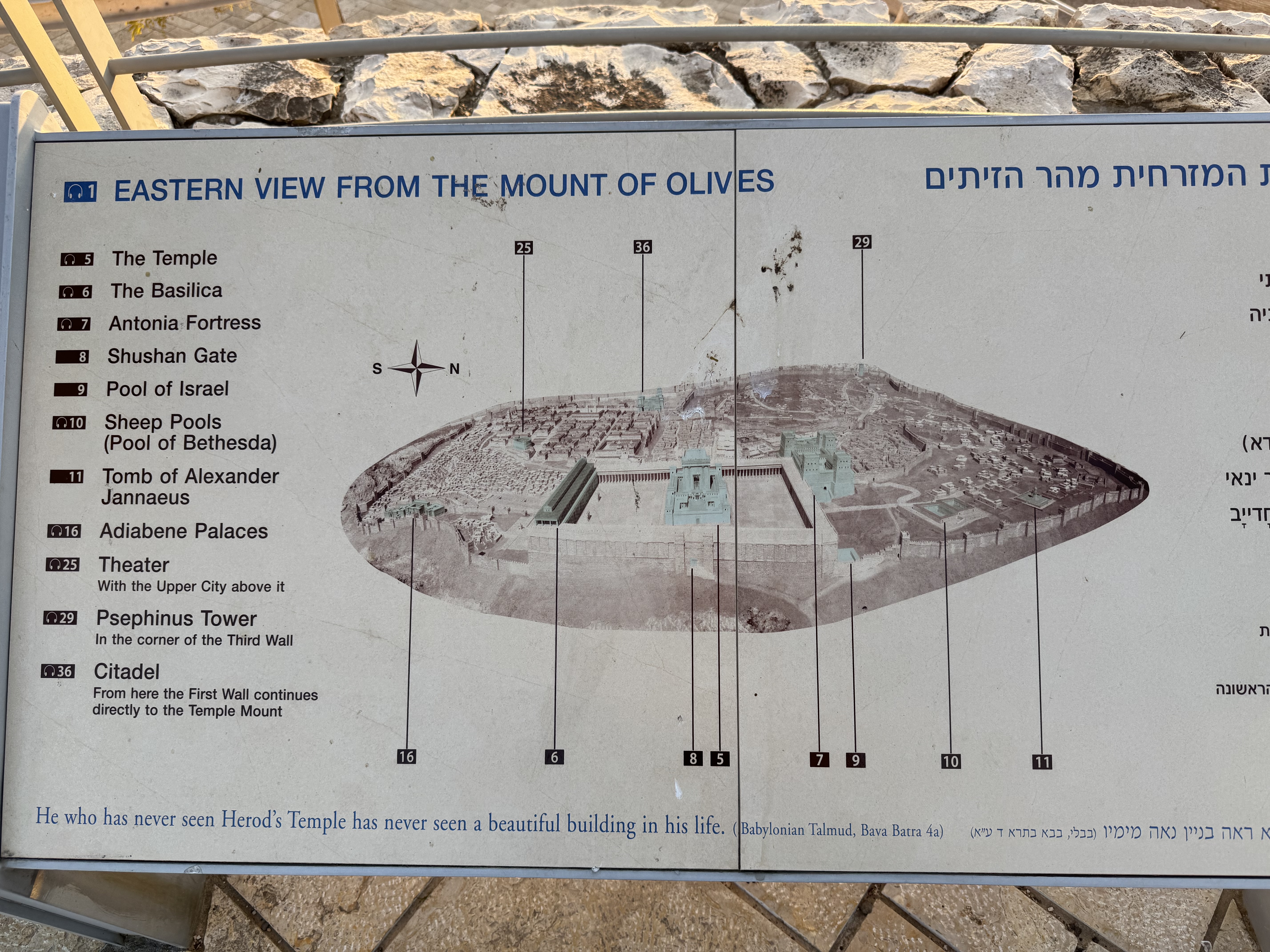


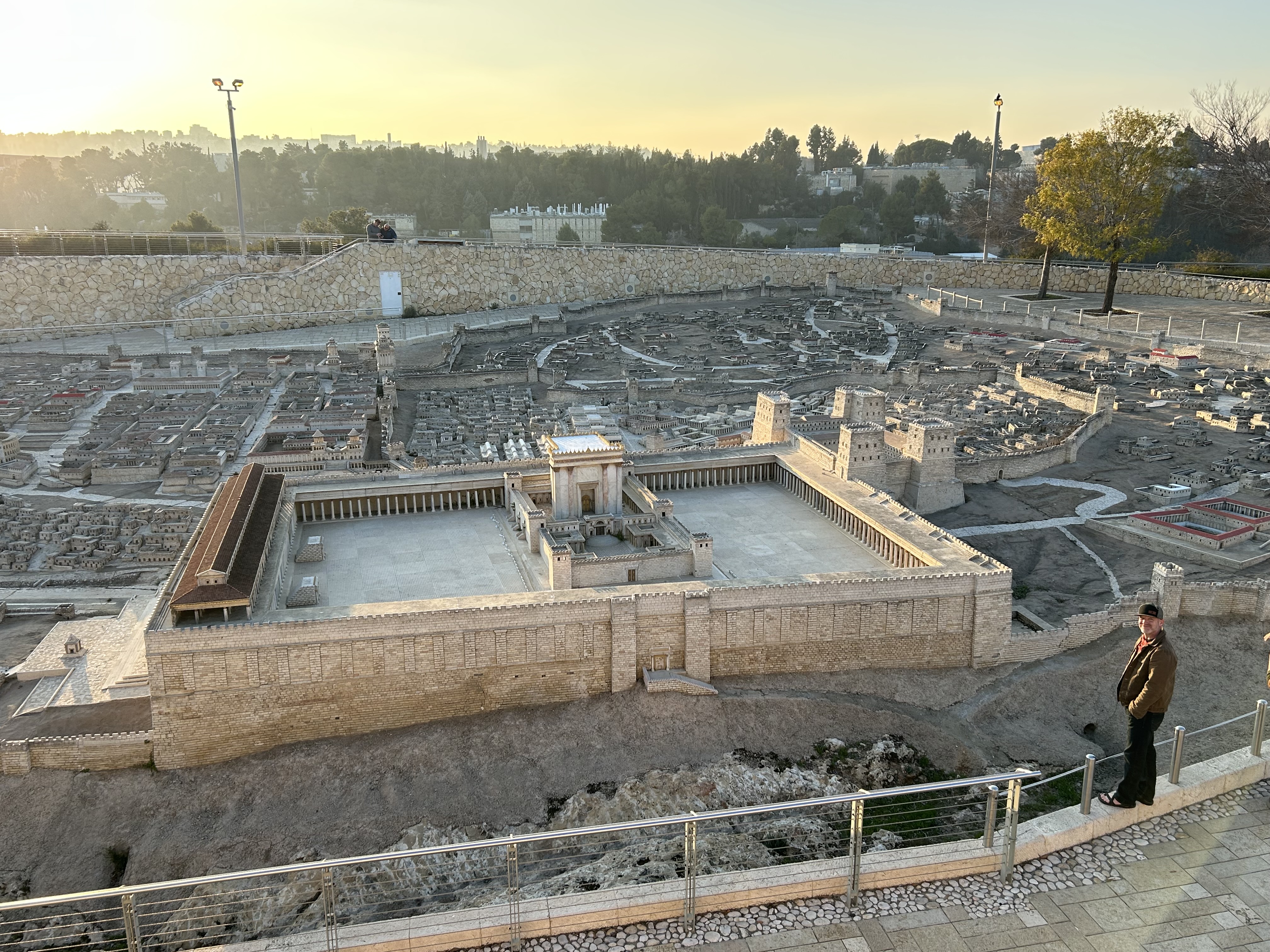

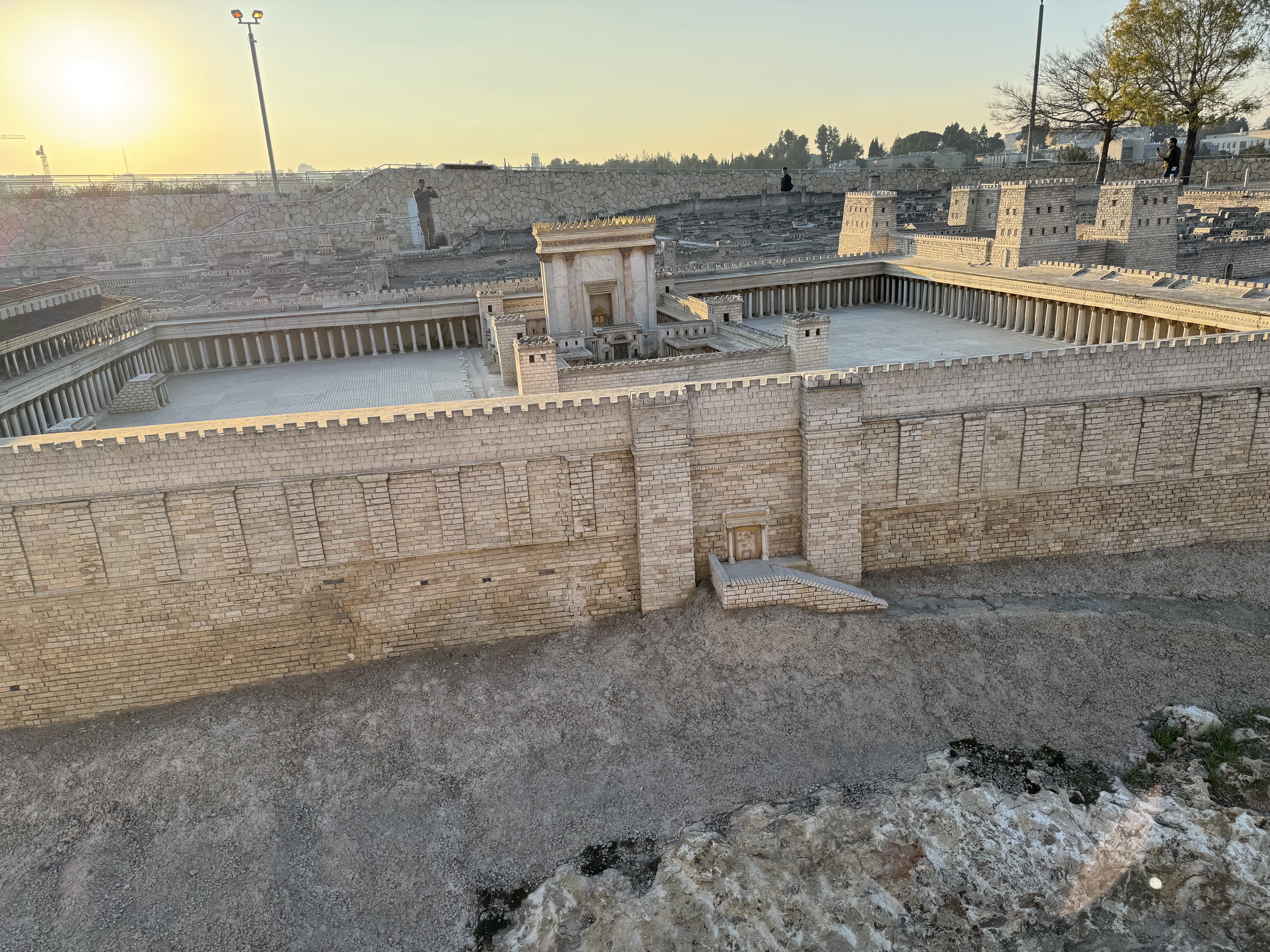


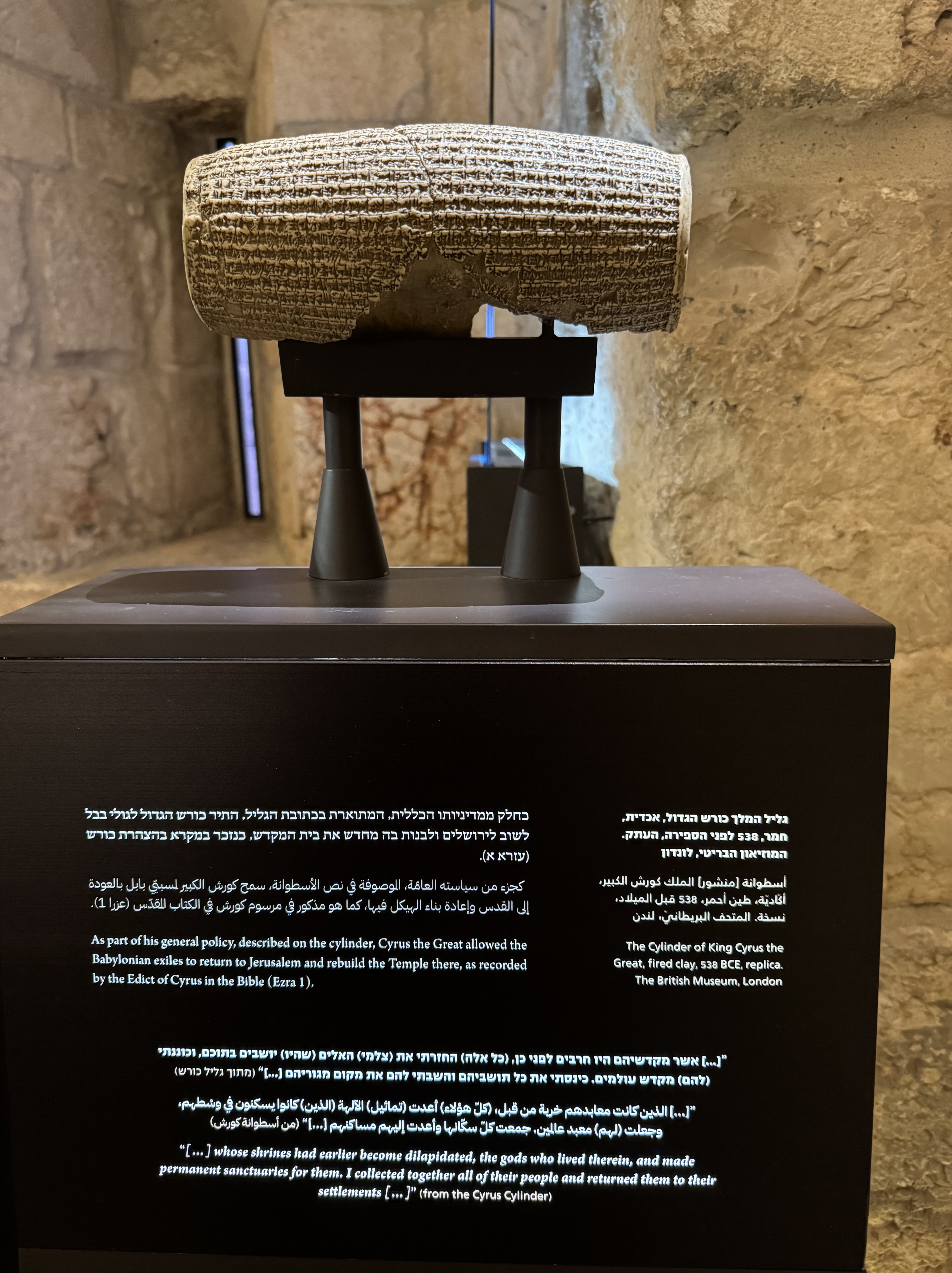

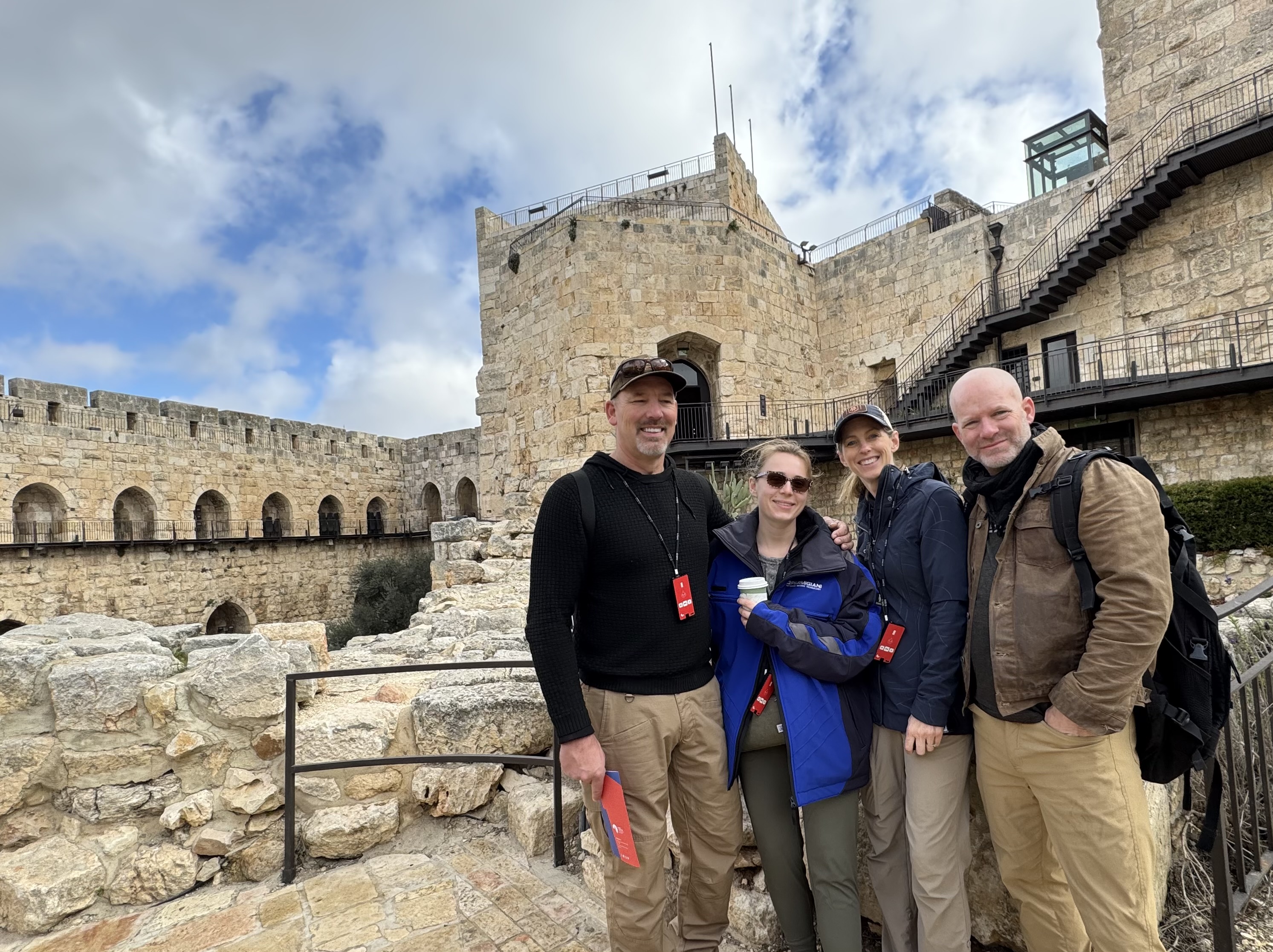
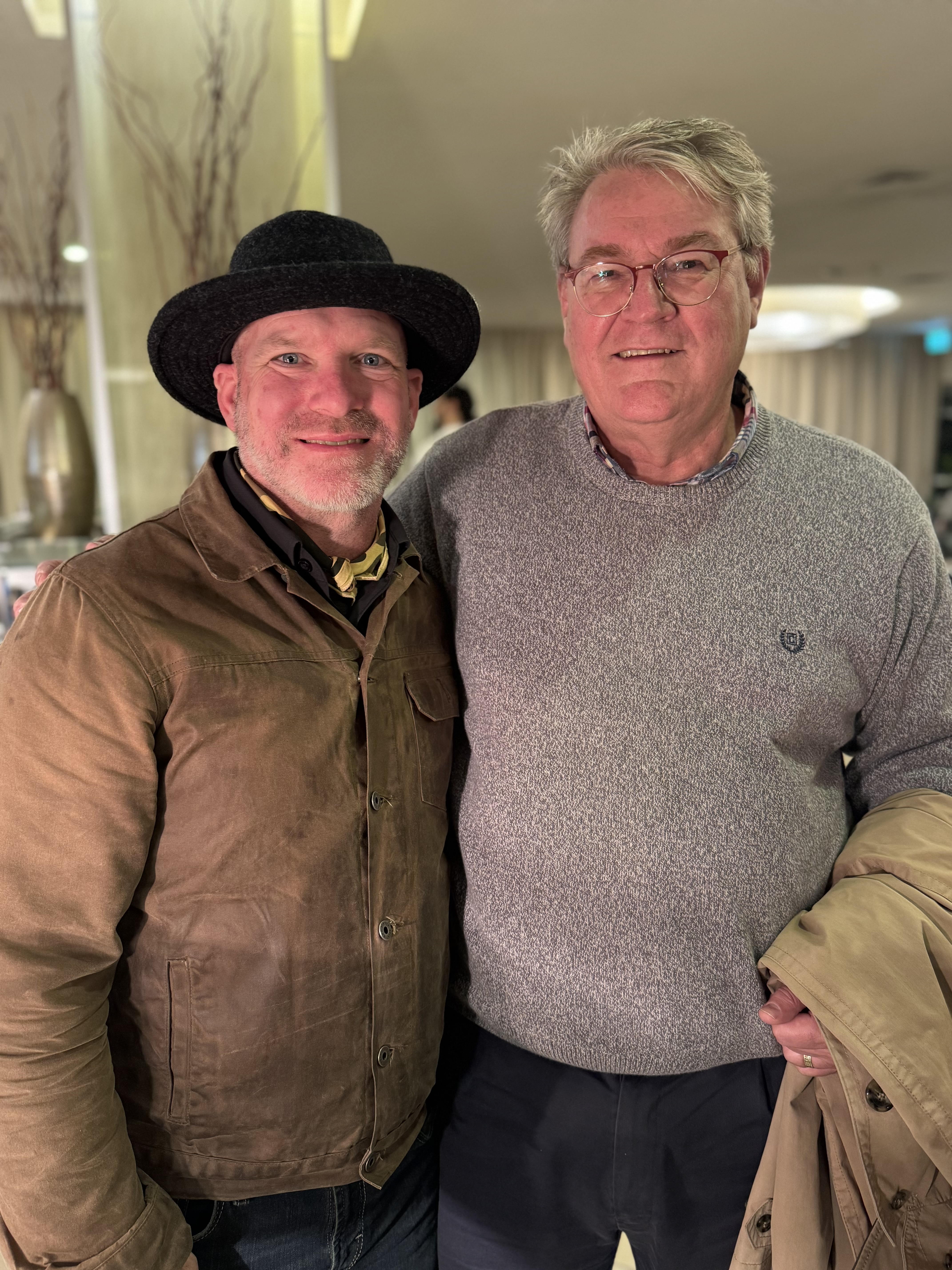


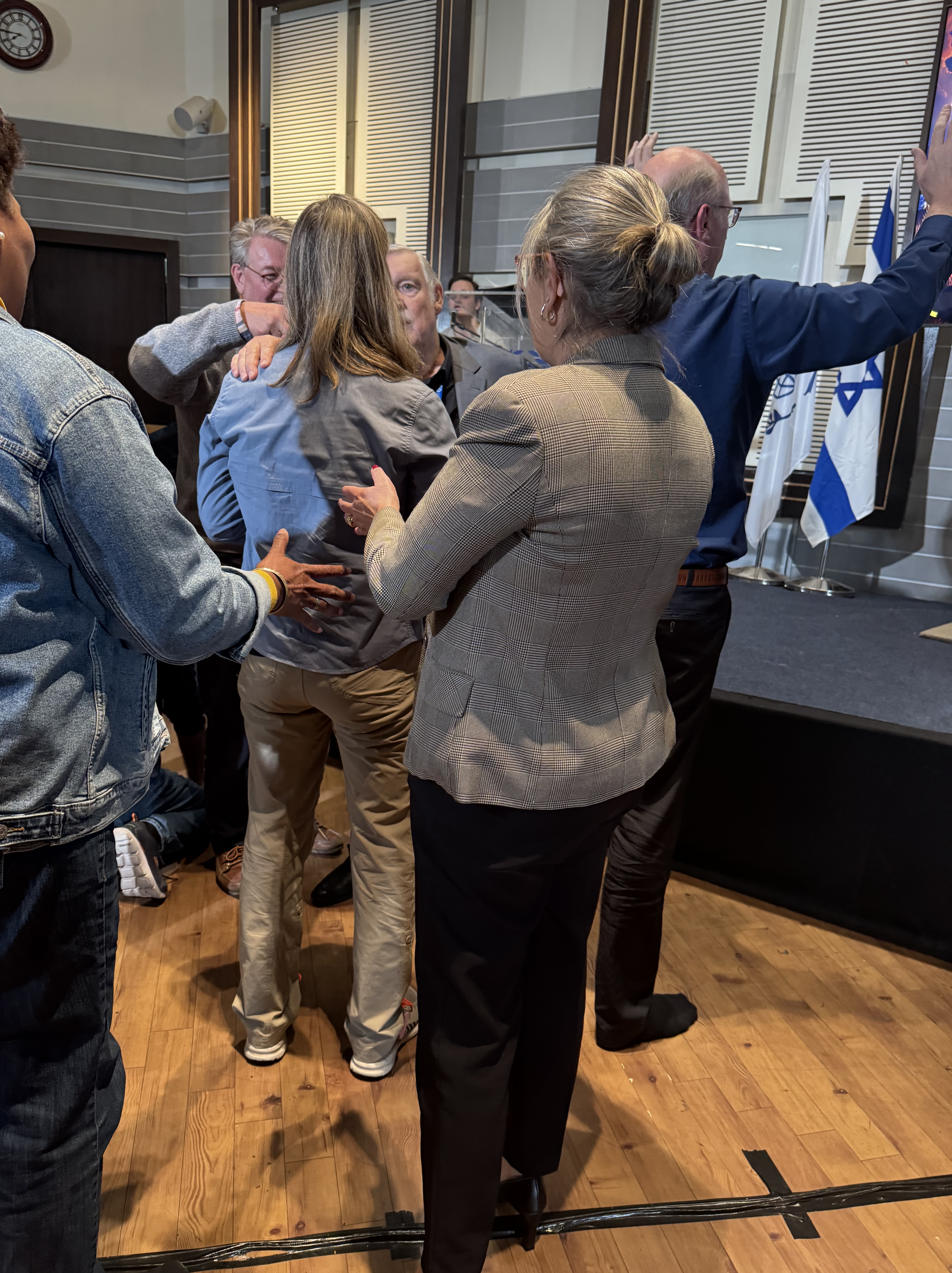
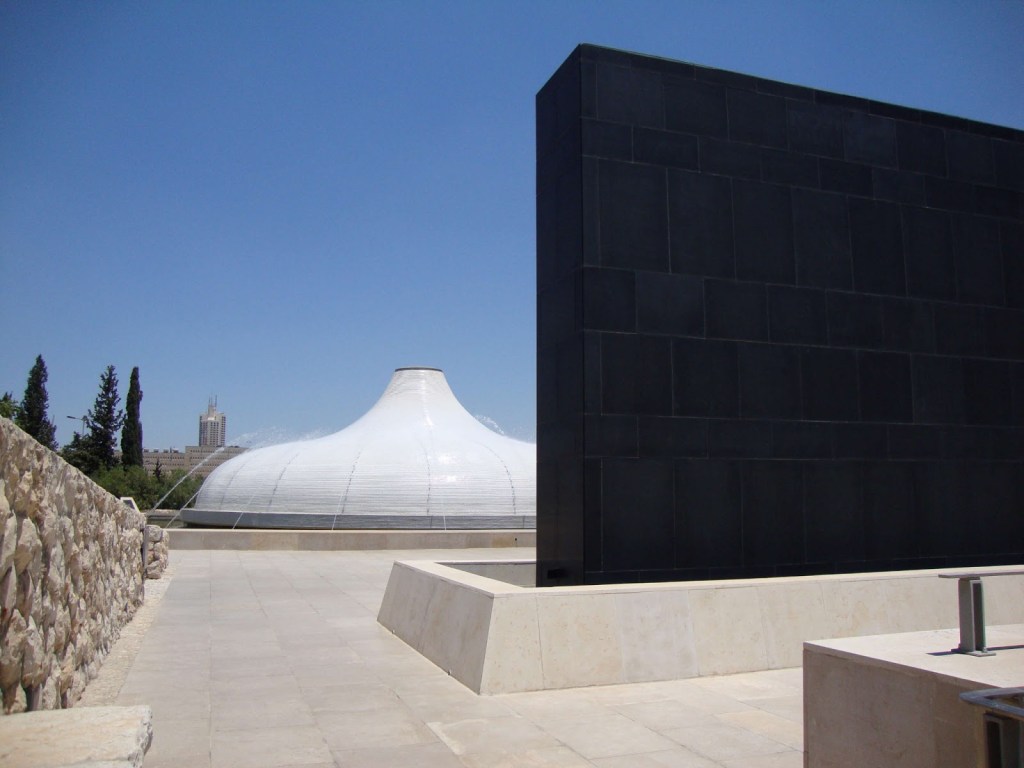



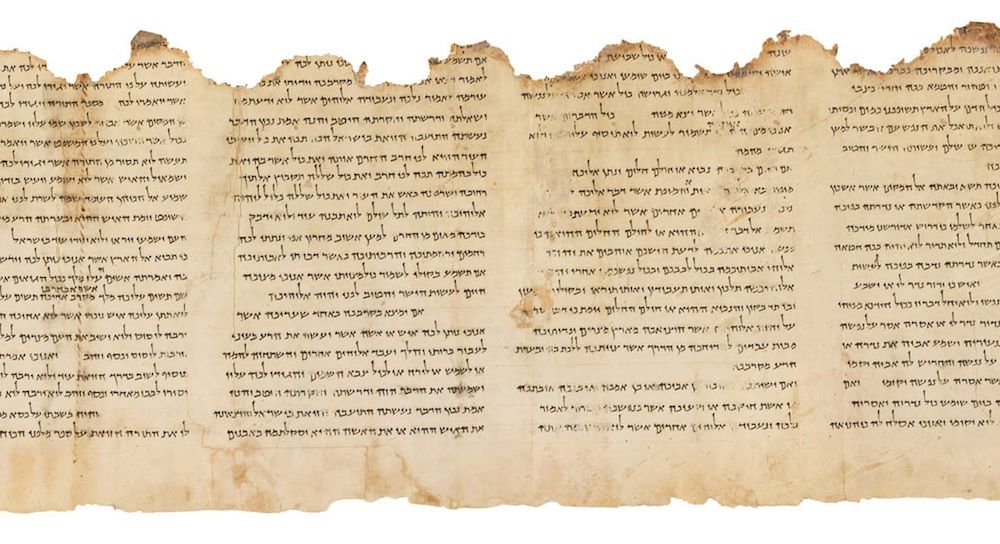

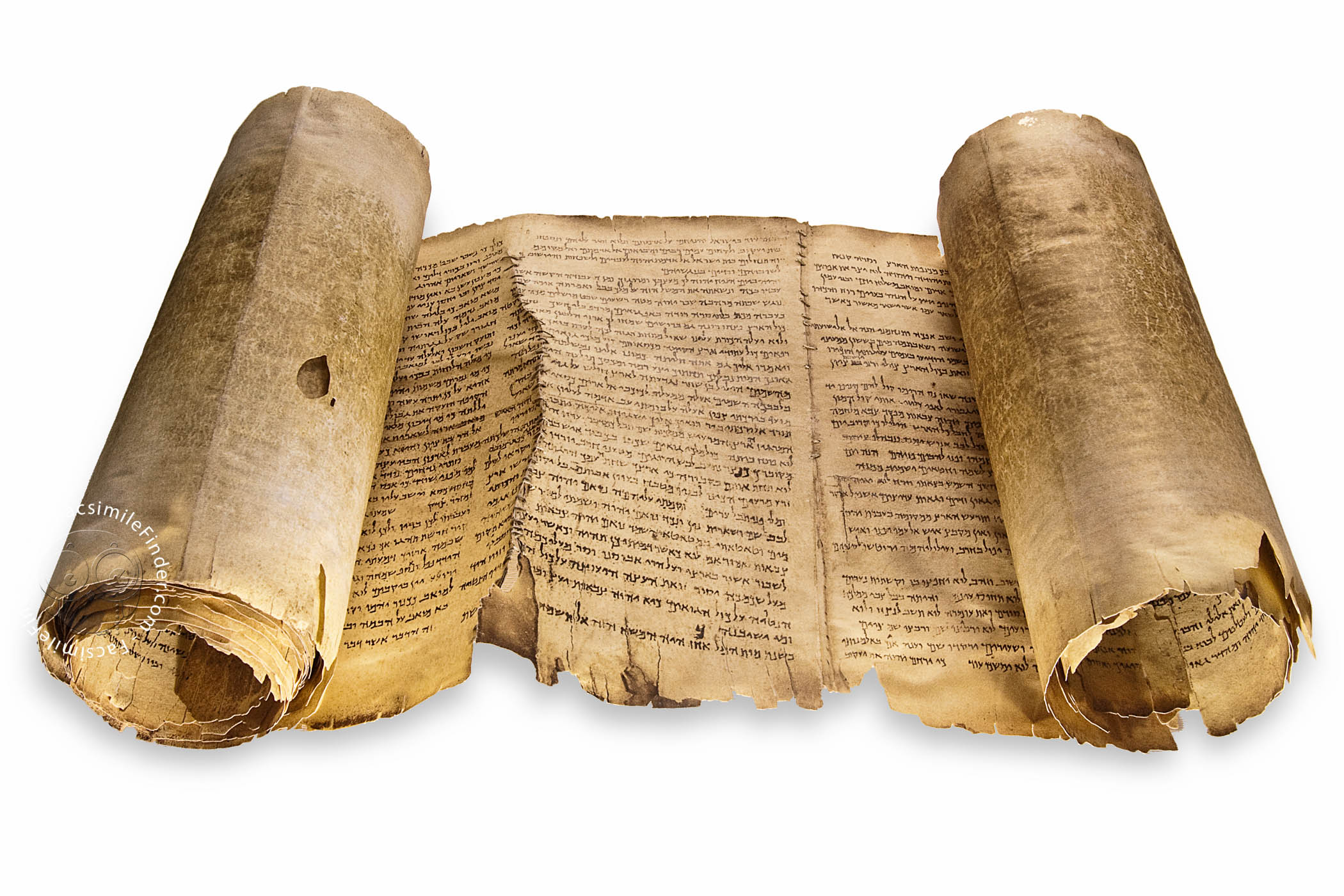

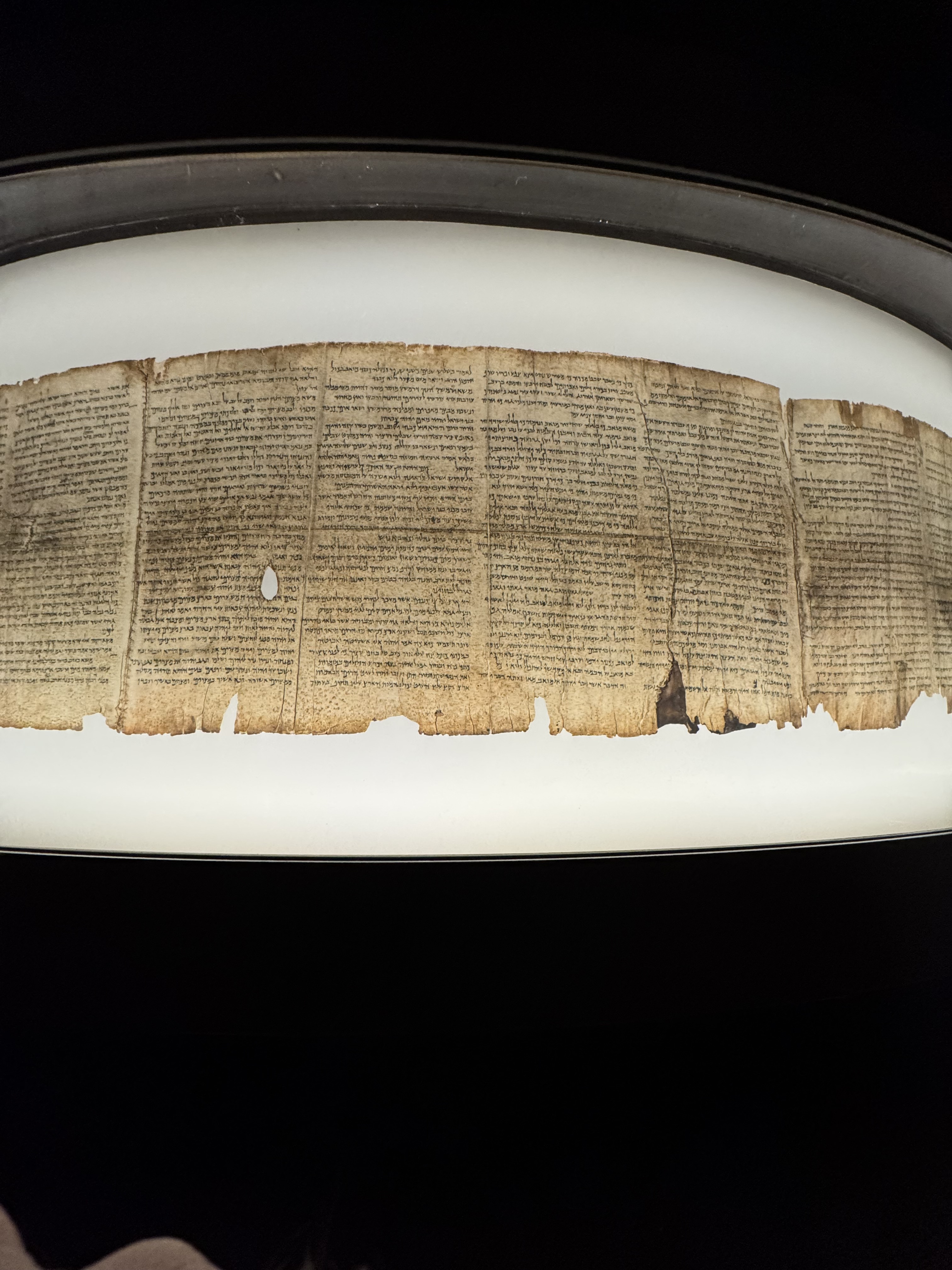
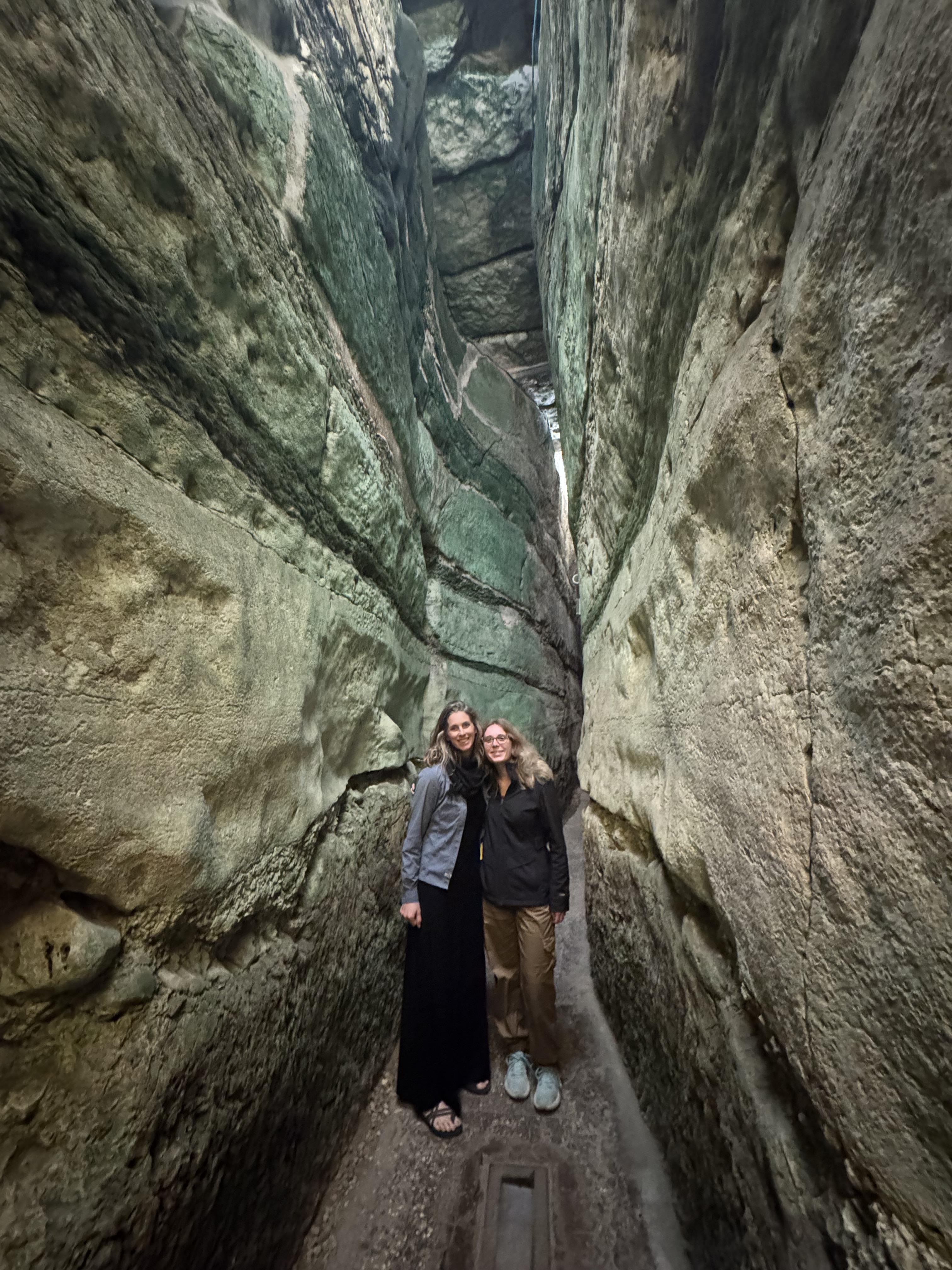
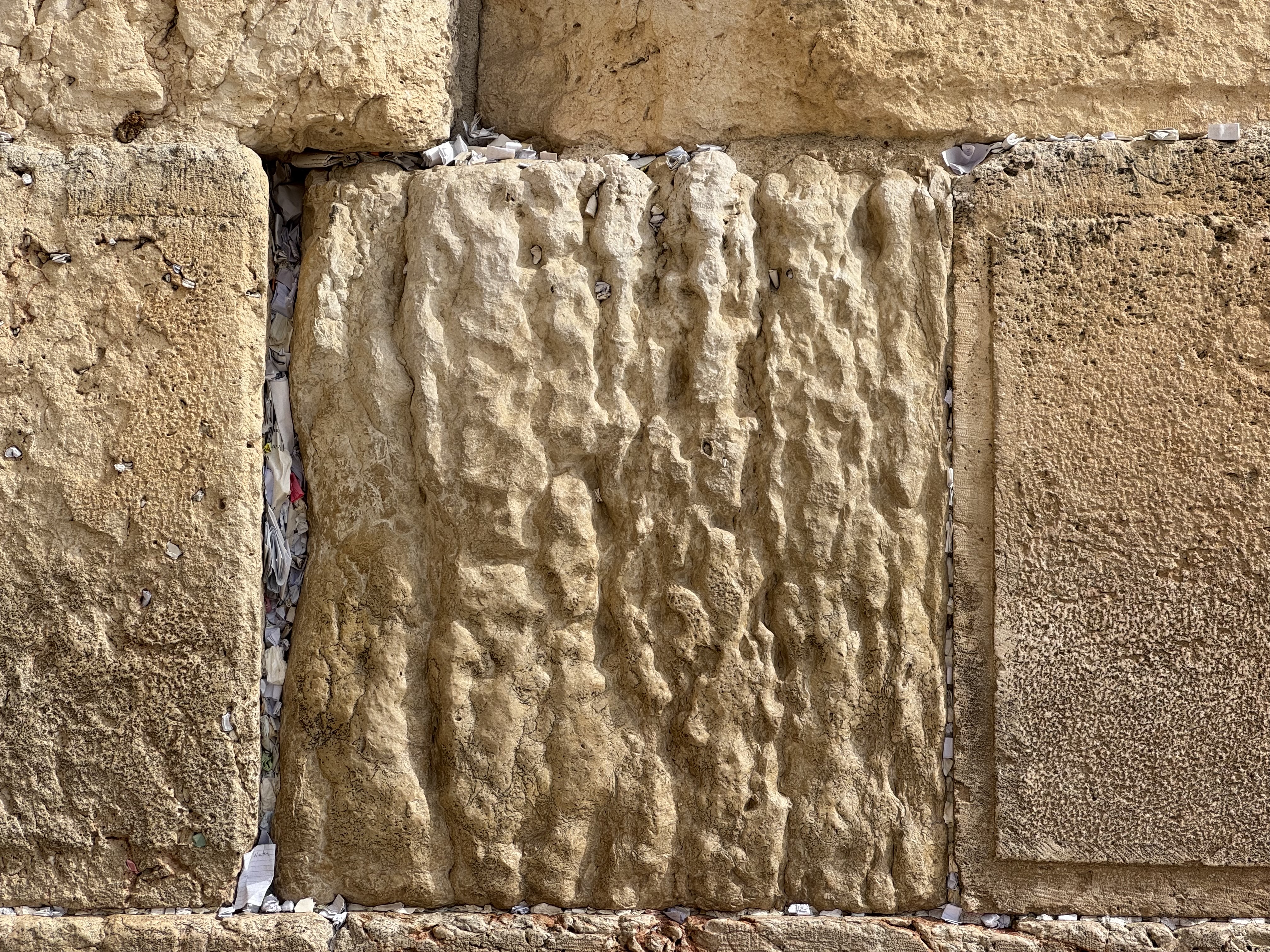


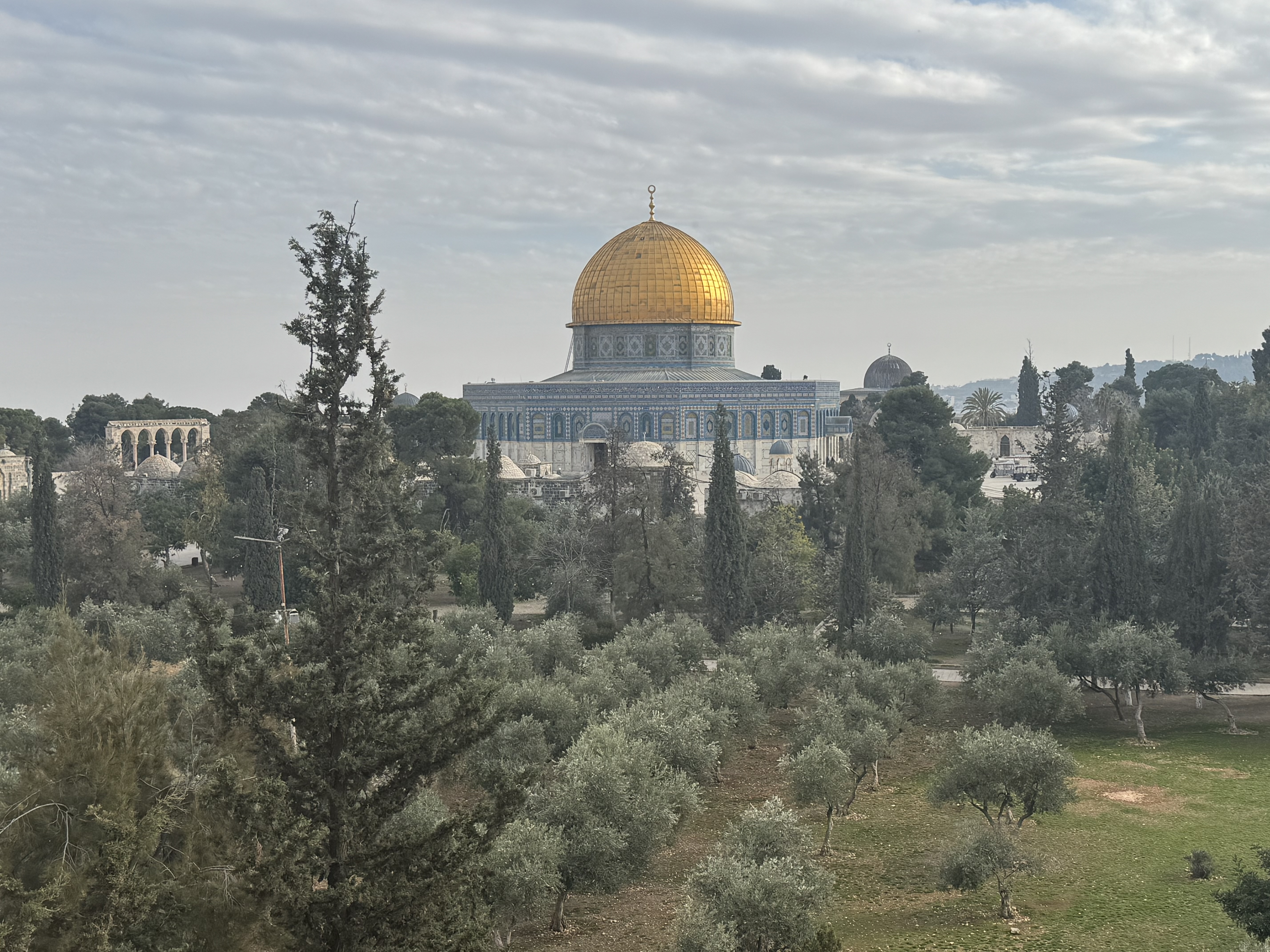


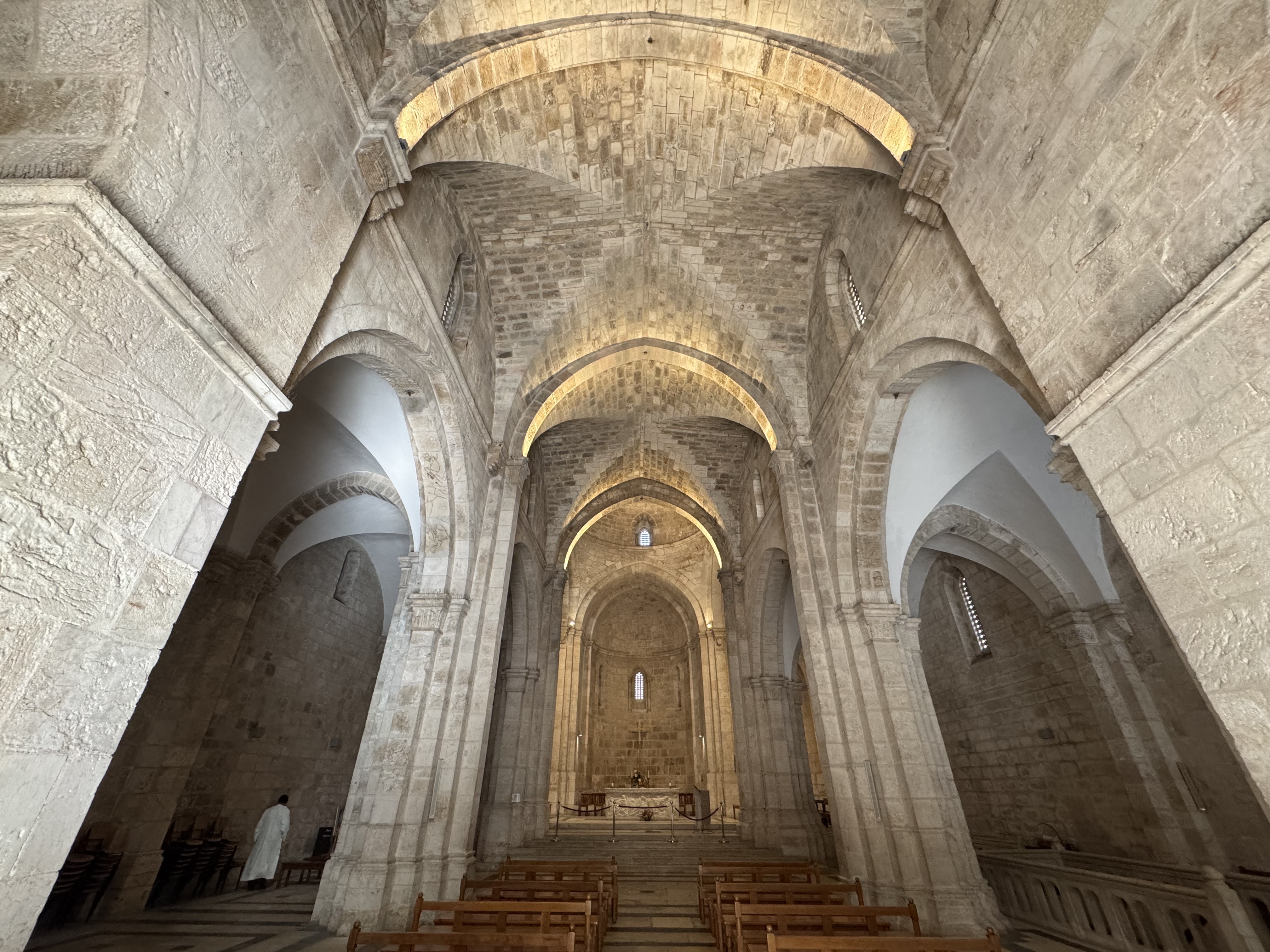


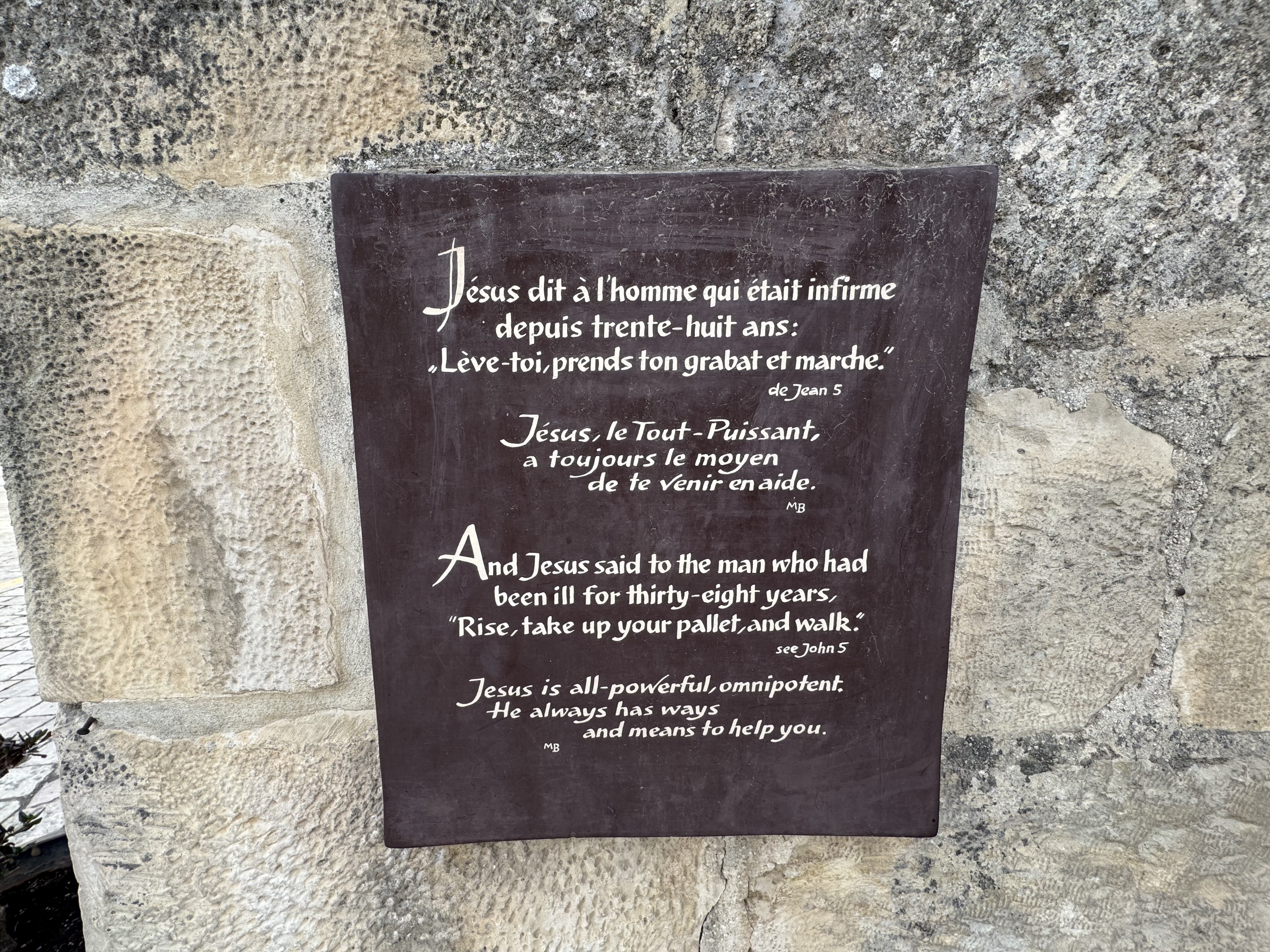
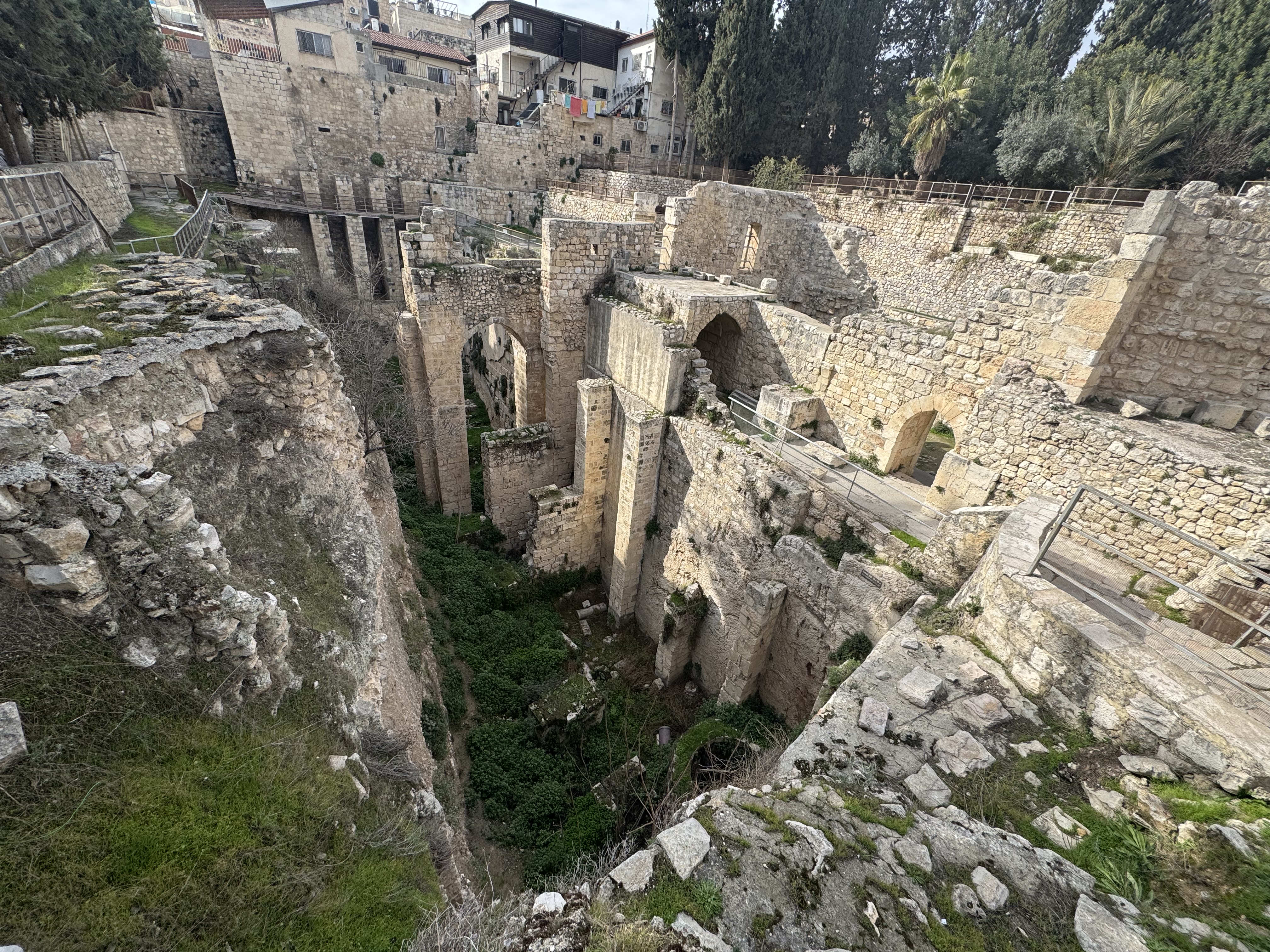
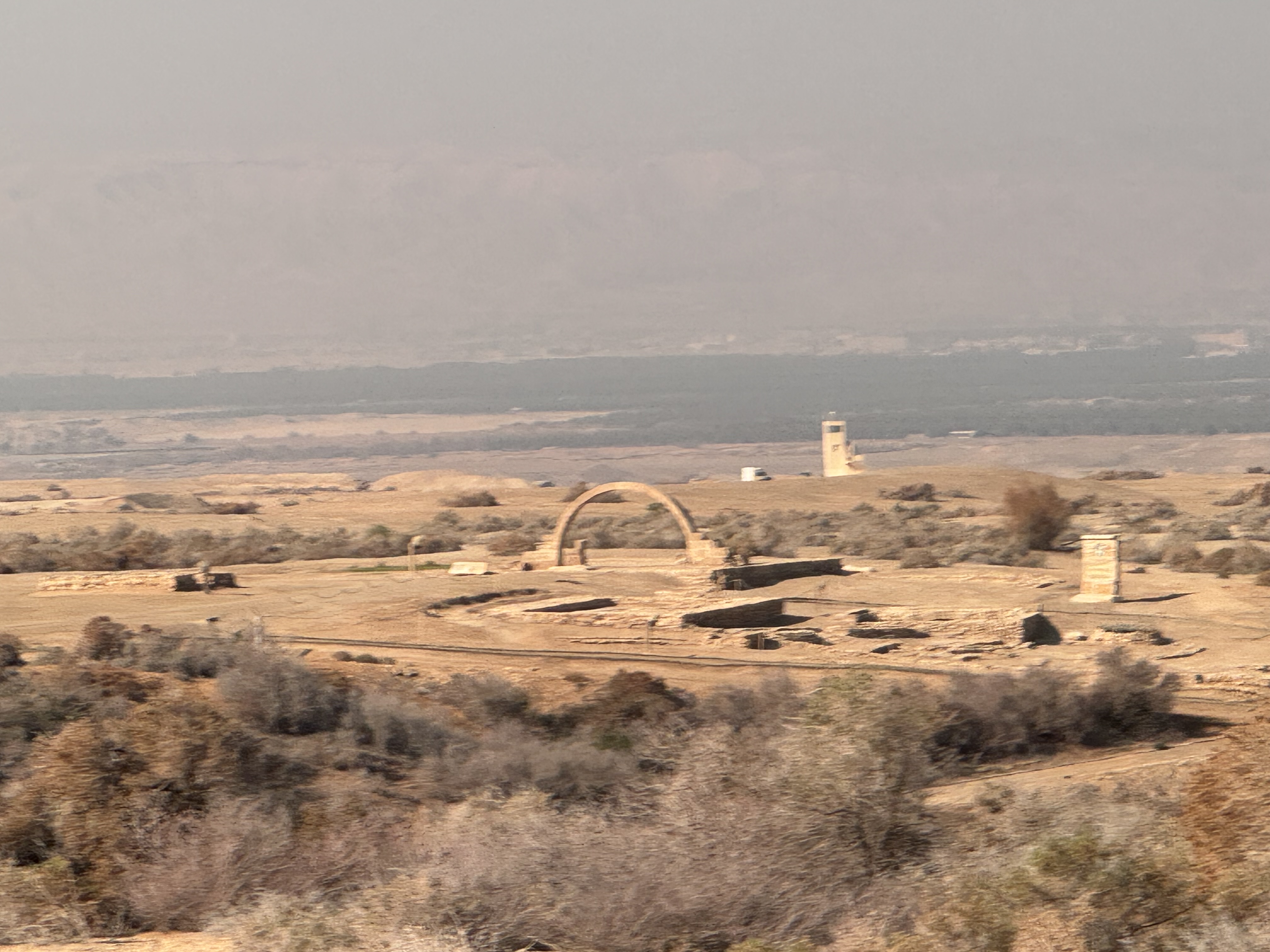


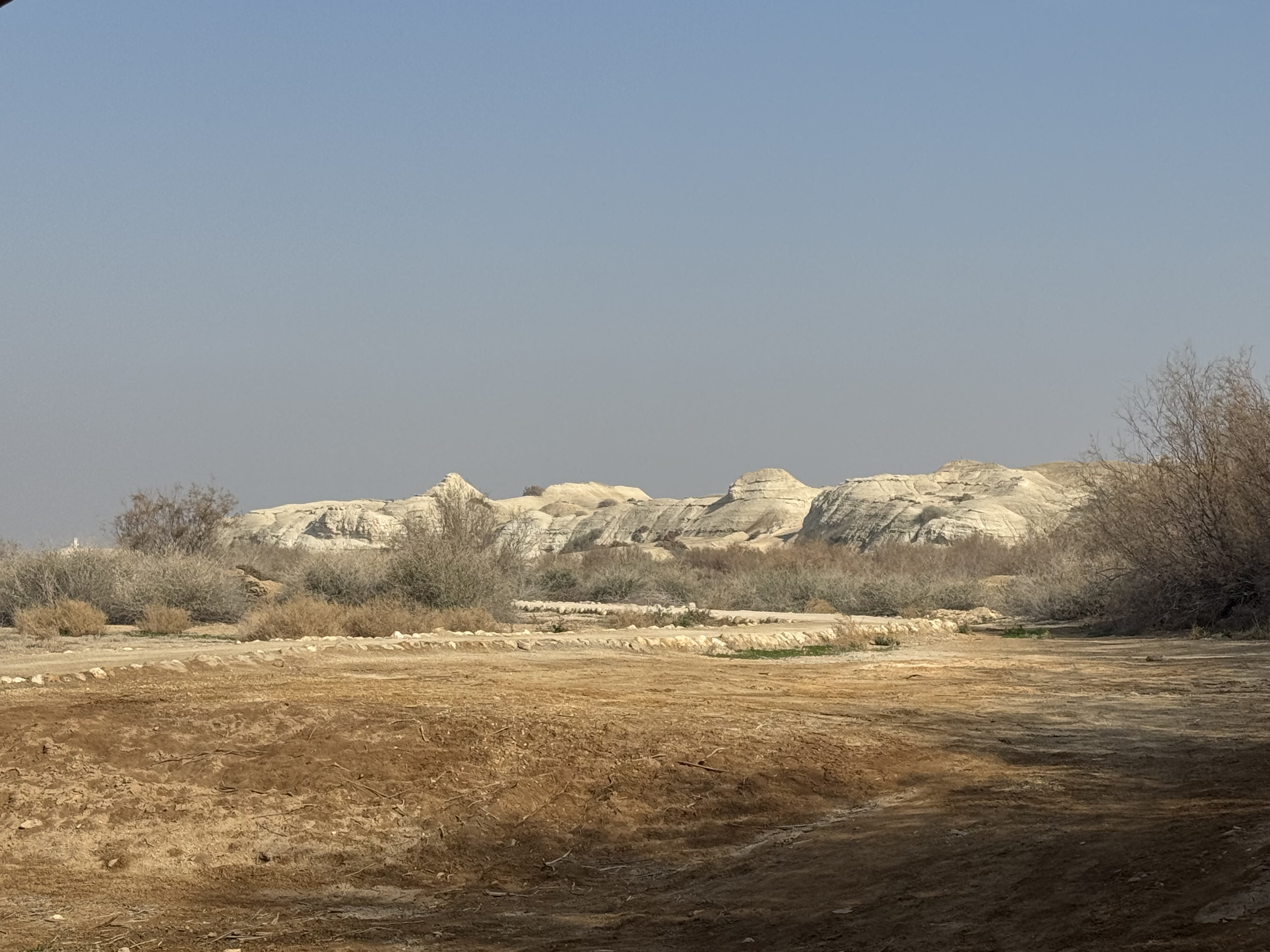
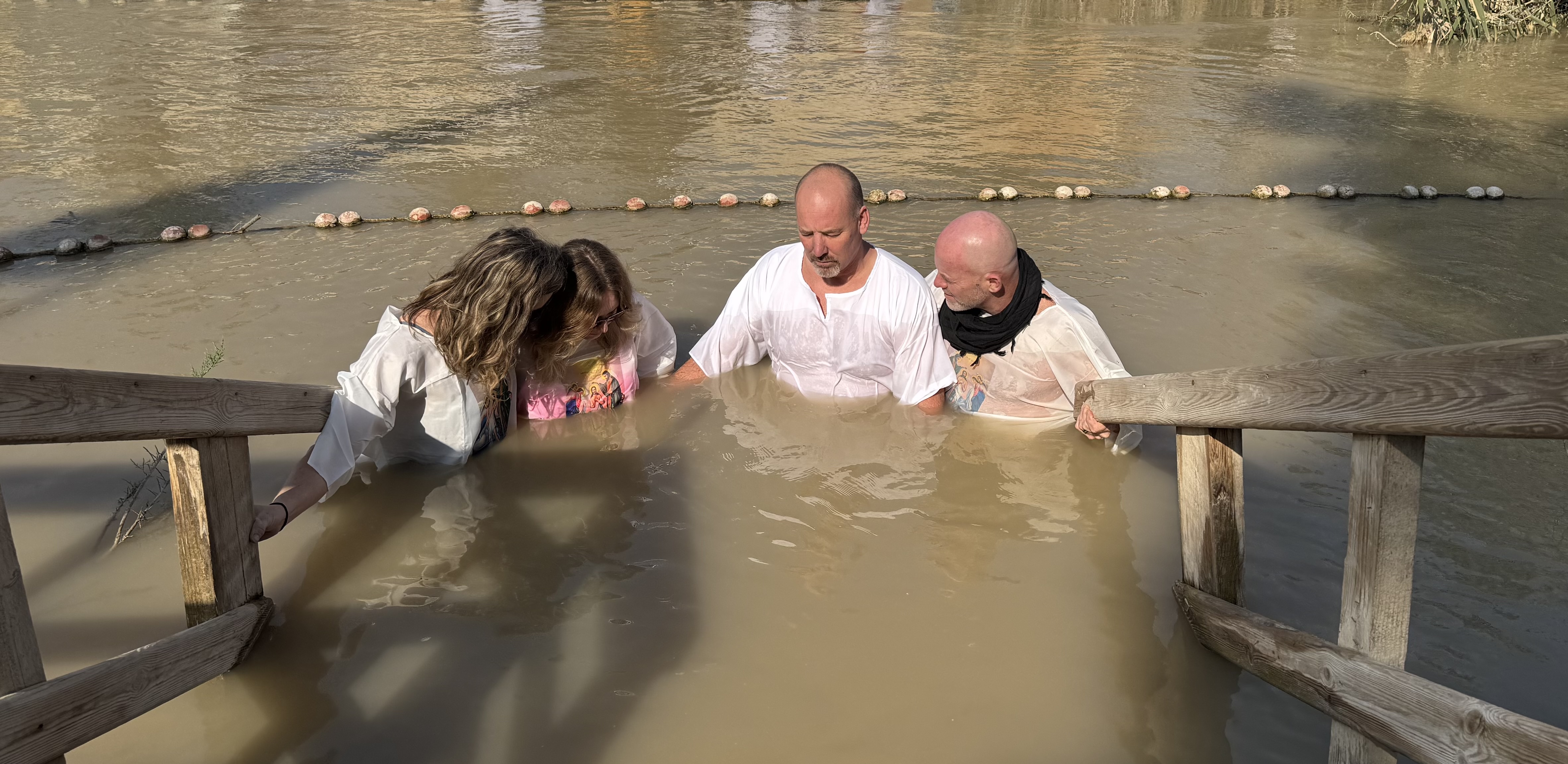


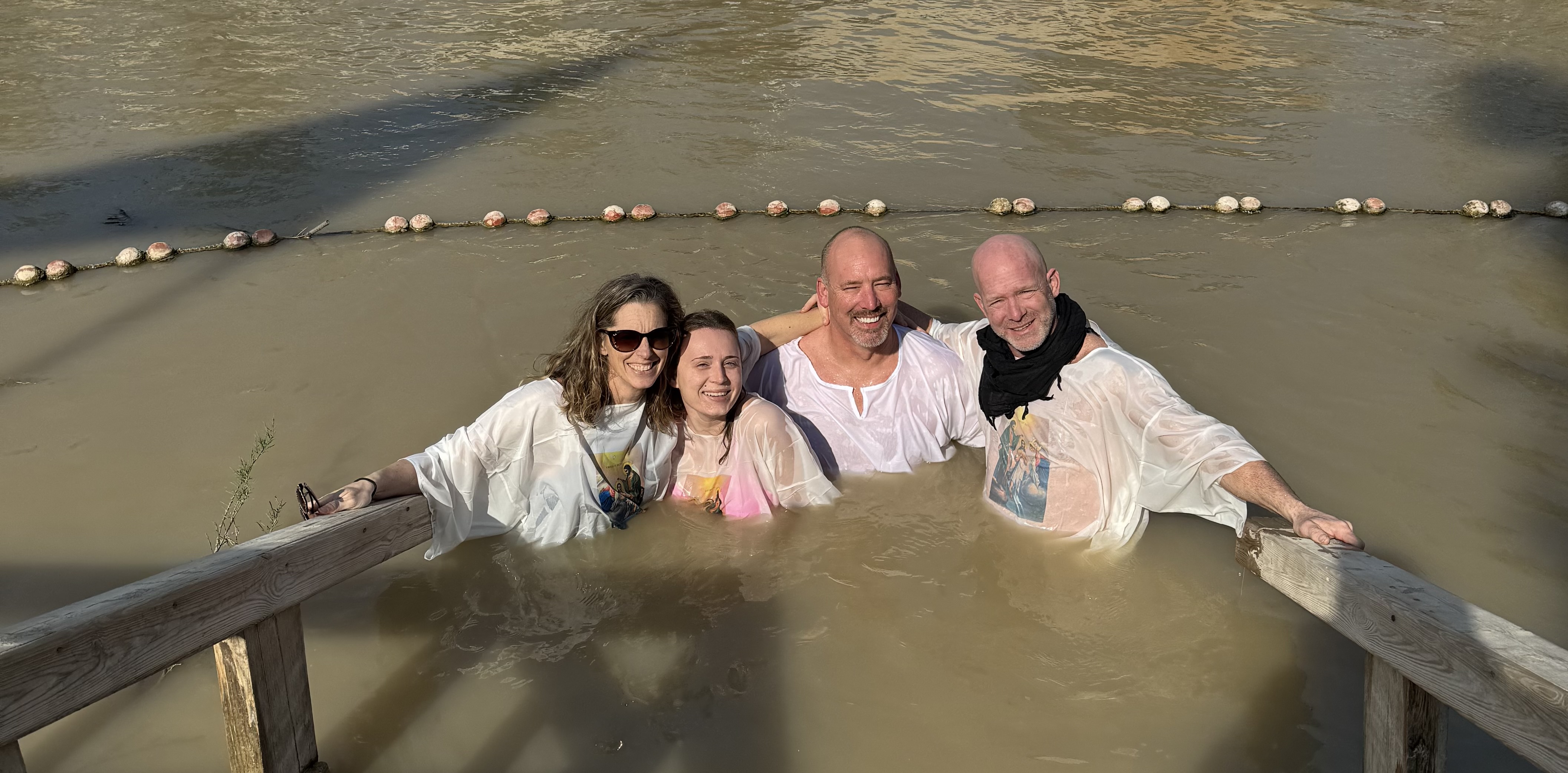








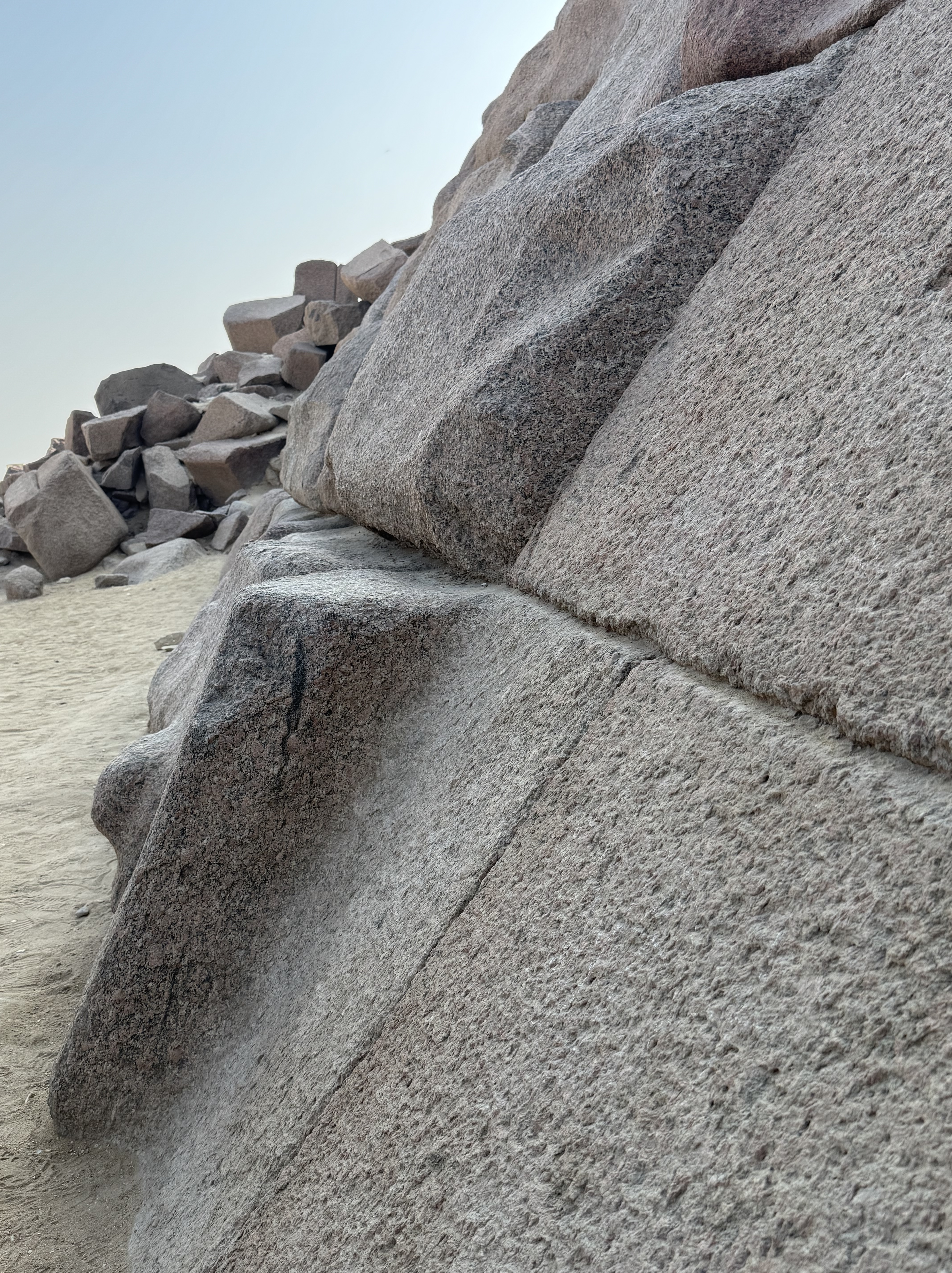
 EXPEDITION 44