planning and leading groups or events

In the evangelical world we are often put “in charge” of planning, directing, or running programs with little if any shepherding. If you haven’t ever been “thrown into the ring,” it’s just a matter of time. Sometimes this is called the moment of sink or swim. In one regard, this is good for maturing Christian. We gotta learn to fly (reliance on the spirit) at some point and we likely won’t get there if we never simply “JUMP!” On the other hand, if this is the only option, it could leave scars. The better plan is to disciple those “under” you to walk with you, learn by your example, and be guided and coached before being asked to fly. They need a shepherd and whether you realize it or not, this is the pre-eminent call to every believer. That we each might disciple one, two, three, twelve, and perhaps eventually 70 under our tutelage. This is the biblical plan of multiplicity and needs to be taken seriously and done well. But fear not, if you were just thrown into the ring being asked to plan and run some kind of an event such as a small group, a bible study, a prayer meeting, or worship service; this will help you to do it with excellence.

  • Start with prayer. Get a prayer team, an accountability partner, those that you are hoping will join you in the endeavor and be devoted each day to prayer. Think and pray strategically before you begin the rest of the points below.
  • Two is better than one. Invite a partner. Being the “BIG DOG” isn’t Biblical.
  • Consider your primary goal as shepherding others. How can you use this “event” to truly demonstrate Jesus and bring others closer to Him?
  • Think big. Be a visionary. What does it look like to do this exceedingly well for Jesus. What is the measure of success? What are the why’s and the how’s of the plan. What are your strengths and what do you need help with? What does great fruit look like? How can this influence and shape similar events to come?
  • Consider mapping it out on paper. Brainstorm either in a meeting or by something shareable and get feedback. Look for red flags, big wins, and things you haven’t considered. Pray for the eyes of others. When you enlist the help of others it builds spiritual alliances and surrounds you with success partners. Let your success all be the success of others.
  • Consider the ACTS (Adoration, confession, thanksgiving, and supplication) of prayer.
  • Make a goal and schedule and stick to it. Keep yourself and your team on target communicating every day with the major goal of shepherding and encouraging. Consider encouraging text messages, gifts, links to inspiration, and whatever it takes to help prepare your team for what you see. Learn to encourage even when your frustrated with someone.
  • Consider appointing leaders of potential situations. If you are considering breaking up into small groups, consider asking and empowering those you ask before the event. Let them prepare, help them prepare, and paint big pictures. Walk with them. Communicate to the group what their role is. Consider doing some research for them for whatever you’re asking them to do to or at least ignite that fire. Perhaps send them studies or YouTube links on the content area.
  • Consider safety measures and precautions.
  • Always consider personal testimony. Let them know the time restraints, ask them to prepare, and possibly even meet them and listen to what they want to share and help coach them.
  • When something is out of your expertise, find articles, videos, or in person help from the experts.
  • If you have subgroups for the event, regularly check in with them as you carefully and positively encourage them towards best measures of planning and communication. Lead by example.
  • Be ready to shepherd people from start to finish and in a spiritual sense remember that “performance” or “skill” isn’t everything. There are a lot of other dynamics that will go into building a team.
  • Think about ways to use other people’s gifts in the periphery. Think outside the box, and perhaps even advertise asking how people may want to contribute. Always encourage quality giving, serving, and interaction.
  • Build, use, and look for opportunities to shepherd. If you aren’t usually in this position, it may present an opportunity that you don’t usually have to impact someone. What are those moments and who are the people?
  • Be strategic and intentional. Don’t use most of your energy doing something that isn’t part of the big picture. Recruit people as much as you can but be sensitive to the perceptions you may be sending to each person and consider aspects you may not be prepared for or ready for. But also invite the spirit to do what is out of your understanding and expertise. Don’t put anyone or anything in a box.
  • Think personal “face to face” communication and phone calls over text messaging and email; but realize they all have a place in positive planning and communication.
  • Everyone should be impacted with a feeling of clarity and confidence in exactly what they need to do, how they need to do it, and when it needs to be done. Reiterate this with follow up in writing communication.
  • Help each individual understand their role within the team and be open to what else they may contribute. Learn to interpret everything as positive and don’t allow yourself to ever be offended. Shepherd everything and learn to be shepherded by anything and anyone. Learn from the least of these. Don’t allow pride to slip in, pray against it, and appoint someone to watch and coach you helping identify issues that need more of your attention. Find someone that doesn’t only have your back but has your eyes.
  • Inspire creativity and cooperation amongst a team and those outside of the team or on other teams.
  • Take individual ideas and refine them to actionable solutions. Iron sharpens iron but help your team understand that great conversation at times will sound like a debate. Encourage but shepherd. If someone says something that seems off, be an agent of edification and restate what they said from a positive perspective.
  • Clarify collective goals and deadlines so that each person sees their role in achieving them.
  • Create and shepherd great meetings: Define the Meeting Objectives, Create an Agenda + Send Calendar Invites, Create a Safe Space for Collaboration, Strategically Choose Attendees + Appoint Important Roles, Use Best Practices to Stay on Track, End With Clear Actions, Owners, and Timelines.
  • Respect peoples times and energy but also set the tone for kingdom giving of peoples best: Use positive reinforcement to recognize achievements rather than magnifying shortcomings. Never publicly reprimand a team person in front of the team. Avoid blaming any specific team or individual for a problem. Research shows that this destroys trust and confidence in a leader. Instead, opt for curiosity and stay solution-oriented. Ask for feedback. Asking for feedback increases people’s trust in you and their leaders. Lead by humility and sacrifice.
  • Avoid side discussion and keep people engaged. Start with a story or study that pints to Biblical understanding towards your where you are shepherding.
  • If you are married don’t meet one on one with someone of the opposite sex, always meet in three or more with mixed gender meetings.
  • Learn to always shepherd, especially difficult people. Always walk by Matthew 18 and never let the sun go down between you or a team member without coming together in love. Work harder on understanding other people’s perspectives and learning their love languages. Consider the relationship over the need to be “right.” Take a Philippians 2 perspective of humility. Don’t allow yourself to be mad or frustrated.
  • Plan more time than you think you need.

TOV and the power wagon

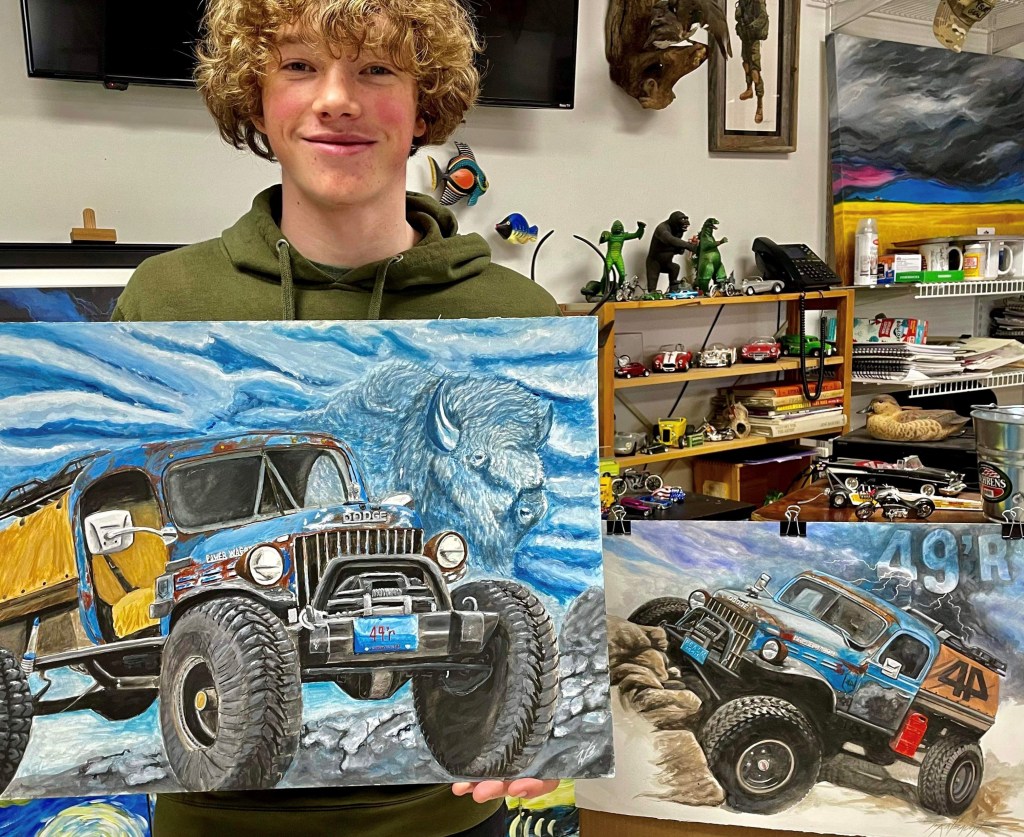
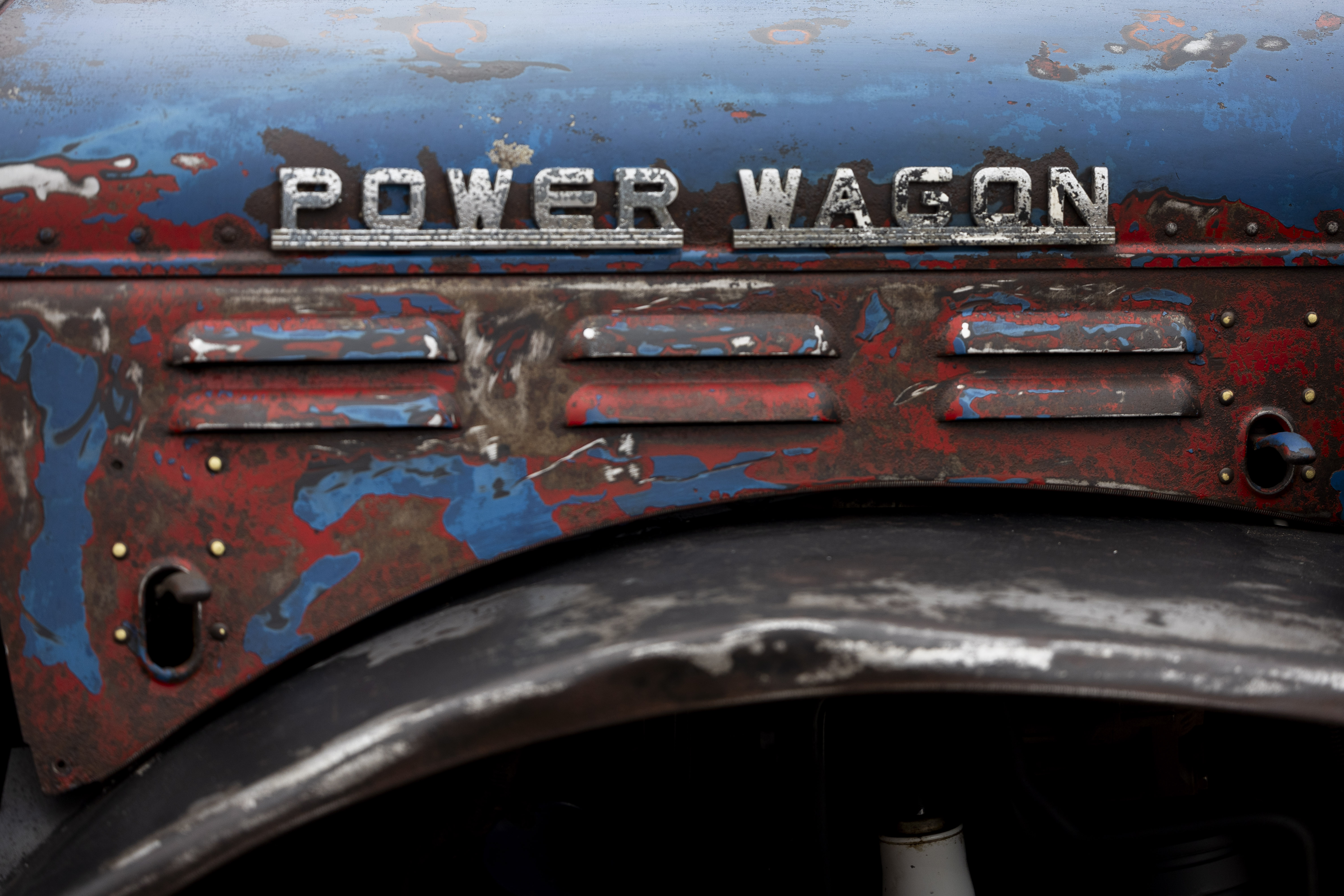
I recently posted a photo of Will on social media holding a picture he painted of the power wagon I and our family built a couple months ago. I think a few people picked up on this being more significant than just another great image Will painted (because he certainly has several of those.) Over the last two months our family has been talking about the Hebrew word “TOV” and recently decided to have weekly range nights centered around the expression of this word.

Several months ago, when I was finishing the power wagon, a very good friend of mine, Paul Turnbaugh, who is also my two older boys’ art teacher at Faith Christian School, decided to use some images I took of the build as models for a student art painting project. He painted a sample that was ridiculously good in a couple hours and then shepherded the students to paint something similar. Most of the kids finished the project in a day or two but Will spent a lot longer.

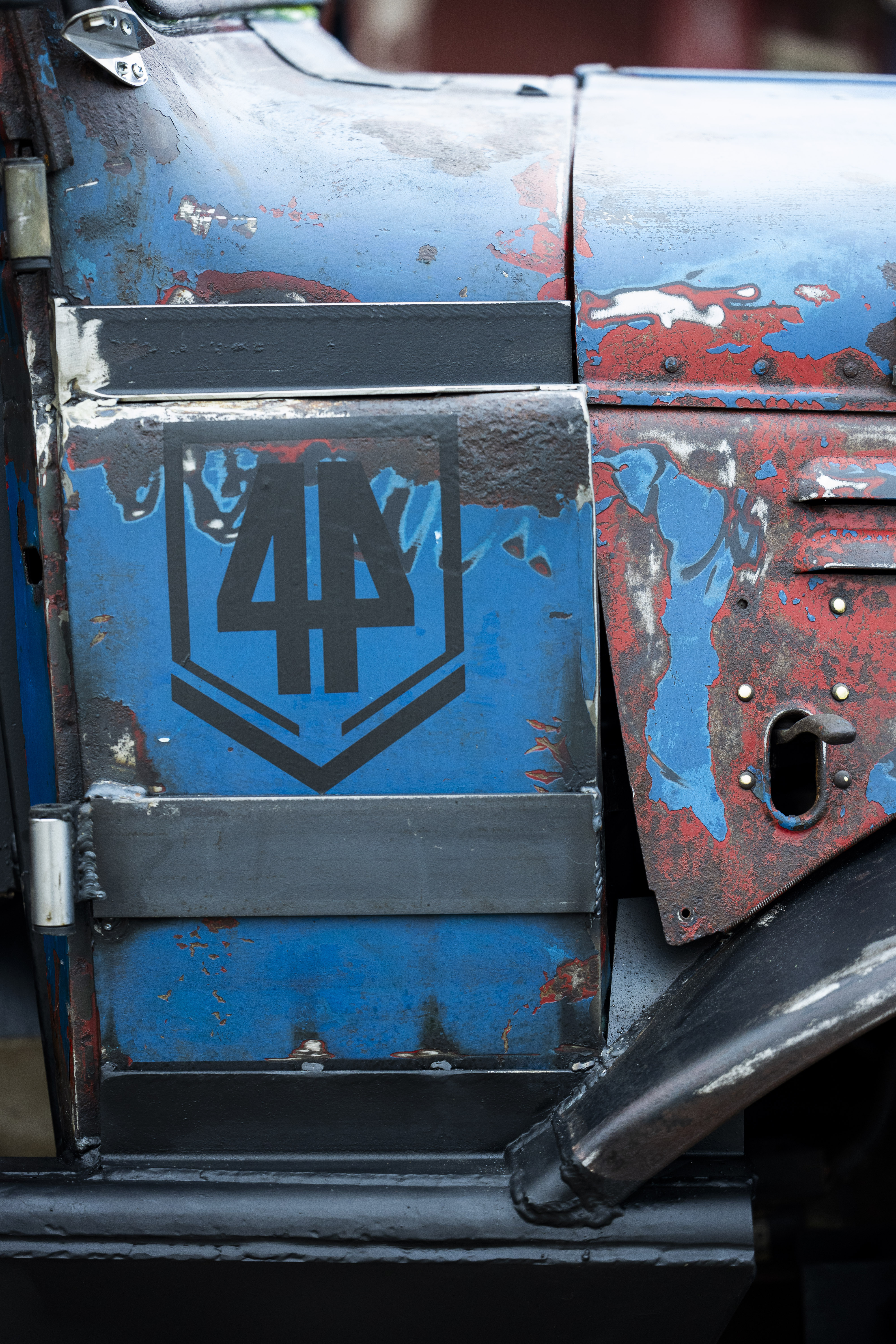
Several people have asked me about the theme behind the Power wagon and I haven’t shared much. This power wagon is a one-of-a-kind build and generated a lot of questions on the Facebook post that I didn’t answer. I am a pretty transparent person, but there is some measure of personal intimacy tied up in this one. The build is called the 49’r because the power wagon that was “restored” is a 1949. But the term 49’r has become an idiom better known to describe the gold rush of 100 years earlier. I have taught history for a large part of my life and the main goal of studying history is so that you can learn from the past to make progress towards the future. 49’r is a term that brings thoughts of not only mining for gold, but coal mining, traveling into uncharted territory, being ready or preparing for the worst, hunting for food, and all of the basic tenets of survival that came with the American westward expansion. Life wasn’t easy in that era, and well in many ways, when I was building this, I was feeling similar tribulations in my own life. I have always found when I need to spend a significant amount of time in thought and prayer I either need to go sit on a deerstand or build a rock crawler, in this season I did both. You can see some signs of these hardships in the build from things like the simple single barrel shotgun affixed to the tailgate storage area, the hand-crafted trapping knife I made on the front dash, the shroud protruding from the grill, even the fact that it has a rear seat under the canvas so that my family can join me for the journey takes on the idea of how the west was won. But not everything was won, some was lost, and this build also is a mosaic of that and perhaps some feelings of what has happened recently in my life, namely deciding to leave the church we have been involved with for the last 10 years. There are several hints to this, but the biggest one is the custom cast buffalo as a grill ornament. Westward expansion came out a terrible cost that personified both the best and worst in America. Much was learned. The buffalo in many ways also signifies the spiritual picture of what I have endured. Buffalos are strong resilient creatures but when pressured can become an unreconcilable force; yet in the end are agents of spiritual sacrifice at the same time. Indians believed that God saw through the eyes of the buffalo.

You might already know this, but the buffalo has long been an icon associated with strength, abundance, gratitude, and provision. The buffalo symbolizes a deep respect for nature and is considered a guiding “spirit” for many things that lead to “good.” In fact, the buffalo is a symbol of what God provided as good and man “used” as a necessary evil. Since the beginning of time there has been wrestling match between what God created and gave to humankind as “good” which is the Hebrew word “tov,” and what the world has done to these things which is the Hebrew word “ra” and often associated with the ways of the world or Evil. As this is not a post on Critical Race Theory, what we did to the Indians, or the various ways we are destroying God’s good creation, those things are difficult for a Christian to ignore. We are given a free will and told by God to follow our inner spirit or desire to return to the devotion of Eden he intended us for – and offers us a plan to do that. On the other hand, the world, the fallen spiritual powers, Satan or whatever other “evil” you may believe in, is constantly tearing at you to become like “it” which is contrary to the Lord. The plan for humankind is to reclaim their original design and/or calling and with Christ in us, operating as living sacrifices unto Him, we might be the physical manifestation of everything that is of and from God – that which is Tov.

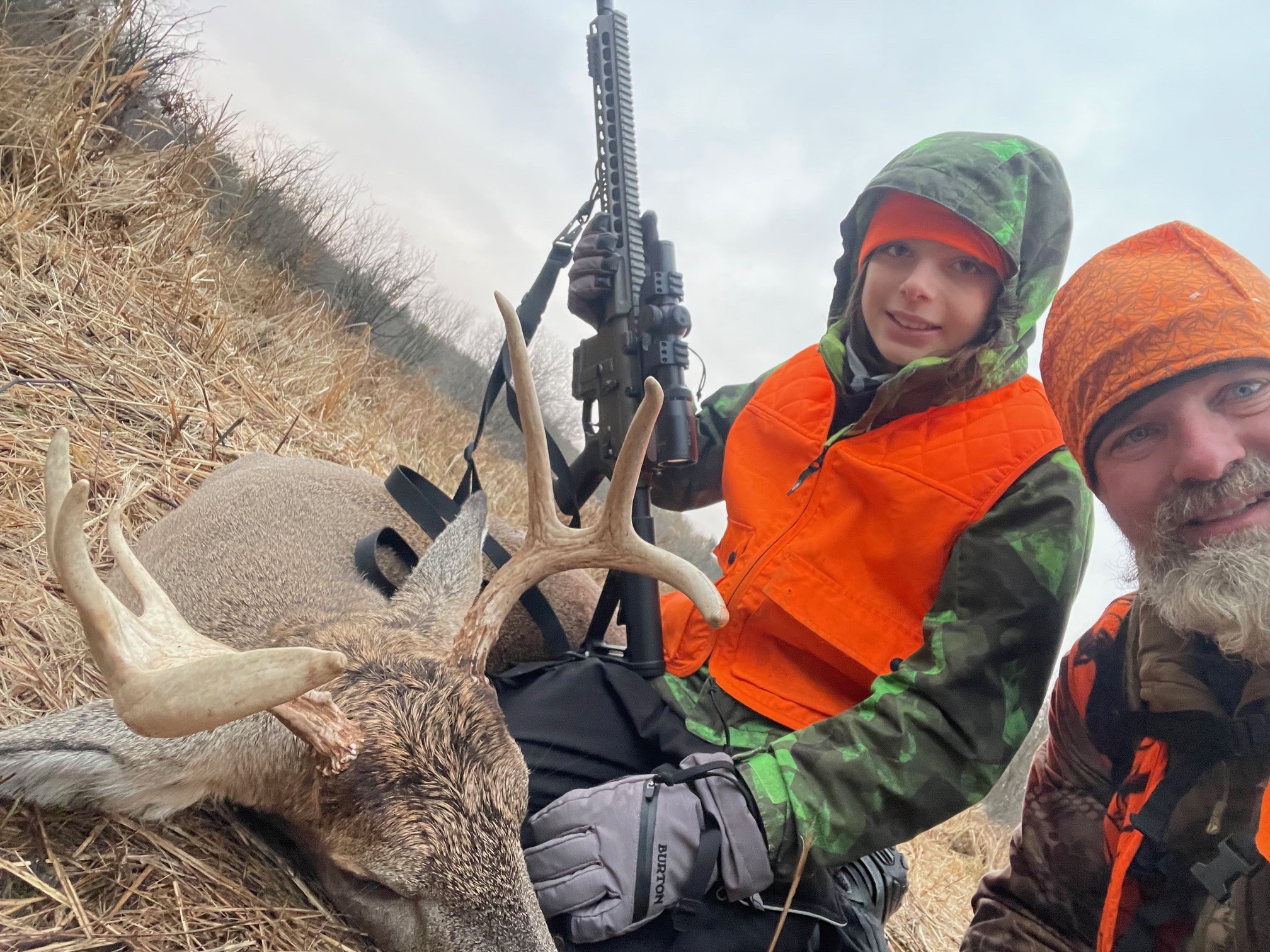
Westward expansion was a picture of this struggle. We were given what was and is a pristine picture of what the Lord is offering to us. If you have ever been to a remote part of the Rocky Mountains or Alaska at the base of a mountain stream or glacial lake with the stars beaming down on you at night you know exactly what I am referring to. The buffalo was also a picture of this to those that first lived in the land. The buffalo was accepted as a gift from God and literally every part of the animal was used, and nothing was wasted, because it was understood that because the buffalo were giving themselves willingly (God made them easy to hunt and plentiful), that gift should be fully appreciated and even treated as a sacred experience. My boys and I are avid deer hunters and take on these same values today. In similar ways, the Bible uses a good deal of typology, themes, and motives to describe the essence of His plan for us.

Nephesh (נֶ֫פֶשׁ‎) is a Biblical Hebrew word that refers to the aspects of sentience, and human beings and other animals. [1] The primary meaning of the term is ‘the breath of life’ instinct in the nostrils of all living beings, and by extension ‘life’, ‘person’ or ‘very self’. There is no term in English that correctly corresponds to nephesh, most English translations use the word “soul” but that doesn’t nearly encapsulate the full meaning. [2] The Nephesh is better considered as the spiritual connection that is present in living beings that connects them to their creator. An example of this can be seen with the Hebrew word rûach (“breath”, “wind,” or “spirit”) it describes a part of mankind that is immaterial, like one’s mind, emotions, will, intellect, personality, and conscience, as in Job 7:11 and various other places. Essentially every living being is created as “good -TOV” with a nephesh that connects them spiritually to their creator. Even after the fall we read this over and over, nearly 754 times telling us about our desire to naturally be “of” the Lord.

If your following the expedition 44 series on original sin you will recognize that this flies directly in the face of Calvinist Theology which says the doctrine of original sin removes our ability or desire for Good and overwhelms every being with a desire for bad or the Hebrew word ra (evil.) This reformed doctrine is described as Total Depravity and is the first pillar of Calvinism which I do not subscribe to and unfortunately believe that most people have been influenced more by this doctrine that what the Bible would clearly teach about who we are and what inclinations we have. The doctrine has become engrained into the evangelical mind as a truth of the Bible and has had some devastating effects on Christianity.

I believe that we have a desire (Hebrew yetzer) to either choose to live for the lord or to live by the ways of the world and that every decision determines whose we are. Joshua proclaimed “choose this day whom you will Serve” and Moses made a similar statement in Deuteronomy 30. This is described in Hebrew thinking as the yetzer hatov vs. the yetzer hara. It essentially teaches that you aren’t born with a natural desire to be sinful but that you choose which way you will go with every cognitive decision.

It certainly doesn’t mean that we aren’t greatly influenced by the sin of this world but believe that God has overcome through Jesus once and for all and that power is enough to be completely free and redeemed in who you are and living with each decision pointed towards the joy and devotion of life in Him. Are you going to be of God and be tov, or of the world and give into the ra.

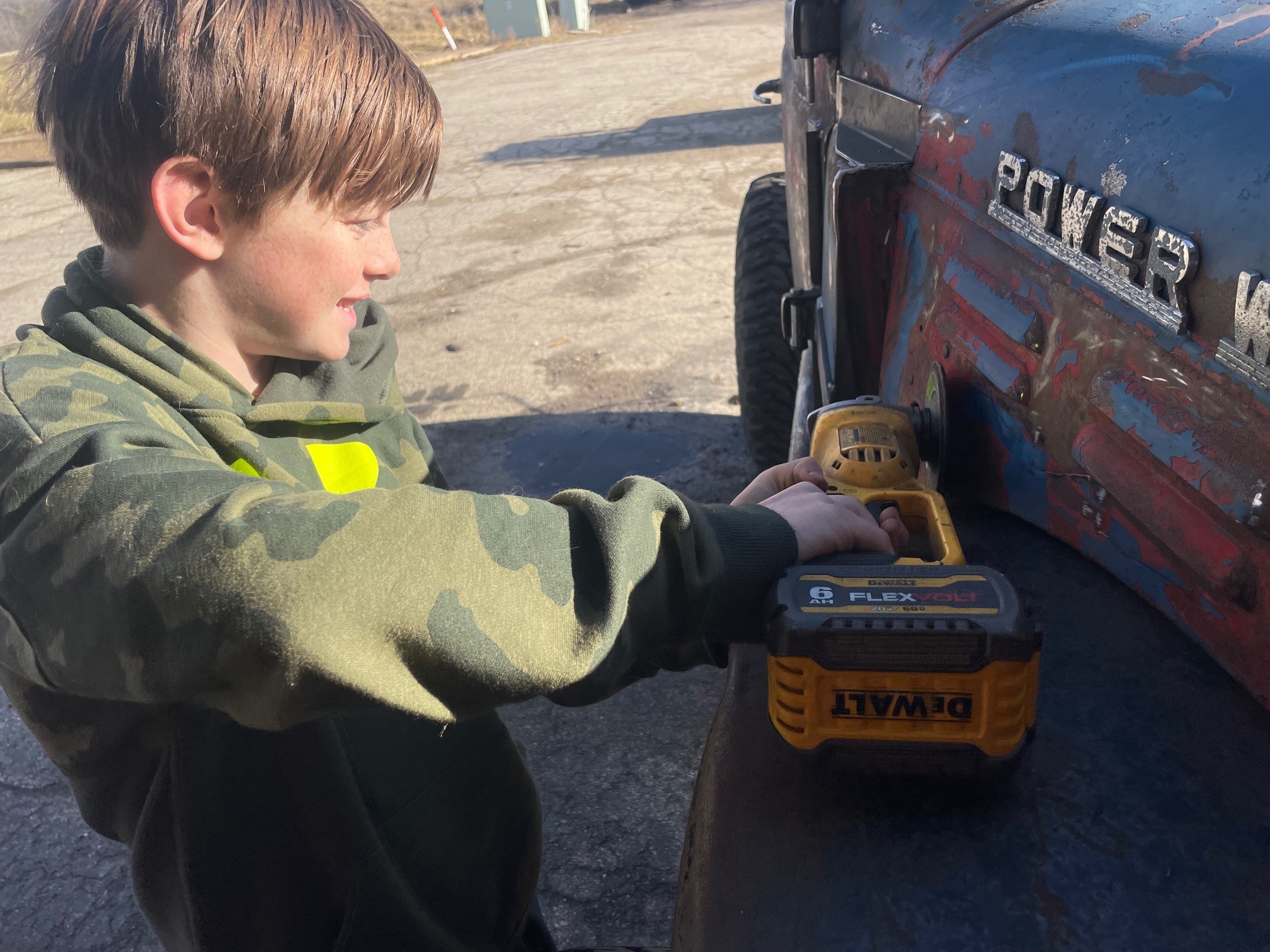
My boys helped build the 49’r. This might surprise many of you, but I have built many of these kinds of vehicles (over 30) and I am not attached to any of them. However, the experience that comes with them I will never forget. One of the reasons it is named 49’r is because when I would come home from working on it my face was covered in dirt and grease and I looked like I had been mining. My kids helped me regularly with cutting, welding, cleaning, sanding, and traveling for parts. These memories are the “spirit” that can’t be lost and the basis for many Jesus-discussions and moments as we remember that era of life together.

When my grandpa passed away at 98 years old, I didn’t receive or inherit anything from him. But a few years before my grandpa had given me an old stall shovel and within a week of bringing it home the 100 year old wooden handle broke. My uncle reprimanded me for actually using the shovel, but I know my grandpa gave it to me to be to be used! I replaced the handle with a piece of DOM tubing and am confident this shovel will outlast me now. I am sure it made my grandpa smile as he used to rebuild everything instead of just buying a new one. For years I felt “bitter” about not receiving any kind of inheritance at his funeral, but over time I gained something much more valuable than anything material I may have been given. It forced me to dig deep and embrace my memories and what I did receive from my grandpa.

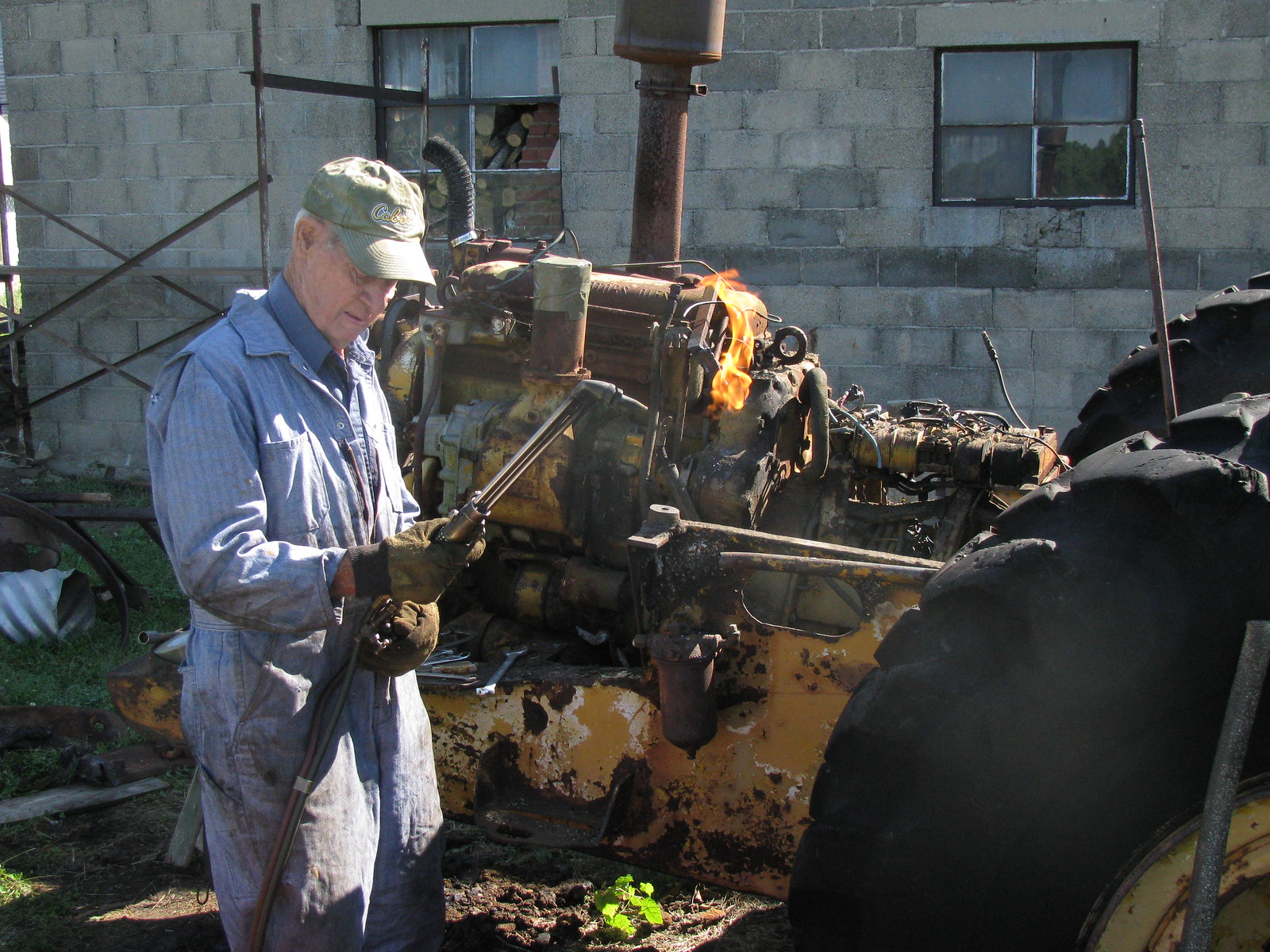
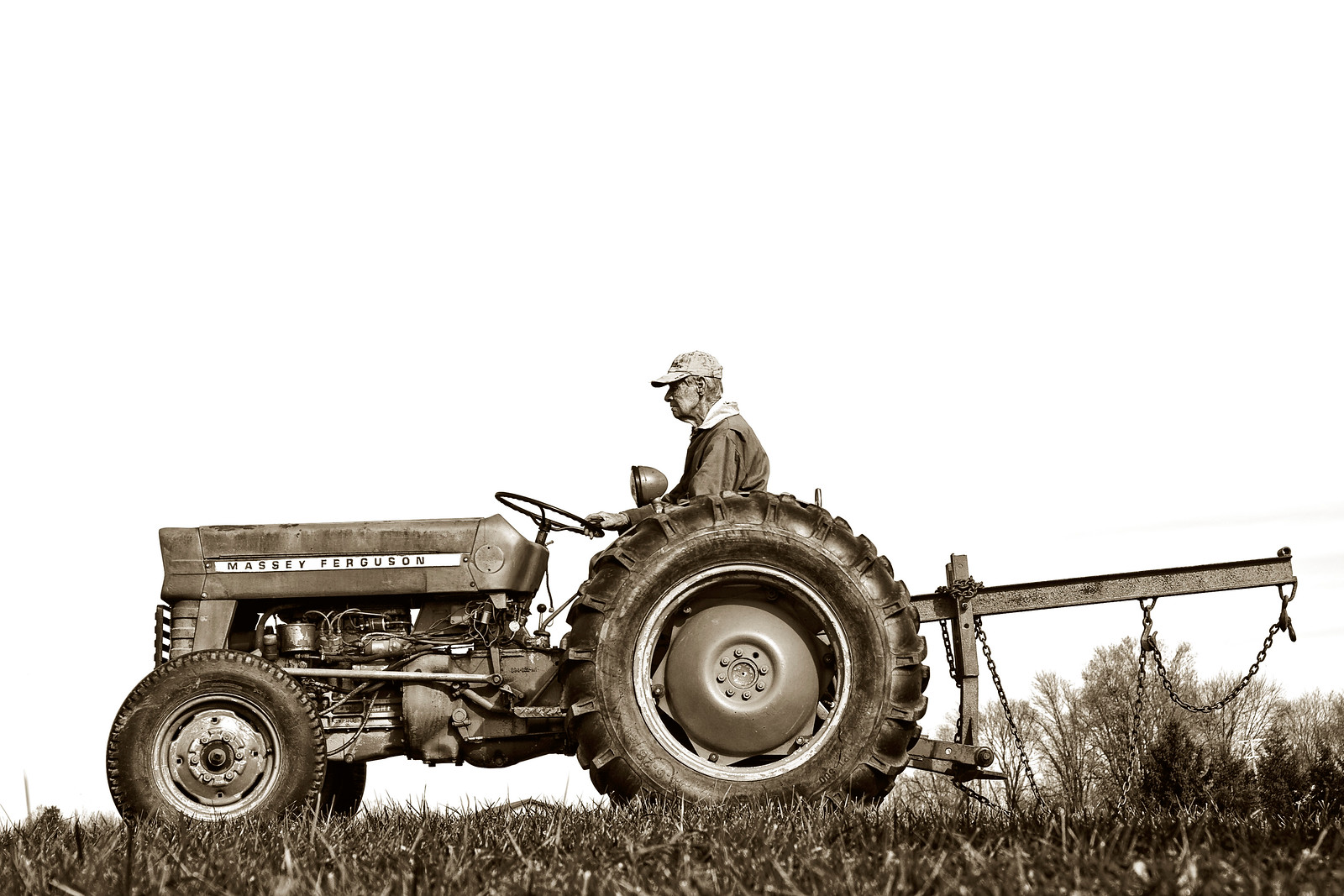
I grew up in a great spiritual family. My mom and dad were instrumental in giving me the tools to own my faith and were great examples of it. But my father died when I was young. Many years before that, when I was just a kid, I started spending the first few weeks of every summer with my grandpa. Those were some of my favorite childhood memories. I would get up at 4am and work till mid-morning then go to their home and swim the rest of the day. He was a retired heavy machinery contractor that never really retired. My summers consisted of all the things little boys love: shooting guns unsupervised, drinking from a garden hose or even the creek, rebuilding engines, digging random holes just for fun with the excavator, digging ponds, welding, fishing, driving the old Massey tractor up and down the banks of the river that flowed through the farm and mowing hay in the 100-degree Indiana summers. After my dad passed, I made it a point to visit my grandfather in Indiana several times a year with our family. To everyone’s surprise he bought a brand-new dodge truck back in 1991 and I have fond memories of it. My grandpa loved fires in the fireplace, so my wife and I made it a labor of love to take the old dodge out to get firewood whenever we visited. My young boys would beg to take it for drive. They grew up driving in the bed of that truck on hot summer days to get ice cream in town. Sometimes when we arrived it had a camper slid into the back which meant we were going fishing. The old dodge became a mosaic of who grandpa was. This power wagon has very much come with remembering my grandfather and what he meant to me and reaffirming some of the same memories with my own boys. Spiritually I have also dug deep to remember the theological conversations I loved with my father that have obviously greatly impacted my life.

I often think about the memories and life skills that come out of these “projects” in life. My uncle recently told me he was selling my grandpas old truck to someone else. For a split second the hurt of not receiving anything of my grandpas returned to me; but I soon was overcome by amazing memories that meant far more than the physical truck. I didn’t need the material item to remember what my grandpa gave me in life. Today as I think of what God gave us as “good – Tov” I think of the things that I want my boys to have in life and it isn’t “material things.” I am often reminded by not having anything material from my grandfather that I don’t need them, that I have so much more than that. Interesting that Jesus didn’t have anything either. That is the same way God asks us to think about Tov and Ra and our time on this earth. Don’t worry about the stuff of the earth (often associated with ra). Don’t get too wrapped up in a 40 our work week that you forget the more important aspects of life. Dwell on the experiences that He gives us both here and now and what is to come. In many ways, the buffalo on the grill of the Power Wagon reminds us that we should always be moving forward towards the spirit of tov. To not lose sight over what really matters.

When my good friend Paul assigned this project Will didn’t treat it like a regular school assignment. He treated it like the gift that it was to him – all that was TOV. He painted the spirit of the buffalo in the wind behind it to signify that it isn’t just the material truck, but the entire spirit that personified this project in his mind (and his teacher Paul knew this.) It represented all that came with it. Memories of deer hunting after we worked on the truck for a couple hours, power washing the patina to get it just right after his Saturday morning soccer games, talking about how we should build it, learning how to lay down a weld and being surprised that dad was going to allow him to put some beads down on such an amazing project. He is already talking about learning to drive “stick” in it.

According to Merriam Webster, “Tov is from the Hebrew word for “good”, but with a fuller intent which implies something which fulfills the purpose for which it was created. First used where God pronounced what He created was ‘good’; also, in describing the tree of the knowledge of ‘good’ (tov) and evil (ra).”

I agree with the dictionary, but at the same time understand that the dictionary often misses the deeper under tones of the Bible. The word tov would best be translated with the word “functional” in regard to the order that God created. God calls forth the seeds he has embedded in creation, creation brings forth those seeds with the seeds of future life in them, and God calls this process that postures towards him as TOV.

What God wants is for us to image Him. It means capable of, presently engaged in the process of, and destined for, completely fulfilling the Divine purpose for which it was created.

  • 1. Horst Balz (ed.), Exegetical Dictionary of the New Testament (3 Volume Set), 1993
  • 2. A.B. Davidson, The Theology of the Old Testament, Edinburgh: T.& T. Clark, 1904/25, p.200-201
Comments Off on TOV and the power wagon Posted in ADVENTURE