
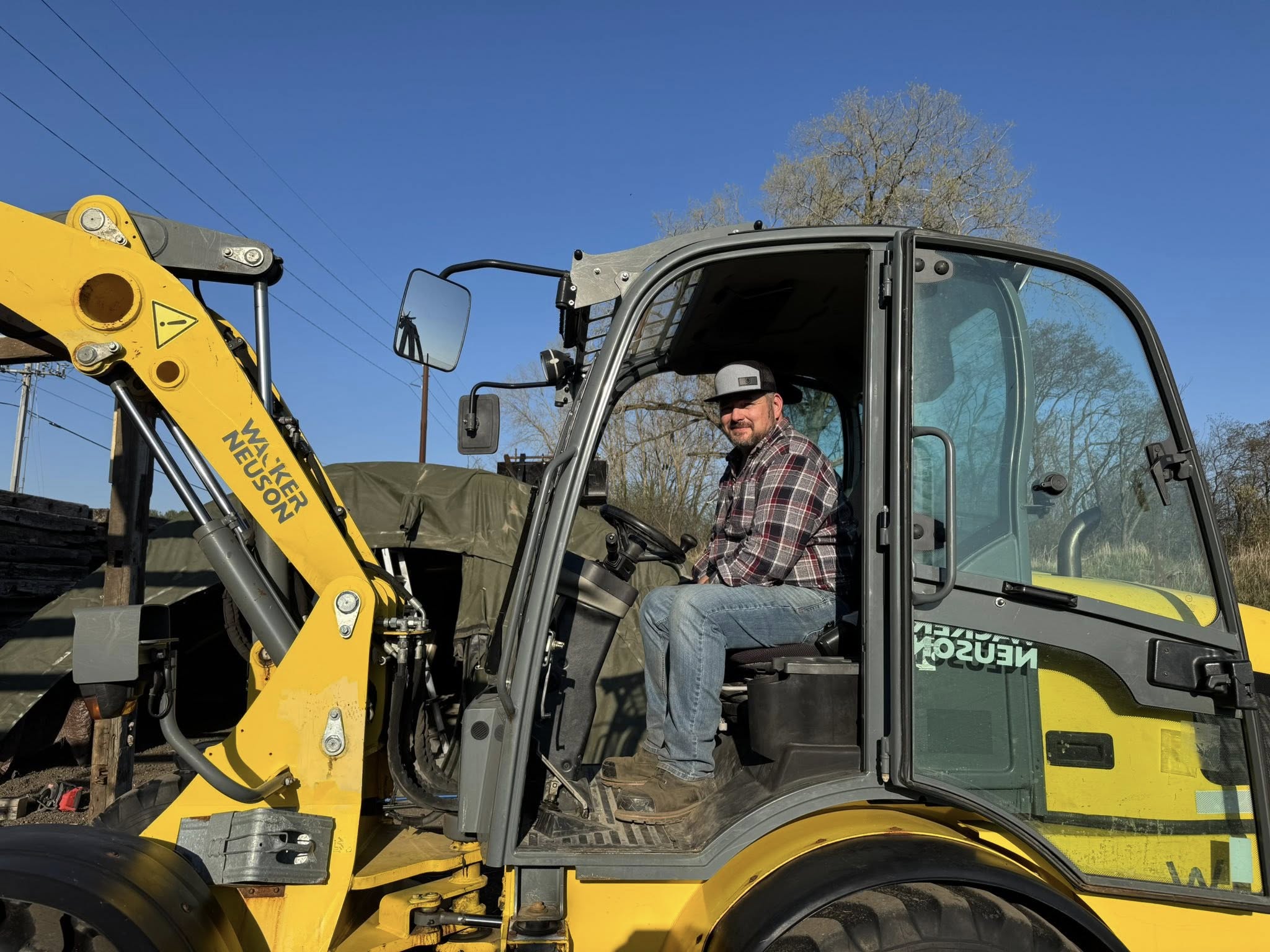
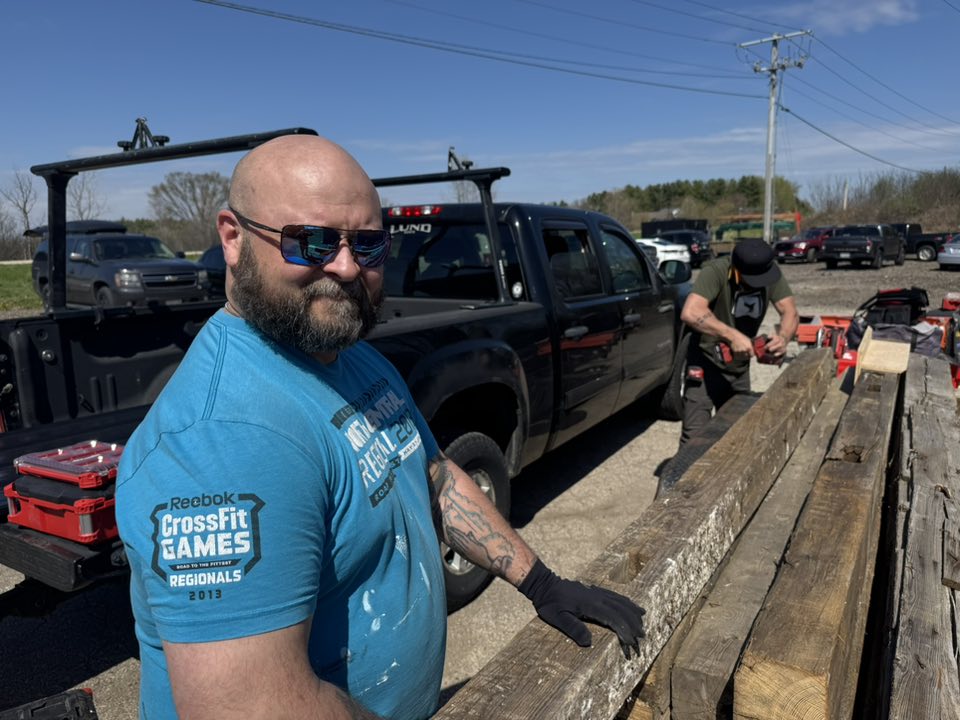
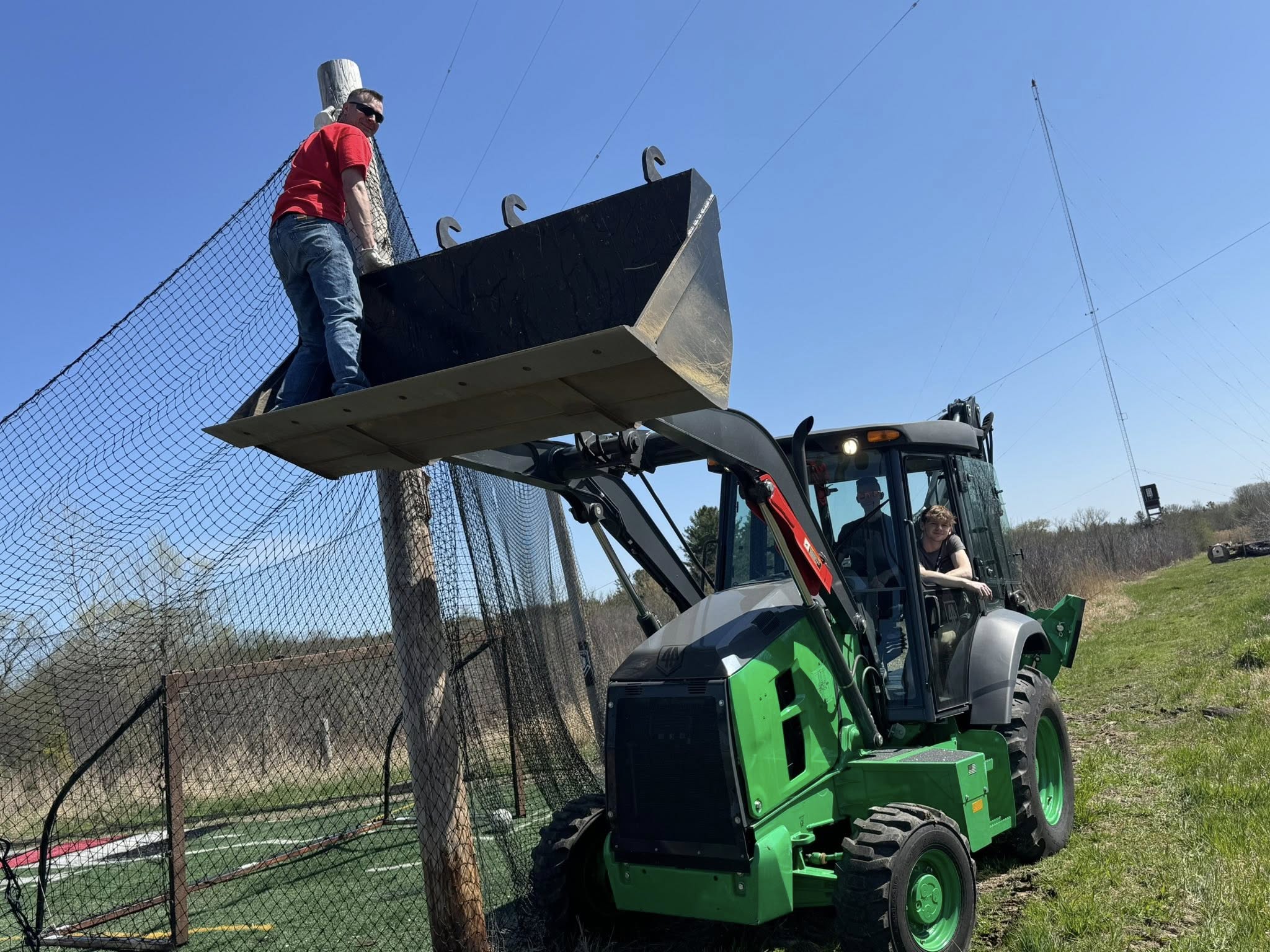
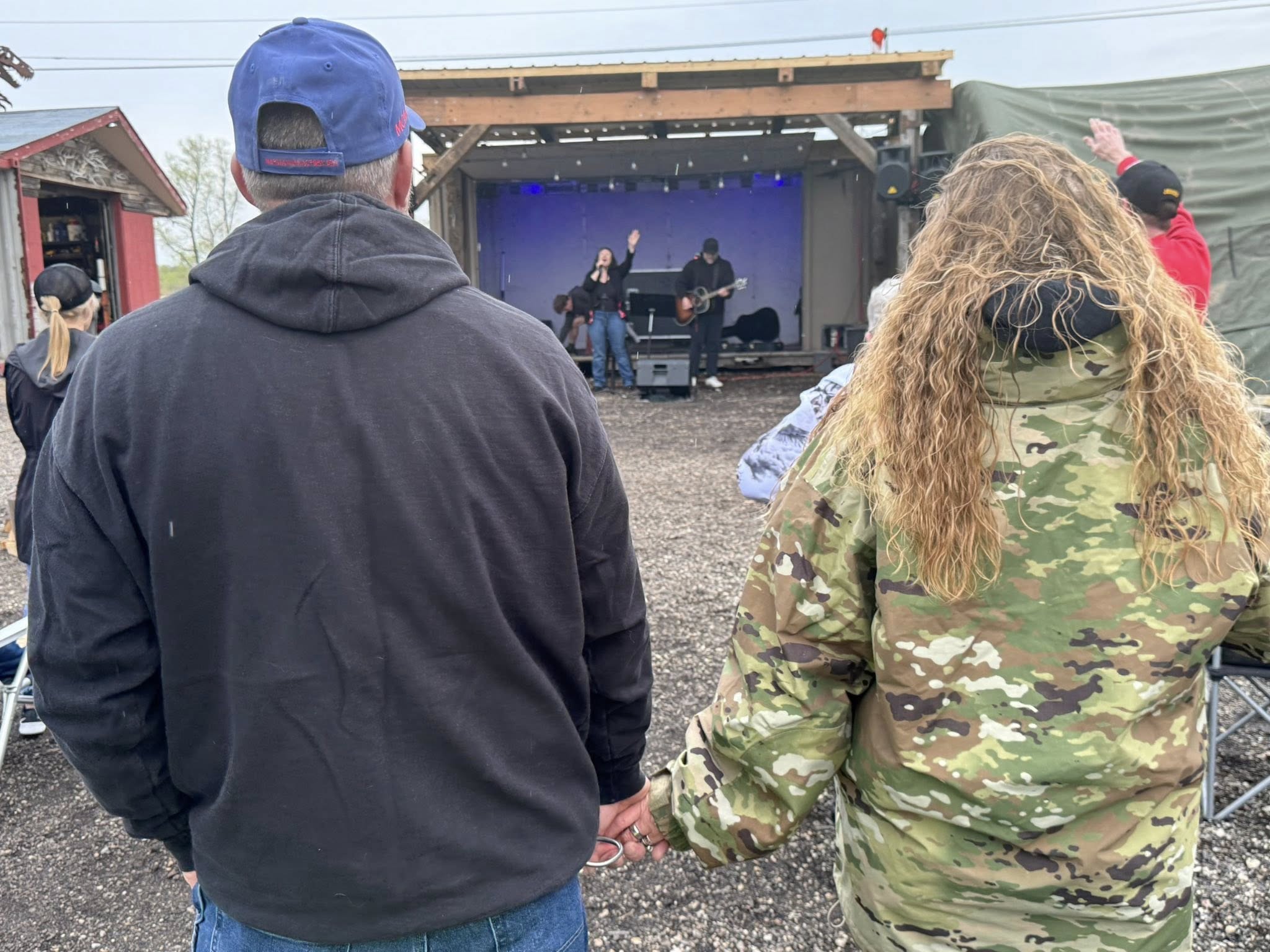
If you have ever attended TOV you notice that there are new “things” being built all the time. Gardens, trails, crosses, structures, tents, and the list goes on. What is that about? Well, it encompasses several things. First there is some sacred garden/temple thinking and language happening. We believe the TOV grounds serve as a tabernacle or dwelling for our community and we want to “build into that” mindset. We also encourage gifting, and several people just want to come share their gifts. But there is also something deeper. TOV is encouraging tribal building. Sometimes what is happening on the outside is a picture of what is happening on the inside. That is why the grounds are vibrant. It is a picture of the tribes that dwell here. Bible studies, baptism, healing, hope, communion and so much more.

Heaven and earth shall praise Him, the seas and everything that moves in them. For God will save Zion and build the cities of Judah, so that they may live there and possess it. The descendants of His servants will inherit it, and those who love His name will live in it. Psalm 69:34-36 NASB
What are we supposed to be doing as good citizens of the Kingdom of Jesus? Live there and possess it – According to David’s poem, the citizens of the kingdom will not just live in the land (yāšab – sit, remain, dwell), they will also own the land (yāraš – take possession of, inherit).1
This verse was written more than 2500 years ago, long before we started the TOV community. But every generation that starts up in the name of YAHWEH starts with a similar charge. Remember Micah 6:8, Matthew 16 & 28, Acts 2? But what is interesting is the context of land has changed. In other words, what was the base of cultivation shifted from place to place and generation to generation. It was not so much about the specific land itself being sacred, but about the calling and communion to make it sacred.
Church – The word “church” in a modern-day paradigmatic expression is without much textual support. I have written much on the ekkelsia (Greek) and qehelah (Hebrew). Expedition 44 has done a one-year series on the church. Perhaps what we night simply consider is what is conveyed in the first church, Acts 2:42 is well known, They were continually devoting themselves to the apostles’ teaching and to fellowship, to the breaking of bread and to prayer.
Continually devoting – This is a mouthful of Greek–proskarterountes. The word is derived from pros (toward) and kartereo (to be strong, steadfast and firm). The picture we see from this word is a group of people totally committed. They were strong and steadfast in their pursuit of understanding and cooperating. They did not settle for mediocre. They wanted all they could get.2 We would describe these people as ones who hung on every word, zealous, hungry, perhaps even demanding. Does that describe a TOVER?
There are many attributes of TOV and most of them are, well “good.” We are known for our generous, kind, and compassionate giving, our prayer, our devotion, our hearts, our food, pond baptism, our community, and so much more; but I pray that what really sets us apart is our relentless discipleship.
There is a flip side to a community tethered like this. Buried in the word above for devotion is the word, kartereo which entails bearing burdens and enduring severe hardship for someone or on their behalf willfully, Jesus uses a root of the word when he says “abide” in me. This thinking and action plan characterized the first century church. Today the “church” has largely lost this way of thinking.
Today we think of it as puppy dog infatuation, but the meaning of Jesus meant to be incredibly committed to someone, and the word covenant was used throughout the pages of scripture to define that relationship of those grafted by the kingdom of God.
The First Century knew a different kind of devotion. They literally lived with and for one another. The cared for ALL of each other’s need, loneliness, finances, work, teaching, raising children, provisions, and the list goes on. No one felt unwanted, unnecessary or ignored, at least if they were involved, and they should have been because that was actually what identified them as part of the community. How “involved” are you. Have you found your tribe here?
If someone gets hurt, does your time warrant you to simply help? If something needs fixed, can you be part of the solution? If toil is part of the process, can you transform it to cultivation that brings joy? If you rejoice does that bring rejuvenation to others? If someone is mourning, do you share in their needs?
I think we are done with “serving” in the “modern day sense” of feeling like your identity and worth are based on what you do for the “church”. Are you tired of a church that is only a building or a weekly obligation? Do you hunger and thirst for a community of belonging? Do you want a community of acceptance under grace? Do you want a comunity that disciples you to a depth of relational interaction based on the WORD of God like nothing you have ever known? I do. I long for the peace of being continually devoted to the community of God’s redeemed. I am ready to give all (TIME TREASURE TALENT) I have to that community. I need these people in my life.3 I want a life that is continually devoted to them. That is covenant, and that requires a tribe of deeply devoted people.
I don’t entirely like the term build, because in our culture it comes with materialism. But the Bible’s term for edification actually means to build each other up. That is the core of what we are doing here…
WE ARE shepherding each other. How is your building “SPACE” coming together?









 EXPEDITION 44