
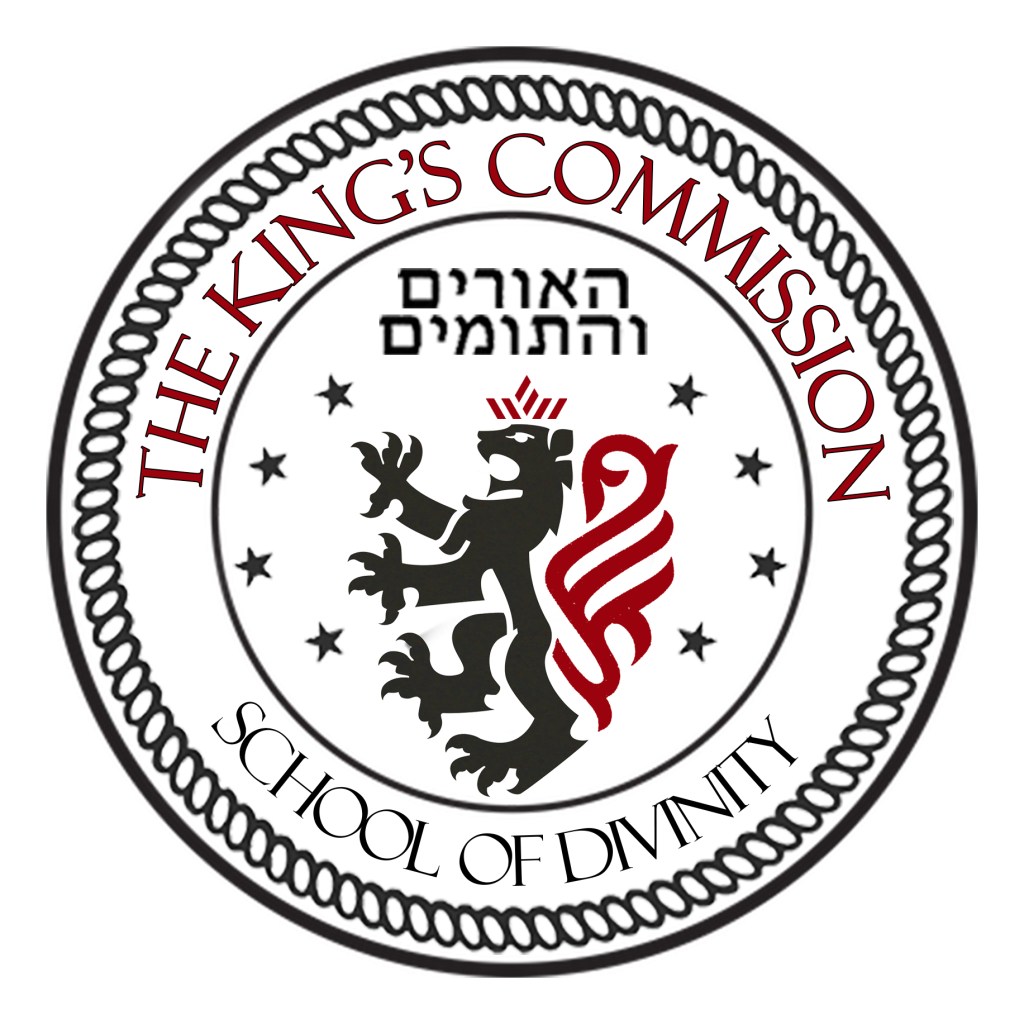
Song of Solomon 8:6 says, “Put me like a seal over your heart, like a seal on your arm. For love is as strong as death, jealousy is as severe as Sheol; its flashes are flashes of fire, the very flame of the LORD.”
It quickly becomes clear to the attentive reader that the Song of Solomon places sexual desire, passion, and fulfillment under the authority of the “seal.” At the climax of the poem, the woman pleads with the man: “Set me as a seal upon your heart, as a seal upon your arm” (Song 8:6). In biblical thought, the heart represents resolute obedience and devotion, while the arm signifies action and strength. Together, they portray a covenant bond—an inseparable unity of intention and practice—anchored in faithful devotion to the Lord.
The Hebrew word translated “seal” is ḥôtām (hotham). In the ancient Near East, a seal was often a carved stone or cylinder that left a raised impression marking ownership, authority, allegiance, and representation. To bear a seal was to act on behalf of the one who owned it. It signified commissioning and identity—an embodied declaration of whom one belonged to.
Interestingly, ḥôtām is a loanword from Egyptian, where it was sometimes associated with what we might broadly call “magic.” While that term can understandably cause discomfort today, this association invites reflection. Many couples describe the deepening intimacy of covenant marriage as “magical,” not because it is mystical in a pagan sense, but because it reflects something beautiful, powerful, and beyond ordinary explanation—a gift once rightly ordered before the Lord but often distorted in modern culture.
The passage also contains a striking reversal. The woman asks to be placed as a seal upon the man, implying that he belongs to her. In the Davidic period, such language would have been culturally unsettling. Yet this “upside-down” logic anticipates the kingdom ethic later revealed by Jesus—where victory comes through humility, authority through surrender, and life through self-giving love. Here, the man entrusts his life to the woman, foreshadowing the greater reality in which believers entrust their lives fully to Christ, embracing a lowly calling within the royal priesthood of the new covenant.
The woman’s request may be paraphrased as a prayer:
“Lord, shape me to steward his heart rightly, placing his devotion to You above my own desires. Use me to lead him into fuller obedience, and let me rejoice in my role of belonging wholly to You together.”
This posture reflects not only marital faithfulness but also the calling of the Church as the Bride of Christ—living in covenant submission and shared devotion.
The TKC seal draws upon this biblical imagery and bears an abbreviated Hebrew phrase: haʾUrim vəhaTummim (האורים והתומים), translated as “Urim and Thummim.” Over time—particularly during the diaspora and later Greek translations—the precise meaning of these terms was obscured. While Scripture does not explain exactly what the Urim and Thummim looked like or how they functioned, it is clear that the priests used them to discern the will of the Lord, trusting that the outcome was directed by Him.
The Urim and Thummim were associated with the ḥoshen, the breastplate worn by the High Priest and attached to the ephod. Although similar practices in surrounding cultures resembled divination by casting lots, in Israel this act was understood differently. It was not an attempt to manipulate divine power, but a declaration of total dependence and surrendered obedience. The priest laid down his life before the Lord, trusting that God would respond by guiding, directing, and accomplishing His purposes through faithful submission.
What appeared “impossible” or even “magical” to the surrounding nations was, in reality, the fruit of a life wholly given to God. Today, the language of Urim and Thummim expresses the calling and mission of TKC: to cultivate a discipleship culture unmistakably shaped by the power and presence of the Lord—not by human effort or strategy, but by wholehearted devotion to the Kingdom of Jesus.
 EXPEDITION 44